AI Tools for Teachers Who Hate Routines
Confession time? My best lessons rarely come from the plan. I’m the teacher who rewrites Tuesday’s agenda on Monday night, lets a debate run over, or turns a group brainstorm into next week’s project—just to keep things fresh. Some call it improv, others, chaos. But if teaching for you is equal parts experiment, co-creation, and “let’s see where this goes,” you probably know: traditional edtech doesn’t fit. Most AI for teachers wants you to streamline, script, repeat with efficiency.
Not for us.
This year, I set out to discover the AI tools that actually fuel flexible, non-linear teaching: apps that help me remix units, capture student sparks, and keep me creatively invested in every class, even when the only thing I’m sure of is that nothing will go as planned. Below are my favorite (and sometimes, most surprising) AI finds from the trenches—each a lifeline for teachers who never teach the same way twice. (And yes, Kuraplan earned a mention, but it’s not the hero of the story.)
1. Notebook LM — Document the Wild Path, Not Just the Destination
If your whiteboard ends every period covered in questions, arrows, and “what if…?” tangents, you’ll love Notebook LM. I stash everything from class—photos of exit slips, evolving project notes, even impromptu student debates—into one messy AI notebook. Here’s the magic: Notebook LM analyzes the jumble, then maps connections, common themes, and even writes up class-generated Q&As or podcast scripts that make the learning path visible.
We’ve ended units by recording reflection podcasts based on what actually happened, not just what was planned. At open house, parents could browse the raw notes behind our final showcase—a living portfolio of process, detours, and those “a-ha” moments that never fit in traditional unit binders. (Bonus: the AI even reminds me when I forgot to circle back to a question from three lessons ago. Lifesaver.)
Try Notebook LM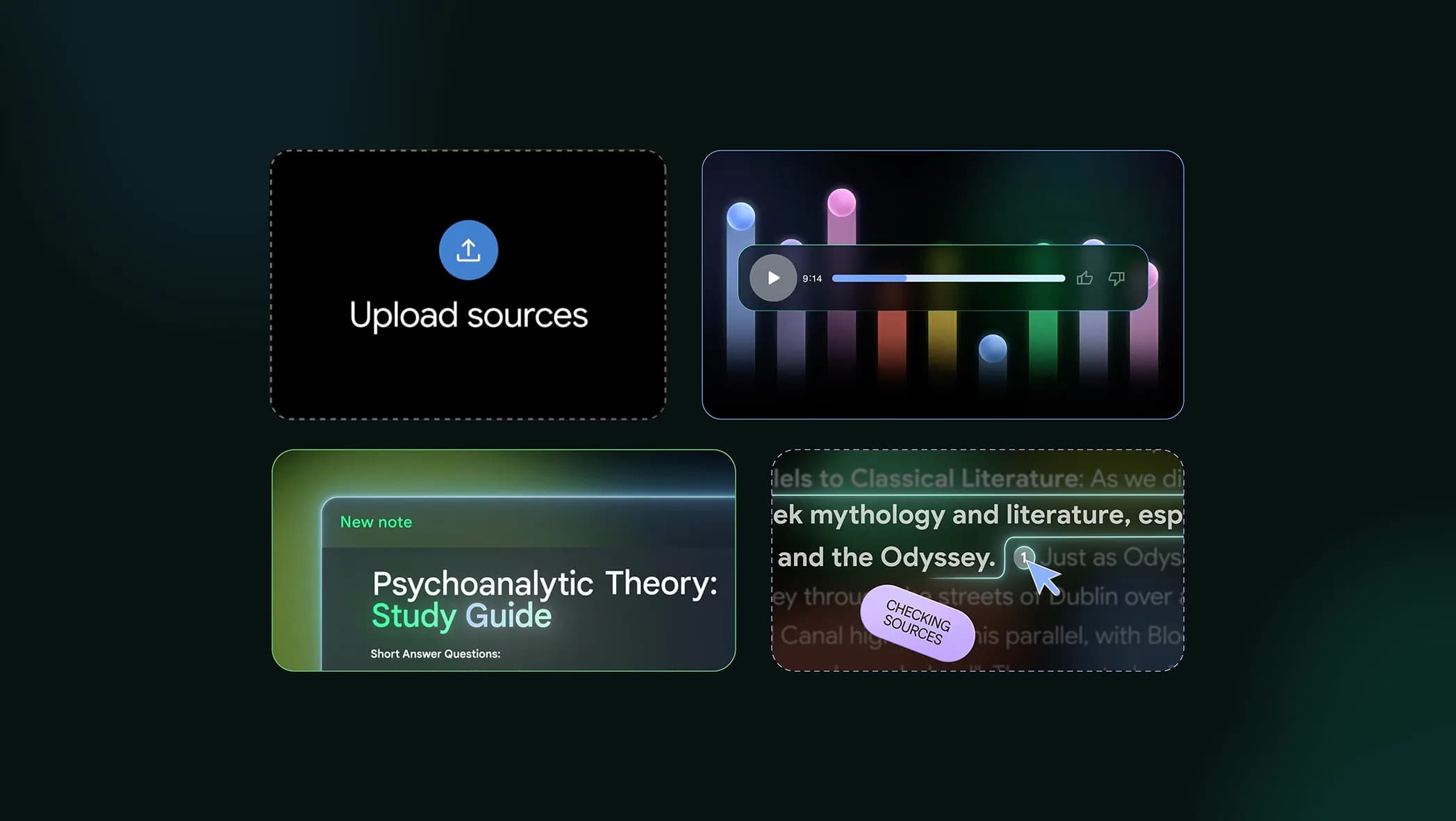
2. Gamma — Turn Messy Brainstorms Into Stunning Learning Evidence
Group brainstorms and project sprawl are my happy place—until admin walk-through or parent night rolls around, and my classroom looks like a post-it tornado. Gamma fixes that: students (and I) just dump notes, images, diagrams, and even “mistake cards” from failed labs/projects into Gamma, and the AI spins up beautiful visual timelines, argument maps, or storyboards.
I use it to: recap wild detours, display creative process in real time ("Here's how our podcast series changed from week 1 to week 4"), and let students present the whole journey instead of just a polished endpoint. Admin actually love it—proof that our learning, while nonlinear, is deeper than any worksheet packet.
Try Gamma
3. Kuraplan — Flexible Backbones for Off-Road Units
Look, I’m a Kuraplan late convert. While it’s famous for auto-generating aligned unit plans, my use is different: when a group project, parent suggestion, or student idea launches us off-map, I use Kuraplan as an emergency skeleton. I feed in where we started, what new goals are emerging, and let the AI spit out a draft timeline—checkpoints, reflection moments, even suggested parent communications. Then (frankly) I break half the structure, but keep the big milestones so we never lose our way entirely.
The magic: Kuraplan helps me plan in reverse, building a new backbone around the creative mess, not a predetermined outcome. That’s freedom plus peace of mind.
Try Kuraplan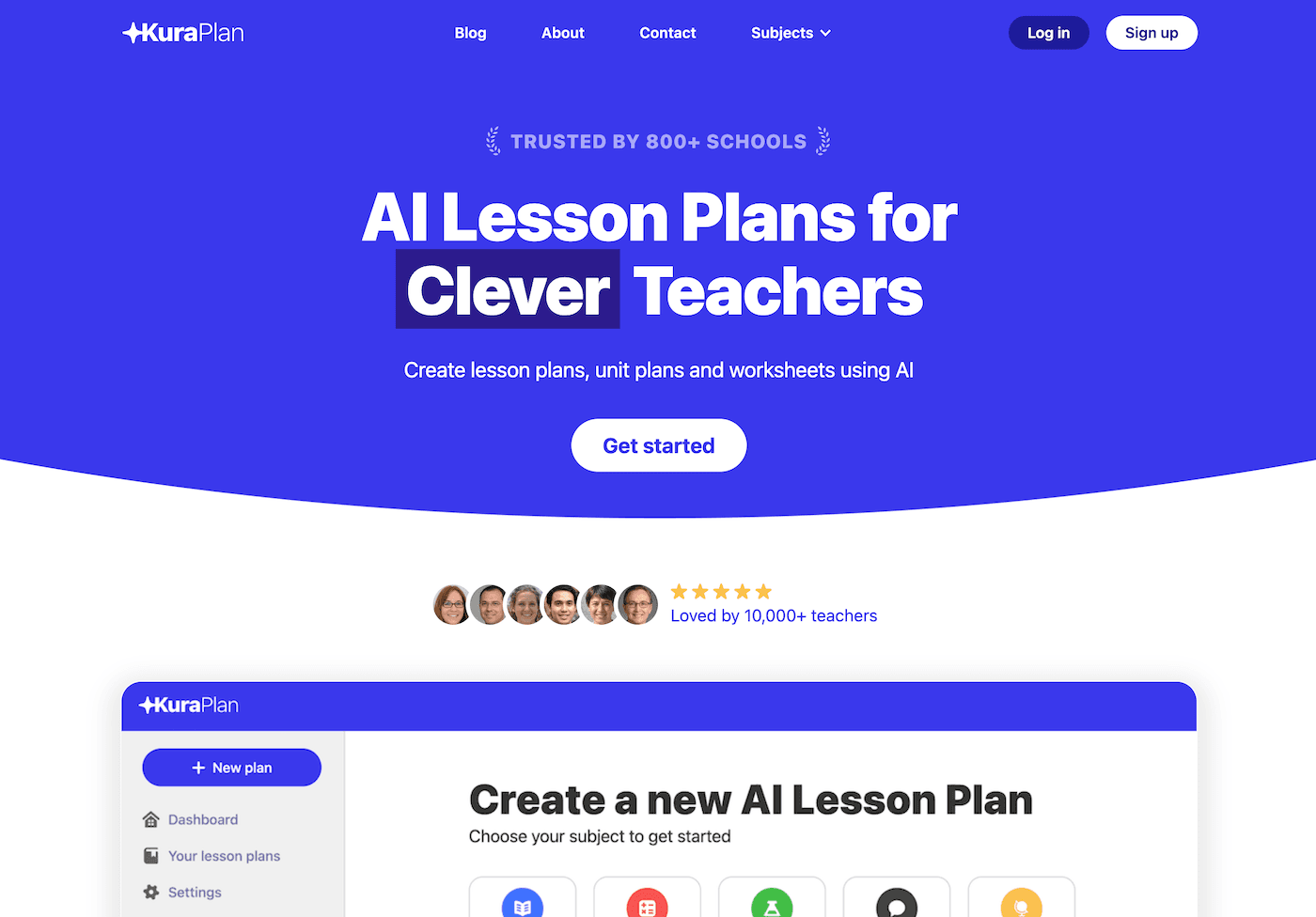
4. Jungle — Let Students Direct the Review (and the Writing!)
If you’re bored writing the same quiz for the third year running, hand off review to your students. After every unplanned detour or oddball project, I have kids build flashcards or quiz decks in Jungle. The tool adapts their content, shuffles duplicate cards, and generates review games from the actual questions, discoveries, or confusions that come up during our journey. Sometimes the best learning is in the places we all got lost—and Jungle makes formative assessment a celebration of that, not something to fear.
No more Sunday-night quiz writing, and the kids feel their voice matters in how we assess what stuck (and what didn’t).
Try Jungle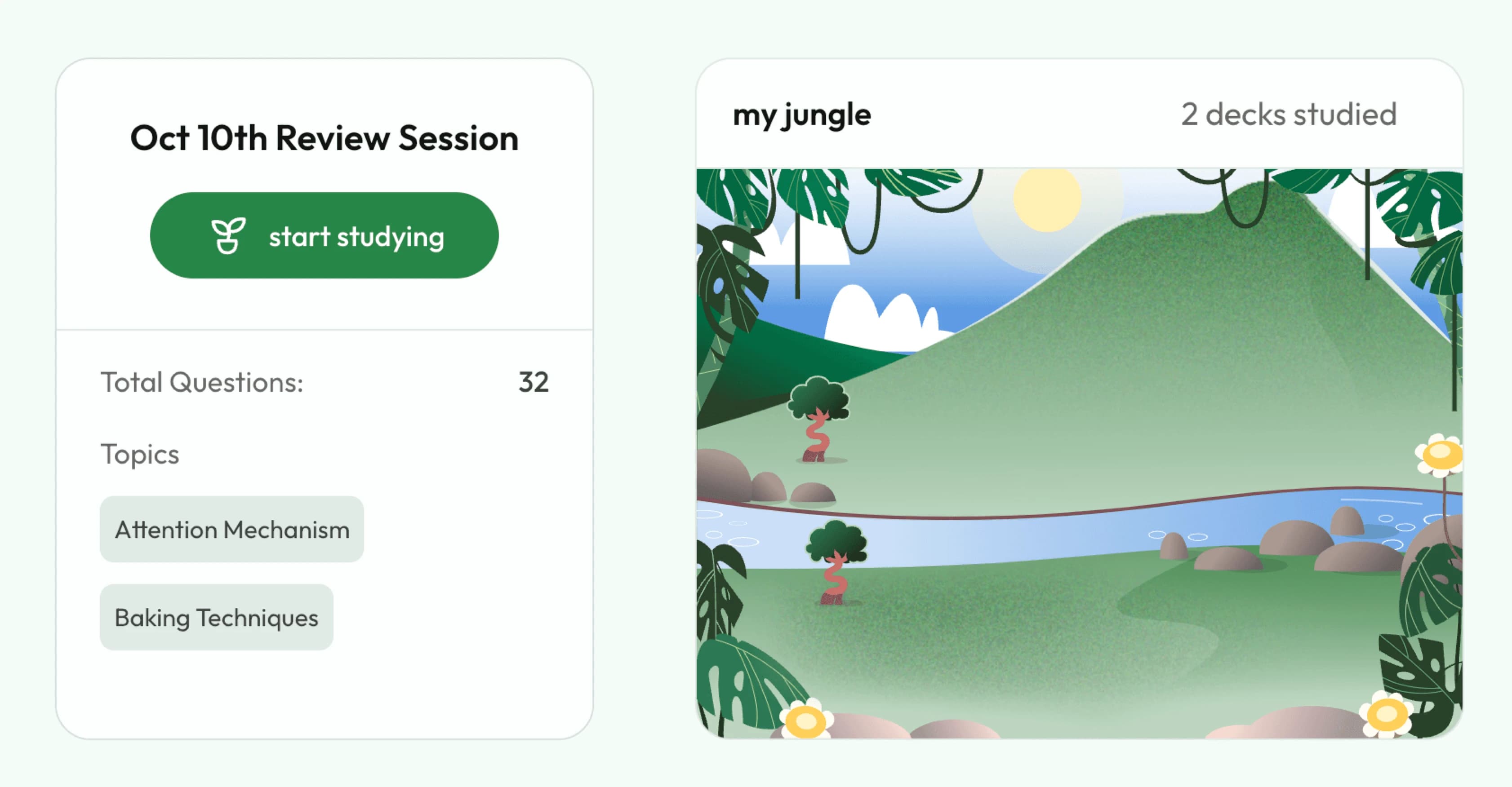
5. Suno AI — Spontaneous Rituals for Silly, Memorable Moments
Routine is great—until you start hating it. When my old transition music got stale, I let students write daily prompts for Suno AI (“song for finishing a messy project,” “brain reset after a chart disaster,” or “celebrate a great tangent”). The AI spits out a unique track every time (yes, even "slow jazz" for a pop quiz), which we use to mark pivots, close out wild Fridays, or just remind everyone that learning is a process.
The best part? Students volunteer to compose lyrics or send Suno prompts, ownership soars, and even a failed lesson gets a musical postmortem. Culture, not just consistency.
Try Suno AI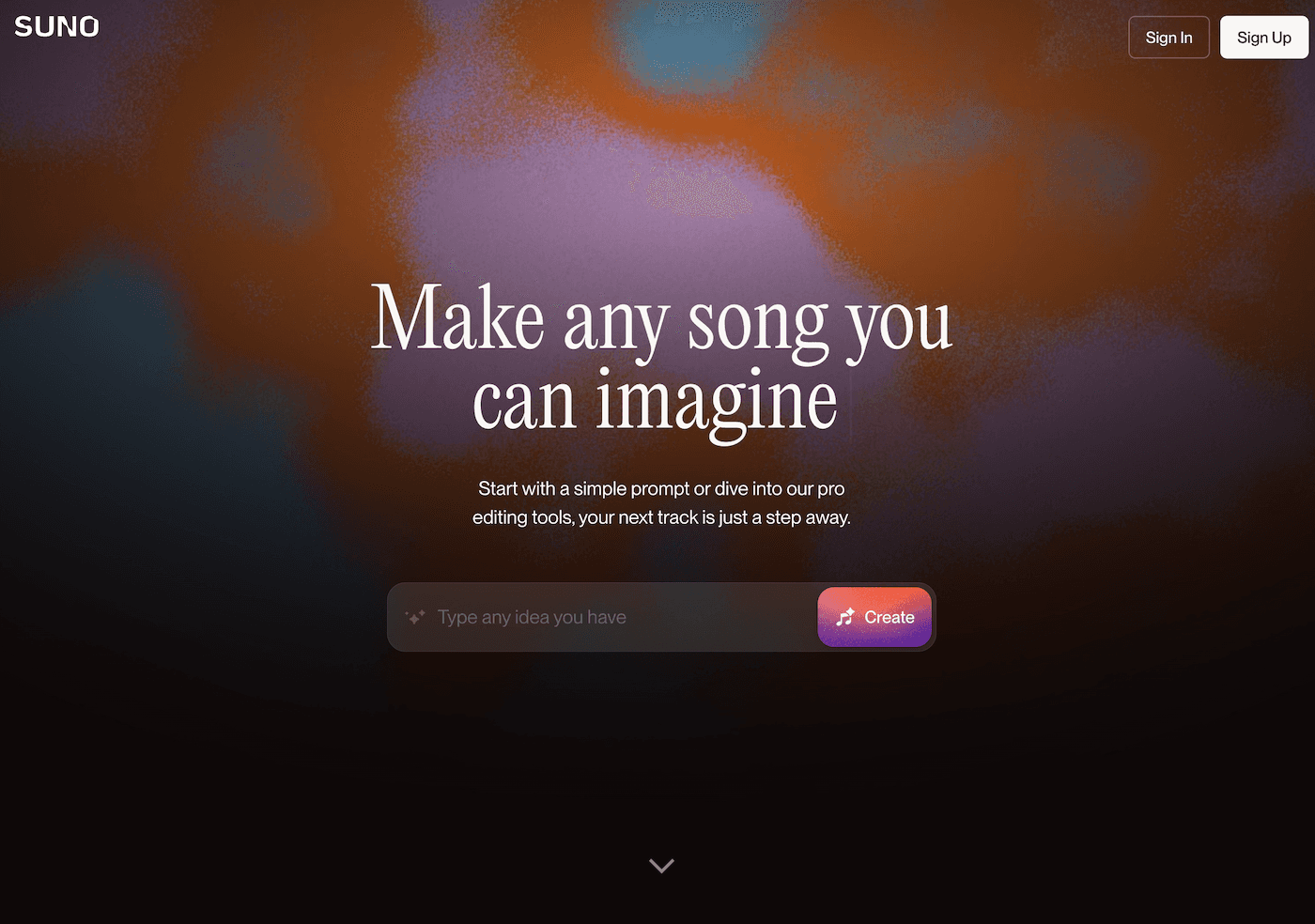
6. Fliki — Publish In-Progress Work (Not Just the Final Product)
Scrap the “wait until the end” for presentations. This year, I had students script short updates or “learning check-ins” after debates, lab fails, or mid-unit pivots, then used Fliki to turn their drafts into quick, AI-voiced video explainers.
We’d celebrate the whole class’s progress by playing evolving Fliki clips before the final project—“Remember this?” became a running class joke. Documenting the process as it happens means reflection isn’t an afterthought, and even the quietest voices get heard. My new parent-teacher night hack: a playlist of learning-in-progress Flikis beats any rubric handout.
Try Fliki
Real Advice for Teachers Who Don’t Believe in Teaching Like a Script
- Use AI as a scaffold for capturing & remixing—not for hammering the class into a fixed routine.
- Pick the one workflow you avoid most (end-of-unit documentation? Review? Parent comms?) and let AI fill in the edges so you can focus on the weird, joyful, unrepeatable teaching that drew you here.
- Let students co-drive tool use—they will invent hacks and workflows that surprise you (and, honestly, improve your own).
- If a new tool boxes you in or stifles detours: ditch it. The best tech is the one that joins your creative mess, not tidies it on your behalf.
If you’re a teacher who’s proudest of what wasn’t on the plan—and has a favorite AI trick for keeping the magic chaotic, post it below. Let’s swap survival stories for another year of never teaching the same way twice.