6 AI Tools for Teachers Who Love Offbeat Lessons
Some of us teach happiest when we can rip up the pacing guide, go all-in on a student’s “what if…?” moment, or swap a test for an improv trial, video campaign, or whole-class parade. Sound familiar? If your favorite lessons are the ones that administrators call “experimental” and your feedback often includes “creative, but hard to evaluate,” this is for you.
Because let’s be honest: most AI for teachers is for organizing the expected—quizzes, slideshows, lesson plans. What if you want a toolbox that spotlights the wild, the student-led, the “let’s learn by making a mess and turning it into something new”? This year, I spent my own chaotic quarters in humanities, project-based science, and cross-grade electives deliberately seeking out AI apps that light up the offbeat—tools that keep the magic alive, capture the process, and let you share it with skeptics or team teachers after the fact.
These 6 tools are not for worksheet warriors or data dashboard devotees (though you’ll notice even I rely on Kuraplan for my blueprint moments). If you’re dreaming up a new classroom ritual or want AI to help harness delightful chaos, read on.
1. Gamma — Turn Detour Days into Learning Artifacts
Let’s start here, because the hardest part of running off-script is proving chaos is still learning. After any group brainstorm, gallery walk, or peer-jury session, Gamma lets me upload every photo, half-written flowchart, doodled meme, and whiteboard fragment. The AI auto-builds a vibrant visual story: part timeline, part presentation, part student-annotated scrapbook. I project these boards for families at open house, but also reference them at every unit pivot so everyone can see the path.
The clincher: students “own” the mess too—annotating, remixing, and adding their own captions for the moments nobody else would have captured. It’s my go-to for making the most creative days more than just legend.
Try Gamma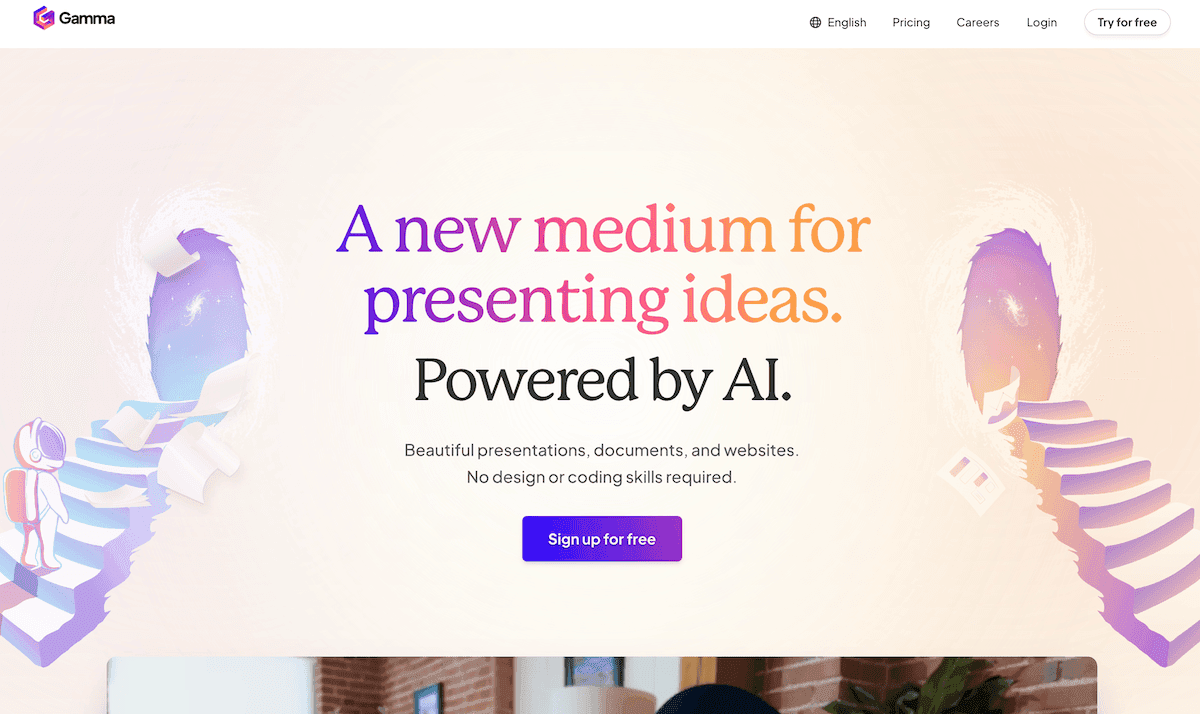
2. Kuraplan — Editable Maps for Project Rabbitholes
Even creative teachers must show their skeleton. When every class is a prototype, Kuraplan helps us map a messy route: plug in your core goal (“run a courtroom for Julius Caesar,” “debate the ethics of AI in art”), set a few anchor deadlines, and add open slots for “surprise project days.” Here’s my trick: make the map public and improvise with your class. When a hallway debate spawns a video PSA, add a branch, edit a checkpoint, or swap the reflection method. Kuraplan won’t stifle the journey, but gives you just enough backup to share progress and make sure every twist finds a home.
Try Kuraplan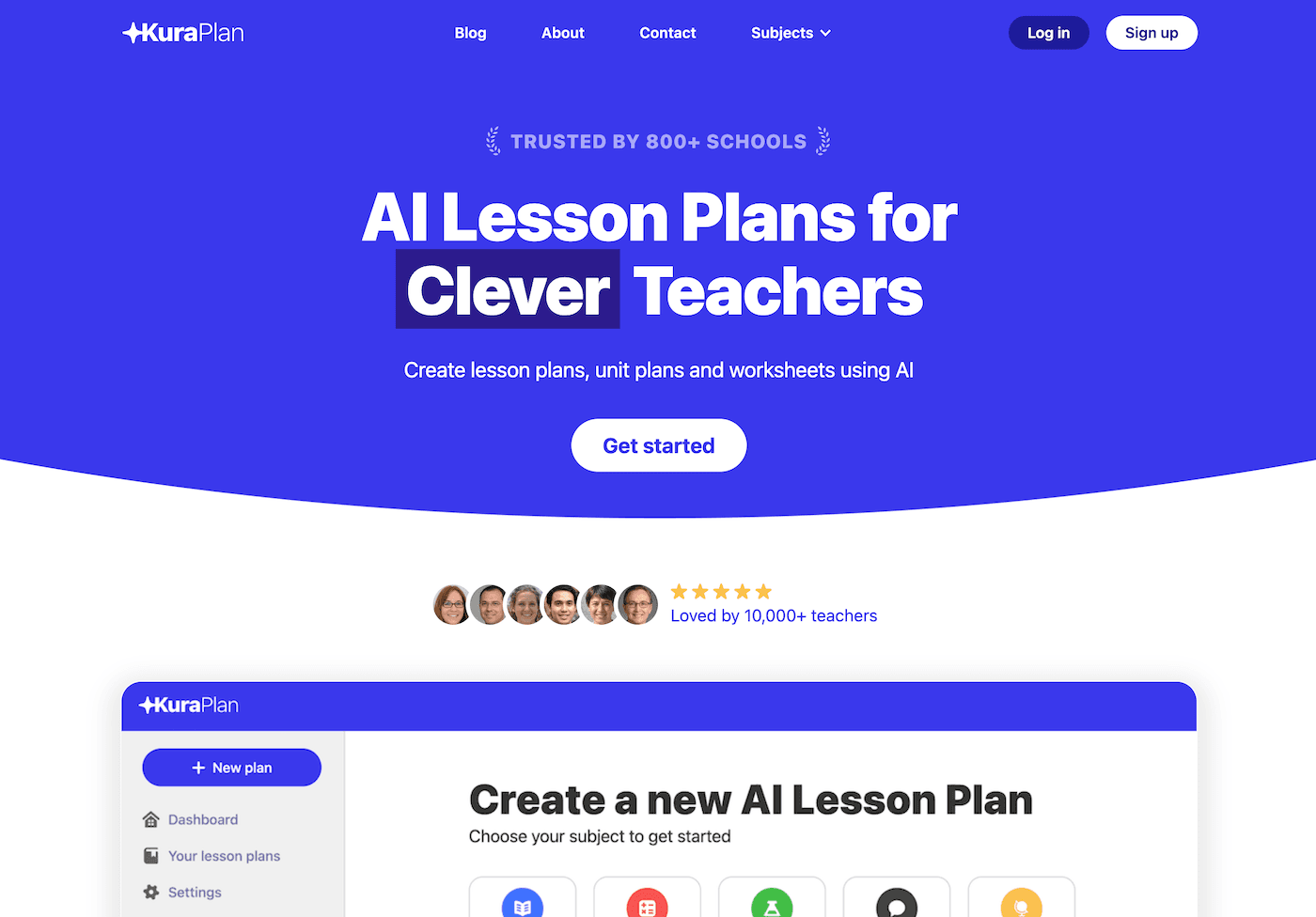
3. Magicbook — Publishing Mashup Projects Instantly
If your best “assignments” turn into comics, family cookbooks, or student-made guidebooks, Magicbook is a revelation. After any big offbeat unit—student folklore, cross-age fieldwork, poetry-meets-science-media—I throw our entries, images, and group stories into Magicbook. The AI formats, illustrates, and assembles a polished digital anthology or picture book you can share as a semester capstone. Last year, my advisory produced a multilingual zine in three days.
Tip: Let kids add illustrated “process pages” (“How we changed our minds on debate week,” “What flopped and why”). That’s the real curriculum you want to show off.
Try Magicbook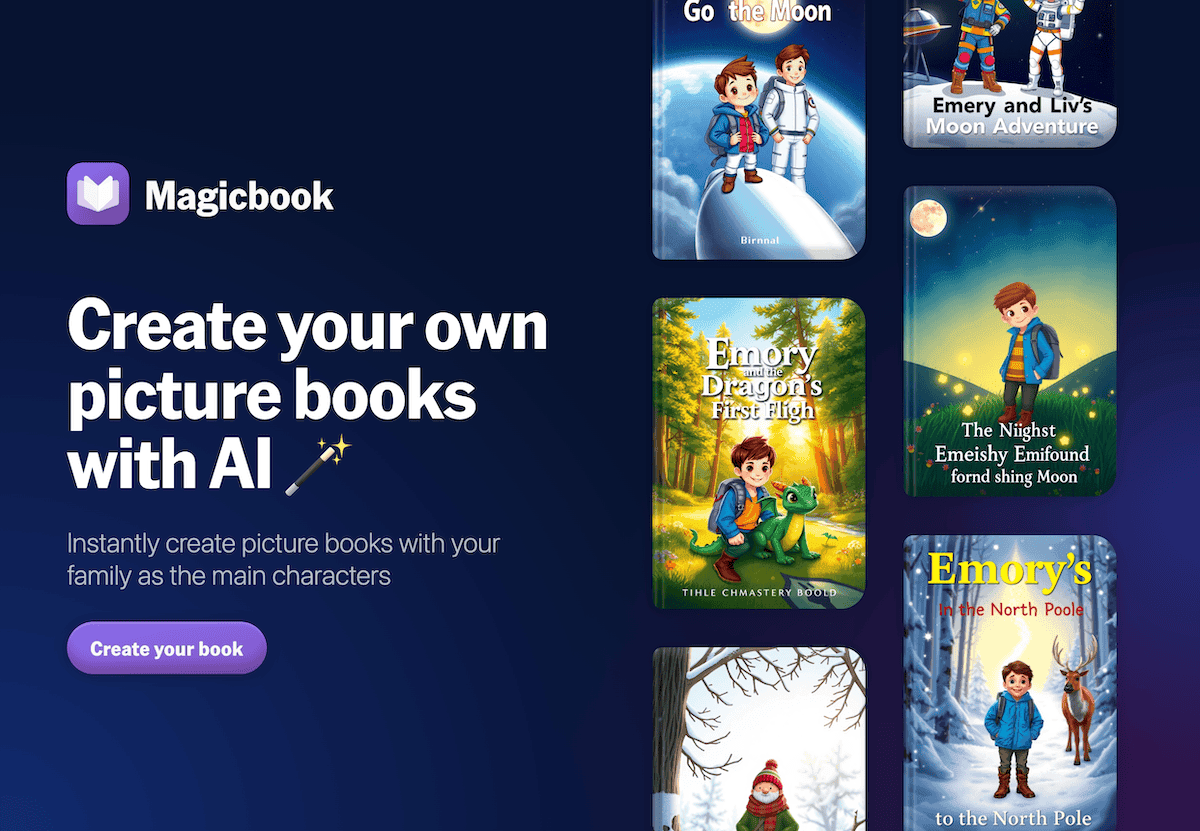
4. People AI — “Unscripted” Debates & Living History Panels
Offbeat means you need voices in the room—sometimes the ones nobody expects. People AI is my go-to for drop-in expert debates and character panels. Let students craft interview targets: a Shakespearean stage manager, a “deleted scene” eyewitness to a civil rights march, or a skeptical future scientist. The AI fields questions in real time, adapting to your class’s tone and follow-ups. We use People AI for improvisational Socratic seminars, alternative history “what-ifs,” or just to break a debate rut. Even students who dread presenting can jump in as interviewers or critics.
Try People AI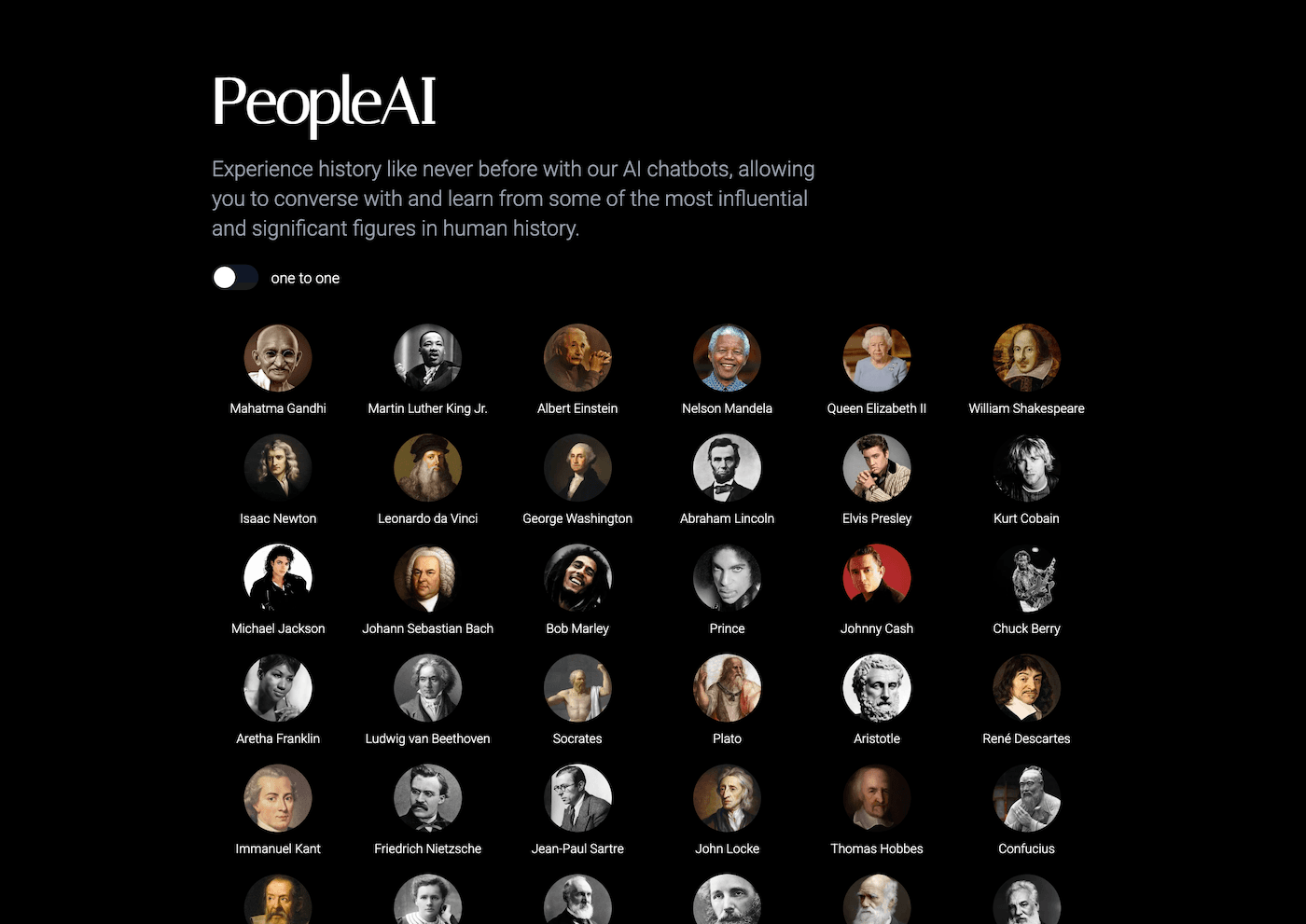
5. Diffit — Adapting Weird Sources for Everyone
Offbeat lessons mean offbeat materials: TikTok transcripts, street murals, bilingual recipes, parent-submitted oral histories. Before Diffit, I’d scramble to make readings accessible. Now, I drop whatever my class drags in, and Diffit generates leveled texts, vocab, and open-ended questions. The bonus? After every wild lesson, student groups take charge: remixing a news blog, simplifying a technical manual, or translating a spoken word piece for their peers.
The focus isn’t just on access, but ownership—every student gets to make the content work for them. No more “I can’t read this,” only “here’s how I’ll approach it.”
Try Diffit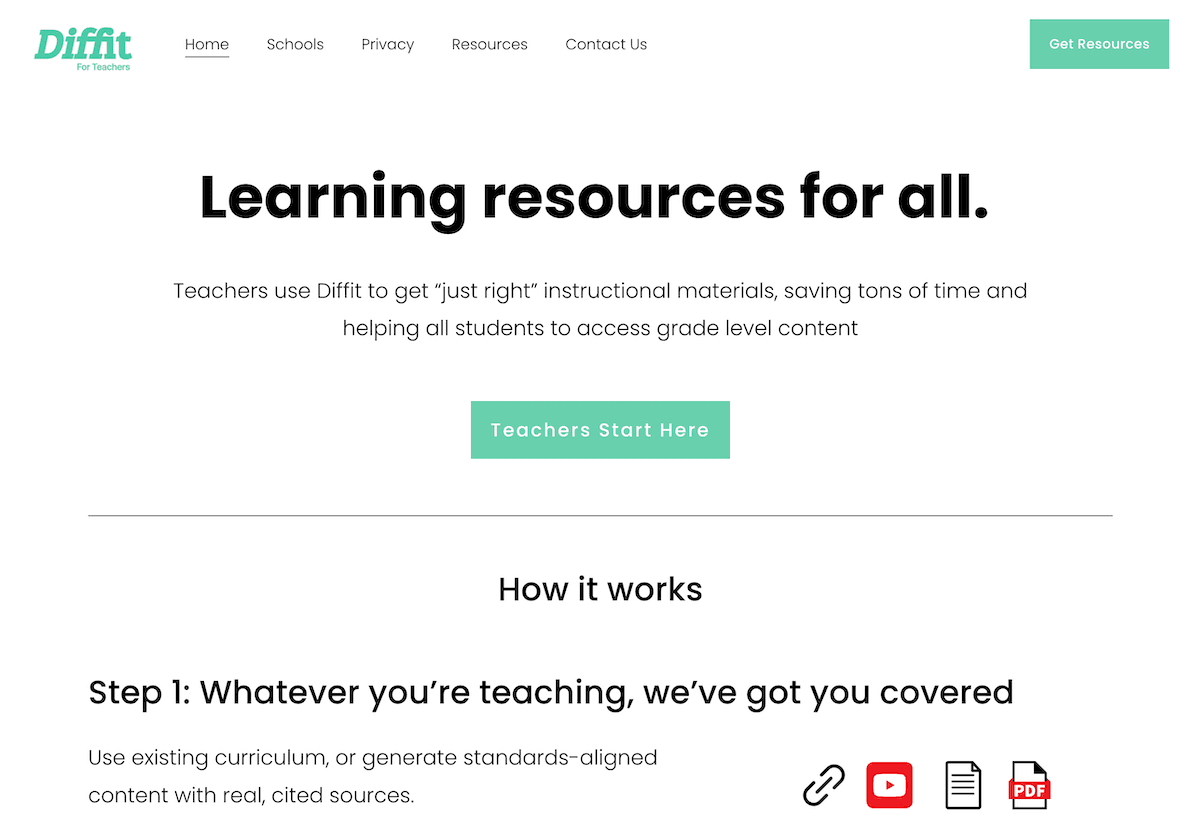
6. Suno AI — Ritual Soundtracking for Every Learning Pivot
Here’s what makes offbeat classrooms sustainable: culture. After every unexpected project, heated debate, or “that wasn’t the plan” Friday, my class now crowdsources prompts for Suno: “Song for failing forward,” “Celebration chant for the group that pivoted twice,” or even “soundtrack for museum day chaos.” Suno AI generates a unique anthem, which we play at closure or launch. My students started building a playlist archive—one for each weird, proud, or hard moment of the year.
Honestly, it’s become a tradition as much as an SEL hack; every class leaves a sound imprint, and closure rituals help even chaotic project cycles feel like they belong.
Try Suno AI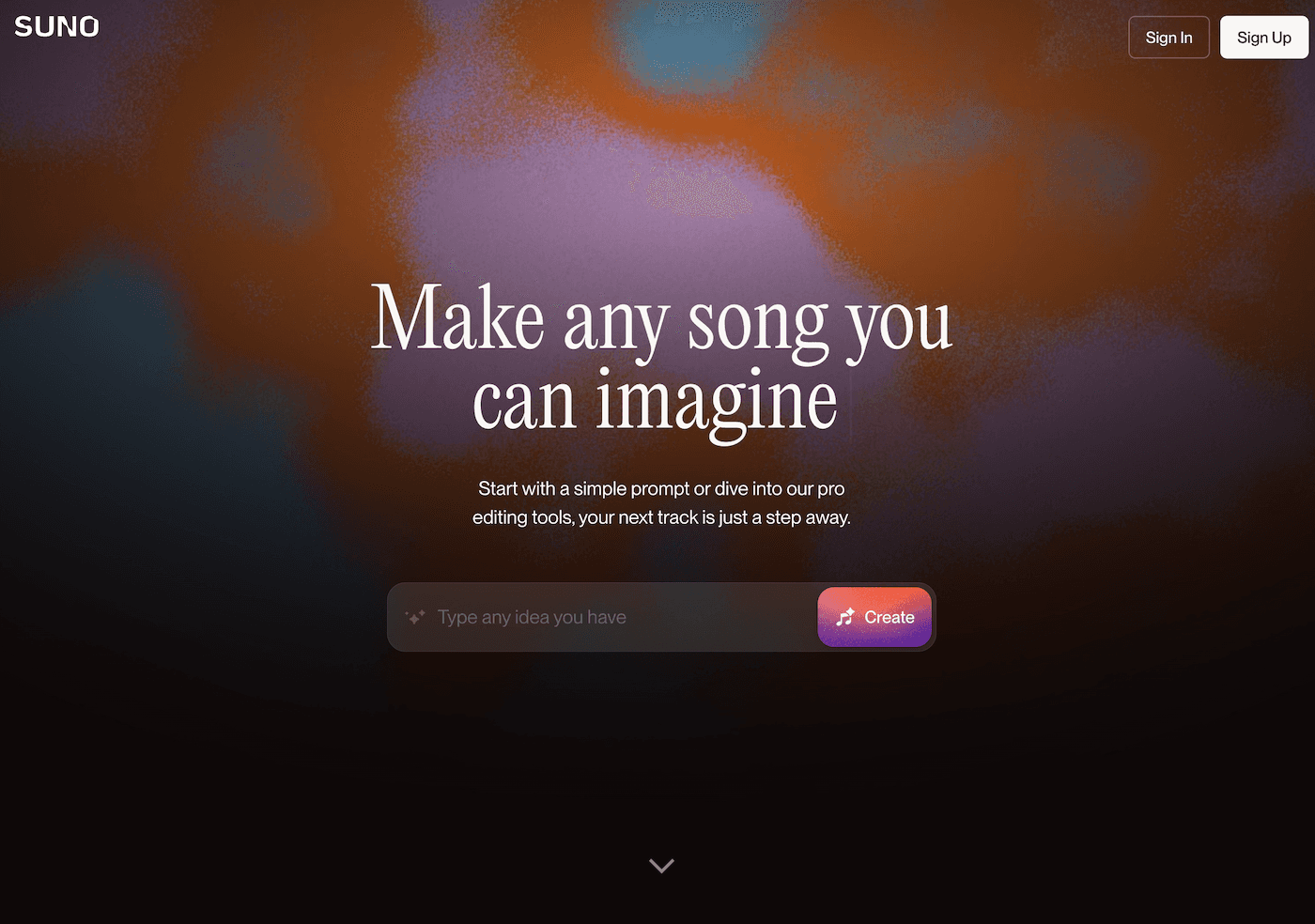
Final Advice for the Offbeat, Wild, or Joyfully Improvisational Teacher
- Make everything visible. Use Gamma, Magicbook, and Notebook LM (honorable mention!) to document the journey, not just the finale.
- Treat maps as living—Kuraplan, but also a whiteboard, gets better when your class revises them with you.
- Let students design, remix, and adapt—off-script learning means giving up authorial control.
- Ritualize each twist and surprise. Suno and group-authored debriefs make every pivot feel like a feature, not a flaw.
Got a legendary offbeat lesson, wild project workflow, or AI ritual that survived your most unpredictable day? Post it below—I’ll swap you my “recorded class pop-up courtroom” routine for your weirdest experiment. Offbeat teaching isn’t a side quest, it’s the adventure itself.