6 AI Tools for Overwhelmed Creative Teachers
I’ll be honest: my classroom thrives on energy, mess, and the next ambitious project. I chase wild ideas, let students drive inquiry, and always hope we might stumble on something unforgettable. But here’s the secret nobody tells you—creative classrooms take an unbelievable amount of back-end work. Some days, I felt less like a teacher and more like a project manager/triage nurse/lesson plan octopus. If this sounds familiar, this post is for you.
After a year of experimenting, iterating, and crashing through 3 new project formats a semester, here are the AI tools that actually helped—not by automating everything, but by giving me back the bandwidth to be spontaneous and keep building big things. Some are famous, others are buried gems. Kuraplan gets a mention (because yes, the flexible planning matters), but don’t expect another sponsored blog voice—these are brutally honest, teacher-tested picks.
1. Gamma – Visual Chaos to Clarity in One Click
My classroom’s creativity meant posters overflowing with sticky notes and slideshows scattered across twelve student Google Drives. Enter Gamma. This tool let me (and students!) instantly convert rough ideas, debate maps, and group takeaways into sleek, interactive visual stories. When a lesson spun 90° off-script, we tossed notes and screenshots into Gamma and co-curated mini-exhibits—making the student process visible at parent night or class recaps. Gamma let me celebrate the actual journey—not just the “right answer.”
Try Gamma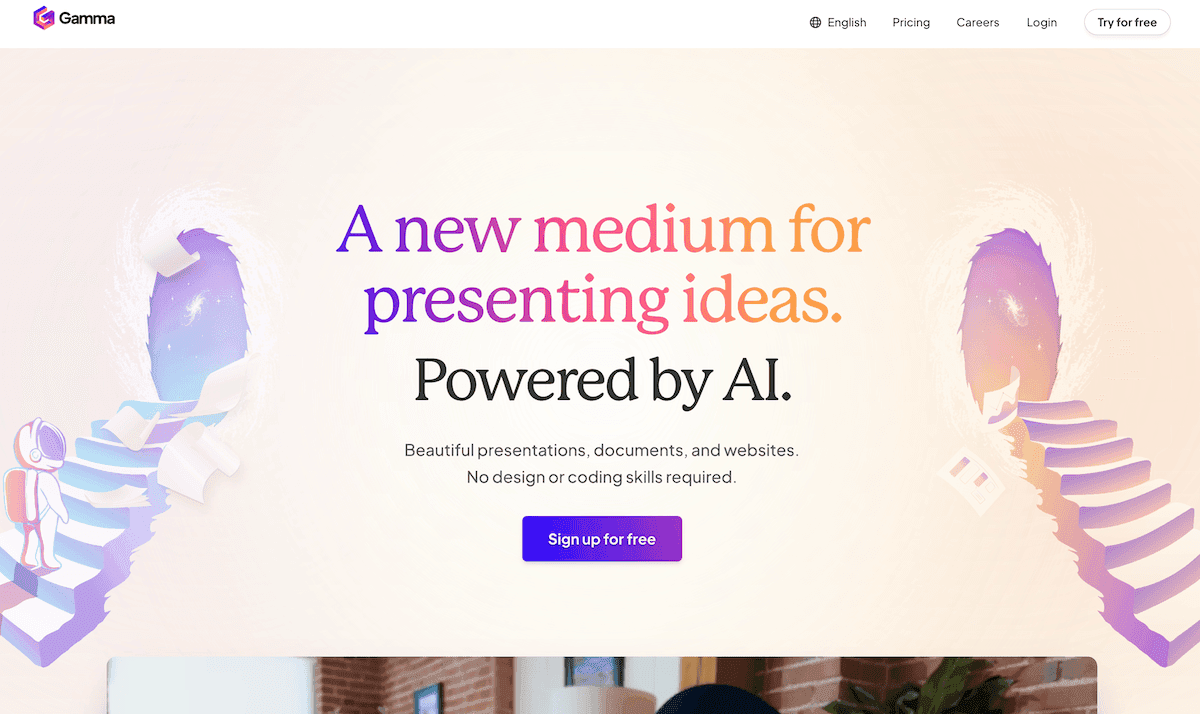
2. Kuraplan – Guardrails for Wild Planning,
I resisted lesson-planning AI for ages. But Kuraplan is the one tool that met my creative workflow where it lives: I’d dump in my must-hit standards, a ballpark calendar, and whatever wild driving question my class pitched that month. Instead of scripting every minute, Kuraplan suggested a flexible roadmap—timelines, built-in checkpoints, reminders for family updates. We edited these outlines together, often live on the board. The real win: when projects changed shape on the fly (mine always do), Kuraplan let me rework milestones without burning out. Suddenly, I had evidence for admin—and permission to take the scenic route.
Try Kuraplan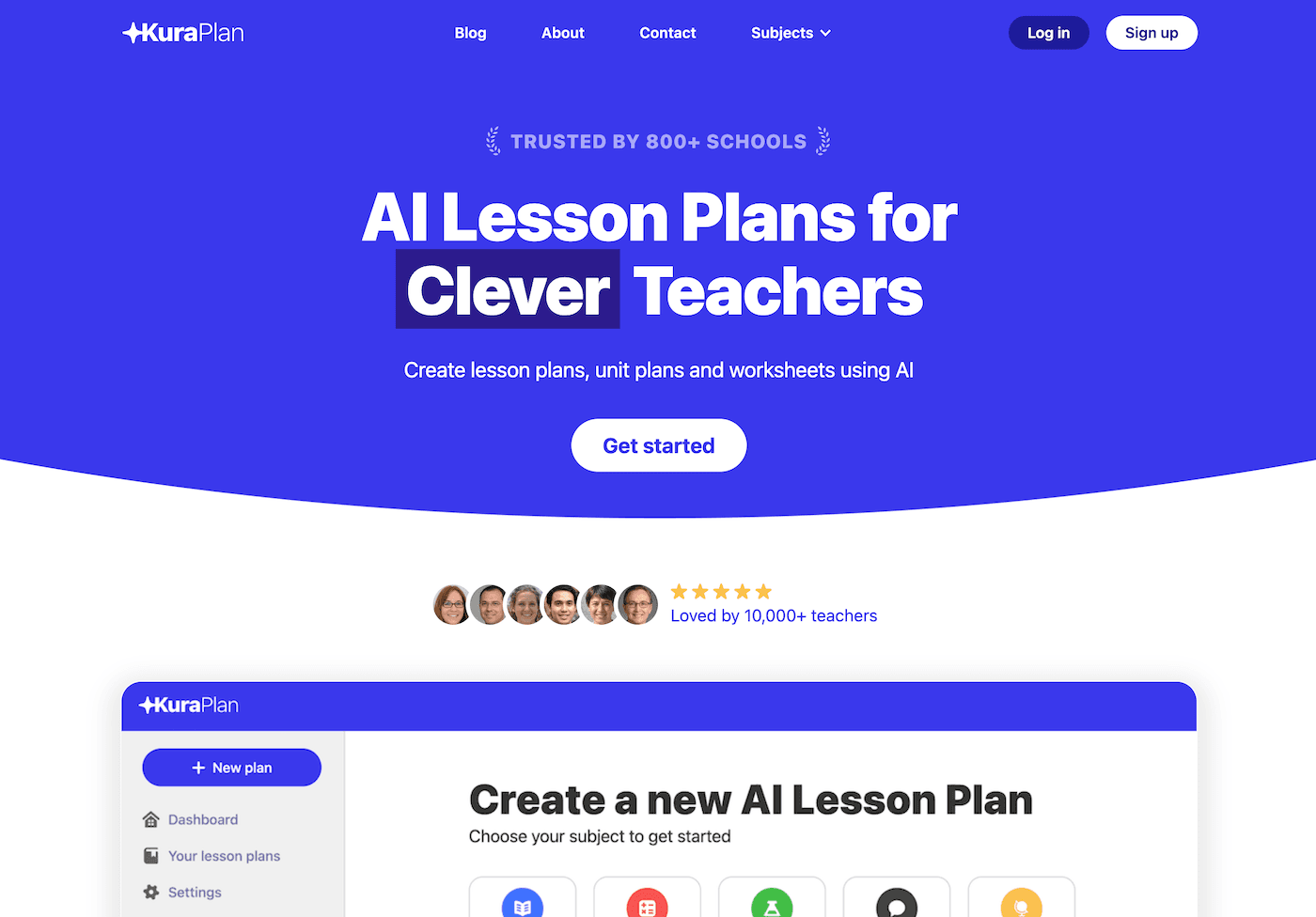
3. Notebook LM – Turning Piles Into Collaborative Memory
The best brainstorms usually happen when you and your students are in creative flow—and you forget to document any of it. Notebook LM is now our class “memory vault”: every wild idea, voice note, exit ticket, and student sketch gets dumped in. The AI clusters related concepts, finds recurring threads, and even scripts out Q&A or podcast outlines for future review. We reuse these to launch new projects, revisit detours, or just remember that time Sharon solved the engineering puzzle with a hair tie. Notebook LM bridges chaos and continuity better than anything I’ve tried.
Try Notebook LM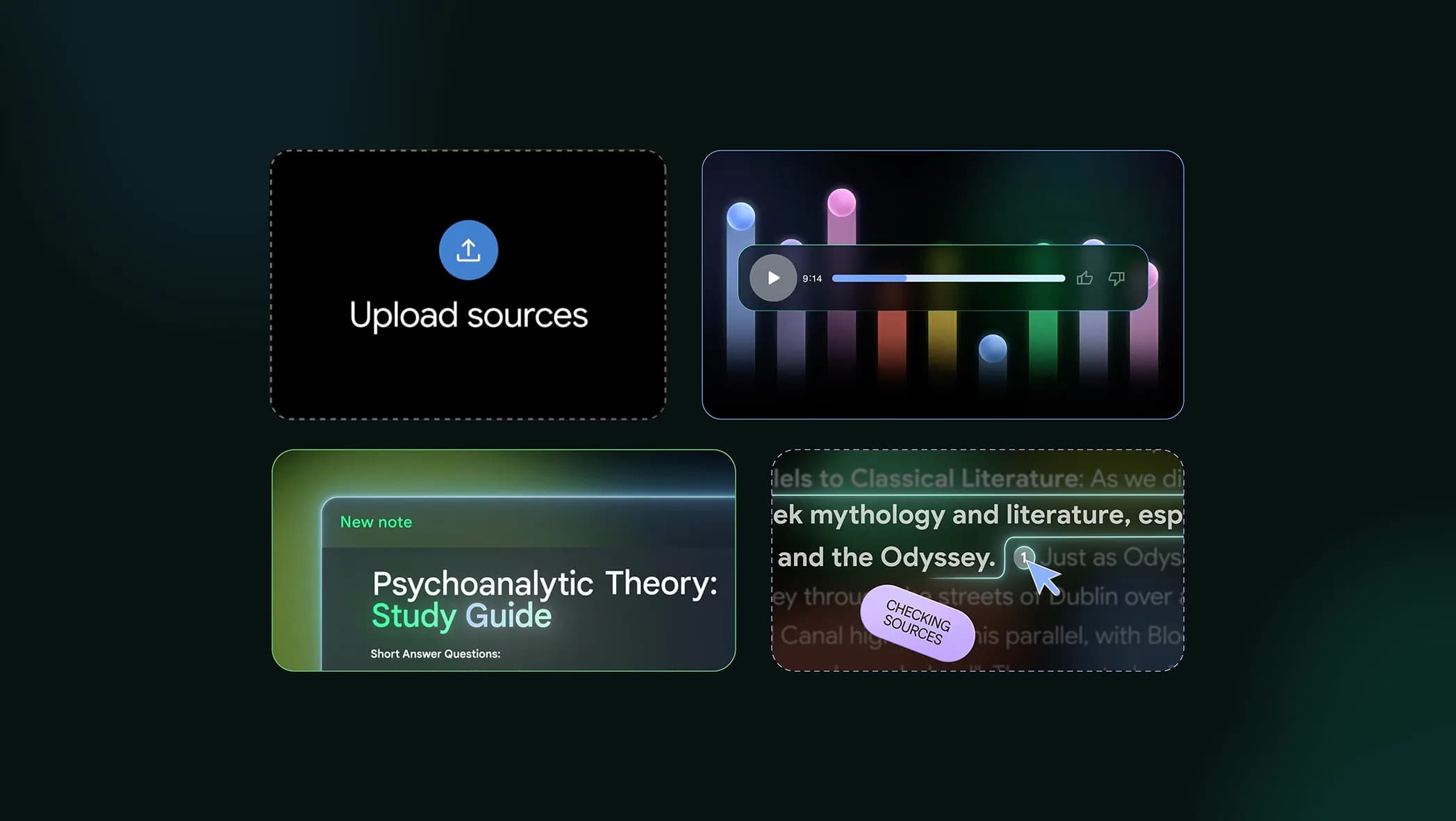
4. Diffit – Real-World Content for Everyone
If you want creative learning, students will test you: “Can we use this Reddit thread for our inquiry?” “Can my group start with this podcast transcript?” The old answer was “maybe, but you’ll probably be lost in 3 minutes.” With Diffit, I drop in literally any source—news story, YouTube transcript, group report—and get versions at three reading levels, plus vocab and comprehension checks. Best trick? Students now seek out material, knowing they won’t leave anybody behind. I even use Diffit to adapt my own assignment intros when a new student arrives halfway through a unit.
Try Diffit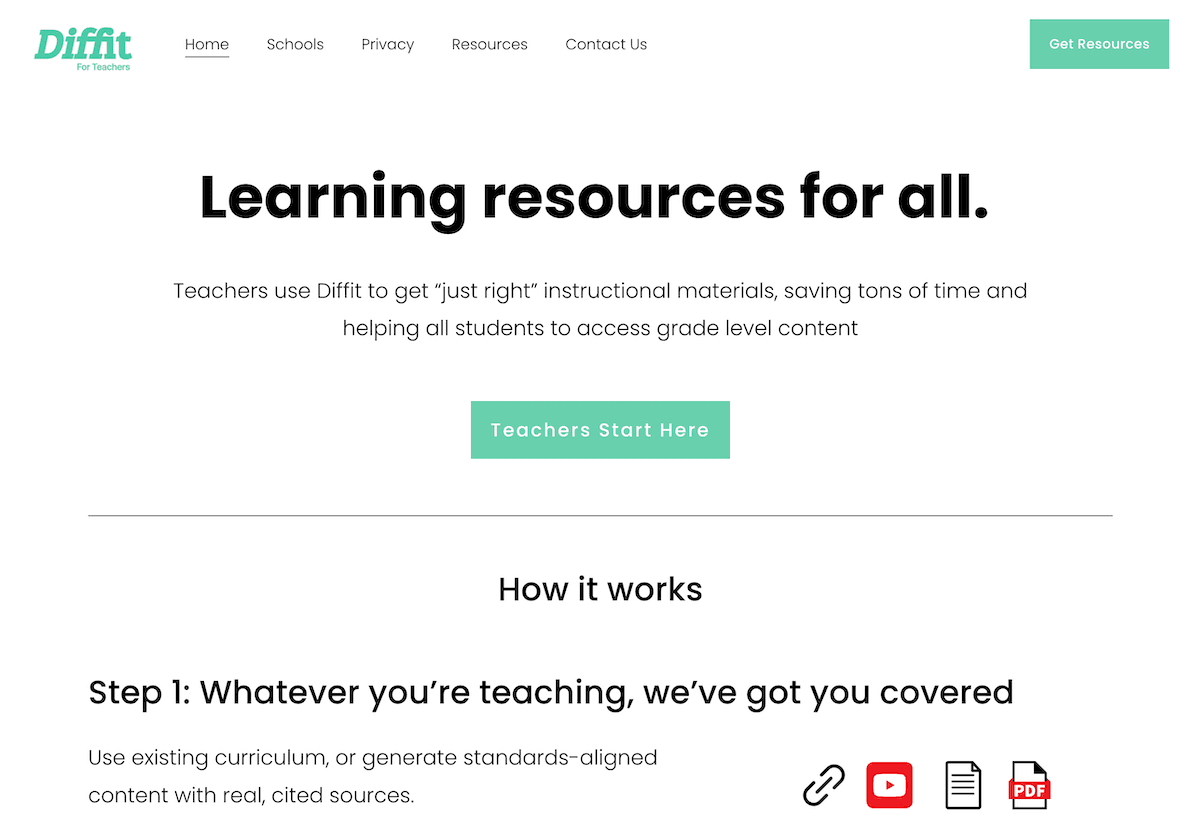
5. Jungle – Student-Built Review Games On Demand
My class needed more than just creative projects; we needed to actually check what stuck. Jungle lets me have students build class-flashcard decks after every big project, wild debate, or new experiment (“What confused you most this week?” “Write a guess-the-twist question!”). Jungle sorts the cards, instantly builds games, and gives students a real stake in review days (especially the ones who’d rather write their own stumper than play mine). I even let students challenge me—and it’s become a ritual to celebrate the best curveballs.
Try Jungle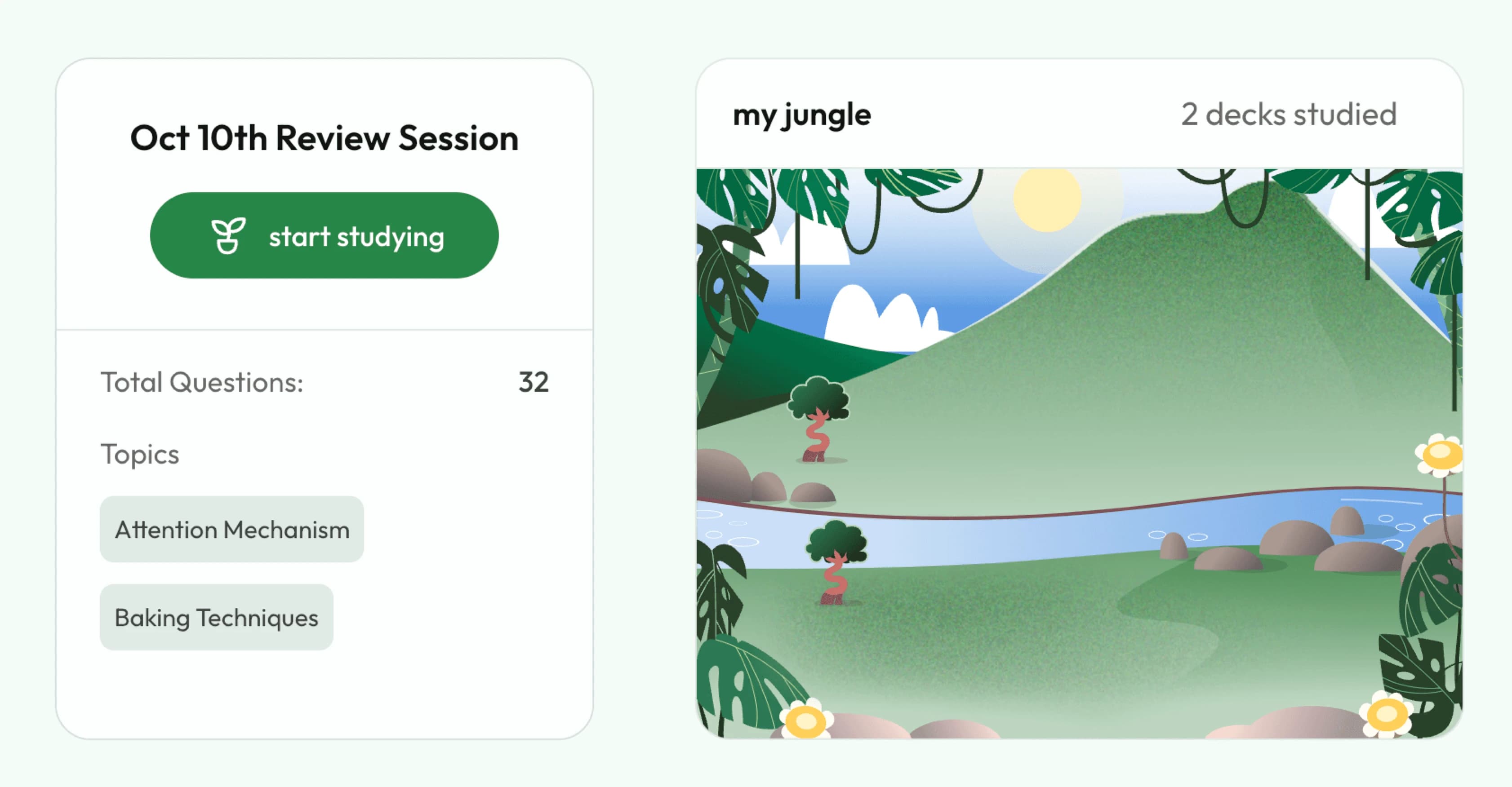
6. Suno AI – Rituals, Anarchy, and Reset Buttons
Chaos is fun…until everyone’s energy tanks or you need to mark a milestone. Suno is my low-lift, culturally-inclusive reset machine. We co-write prompts (“Anthem for surviving Monday,” “Transition song after lab fails,” “Debate MVP walk-on”), and Suno instantly creates original music—we play it for class openings, to close projects, or just to make cleaning up more fun. Students take over, inventing “meme themes” and even letting guests add requests. It’s silly, student-driven, and the only thing that reliably signals “new chapter” in rooms that thrive on creative disorder.
Try Suno AI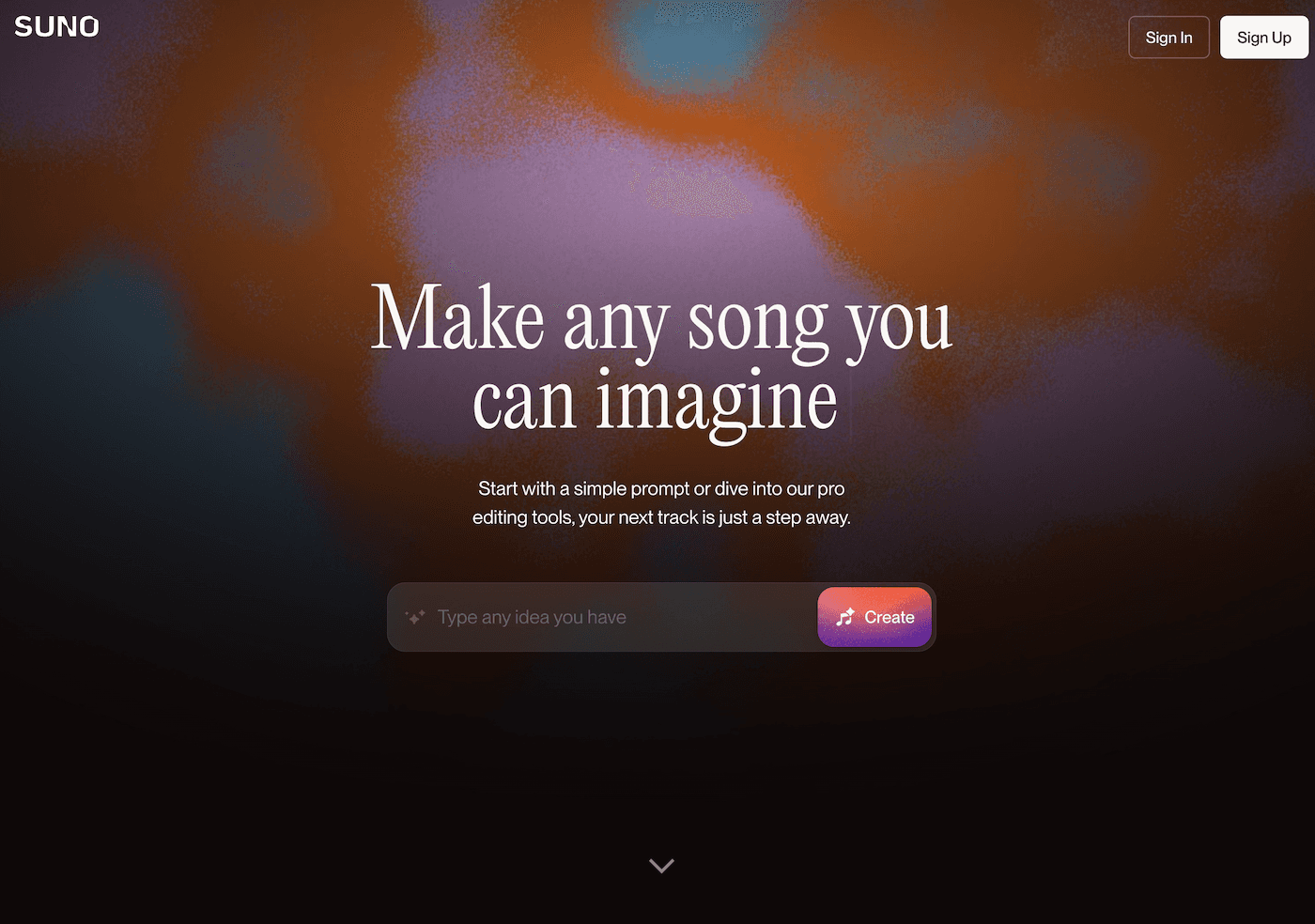
Burnout-Proofing the Creative Classroom: Honest Tips
- Use AI to scaffold the whirlwind, not deaden it. If a tool adds stress or loses your magic, ditch it and try again.
- Always invite students to edit the plan, the review, or the workflow—it multiplies ownership, and halves your workload.
- Archive the journey: Gamma, Notebook LM, and Jungle make the creative process visible—to parents, admins, and your future self.
- Build traditions, even for the offbeat moments—Suno rituals, recap slide shows, or a reflection song for the week you bombed. They anchor the learning (and the teacher’s energy).
- Never apologize for real experimentation—just show your process. These tools buy you time and “evidence” for the work that matters most.
Are you a teacher who’s always three steps ahead of your last plan? Drop your favorite chaos-taming workflow, AI hack, or “how did we survive that?” story below—let’s make creative classrooms feel possible (and maybe even restful) in 2025.