6 AI Tools for Teachers Who Reinvent Everything
Some teachers thrive on certainty—lesson plan, bell, worksheet, repeat. For the rest of us? The fun starts when things go off the rails. If you’re the kind of teacher who launches a new routines challenge every month, lets students pitch next week’s focus, or can’t resist turning a failed quiz into a podcast experiment, this post is for you.
I survived this year by embracing the reinvention: breaking project formats, redefining roles, and asking students, “Okay, how would you do it?” But more experiments = more mess (and, if I’m honest, more panic at 7am). I needed AI tools to act less like a script and more as a springboard—fuel for creative risk, not a new stack of tasks. After months of trial and some spectacular flops, here are the six tools that helped me do what I do best: break the routine, without burning out. (Kuraplan is here, but not always as the lead act—promise.)
1. Notebook LM – Archive Your Wildest Lessons (and Remix On Demand)
Every time we finish a project—debate gone viral, engineering challenge that melted down, or a classroom TED talk—the real learning lives in scraps: idea boards, group notes, unexpected student rants. I use Notebook LM as a living memory: dump everything in, and the AI threads themes, flags weird success stories, and spins up Q&A or reflection scripts (perfect for kicking off the next big idea). My third-period students now start each week revisiting the wildest moments from last term—and launching something even stranger. If you reinvent constantly, this keeps your greatest hits (and biggest learning mistakes) front and center.
Try Notebook LM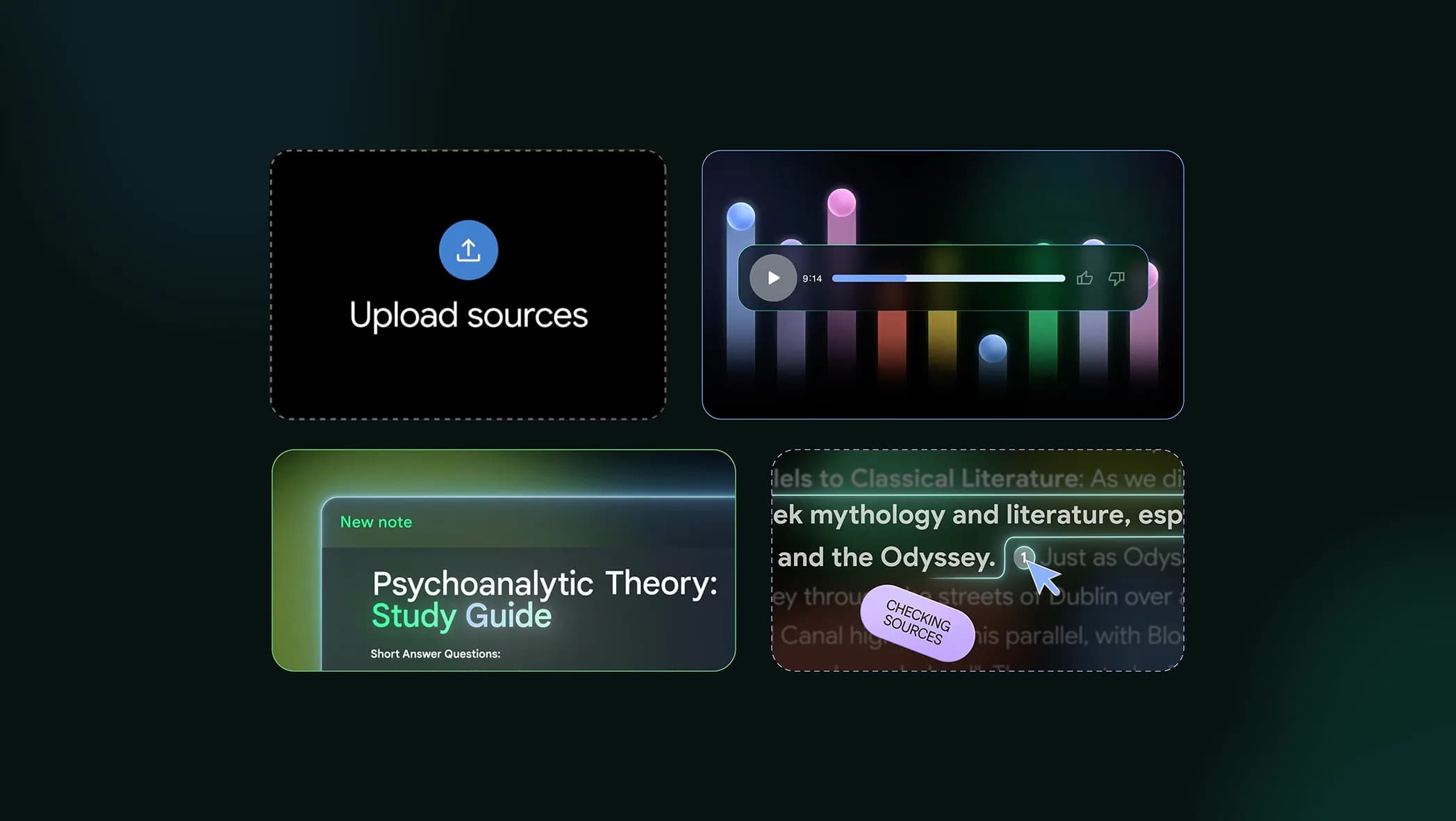
2. Gamma – Turning Half-Baked Brainstorms into Actionable Plans
Nothing derails a creative year like the classic plan-on-a-post-it system (guilty). Gamma finally let me build—and show—living project blueprints. I group dump: brainstorm doodles, failed attempts, group photos, even whiteboard diagrams from our last science fair. Gamma organizes (and beautifies!) it all, letting us drag, drop, and debate what actually matters for this iteration. By the end, I have real, shareable project stories—admins get the process, families see the mess, students own the outcome.
Try Gamma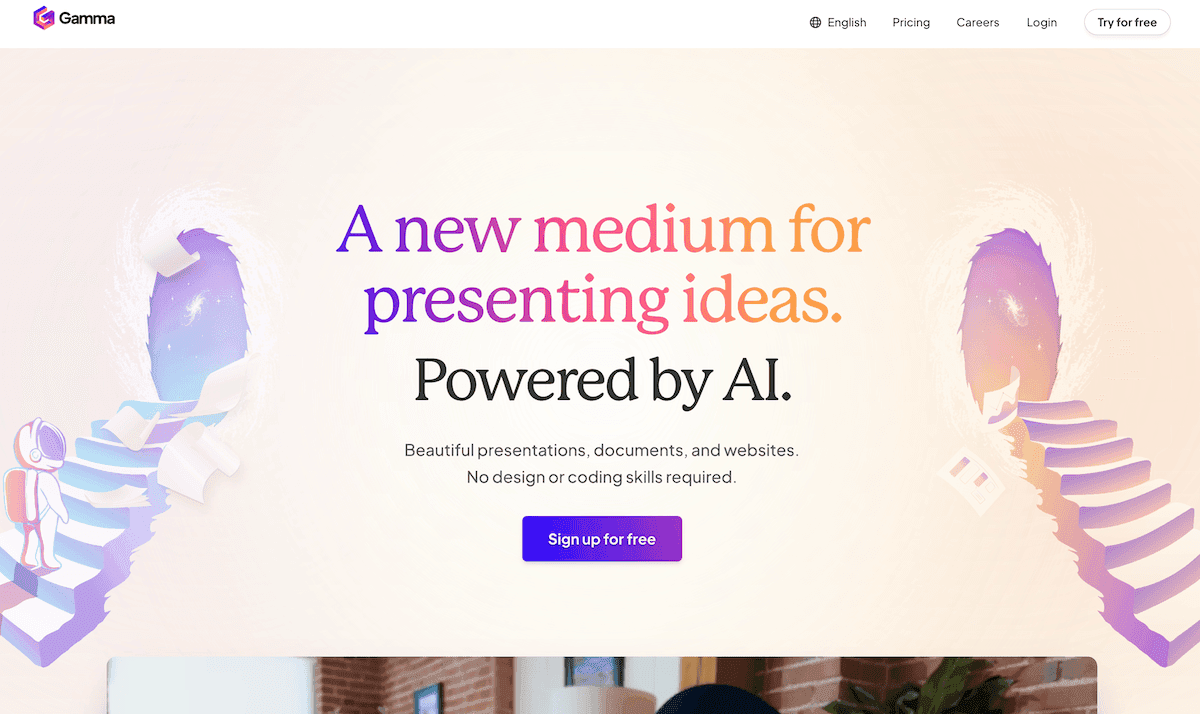
3. Kuraplan – The Only Planner I’ll Let Students Edit
“Flexible planning” in most AI means “choose from three templates.” Kuraplan is my go-to backbone when I want students steering (and changing) the timeline. Example: We pitch three new project ideas, toss our requirements in ("run a fundraiser… with a podcast?"), and Kuraplan drafts a timeline, checkpoints, and reminders for reflection or feedback. But then: we project it as a class, and let students edit, reorder, veto, and add as we go. It’s not a script—it’s a collaborative whiteboard for wild units. The real benefit? I finally have an artifact to satisfy admin—and enough flexibility to change course without losing rigor.
Try Kuraplan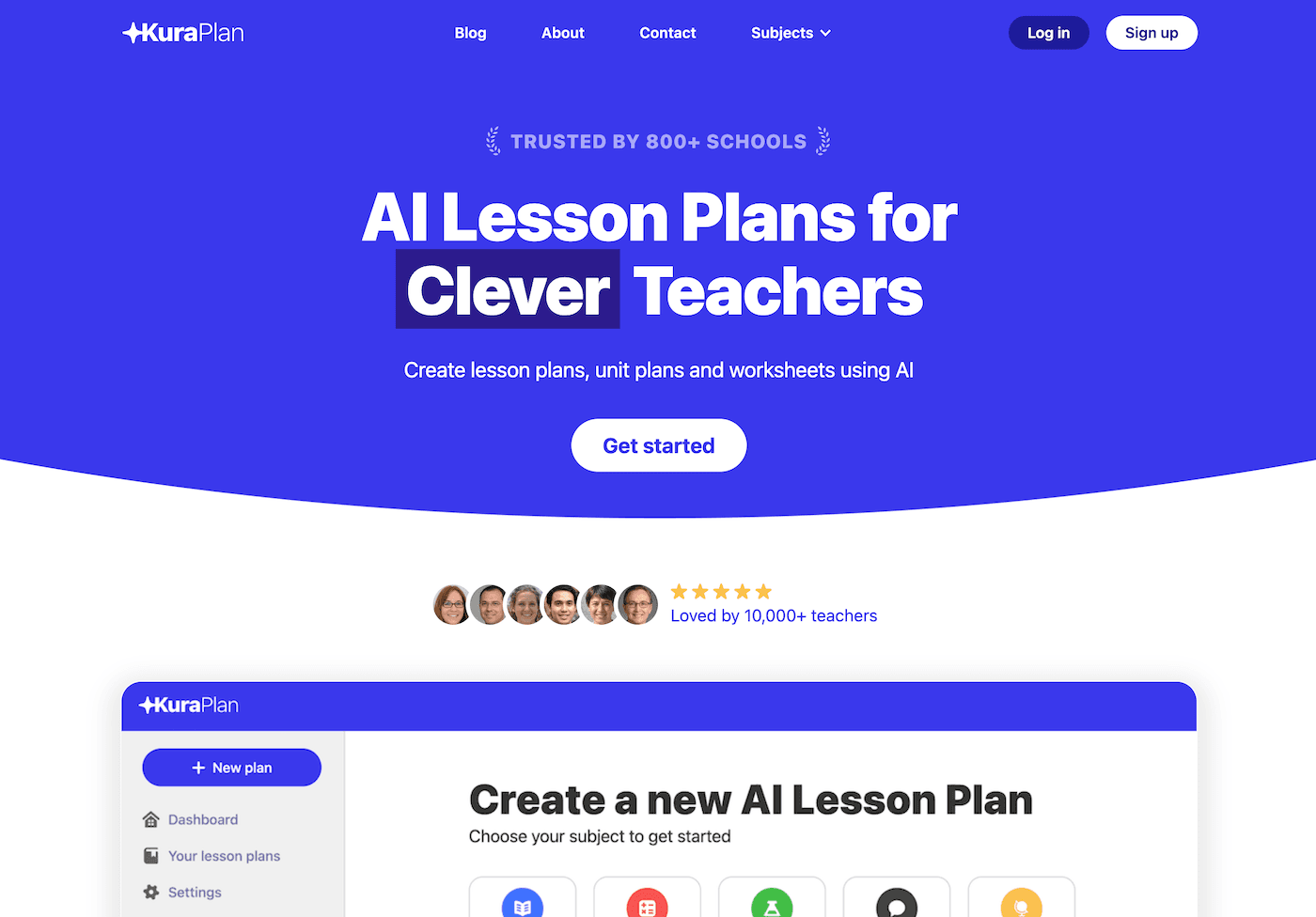
4. Jungle – Student-Authored Rituals and Reviews
Need a new way to check in without another handout or data dump? Jungle lets students author their own flashcards, quiz games, and even ritual prompts—after each bizarre week, not just for vocab. My favorite move: We design reflection decks (“biggest flop?” / “next week’s risk?”), remix class jokes into daily warmups, and have groups build assessment games on the fly (“can you stump next year’s class?”). If you’re always piloting, this is how you surface lessons and let kids build the routines themselves.
Try Jungle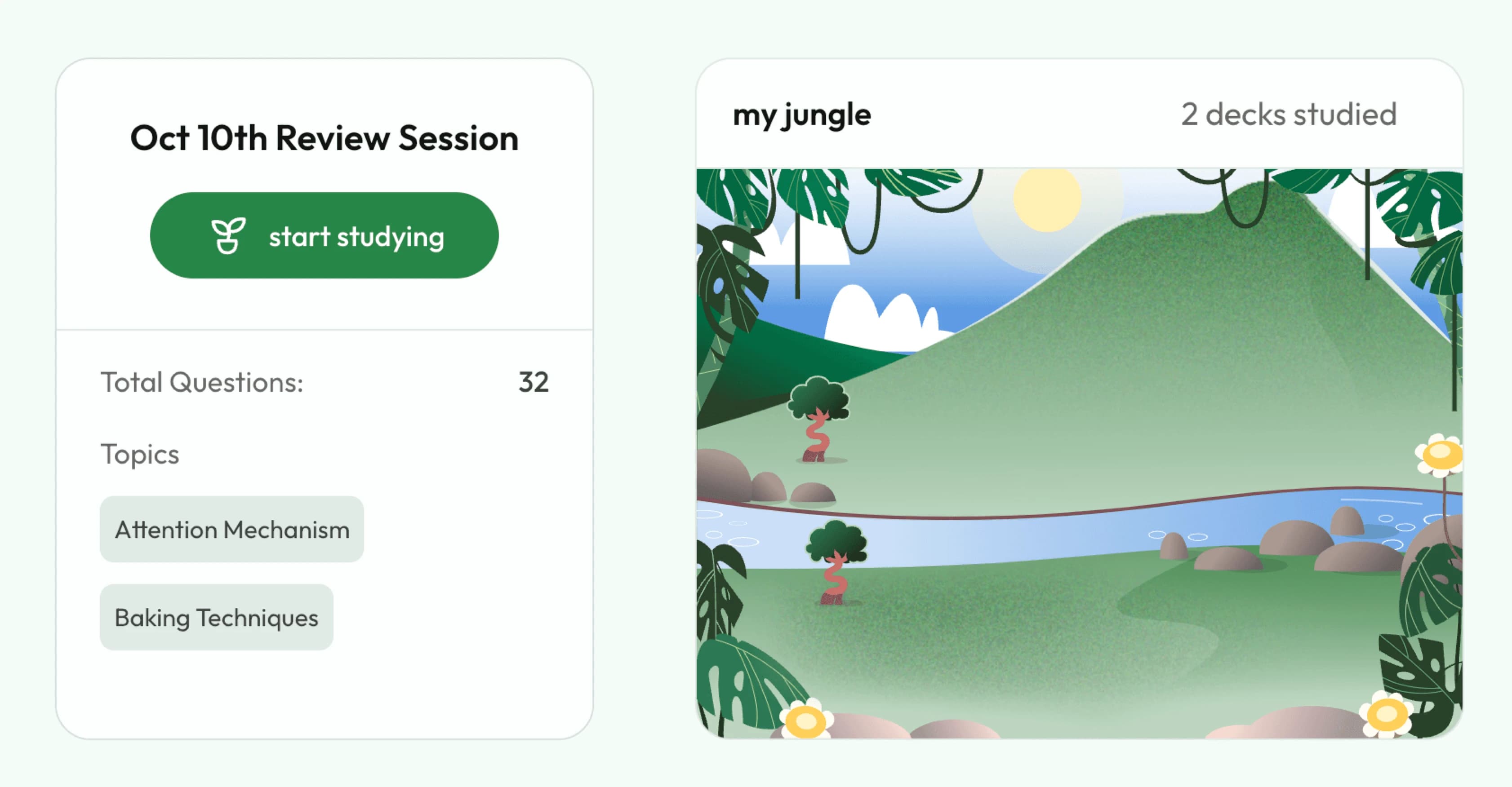
5. Fliki – Prototype New Formats on a Whim
A class wants to launch a morning news show or replay their best arguments as voiceovers—what’s stopping you? Fliki lets students script an idea—science explainer, narrative, podcast, even classroom “commercial”—and the AI turns it into a narrated audio or video file with human-like voice. We now publish “best of the week” reels and encourage every group to document their project journey—not just the ones with strong writers. When something fails, we use Fliki to produce a postmortem reflection for the class, rather than hiding the mess. Culture shifts when all progress is visible.
Try Fliki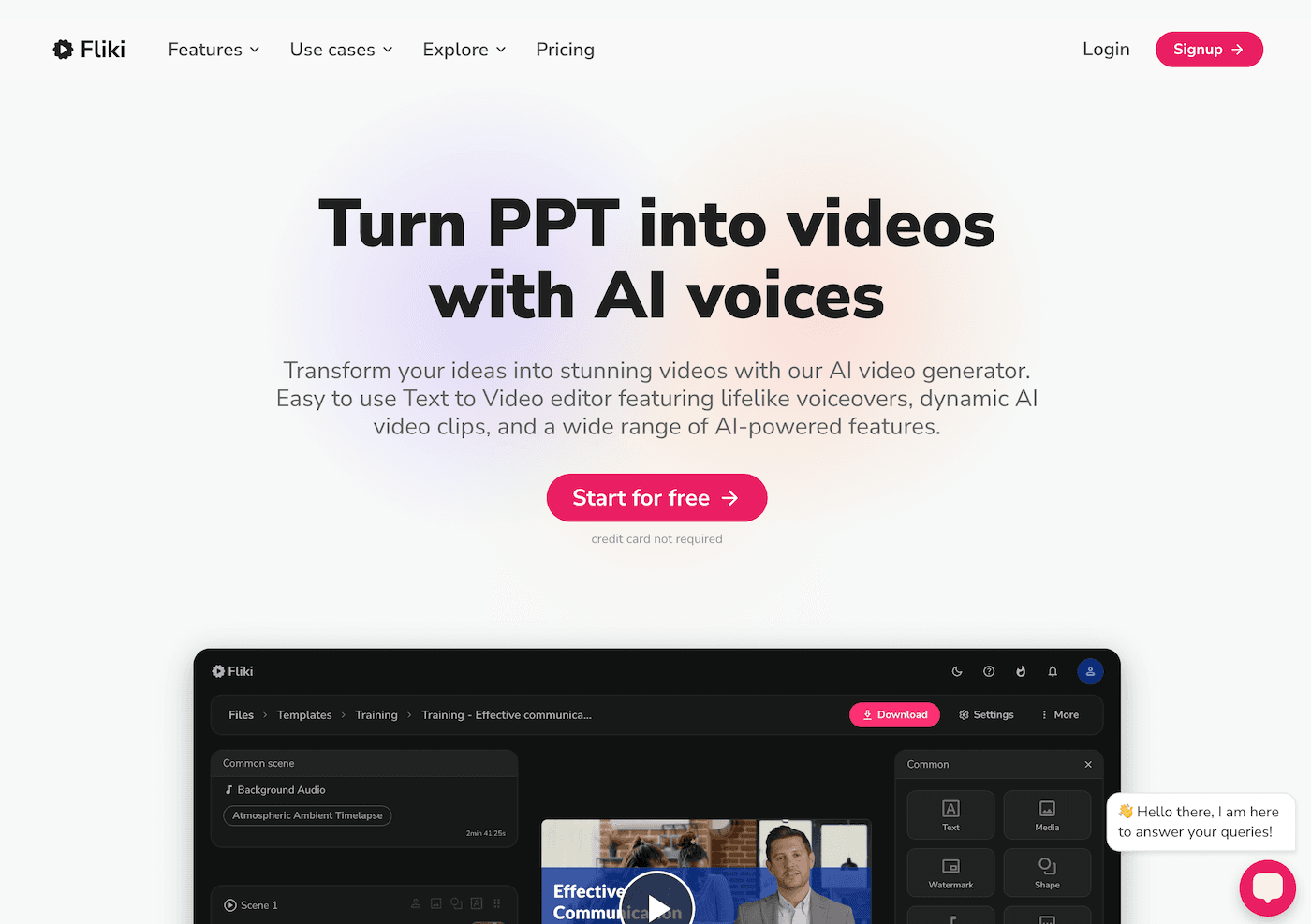
6. Suno AI – Group Identity and Celebration for Every Change
Constant reinvention is exhilarating and exhausting—you need rituals that evolve too. Suno AI powers ours: every class writes a weekly anthem (“We Survived that Hackathon!”, “Debate After Dark”), reflection jingle, or send-off for a departing group member. Suno generates custom tracks from our prompts in seconds, and we rotate them at transitions, launches, or after a week that blew up our plans. You know a class is thriving when they fight to write next month’s playlist. Ritual is the anchor that lets you wander (and wonder) everywhere else.
Try Suno AI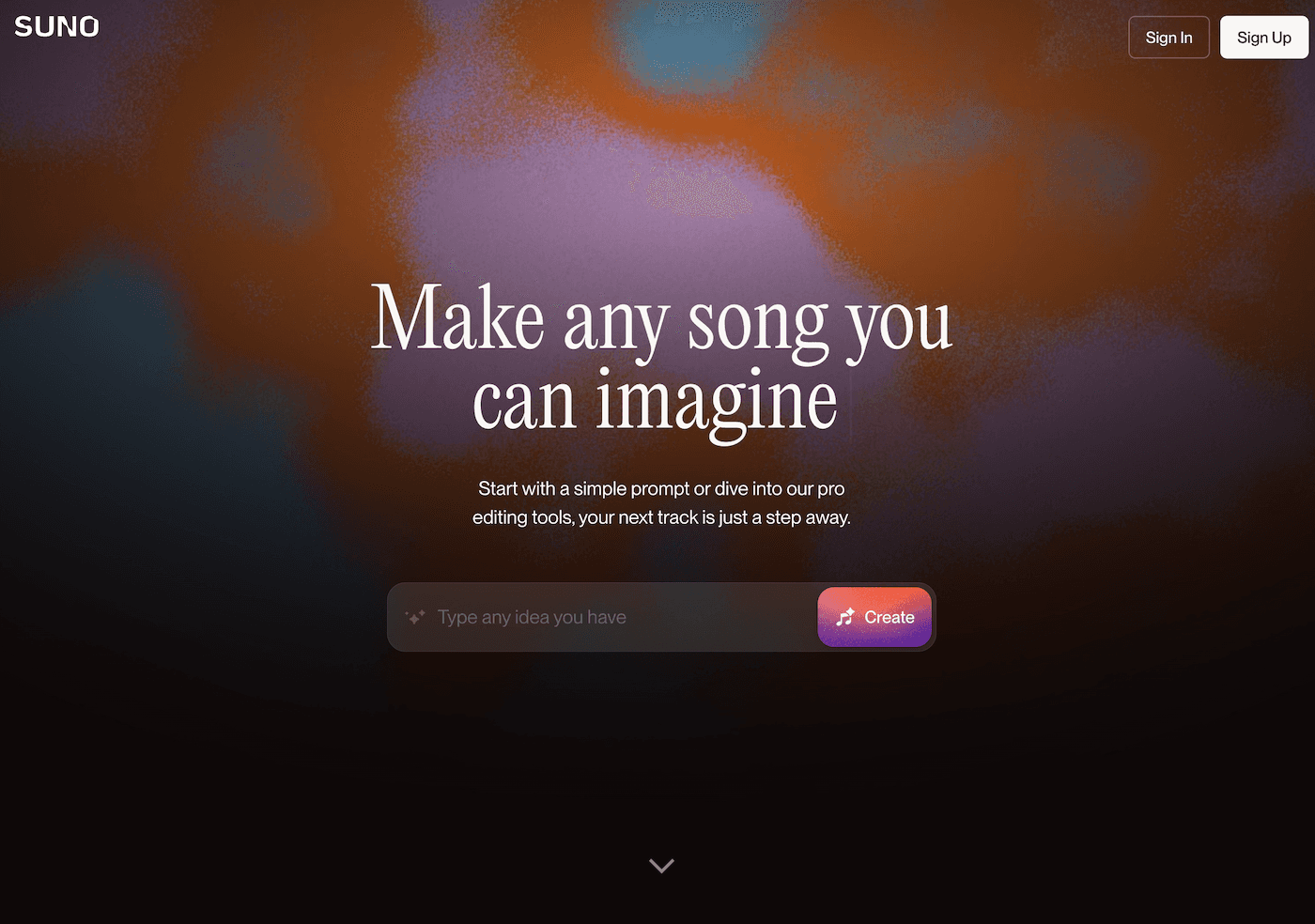
Final Reflections: Your Workflow is Your Signature
If you’re a teacher who’s allergic to copy-paste years, stop hunting for tools that promise order—they’ll kill your creative spark. Instead:
- Start with the places you reinvent most (project launches, daily routines, reflection cycles) and let the tools above scaffold, document, or remix, not replace, your magic.
- Let students into the workflow. Every time I handed tool control to kids, class culture and commitment shot up—fewer rules, more rituals.
- If something flops (and it will), use it as the launch for your next experiment. The best evidence for creative teaching is a portfolio full of attempts, not perfection.
If you’ve found an AI hack that helped you reinvent your course, build a ritual from scratch, or just survive the messiest year yet—share your wisdom below. In classrooms where routine never rules, your workflow is who you are. Time to claim it.