6 Real AI Tools for Reluctant Early Adopters
I’ll admit it. I’m not the first teacher to grab for new edtech. I love my legal pad. I sort lessons by post-it. When admins drop a “game-changing AI” into my inbox, my first reaction is... skepticism (and maybe a little eye-rolling). But even for teachers like me—who would rather try ten new read-alouds than ten new apps—I started noticing colleagues quietly getting their evenings back, students actually organizing their thoughts, and even my most tech-shy friends in the staff room raving about workflows that just worked.
So, this year, armed with a little curiosity (and a lot of skepticism), I picked up the handful of AI tools my most analog-loving peers swore by. I was surprised. Nothing here will turn your classroom into a Silicon Valley showpiece, and that’s the whole point. These are the tools I wish had been my first step—not my last—into a world that, frankly, still feels a little sci-fi. If you’re tech-wary, tired, or aiming just to save an hour or two a week—not automate your soul—this list is for you.
1. Jungle – Quizzes, Flashcards, and Tangible Review in a Click
If your formative assessment is a pile of sticky notes (or students who never hand quizzes back),
Try Jungle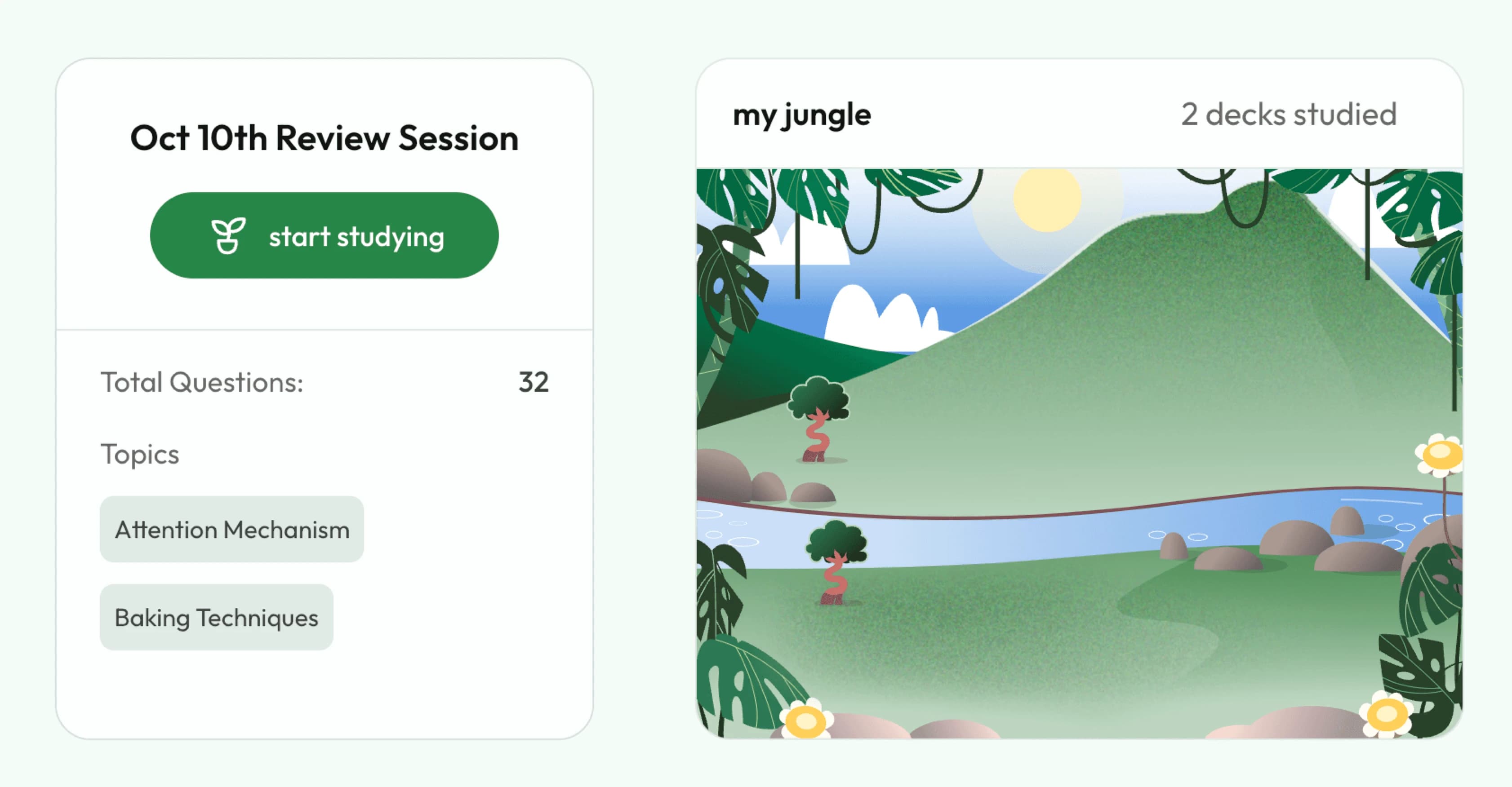
is about as low-fuss as AI can get. You—or your students!—type in vocab, questions, or those “why is this still confusing?” moments, and Jungle spits out flashcards and practice quizzes. You can print, project, or let students play on devices, but here’s the real win: the AI spots duplicates and common misconceptions, so you’re not writing the same question twice. I only need one login, it works on any computer, and I’m back to coaching—not data entry.
2. Kuraplan – Fast Unit Skeletons Without the Robot Overlords
I always thought AI planning would box me in.
Try Kuraplan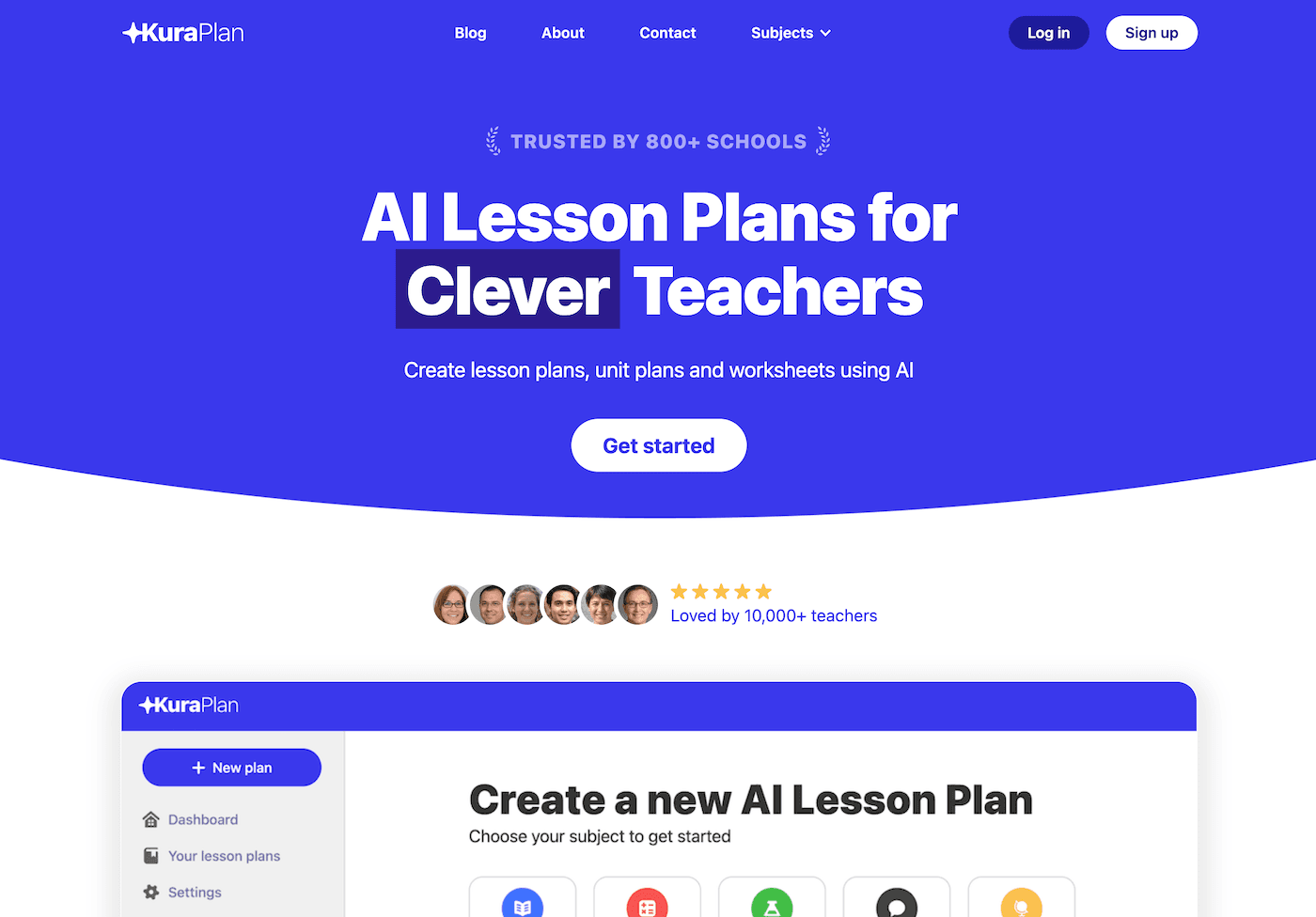
proved me wrong. If you’re allergic to rigid scripts but stuck rebuilding the same unit for the tenth year, Kuraplan is the planner that understands blank pages are scary, standards are confusing, and perfectionism is real. Just enter your main goal ("Folk Tales Unit," "Graphing Like a Scientist"), maybe a standard, and five minutes later you’ve got a week-to-week backbone. Delete what doesn’t fit, handwrite what you love—it’s the only tool that’s ever helped me build the lesson, not the other way around.
3. Diffit – Differentiate Literally Anything (No Extra Work)
Mastering differentiation for every reading level was always my unicorn. With
Try Diffit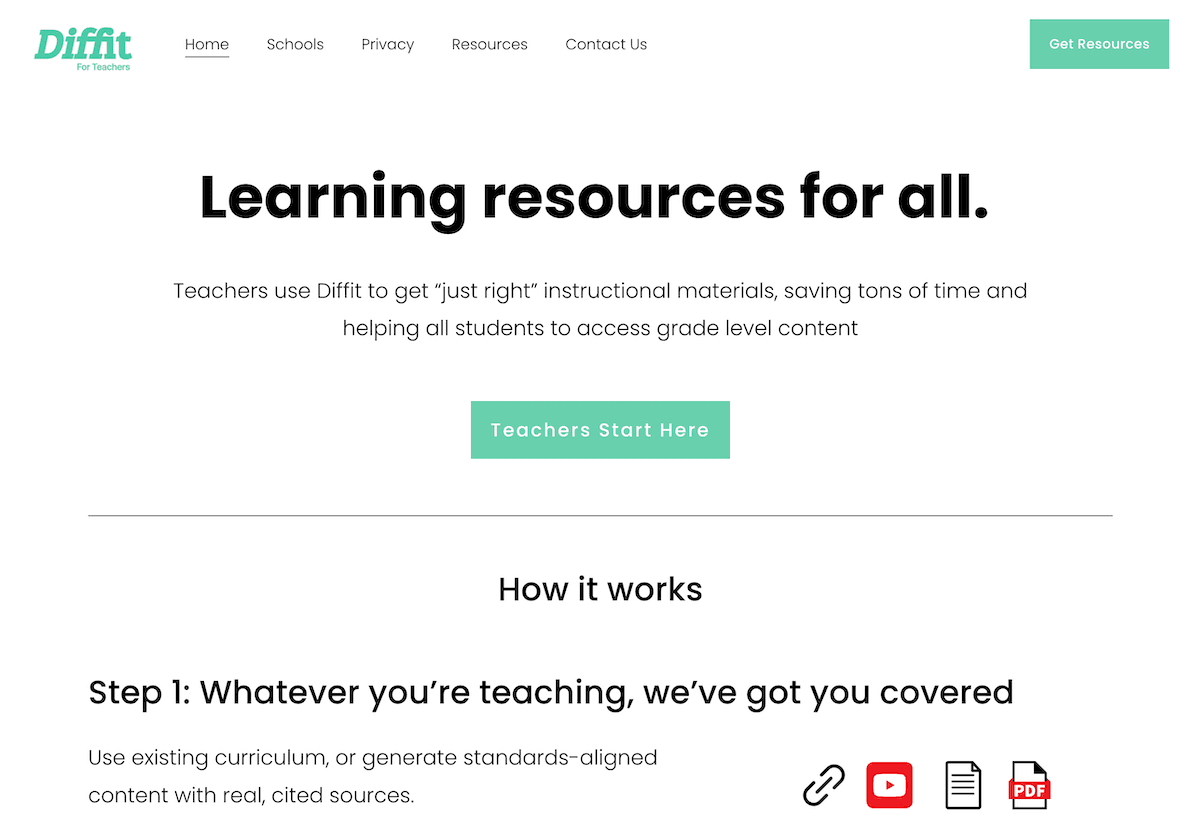
, you paste in any article, textbook passage, or YouTube transcript, and get leveled versions, vocab, and comprehension checks—automatically. I threw the same grade 4 clip at my ELLs, my advanced kids, and that one student who just came back after a week out; each got what they needed. If you’ve ever wasted Sunday night hacking together “high” and “low” packets, this is your permission slip to stop.
4. Gamma – Quick, Non-Embarrassing Visuals (for You AND for Kids)
I am not a designer. Gamma is. All you do is paste your class instructions, schedules, or kid-generated brainstorm notes, and
Try Gamma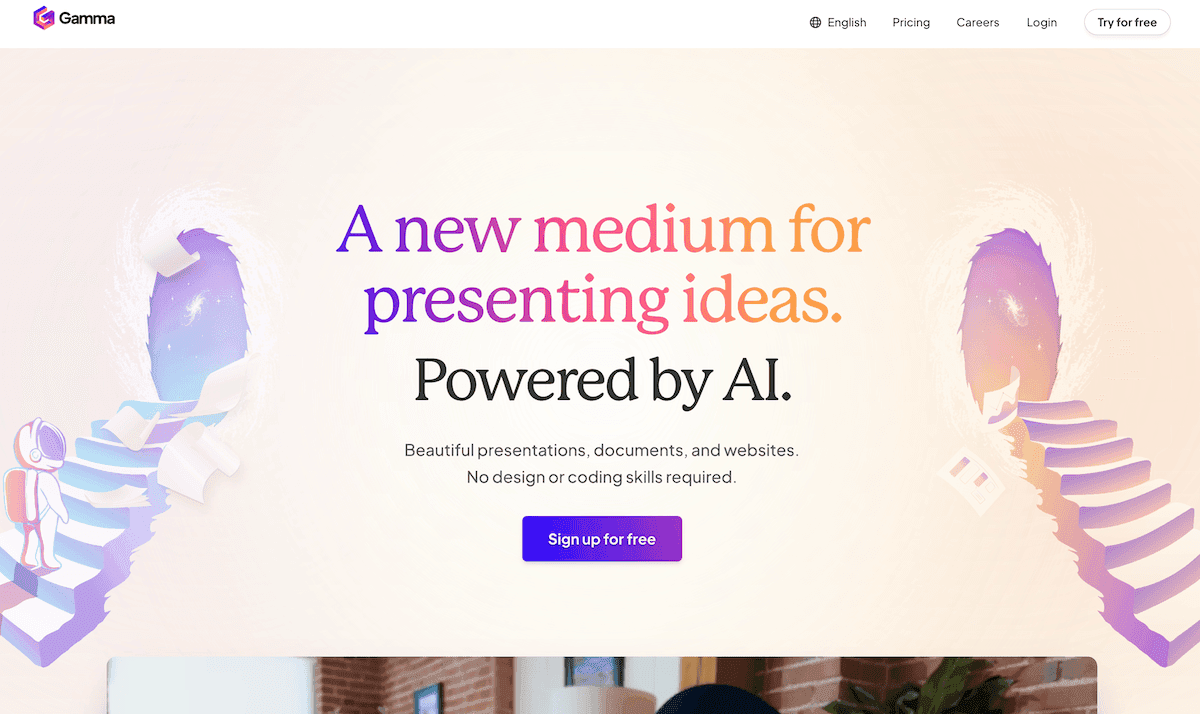
creates clean, visual slides (think little handout, not glossy business deck). It’s perfect for sub plans (I tried it—my principal commented), daily agendas projected for students, or helping groups take their messy brainstorm and turn it into something for the hallway. No downloads, no learning curve, and no more Sunday design guilt.
5. Suno AI – New Rituals Without Playing DJ
The magic trick of classroom ritual? It changes things up. The curse? You run out of transitions, pump-up chants, brain-break tracks... and patience. With
Try Suno AI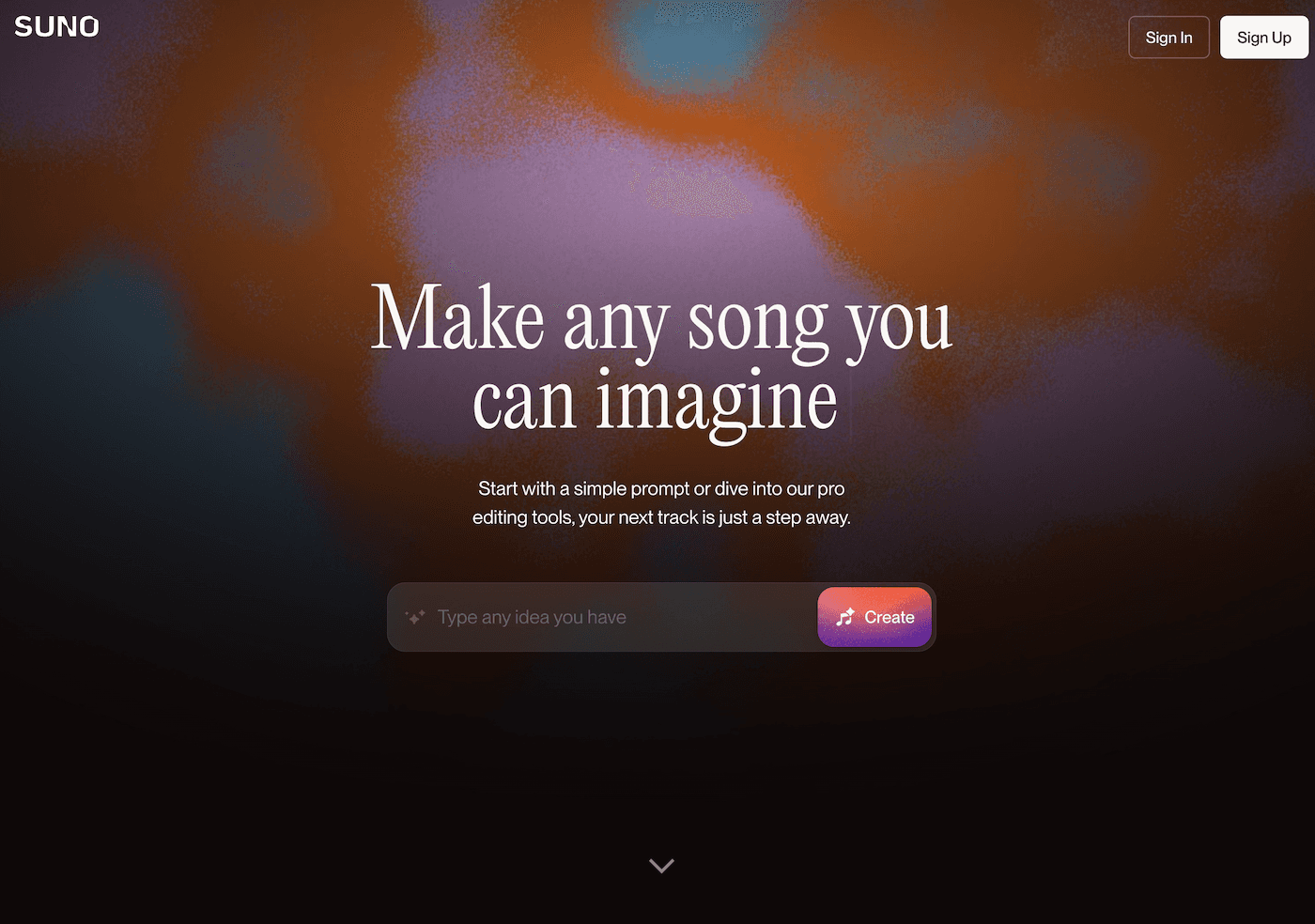
, you—or, better, your students—type a prompt (“line up for lunch,” “celebrate a win,” “calm down after PE”). The tool generates an original, classroom-safe song or audio cue in a few clicks. I use it for class transitions, quiet minutes after a tough test, and (true story) to mark the end of that lesson that tanked so hard I just needed the room to laugh together. AI music, minus the cringe—and nobody cares if you can't carry a tune.
6. Notebook LM – Catch-All for Reflection and Student Voice
Every teacher, even the most tech-phobic, loves a good class story. Notebook LM is my new place to dump everything—from exit slip quotes to student meme collections—after each wild week. The AI spots the patterns, nudges you to ask new questions, and drafts reflection or podcast scripts from the mountain of chaos. No, it’s not a spreadsheet, and yes, your students will get into it—"hey, that’s my idea!". I finally had artifacts to show admin (and parents), even on the units that went sideways. Zero pressure, lots of heart, and no need to learn a new system every month.
The Honest Takeaway (From a Skeptical Old-Schooler)
- Pick one pain point to fix, not every workflow at once. If quizzes haunt you, start with Jungle. If differentiation saps your time, try Diffit. Curiosity is enough, you don’t have to start loving AI.
- Keep it simple; skip the bells and whistles. The best tools here aren’t trying to run your classroom—just lighten your heaviest lift.
- Let students take the wheel. You’ll be amazed how quickly even your most tech-reluctant kids adapt—and sometimes teach you the next trick.
- If it adds work, abandon ship. There is no badge for persevering with tech that doesn’t actually help.
I may never be the AI early adopter in the front row of PD. But after this year, I’m not embarrassed to say AI does have a place even in my analog classroom—if, and only if, it buys me back more time for the work (and the kids) that make teaching worth it.