6 AI Tools for Teachers Who Love Rethinking Routines
Not all teachers are content running their rooms on rinse-and-repeat. If you’re the kind of educator who scrawls new ideas in the margins, turns Morning Meeting into a surprise field trip, or refuses to just reuse last year’s slides, you know: breaking routine takes work. Students crave novelty, you crave that spark, and yet… institutional gravity pulls toward the predictable. This year, determined to break out of my own rut (and fight the monotony blues), I leaned on AI. Not as a shortcut—but as a playground for inventing fresh rituals, remixing lesson structures, and making engagement habitual (without feeling like Groundhog Day).
These were the six tools that kept my teaching vibrant—not just because they saved me time, but because they made it easier to keep school surprising and alive, for my students and myself. You’ll spot
Try Kuraplan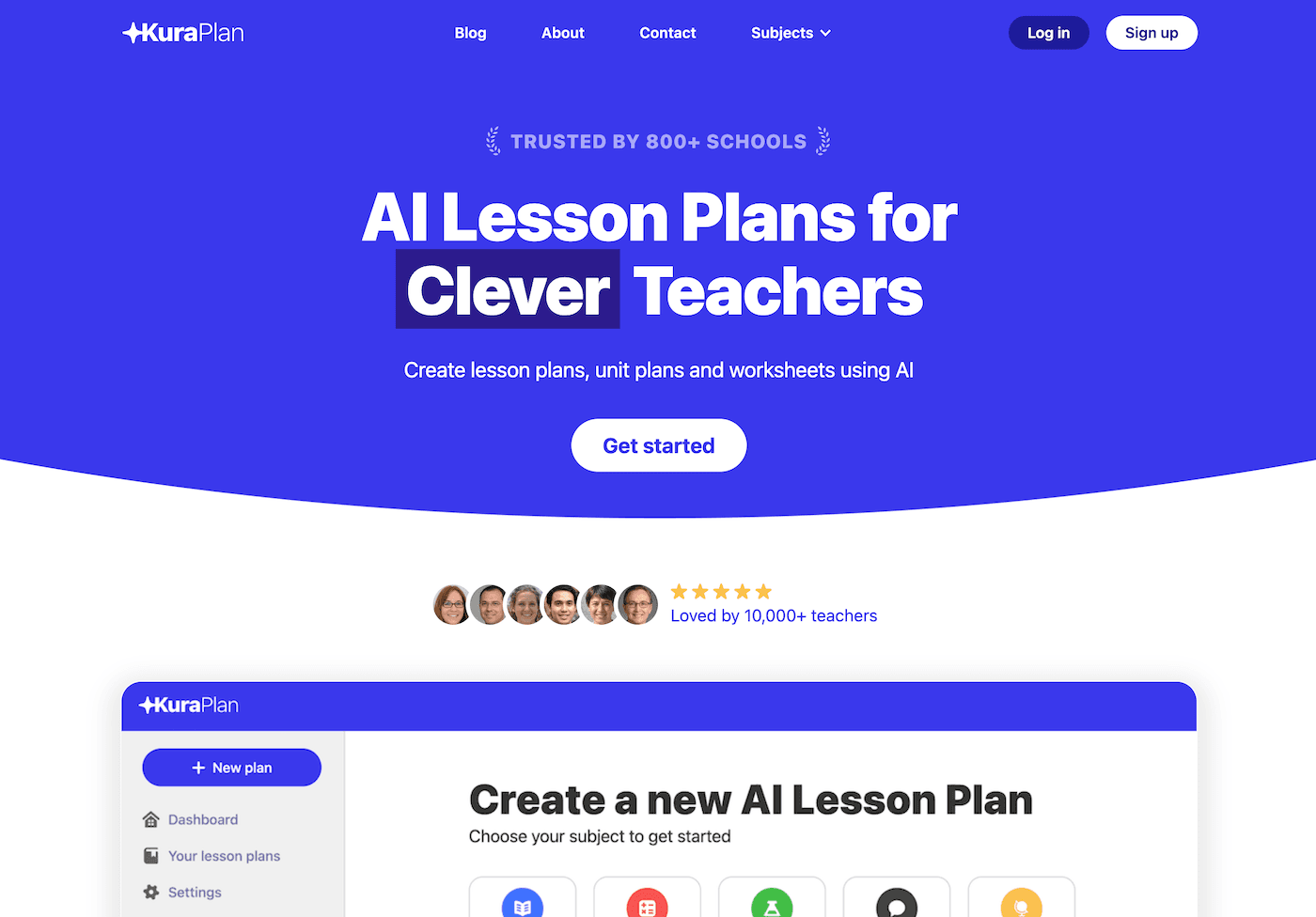
—but only as one guardrail in the sandbox.
1. Magicbook – Turn Routines into Shared Story
My old Monday Warm-Up? A quick journal. Now? Each advisory week starts with a student-created Magicbook: "What Surprised Me Over the Weekend," "Micro-Heroes in Our Class," or even "Three Hilarious Lunchroom Rules." Students co-author, illustrate, and riff on each other's stories, then we share for entry routine (and, yes, parent emails). Magicbook helped me flip routine writing time from a rote slog into a creative ritual—students have ownership, the classroom builds a living storybook, and last year’s "meh" gets replaced by something real (and revisitable).
Try Magicbook
2. Kuraplan – Design Rituals, Not Constraints
Kuraplan gets hyped for lesson planning, but here’s my twist: I use it as a weekly ritual calendar, not just a syllabus maker. On Sunday, I plug in my must-dos and brainstorm at least one experimental routine to trial: Tuesday's "Peer Interview Circles," a midweek debate, Friday's surprise "teach-the-teacher" day. Kuraplan drafts a structure and flags where I might need a checkpoint, time break, or spot for feedback. My workflow: on Mondays, I preview the week, let the class advocate for which new rituals to keep, and quickly adapt the Kuraplan-generated plan after trying something wild. Suddenly, routines flex—structure without repetition, and proof that evolving traditions still satisfy admin (and student comfort).
Try Kuraplan3. Gamma – Instant Ritual Boards & Class Timelines
Showcasing "This Week’s Classroom Rituals" used to mean updating fifteen slides. Gamma is now my visual backbone: every time we invent a new routine (like Thursday’s "flash idea pitches" or "Surprise Science in the Hallway"), I drop photos, sketches, prompt cards, and student reaction notes into Gamma. It creates a living, easily updated slideshow that runs on the board—students reference ritual steps mid-period, I swap in new ideas for exit routines, and my class gets to see the shift from last month’s predictable cycle to this week’s remix.
The best rituals catch on when they’re visible—and Gamma makes every iteration traceable for students (and yes, for skeptical visitors who want to know what changed and why).
Try Gamma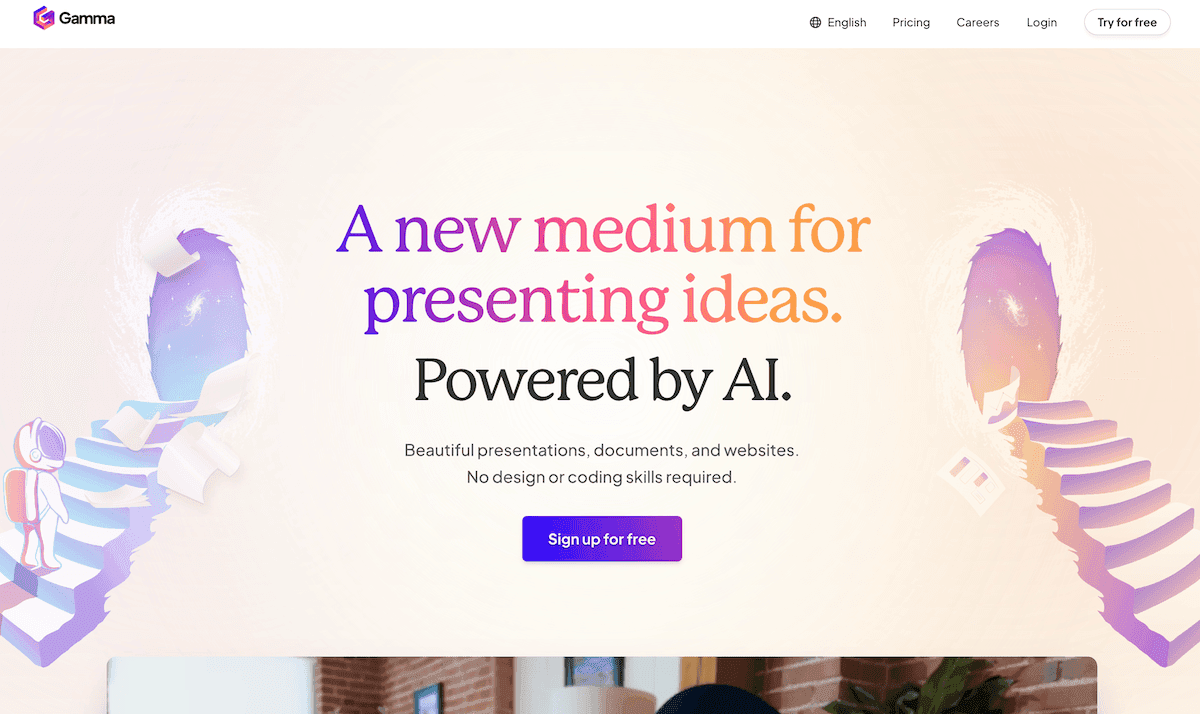
4. Jungle – DIY Reflection & Participation Games
The quickest way to break a routine rut? Hand control to students. Every week, I ask students to submit a ritual prompt or a check-in question through Jungle—“What’s one thing we’d do differently if you ran class?,” "Wildest icebreaker you wish we'd try?" The AI collates, builds game decks, and we use the results to open meetings, reset energy, or close wild lessons. Reflection isn’t prescribed—students challenge each other, remix rituals, and debate which new idea deserves a trial run next week. Participation skyrockets because the rituals are student-powered, not just teacher-enforced.
Try Jungle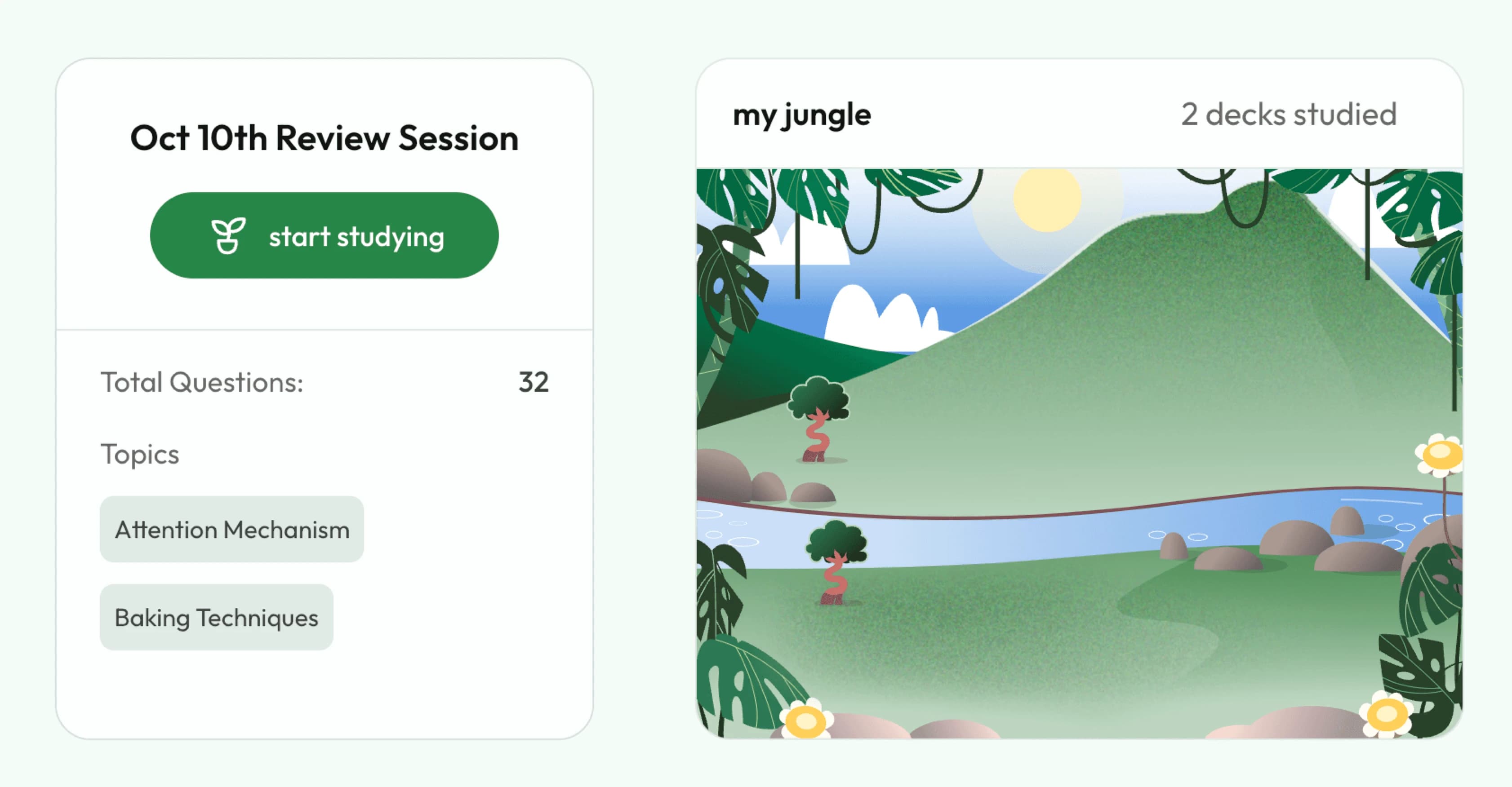
5. Suno AI – Creating (& Remixing) Routine Soundtracks
Classrooms have visual routines (morning bins, posted objectives)… but what about audible tradition? With Suno AI, we started building "Classroom Routine Soundtracks": transition songs, celebration anthems, even quiet work background music, customized by students for every month or project. One week it was a Lo-Fi playlist for journal time, the next a fast break "Quiz Showdown" chant before partner games. Suno delivers, and my students vote which routines to keep or remix. Even end-of-unit reviews became "Request Hour." The classroom feels like it’s alive, and nobody tunes out because “we always do this.”
Try Suno AI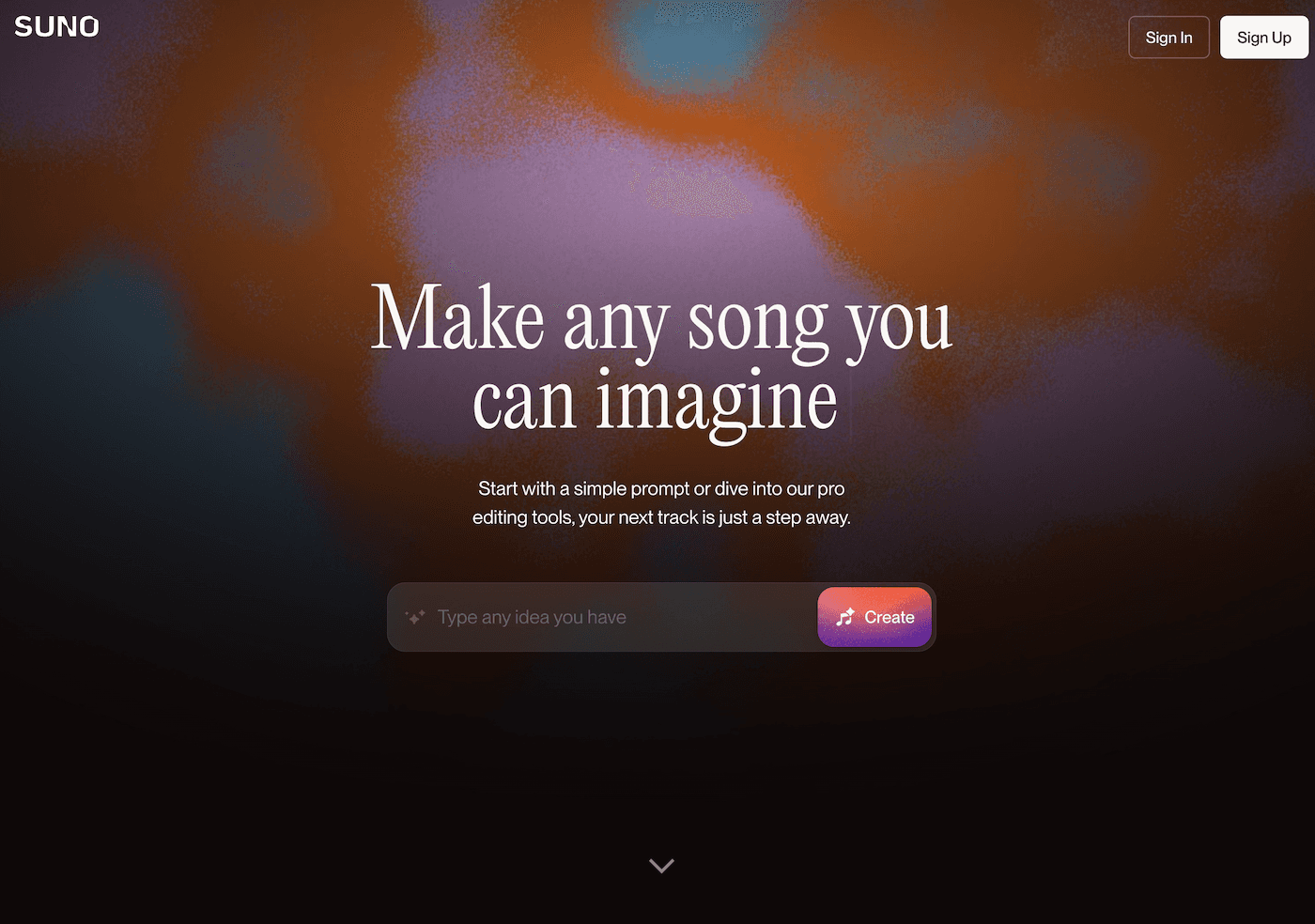
6. Diffit – Adapt & Reimagine Any Routine Material
Tired of the same article for every Monday reading, or the same current events for Weekly Roundup? Diffit rescued us: every time a student pitched a new podcast, TikTok transcript, or wild op-ed for "Current Issue Wednesday," I pasted it into Diffit and instantly got leveled versions and checklists. Suddenly, "routine reading" was full of surprises. Bonus hack: I let students propose their own sources to trial. When your routines are always seeded with something new, class engagement climbs (and differentiation stays easy—so my need for routine never comes at the expense of accessibility).
Try Diffit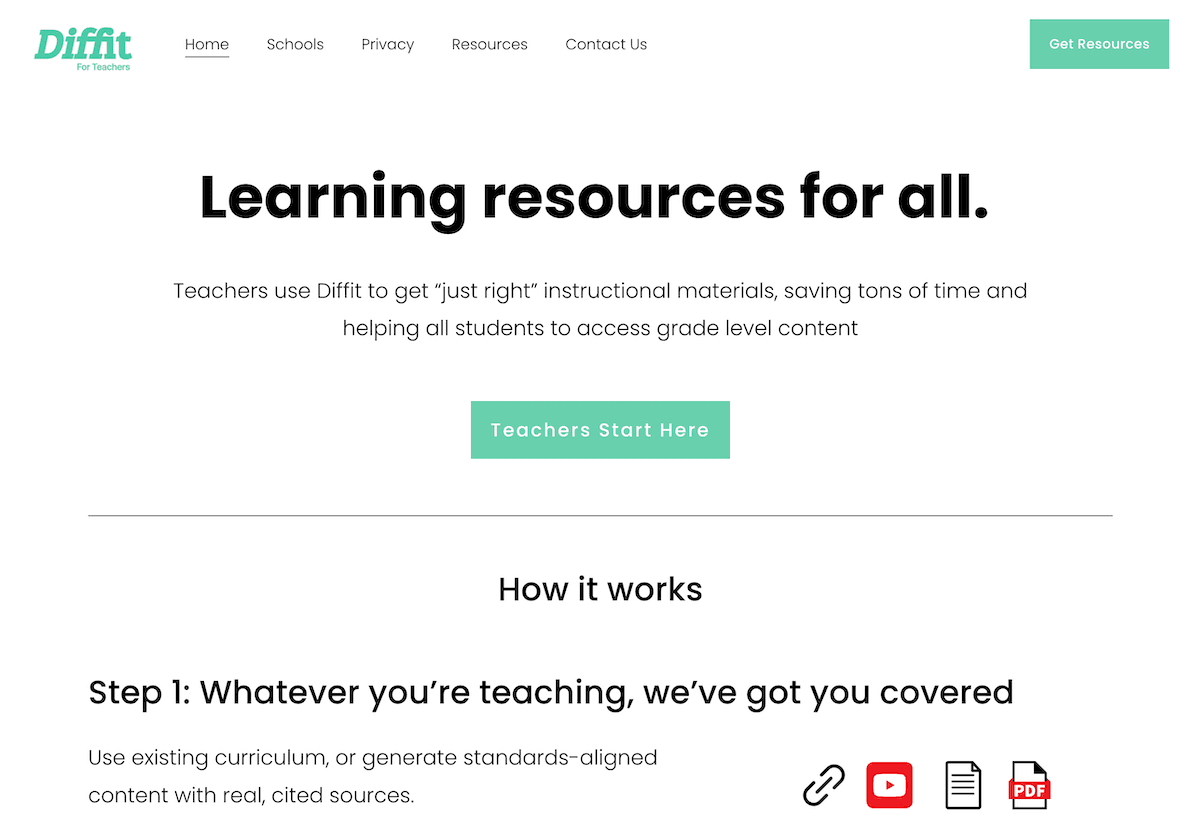
Final Tips for Teachers Who Won’t Repeat Themselves
- Use AI as a remix partner, not a boss. Build routines with one tool; remix them with another.
- Archive your best rituals (and failures)—Gamma and Notebook LM (if you use it) make it easy to revisit what stuck, even after many iterations.
- Let your class vote; if your routines get stale, they’ll know first. Jungle’s DIY decks and Suno’s music prompts empower participation.
- Celebrate the evolving journey. When even the routines change, school never feels stuck—and neither do you.
What’s your favorite AI hack for making your classroom rituals, routines, and rhythms come alive (again and again)? Share your wildest workflow below—or your best “that actually worked!” moment. Real engagement never feels like repetition. Here’s to more teachers brave enough to break the cycle—and tech that keeps up.