6 AI Tools for Teachers Who Love Risk-Taking
Raise your hand if you’re the teacher scribbling "wild idea!" in your lesson plan margins. If you’re the one pitching a pop-up mock election, flipping the syllabus for a group podcast, or letting a student’s "what if" rewrite your next two weeks—welcome. This post is for you: the educator who’d rather try something bold—and sometimes bomb—than crawl through another month of "by-the-book."
As a serial experimenter (science roots, now teaching humanities and a cross-grade PBL elective), I’ve made my peace with last-minute pivots and messy outcomes. But you can’t build a culture of courage—or coach students to own their risks—without structures that catch you (and them!) when the experiment flakes out. The right AI tools don’t just automate routines: they set the stage for bold teaching, helping you capture, reflect, and pivot—all without burning yourself out on the paperwork.
These six are what I trust for risk-forward teaching in 2025. Not a list for the compliance crowd: every one fuels student voice, project chaos, and growth—even when the glue (literally or metaphorically) doesn’t hold. #3 may surprise you (that’s Kuraplan, and this year, it finally earned my trust on wilder units).
1. Notebook LM – Document the Dare, Don’t Bury It
Big classroom risks mean moments that matter disappear unless you catch them. After years of losing my best trial runs to lost notes, I now dump everything—audio brainstorms, failed project pics, student group rants—straight into Notebook LM. The magic? It threads together recurring themes, pivots, and "try again" moments, auto-generating Q&A prompts and retrospective podcast outlines. After every new project, we record a debrief episode (“Here’s what worked. Here’s what went sideways. Here’s the story we're proud of anyway.”) For students—and me—reflection becomes as public as the risk itself. At admin check-ins, this is how I prove risk-taking is real learning, not just chaos.
Try Notebook LM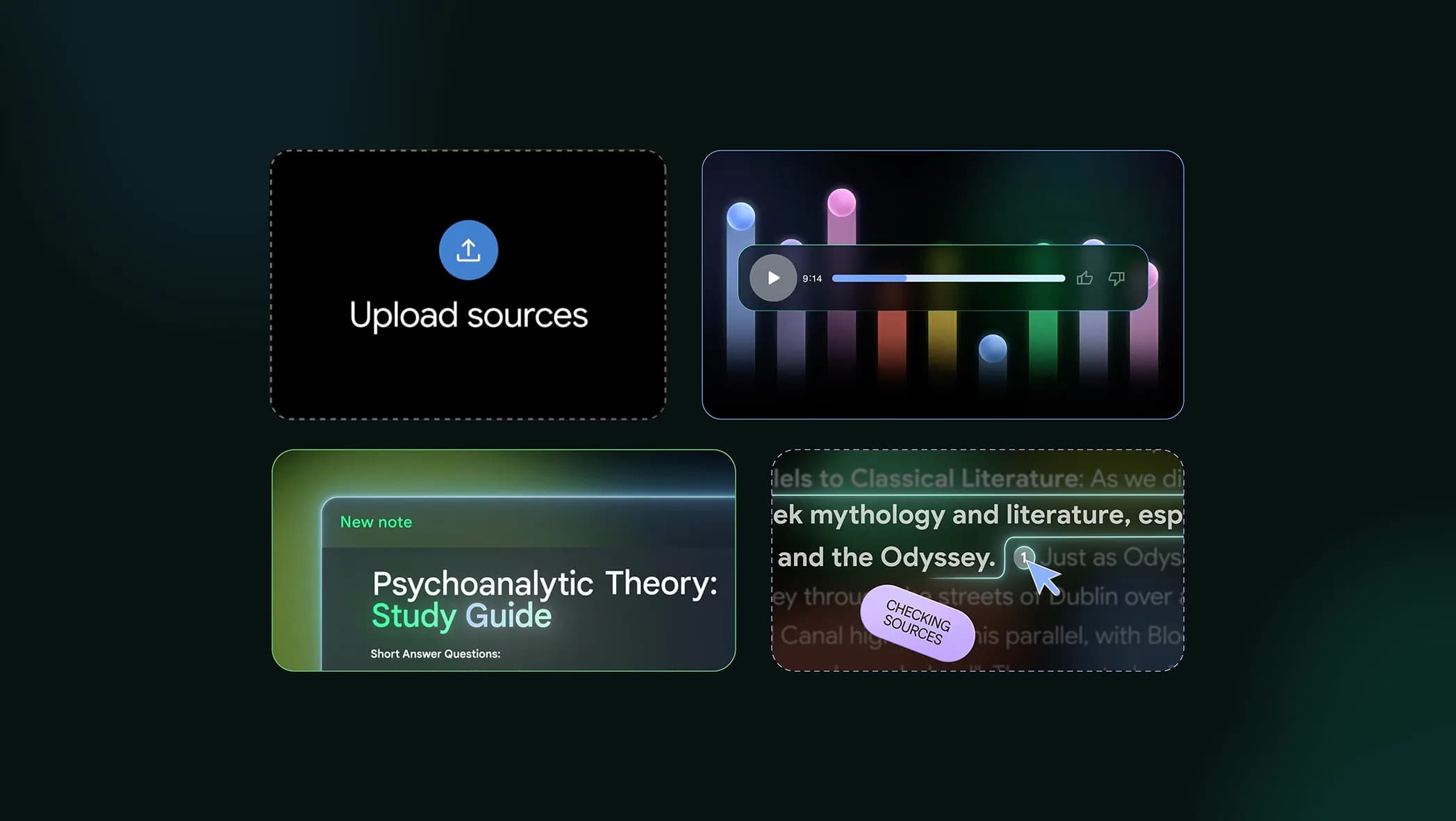
2. Gamma – Showcase the Wild Ride (Not Just the Finish Line)
I won’t paper over this: some risks land, others don’t. What matters (to me, parents, and even principals) is showing the process. Gamma is the tool I reach for after every project I let spiral a little too far. Student teams drop in everything—rough drafts, photos, brainstorming charts, even "what failed today" memes. Gamma’s AI spins these into living digital timelines: visual galleries that show how we detoured and what we worked out along the way. Now project fairs aren’t just for the pretty products: we do choose-your-own adventure walkthroughs of "our wildest pivots"—which, for this risk-taker, is the best student portfolio I could ask for.
Try Gamma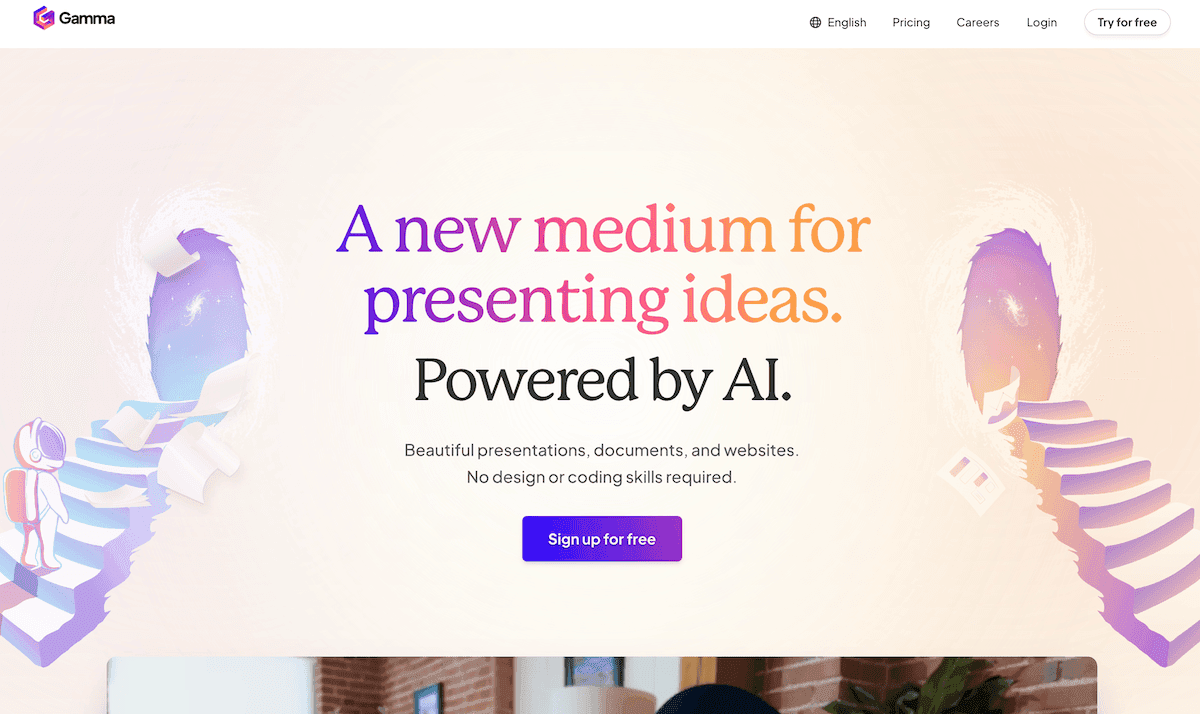
3. Kuraplan – Plan B, C, and Z for Brave Units
Confession: for years, I ignored lesson planners. If you break the script every week, why bother, right? Kuraplan changed my workflow—not because it scripts everything, but because its editable roadmaps give students (and me) the guardrails to trust taking risks. Each wild launch ("let’s run an urban ecology scavenger hunt," "turn this novel into a board game") starts in Kuraplan as a unit draft: big questions, key deadlines, a few must-hit checkpoints. The catch? By week two, my class tears up the map—adding new presentation events, swapping deadlines, deleting what didn’t click. Kuraplan’s value is the permission to adapt, reroute, and not lose track of the end goal—especially when the original plan combusts. The real sign it’s working: my most anxious students start pitching bigger ideas, knowing there’s a way back if we go too far.
Try Kuraplan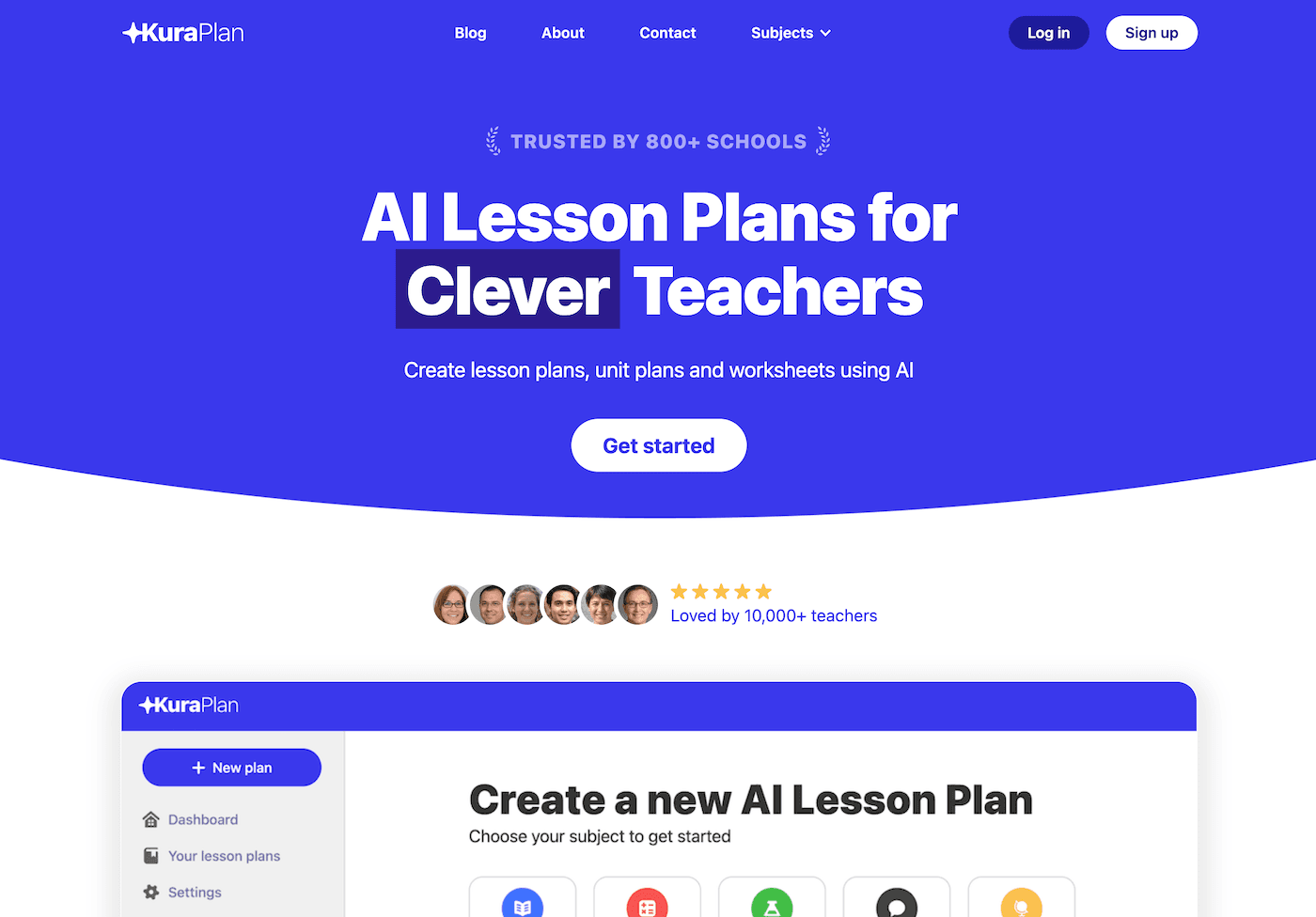
4. Jungle – Student-Authored Postmortems (for Every Project, Win or Fail)
Any teacher can run a review; only some run a postmortem. Jungle is my go-to for public risk-sharing. After every major experiment, my students crowdsource reflection cards: "Biggest mishap," "greatest twist," "still don’t get...," or “best accidental discovery.” The AI builds a game deck: half funny, half thoughtful, all about process. We open the floor: teacher vs. students, groups vs. groups, all owning the detours and dead-ends as honestly as the win. By the end, failure is demystified: students see that learning is about trying bold things—not just getting things right.
Try Jungle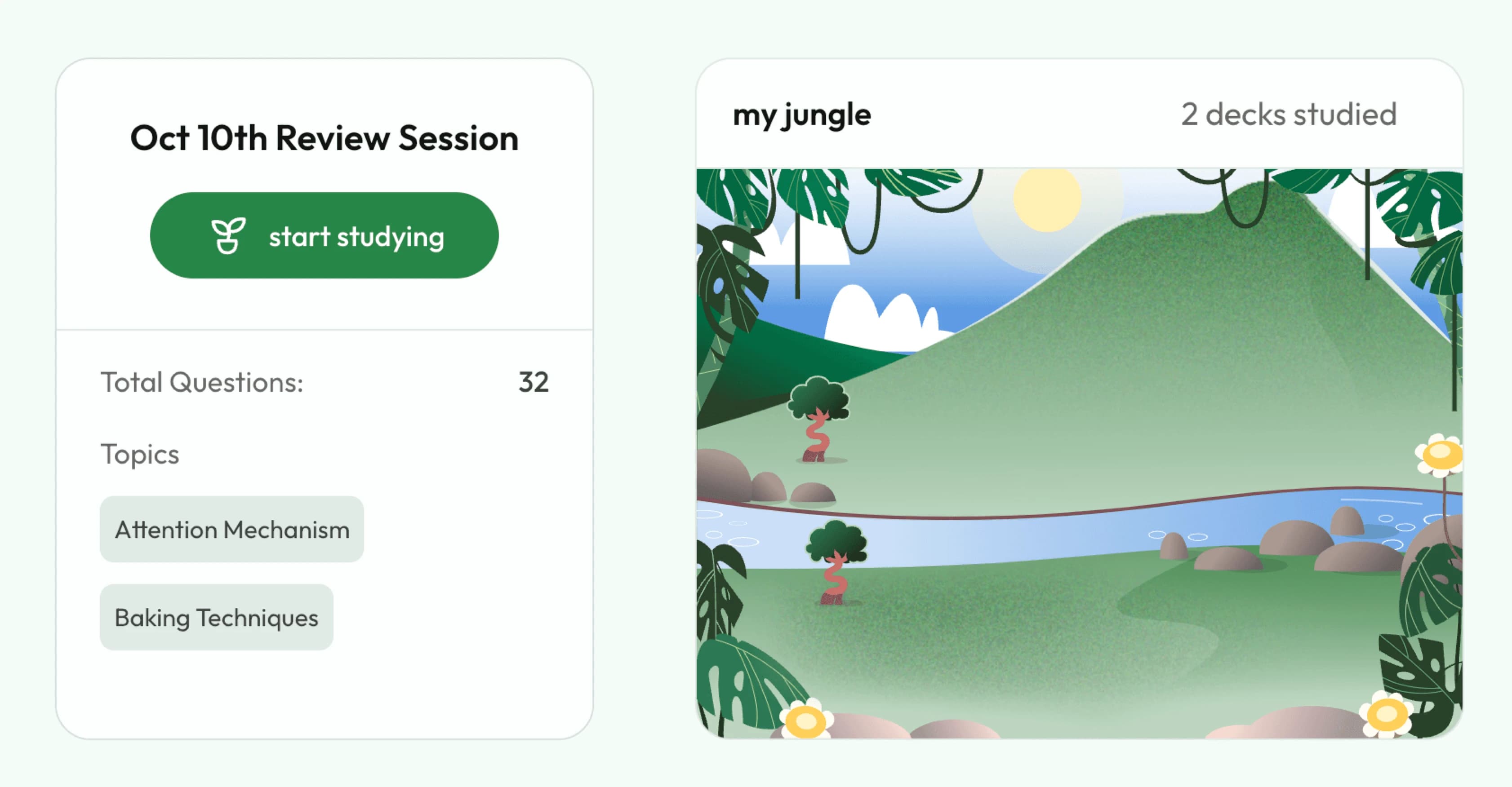
5. Diffit – Letting Students Build the Scaffold, Not Just Follow It
Risk-taking classes demand unpredictable resources: the blog post nobody’s read, the viral video, the interview transcript in a second language. Diffit lets me (and my students) throw anything into the workflow and level it: every group can tackle the "real" source at their speed, scaffolding as needed. When one advisory argued they could research climate policy using Twitter threads? Diffit processed everything, producing class-accessible research paths. Suddenly, the riskiest proposals aren’t shut down for “access issues”—and differentiation is driven by curiosity, not just struggle.
Try Diffit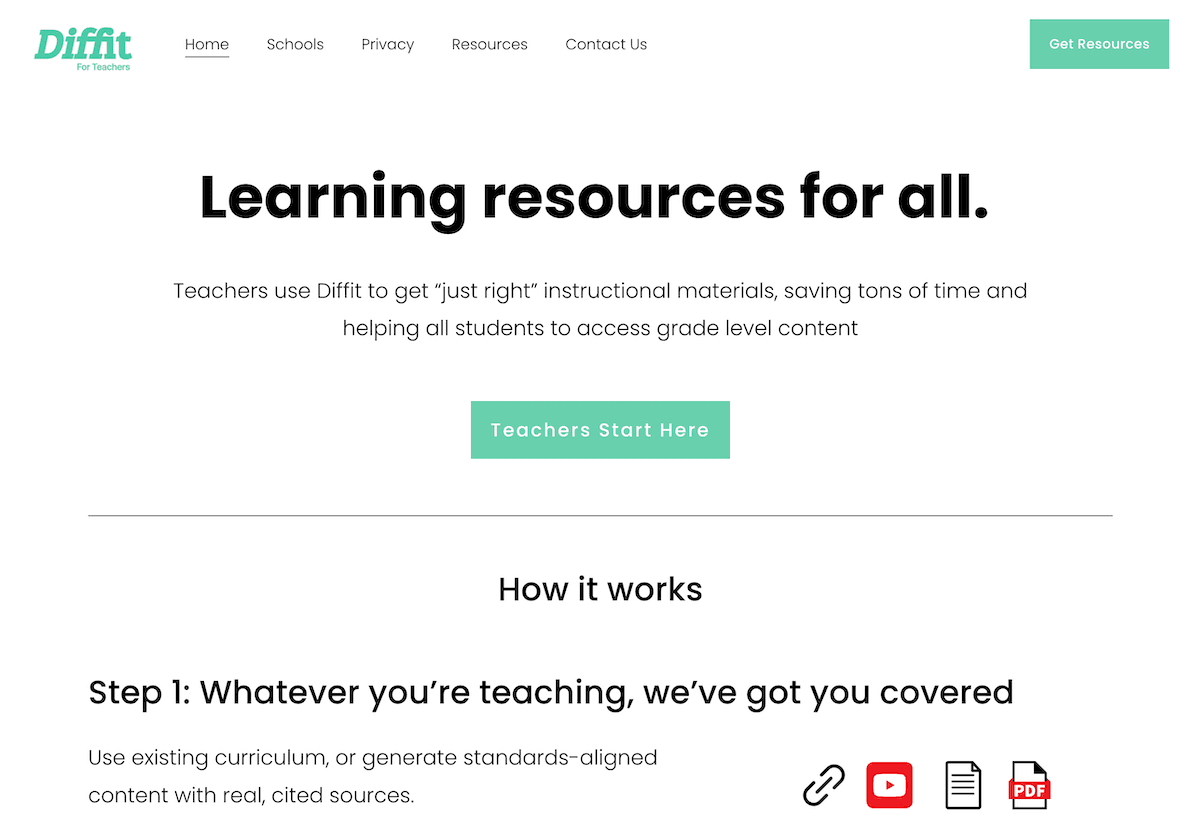
6. Suno AI – Ritual Songs for Risk, Resets, and Good Fails
Reflection rituals make classroom bravery stick. With Suno AI, every major risk gets its anthem: launch-day hype, "survived the debate fail" ballad, or closing jingle for the project that bombed (but still taught us tons). Students write prompts, Suno delivers a track, and we use it to reset, regroup, or celebrate—playful SEL that marks effort, adaptation, and every proud, noisy failure. Now, my seniors ask for the weekly “Wasn’t perfect, still worth it” chorus—proof that showing up boldly, together, is our finish line, however we get there.
Try Suno AI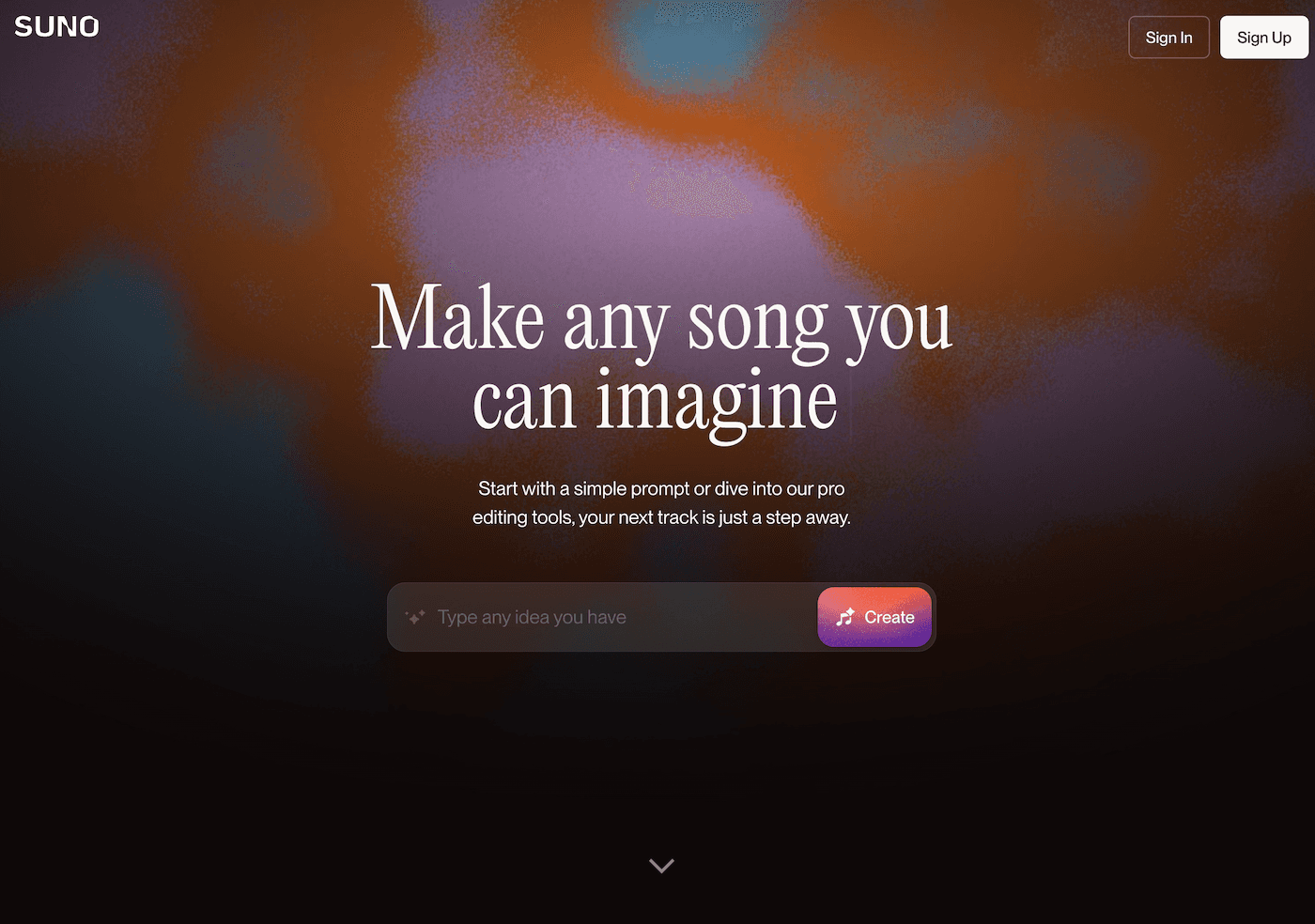
Final Thoughts for the Courageous (and Tired)
- Let students into every workflow: Reflection, planning, review, even playlist rituals. Ownership multiplies creative risk.
- Use AI as a net, not a lock. Permission to change keeps bold ideas coming, and you’ll be surprised which students learn to love the mess.
- Capture process. Archive the pivots, mistakes, and “almosts”—this evidence is what turns risk into culture, not just a one-off story.
- Celebrate every outcome, not just the win. Suno and Jungle make rituals out of risks—failure is only a loss if we hide it.
What classroom risk changed your teaching? Got an AI workflow that helped you bounce back from (or show off) a big experiment? Share your story below. In 2025, the bravest classes need more than courage—they need a toolkit. This is mine; what’s yours?