6 AI Tools for Teachers Who Love Weekly Routines—But Hate Ruts
If you’re a teacher who believes in the power of routines—Monday journal, Tuesday Socratic, Friday choice board—but who quietly dreads the Groundhog Day feeling by October, this one’s for you.
I adore classroom structure. My 8th graders know our week’s flow by heart. But after a few years, I realized my favorite routines—morning meeting, bellringer debates, Wednesday centers—were starting to feel stagnated. I wanted to carve out predictability without becoming autopilot. This year, I challenged myself: Can AI help remix the routines I know work, so my class (and I) keep growing?
Spoiler: Yes—but only if you skip the template-driven listicles and lean into the tools that invite change without breaking your systems. Here are the six that kept my classroom fresh—and gave every ritual a little more life. (Kuraplan’s in here for planning flexible cycles, but it definitely isn’t the only fix.)
1. Diffit — Fresh Content for Old Favorites
My Tuesday routine is a do-now reading—usually current events, sometimes a viral TikTok transcript. The problem? After a few weeks, my differentiation packs felt... tired. With Diffit, I copy-paste any source—a wild article, a student’s home-language story, even today’s podcast transcript—and instantly get three leveled versions, vocab checks, and creative thinking questions.
Now, my routine reading block can feature student-sourced material, not just what’s on the admin calendar. Bonus: When students want to discuss something trending, I level it in minutes and keep the spirit of Tuesday alive, but never boring.
Try Diffit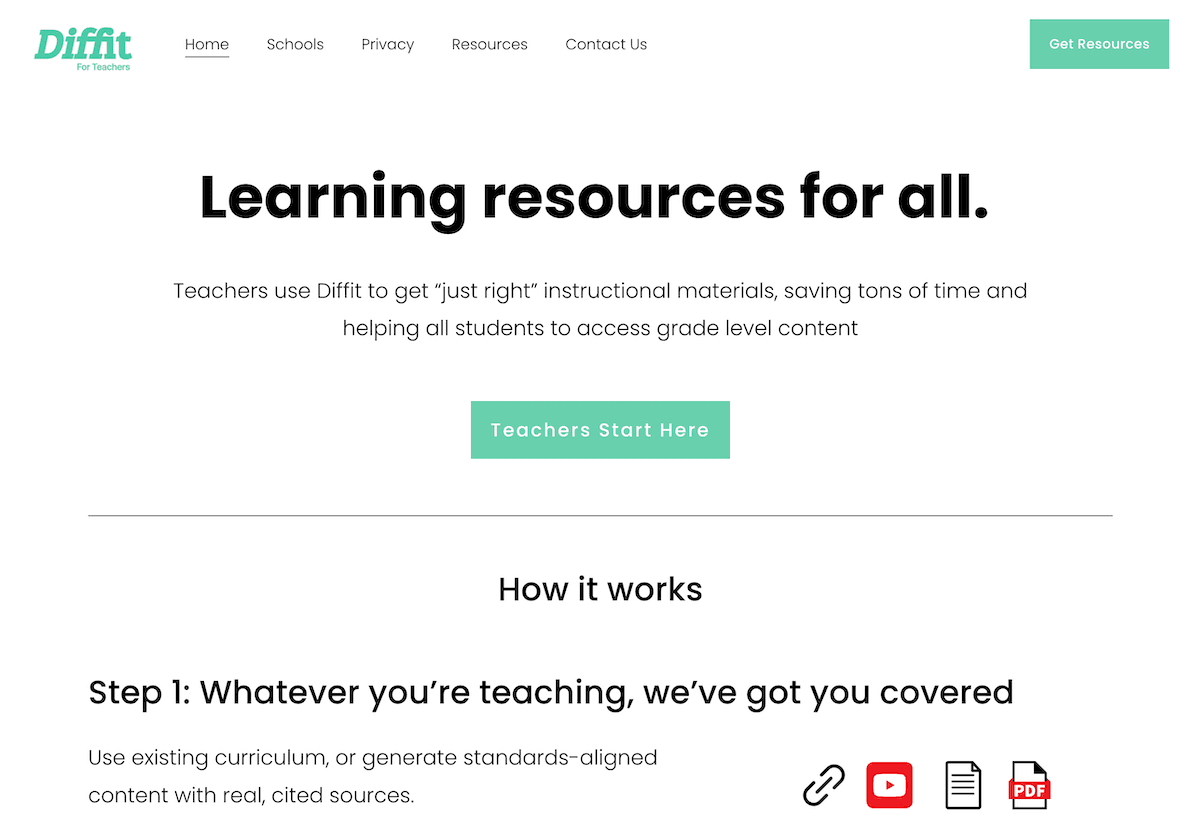
2. Kuraplan — Planning Flex Cycles, Not Fixed Scripts
Here’s the truth: routines work best when you plan them as cycles—not checklists. My workflow: I sketch out (in Kuraplan) a four-week plan built around recurring touchstones: Monday “Welcome Back” journal, Tuesday high/low news debate, Wednesday Independent Study. But after every mini-cycle, I use Kuraplan’s editable draft to review, pause, and drop in new prompts, activities, or wildcards based on how routines are working.
My students now expect familiar structure—but no one knows what we’ll read, what the journal prompt will be, or which group will run Friday’s center. My routine survived, but rut? Never.
Try Kuraplan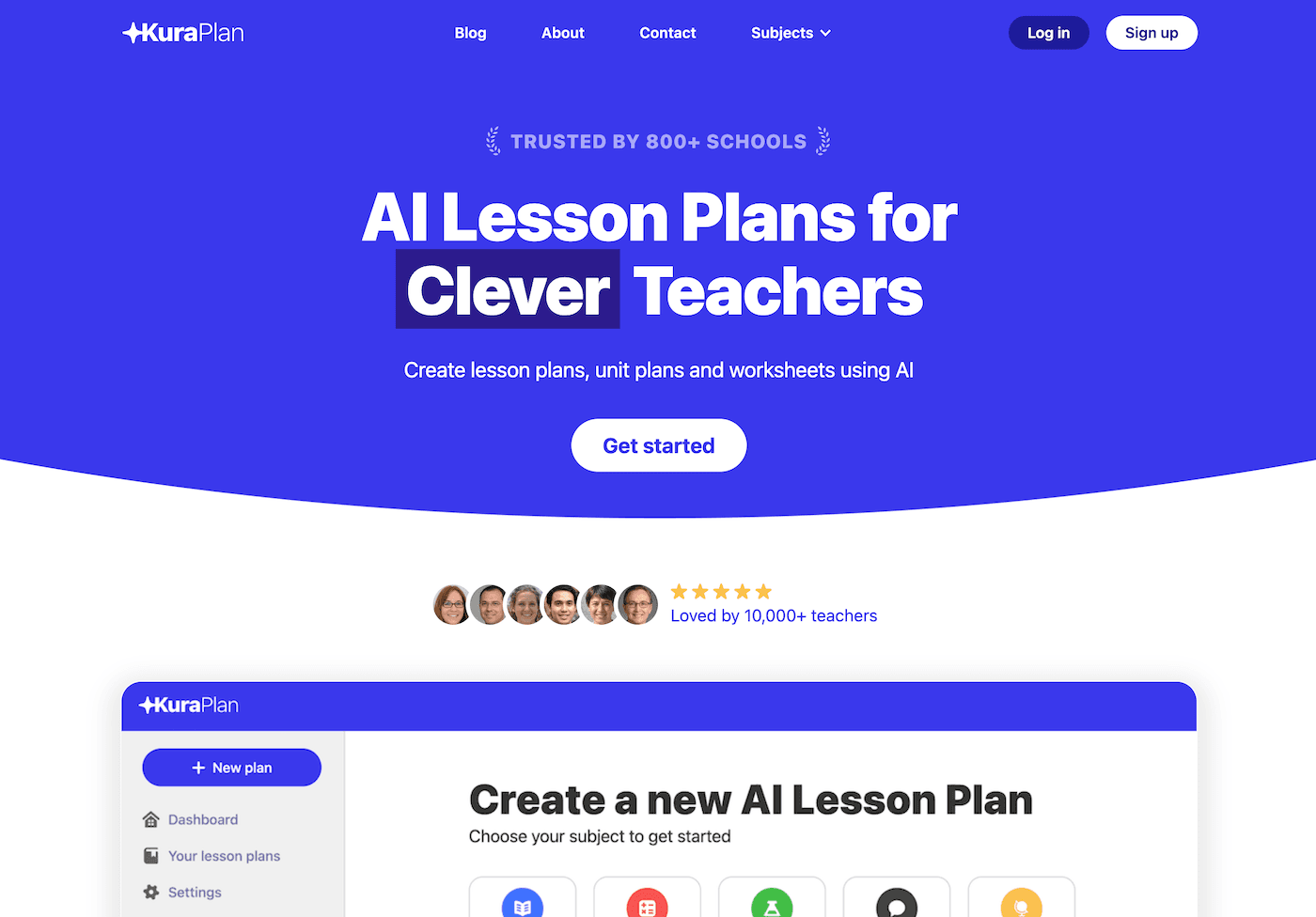
3. Gamma — Routine Ritual Boards That Actually Evolve
The problem with visual routines? The bulletin board gets stuck. Gamma changed everything. I build our "Week at a Glance" ritual board in Gamma, including starter images, station rotations, weekly focus, and even shout-out spots (“Friday Ritual MVP”). The AI makes it quick to swap images/themes, and students recommend add-ons (“Can we make Thursday check-ins meme-themed this month?”).
By projecting a living Gamma board each week, routines become generative: I update quickly, students see themselves in the structure, and even my walk-throughs impress admin. If your groove feels static by week six, make Gamma your routine’s visual anchor—and let your class co-author next month’s remix.
Try Gamma
4. Jungle — Exit Tickets & Reflection—Without the Repeats
Every teacher has a classic exit ticket (“One thing I learned, one thing I’m stuck on”). After a few months, my students’ answers got thin. Jungle let me surprise them: Every week, I crowdsourced fresh prompts from students (“Write a review card with your own question or learning meme”). Jungle built weekly decks for class closure or bellwork, always leveling up in difficulty, theme, and format.
We now use Jungle decks like a mini-ritual: Friday’s wrap-up is half review, half class comedy. The routine sticks, but the content never feels mailed in. Pro tip: Save best-of Jungle decks to launch your next grading cycle; the cards become an anchor for growth, not a chore.
Try Jungle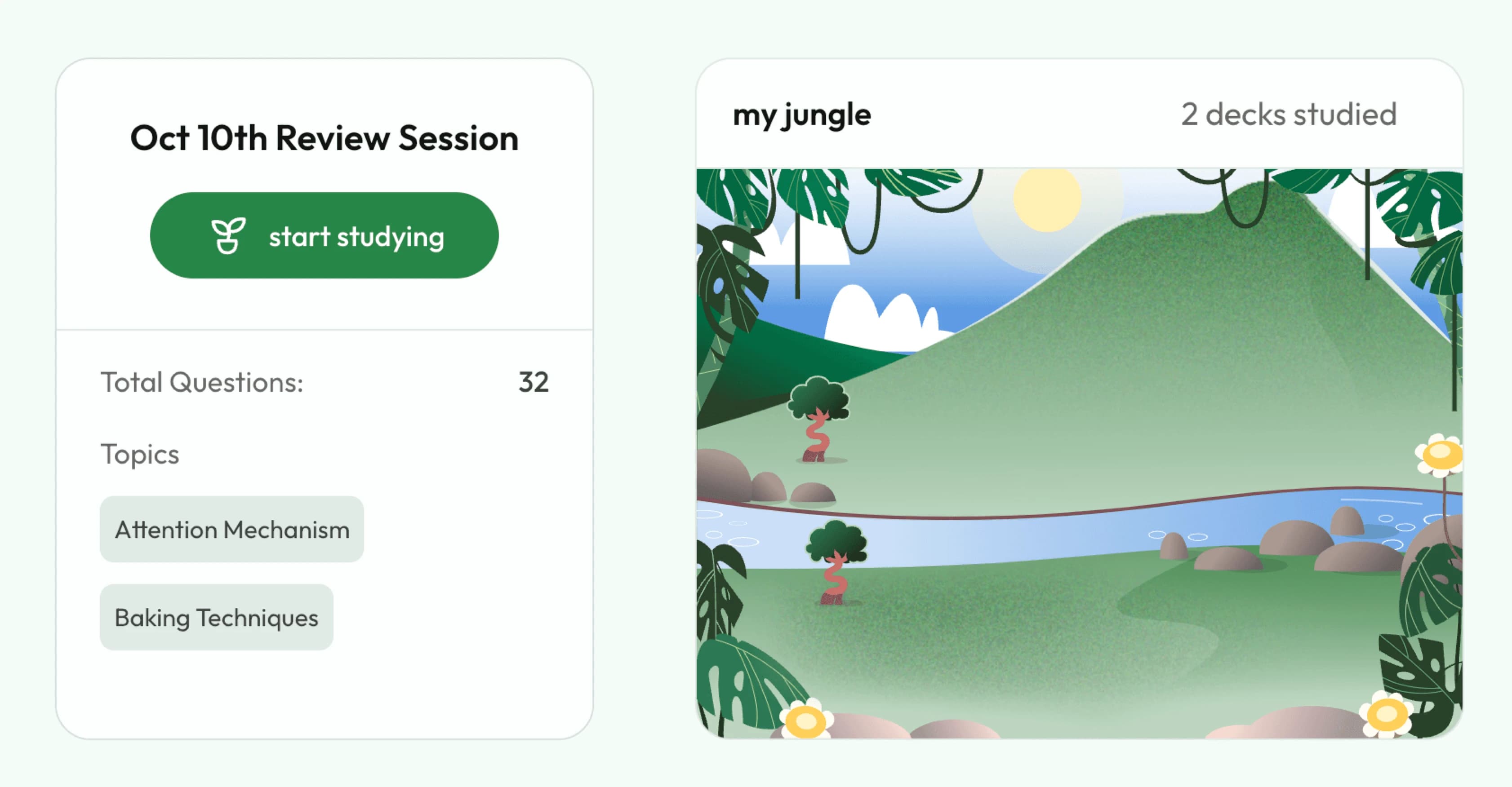
5. Magicbook — Publishing Reflective Routines
Unit reflections are my ritual for closure. Usually, students journal or do gallery walks. This year, we built monthly Magicbook anthologies—each group authored two reflection prompts (“What project failed best?” / “What made you laugh most?”). The AI auto-generated beautiful, illustrated picture books featuring student quotes, mini-essays, or even memes. We shared digital anthologies on our class site, sent highlights home, and voted for "Class Quote of the Month."
Now, reflection is a class-publishing routine—not another packet, but an evolving story students look forward to contributing to. No rut, just shared memory.
Try Magicbook
6. Suno AI — Routines That Sound Like This Week, Not Last
Class energy lags; rituals keep the day humming… until your playlist gets tired or transitions lose their magic. Every Friday, I let students—and me—request a new Suno AI prompt: “Monday Jam For a New Month,” “Cleanup Opera,” “Brain Break for Tired Brain.”
Suno cooks up a new anthem, and we rotate weekly—sometimes revisiting a favorite, sometimes ridiculously silly. My group now writes ritual anthems for math routines, community meetings, even “Class Reset After That Field Trip” (parent favorite). Suno keeps rhythm, but never lets it get gray.
Try Suno AI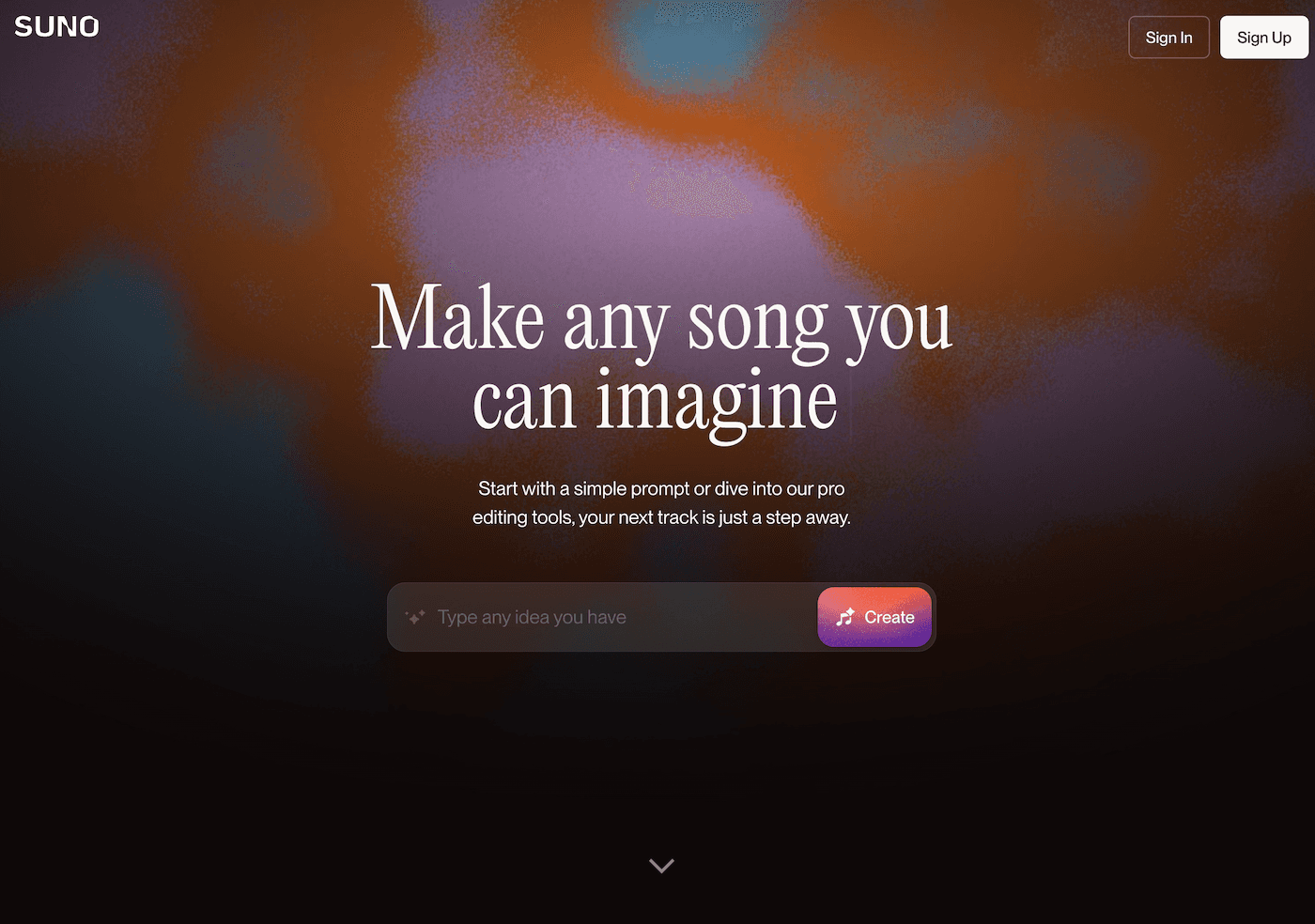
Final Routine Remix Tips (From a Structure-Lover Who Still Needs the Spark)
- Archive and showcase your best rituals. Gamma and Magicbook let you build a living record and celebrate what works (and, sometimes, what doesn’t).
- Build in “soft pivots” in Kuraplan cycles—give your weekly plan at least one slot for remix or student leadership.
- Let your students propose prompt swaps in Jungle and Suno, and rotate “ritual designer” jobs.
- Treat routines as evolving, community-built traditions—not just teacher mandates, but class stories in progress.
What’s your favorite way to keep weekly structure vibrant—and when has AI helped you dodge a classroom rut? Drop your wildest routine hack or remix below. Here’s to routines that flex, traditions that surprise, and a school year full of rituals that never get old.