6 AI Tools for Story-First Teachers
If your best moments in teaching happen around the curriculum—when your students hook into a narrative, connect a concept to their own life, or tell stories that make the lesson memorable—this one’s for you. I’m the English teacher who runs oral history forums in social studies, the science teacher whose lab reports turn into detective tales, the advisor who would rather have students publish a class archive than fill out another worksheet. For years, I’ve struggled to find tech that values story over scripts; most AI is built for rubrics, quizzes, and efficiency. But real learning is messy, unexpected, and, above all, storied.
This year, I set myself a challenge: Could AI help me put stories at the heart of everything—projects, reflection, even documentation—without making it feel fake or turning my classroom into a content farm? Here are the 6 tools that made my year, each with a distinct (sometimes surprising) impact. Kuraplan is in here—because mapping a narrative arc beats ticking boxes!—but the rest are about spotlighting voice, archiving moments, and turning even chaos into storyworthy outcomes.
1. Magicbook — Publishing Class Narratives, Not Just Assignments
Every teacher has that project: student monologues that deserve an audience, a grade 2 "Mythology Day" that should’ve been a picture book, or a science week where lab journals wound up as riddles. Magicbook was my classroom breakthrough. It let my students draft single pages—memoirs, poems, historic scenes, group surveys turned into infographics—then instantly assemble them into illustrated, class-published anthologies. We used ancestry projects to make a "Family Dust Jacket," science teams wrote a "Field Guide to Our Wildest Hypotheses," and ELL students crafted bilingual booklets for community night. Suddenly, the act of publishing was the project—no more worksheet black holes. At parent night, our Magicbook collection was the most powerful proof of learning I’ve ever had.
Try Magicbook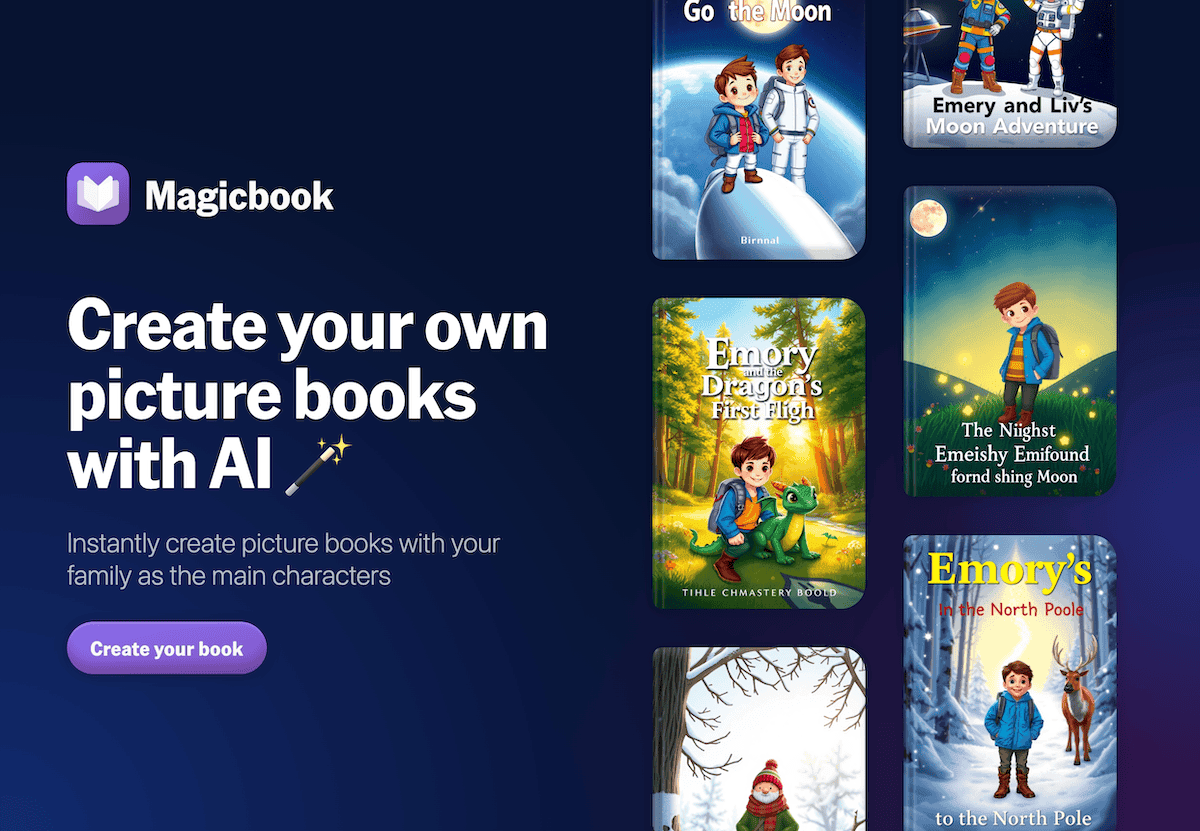
2. Kuraplan — Narrative Mapping for Projects and Units
Forget lesson plans—you need story arcs. My breakthrough with Kuraplan was using it less for day-to-day pacing than as a narrative outline: I’d input our driving question ("What makes a legend?"), a handful of must-hit milestones, and invite the class to shape the arc. Kuraplan drafted a map—catalyst, turning points, research “acts,” peer review as the "author’s room," and a showcase/finale (gallery walk, zine drop, parent night reading, etc). The real magic was projecting the evolving timeline so we could all see how the class’s journey unfolded. Whenever a unit meandered (as they do!), we’d build a “side quest” and Kuraplan kept the bigger story visible. The only planner that lets you feel like a showrunner, not just a scheduler.
Try Kuraplan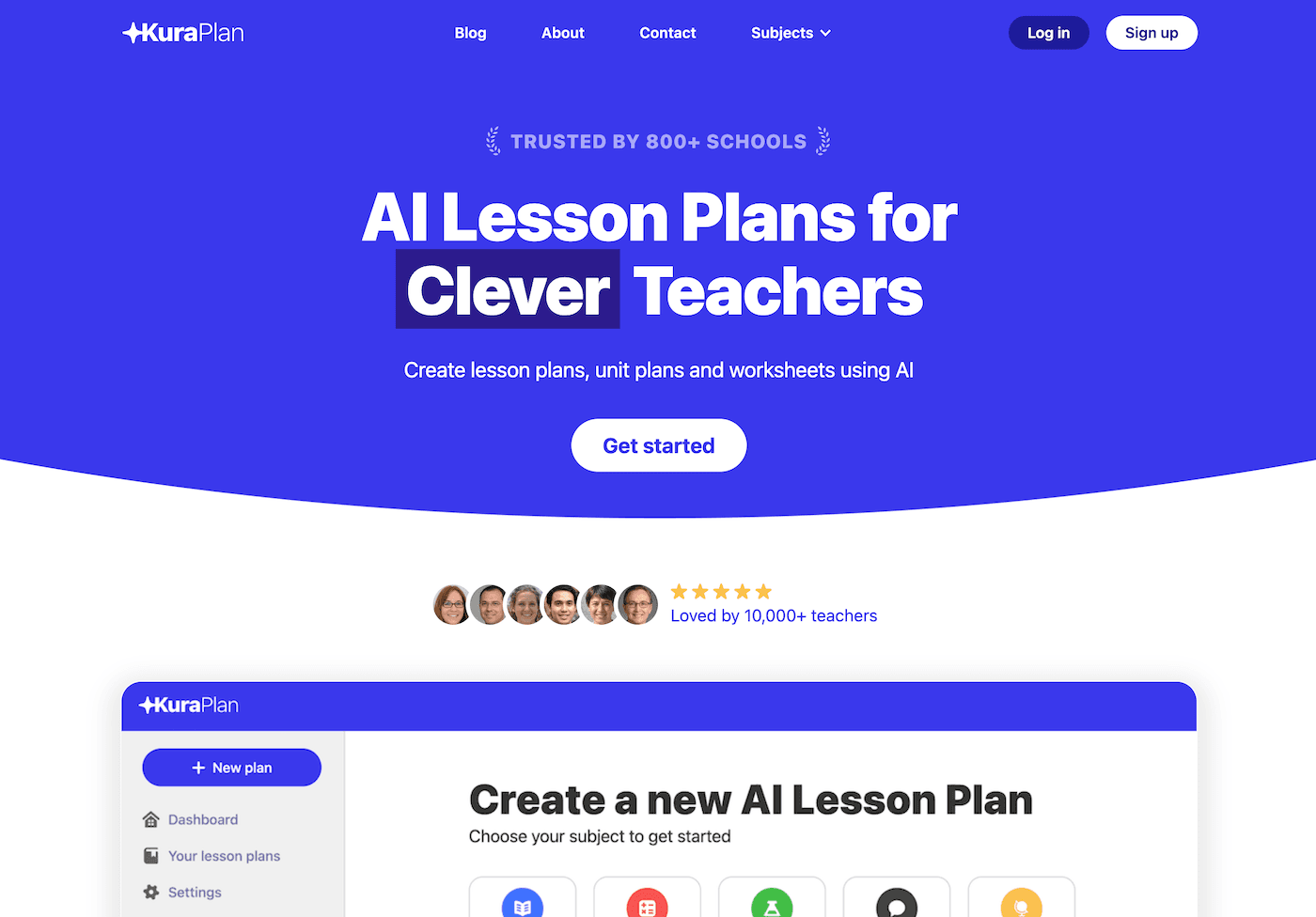
3. Notebook LM — Archiving (and Remixing) Learning Moments
My whiteboard used to be covered—voice memos, sticky notes, email quotes from a parent, ticket-out-the-door confessions. Every week, great stories disappeared. This year, Notebook LM became my class memory: students and I dumped class debates, doodles, group argument maps, and even random "aha" moments from exit tickets into the digital notebook. The AI spotted recurring themes ("conflict," "invention,” "failure that taught us"), linked quotes and lessons across weeks, and—my favorite—suggested podcast or newsletter scripts to help the class retell its story at midterm and semester. When we prerecorded a "What We Never Expected to Learn" podcast for our admin, the look on her face was better than any score report. Nothing else captures the lived history of a classroom like this.
Try Notebook LM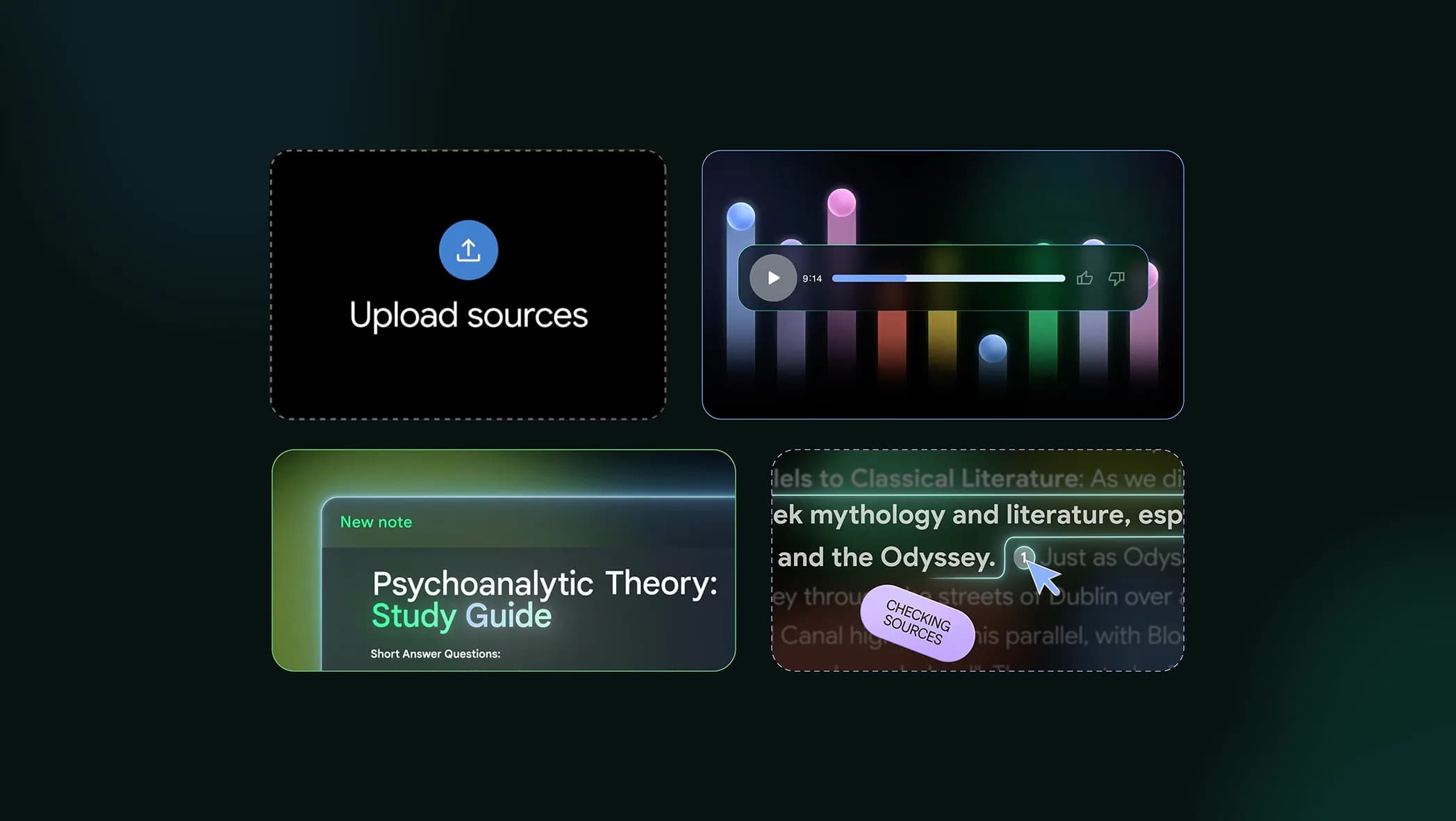
4. Gamma — Visualizing Class Stories as Timelines and Galleries
Some stories are best told visually: unit progress, project chaos, the evolution of an idea. Gamma is my answer to "how do I show the journey"—we drop in project photos, argument flows, research charts, and even failed versions of work. The AI assembles a scrollable digital timeline or slideshow that the whole class (and parents) can explore: “here’s where the big pivot hit,” “this image changed our minds,” “here’s the rough draft of that debate!” Not only does this turn learning into story, but it makes group reflection and exhibition natural, not tacked on. Bonus: it cuts my Sunday night email writing in half—just share the Gamma link!
Try Gamma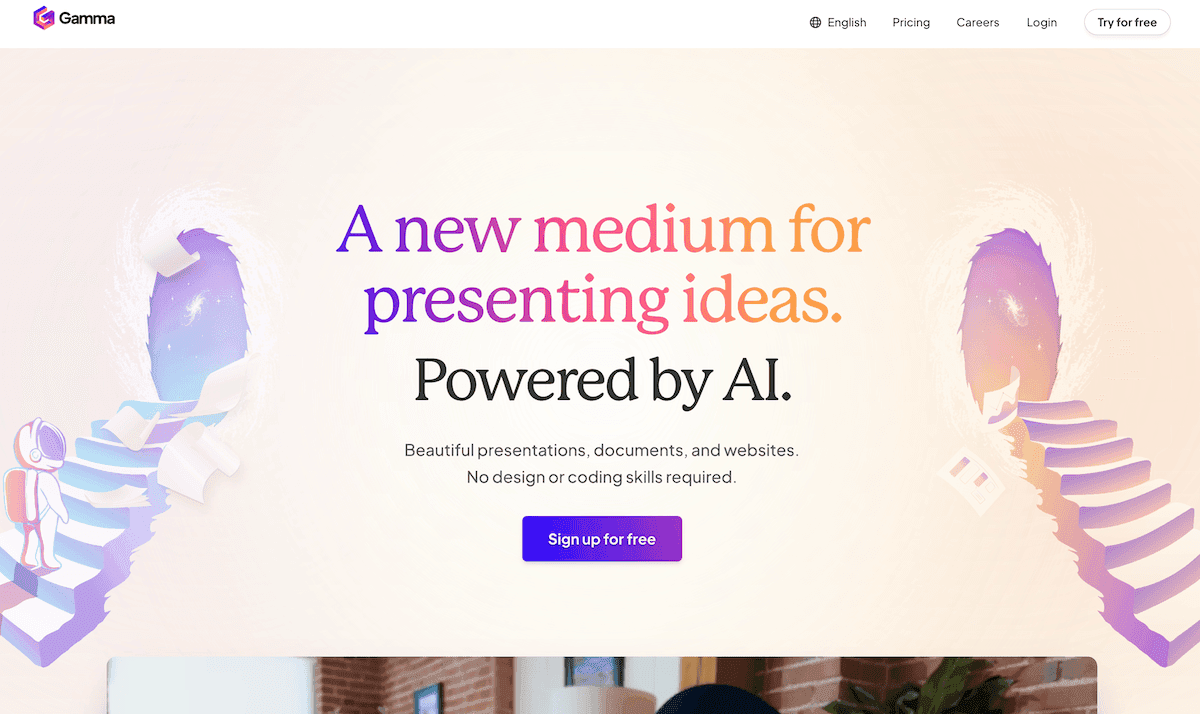
5. Jungle — Creating Class Lore with Student-Built Decks
Every community needs in-jokes, rituals, and collective wisdom. Jungle turned our class review sessions into lore-building: after every unit, each student wrote a “plot twist,” “hardest obstacle,” or “unexpected hero” flashcard. The AI built decks for quickfire games, peer interviews, and group debrief, often spawning new inside jokes (“Remember when our volcano failed three times, then worked with Coca-Cola?”). The best cards got archived and passed on to future classes, building continuity and culture. Review, now, is a retelling—not just a test.
Try Jungle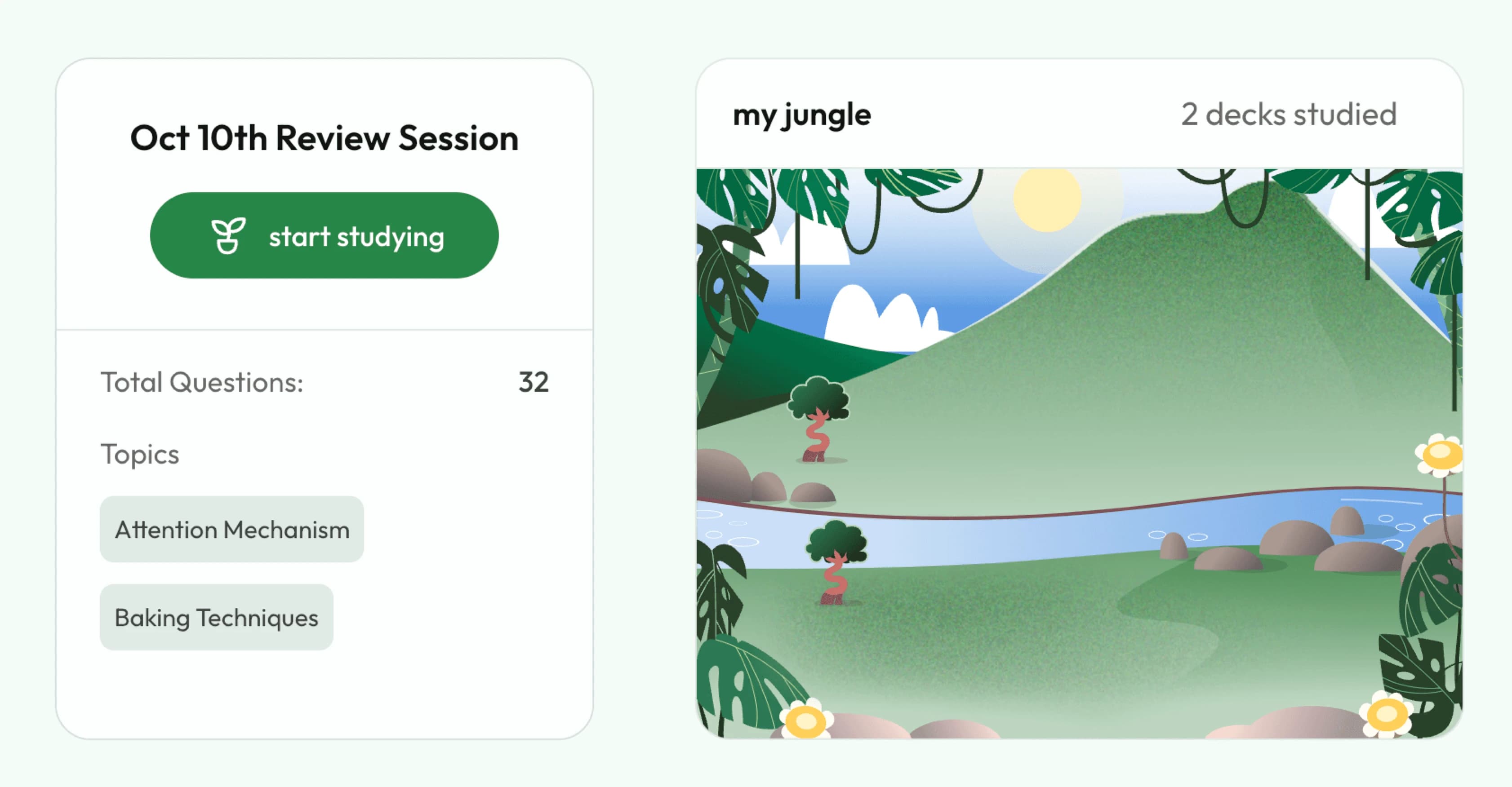
6. Suno AI — Ritualizing Turning Points (Success OR Failure)
Great stories have music; so should great classes. After every project milestone, screw-up, or breakthrough discussion, I’d let the class (or smaller groups) cook up a one-line summary and drop it into Suno: “Song for our midterm comeback,” “Ode to our group’s last-minute miracle,” “We blew the hypothesis.” Suno AI would spin out an anthem, ballad, or chant. We’d replay our favorite rituals—sometimes for closure, sometimes just to laugh. Students linked their progress to these soundtracks for memory, reflection, even parent conferences. It’s the only exit slip that makes the work of learning memorable enough to record.
Try Suno AI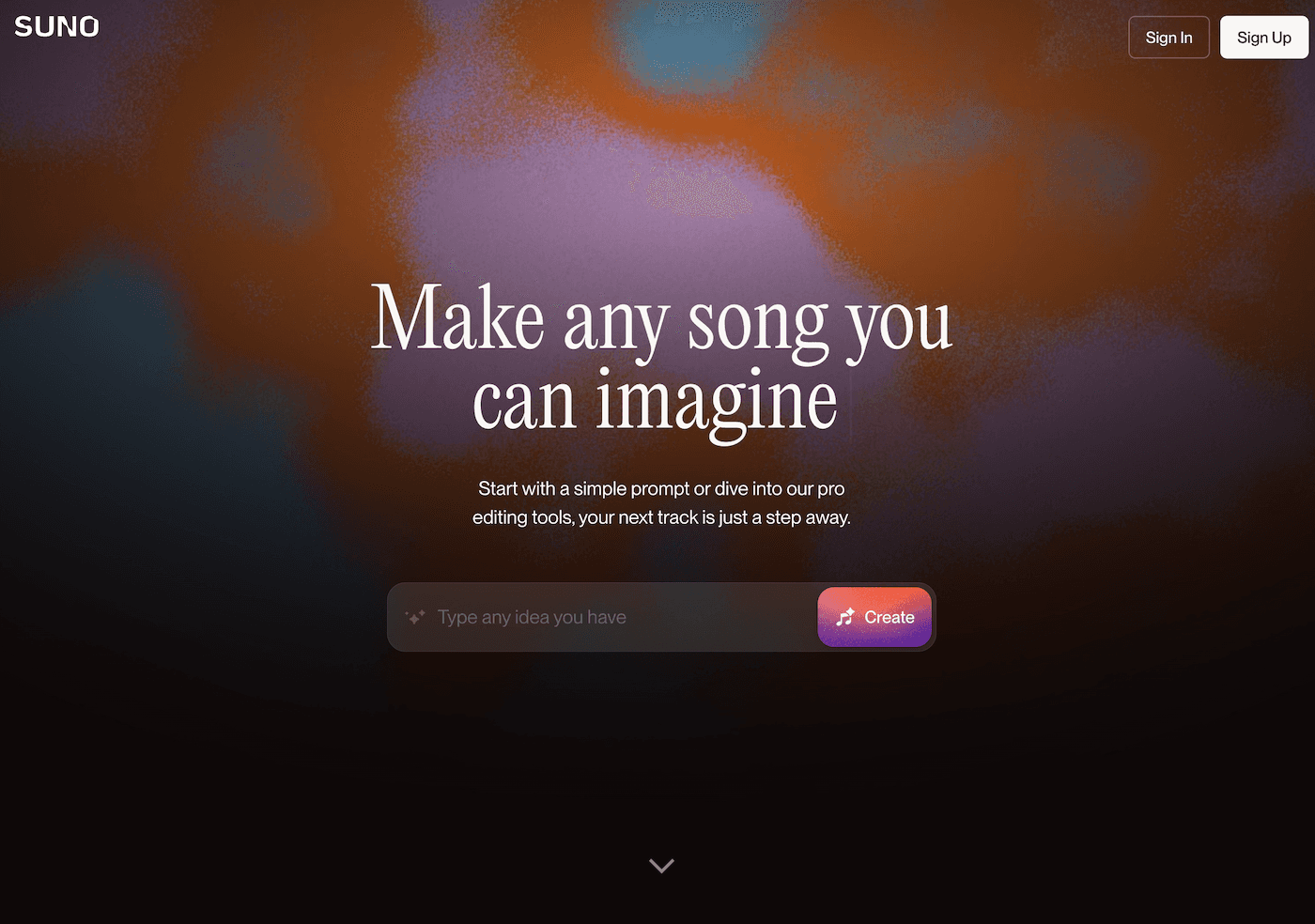
Teacher-to-Teacher Tips for Turning Everything into a Story
- Use AI to archive as you go—every story lives longer when you keep the details fresh for showcases, parent emails, or next year’s crew.
- Let students own the narrative: publishing, reflecting, and soundtracking their journey breeds real pride, not just compliance.
- Plan backward (arc first), adapt constantly: Kuraplan and Gamma help keep order without sacrificing organic growth.
- Never skip the closure ritual. Magicbook, Jungle, and Suno let you close any unit with a recap, an anthology, or a literal class anthem—memory is part of mastery.
If you teach like a storyteller—or want to make 2025 the year your classroom has a story worth sharing—try any one (or mix!) of these tools/workflows. And if you’ve got your own story-driven tech ritual, hack, or surprising win, drop it below. The best classrooms aren’t machines—they’re mosaics, movies, and books-in-progress. Let’s build them together.