6 AI Tools for Teachers Who Want More Student Agency
If you’re the kind of teacher who’d rather see students design their own projects, debate their way through a unit, or run with a wild hypothesis than teach from a lockstep plan, you know the paradox: Real agency is magic, but keeping it on the rails can feel like spinning plates during a fire drill. I’ve spent the past year doing everything I could to let my high schoolers—and sometimes my fifth graders—take more ownership, make more decisions, and lead more of the learning.
There’s a myth that AI means automation and rigidity, but I found the opposite: the right tools were the scaffolds my class needed to take real risks (and for me to stay out of the micromanaging weeds). Below, I’ll share the tools and workflows that genuinely amplified student agency—each with a candid note on what worked, what flopped, and how it changed our classroom vibe.
No listicles here—just what helped my students get bolder, and made my job a lot less like “chief of everything.” (Yes, I use
Try Kuraplan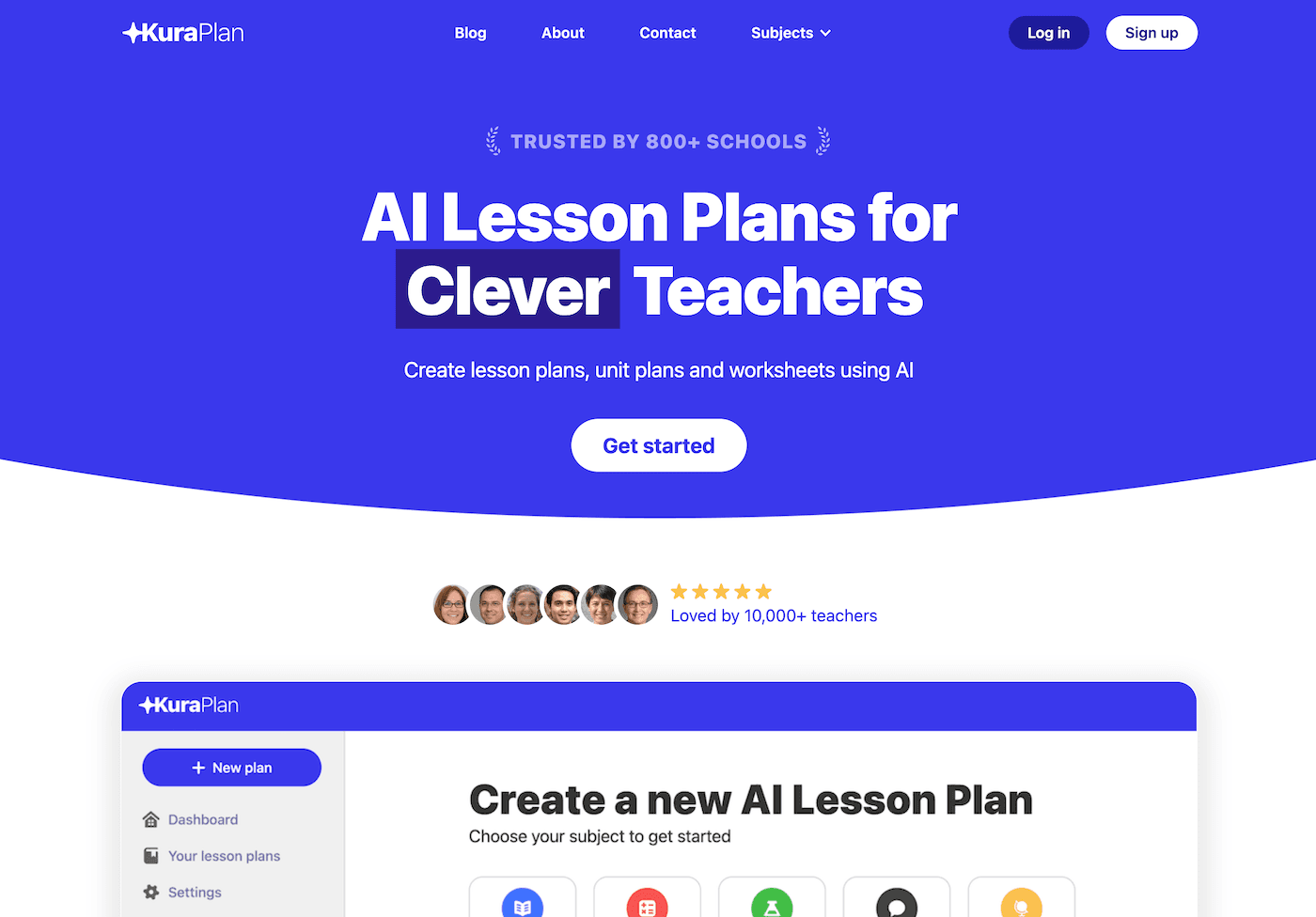
, but promise, this isn’t a commercial.)
1. Gamma – Shareable Project Planners for Student-Owned Work
The moment I started letting groups sketch their own project blueprints—with real deadlines, key milestones, and embedded resources—was the moment group projects stopped living in my inbox. We began each launch with Gamma: I set up a blank workflow, drag in open-ended prompts ("Plan a museum night for local history," "Community climate action proposal"), and let students physically build their plan, assign roles, and add public reflection logs. They edited—and even argued over—every slide, and I could “drop in” feedback without taking over. Bonus: we exported timelines as visual progress maps for families and school leaders… proof real work was happening, not just a mess of Google Docs.
Try Gamma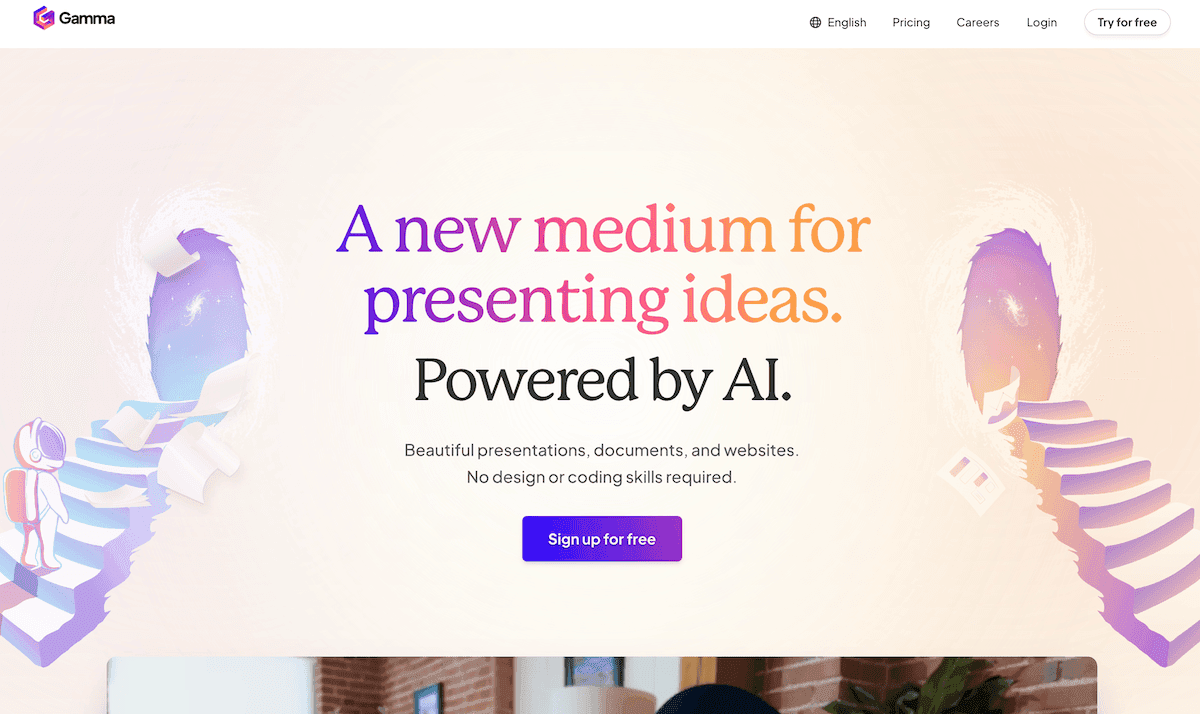
2. Kuraplan – Agile Unit Maps (Co-Edited by Students!)
I fought scheduling and planning AI for years, but the day I opened Kuraplan on the projector and asked my class, “What checkpoints do YOU think matter for this project?”—something clicked. We would enter the big question, requirements, and any non-negotiables (sometimes mine, sometimes theirs). Kuraplan would draft an editable unit skeleton: deadlines, peer feedback cycles, even family updates. Then students tore it up: swapping deadlines, adding extra feedback loops, labeling student-run checkpoints. My role shifted to coach and question-asker—not taskmaster. Recommended for any teacher ready to let students in on the messier, real-world parts of planning.
Try Kuraplan3. Notebook LM – Living Portfolios & Reflection Hubs
Traditional portfolios go stale fast, but my wildest agency win was making each group’s Notebook LM their “project studio.” Brainstorms, interviews, class votes, voice notes, and in-progress slides—all got tossed in, and the AI would flag connections, missed steps, or recurring questions. Every Friday, teams used the built-in prompts to record quick podcast reflections, document pivots, or host “what did we almost forget this week?” peer interviews. It made revision real-time and let even quiet students see their ideas surface as the project evolved. A must for any classroom aiming to make the learning journey as visible as the end result.
Try Notebook LM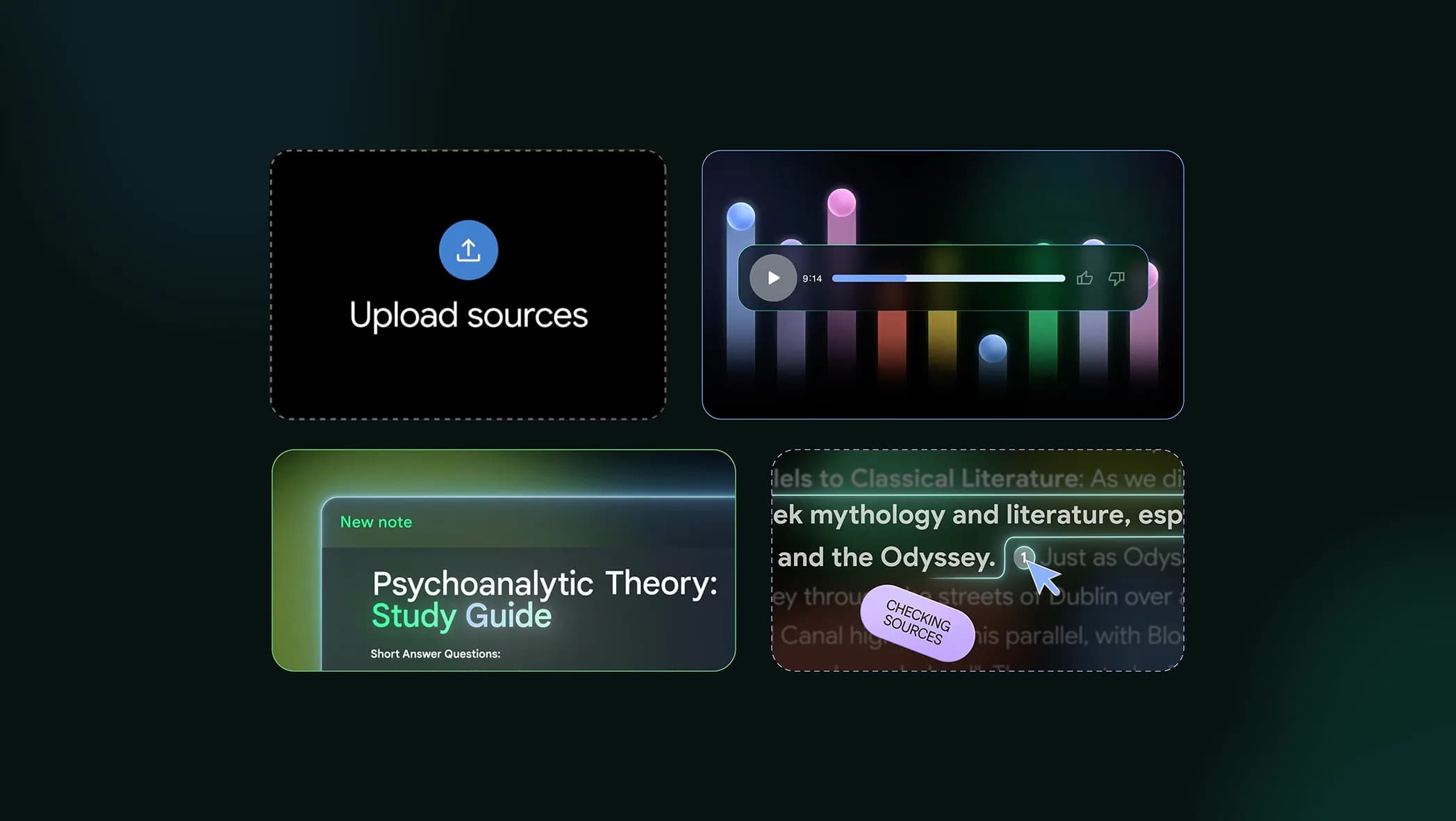
4. Jungle – Student-Built Study Decks (and Community Quizzes)
Why should I pick what’s worth reviewing? Jungle became my go-to for flipping review and formative checks to the students. At the end of every checkpoint or as a "pause day," students built their own flashcards: big ideas, curveball mistakes, what-still-confuses-me questions. Jungle collated, flagged overlap, leveled the decks, and we used these for class game days, student-led study sessions, and even as do-nows before peer workshops. The result: agency in identifying what needs focus—and group study that actually felt lived, not canned.
Try Jungle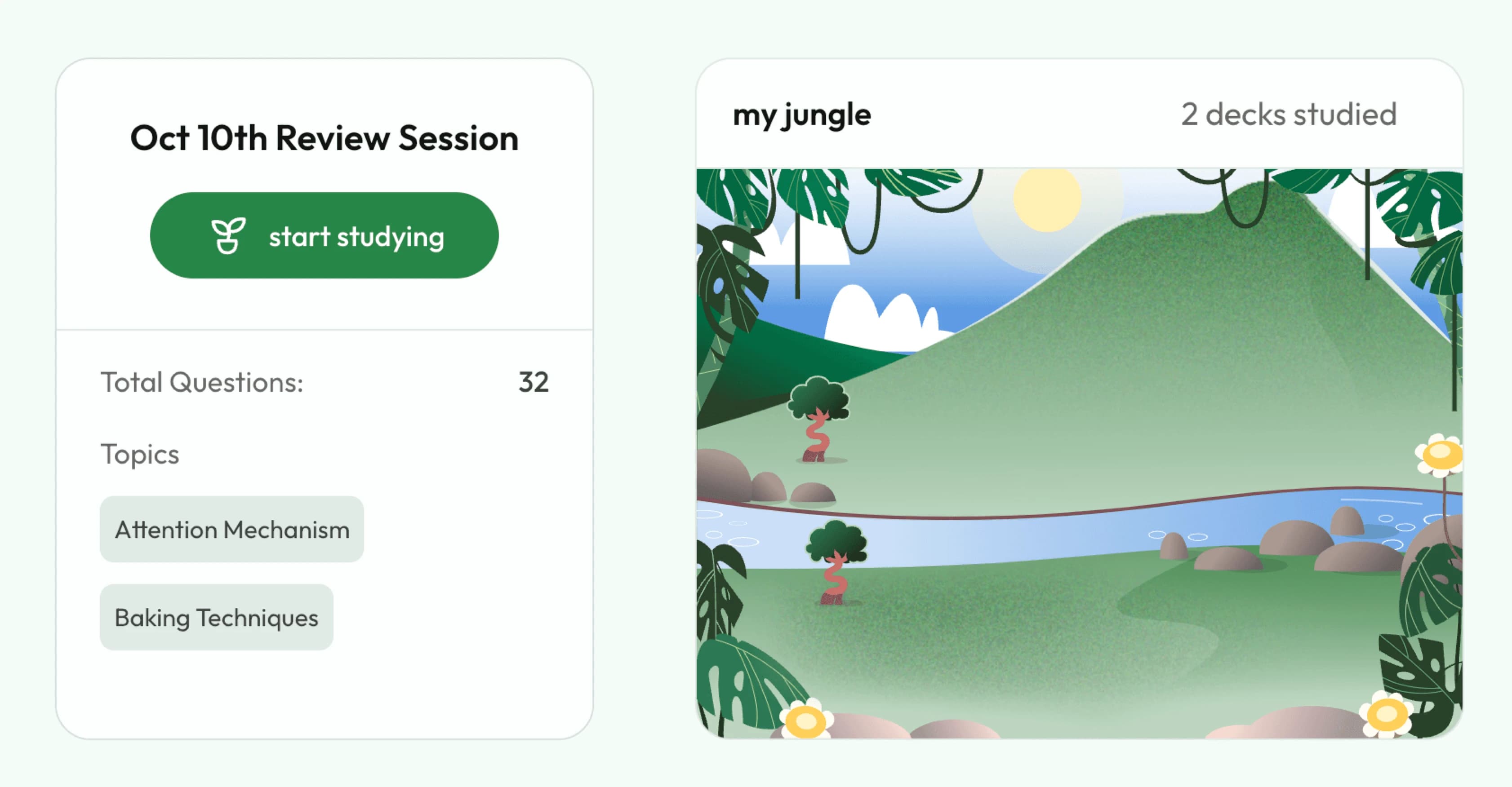
5. Diffit – True Choice Boards (That Actually Work for All)
Student agency only works when all students can access and drive the content. Once kids started proposing their own research media (news, podcasts, TikTok explainers), Diffit let us quickly adapt any text or transcript into multi-level resources. Each group personalized their choice board, assigned reading levels, and created vocab and comprehension tasks. This workflow made agency possible for ELLs and struggling readers—and meant choice days didn’t turn into emergency worksheet sprints. The kicker: students started using Diffit themselves to prep sources for the next group. Real autonomy, real differentiation—all in one workflow.
Try Diffit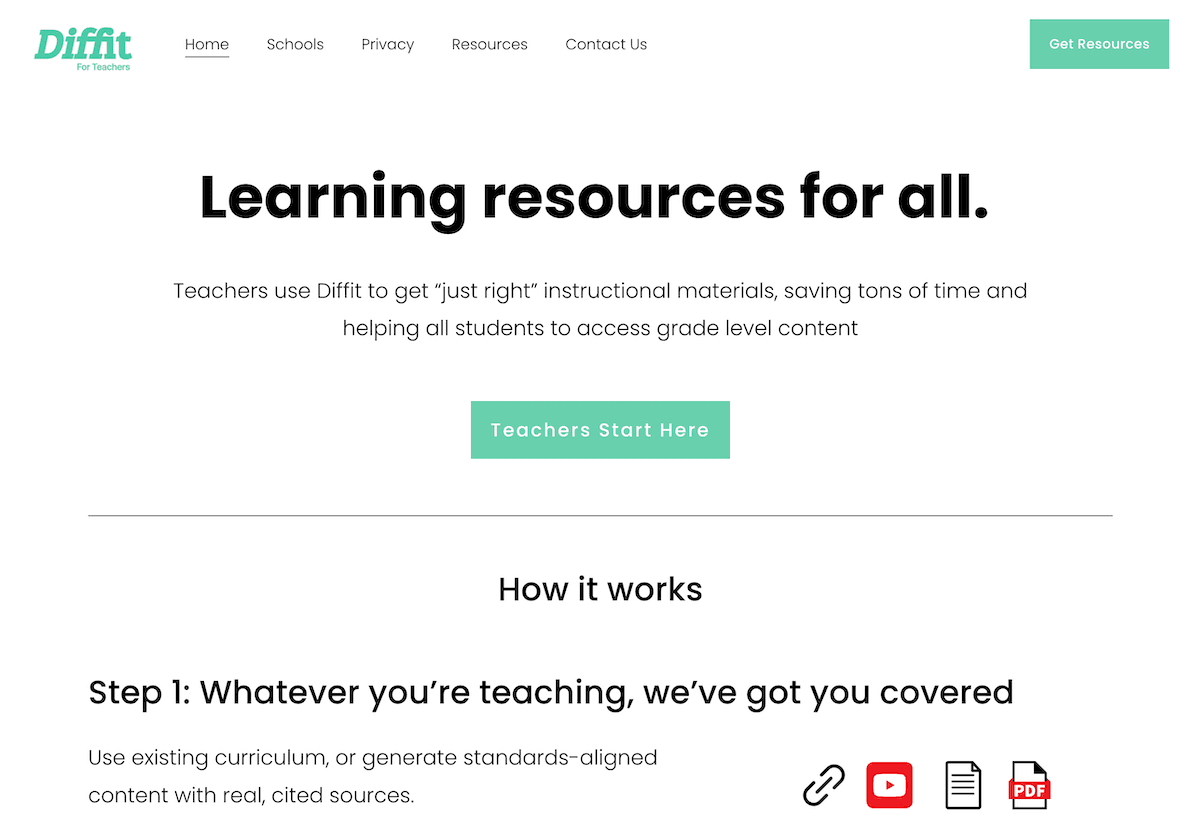
6. Suno AI – Rituals for Reflection, Ownership, and Team Identity
If agency is the engine, classroom culture is the road crew—everyone needs a shared language for wins, failures, resets, and oddball detours. We invented the habit: every project group writes a Suno prompt for their "reflection anthem," "process reset jingle," or "end-of-project battle song." Suno generated the music, and groups would play it before major review days, after critique, or to mark reset points. My main finding: these micro-rituals gave even the shyest students agency over class culture—and teams started proposing their own traditions and making shout-out tracks for other groups. Suddenly, reflection wasn’t a “teacher expectation”—it was self-renewing, and 100% student-owned.
Try Suno AI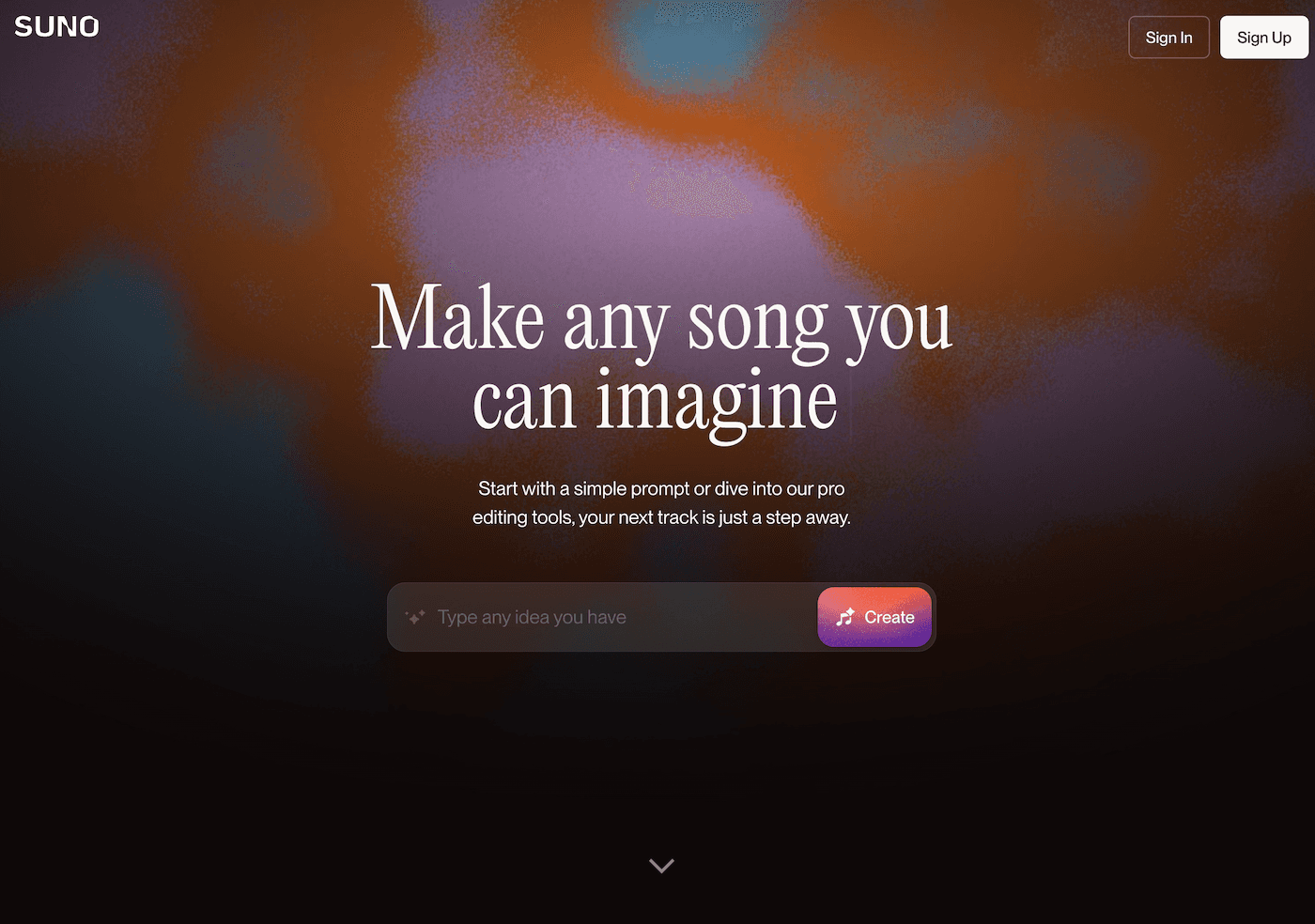
Honest Lessons on the Agency Journey (for Fellow Teachers)
- Let students own the tools—give up the controller, and watch as participation (and accountability) skyrocket.
- Use AI only to scaffold mess, never to script outcomes—trust kids to break, remix, and co-design every workflow.
- Document failure, reflection, pivots—not just finished products. Most of my proudest moments came from students revisiting how they solved real problems, not just getting things “right.”
- Anchor your routines in visible, repeatable rituals—songs, recaps, check-ins that belong to students, not the lesson plan.
- When in doubt, try one workflow per semester: co-plan a project in Gamma, pilot portfolio building with Notebook LM, or let a group build their own Suno ritual. You’ll learn more from a month of student agency than a year of “covering the curriculum.”
Are you a teacher who gets most excited when your students surprise you? What AI workflow, hack, or epic fail taught your class the most about agency this year? Drop your story below—we’re all figuring out the right balance, together.