6 AI Tools for Teachers Who Love Student Choice
If you’re the type of teacher who shakes up a seating chart, lets kids brainstorm their own project topics, or has ever let students pick between a podcast, a sketchnote, or a classic essay—it’s a wild ride, right? The payoff is real: student engagement (and surprise) levels soar! The downside? True choice means customization, organization, and sometimes a scramble to support wildly different paths—all at once.
I spent this year testing AI tools not for making my classroom more efficient, but for making meaningful student-driven learning possible, without drowning in logistics. Below are six that kept coming up as game-changers—either for boosting voice, supporting flexible projects, or giving honest feedback when I couldn’t be everywhere at once. These aren’t "top tools" for everyone; they’re tested by me, a true convert to messy learning! Yes, you’ll spot
Try Kuraplan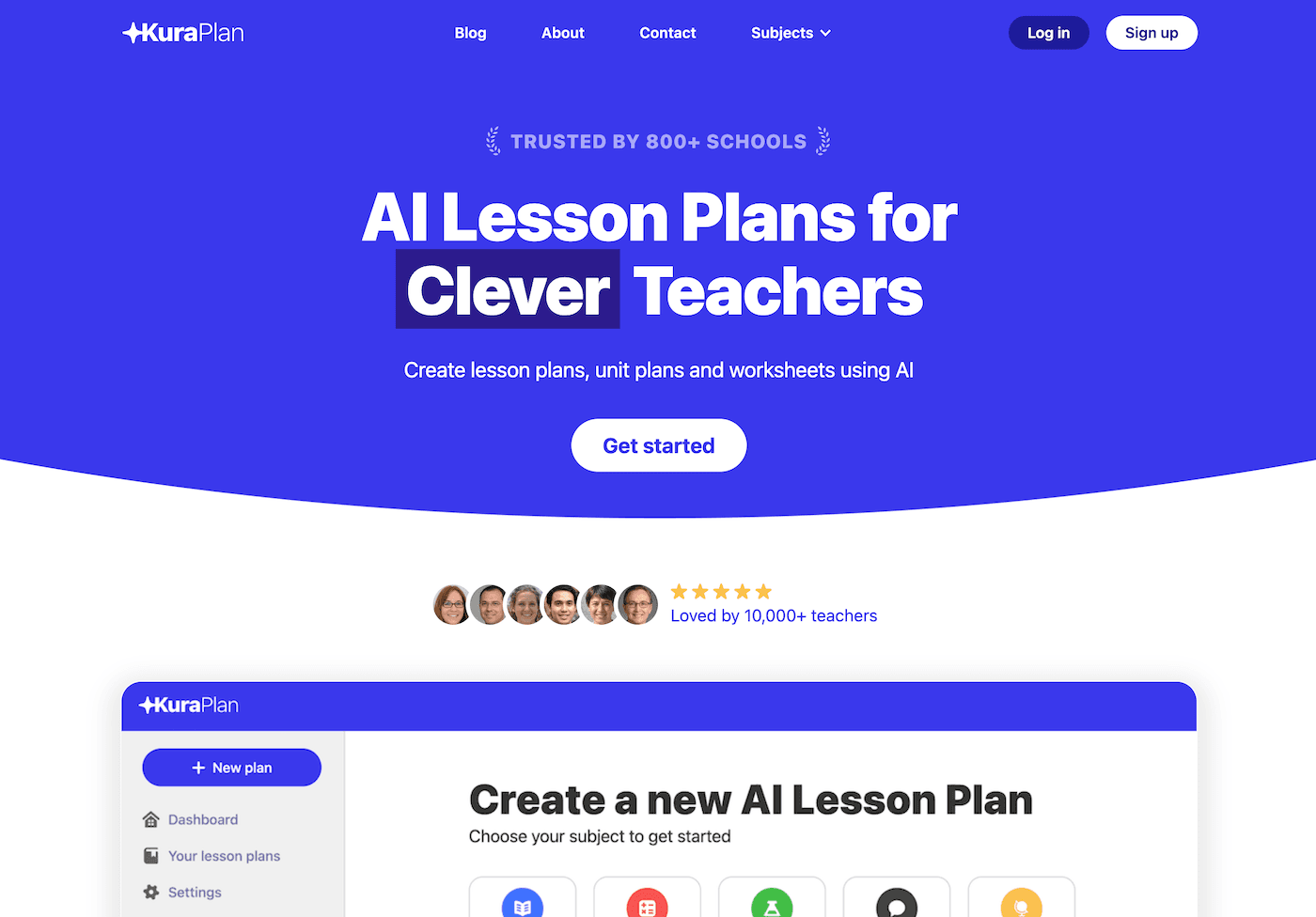
in here (with a twist), but student choice, not scripted plans, is the hero of this story.
1. Gamma – Student-Designed Portfolios (With Personality)
When you say, “Show me what you learned in ANY way,” expect: videos, journals, slideshows, zines, storyboards… sometimes in the same group. Gamma is the only tool I’ve used where students can drag in whatever they’ve made—notes, rough art, data, links, even chat transcripts—and Gamma instantly creates personalized digital portfolios. The best part? Students take charge of arranging and annotating their work, swapping out what matters most, styling slides, or collaborating across a group project. We host a "portfolio fair" every quarter, and suddenly, it’s student voice on full display—even the quietest kids find a way to stand out.
Try Gamma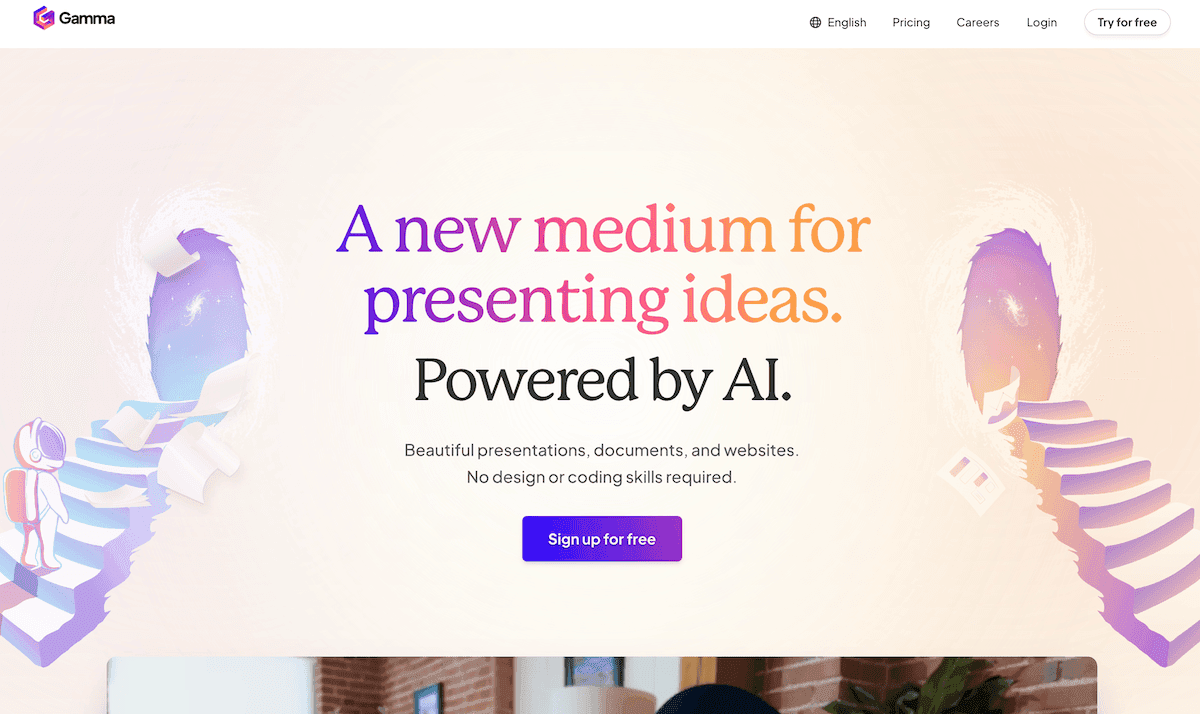
2. Notebook LM – Wild Projects Without Wild Paperwork
My biggest struggle with open project menus? All those journal entries, random brainstorms, and audio notes you want to let students explore, but can never keep organized long enough for real synthesis. Enter Notebook LM: students dump everything—ideas, web research, reflection logs—into a shared "notebook." The AI surfaces patterns, identifies gaps, and even suggests project themes or peer podcast questions. Instead of me chasing down what a team’s been up to, Notebook LM helps them map progress and turn the creative mess into a plan. It’s like having an invisible co-coach for every group—just less tired than me!
Try Notebook LM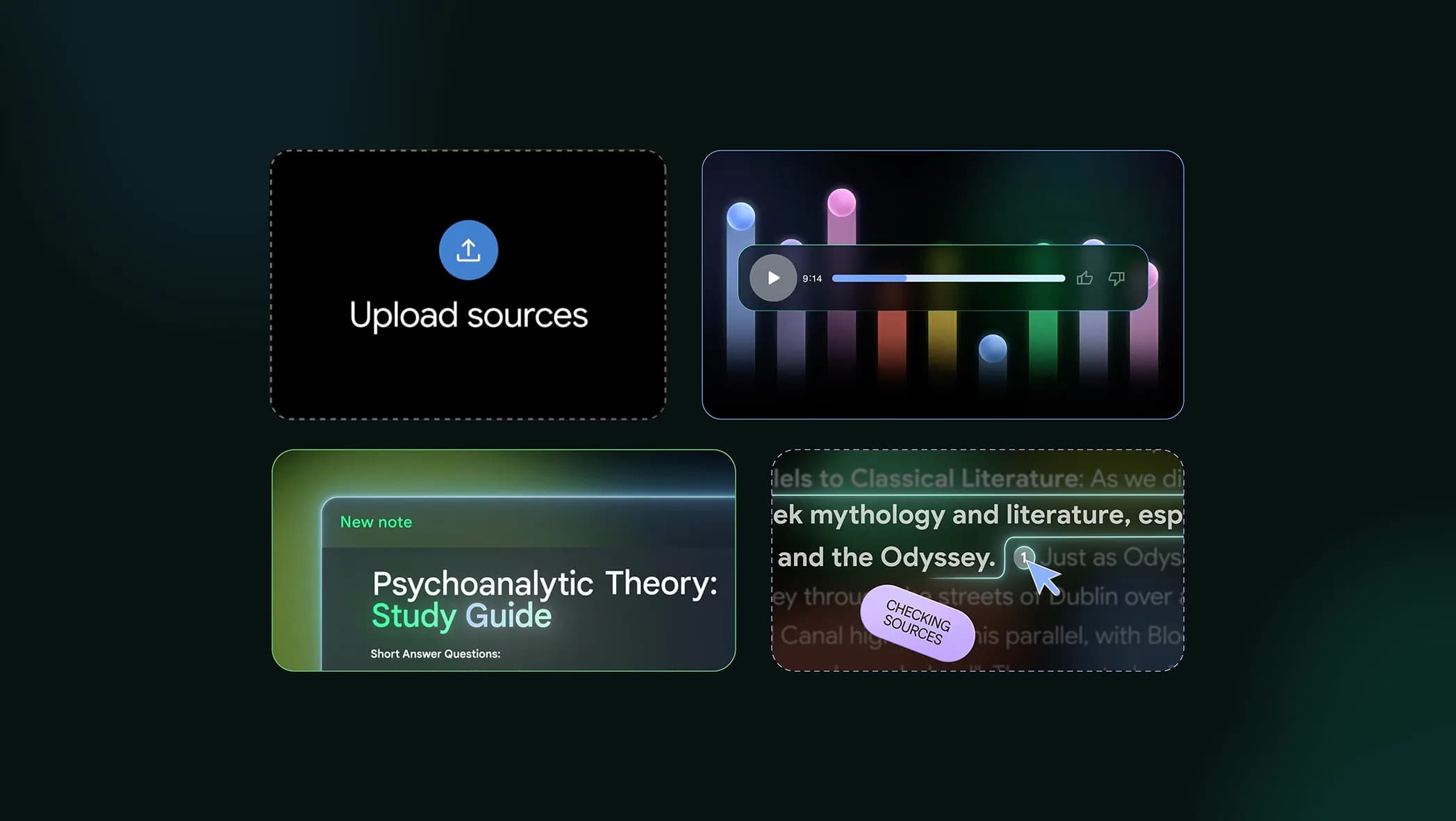
3. Kuraplan – Flexi-Scaffolds for Any Path
Letting students design projects is powerful, but can also mean panic: "How will I make sure each project covers what it needs to?" My solution: once students declare their own driving question or product, we workshop the project backbone in Kuraplan. This isn’t top-down planning—it’s plugging their ideas into Kuraplan to get suggested checkpoints, timelines, and possible hurdles. Every team tweaks the AI draft, adds their own checkpoints (like interview days or publish dates), and then I can monitor progress, not police it. Kuraplan as a flexible backbone is the only way I’ve survived project fair season with my sanity!
Try Kuraplan4. Jungle – Review Games Driven by Student Questions
Traditional review days are dull—unless the quizzes are built by students themselves. Jungle lets every student or group submit what they think is most essential, surprising, or confusing about a unit. The AI auto-generates a review game—flashcards, MCQs, or trivia—from their questions. It also surfaces the most common themes (or wildest misconceptions). I assign every group to "stump the class," and for the first time, the test prep feels as authentic as the learning. Better still? Quiet students who might never ask for review help become quizmasters—for their peers and for me.
Try Jungle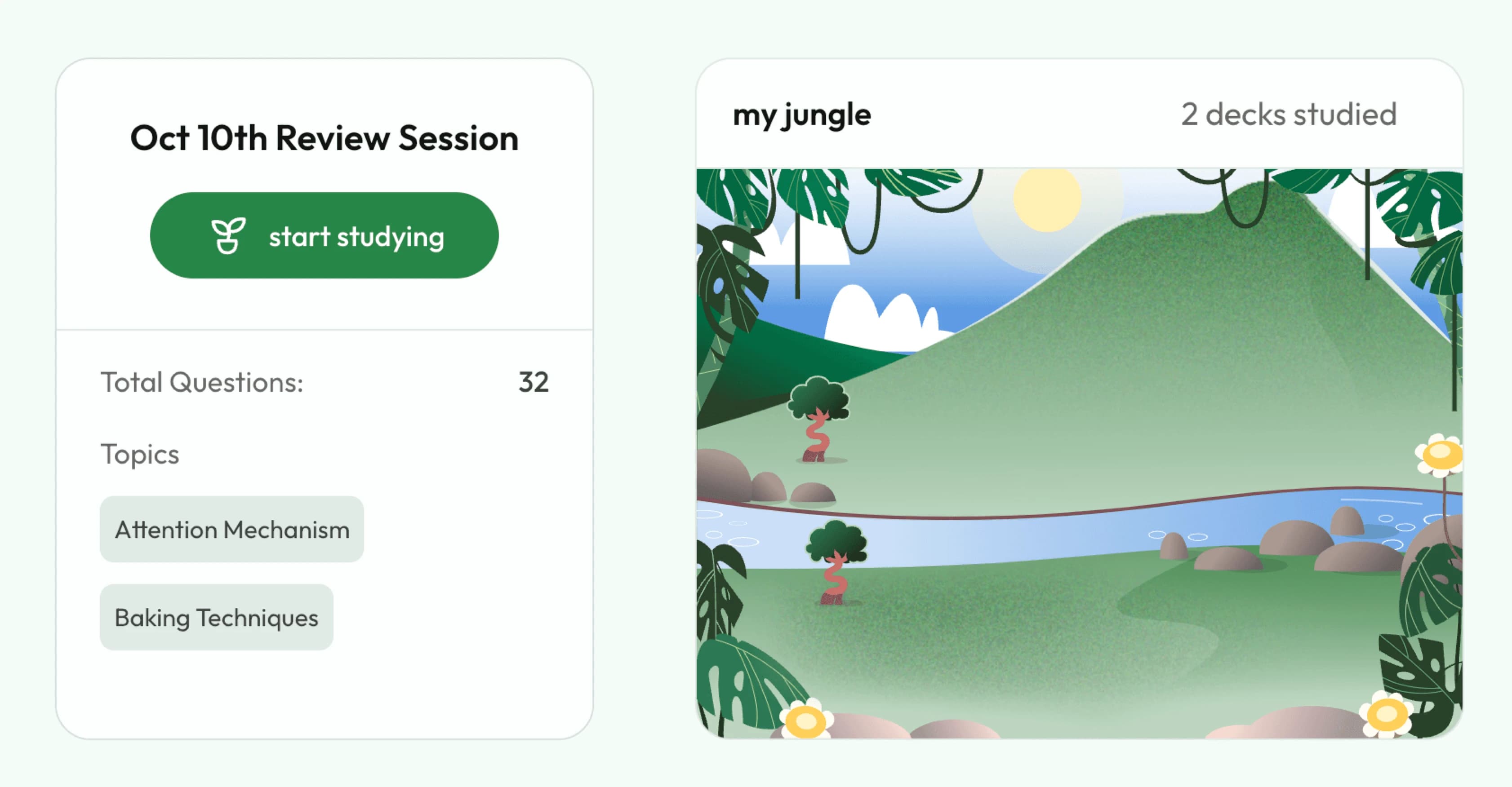
5. Diffit – Choice Boards for Every Level
The magic of student choice boards is real—but the pain? Sometimes your most creative option is only accessible to a handful of kids. That’s where Diffit comes in: drop in any reading, podcast transcript, or video, and the AI creates leveled versions with vocab and scaffolds. Now, my "pick your passion project" menu can include authentic news, literature, or research options—at everyone’s level, not just for the strongest readers. Choice is finally real for all, not just the usual suspects.
Try Diffit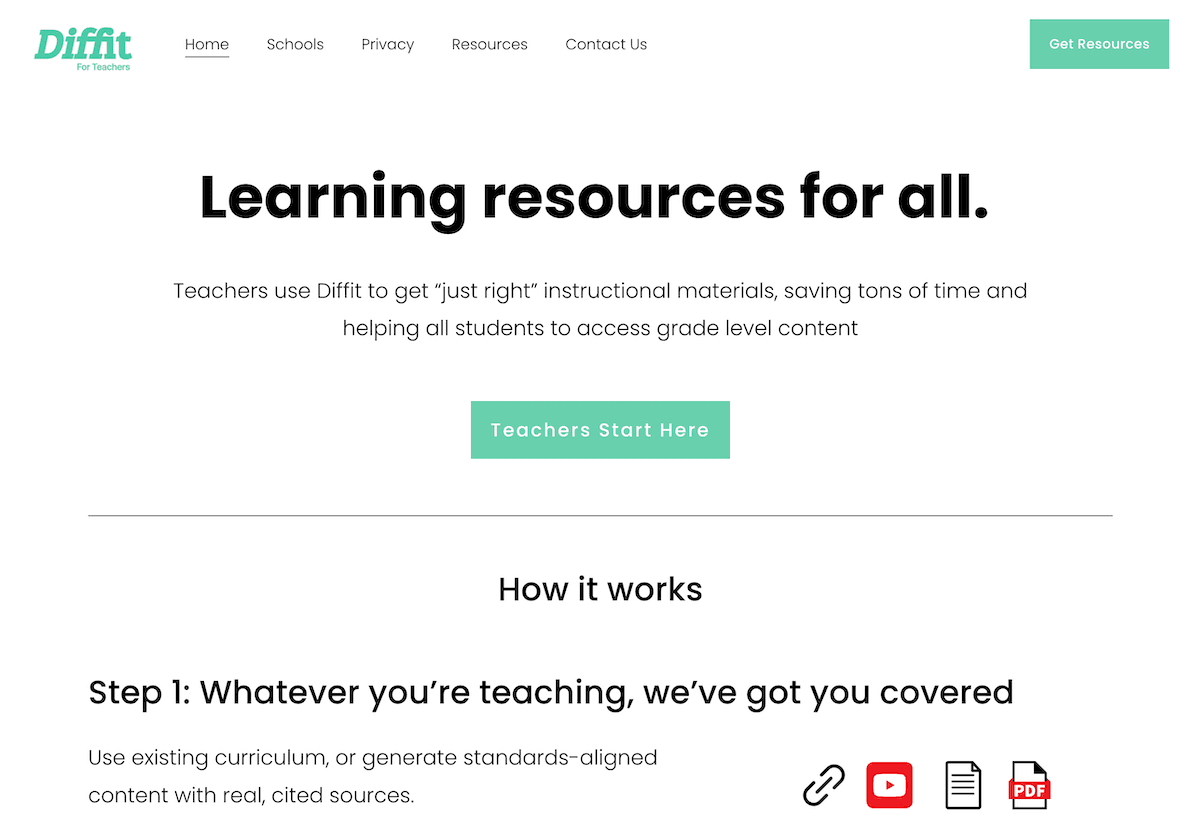
6. Suno AI – Rituals & Anthems by (Not for) Students
Let’s be honest—routines, celebration rituals, and content songs work best when kids "own the soundtrack." Suno AI lets each advisory, project team, or class co-write prompts (“Our end-of-project anthem!,” “transition song after debate,” “Friday brain break for artists”) and generates custom music in seconds. We use these as transitions, stress resets, or just class artifacts. The best part: reflection and joy become habits, because students built them—not because I assigned another worksheet. (Shout-out to my "Math Rap Battle" group—the song still gets requested at field day!)
Try Suno AI
Final Thoughts: Student Choice Needs Scaffolds, Not Schedules
True agency is magic—but also messy. These tools don’t eliminate the wildness of student-powered classrooms—they create just enough structure for every voice to be heard. My best advice:
- Pick one tool to beta-test with your next passion-project group or creative unit.
- Let students drive content and format—the best uses emerge organically.
- Use the “AI backbone” strategy: not to control, but to make choice sustainable (for you and them!).
If you’re a teacher who’s let student voice steer the car—and managed not to crash—I want to hear your hacks for balancing freedom and focus! Share your favorite AI trick or workflow and let’s help every student create (and own) their learning in 2025.