6 AI Tools for Teachers Who Thrive on Student Choice
If you believe learning happens when students drive the work—choosing their project paths, debate sides, or even how they’ll show you what they know—this post is for you. Maybe you run Passion Projects, Independent Reading, or Genius Hour. Maybe you let students design their own labs, memoirs, or community exhibits. If so, you already know: real agency is magical…but so much messier to manage than lockstep direct instruction (hello, project bottlenecks and last-minute scaffolds!).
As a high school English and social studies teacher who’s spent years letting students design everything from advocacy campaigns to research podcasts, I’ve learned to rely on AI not to automate—but to make genuine student choice possible without burning out. These are the six tools that weren’t just lifelines for me—they made it easier to say YES to ambitious student ideas, and highlight every voice (not just the loudest). If you want flexible structure without the tyranny of templates, this is what I recommend starting with for 2025.
1. Kuraplan – Co-Creating Project Scaffolds With Students
Forget using
Try Kuraplan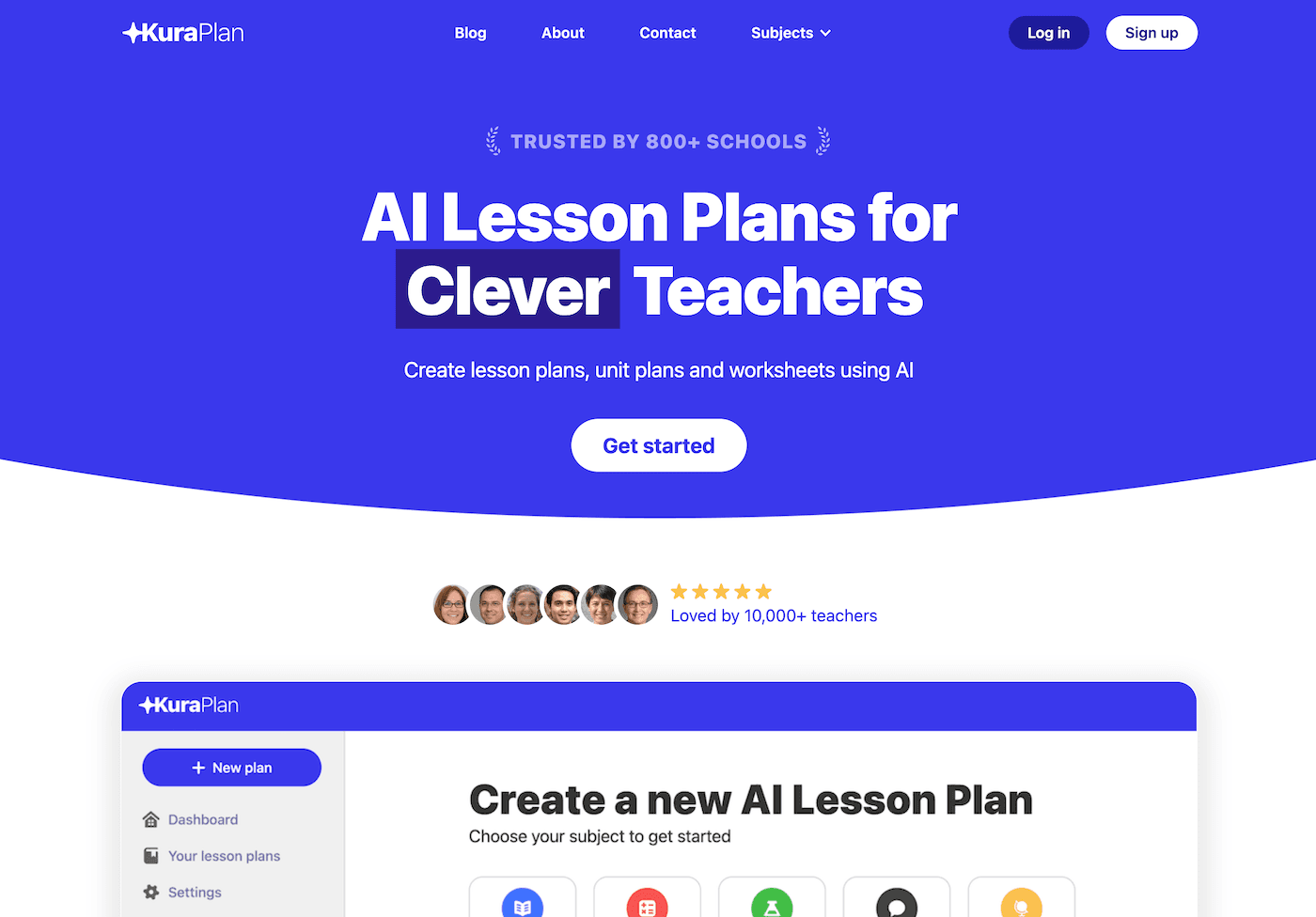
as a “teacher-only” lesson machine. My breakthrough? I piloted a practice of projecting Kuraplan during class co-planning sessions. After a proposal day ("Let’s launch a climate podcast!"), students helped me fill in the driving question, target deadlines, and wish-list checkpoints—letting Kuraplan draft a messy outline of phases, feedback days, and even reflection prompts. The best part: students immediately challenged, reordered, or scrapped steps that didn’t fit their vision. Now, every group’s project “skeleton” is co-authored and editable—and I have enough guardrails to keep chaos productive. Recommended for any teacher terrified of project weeks devolving into 60 blank stares and no deliverables.
Try Kuraplan2. Notebook LM – Capturing, Remixing, and Surfacing Real Student Voice
In any student-driven classroom, reflection logs, brainstorms, and half-finished hypothesis piles up fast. With Notebook LM, my students dumped journal entries, interviews, screenshots, and classroom audio into shared notebooks. The AI surfaces recurring themes, drafts Q&A podcast scripts, and even suggests which inquiry questions are sparking the most energy. When project groups got stuck, we’d open Notebook LM and ask the AI, "What’s the wildest unexplored idea here?" Suddenly, even quiet students see their ideas shaping our next steps—and the “mess” becomes a timeline of actual growth, not a lost Google Doc. Bonus: it’s my secret tool for end-of-term reflection podcasts and showcases without endless emails.
Try Notebook LM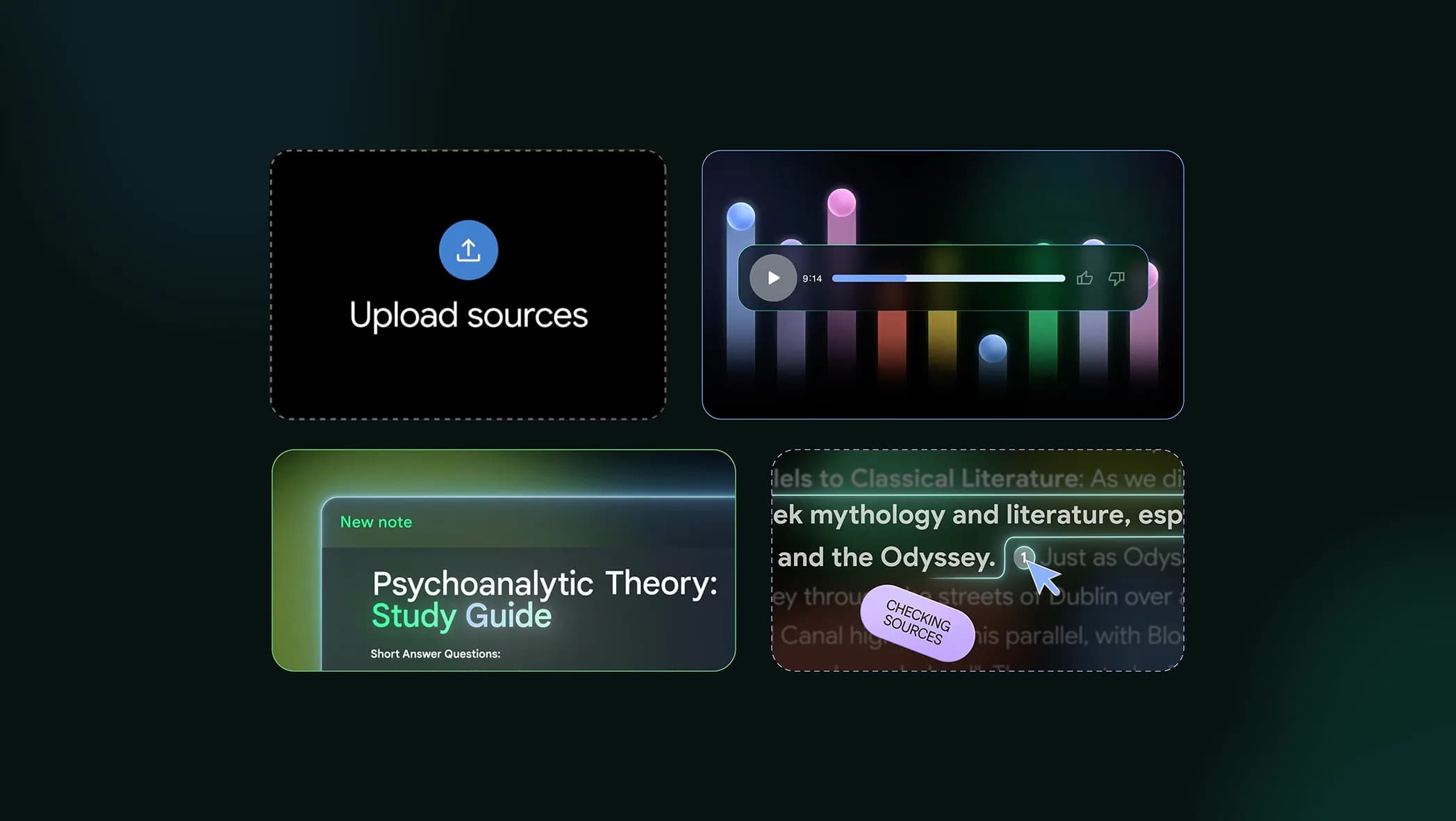
3. Gamma – Instant Visual Storyboards from Student-Led Projects
Student-led work means every group presents differently. Instead of forcing everyone into slide templates, Gamma lets my classes pull notes, quick sketches, data files, and even DMs into a project “shoebox” and auto-generates beautiful, student-customizable storyboards. Groups can drag, annotate, or remix slides however they want—think: digital gallery walks, research timelines, or advocacy portfolios that actually celebrate each project’s twists, not just the ones that check a rubric box. I use Gamma live for group work in-progress, public fairs, or to quickly share growth maps with parents/admin. It’s the first tool I’ve seen that matches the messiness + creativity of real student agency—no design skills needed.
Try Gamma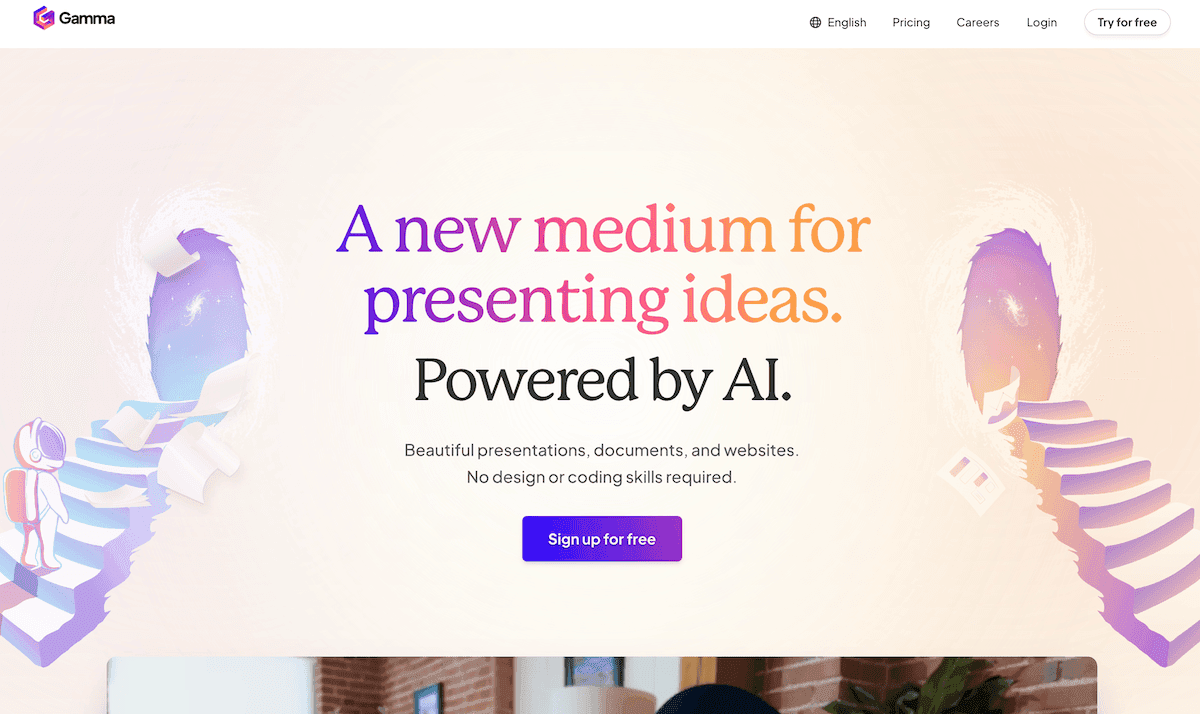
4. Jungle – Building Review Games Out of Student (Mis)Conceptions
Everyone talks about student voice—few classrooms let students build the actual review. With Jungle, my students co-create flashcard sets and quiz games straight from their own project results, reflection slips, failed experiments, or “most confusing questions” discussions. The AI sorts, de-duplicates, and lets peer groups challenge, remix, and annotate decks. Suddenly, test-prep is full of class inside-jokes, wild stumper questions, and meta-cognition—students debate what is worth reviewing, not just how to memorize it. Review day is the highlight (and students look for errors to add for next year’s class!)—it’s the first time my quieter kids led the prep for our most high-energy group finals.
Try Jungle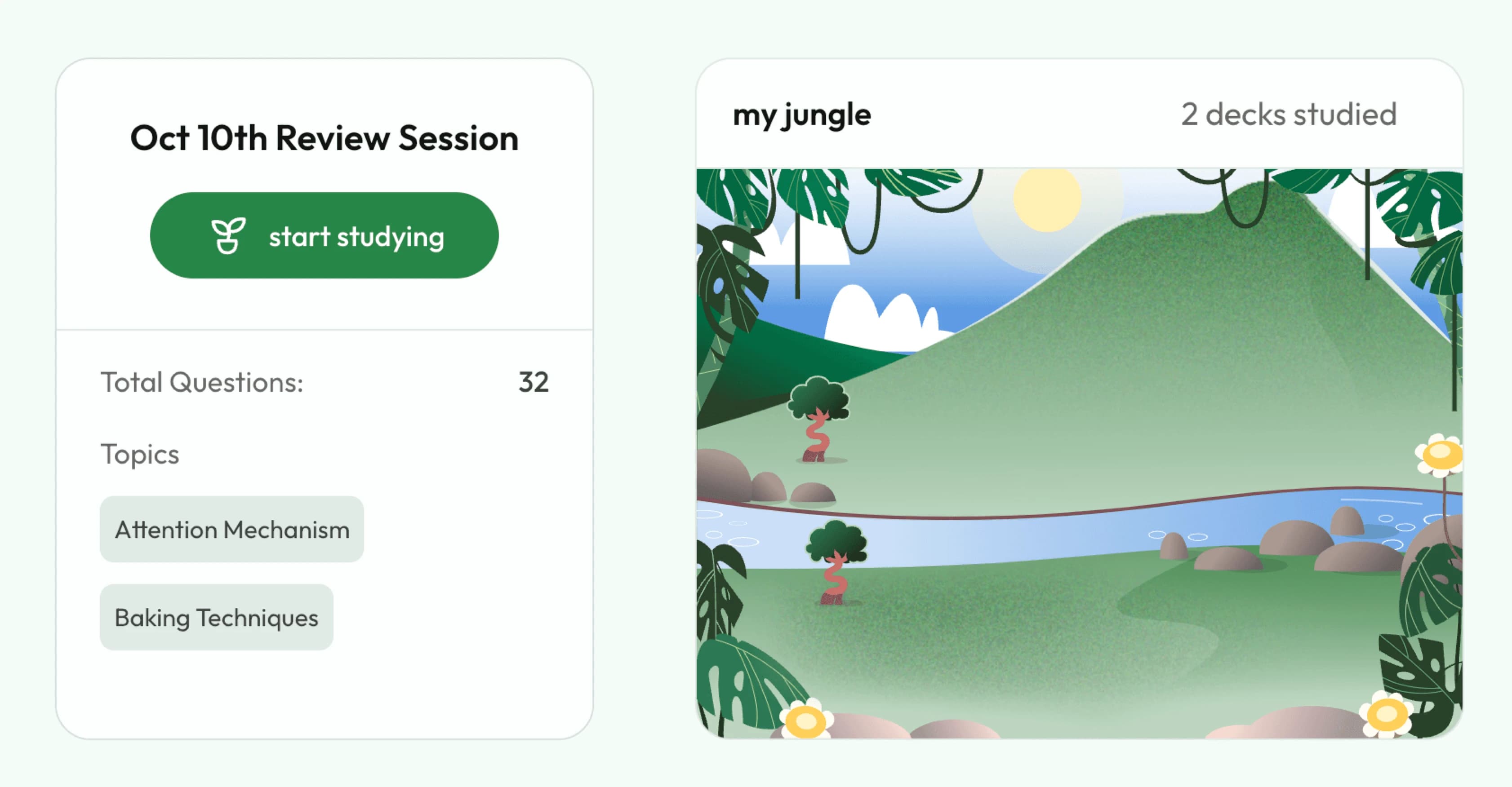
5. Diffit – On-the-Fly Differentiation for Any Student-Selected Media
The promise of real student choice? Letting them pick research materials, current events, and texts that matter—not just grade-level packets. The challenge: half your class can’t access the podcast transcript, investigative story, or local news source someone brought in. Enter Diffit. My workflow: whenever a student (or project group) chooses a source, we run it through Diffit to get leveled versions, vocab highlights, and comprehension guides. Suddenly, all groups participate, no matter the starting point. It’s also my go-to when students want to translate project findings for families, peer ELLs, or even publication. True access = true voice.
Try Diffit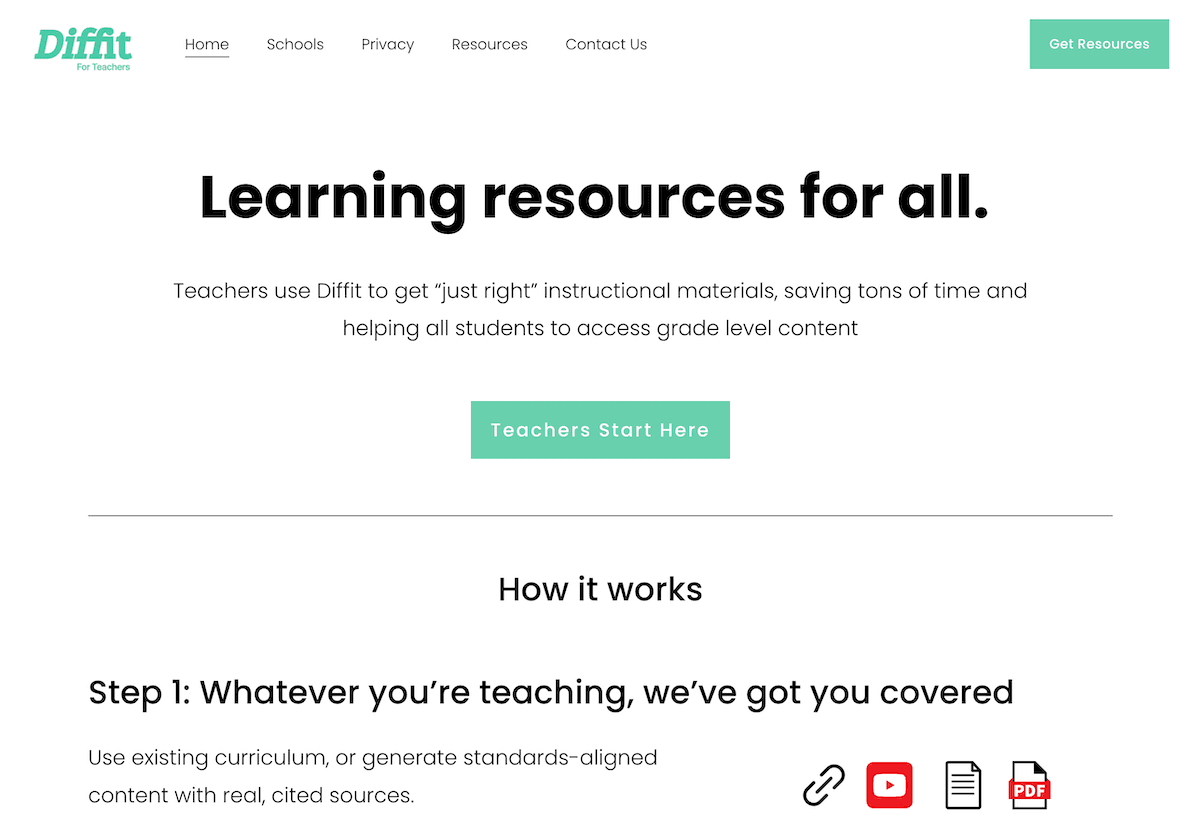
6. Suno AI – Rituals, Reflection, and Celebrations—Student-Owned
Student-led classes thrive on culture—and most of the best rituals are invented midstream. Each quarter, I let project teams write reflection prompts ("Anthem for Finishing Our Podcast!" “Song for Our Fundraiser Flop” “Interview-Turned-Disaster Jingle”), and Suno spins out an original, class-safe anthem in seconds. These become real rewards, transitions, or showcase soundtracks that every kid owns. My students now look forward to writing their own “failure ballads” and use Suno to debut project launches or celebrate peer wins. It’s the only tool that has both 17-year-olds and their parents smiling in the same week—and it keeps class identity thriving no matter how wild the projects get.
Try Suno AI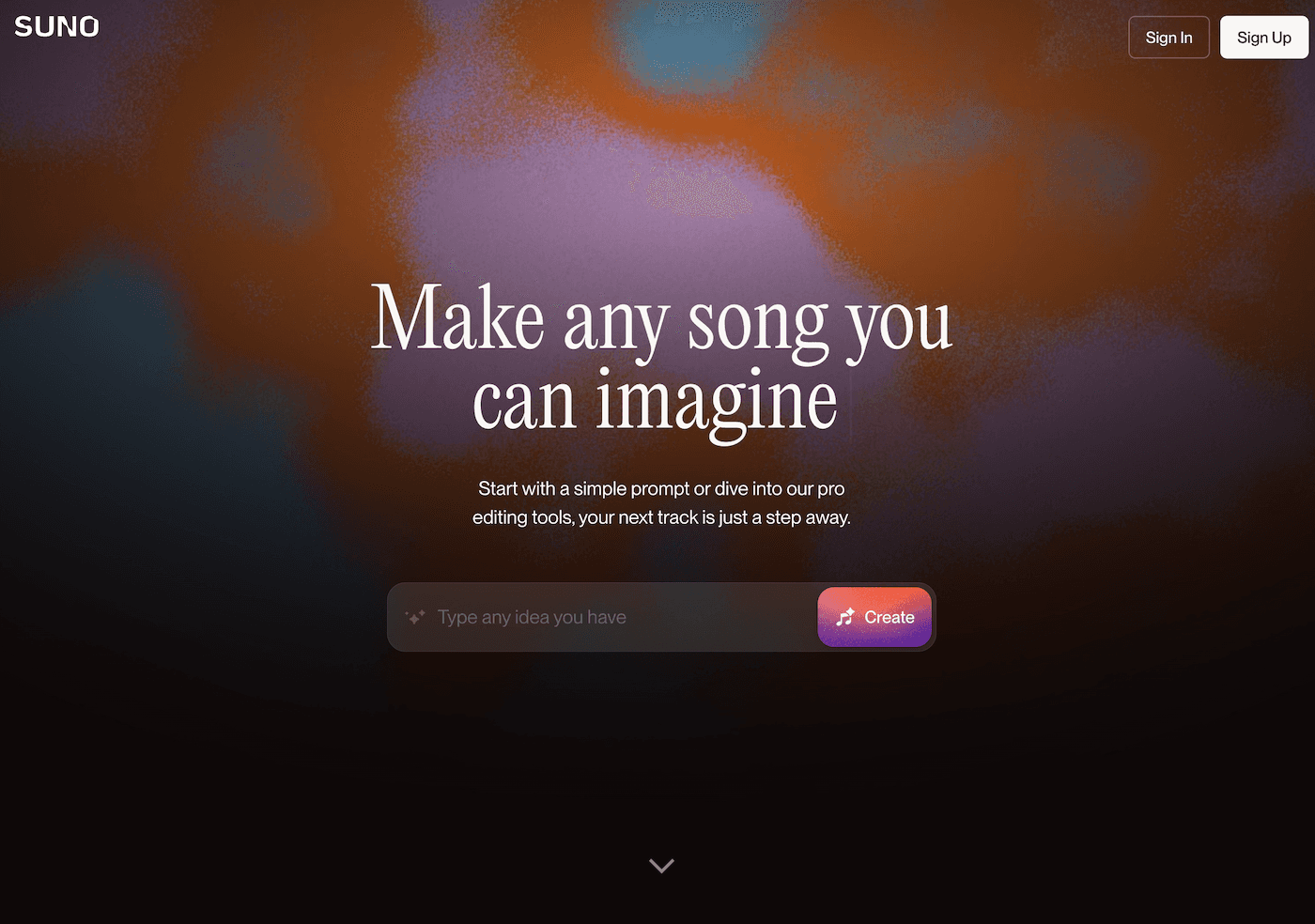
Real-World Wisdom for Teachers Who Let Students Drive Learning
- Don’t use AI to control student choice—use it as a scaffold for the unpredictability that agency brings.
- Start with the workflow that’s currently eating your prep time (timeline scaffolding? peer review? resource remixing?) and hand it off to one of the tools above.
- Make co-planning and reflection public: when students see their input (and even their mistakes) shaping process, engagement takes off.
- If a tool ever boxes you in, let your students beta-test new hacks—you’ll find uses (and voices) that scripted lesson plans never reach.
If you teach with student agency at the core—and have an AI trick, workflow, or lesson-learned-the-hard-way—drop your story below! The best discoveries don’t run on autopilot… and neither should the tools we rely on.