6 AI Tools for Teacher-Curators
If you've ever spent your planning time sifting through lesson materials, remixing handouts from five sources, or making your class homepage feel more like a museum than a filing cabinet—this one’s for you. The best teaching isn’t about delivering resources; it’s about curating: weaving stories, connections, and tools from a noisy digital world into something meaningful for your kids. This year, determined to spend less time feeling like a resource librarian and more time as a classroom curator, I tested every AI tool I could find. Below are the six tools that actually helped—not just automate more busywork, but empower me to make sense of curricular chaos and spotlight the best ideas, student work, and voices.
Whether you run a project-based ELA workshop, a library-media elective, or just want your class site to feel like the New York Public Library meets TikTok, these are my must-haves for 2025. Yes, I use Kuraplan (early on!), but it’s not just about planning—the curation mindset is the thread here.
1. Gamma – Instant Class Hubs & Digital Galleries
Every unit, my Google Drive grew a tab and my students grew more lost. Enter Gamma. I started dropping every anchor slide, project board photo, and “must-see” student resource into Gamma—not to make more slideshows, but to curate a single, living class gallery for each theme or inquiry cycle. With one click, Gamma auto-builds a modular homepage: link student work, organize debate video clips, annotate featured readings, and embed reflection notes. At parent night, it takes 60 seconds to walk a family through our year—not just what we covered, but what we chose to save.
Suddenly, my walls aren’t the only evidence that we did the work—Gamma lets every kid and parent explore the class’s ‘exhibit’ at home, and my curation energy goes toward meaning, not just “covering the standards.”
Try Gamma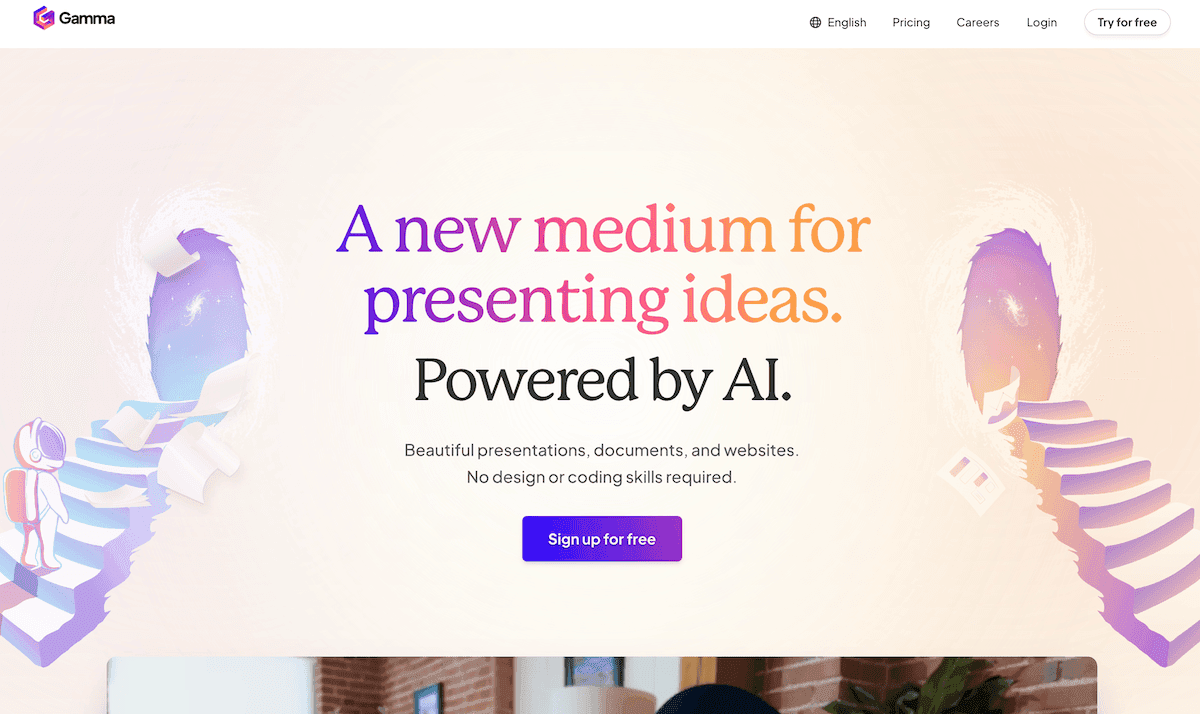
2. Kuraplan – Curated Journey Maps, Not Pacing Guides
Here’s a secret: every time I used a curriculum map, I longed to draw arrows, drop new resources, and flag “curator’s picks.” Kuraplan let me finally build a timeline that flexed. Lesson #1: Instead of using the auto-generated plan as the gospel, I treat it as a curation roadmap:
- Start with the standard or big question.
- Plug in the quirky readings, YouTube clips, museum links, or even that new podcast I want students to analyze.
- Use Kuraplan’s skeleton to insert curator’s notes ("Check out this student project!"), side quests, or reflection days where kids contribute their own resources.
By mid-semester, my class sees every unit as a guided tour, not a forced march, and admin sees a plan that’s rigorous and full of voice.
Try Kuraplan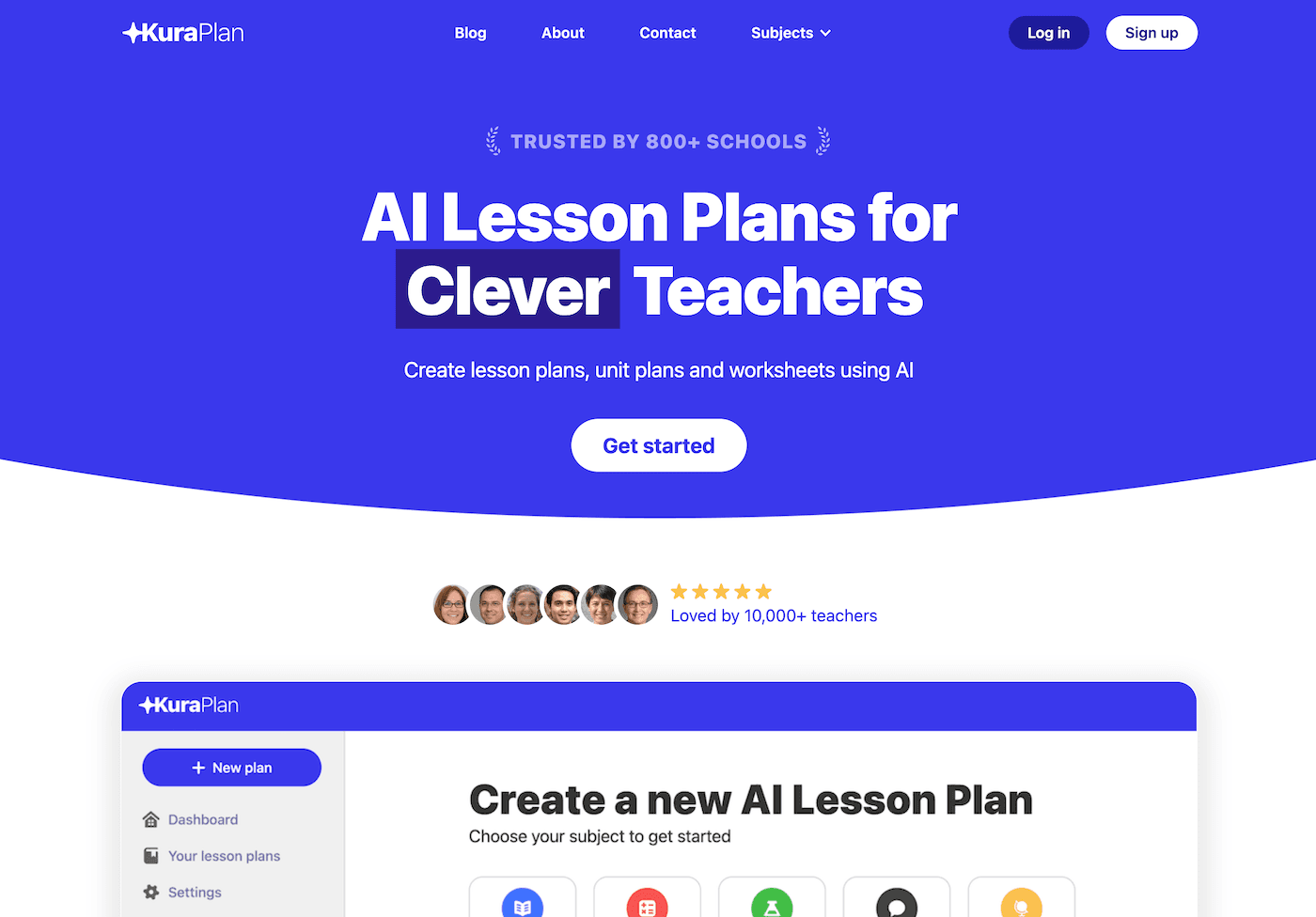
3. Notebook LM – Your Collaborative Archive (and Podcast Studio)
A great curator keeps a memory for the collection, not just the present. Notebook LM became the portfolio for every class: students dumped exit slips, favorite quotes, weekly wins/losses, and voice notes into a shared notebook that lives year-round.
The AI sifts for themes, surfaces connections (“What big idea keeps coming back?”), and—here’s the win—generates podcast or panel scripts for student-led curation episodes. Now, my classes record monthly ‘Library Hour’ podcasts: curating what mattered, what we want to feature for next year, and what actually stuck. It’s the proof that a classroom collection isn’t about ‘covering’—it’s about keeping, sharing, and remixing.
Try Notebook LM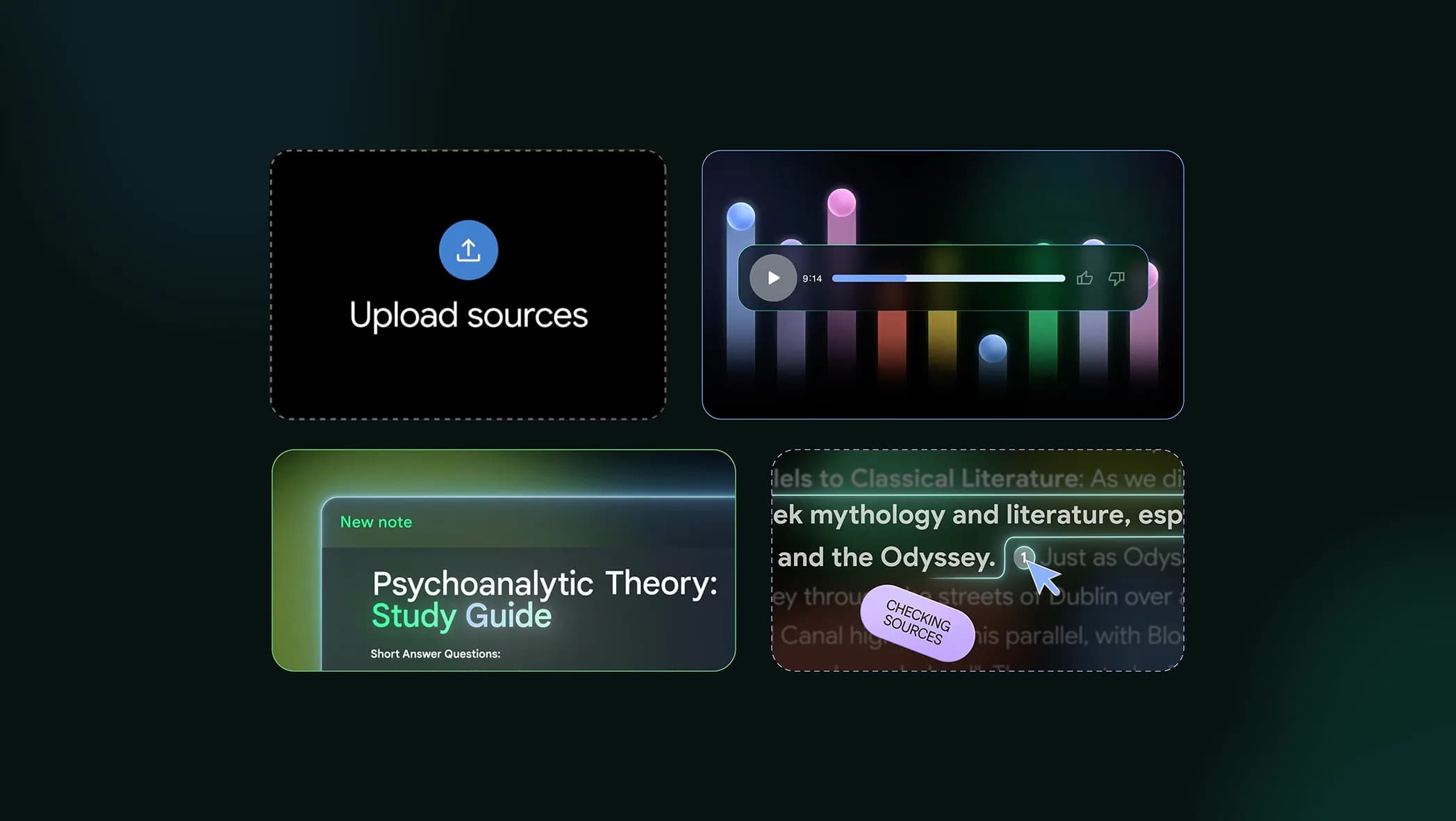
4. Diffit – Seamless Remixing for Differentiation
Every real-world museum adapts its narrative for its audience, and so does a great classroom curation. Before Diffit, bringing in oddball readings meant differentiation bottlenecks or me staying late rewriting worksheets. Now, any source I want to spotlight—student blogs, climate op-eds, TikTok transcripts—gets pasted into Diffit for instant leveled versions and vocabulary checks. But the difference? Students can adapt the resources they discover, curating their own collections for research folders or group projects. The output: every group curates a “display” others can access, regardless of reading level. True curation = true access.
Try Diffit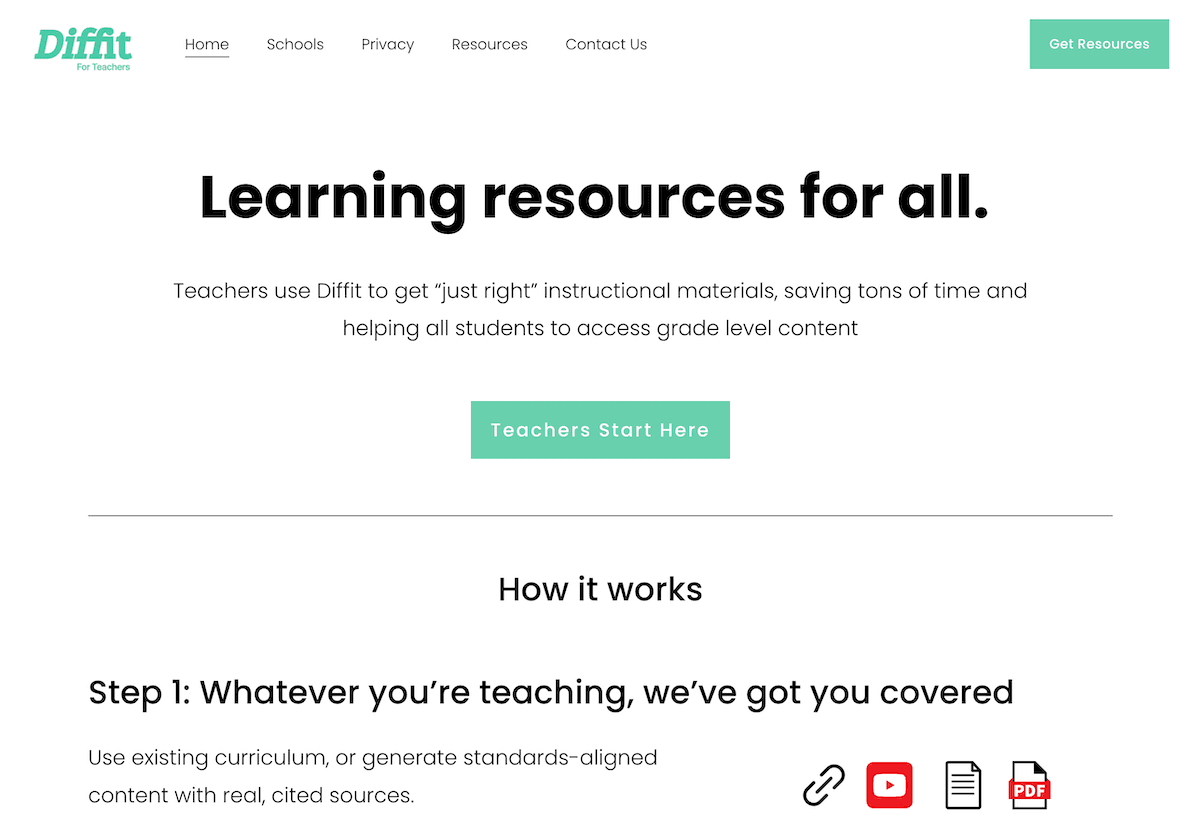
5. Jungle – Student-Curated Study Hacks & Reflection Decks
Curation isn’t just about what I think matters. Jungle let my classes co-author weekly study decks and “best learning hacks” cards: after each unit, students submit the most confusing moment, a debate that changed their mind, or their weirdest learning trick (“draw a meme for homeostasis!”). Jungle organizes these into decks—then we curate a ‘Student Tips’ section for our Gamma gallery and open up games for anyone to remix. Now, advice comes from students, not just the handbook—a living resource for new classes, and real evidence of what students actually valued (and remembered).
Try Jungle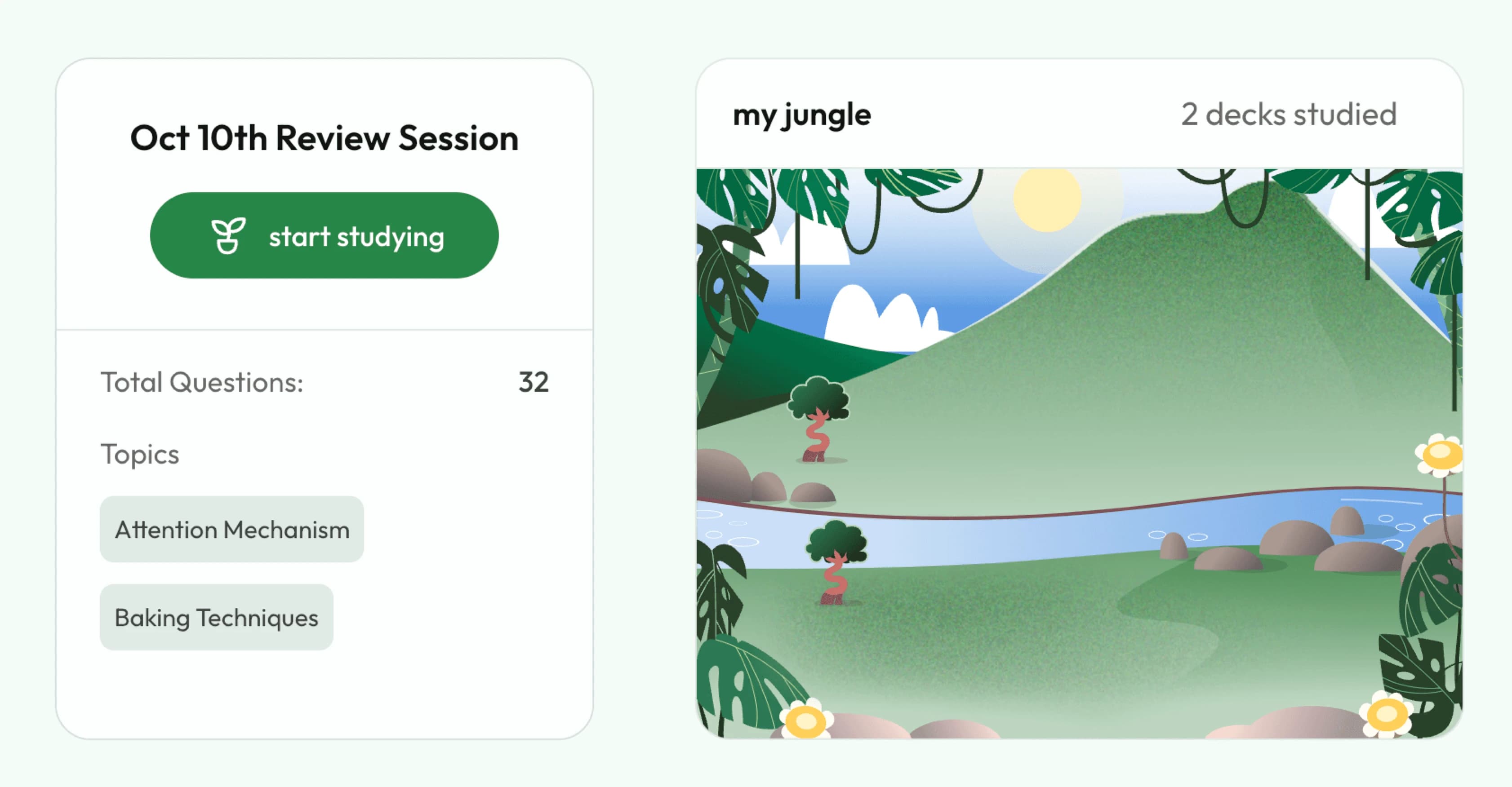
6. Suno AI – Rituals That Democratize the Spotlight
Great curators mark occasions—openings, closings, and everything in between. Suno made our class rituals visible and student-driven. Instead of generic end-of-unit “reflection,” my students submit prompts for a Suno AI song or class anthem—“theme for our climate exhibit,” “soundtrack for revision week,” or “tribute to the best library book we’ve checked out so far.” The AI generates a track, and we set the ritual: play it during major launches, share with parents, or use it to close each showcase. Now, every project has its own brand—and the class culture is ours, not just another template.
Try Suno AI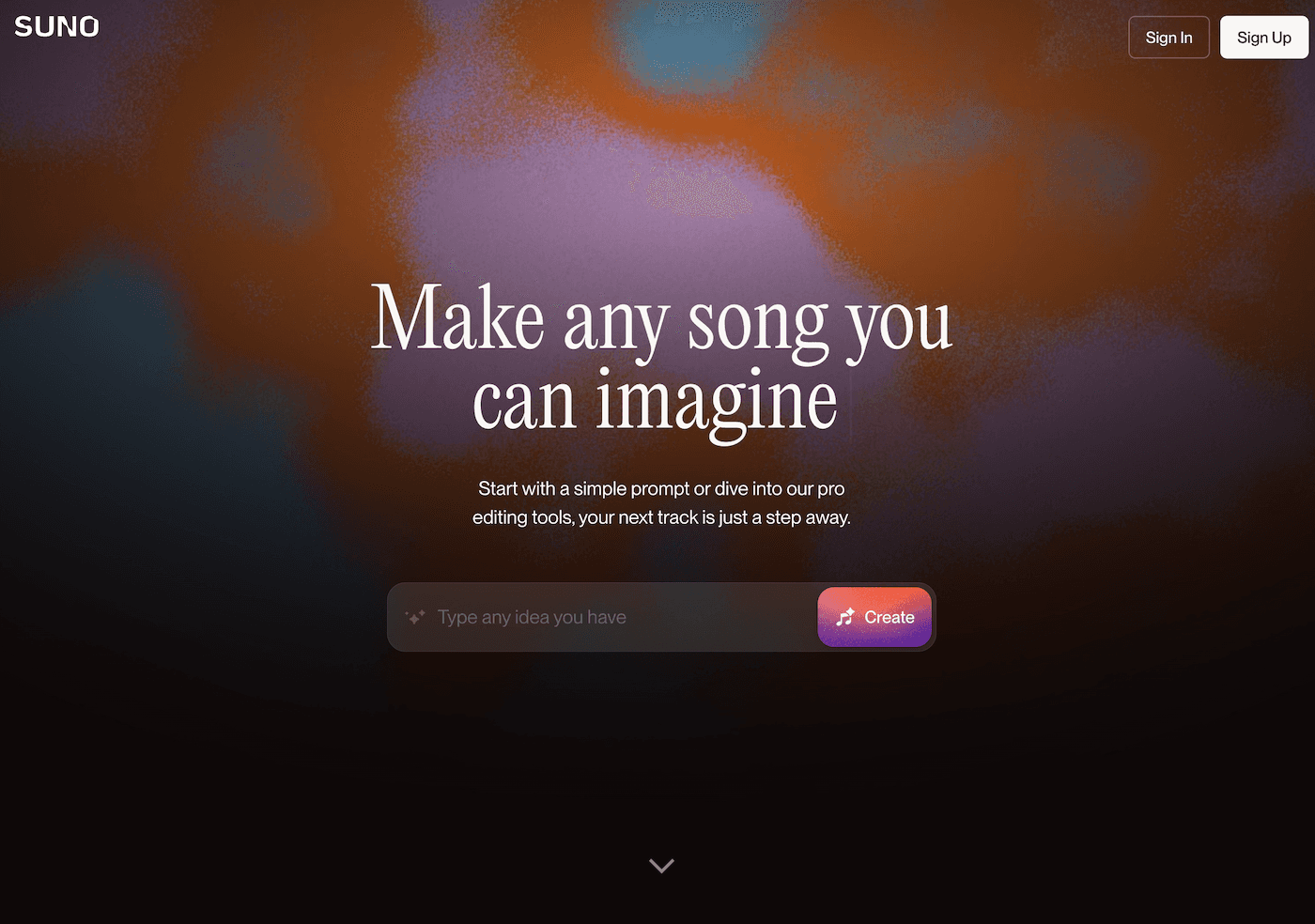
Curator-to-Curator Tips for 2025
- Archive as you go. Use Gamma, Notebook LM, and Jungle to keep your best artifacts, not just for compliance, but for next year’s energy.
- Let students co-curate. The more they help pick, remix, and caption, the more the collection means (and the more future classes buy in).
- Differentiate on demand. Diffit puts access in the hands of the whole room; don’t be afraid to let students be guest curators, too.
- Spotlight culture. Use Suno anthems, podcast ‘hours,’ and parent-facing galleries to show the world what your class keeps and why.
If you’re a teacher who sees your room as a living library—not a lesson plan graveyard—share your favorite curation hack, gallery walk tip, or tool below. The best classroom collections are built in community (and never boring).