6 AI Tools for Teachers Who Mentor Colleagues
If you’re the teacher that new hires quietly ask for syllabus models, the one running union meetings in the library after school, or the accidental leader running “just-in-time PD” for that curriculum update—this guide is for you.
I’ve been the go-to mentor in my building for nearly a decade: department chair, PLC lead, and (recently) reluctant AI team pilot. While I love supporting my colleagues, the “shadow work” is real: prepping resources, answering panicked texts, making one-pagers for PD, and leaving notes for the long-term sub. This year, I set out to see if AI could make mentoring less about chasing admin’s next agenda, and more about personalized, authentic help. Below are the six tools that transformed how I support other teachers—yes, including
Try Kuraplan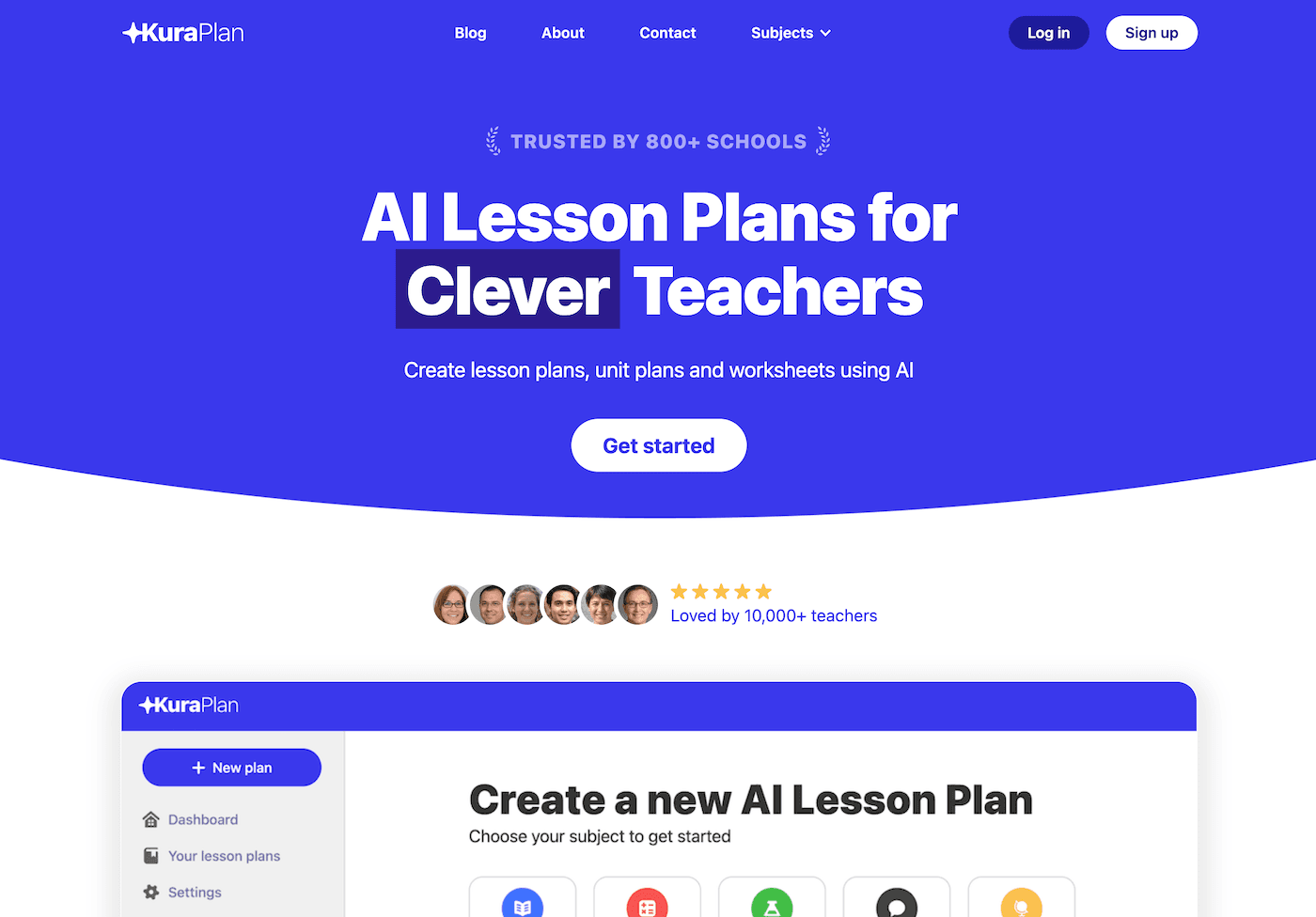
, but only where it honestly fits. None are sponsored; all are tested in the wild.
1. Kuraplan – Collaborative Curriculum Sandbox (for Real Grown-Ups)
Most lesson planning tools feel built for first-years… until you spend a summer helping a math and ELA teammate build a cross-curricular unit.
Try Kuraplanfinally became my department’s real curriculum sandbox: we draft unit maps together, plug in non-negotiables (ELA themes, state test windows, science fair weeks), and Kuraplan drafts modifiable skeletons for all. The win? No more endless Google Docs—teams remix live and leave sticky-note feedback in the draft. When mentoring new teachers, I use it to show them how I sequence a unit, then let them edit for their style. The secret: don’t follow the template; treat it as a co-author for messy, team-based planning.
2. Notebook LM – The Living Mentor Binder
Every mentor needs a one-stop shop for handouts, PD recaps, tech guides, and past email FAQs. My fix? Create a shared department notebook in Notebook LM. Teachers drop in lesson plans, sub notes, exit slips, even those “I have no idea how to do…” DMs. The AI surfaces common themes—"What are the most-asked questions from this month?"—and proposes discussion points or PD scripts. We’ve even turned our most candid staff debates into a podcast for new hires—way more honest (and actually more useful) than admin’s onboarding workflows. The best: retiring teachers leave legacy notes, and overwhelmed newbies can answer “Where do I even start?” in their own time.
Try Notebook LM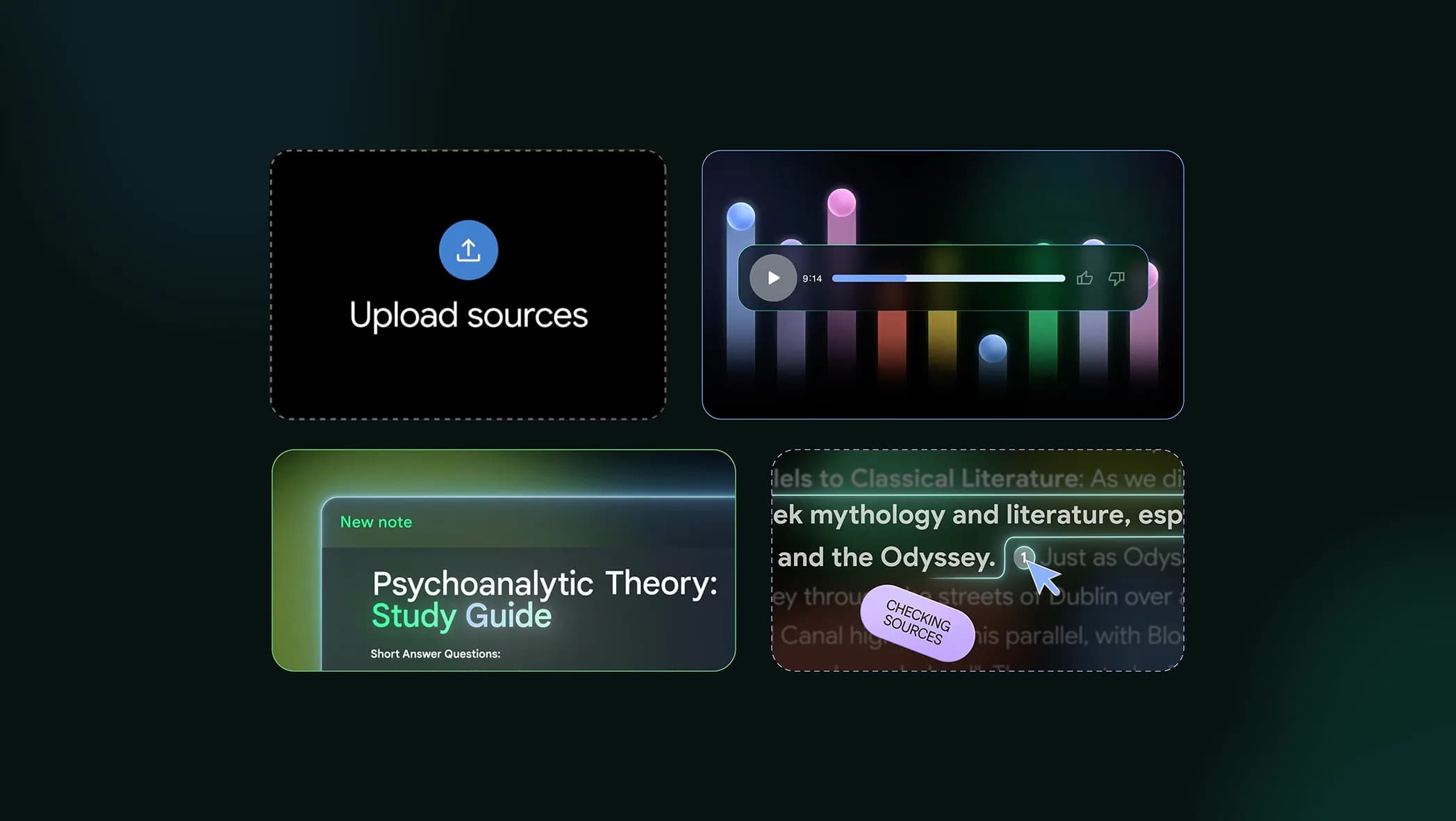
3. Jungle – PD Review Games & Onboarding that Sticks
New tech, new reading targets, new acronyms… and nobody reads the slide deck. Instead, every department training or PLC, I have teachers submit “What still confuses you?” or “What’s the most useful tip?” to Jungle. It instantly creates flashcard decks, which we remix into trivia games ("Stump the Mentor!" became a monthly staple), fast onboarding guides, or mini check-ins at the start of staff meetings. Even my most cynical colleagues admit: peer-authored review is the only thing that makes PD stick, and new hires actually ask for the last cohort’s deck before orientation. Parent-teacher conferences? Turn common questions into a Jungle set and share with your team.
Try Jungle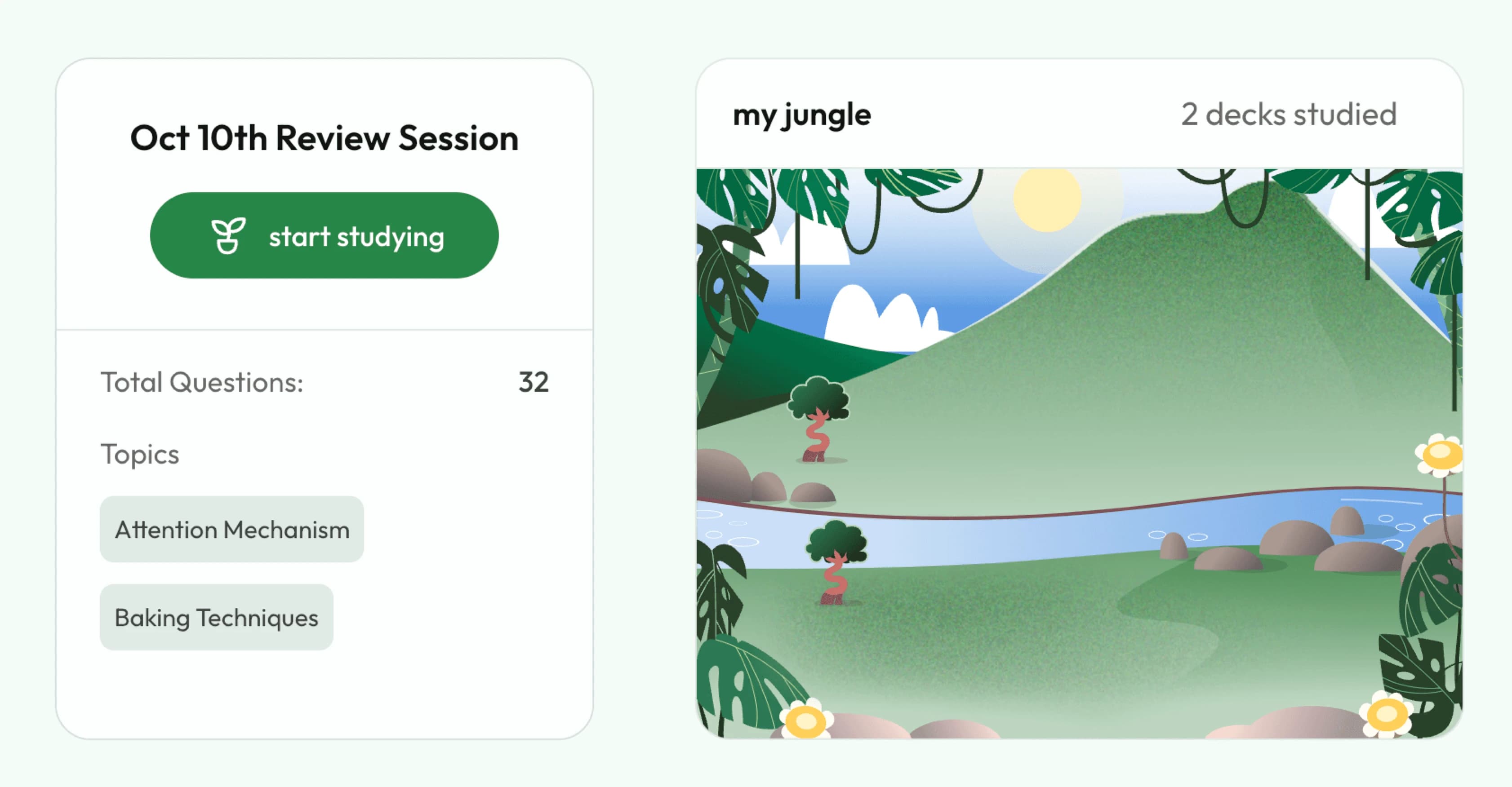
4. Gamma – Effortless Meeting Slides, Roadmaps, and "What’s Next?" Boards
Ever get asked, “Can you send the agenda?” between classes? Gamma lets me drag meeting notes, action items, resource links, and teacher shout-outs into clean, professional slides—no fiddling with templates during my prep. Better: the AI outputs visual roadmaps for big projects (think: "how the new RTI process actually works"). We create a living “department dashboard” in Gamma—updating pacing calendars, resource needs, and even birthday reminders—that every teacher can project and interact with in real time. Gamma has saved my voice in meetings and my inbox from a storm of reply-all threads.
Try Gamma
5. Diffit – Leveling Tech Guides, Newsletters, and Family Notes
Mentors know: support isn’t just for teachers—sometimes it’s about bridging for students and their families, too. I use Diffit to take any admin email, tech-update memo, or school-wide newsletter and generate accessible versions for every family. Bonus: Diffit helps me make new teacher crash-courses in our LMS or gradebook system at three reading levels, with vocab and step-by-step checks. Mentors, ELL support, and parent liaisons now lean on Diffit when translating for every audience. PD, home communication, and sub notes are suddenly inclusive—not just dumped in the group chat.
Try Diffit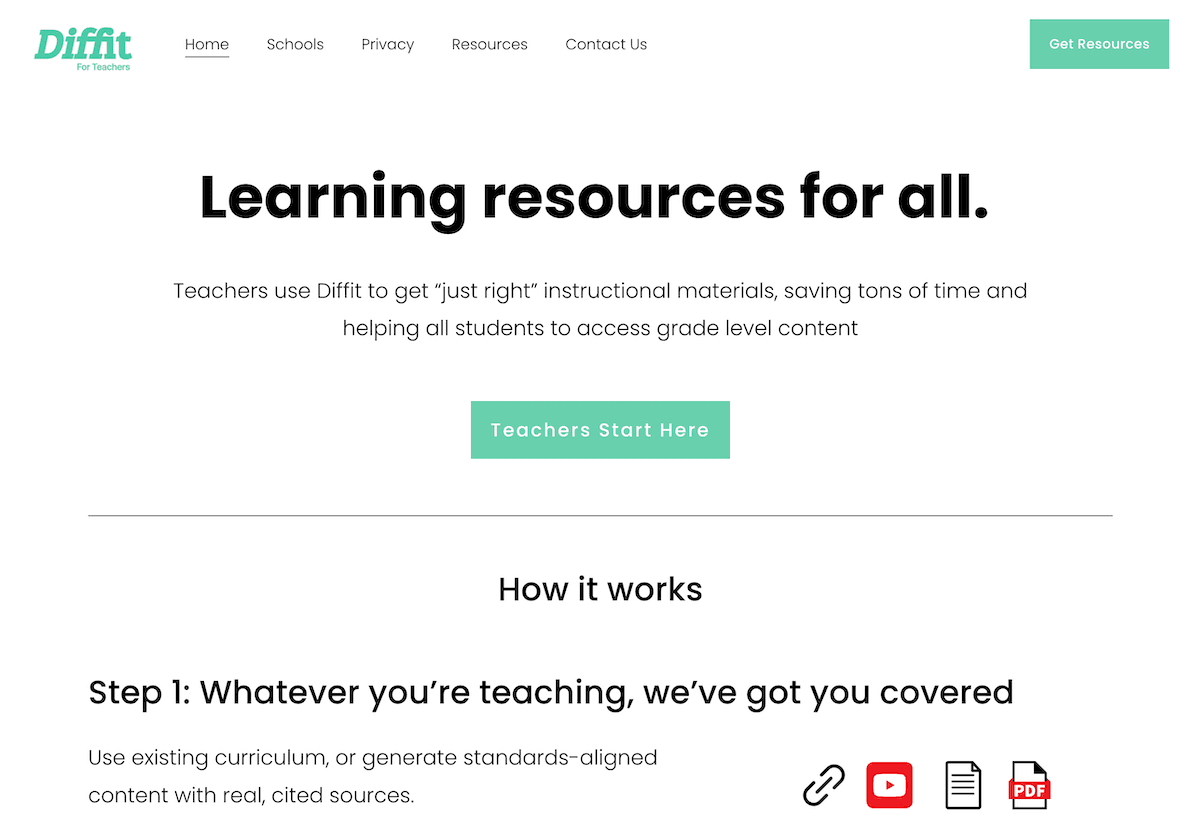
6. Suno AI – Culture, Ritual, and "Thank You" Moments that Matter
Surviving another year of mentoring sometimes takes more than rubrics. Creating moments of gratitude, celebration, or simply humor: Suno AI is my low-prep fix. We crowdsource staff anthems (“We Survived NWEA Season!” “Donut Thursday Remix!”), intro songs for department get-togethers, or even lighthearted farewell tracks when a mentor retires. New teachers use Suno to reflect (“My First Year in 60 Seconds”) and even share wins with coworkers. End-of-year slideshows now feature our staff’s original tracks—sometimes the highlight of the year. Never underestimate the power of music to build connections between colleagues who rarely have lunch together.
Try Suno AI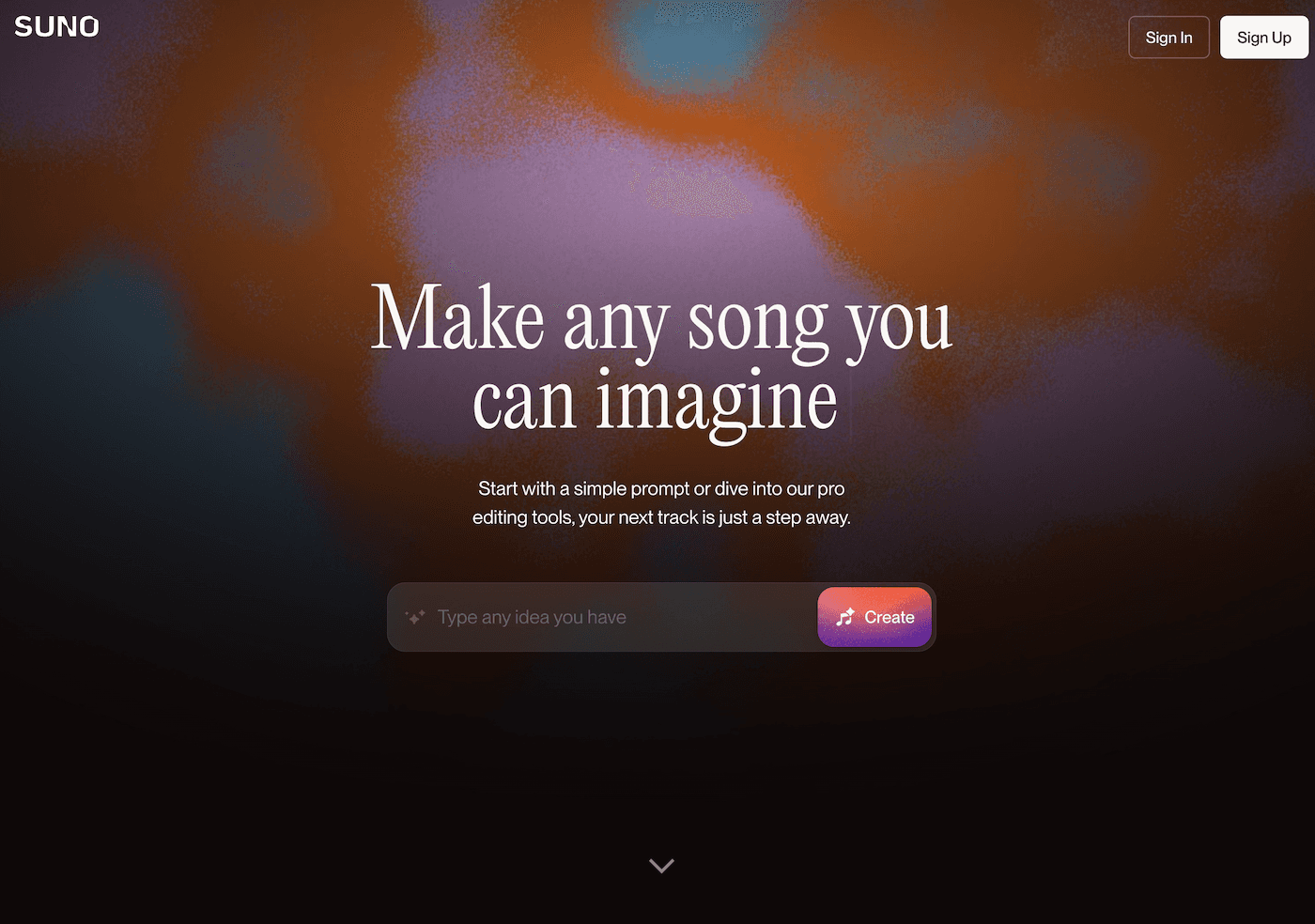
Real-World Tips for Seasoned Teacher-Leaders & Mentors
- Use AI for what buries your energy: onboarding, shared docs, PD revamps, and cross-team lesson builds.
- Encourage co-creation and team editing. These tools work best when multiple teachers bring their style, templates, and humor—mentoring is never one-size-fits-all.
- Surface AND celebrate teacher voices: tools like Notebook LM, Jungle, and Suno help make rituals, reflection, and storytelling central to department life.
- Let mentees (or newbies) drive tool choice when possible—what worked for your cohort may not for theirs. Keep the feedback loop alive.
If you support colleagues, lead a department, or run “teachers teaching teachers” PD, what’s your best workflow, app hack, or AI cautionary tale? Share it below—because making the work lighter together isn’t just a buzzword, it’s how we all keep showing up.