6 Under-the-Radar AI Tools for Teacher Rebels
Let’s be real: not every educator out there is searching for “the perfect rubric generator.” If you’re the teacher who posts "Please Excuse the Mess—Genius at Work" on your door, ditches the standardized lecture for student-created exhibits, or lets a lesson turn into a mini-riot of sticky notes, this post is for you.
After a decade of loving (and surviving) creative classroom chaos, I was incredibly skeptical of the AI hype. Too often, “top tools” just automate what makes school boring, or force you back onto the rails. But this year, I set myself a challenge: Could any AI actually help unleash MORE student agency, creativity, and productive unpredictability?
The answer: yes—IF you know where to look. Below are six genuinely surprising tools that actually fit the hands-on, no-two-days-alike classroom. They saved my energy, helped students drive the ship, and (maybe most importantly) let me document the wild, nonlinear learning my admin can’t see from the hallway. Kuraplan is in here (NOT at #1), but only as a backbone for when your latest detour needs a save. Each of these is tested, not sponsored.
1. Notebook LM – The Rebel’s "Memory Vault"
You know those days when every table has a different wild idea—debates at one end, peer interviews at another, three group docs open, and five “can we turn this into a podcast?” requests? Notebook LM is my class memory vault. We toss everything—voice memos, whiteboard photos, exit slips, links, even protest song drafts—into a shared notebook. The AI clusters surprises, shows connections no one noticed, and helps us script real talk debrief podcasts. End-of-project, my quietest writers take the lead, and suddenly we have evidence (and audio) of creative work admin usually misses. This is the secret tool for classrooms that are more brainstorm than binder.
Try Notebook LM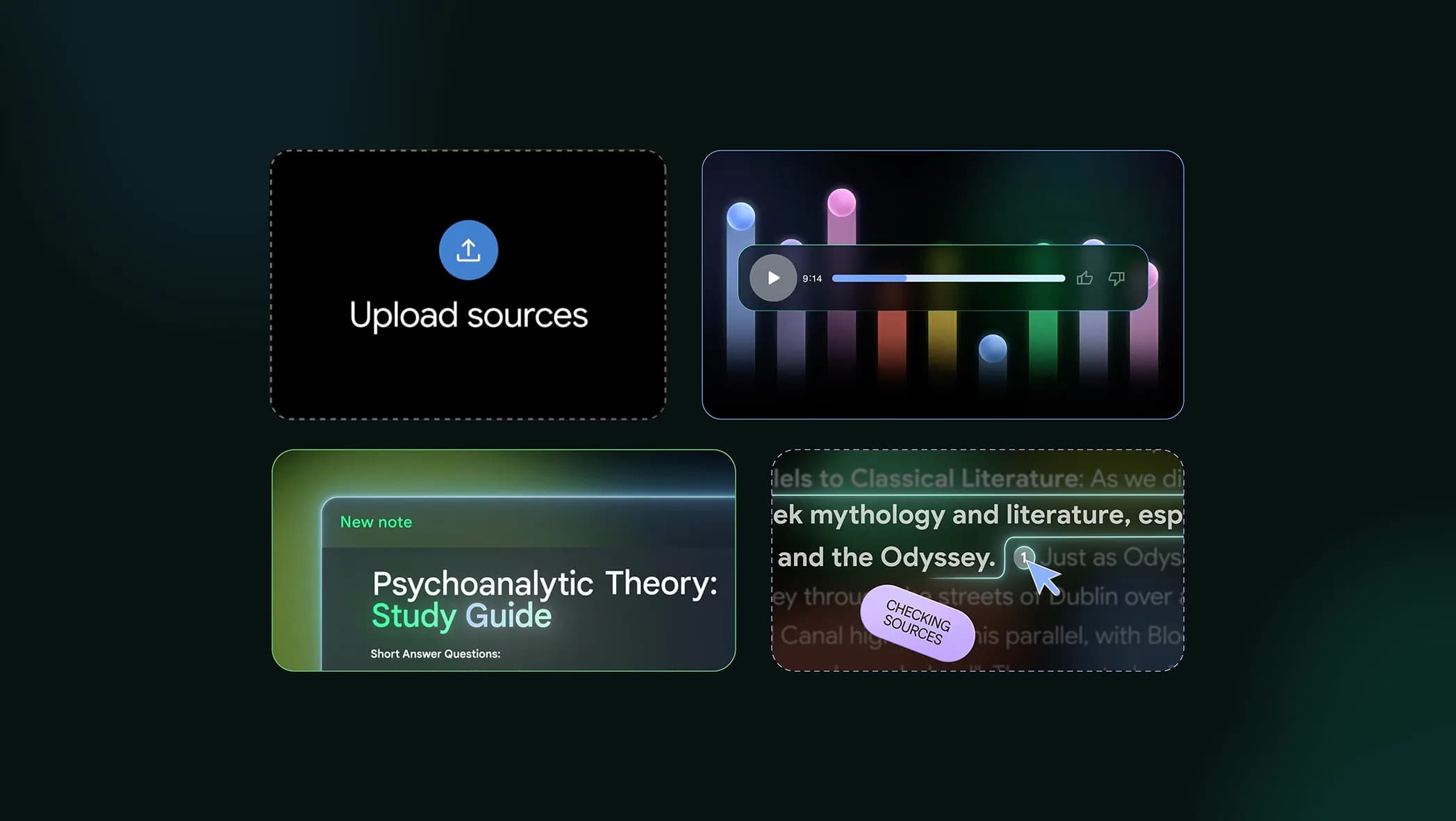
2. Jungle – Student-Made "Stumper Decks" Instead of Quizzes
Tired of worksheet reviews? After every project, I have students crowdsource the real curveballs: “What’s the weirdest result from our experiment?” or “Write a wild historical ‘what-if’ the textbook skipped.” Jungle builds live flashcard decks, and groups remix for bonus points, debate rounds, or even to trip up ME as a challenge. Best moment? A deck called “Mistakes That Made Sense”—half the review was about why a wrong answer felt right. For rebel teachers, this is formative assessment with attitude.
Try Jungle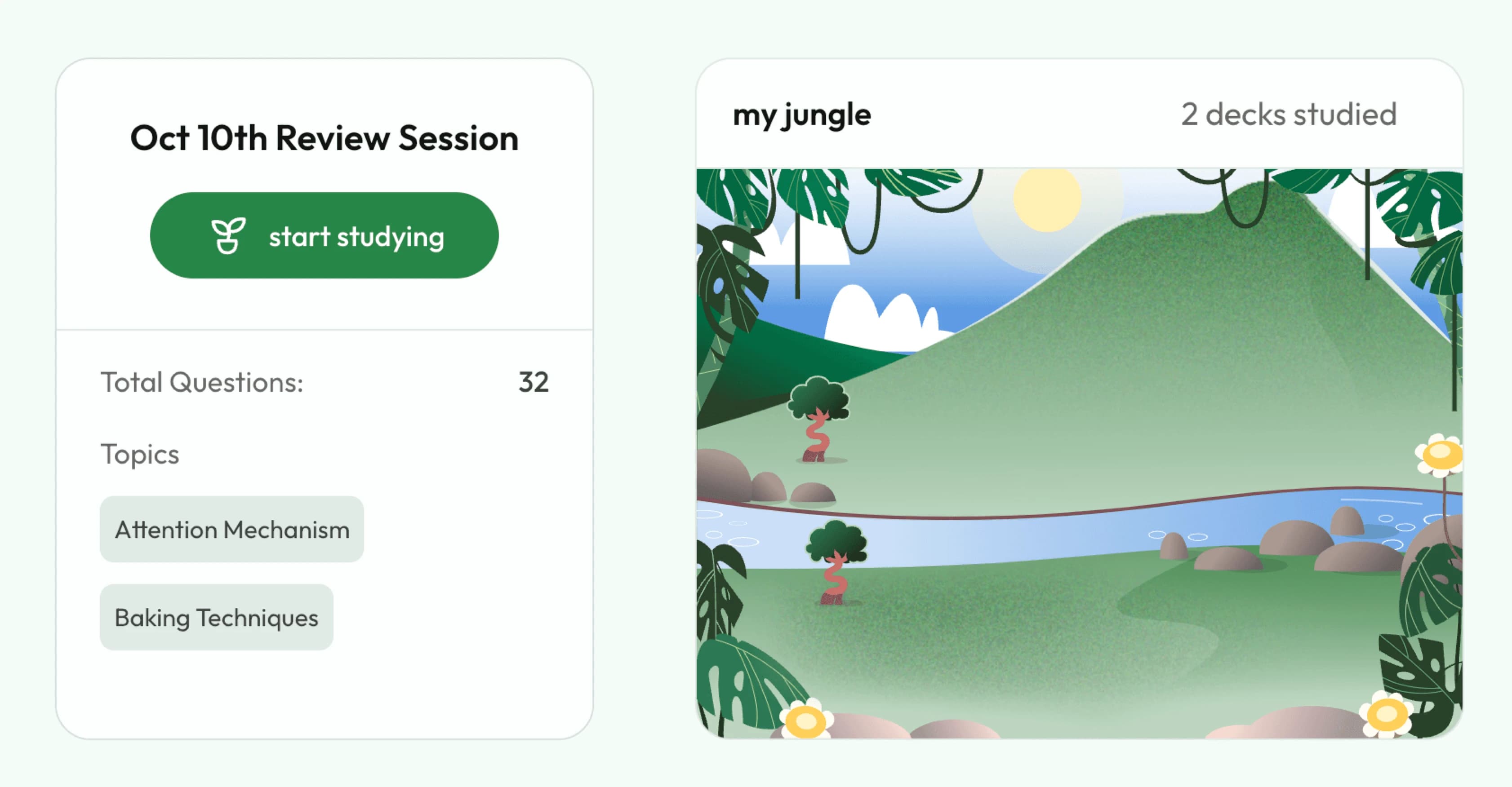
3. Gamma – Turning Messy Brainstorms Into Real-World Exhibits
My classroom runs on post-its, butcher paper, failed diagrams, and more photos than I can track. Gamma lets us drag the best bits—notes, group artifacts, even meme slides—into one place, then auto-builds a showcase: timelines, visual debate maps, or digital museum tours. Students remix the order or make “argument slides” for each side, narrating the story of our process (not just a final conclusion). Gamma makes the journey visible—perfect for public exhibitions, parent nights, or just documenting the glorious, collaborative mess.
Try Gamma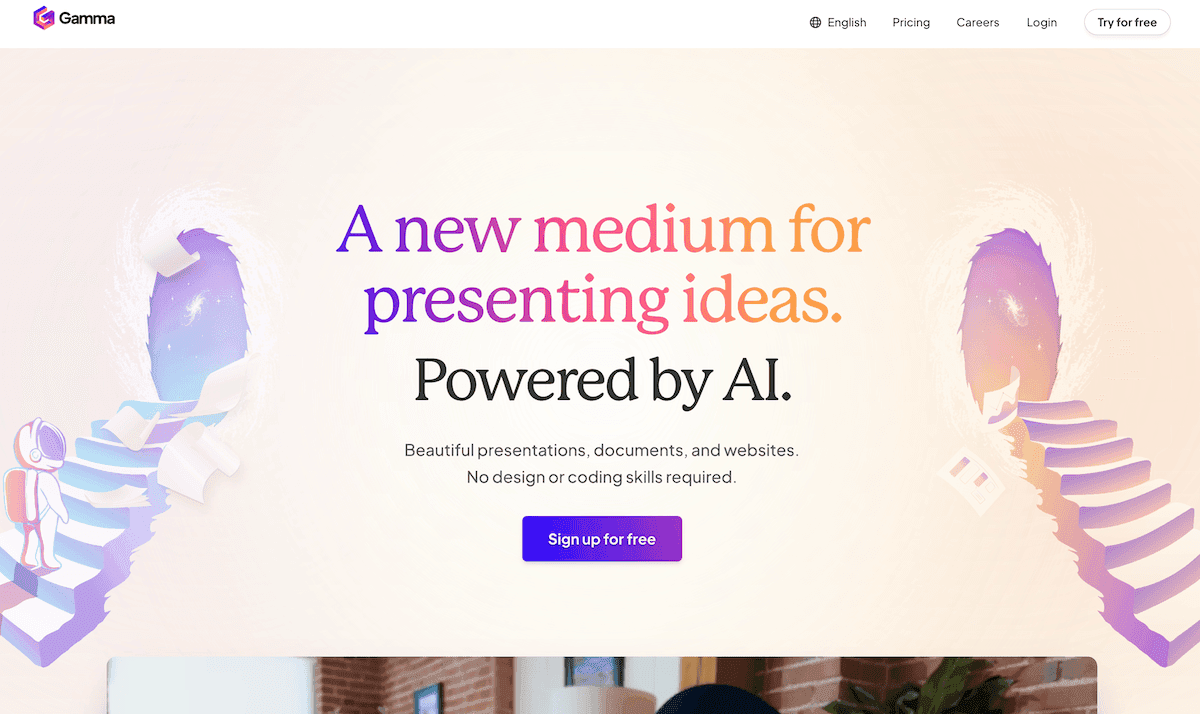
4. People AI – Student-Generated Debate Guests (Real or Fictional)
Who says panel discussions need to be stuffy? Every time my students go off-script—want to interview Shakespeare, "grill" a climate activist, or ask a Gilded Age robber baron about TikTok—I point them to People AI. The twist? Students invent their OWN figures, merge backstories, play with bias (“What would a 2099 historian say about AI homework?”), and turn my most unpredictable debates into a serious improv. The best sessions happen with zero teacher prep; the wildest arguments, always student-scripted.
Try People AI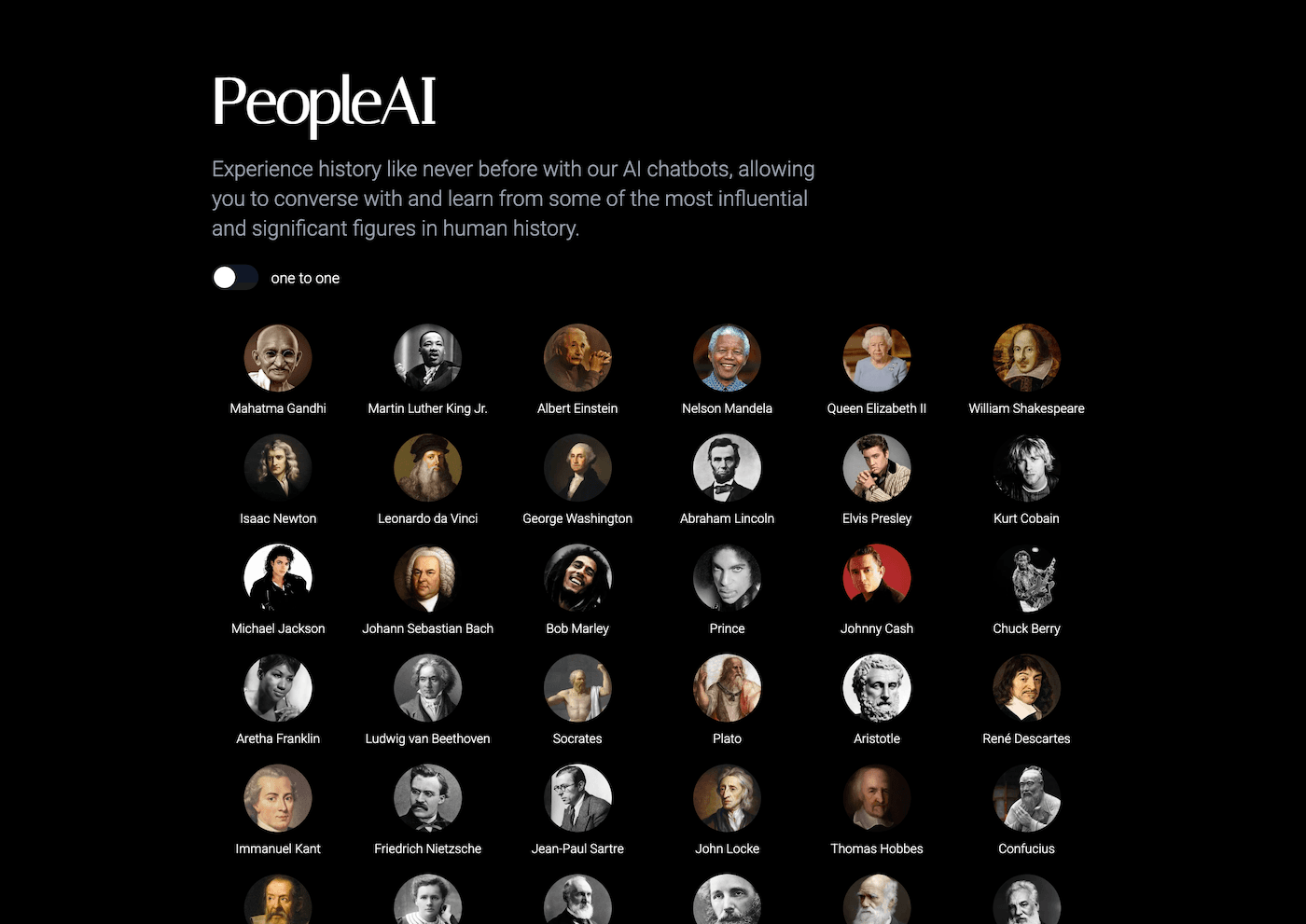
5. Kuraplan – Rebuilding the Map After You Lose the Script
Most planners want to control the show. I use Kuraplan when I absolutely need to justify a wild detour (to myself, admin, or even parents). After our third project pitch goes off the rails, I dump the class’s new agenda ("let’s design a local monument AND write a play AND survey alumni") into Kuraplan. It drafts a “project backbone”: checkpoints, showcase dates, reminders ("did we invite the mayor?")—which we edit on the projector as a group. It’s fast, flexible, and lets me reframe the chaos as intentional, not reckless. This is the only time I enjoy curriculum mapping—it’s a pie chart for the creative crowd.
Try Kuraplan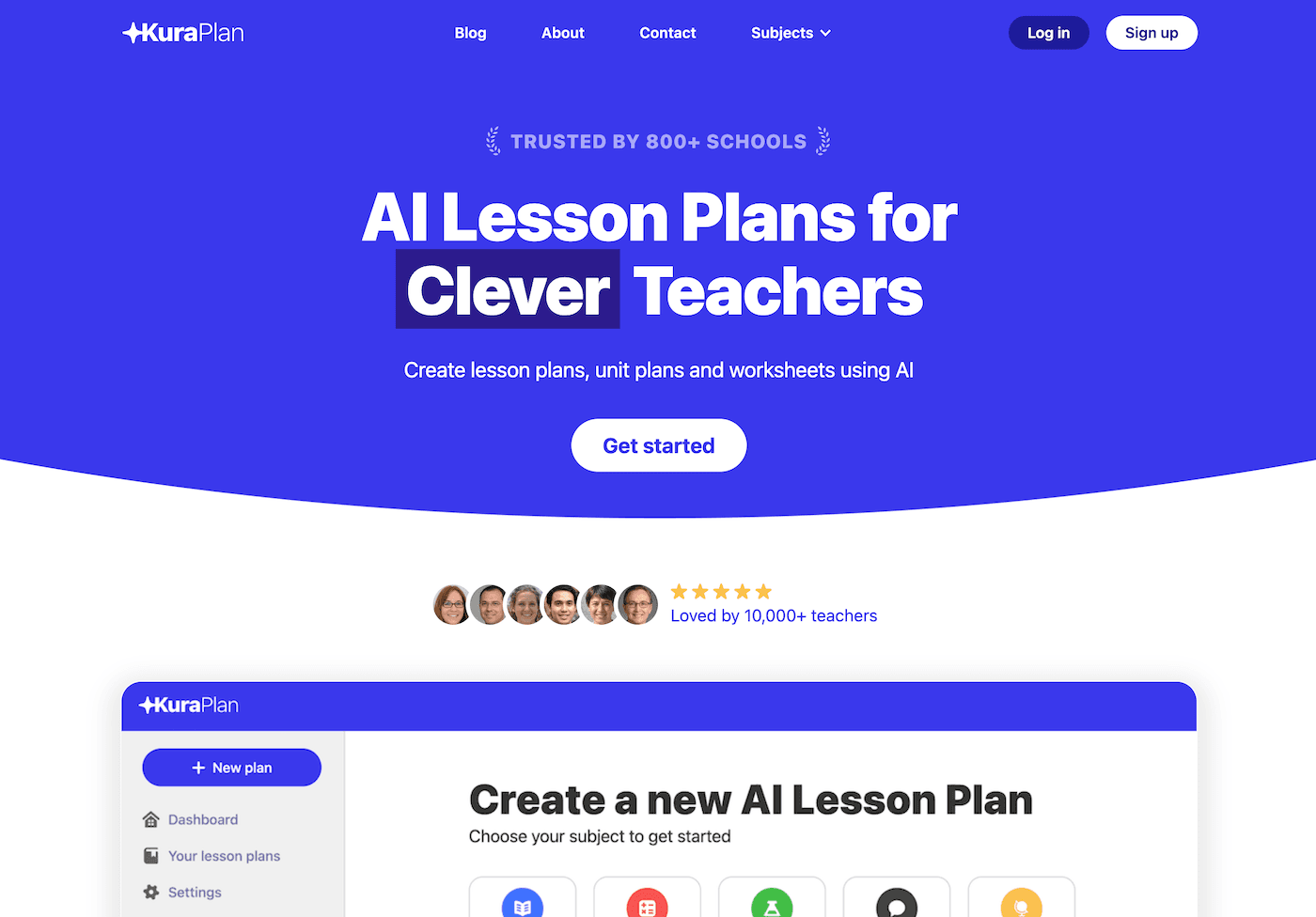
6. Suno AI – Rituals, Anthems, and Project Soundtracks (Made by Students)
Music for routines? Obvious. But here’s the move: any time student energy tanks, a group is frustrated, or we’ve survived something weird (“The Day Slack Broke”), kids write prompts for Suno (“Anthem for finishing our wildest project,” or “Song to convince admin to ban packet homework”). Suno spins up instant, kooky songs—which become class traditions, reward tracks, group “branding,” or even the outro for our final podcast. It’s SEL, culture-building, and youth voice rolled into playlists you’ll actually want to keep next year.
Try Suno AI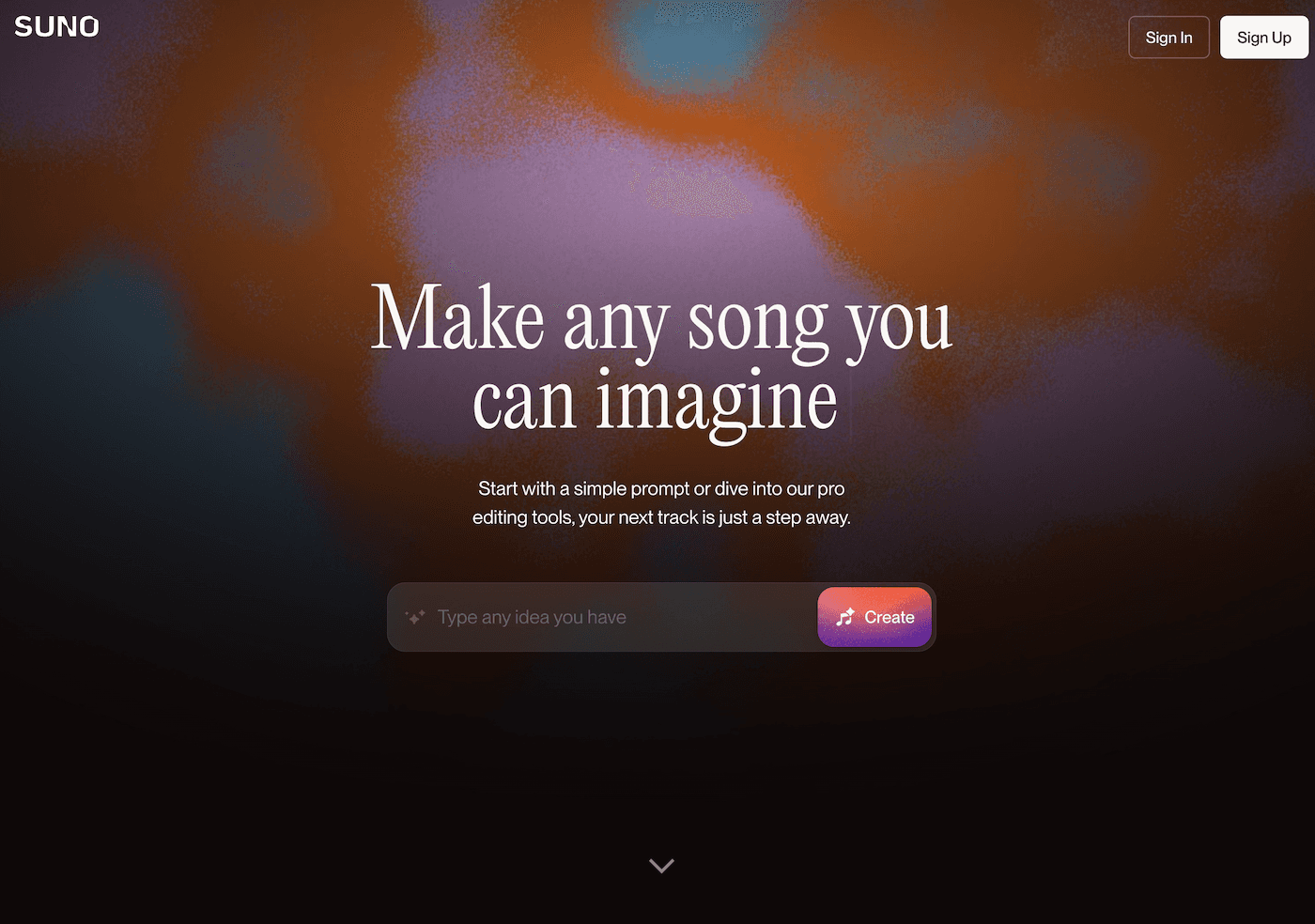
Closing Wisdom for Teaching Rule-Breakers
You don’t need a robot for compliance—you need one to amplify creativity, ritual, and voice. My advice to fellow teacher rebels?
- Let students use every tool directly. They’ll uncover uses (and jokes) you’d never think up.
- Document the process, not just the answer—half your best lessons are detours, not deliverables.
- Treat planning tools as playgrounds—rewrite, remix, and share the mess with students as you create it. That’s where buy-in lives.
- If AI feels prescriptive? Skip it. If it helps your classroom feel unique and alive, keep it.
Are you a teacher who’s proud of running a classroom that doesn’t look the same two days in a row? Got an AI hack that made room for more fun, more voice, or just survived a legendary off-script day? Drop your best tool or workflow below—let’s trade chaos-tested stories and make 2025 the year the rebels run the show.