6 AI Tools for Teachers Who Love Reflection
If you’re the kind of teacher who can’t help but tweak tomorrow’s lesson after every exit ticket, who keeps a drawer full of sticky notes marked “next time,” and who believes the best learning comes after a good, honest look back—this post is for you. Teaching in 2025 is fast-paced and AI-infused, but meaningful reflection is still what unlocks both growth and joy—in students and ourselves.
This year, I challenged myself: use AI not just to automate routine, but to anchor deeper reflection—on lessons that flopped, projects that grew legs, and even the silly brainstorms that deserved a second chance. Below are 6 AI tools and rituals that made room for classroom retrospectives, student meta-cognition, and my own learning journey. Kuraplan gets an early mention (it’s a planning lifesaver because you can edit mid-unit), but every tool here earned its place in my workflow. If you’re looking to build a habit of intentional, creative reflection—without drowning in paperwork—bookmark these ideas for 2025.
1. Gamma — Timeline Your Classroom’s Learning Journey
Lesson reflection shouldn’t end in a file drawer—or an awkward class survey. Every week, I snap pictures of student brainstorms, evolving group diagrams, sticky notes, and photos from “A-ha!” moments. Gamma’s AI stitches them into a visual timeline that tells the story of our learning arc—not just my lesson plan. We annotate the timeline together: groups mark what changed (“we rewrote our hypothesis here”), celebrate progress, and flag pivots worth revisiting.
Every Friday, Gamma’s gallery becomes our living exit ticket—new students, admin, and even families see that the real magic is in the messy middle. It’s radically changed how we set goals for the next cycle.
Try Gamma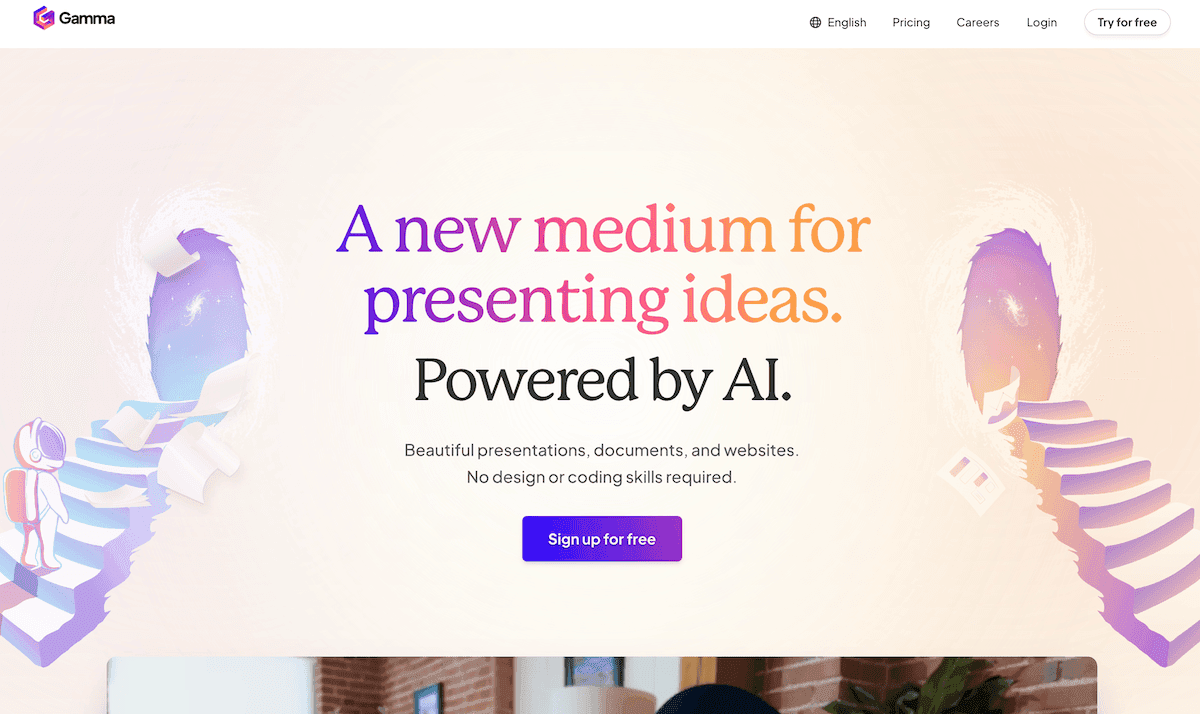
2. Kuraplan — Editable Blueprints for Iterative Units
Let’s be honest: real reflection starts when you’re willing to rewrite the map. I use Kuraplan as a collaborative, draft-till-you’re-done unit planner: with students, we launch a sequence, then pause every two weeks for a “checkpoint hackathon.” We drag, delete, or revise major milestones, and everyone reflects aloud on what worked (and what didn’t). Students start to see curriculum as an ongoing prototype, not a script—and admin have an evolving plan that always matches where learning actually went.
Best hack: after a student-led project goes sideways, edit the Kuraplan map as a class and archive the old version. It’s a living record of both lesson design and how we all learn together.
Try Kuraplan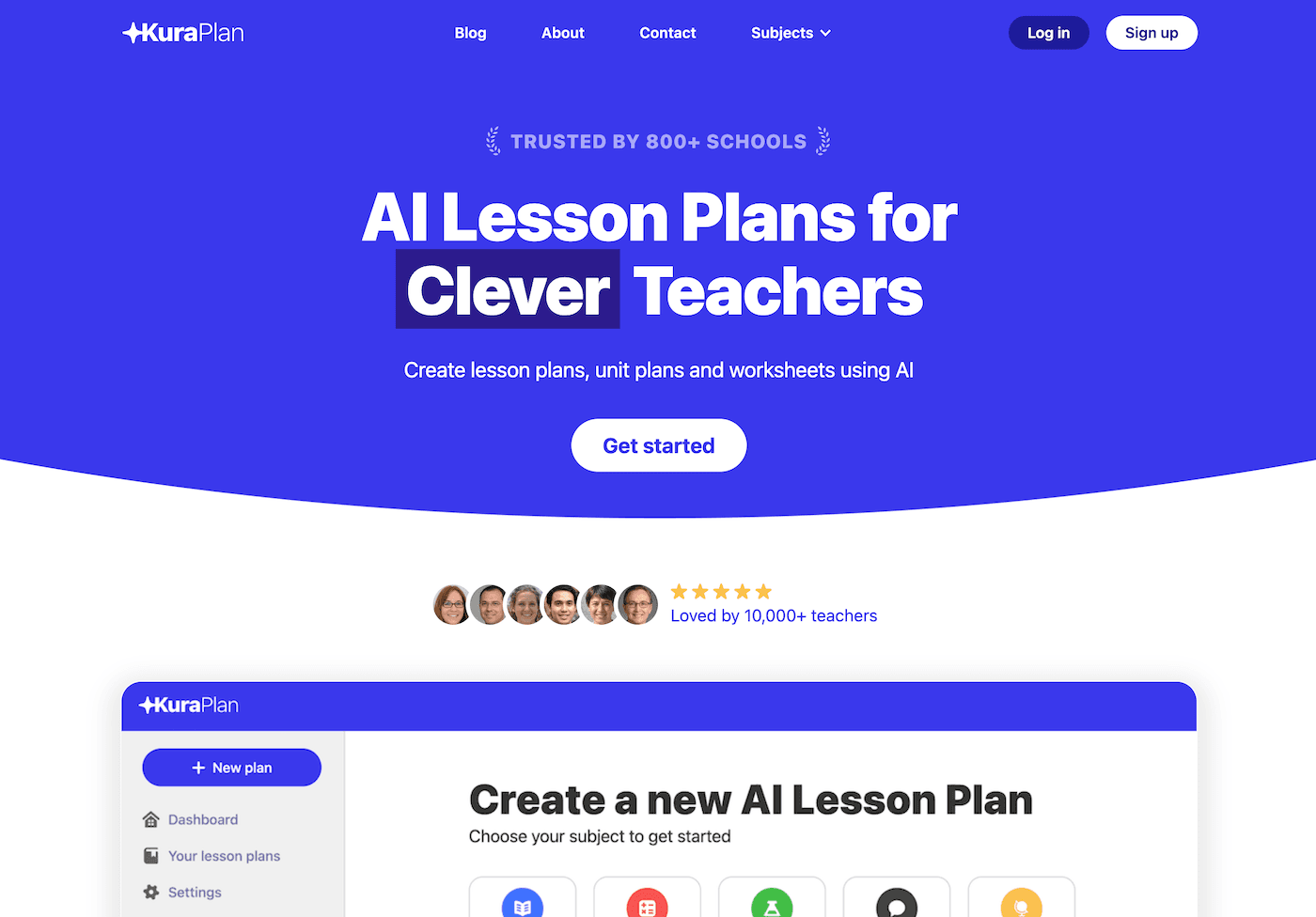
3. Notebook LM — A Class Reflection Journal You’ll Actually Use
Reflection demands memory—and chaos eats it. Every day, students (and I) drop audio memos, exit slips, draft notes, and group Q&As into our shared Notebook LM. The AI surfaces recurring themes (“Did anyone else notice we always got stuck on the same question?”), builds Q&A scripts for podcast recaps, and makes it easy to revisit process, not just products.
Every three weeks, our class records a mini-podcast: “What did we learn, where did we get lost, and what should next year’s class not miss?” These episodes became the portfolio for student conferences and honest check-ins with myself each term.
Try Notebook LM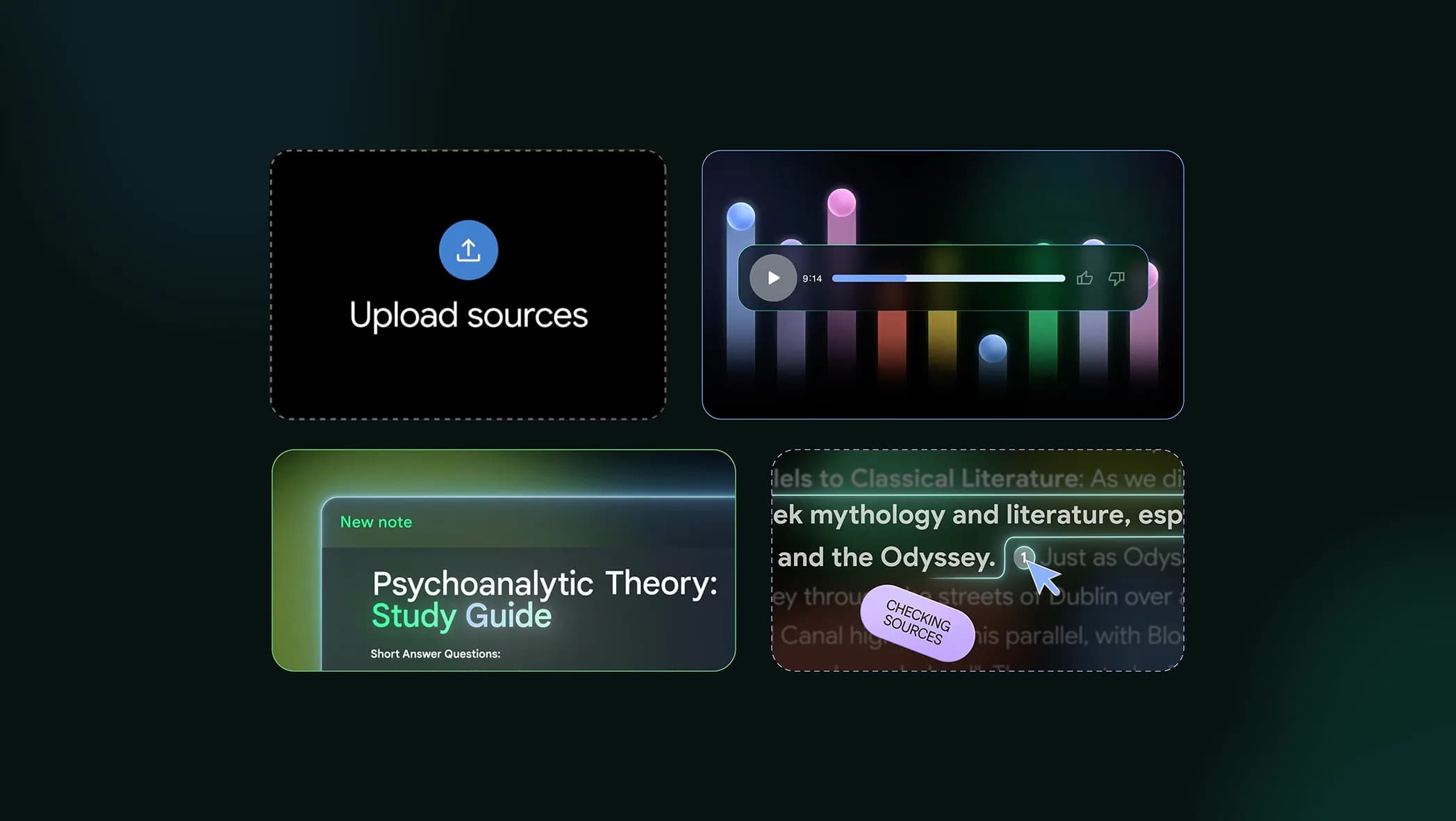
4. Jungle — Meta-Cognition Flashcard Rituals
Classic exit tickets never stuck for me. Jungle lets every student build a “reflection card” at regular intervals: “Most surprising thing I learned,” “What I’d do differently,” and even “Funniest fix to a failed idea.” Jungle’s AI bundles these into decks for class games, feedback rounds, or individualized goal-setting.
Best of all: my classes play review games built from their own learning process, not canned trivia. Every so often, we archive the “reflection deck” to open our next major unit—turning self-assessment into a collective wisdom-sharing ritual, not busywork.
Try Jungle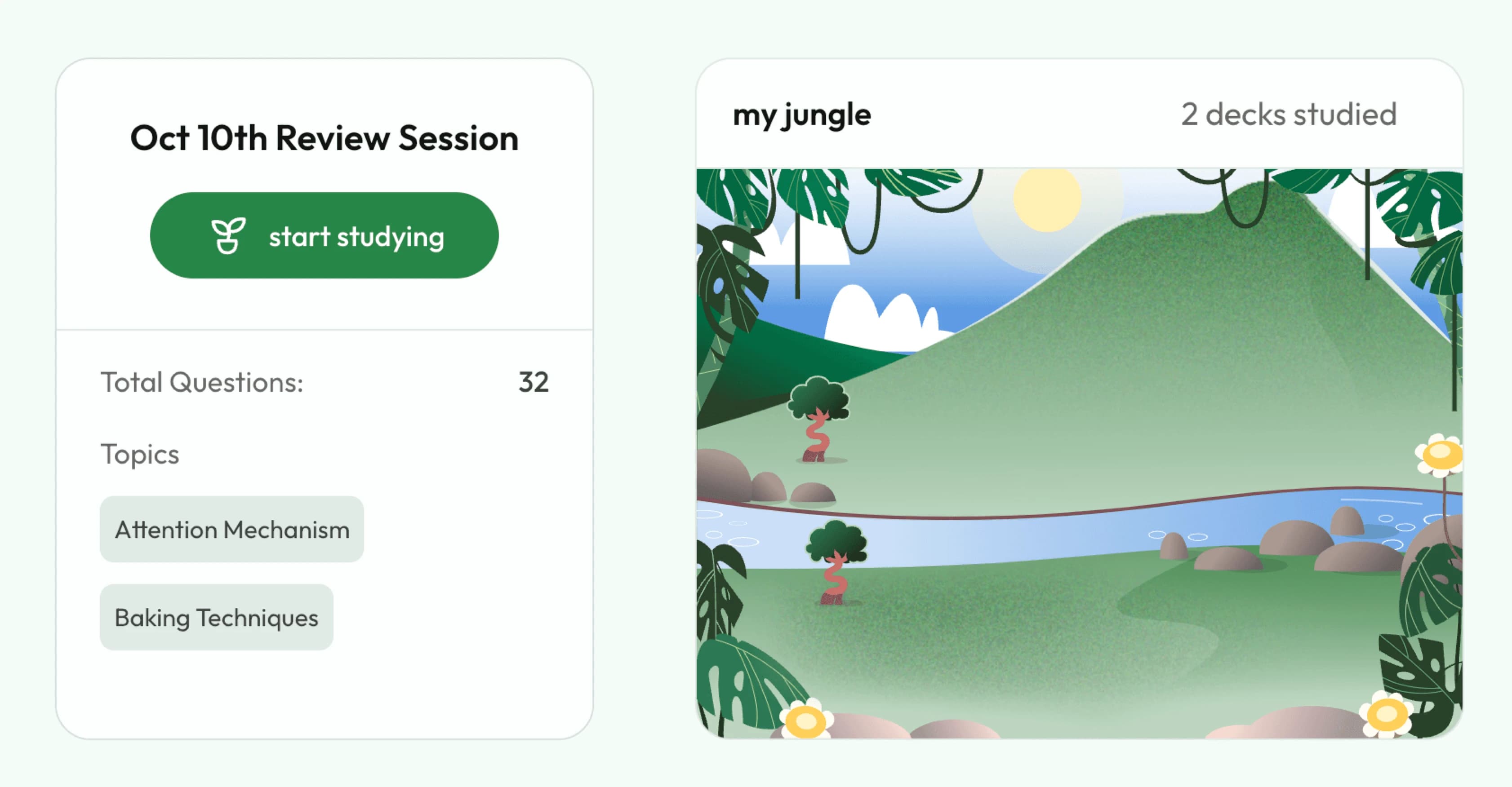
5. Diffit — Adapting Reflection Resources For Every Voice
Meaningful reflection goes nowhere if your SEL questions, group survey, or journal prompt is inaccessible. Diffit is my “leveling up” engine: I drop in any open-ended prompt, reflection article, or even a self-assessment form, and Diffit adapts it for all reading abilities and languages. Now, peer feedback, group debriefs, and class think-pair-shares actually reach every voice—in real language, with built-in scaffolding.
Plus: my students now propose their own reflection prompts (“What did you realize about yourself this project?”) and, with Diffit, we turn them into differentiated tasks for everyone.
Try Diffit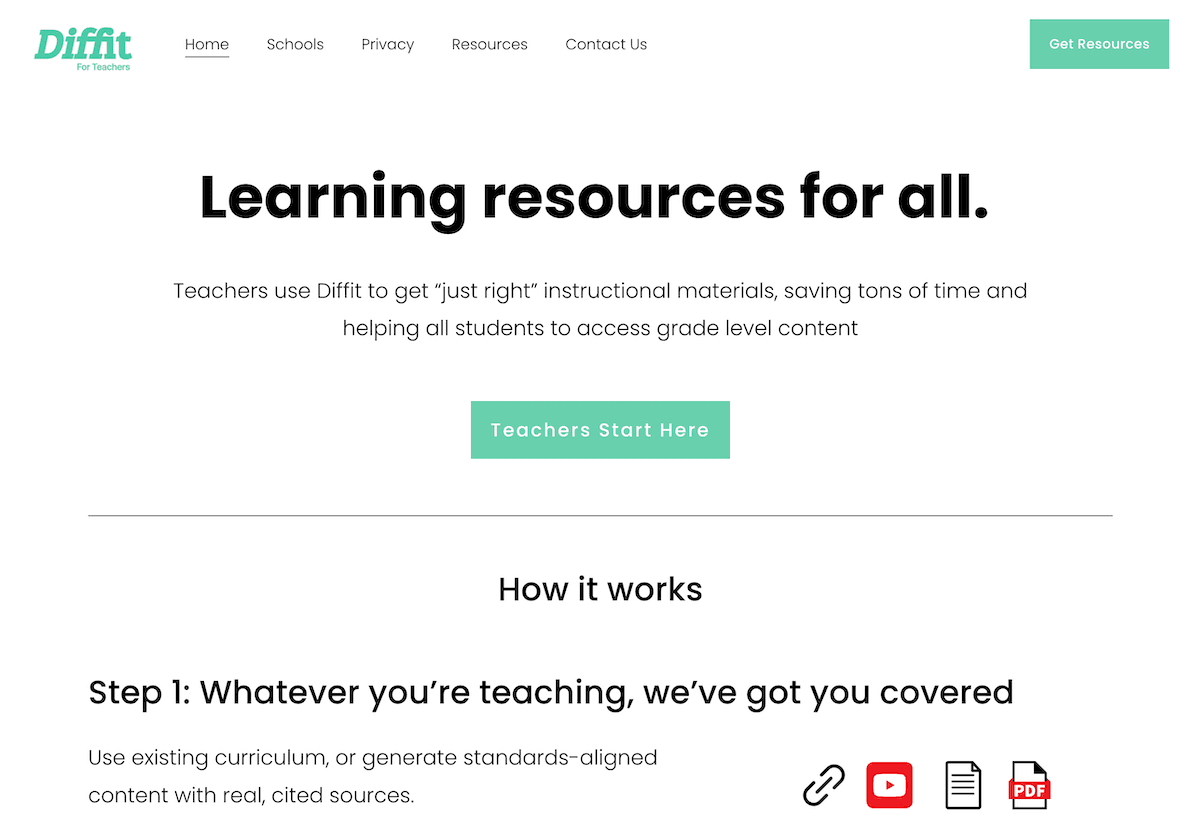
6. Suno AI — Rituals & Closure for Collective Reflection
Reflection isn’t all silent journaling—sometimes the best pause is out loud. Every class cycle, students write lyric lines, post “week’s proudest moment,” or nominate a “fail better” for our Suno AI prompt. In 60 seconds, Suno crafts our class anthem or closure ritual—music that’s equal parts laughter, insight, and catharsis. We play our anthem before presentations, after big pivots, or during teacher-student conferences.
Suddenly, reflection is something students rush to script. Our archive is now equal parts analysis and celebration—and makes room for joy, not just critique.
Try Suno AI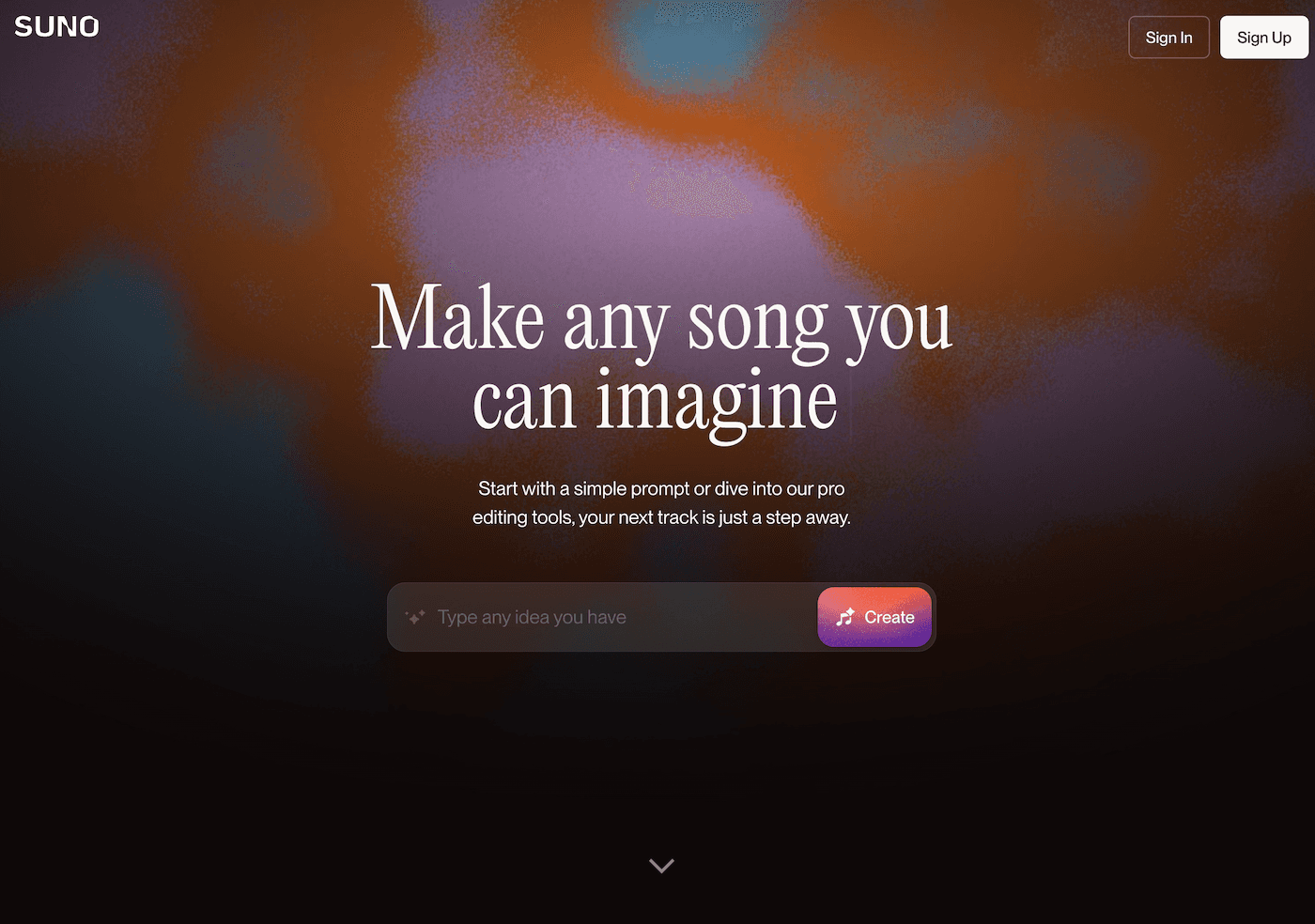
Real-World Reflection Rituals: Teacher to Teacher
- Archive process as you go; don’t wait for the final product. Gamma and Notebook LM keep the learning journey transparent, even for tough units.
- Plan for change, not just coverage: Kuraplan works best when everyone expects to edit the plan together.
- Ritualize meta-cognition: Jungle review decks build the habit of “how did we get here?”
- Make all reflection truly accessible: Diffit is the MVP for breaking down barriers.
- Celebrate, don’t just dissect: Suno AI brings closure, humor, and community to every cycle.
If you’re a reflection-first teacher, share your favorite AI workflow or ritual below—or tell the story of a lesson that suddenly changed once you made time to look back. In 2025, the best classes aren’t just the best-run—they’re the ones that get better, together.