6 Underrated AI Tools for Teacher Storytellers
Every great teacher is a storyteller—whether you’re weaving a read-aloud in second grade, narrating history’s misfits for skeptical teens, or helping students frame their own science project as a detective story. If you, like me, believe that what sticks with students is the story—the struggle, the joke, the plot twist—then you’ve probably also seen a million edtech lists that promise efficiency, but never quite make your class sing.
So this year, I decided to experiment: could AI actually make my stories (and those of my students) bigger, broader, and a little more cinematic? Not just speed up my grading or churn out more quizzes—but let us narrate, publish, and celebrate every chaotic, hilarious, and deeply human step of the learning journey? Below are six tools (including, yes, a smart use for Kuraplan) that became the backbone of my year—and none of them are your typical “top 10 apps for teachers” fare. If your classroom is a theater, newsroom, or improv club as much as it is a worksheet-processing plant, give these a try.
1. Notebook LM – From Scrap Piles to Classroom Chronicles
For years, I watched the magic of my classroom die in sticky notes, whiteboard clouds, and parent emails that could never capture the vibe. This year, I made Notebook LM our story engine. My students and I dumped everything—voice memos, rough scripts, exit tickets, even argument threads from Socratic seminars—into a shared “story notebook.” The AI would then thread together class themes, pull surprising connections, and generate Q&A prompts or podcast outlines we actually used for live class broadcasts. By semester’s end, we’d authored our own serial—part documentary, part inside joke, part real learning evidence (admin love it for showcases, too). No other tool made the whole group’s voice so visible, and so exportable beyond my room.
Try Notebook LM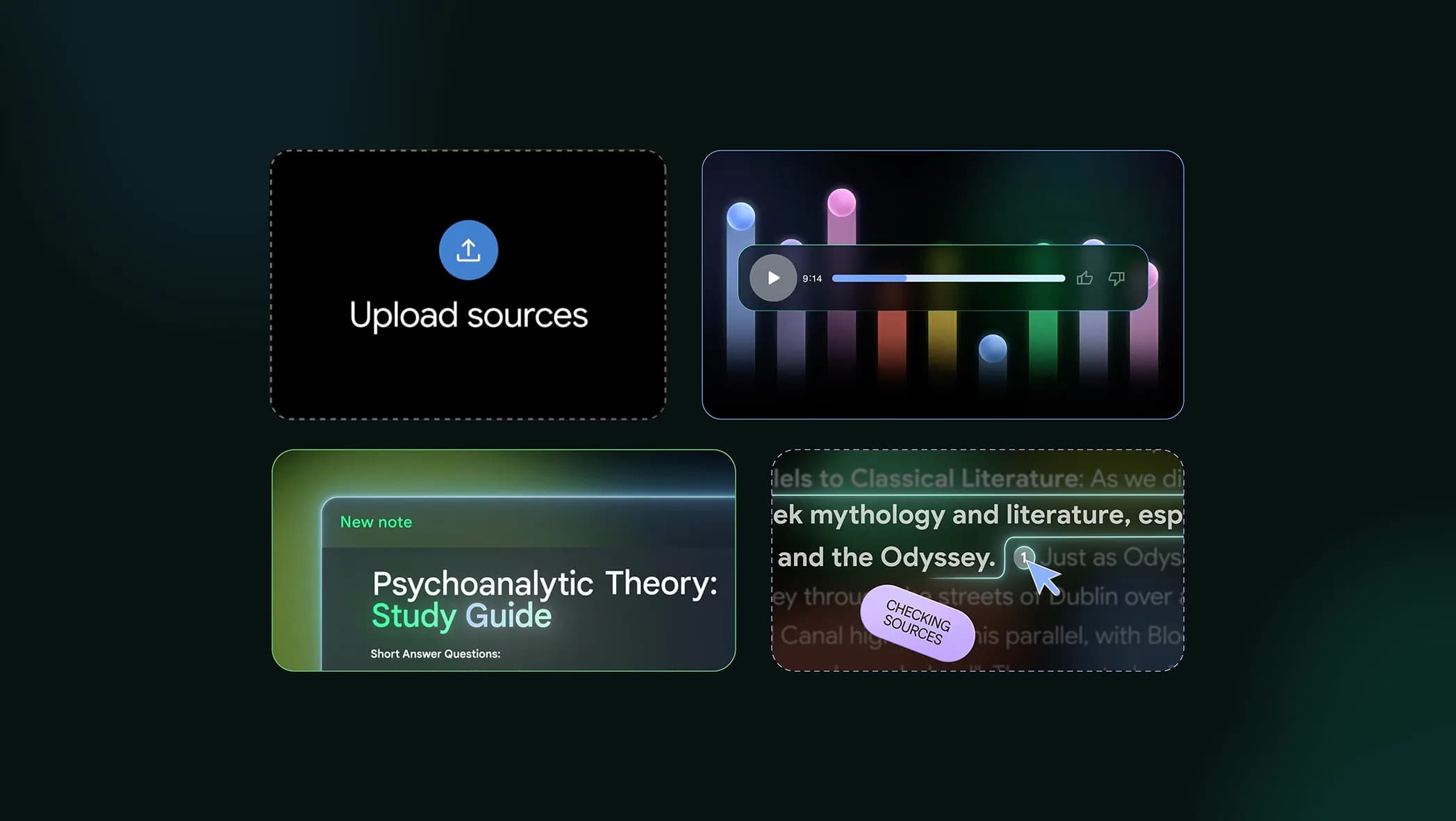
2. Gamma – Visualizing Messy Journeys as Epic Slideshows
If you’re the kind of teacher who values the process (not just the final product), Gamma is a revelation. My class has always been messy—debate maps, timeline tangles, and collaborative project boards that never survive clean-up crew. With Gamma, we dumped our “project junk drawer” right in—photos, scribbled flowcharts, peer feedback, even memes—and the app built out a living, scrollable visual storyboard. We used these to narrate science fair journeys, historical “Choose Your Own Adventure” timelines, and end-of-unit gallery walks. Students started remixing their own sequence, adding subplots or parallel stories, and loved seeing their failures and pivots displayed as part of the official story. Families and admin? Blown away by the visibility of learning-in-progress.
Try Gamma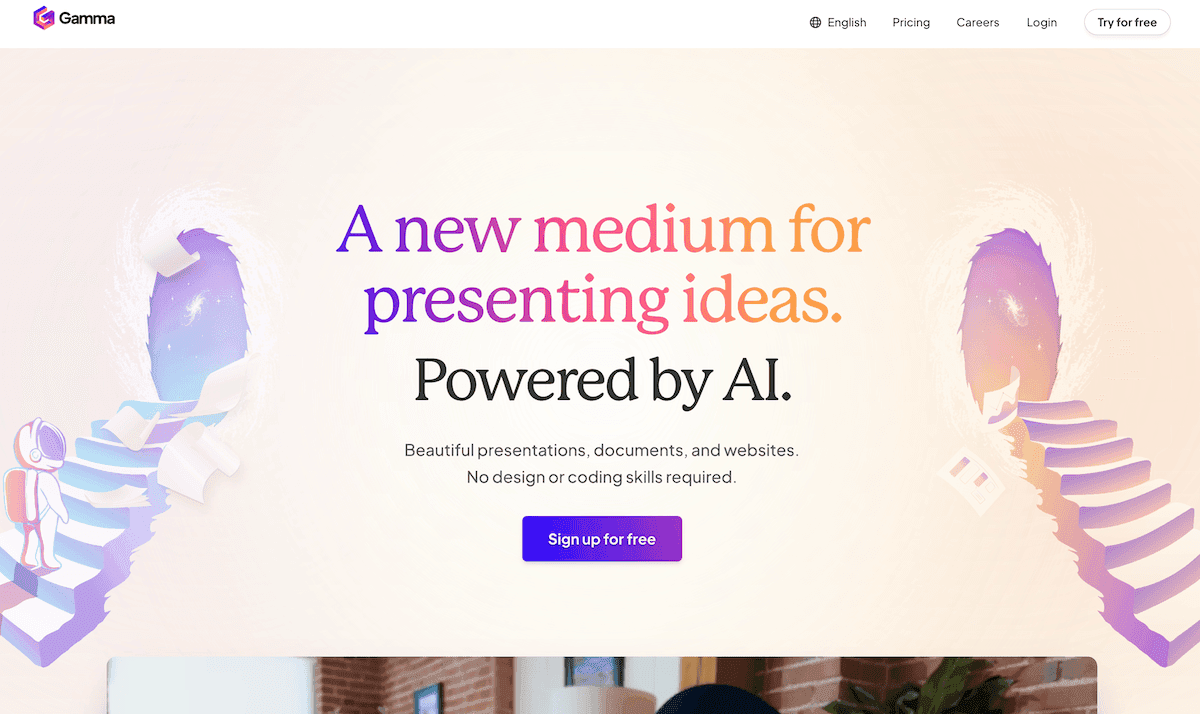
3. Kuraplan – Skeletons for Wild, Student-Driven Narratives
The best stories are never linear—and neither are most units worth remembering. When it comes time for a big, group-driven project (like our “microhistory from a family heirloom” or simulated scientific journal), I start with Kuraplan. The trick? Instead of scripting every day, Kuraplan helps us draft a flexible arc: inciting incident, research montage, plot twists (detours), group reflection checkpoints, and the all-important final exhibition. I toss in student side-quests (“let’s podcast the interviews!”) and move scenes around until the whole class feels like they own the journey. The result: real rigor, but with enough blank space for students to become co-authors—not just “readers” of my plan. No AI supports authentic classroom story-structure quite like this.
Try Kuraplan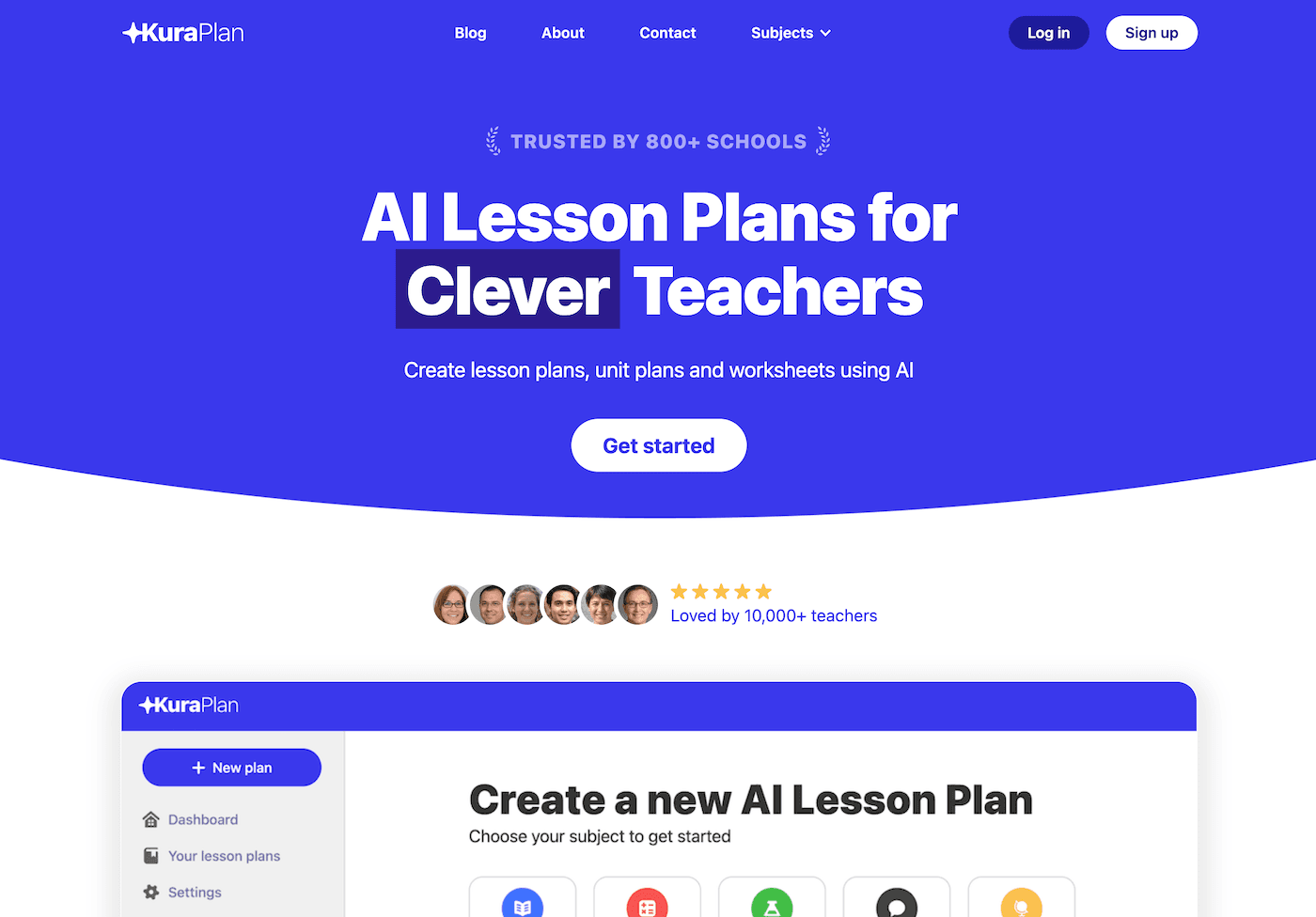
4. Fliki – Publishing Student Stories, Not Just Assignments
I used to collect student stories as handwritten essays or rambling Google Docs, but my proudest moments came when students turned their writing into performances. Fliki made that frictionless: script or summary in, video or podcast segment out—complete with AI narration (which my anxious teens adored for “voicing” their alter egos). We turned six-word memoirs into class video anthologies, made history “hot takes” for morning news, and built a digital showcase of science explainer stories with zero editing stress. Suddenly, every project became a broadcast, and the wall between writers and audience fell away. For the first time, English learners and quiet students published loud classroom stories their peers actually wanted to hear.
Try Fliki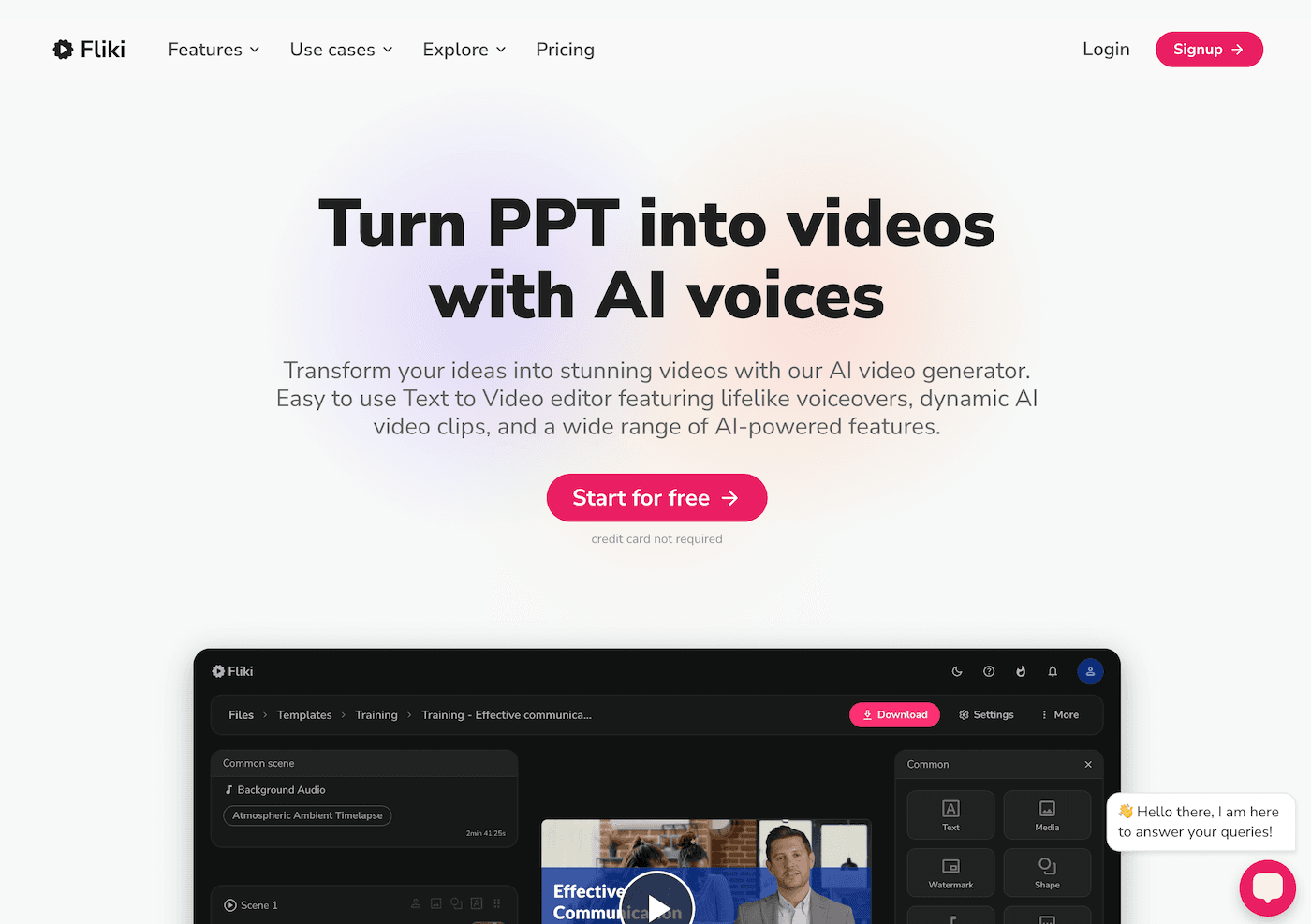
5. Jungle – Turning Reflection and Revision into Story Beats
No great story skips the struggle—the revision, the misfire, the “try again” montage. After every unit, I gave students the task: craft a “plot deck” in Jungle—three moments where they laughed, bombed, or changed course. The AI turned these into flashcard games, reflection prompts, and even collaborative review showdowns. We held “plot twist tournaments” where the most honest reflection (or wildest group fail) won real recognition. The best student narratives included a bad day, a recovery, and advice “for the sequel.” Jungle’s workflow turned “just another review” into our own classroom lore—students even made ritual decks for the next year’s incoming class.
Try Jungle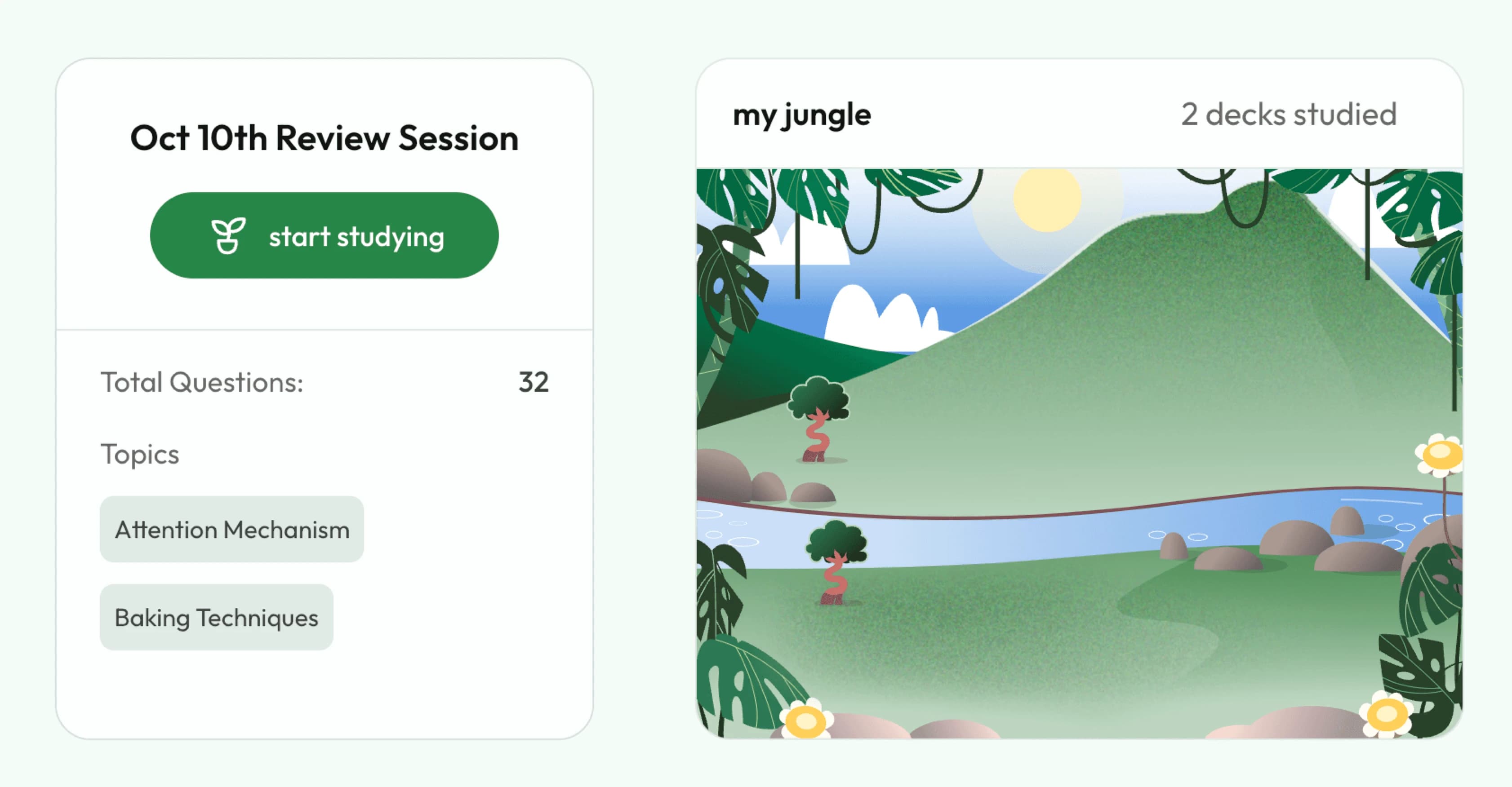
6. Suno AI – Every Unit Needs a Soundtrack
If you remember a movie for the music, your class deserves the same. Using Suno, my students and I built anthems for everything: our “author’s journey” (a script-writing competition), the pre-test “Fear Not” ballad, scientific breakthroughs, and even project postmortems (“Ode to the Volcano That Never Erupted”). With just a one-liner prompt, Suno generated original songs that we played at launches, transitions, celebrations, and, yes, after our best academic flops. Those tracks became audible evidence of the year’s story—SEL plus memory, laughter, and legacy, on demand. Even my most skeptical seniors asked to write “final chapter” ballads before graduation.
Try Suno AI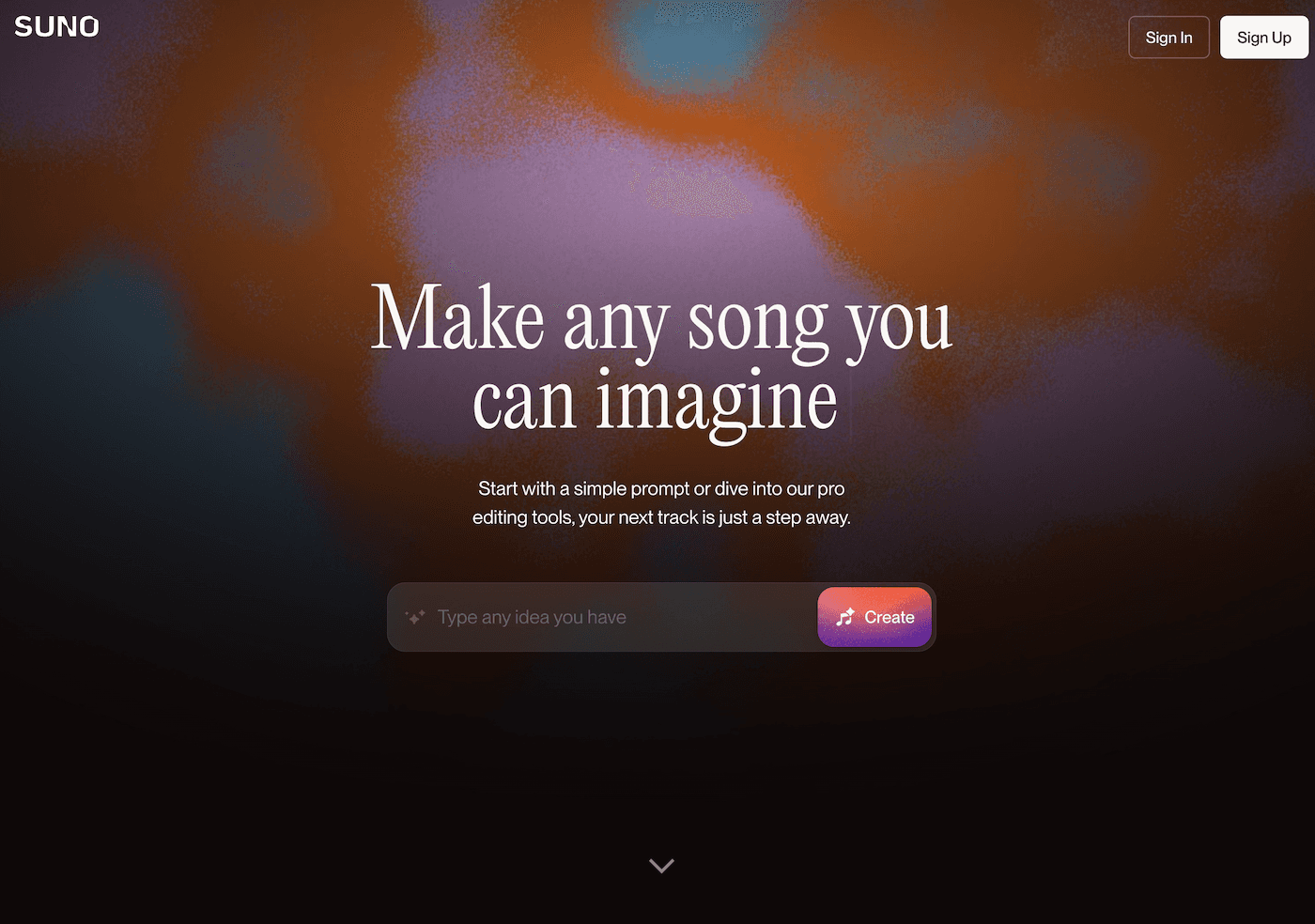
Closing Thoughts: Teaching Through Stories, Not Scripts
If you see your work as storytelling first—content delivery second—here’s my advice:
- Archive the chaos. Use AI to make your classroom’s outtakes, rants, and victories visible both to you and the world.
- Let structure be a scaffold, not a jail. Tools like Kuraplan and Gamma shine when you (and your students) keep revising the arc.
- Celebrate and publish every act—not just the last page. Broadcast, remix, and ritualize every part of your community’s narrative.
- Don’t fear the tangents. The best learning stories zig and zag, and AI can help you remember—and retell—them with pride.
What’s the wildest, funniest, or most inspiring classroom story you’ve ever told, or had your students tell? Drop a tip, workflow, or favorite AI-powered “plot twist” below—we’re all writing the next chapter of teaching together.