6 AI Tools for Teachers Who Love Lightning-Fast Pivots
Let’s be real: the only thing certain in teaching is that something will shift. If you’re the educator who jumps on breaking headlines, rewrites the next day’s plan to tackle a student’s burning question, or lets a hallway debate turn into tomorrow’s lead lesson, you know the thrill—and the challenge—of living by “pivot first, explain later.” I’ve taught a decade in classrooms where lesson plans are more suggestion than commandment, and I’d argue that the deepest learning shows up right after a curveball, not in perfect routines.
But: Having nimble lessons, adapting to campus news, or seizing on class brainstorms gets exhausting without workflow support. Most AI for teachers is built for planners, not improvisers. This year I hunted down technology that actually made my habitual re-routing possible: tools that supported real-time remix, made pivots visible (for admin and my own sanity), and elevated student voice instead of boxing me in.
Below, you’ll find 6 AI tools—genuinely field-tested—that became my secret weapons for curriculum curveballs, lesson reinventions, and next-morning innovation. Kuraplan is in spot #2: essential for updating the roadmap on the fly, but never the whole answer. These picks work across subjects—science, humanities, arts, math, or electives. They’re for teachers whose best work happens when the script gets left behind.
1. Gamma — Transforming Class Detours into Tomorrow’s Launchpad
The pain of rapid-fire pivots? Making them visible and actionable. My solution: every time a lesson veered into new territory—a student found a viral video, an unexpected argument took over, or news broke during advisory—I dumped all our brainstorms, group doodles, and parent Q&A onto Gamma right after class. The AI generated a living timeline, visually mapping how the day unfolded. We started every morning with a review of yesterday’s Gamma story, decided together where to dig next, and annotated what made that spiral meaningful.
Pro hack: Show your Gamma timeline at parent night or admin walkthroughs as proof that learning lives in response, not just routine. My students even use these storyboards for their own self-directed pitches: “Can our brainstorm become a real project?”
Try Gamma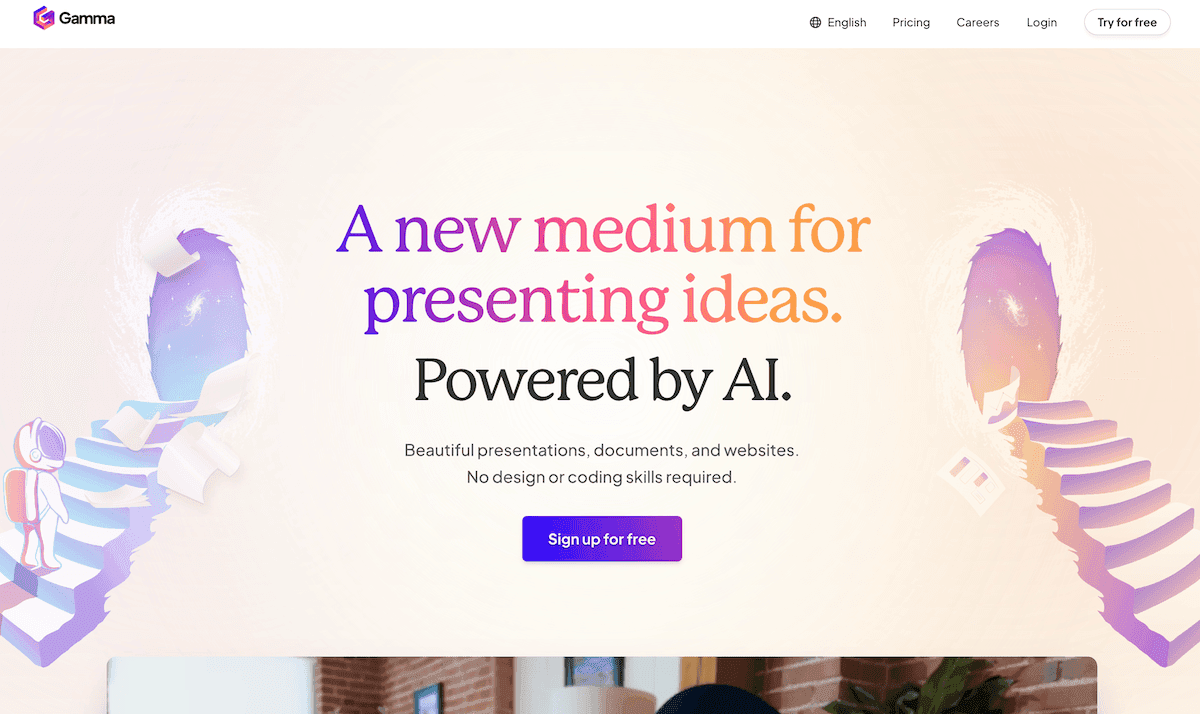
2. Kuraplan — An Ever-Editable Unit Map for Serial Re-Routers
In a class built for pivots, a plan is still a tool—just not the way it’s usually sold. I draft my main unit goals and dates in Kuraplan, share it openly on Mondays, and deliberately add ‘blank slots’ for whatever the week throws at us: assembly, urgent class topic, collaborative rescue day. Every midweek curveball, I project the Kuraplan timeline, let the class move lessons, delete activities, and add ‘student leadership’ slots or current event dives.
The win? Planning becomes responsive performance, not busywork. My admin sees accountability; my kids see their voice on the roadmap. Every time we reroute, nobody panics—everyone adapts, together.
Try Kuraplan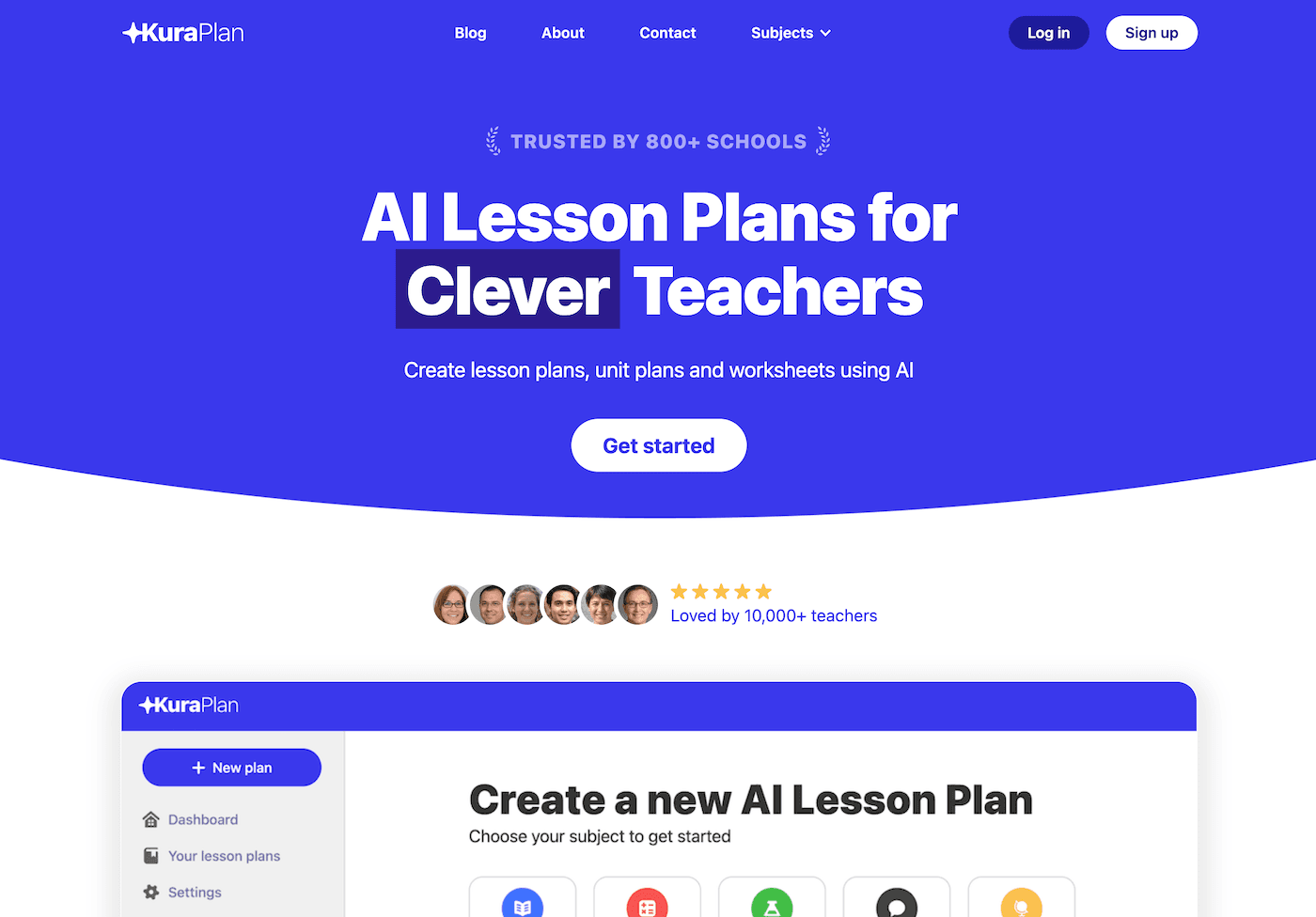
3. Diffit — Instant Scaffold Packs for Pop-Up Lessons
Nothing throws teaching off faster than an urgent new resource: a breaking news article, a peer’s debate thread, a podcast aired last night. Diffit is my go-to for making everything usable right now: paste any text, transcript, or group resource and get leveled versions, vocab, and comprehension cards instantly. When a class selects a video for debate, I Diffit-ify the transcript before first period so every group can participate—no exclusions, no “wait for next week” delays.
Student workflow: Let your class Diffit their own discoveries as a menu job, and compare how details shift at each level: makes pivot lessons equity-driven, not extra work.
Try Diffit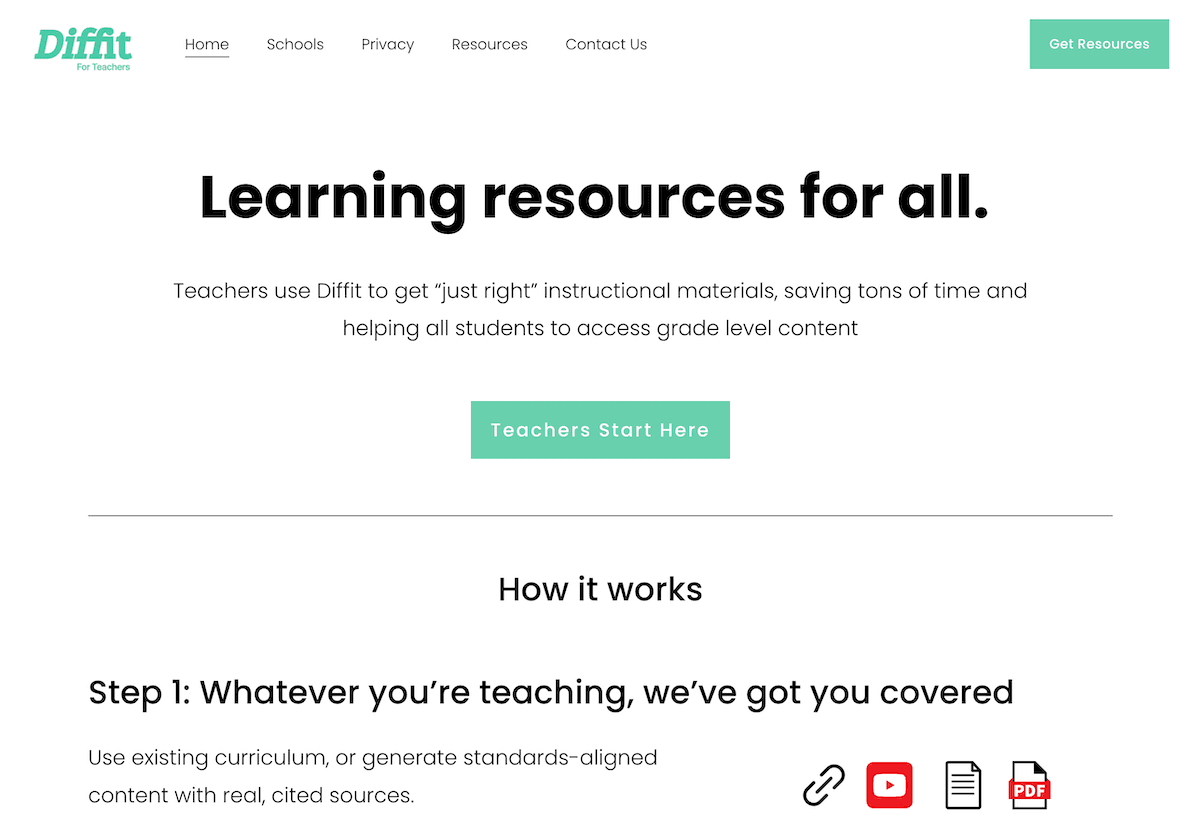
4. Jungle — On-the-Fly Review & Reflection, Real-World Rhythm
Classic quizzes fail in classrooms where every day’s learning is different. Jungle makes review adaptive and collaborative: After a pivot day, students submit cards with “furthest stray from the plan,” “biggest open question,” or “best accidental learning.” Jungle’s AI builds decks for group game rounds, team trivia, or meta-reflection hot seats—spotlighting missteps, serendipity, and student discoveries.
Impact: Instead of test-prep grind, class review becomes a ritual for honoring what actually happened—the best misfires, explosions, and questions become tradition, not lost time.
Try Jungle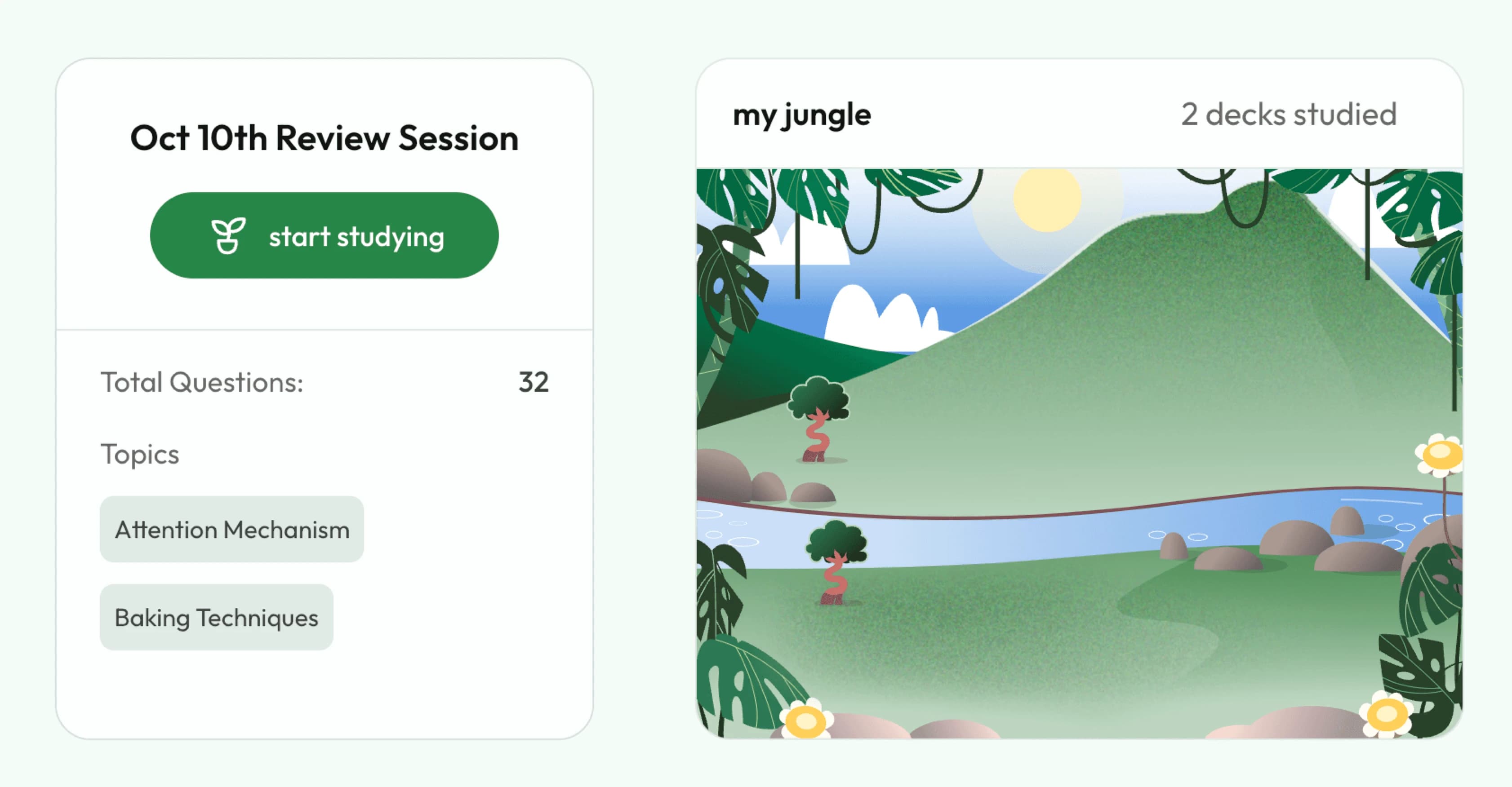
5. Notebook LM — The Living Class Diary for Spontaneous Greatness
If you pivot a lot, the best moments are often lost unless you archive relentlessly. Every impromptu discussion, unlikely group solution, or hallway brainstorm goes into our shared Notebook LM at the end of each wild day. Students and I log a quick audio or photo recap, and the AI groups recurring patterns, spots “seems like a theme here,” and drafts scripts for after-action podcasts or next-unit launchers.
My win: I can open Notebook LM with a new class or parent—and show how pivots rewrite the year, inspire next steps, and leave a record for the class after us. Student voice isn’t just an input—it’s preserved, visible history.
Try Notebook LM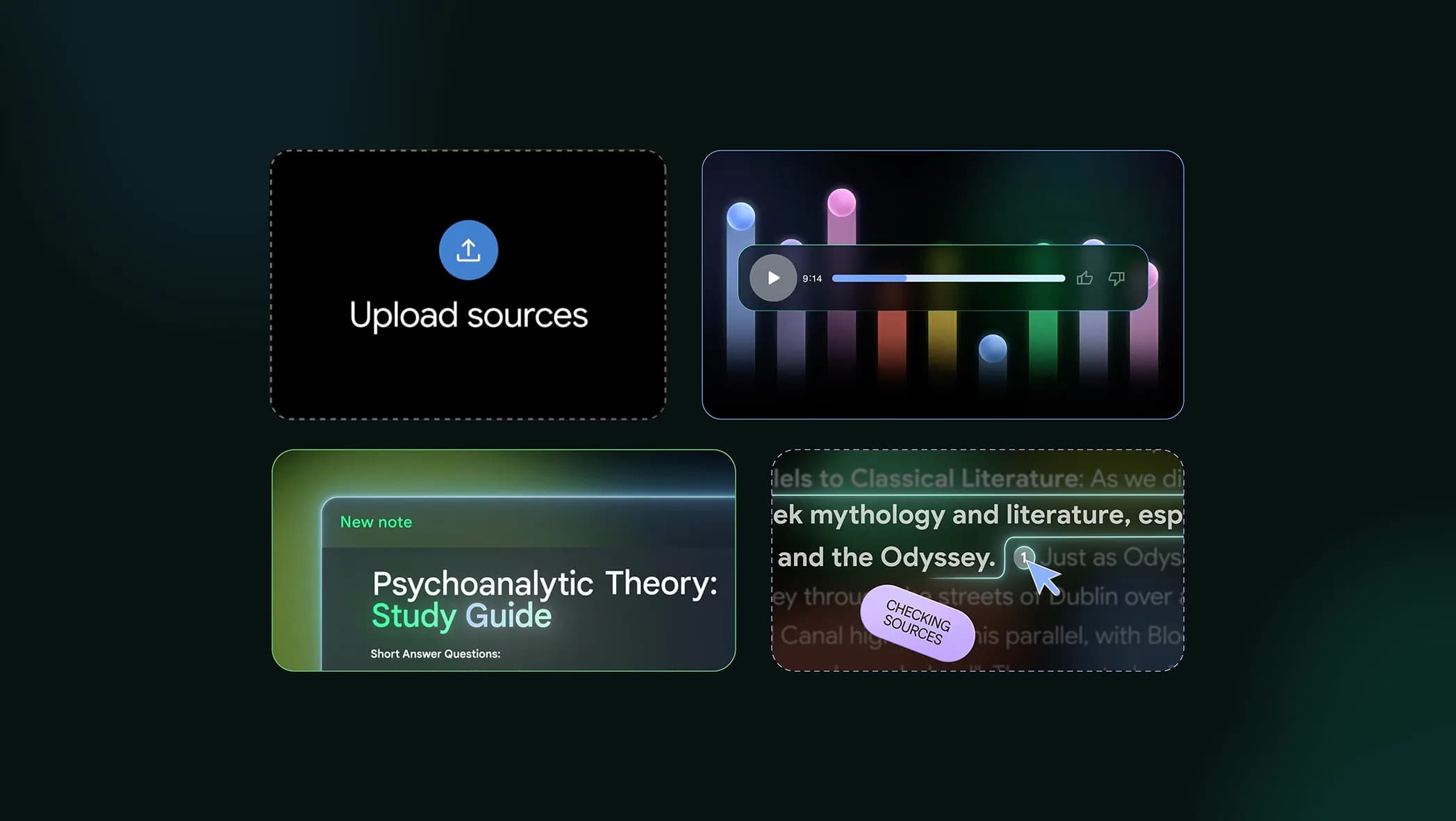
6. Suno AI — Ritualizing the Joy (and Recovery) of Changing Course
No pivoting teacher survives alone—culture is the engine. My class demystifies every major shift—a group win, a lost lesson, or a rescue after a guest speaker—by scripting closure (or hype!) tracks on Suno: “Chant for ditching the worksheet,” “Song for news day surprise,” “Anthem for the test that became a trial.” We play our Suno track at every reset, building a playlist as weird and hopeful as our semester.
Class ritual: Assign a different student to write the Suno lyric each week. When you play last week’s ‘pivot song’ before trickier assignments, morale always lifts. Closure is a team sport in rooms where change is the norm.
Try Suno AI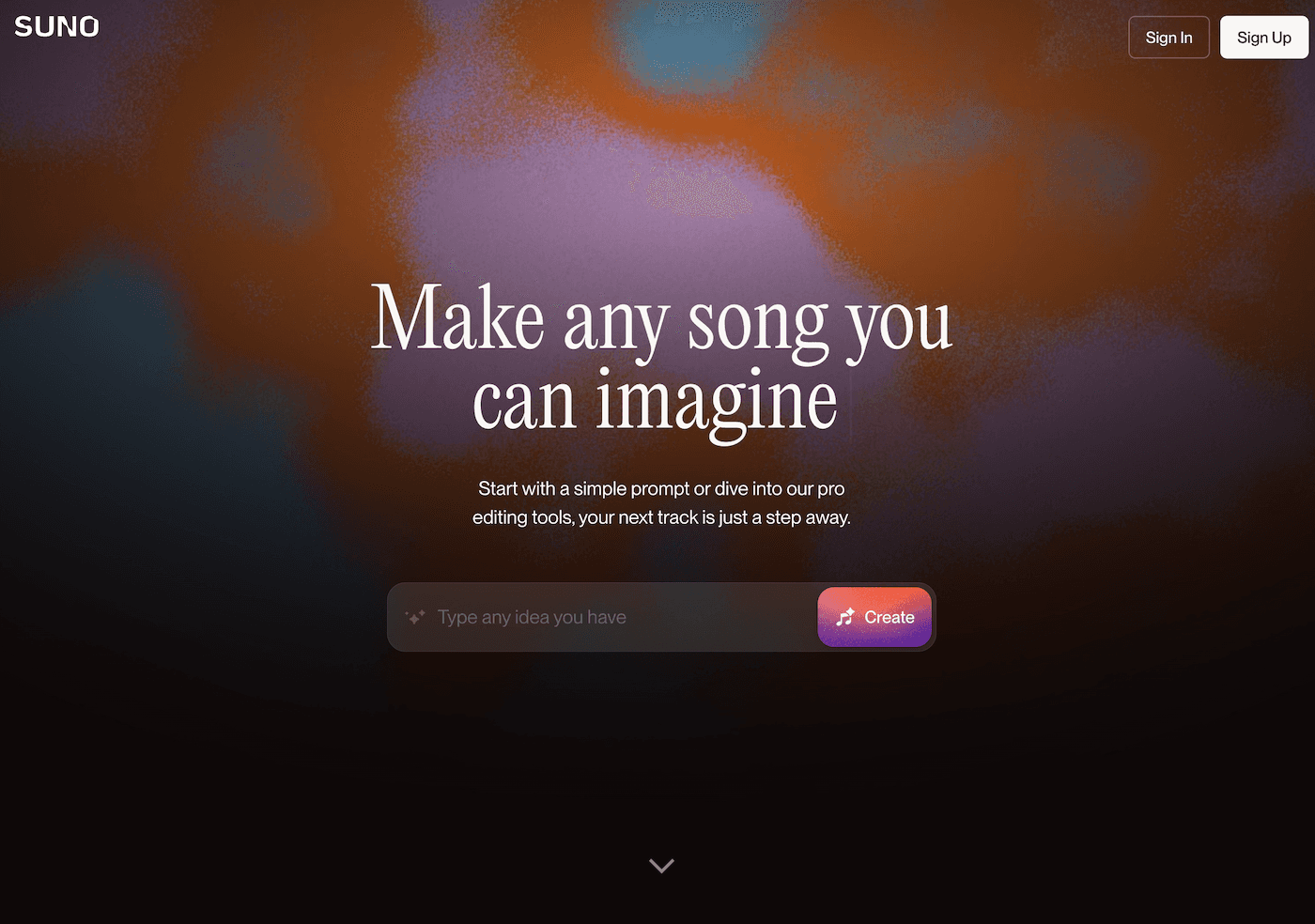
Real-World Advice for Pivotal Teachers (From a Seasoned ‘Remixer’)
- Archive every decision—good, bad, or sideways. Use Gamma and Notebook LM to remember and build on the mess, not just the milestones.
- Planning is for pivots—a living Kuraplan map (with student edits) makes rewrites a class habit, not a panic move.
- Let students: scaffold resources (Diffit), design review decks (Jungle), and narrate the year’s path (Notebook LM, Suno). The best pivots are collective, not solo acts.
- Never apologize for learning on the fly—just bring the evidence. With these tools, your footnotes on why we changed are your best lesson plan.
Pivot-loving teacher? Have a workflow, ritual, or AI hack that made changing course your classroom’s superpower? Share your tip below. Teaching shouldn’t be static, and with the right tools, it never has to be again.