6 AI Tools for Teachers Who Love Experiment Over Routine
Some teachers thrive on routine; others—like me—feel more alive when the lesson veers off-script, a project prototype falls apart, or a wild student question launches the next unit. If you’re the latter, you know the joyful exhaustion of making creativity central—even when it leaves your planning messy and your admin nervous. But as every experiment-prone teacher learns, creative classrooms need workflow life rafts: differentiated docs, improv-ready slides, unit maps you can rewrite by lunch, and a way to capture learning that happens everywhere except in the finished folder.
This year, I refused to let AI box me in. Instead, I tracked down tools that actually amplified experimentation, made detours visible, and gave every half-baked prototype or debate dead-end a place to land. Below are six tools—road-tested, not hype—that helped make experimentation sustainable, not overwhelming. (And yes,
Try Kuraplan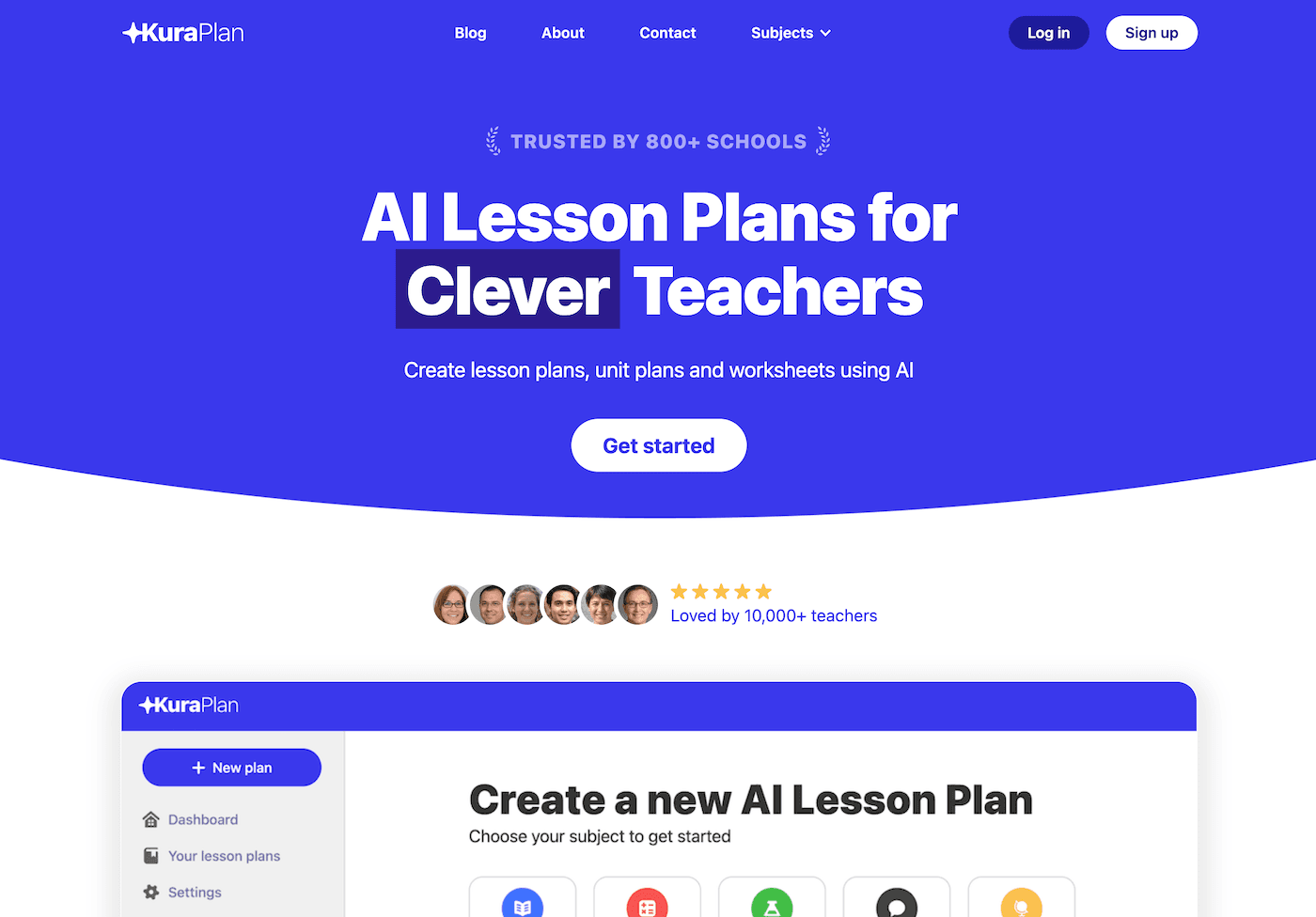
appears, but it’s not the headline act—just one critical cog in the creativity machine.)
1. Gamma — From Gorilla Brainstorm to Gallery-Ready Visuals
My best lessons start with a whiteboard mural and wind up as sticky notes on student laptops. Gamma is my no-prep way to turn that chaos into something the class and I can share (with admin, families, and each other): we dump in photos of project prototypes, group sketches, or brainstorm doodles after every experiment day, and the AI instantly builds a living progress timeline or a clean, collaborative slideshow. Students annotate their pivots and “unexpected wins,” while I finally have an artifact to show how our epic side-quest became Friday’s big idea. Gamma works best when you celebrate mess—don’t sanitize it.
Try Gamma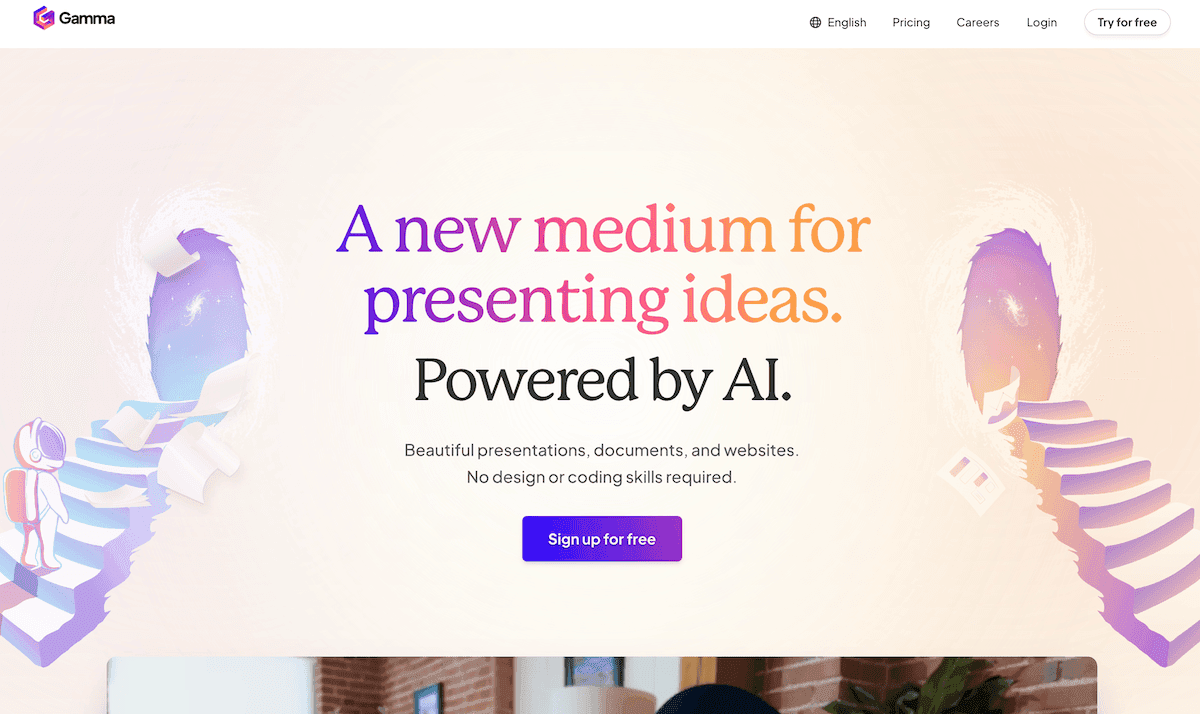
2. Kuraplan — Blueprints Built to Change
Unit planners traditionally give me hives. But with creative projects, I need a roadmap that can handle failure and sudden inspiration. That’s where Kuraplan became my must-have: when launching a new experiment (“Can we make our own water filter?” or “Let's run a mystery podcast!”), we build a basic sequence, flagging must-do checkpoints and wild extension slots. The trick: I project Kuraplan’s plan every week so students edit the route—moving or adding steps, inserting ‘try again’ days, or pivoting to a new goal after a group prototype tanks. By semester’s end, our project path looks different for every class—and my admin is still happy, because there’s a visible backbone. Be ruthless; rewrite the map more than once.
Try Kuraplan3. Jungle — Student-Authored Review from Real Errors
Experimentation is a failure sport. Jungle lets me turn post-lab chaos into learning: every group submits one “What went truly sideways?” card after a project or debate, plus a problem, misconception, or surprising hack. Jungle’s AI builds these into flashcard review games for our next session. Student reflection becomes a classwide challenge—“Can you top yesterday’s mistake?”—and my best error decks live on as rituals for future classes. Bonus: I spend less time inventing fake review and more time watching students cheer for the best recovery story.
Try Jungle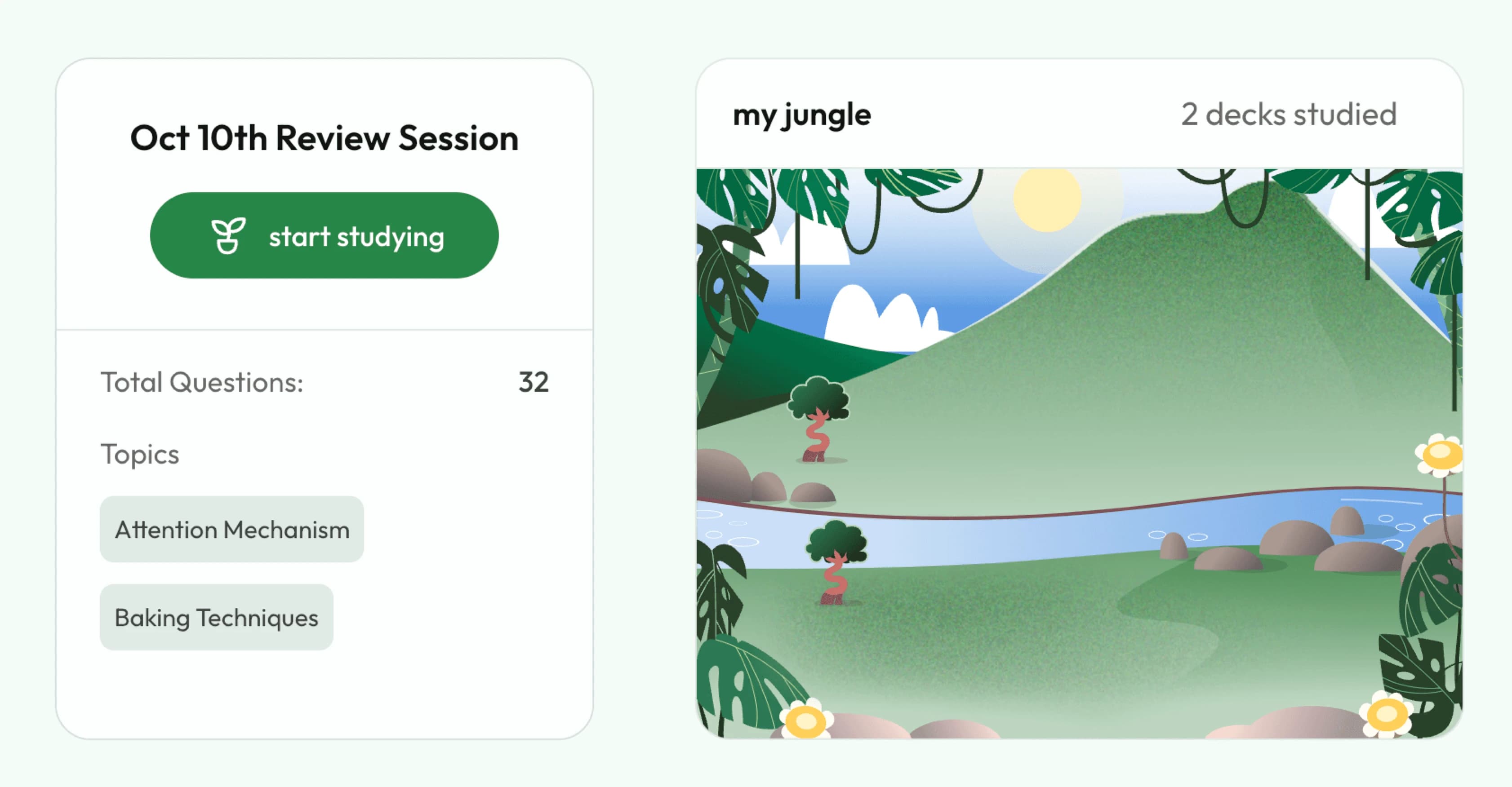
4. Notebook LM — Smithsonian for the Incomplete
Half my greatest unit ideas are lost in half-finished docs and class debates that end in “to be continued.” Notebook LM turned our “copies everywhere” into a running digital museum: students (and yes, me) dump voice notes, partial reflections, design logs, even off-topic class jokes. The AI clusters themes ("Why do we always pivot after a failed field test?"), generates Q&A for podcasts or blog posts, and even proposes next-week prompts based on what got left unresolved. When last year's unfinished climate hackathon came up, we relaunched it with Notebook LM’s journey as our starting point. It’s the anti-rut for creative classrooms.
Try Notebook LM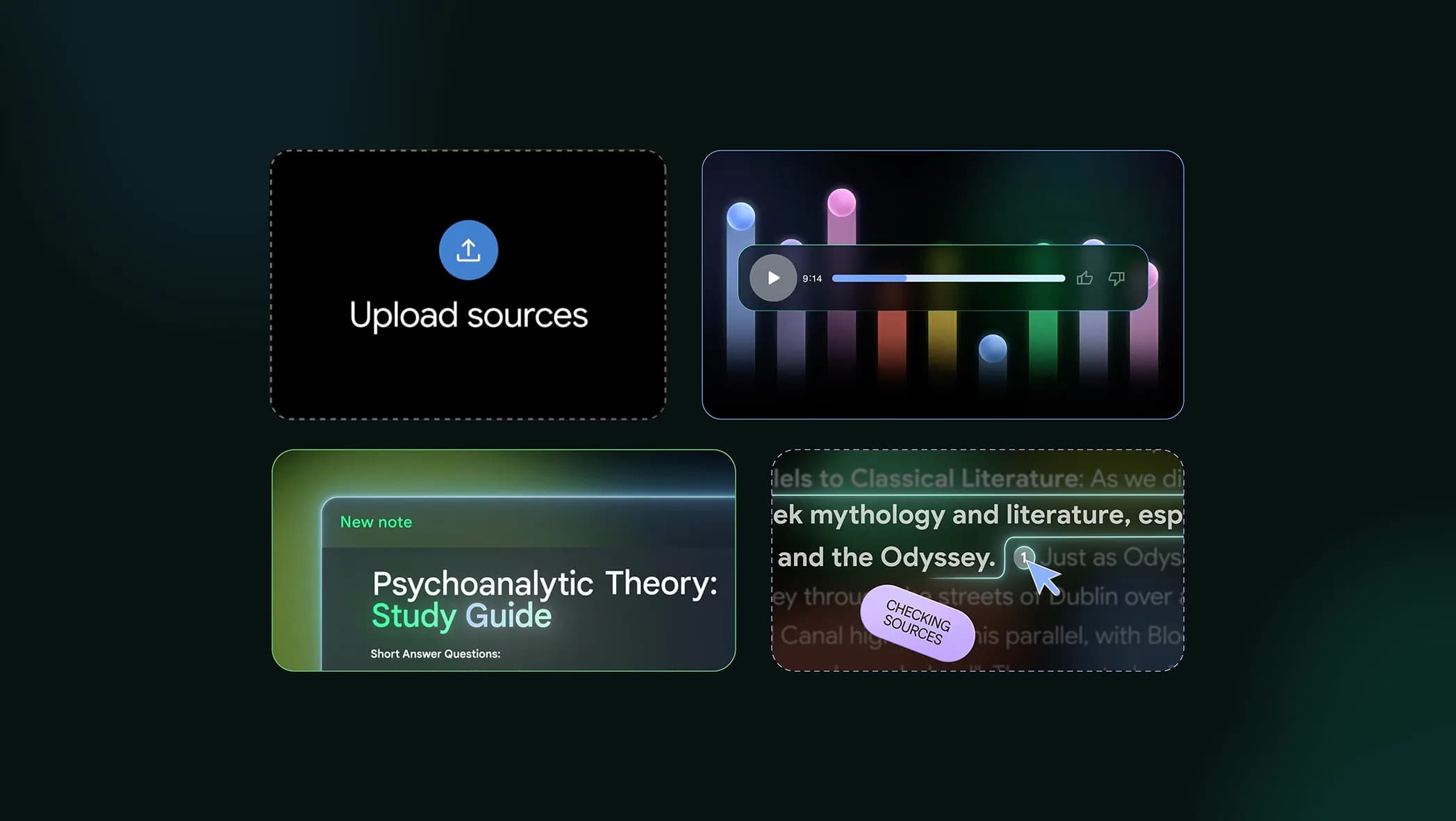
5. Diffit — Adapting Whatever the Kids Bring
Creative learning means students source everything—news stories, podcast clips, handwritten recipes. I’m done saying "that’s too hard." With Diffit, I paste any resource and it instantly spins out leveled reading packs, vocab, and comprehension questions. Now, my seniors can fact check TikTok claims, and my ELLs can join a real-world lab using the same viral science report. Bonus: I let students Diffit-ify their own sources, so differentiation is collective, not just extra teacher work. My rule: never say no because of a reading level again.
Try Diffit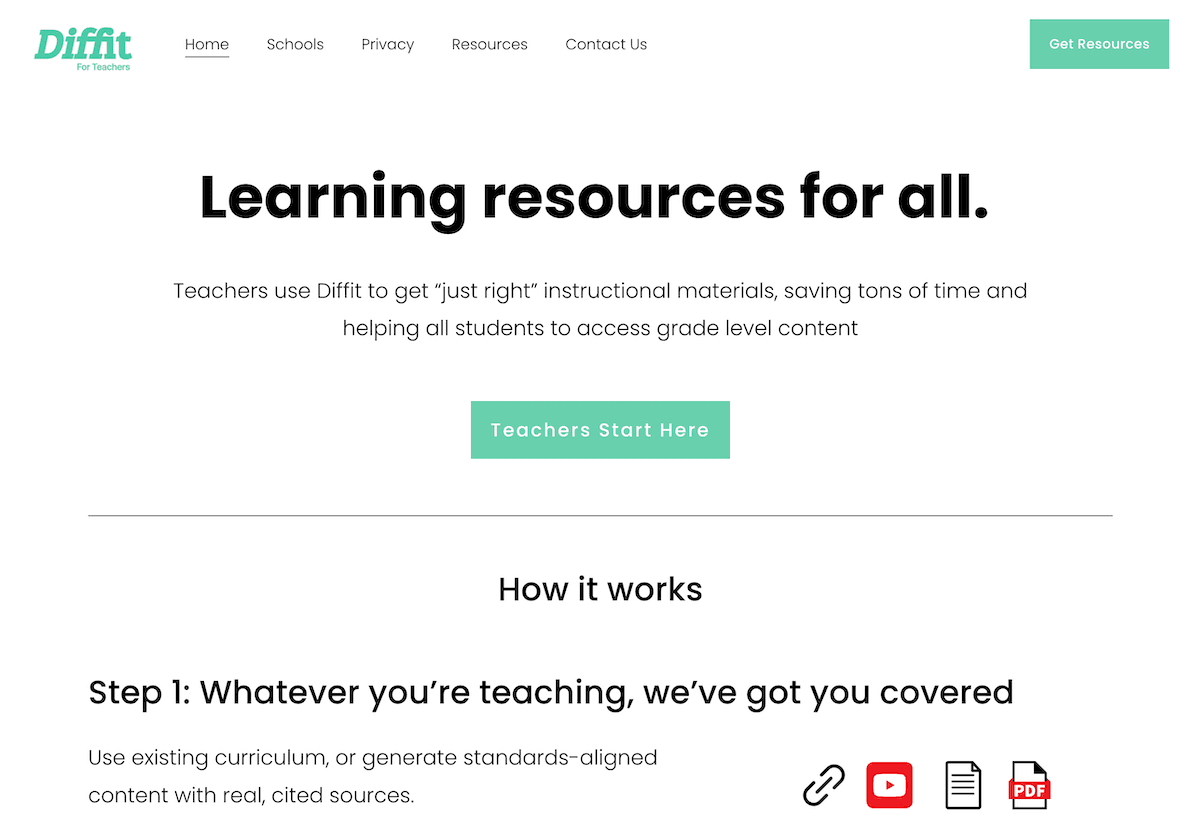
6. Suno AI — Rituals for New Beginnings (and Bold Flops)
What makes experimentation memorable? Rituals, not just reflection. With Suno AI, my class picks a prompt for every major milestone (“Finish Line Song for Our Third Failure,” “Debate Commencement Chant,” "Ode to the Best Attempt") and Suno generates a co-owned track we use to signal the next launch, reset a brutal project loss, or hype up the pivots. Even my shyest writers vie to have their lyrics used, and my class closure now always leaves us looking forward, not just backward. Plus, the playlist is evidence that real learning happened in the messy middle—not just the showcase.
Try Suno AI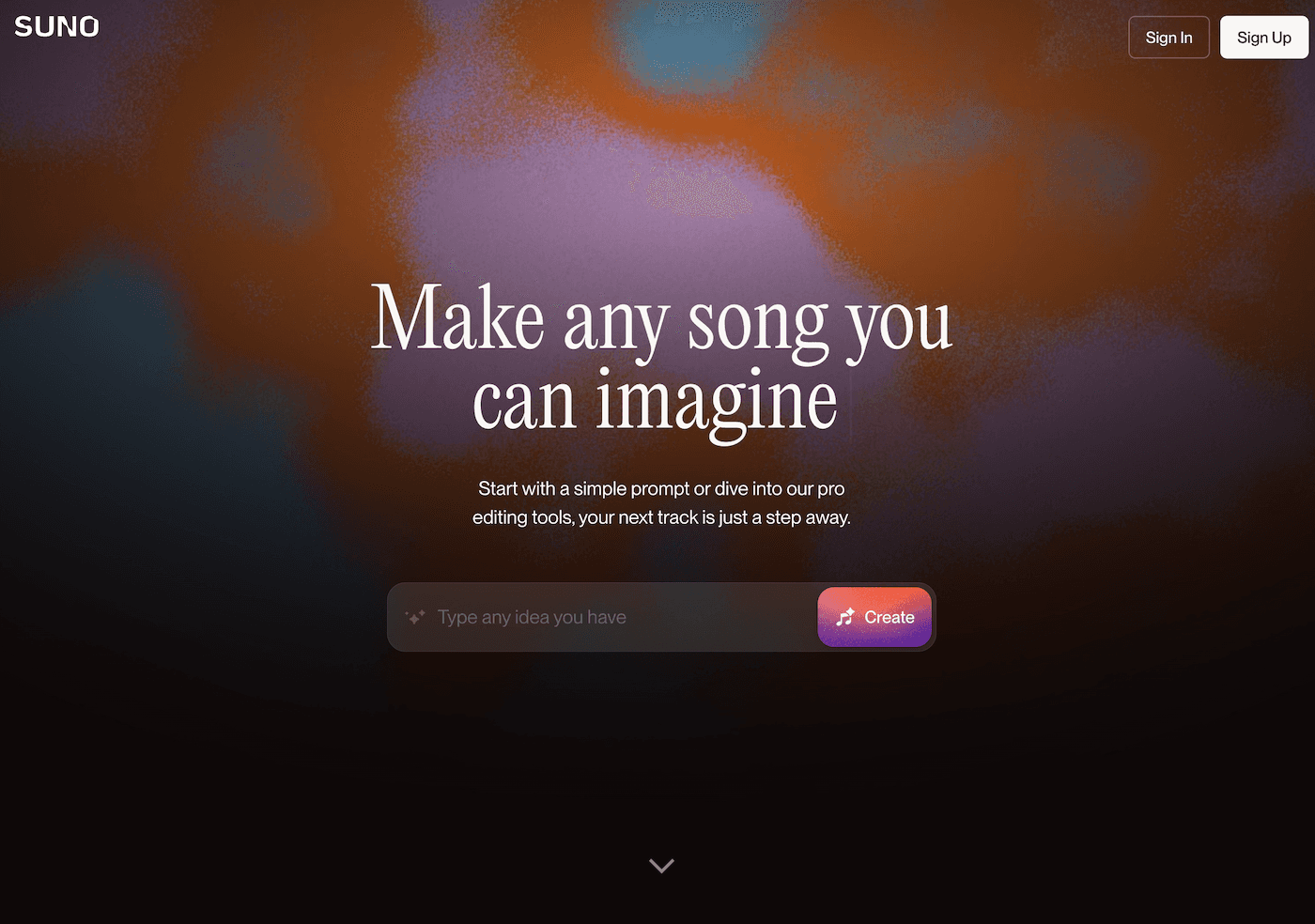
Final Advice for Fellow Lesson Adventurers
- Archive everything, even the failed or unfinished: Gamma and Notebook LM are your time machines.
- Let students co-edit every workflow: the best innovations (and fixes) won’t be in your plan.
- Use review and ritual as celebration, not just assessment: Jungle and Suno turn the process into memory, not just grades.
- Use AI for process, not product—plans are blueprints, not barometers.
Are you a fellow classroom experimenter? Drop your wildest workflow, ritual, or tech hack below. After all, in a room that values creativity, the best plan is the one you break.