6 AI Tools for Teachers Who Love Surprises
Some teachers love neatly organized lesson plans. Others… secretly live for the chaos—the student questions that derail your slides, the lab failures that become teachable moments, or the discovery that what you didn’t plan out loud is what students remember.
If you’re the kind of teacher who invents half your best lessons on the train, lets student debates run wild, or believes the best learning often happens off script, this list is for you. I spent this year hunting for AI tools that didn’t just automate the routine, but helped me say yes to curiosity, jump on unexpected teachable moments, and actually make space for the best unplanned discoveries.
Beware: these tools won’t make you more organized (sorry!). But they will help you work with the surprises, not against them—and, yes, I’ll explain where
Try Kuraplan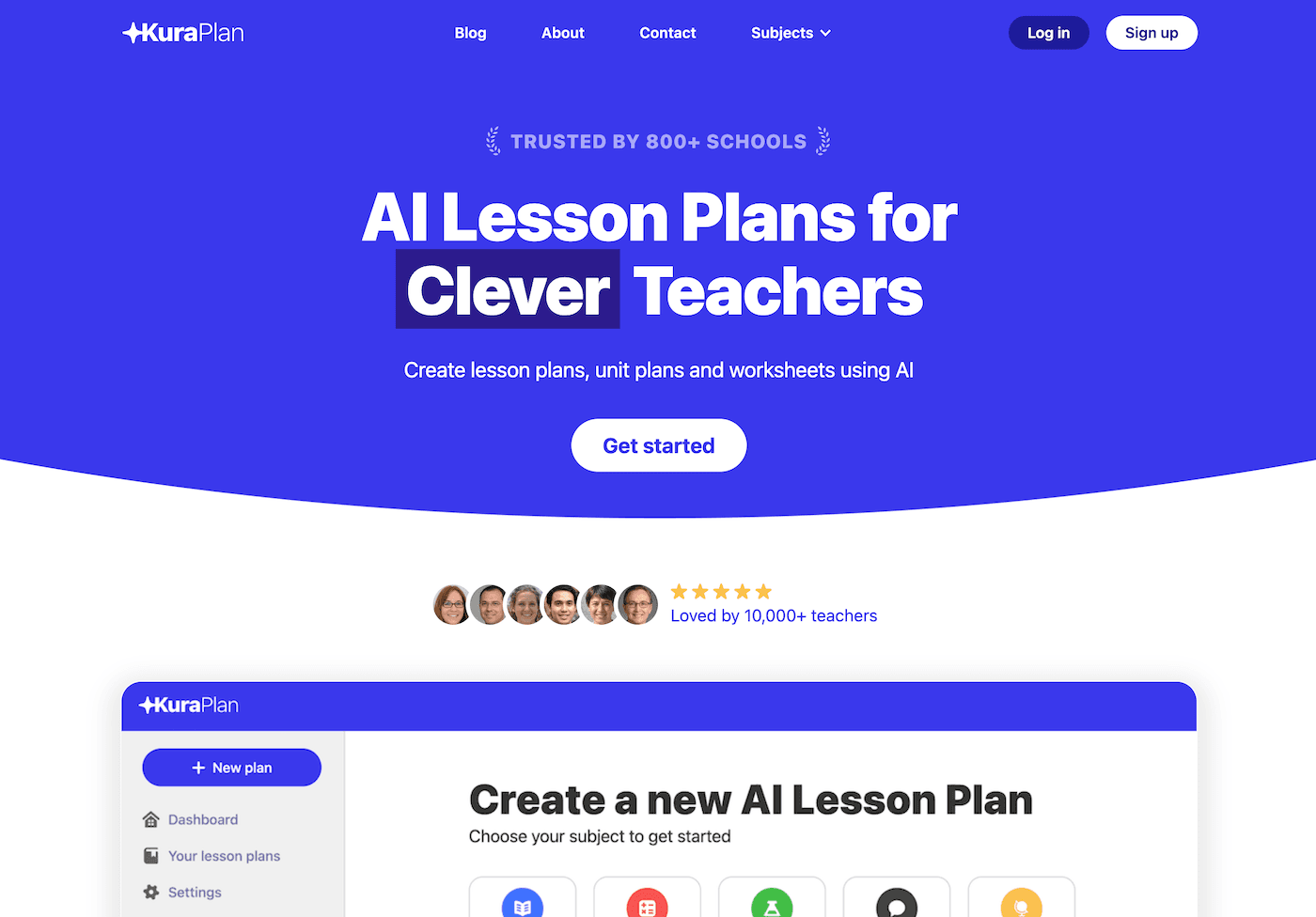
fits in if you’re more jazz band than orchestra conductor.
1. Notebook LM – Turning Chaos Into Curiosity
Let’s be honest: every wild class leaves a trail of sticky notes, half-finished group docs, student-doodled questions, and “Hey, can we learn about…?” suggestions you can never quite wrangle into a lesson. This year I started tossing everything—from random news links to wild student theories—into Notebook LM at the end of a unit. Here’s the magic: the AI organizes themes, connects dots, and even suggests a Q&A script that students can turn into a podcast (we call it the “Greatest Hits & Weirdest Questions” show). It’s now my end-of-unit ritual—the stuff we didn’t have time to answer becomes fuel for reflection, creativity, or a bonus project for fast finishers. Using Notebook LM helped my class see tangents not as distractions, but as a feature of discovery.
Try Notebook LM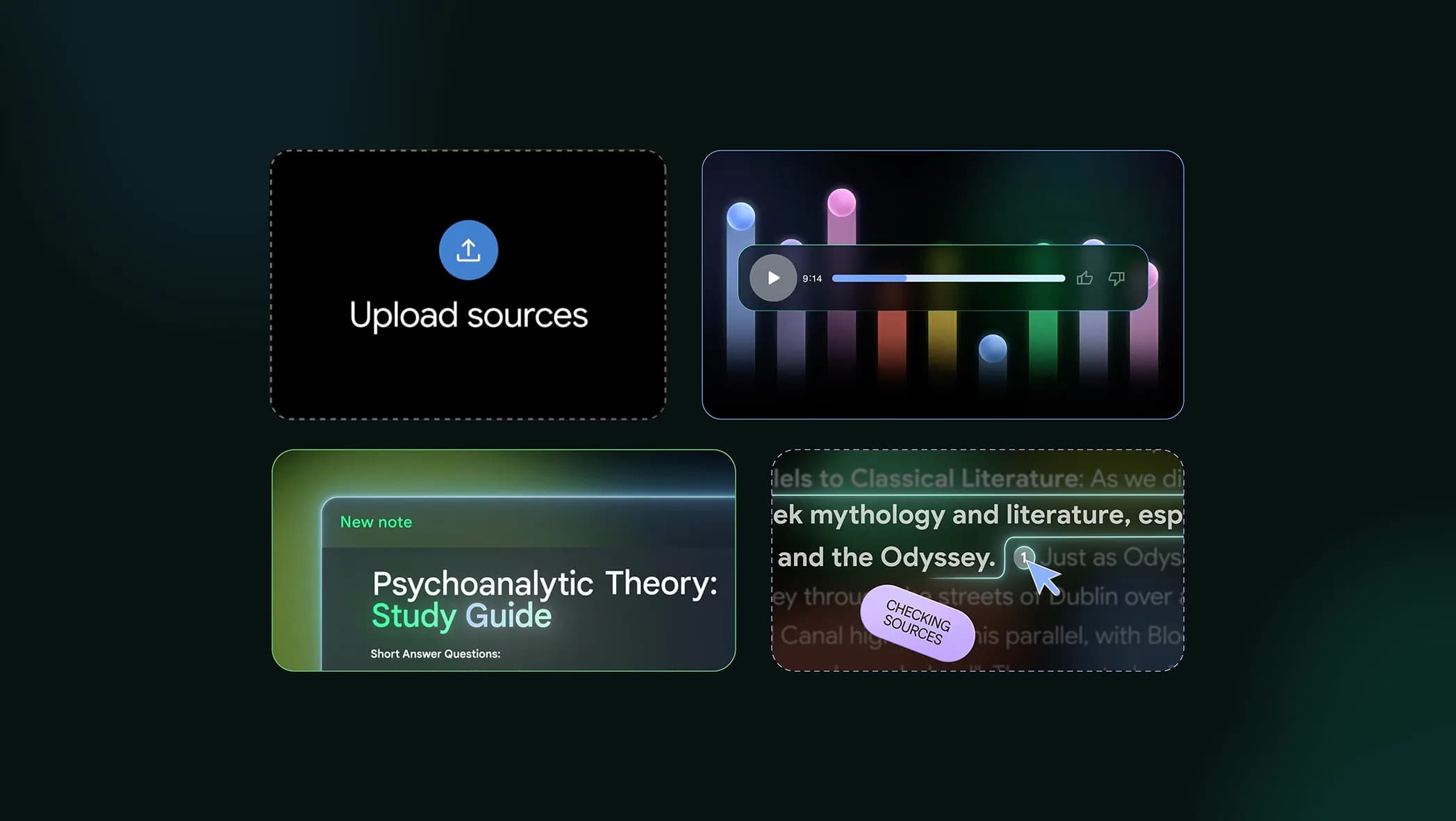
2. Jungle – Student-Created Review... on the Fly
Exit tickets and pop quizzes are fine, but the best formative check-ins come when students build the questions. With Jungle, I let kids (individually or in small groups) submit their “muddiest point,” boldest misconception, or silliest summary flashcard after a surprise debate, failed lab, or discussion derailment. The AI instantly builds a class game from those cards to use the next day. What started as a way to salvage unplanned lessons is now my top tool for making review collaborative, unpredictable, and (occasionally) hilarious. Bonus: I know exactly where to re-teach before test day.
Try Jungle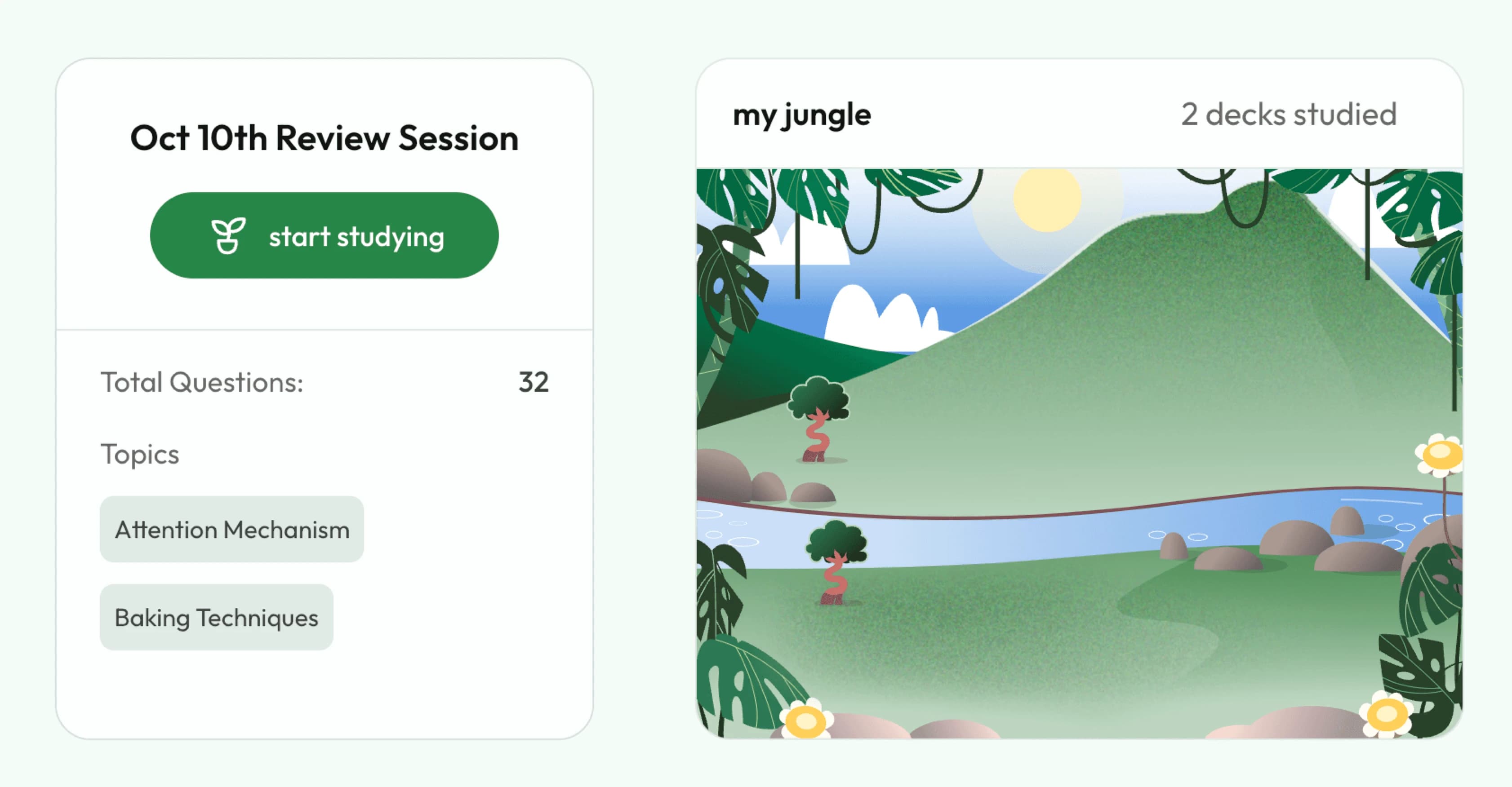
3. Kuraplan – The Safety Net (Not the Script)
Many colleagues use
Try Kuraplanto pre-plan semester units. My hack? I use it only after things go off the rails. When a project takes on a life of its own—students want to bring in a local expert, do a side inquiry, or extend their research—I plug the new focus into Kuraplan and quickly generate a “catch up” sequence: how to fold in standards, where to layer checkpoints, or suggest differentiated activities (especially when half my class is now two weeks ahead). Think of Kuraplan as the guide-rail that lets you say yes to sidetracks without losing sight of where you need to go.
Try Kuraplan4. People AI – Guest Interviews for That “What If…” Debate
Every time my students argued about ethics in science, politics in history, or “what would Shakespeare say?”, I wished for a guest speaker—until I tried People AI. When lesson energy lags or kids start debating today’s headlines, I let them choose a figure (real, literary, or imagined) and grill them live. The AI adapts, improvises, and sometimes stumps students with its own logic—fueling real, on-the-spot argument and debate with no teacher prep. We’ve improvised mock trials, character confessions, and even “debate club” afterschool using this tool. The best part: the next day, students come in still arguing, primed to go deeper (or research what the AI got wrong).
Try People AI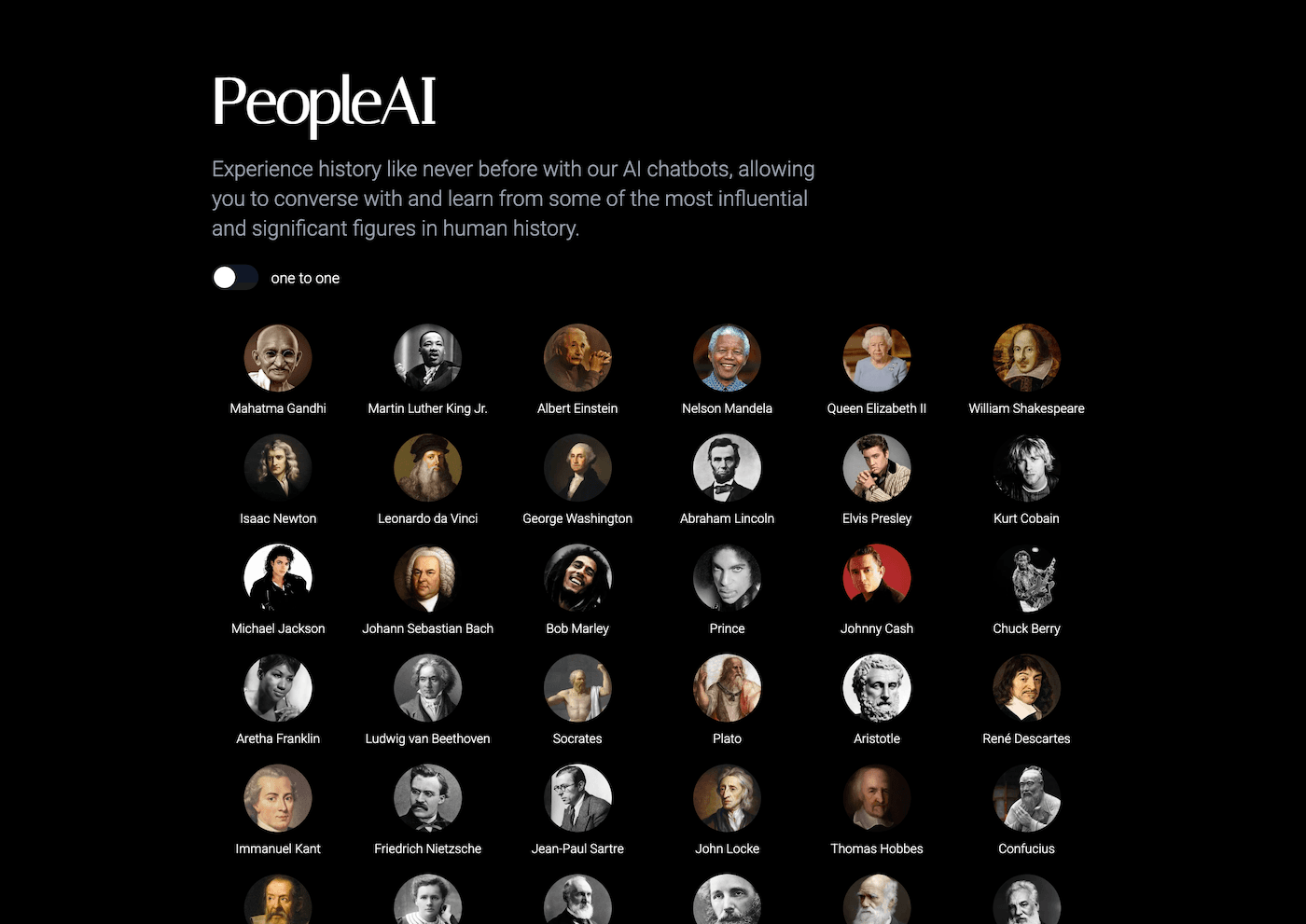
5. Gamma – Visualizing Class Detours Instantly
Class discussions, project brainstorms, and lab results never quite stay on script. Gamma is my shortcut for turning random scribbles, group notes, photos, and Google Doc chaos into a quick visual story. At least once a week, I’ll drop the class brainstorm into Gamma and have it spit out a rapid slideshow or concept map—instantly ready for student reflection, peer feedback, or as a springboard for the next project. It’s also my go-to for sharing learning “evidence” (and the wild paths we took to get there) at parent night, admin walk-throughs, or on sub days when my plan is toast from hour one.
Try Gamma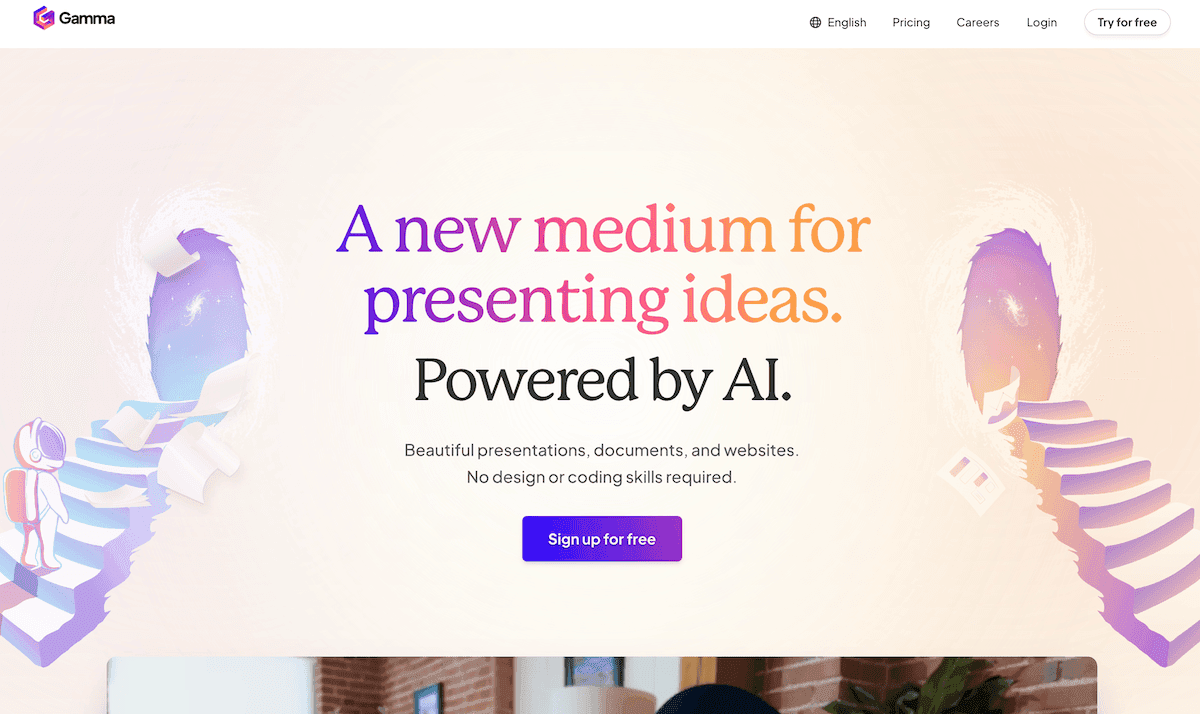
6. Suno AI – Songs & Rituals for Those “Pivot” Moments
This one’s the secret sauce: whenever the room is flat, the transition is a mess, or the lesson is spiraling, I crowdsource a student song prompt (“Celebrate finding water in Mars” or “Transition chant after the fire drill!”). Suno AI turns it into a new class anthem within minutes. The music breaks up awkward moments, marks pivots in our weirdest units, and makes every learning moment feel like a win (even when everything else flops). Some anthems now live on as class traditions (and my colleagues beg for copies before big tests).
Try Suno AI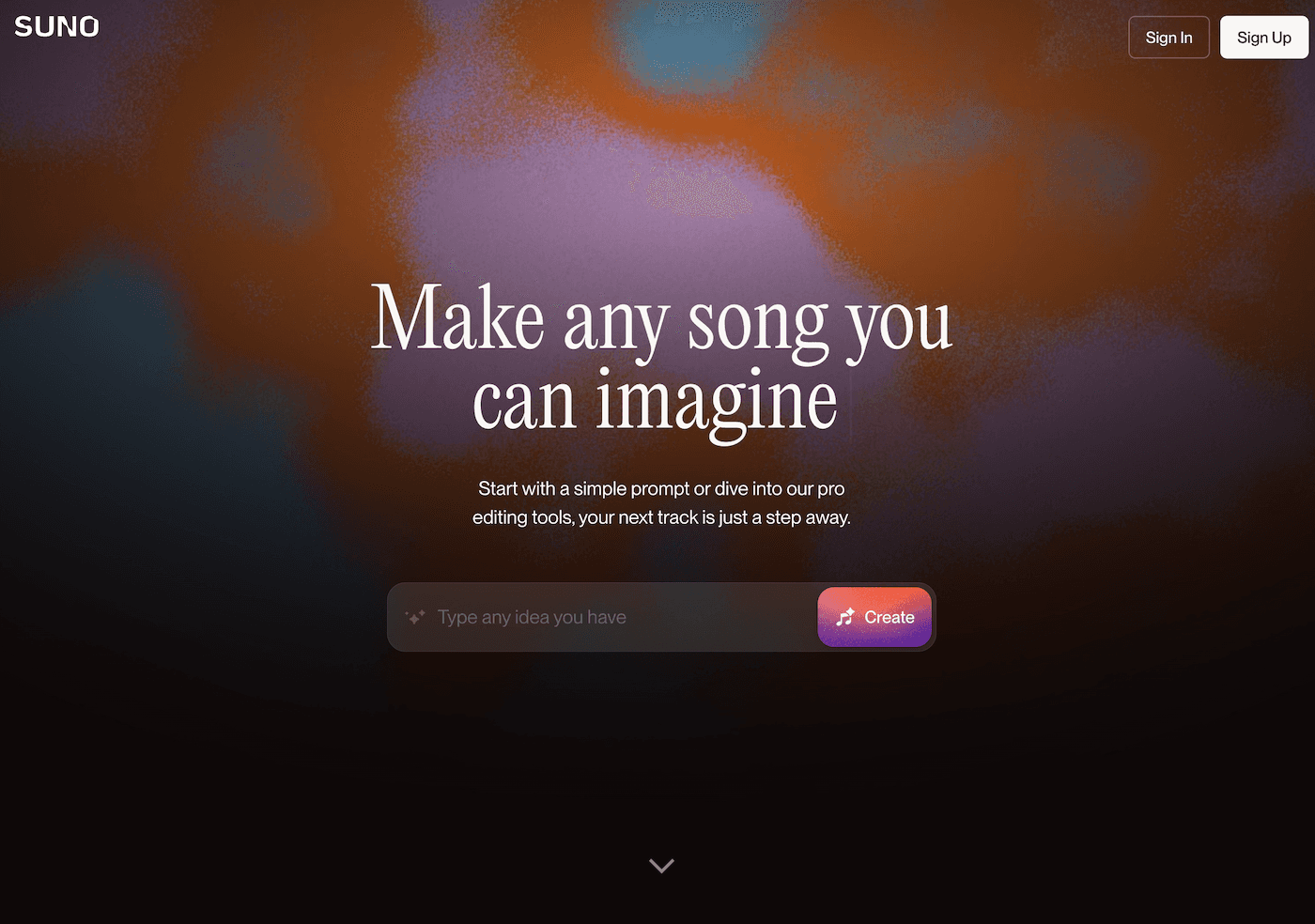
For Teachers Who Embrace the Unexpected
You won’t find perfect routines or tight scripts here—only practical, creative AI tools for classrooms that thrive on improv, creativity, and learning that bends, not breaks, with the mood of the day. My advice?
- Always let students drive at least one tool per week; they’ll find hacks and surprises you never expected.
- Use AI as a safety net, not a leash—say yes to the rabbit holes, detours, and brainstorms, then let these tools help you find your way back.
- Document the chaos: sometimes the best professional evidence, parent stories, or blog posts come from what you didn’t intend.
Are you a teacher who ditches the script (and lives to tell the tale)? I’d love to hear about your AI-powered classroom discoveries, epic flops, or “how did we end up here?” moments. Let’s swap stories—and celebrate the best surprises in 2025!