6 AI Tools for Teachers Who Tinker
Ever been called a classroom mad scientist—even if you’re not teaching science? Maybe you reverse-engineer curriculum maps to build your own project cycles, never use the same rubric twice, or tinker with digital tools mid-unit just to see if they’ll spark student curiosity. Tinkering isn’t just for STEM: it’s a mindset for teachers who experiment, iterate, and remix not because it’s trendy—but because every group of kids needs something a little different.
This year I committed to "building the plane mid-flight"—running journalism sprints, design-your-own-unit challenges, and even letting my third graders code their own feedback forms. Classic edtech tried to box me in, but I found a set of AI tools that actually powered improvisation, creativity, and real trial-and-error lessening my Sunday-night chaos. Below are six I returned to again and again: field-tested, honestly imperfect, and perfect for the educator who says “let’s give it a try.”
1. Gamma — The Tinkerer’s Visual Logbook
My best ideas—and my students’ wildest launches—never fit into a Google Doc. With Gamma, after every hackathon, failed simulation, or “can we try...?” detour, I dump progress photos, hand-drawn diagrams, and group sticky notes into a visual canvas. The AI knits together a living timeline; kids annotate what worked, what backfired, and what they’d repeat (differently). I use our Gamma gallery at project milestones—or for “look where we started” retrospectives—so the story, not just the product, gets celebrated. When admin ask how I’m tracking learning, Gamma’s my instant, human-proof.
Try Gamma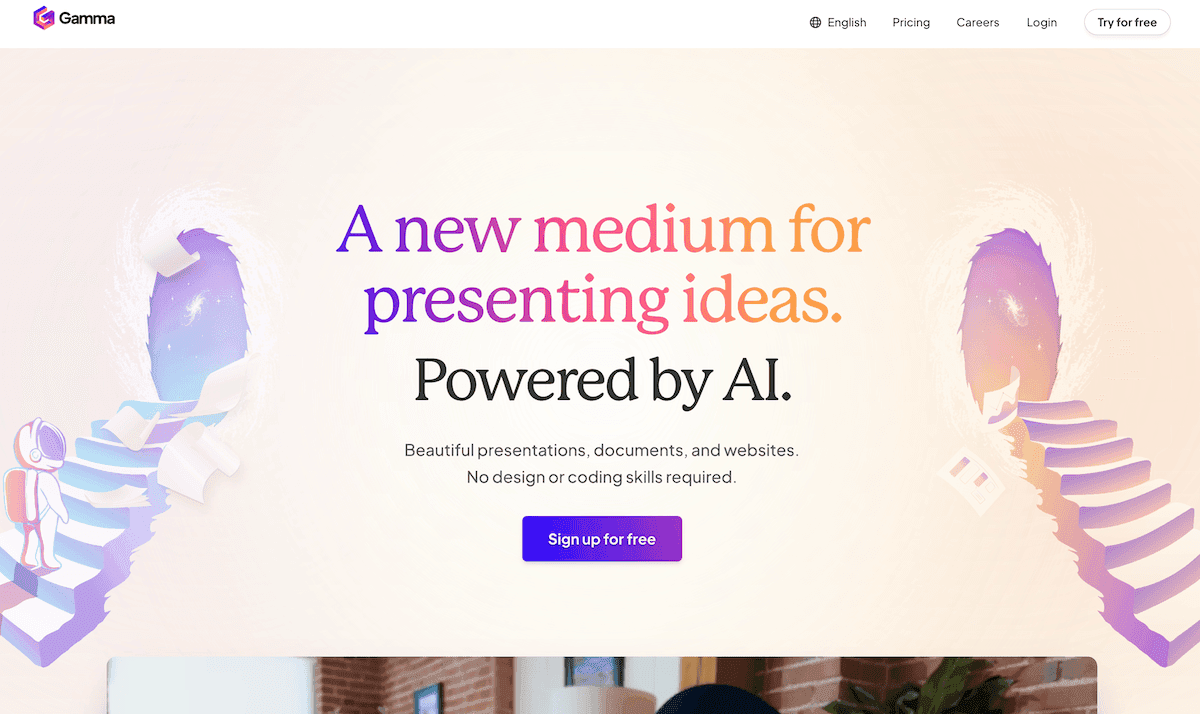
2. Kuraplan — Editable Maps for Serial Experimenters
Tinkerers need flexible skeletons, not scripts. I use Kuraplan as my "prototype planner": at every unit launch, we co-build the basics—must-do standards, non-negotiable deadlines, and lots of “TBD” slots for organic projects. As units evolve, I invite students to vote on swapping lesson order, adding pop-up builds, or inserting a rescue day when things fall apart. The live Kuraplan map lets parents see a throughline, admin get their cycle artifacts, and my students learn to iterate on the process itself. My top tip: at every pivot, archive a new version—so every experiment becomes the launchpad for next year’s v2.
Try Kuraplan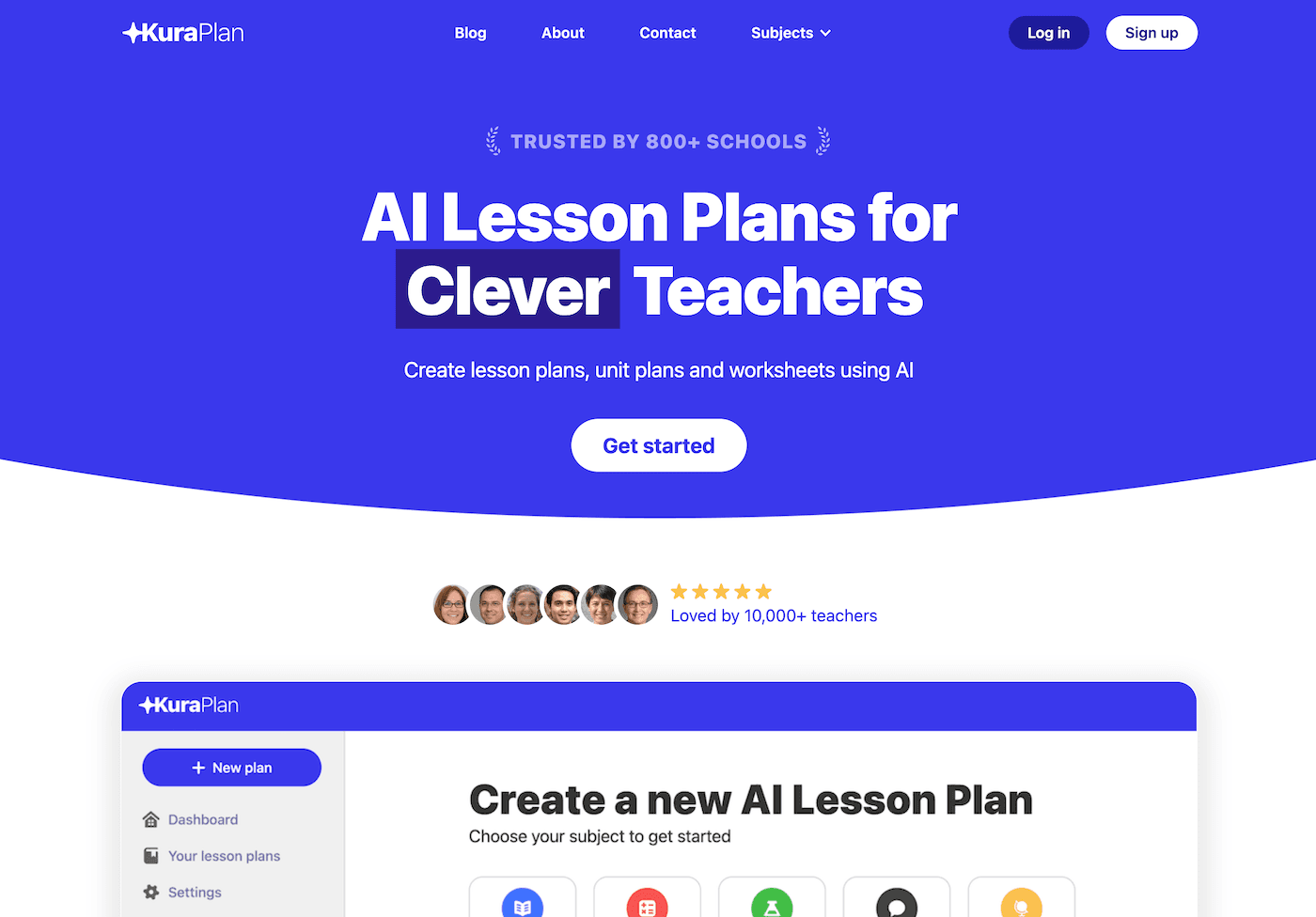
3. Diffit — Scaffold the Wild Resource Hunt
You can’t tinker if your group can’t access the ingredients. Whenever a student brings in a funky podcast, a parent link, or a how-to from YouTube, I paste it into Diffit. In minutes, Diffit generates leveled readings, vocabulary, and creative prompts. Now, every team can pursue REAL rabbit holes and still circle back for coherent, accessible reflection. (Bonus: challenge students to compare Diffit versions and spot what gets lost—or simplified—when you adapt their favorite source.) Tinkering thrives on not knowing what you’ll need until the moment arrives.
Try Diffit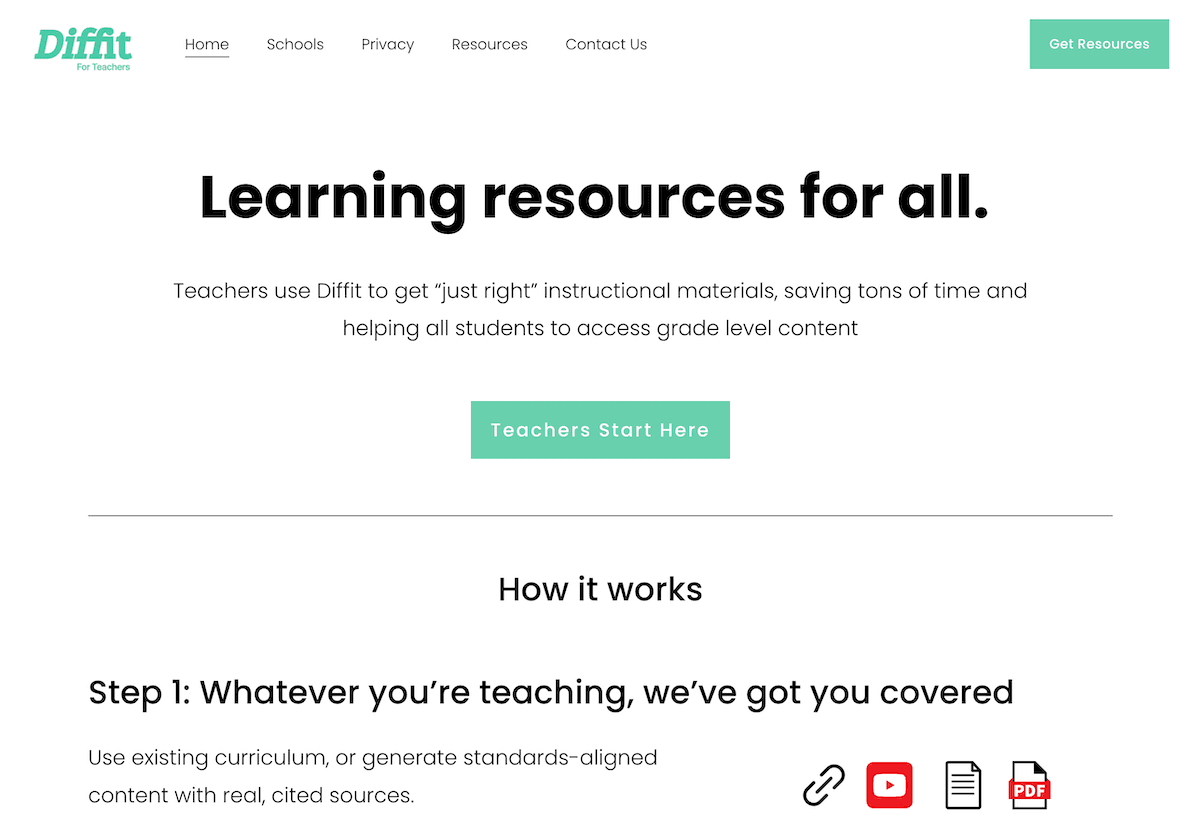
4. Jungle — Let Review Morph, Not Repeat
Old quiz decks die fast among tinkerers. Jungle turned exit slips and tricky review days into bespoke, group-authored rituals. After every wild week, each team submits a reflection card: what failed, what was fixable, what got recycled, what “aha” should be noted for next time. The AI auto-builds a deck for do-now warmups, peer trivia, and—my class favorite—teacher-versus-student tournaments where last week’s flop becomes this week’s crowd-sourced stumper. Forget standardized review; Jungle is formative assessment as prototype.
Try Jungle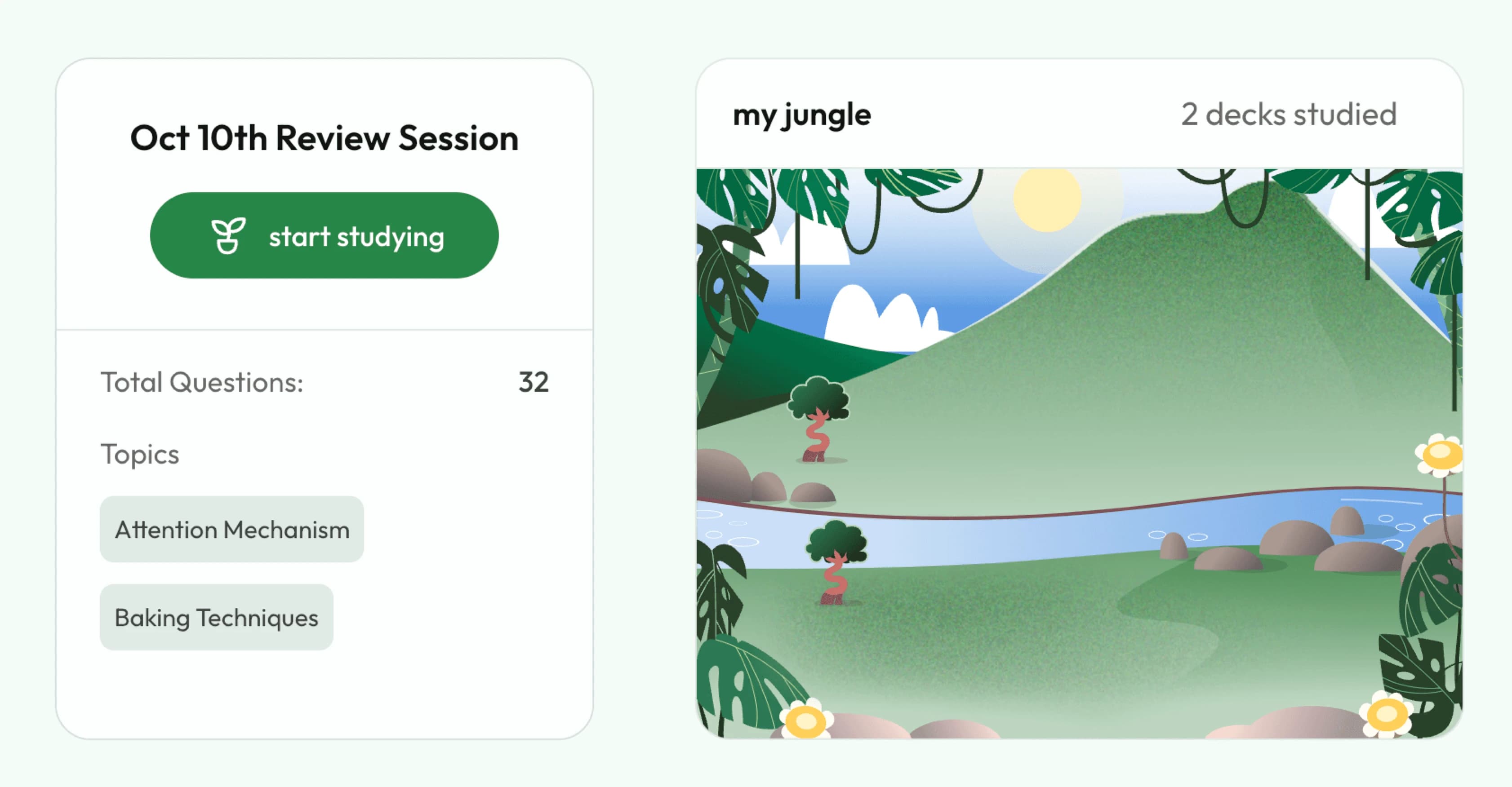
5. Notebook LM — Build a Memory Bank, Not Just a Logbook
Tinkering means never losing a breakthrough—or a bomb. I prompt students (and myself) to log voice memos after “we figured it out,” “we crashed and burned,” or just “here’s how we hacked it.” Notebook LM’s AI groups themes, flags repeated questions, and (my favorite) generates post-mortem podcast scripts or timeline note templates when we need to revisit our design process. By spring, our LM notebook became a living museum of pivots, rewrites, and lucky accidents. The next year’s tinkerers can launch from where we left off, not start from zero.
Try Notebook LM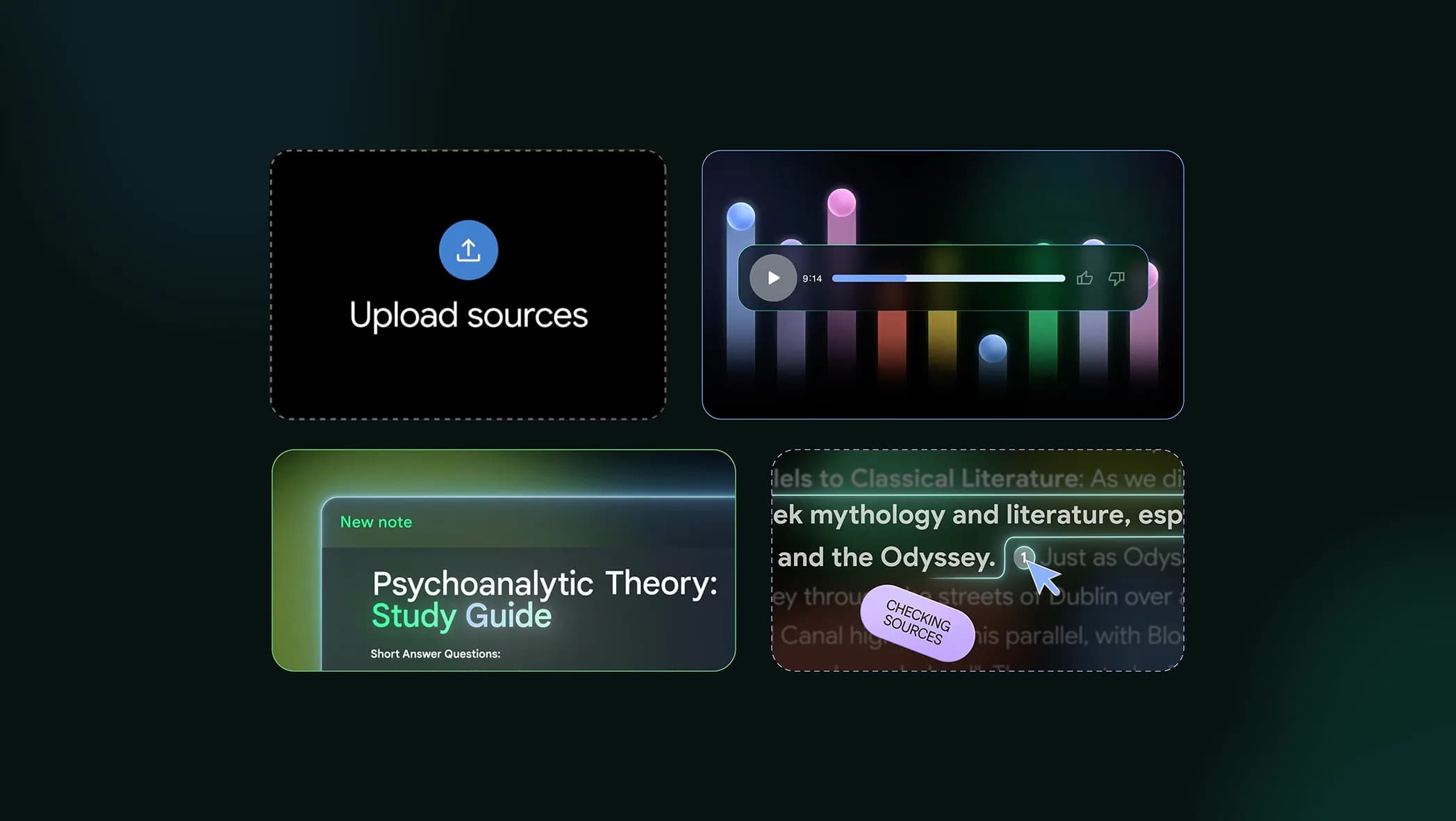
6. Suno AI — Rituals for Every New Prototype
Celebrating tinkering means marking every build, flop, and surprising win. Suno AI lets my class write class anthem prompts after every design day (“Song for the idea that worked on the third try,” “Chant for the week the printer broke,” “Victory Lap for the group that started over most times”). Within minutes, Suno spins out original group tracks—playlists for launching the next round, for closure after bombed attempts, and for exhibition day buzz. Our playlist is a living artifact; every iteration gets a song for memory and motivation. Students now ask for new prompts—for the next try, not just for success.
Try Suno AI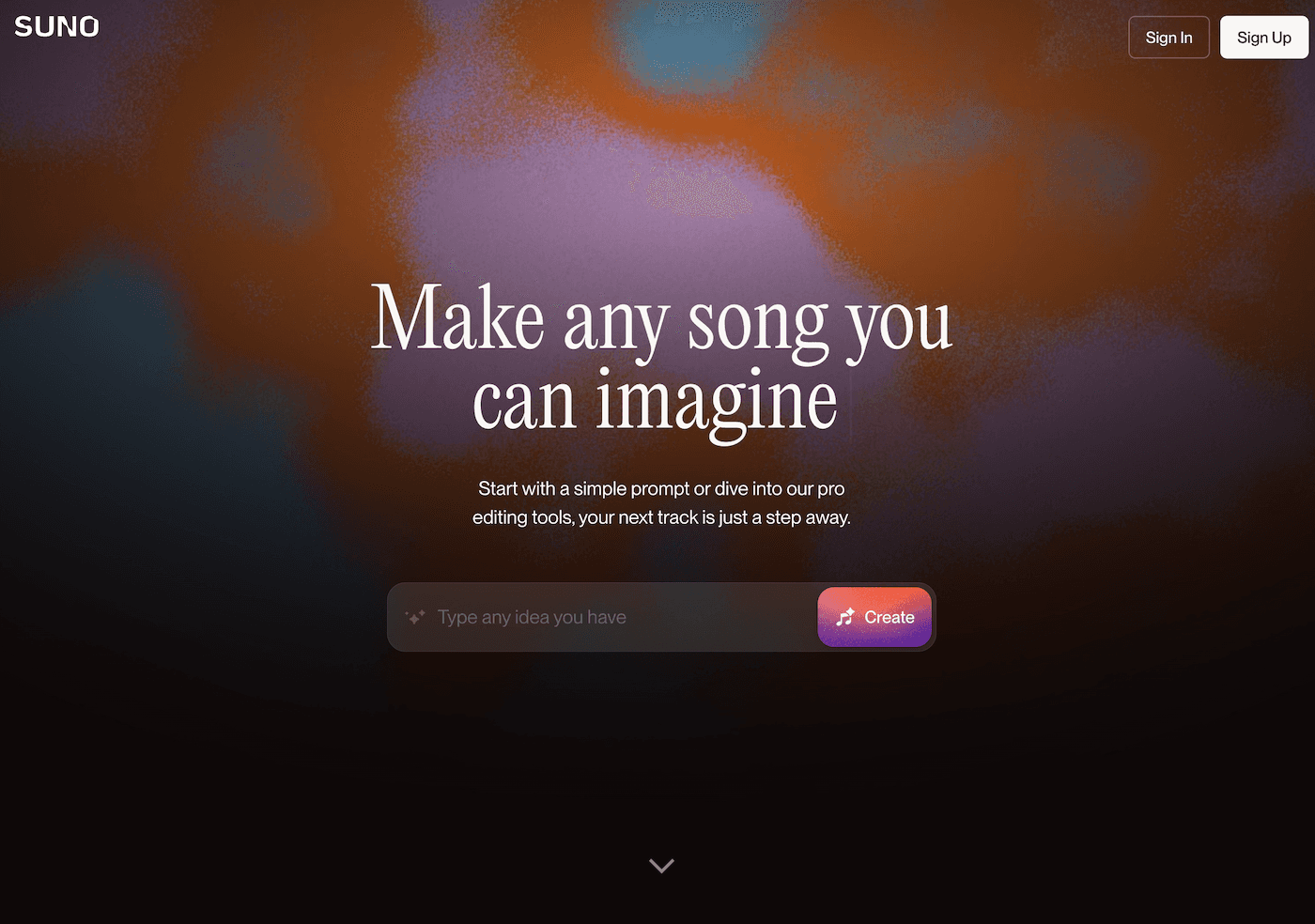
Final Advice for Education Tinkerers
- Archive your process as you go: Gamma, Jungle, and Notebook LM make progress visible and give every lesson a second life.
- Leave plans flexible: Kuraplan is only as powerful as the number of re-drafts you let yourself (and your students) make.
- Scaffold surprise: Diffit lets you say “why not?” more often, even when resources show up last-minute.
- Ritualize reflection and celebration: Suno (and review games) are more than SEL—they become community glue when every day brings something new.
Are you a tinkerer, lesson hacker, or classroom builder at heart? Drop your best workflow, failure story, or AI hack below. The best teaching isn’t turnkey—it’s built one experiment, one class, one try-at-a-time.