5 AI Tools for Teachers Who Love Unexpected Ideas
There are teachers who thrive on routines, and then there are those of us whose best lessons start with, “Wait—what if we tried…” Maybe it’s letting a student’s question rewrite your next unit, having research days veer into inventing a protest song, or saying yes when someone pitches an impromptu community-themed debate. If you’re most alive when your classroom is a swirl of curiosity and surprise (but still want to look organized to admin), this post is for you.
This year, I went on the hunt for AI tools that don’t just automate the grind, but help teachers pivot, remix, and capture the learning magic that never fits a template. Below are five real tools—the ones that survived my messiest, most creative weeks across English, science, and leadership blocks. Not for regimented planners; these are for teachers who love what happens when you let go of the script.
1. Notebook LM — For When Genius Strikes (and Keeps Striking)
Ever debrief a wild project only to have a dozen brainstorms, news links, and random student theories disappear into the ether? That was me—until I started tossing all of it into Notebook LM. This tool ingests everything from voice notes to screenshots to "can we debate this tomorrow?" DMs. The AI clusters themes, pulls out throughlines, and even proposes podcast and panel scripts starring your students’ own ideas—not a prefab curriculum.
The game-changer? Every week, we launch new projects by revisiting our LM notebook, so nobody’s “what if?” gets left behind. It’s the only tool I’ve found that turns constant improvisation into a growing library of collective learning and content you can actually SHOW your admin.
Try Notebook LM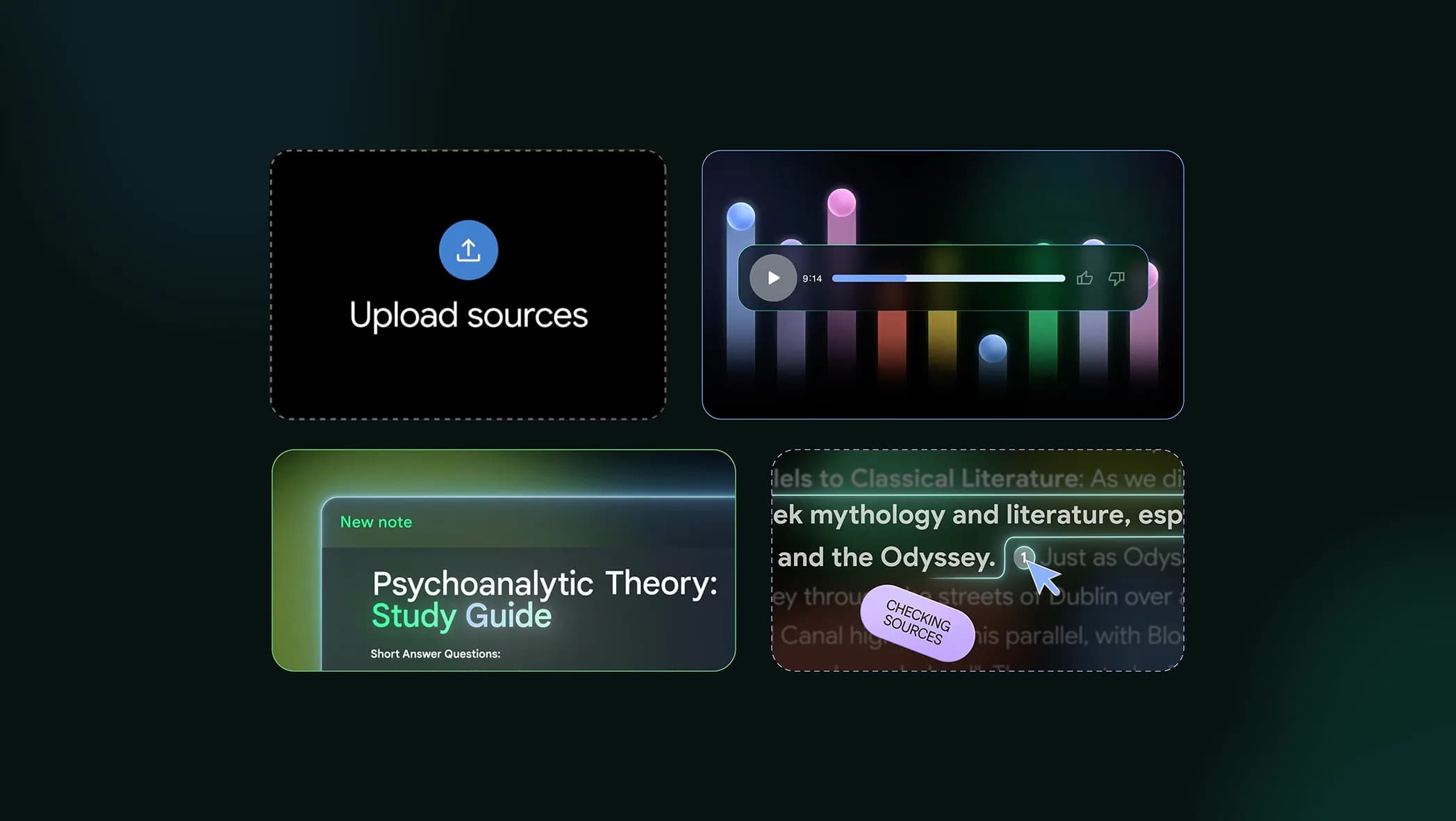
2. Gamma — Instant Slides for Tangents and Detours
You know those electrifying moments when a lesson zigs, and suddenly you’re helping students map an unfamiliar topic, process a current event, or visualize a debate—on the spot? Gamma is my go-to: I (or my class) dump in notes, headlines, rough images, and Gamma instantly builds interactive, gorgeous slideshows that capture the energy of the moment.
No more panicky Google Slides scrambling when you decide to tie a guest speaker or pop-culture event into today’s learning. Gamma makes “teachable moment” visuals real, shareable, and…well, actually beautiful—without sucking up your prep period.
Try Gamma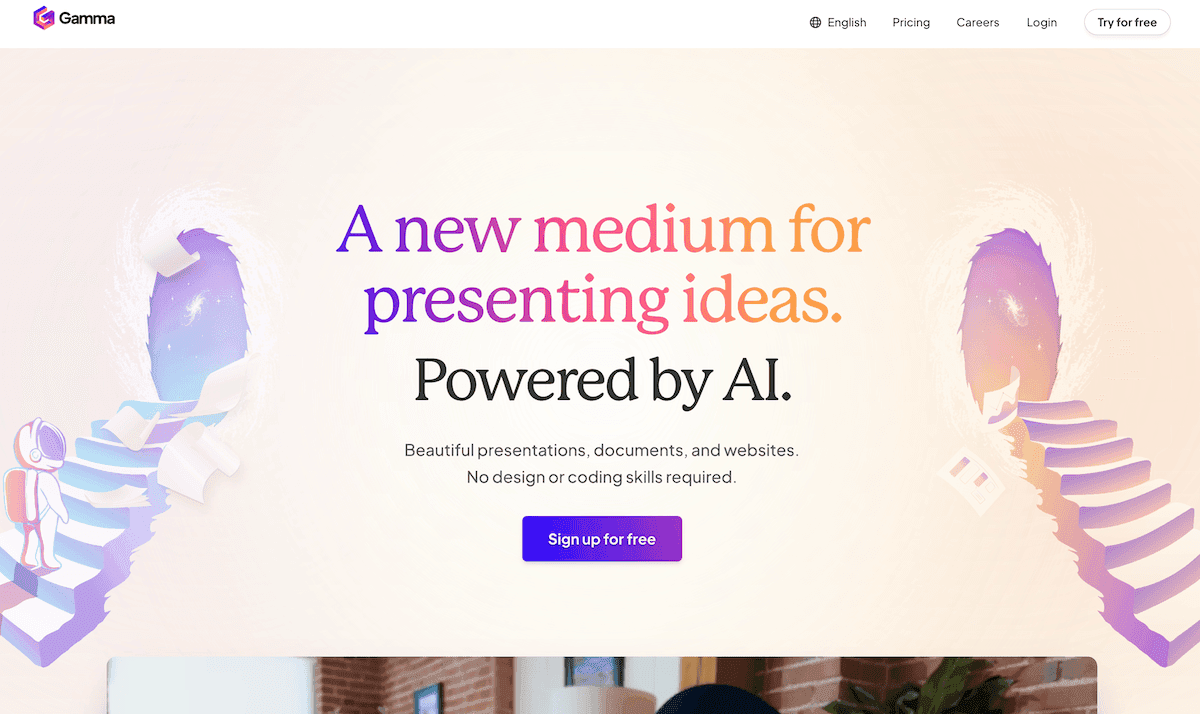
3. Kuraplan — Draft-ing, Not Dictating, Your Next Pivot
Every real classroom detour—student-driven project, surprise research loop, cross-curricular brainstorm—needs a backbone so you don’t lose rigor (or your sanity). That’s when I finally made peace with Kuraplan. Rather than using it to plot out every hour, I throw in today’s "what if?" and my real-world constraints ("Half my class is out Friday", "Let’s build something the cafeteria can use!"). Kuraplan drafts a flexible sequence with reflection stops, checkpoints, and resources—then I involve my students in breaking, editing, and personalizing, right on the projector.
Think of it as a living map for wild projects, not a script. If you want room for rabbit holes and a way to prove you’re still covering your standards, this is your (unexpected) teacher ally.
Try Kuraplan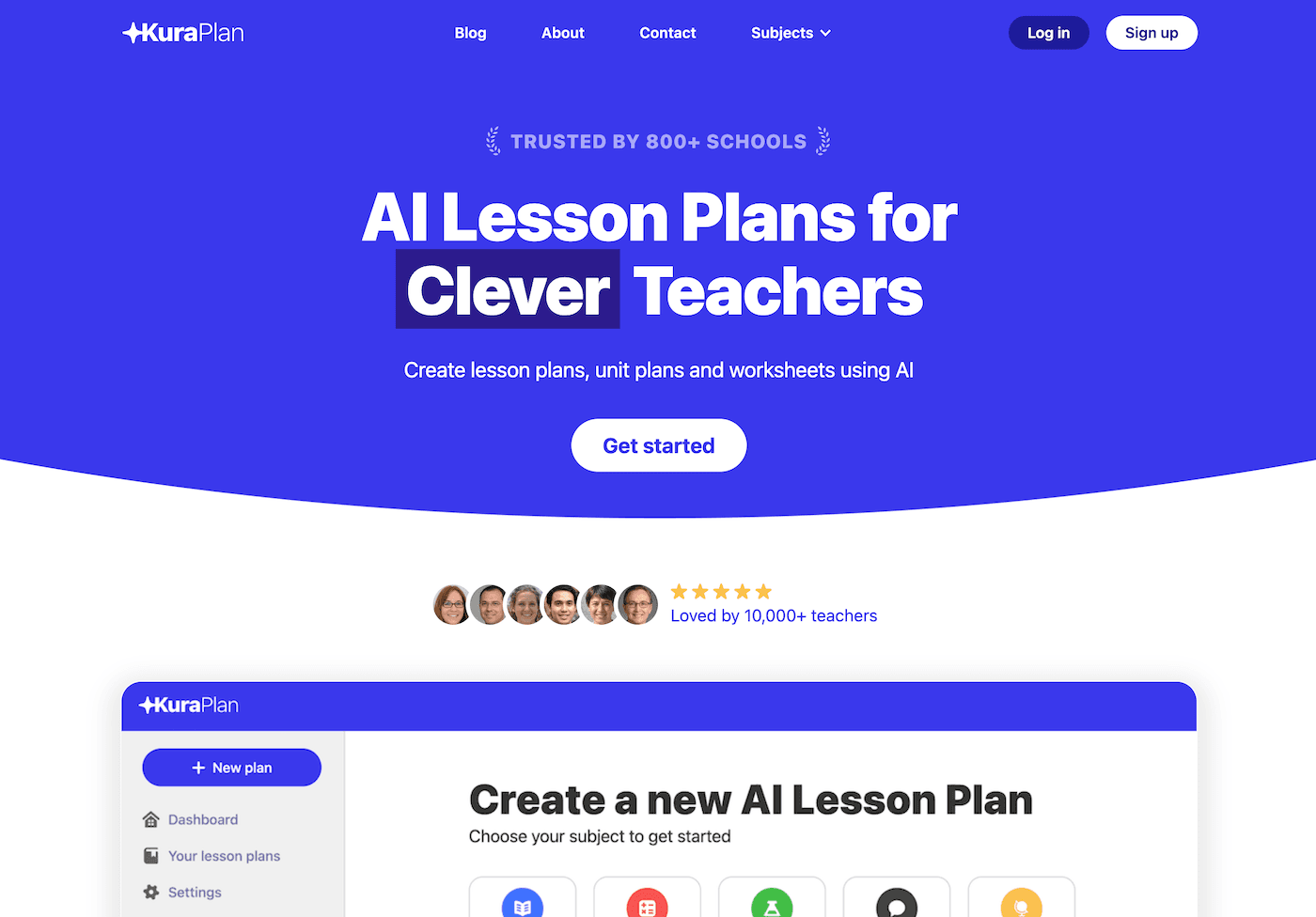
4. Jungle — Fast Collaborative Quizzes Out of Student Surprises
When your lesson veers, assessment gets… dicey. Jungle lets you snap formative feedback to whatever happened today instead of last week’s plans. My routine: at the end of a detour-packed class, students crowdsource their most confusing, funny, or inspired takeaways into Jungle’s generator. The AI checks for overlap, creates review games and flashcard decks, and lets groups challenge each other (or the teacher!) on-the-fly.
The big win? We capture “sticky” misconceptions, surprising insights, and group debates—not just the content quiz from the unit. Jungle review days are now full of inside jokes, “stumper” cards, and—dare I say it—real metacognition my old quizzes never touched.
Try Jungle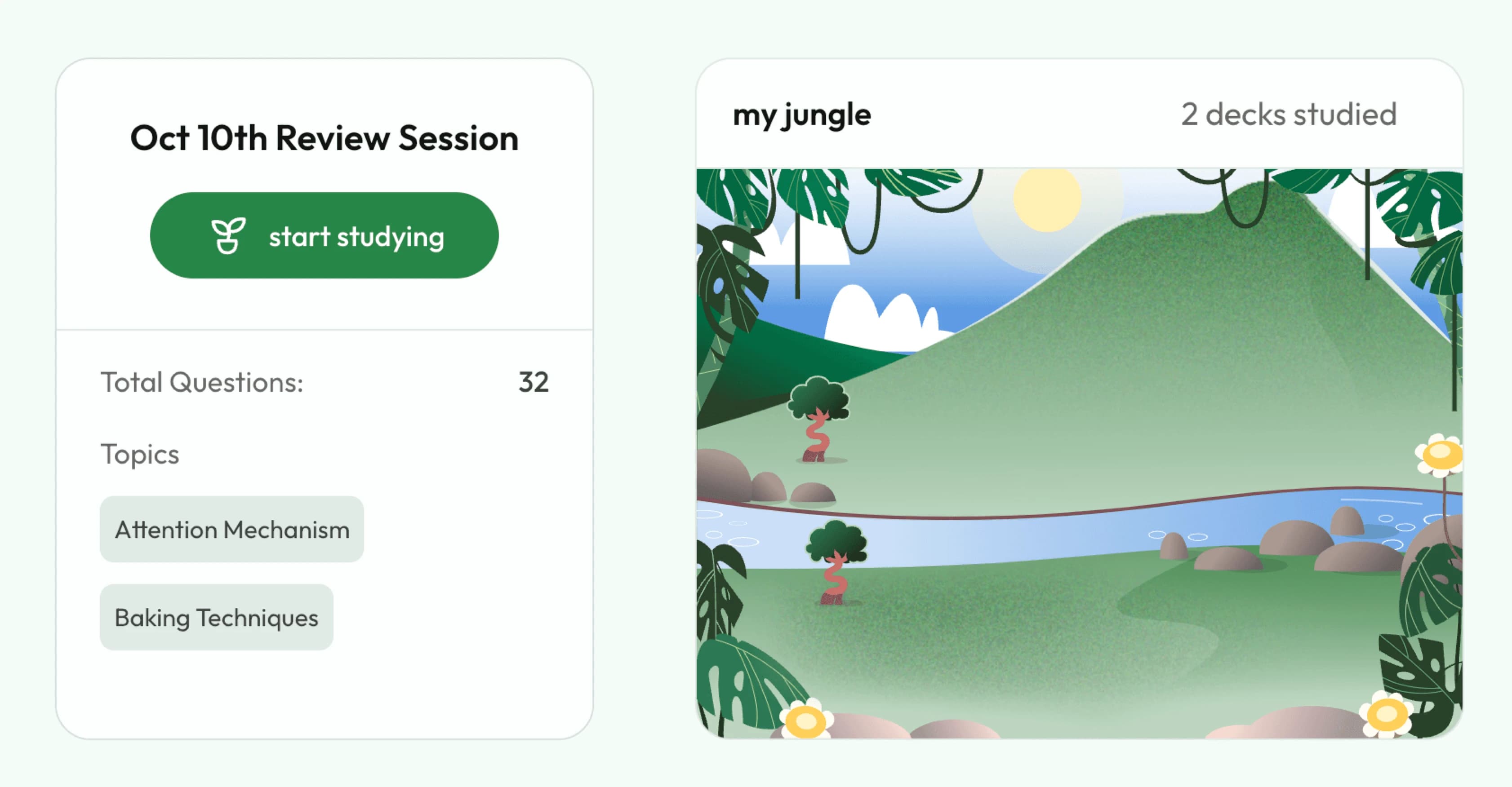
5. Suno AI — Celebrating Classroom Chaos (With Soundtrack)
Routine is the enemy of creativity… but culture still matters. This is where Suno AI earned a permanent spot in my lessons. My crew invents song prompts after every wild day (“Survive the Debate Disaster,” “Project Pitch Party,” even “Cheer Up, It’s Only Tuesday”). Suno generates anthem-worthy tracks, which we play as transitions, class rituals, or just to immortalize the best (or weirdest) unit moments.
Bonus: let students write (or remix) their own “end-of-project” tracks—they’ll start to see class as their show, not yours. And yes, I once let them roast me with a “Tech Problems Are the Real Test” anthem. Still my favorite week of the year.
Try Suno AI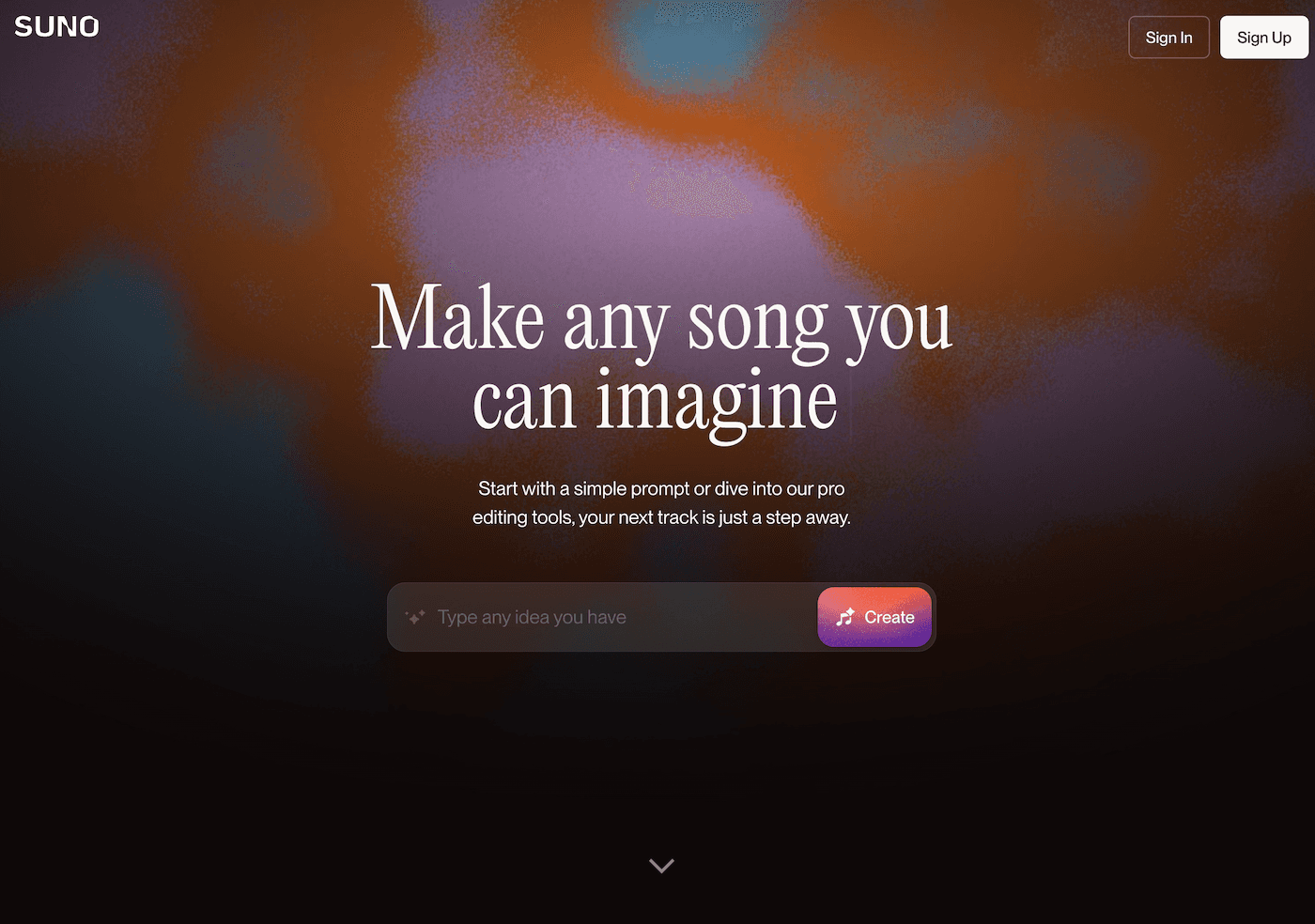
Real-World Advice for Teachers Who Let Curiosity Lead
- Treat every tool as a creative partner, not a gatekeeper—if it can’t handle your improv, move on.
- Document the process, not just the end result. The best admin stories, parent emails, and student reflections come from celebrating how you got there, not just the final poster or essay.
- Involve students in building, remixing, and even subverting the tools: let them suggest new ways to capture or assess the wild ride. You’ll discover ideas (and voices) you’d otherwise miss.
- Start with the tool that solves your workflow pain point (lesson pivots, capturing brainstorms, making review collaborative)—and trust your teacher gut for the rest.
If you’re a teacher who thrives on the question, “What if we just tried…?”, what’s your go-to AI trick or workflow that made classroom chaos shine? Share your stories—I’ll swap you my weirdest project playlist for your next detour-tested idea.