6 AI Tools for Teachers Who Love Unexpected Questions
We all know the teacher who gets a little spark in their eye when a lesson goes wildly off-script—when a student blurts out, "Wait, but what if...?" and suddenly you’re launching a tangent you never planned. If your best days end with more new questions than when you started (and your slides bear the scars of lively detours), you also know: inquiry is a gift and a logistical beast. Every year, the AI tools promising "structure" sound great...until curiosity takes the wheel.
This year, I set myself a challenge: I’d only use AI tools that made it easier to pursue questions in the moment—not just ones that help me batch prep worksheets or grade at lightning speed. Below are 6 tools (with my real-world workflow for each) that actually made unpredictable lessons better: surfacing student voice, making research approachable, and archiving the authentic mess curiosity leaves behind. Yes, Kuraplan is in here—for when you need a paper trail without smothering spontaneity—but the stars are all tools willing to play in the gray areas.
1. Notebook LM – The Class Curiosity Vault
Student questions spark in the most random places—exit slips, group brainstorms, random DMs, or hallway debates.
My new ritual: After every wild lesson, students and I dump every question and tangent into a shared Notebook LM. The AI clusters recurring themes ("Why are we obsessed with time travel?"), traces curiosity across weeks, and pulls out "still unresolved" threads from last semester. By Friday, we use Notebook LM’s auto-generated Q&A or debate script to launch inquiry sprints or start next week’s lesson. No more “What did we even ask on Monday?”—the mess of questioning turns into the most valuable roadmap I have.
Try Notebook LM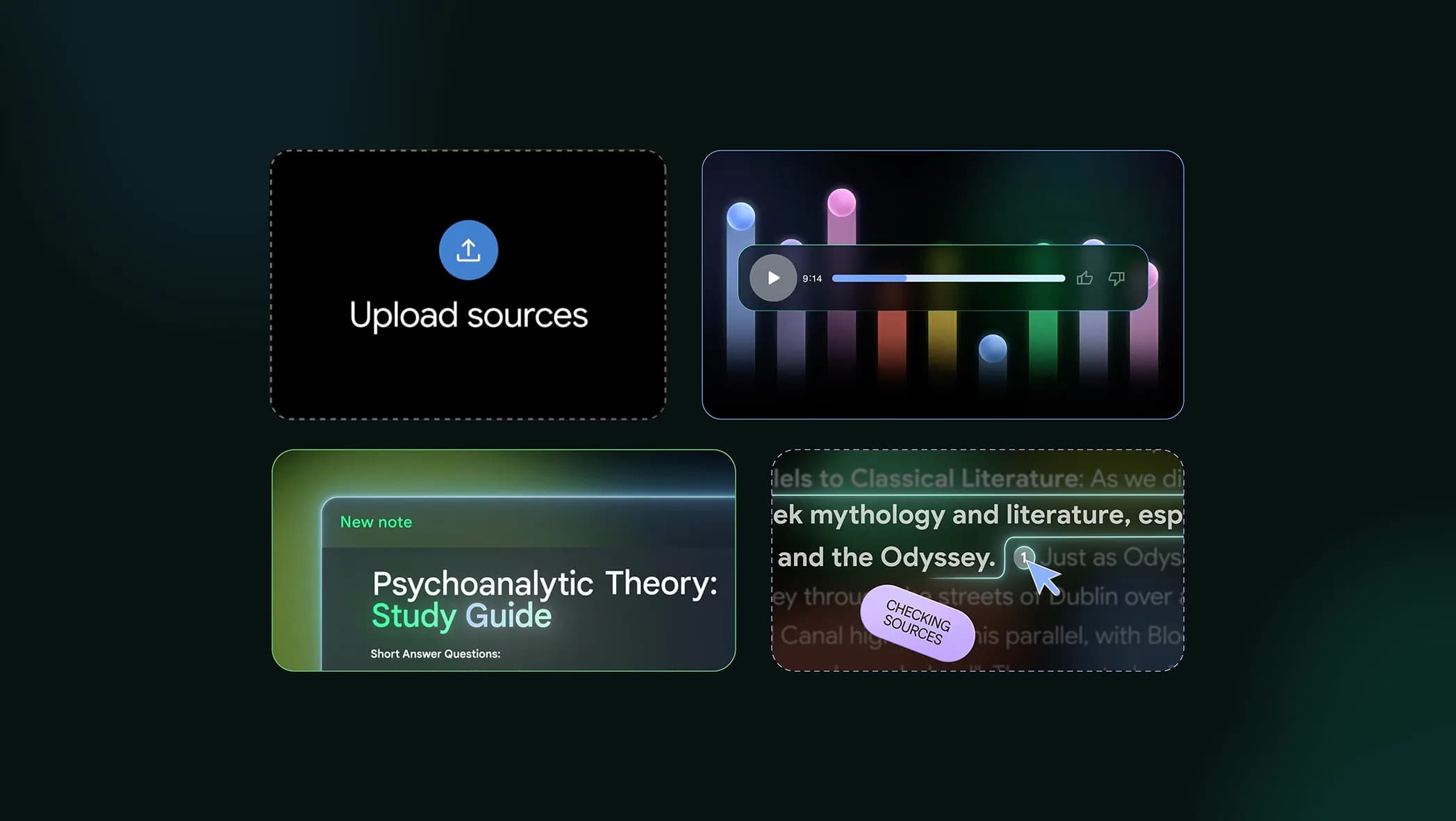
2. Gamma – Visual Maps of Class Tangents
Ever start with one idea and end with a whiteboard web nobody can decipher by 3pm? Gamma became my class’s way of celebrating every lesson rabbit hole.
Whenever group debate, Socratic circles, or wild question days surface more ideas than time, I take photos and last-minute notes and throw them into Gamma. The AI organizes everything into a living, editable visual timeline or "argument board"—collaboratively annotated by students. We start the next day by revisiting our Gamma board, picking out unused questions for research or projects. Admin now see evidence of thinking, not just finished products—and even quiet students see their offhand remarks made visible.
Try Gamma
3. Kuraplan – Blueprints for Question-First Units
Lots of planners demand standards first. I use Kuraplan as the opposite: after a detour, I create a "question-first" plan where students’ biggest wonderings become the unit outline. My hack: we batch all class questions post-brainstorm, plug them into Kuraplan, and let the AI map them into suggested sequences—checkpoint research, reflection days, and choose-your-own peer projects. The best days come when we co-edit the plan, deleting or moving targets as new questions stack up. Admin sees rigor; I get to follow curiosity; students see their questions become the literal backbone of our work.
Try Kuraplan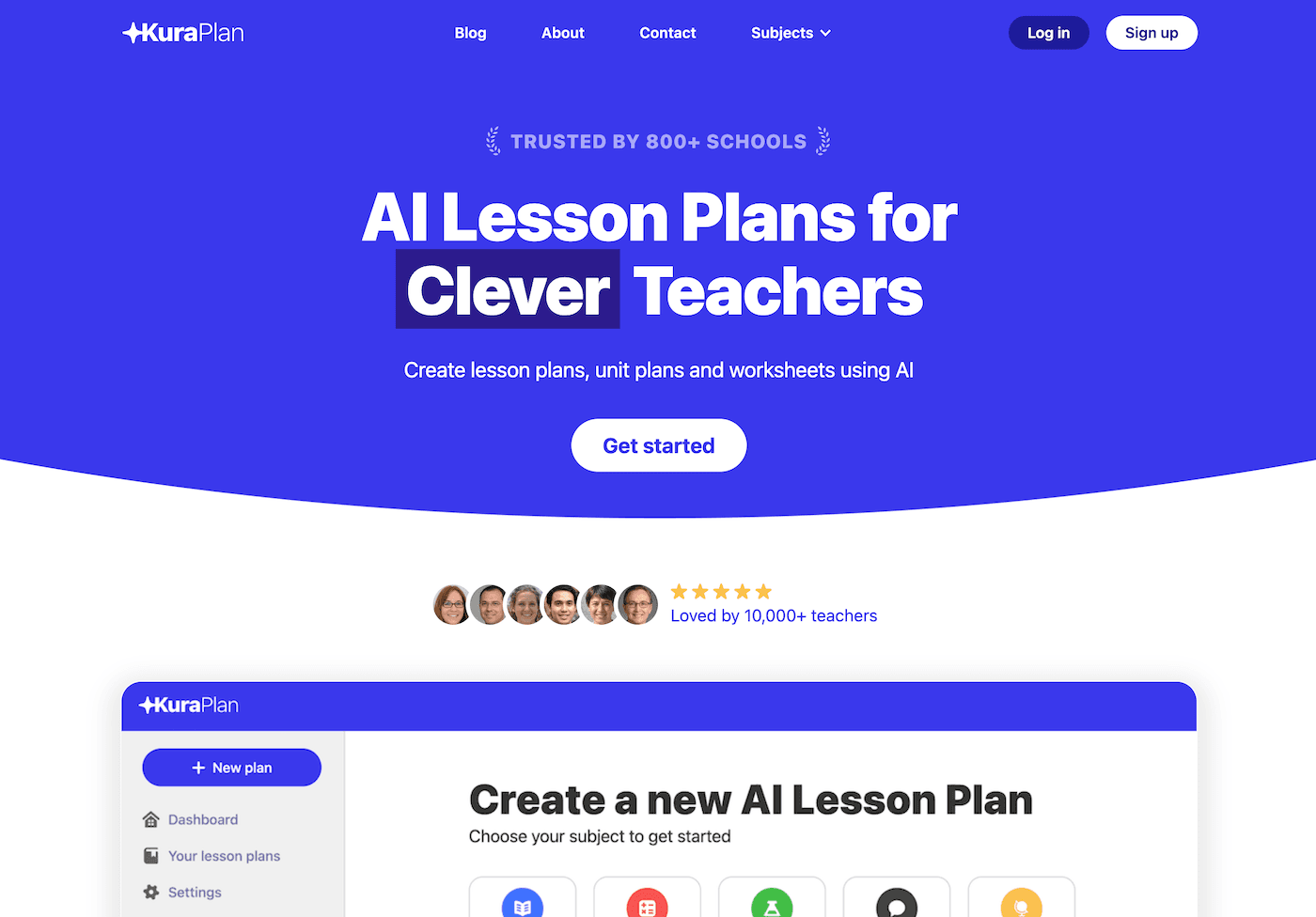
4. Diffit – Turning Tangents Into Teachable Moments for All
Not every question sparks a text at everyone’s level. When a student pitches using a blog post, interview, or trending podcast (that’s way too advanced for someone), Diffit is my hack: paste in any resource, and it instantly spits out leveled versions, vocabulary, and comprehension tasks. Now, group curiosity isn’t limited by "the right ability group," and students take charge of adapting their own sources. My Friday ritual: let students pitch anything that excited them; I Diffit it, project it, and the class votes on what we chase next.
Try Diffit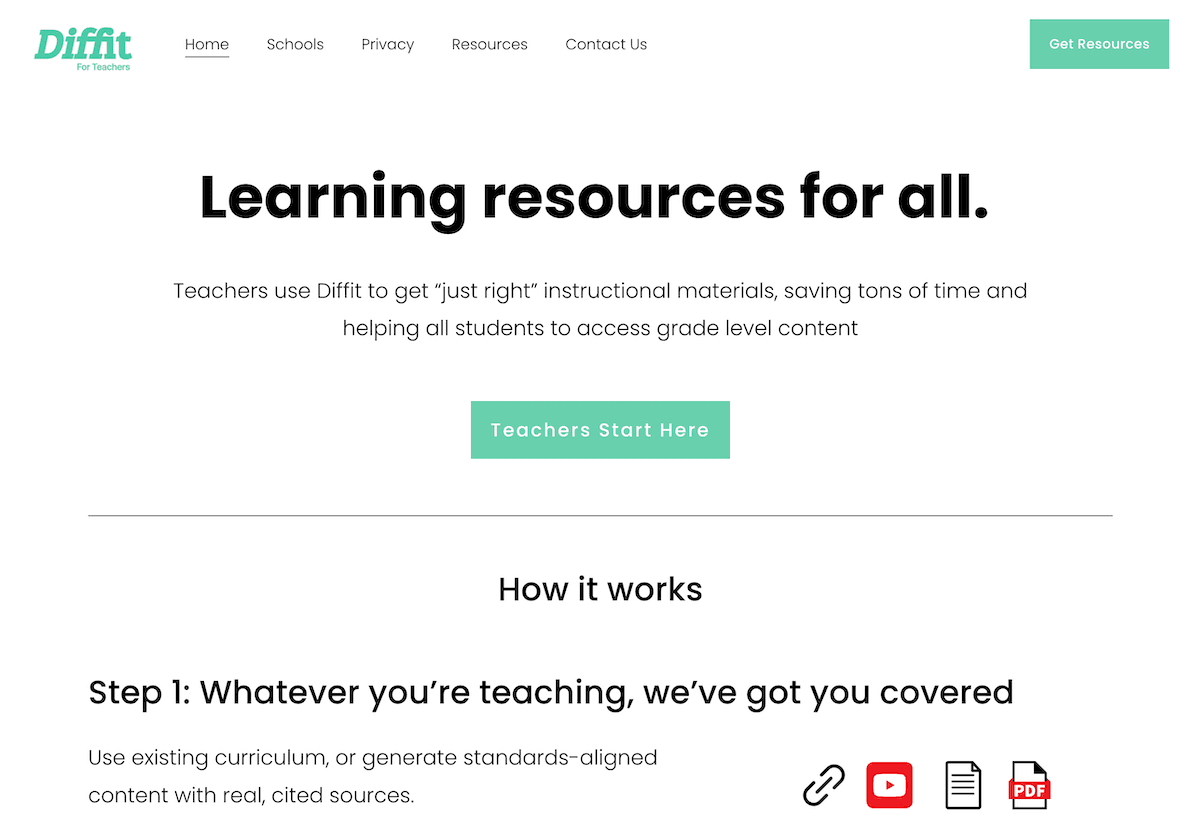
5. Jungle – Review Games Driven by Student Wonder
Traditional quizzes check what I wanted to teach; Jungle lets kids review what they really wondered about. Every week, each student or group submits a card: “Still unresolved,” "Wildest possibility," or “Stumper for next year’s class.” Jungle creates instant review decks for games, trivia, or "stump the teacher" sessions. Bonus: the best new questions carry forward into next semester, so curiosity is never a dead end. Review day has never felt more alive—or less about what I had written on the syllabus.
Try Jungle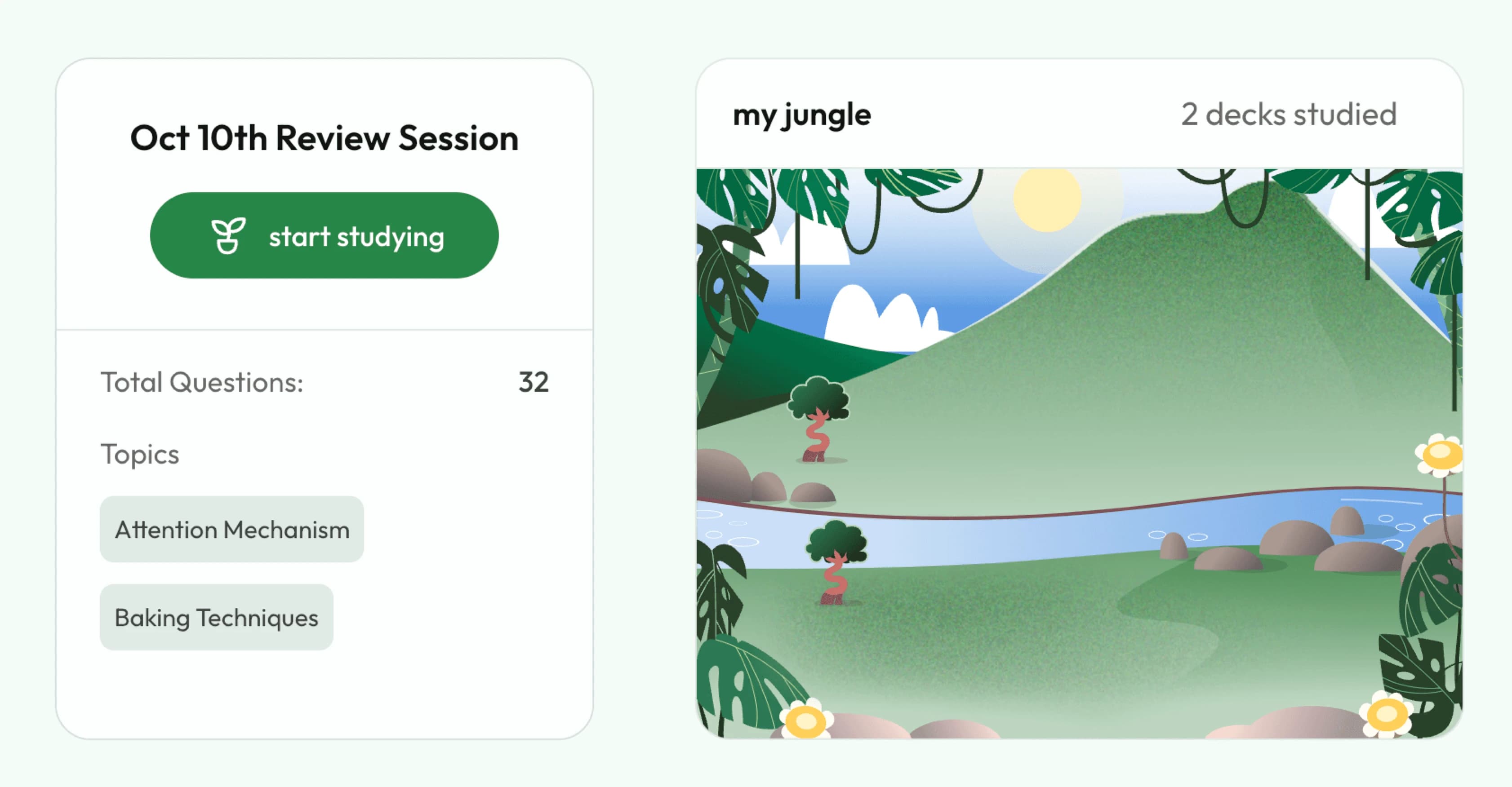
6. Suno AI – Celebrating Questions with Ritual Anthems
We needed a culture that honored unpredictable inquiry—not just answers. Suno became our soundtrack: after each debate day, news analysis, or detour Tuesday, my class crowdsources prompts for a Suno song ("Song for the question we never answered," "Chant for the tangent that derailed the unit," "Anthem for sticking with confusion"). Suno delivers instant closure anthems—used for class entry, reflection, or even as a track for those "let it simmer" topics. Now every group’s best question gets its own melody, and students compete to name the next ritual. SEL meets chaos—and every week feels special, not just orderly.
Try Suno AI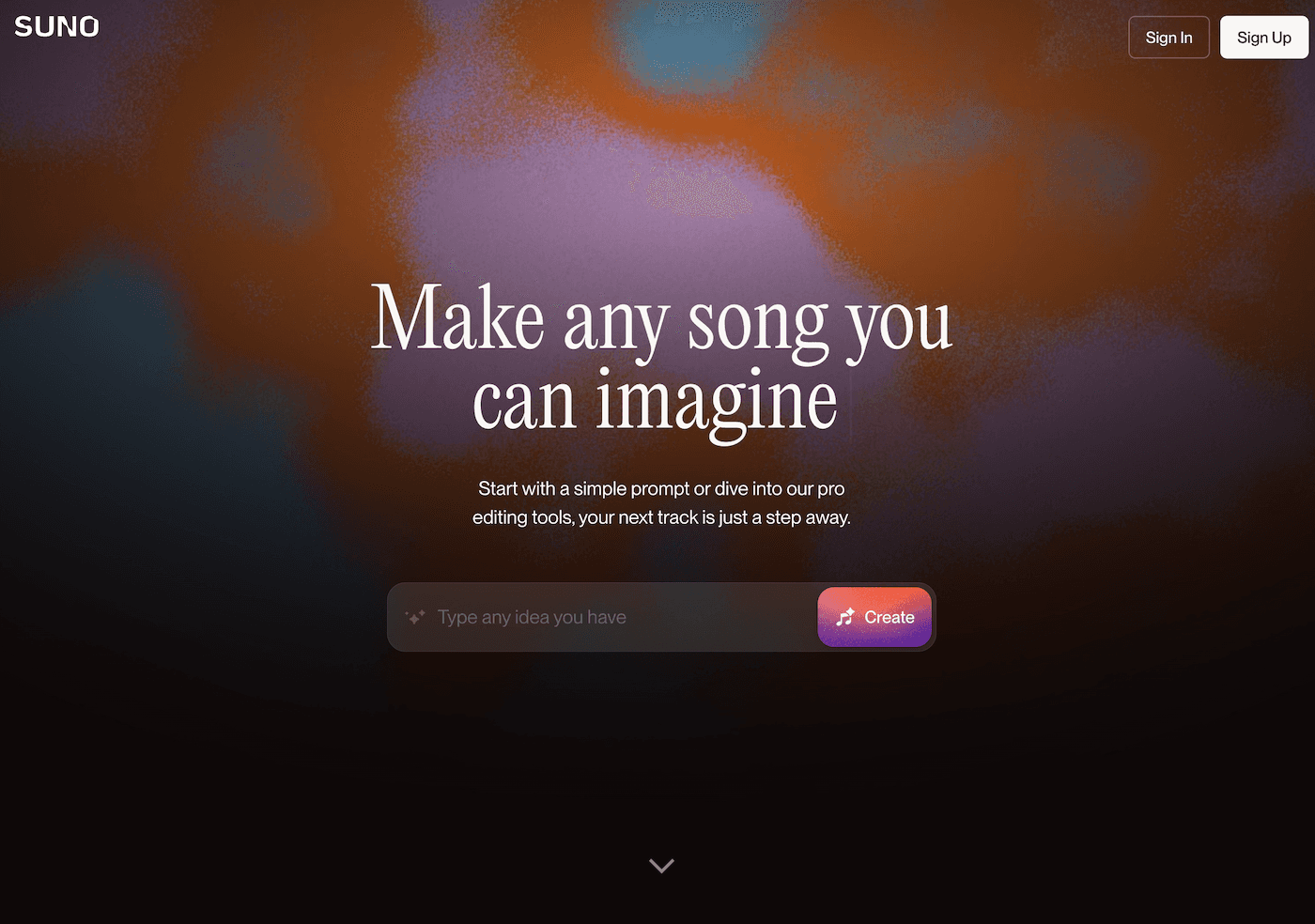
For Teachers Who Find Joy in the Unknown:
- Archive questions as the work itself; they matter as much as the answer. Gamma, Notebook LM, and Jungle keep inquiry visible, not ephemeral.
- Let students co-author and edit plans—Kuraplan gives structure, but never closes off adventure.
- Scaffold discussion as participation, not summative. Diffit lets any student’s topic become a class launchpad, not just extension.
- Ritualize the uncertainty. Suno makes tradition out of questions, not just conclusions.
If you’ve got a routine, ritual, or tool that helps keep curiosity at the heart of your week (or a story about a detour that changed your whole year), share it below. The best teachers lead with “why?”—and now, the best AI lets you chase it further than ever.