6 AI Tools for Teachers Who Love Unusual Projects
Let’s face it—some of us just aren’t satisfied with safe units and copy-paste assignments. Maybe your best teaching moments come from wild cross-curricular mashups, community exhibitions, or that ambitious “can we really pull this off?” question that pops up six times per semester. I’ve made a career out of running oddball projects: parades about circuits, oral history podcasts with local elders, and student-run science/art hybrid expos that had admin scratching their heads (but parents raving).
The trouble? Bringing these weird, meaningful ideas to life means you’re constantly hacking workflows and documenting improvisation—while the world keeps serving up AI tools designed for one-size-fits-all quiz banks. This year, I scoured the field for AI support that actually meets the reality of unusual project-based learning—the stuff that makes kids light up and makes teaching worth the mess.
Here are six tools (plus workflow hacks) I now count on for the ambitious, interdisciplinary, and frequently messy world of real projects. Yes, Kuraplan is in here, but only where it’s truly earned the spot—no sponsor-speak. The rest? Genuinely unexpected allies for keeping the chaos productive.
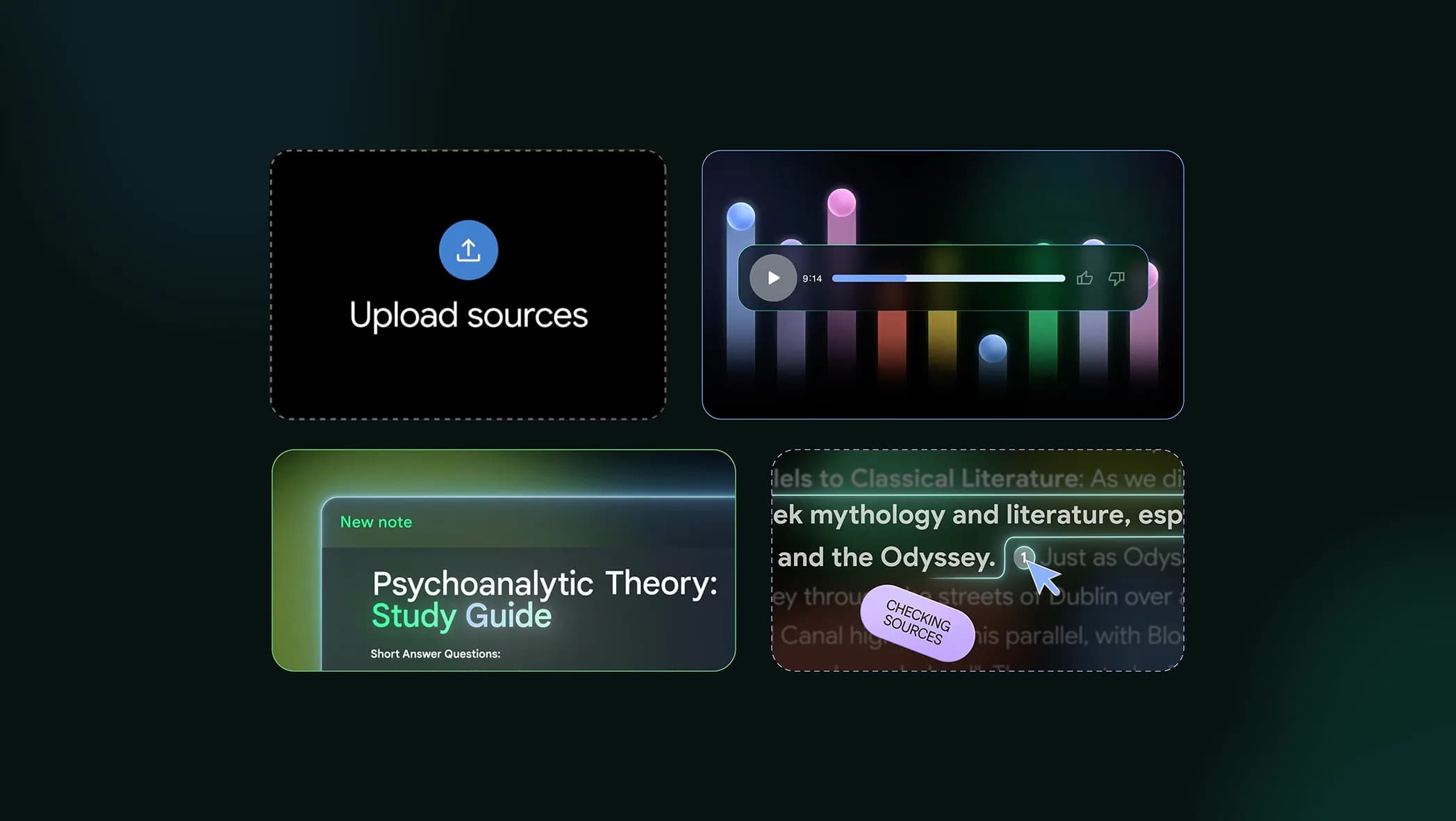
1. Notebook LM – Turning Project Chaos Into an Archive You’ll Use
Every ambitious project leaves a trail of sticky notes, interview transcripts, voice memos, and half-baked Google Docs that you promise you’ll organize. Notebook LM is now my class catch-all: students and I dump everything into a single hub, and the AI finds links, themes, and even scripts for podcasts or Q&As. The best part?
- We close every project by recording a "debrief show" summarizing what we built, what derailed, and student advice for the next group.
- When students want to see how or why our final product evolved, everything is sorted and searchable—from brainstorm doodles to end-of-unit reflection logs. It’s my secret for getting real reflection and continuity in the most unpredictable classes.
2. Kuraplan – Project Skeletons for Projects Nobody’s Done Before
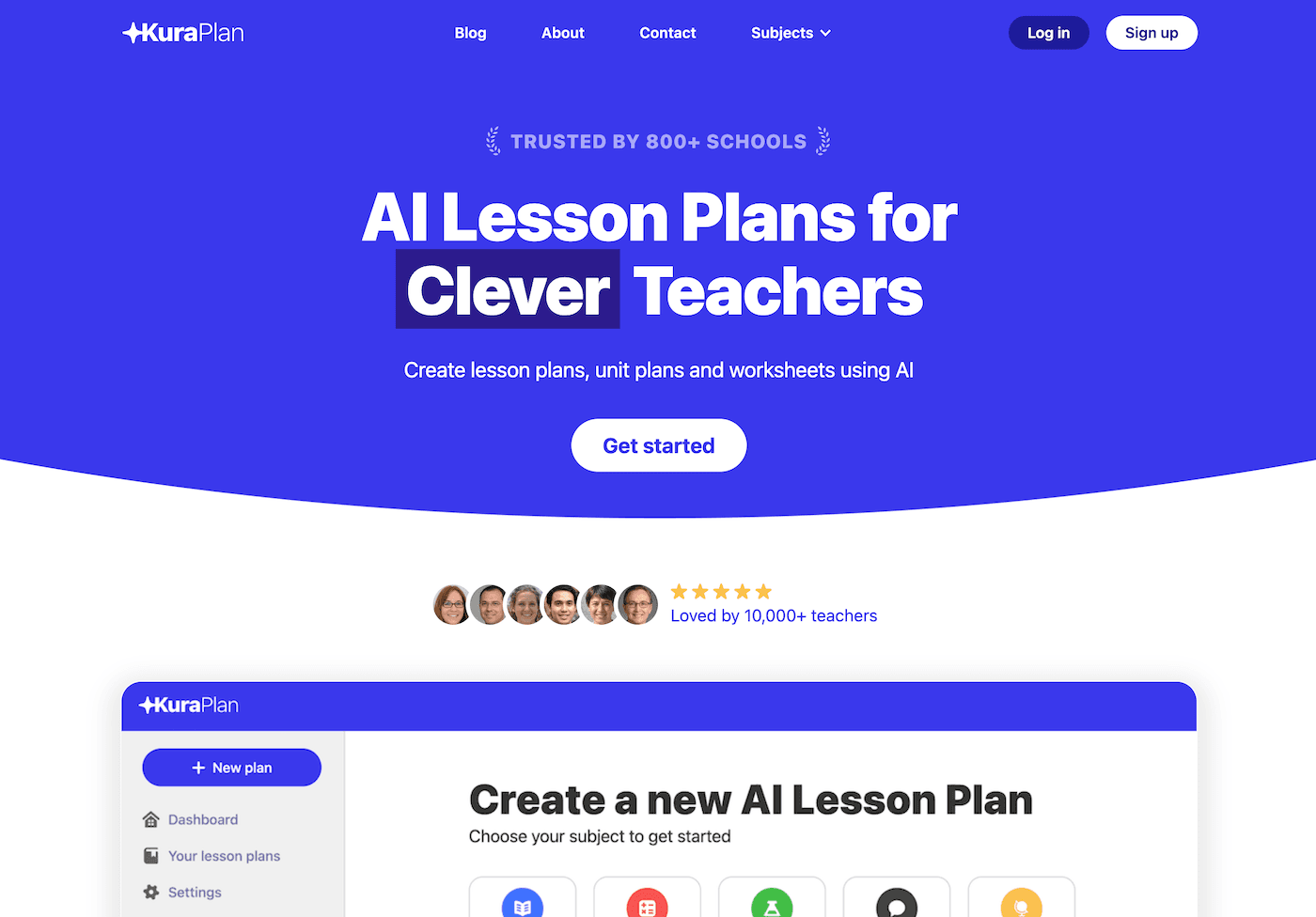
I'm not a fan of rigid planners, but Kuraplan finally offered a fix for open-ended units that start with “what if…” I now use Kuraplan as a draft builder:
- Throw in the wild project theme (“Student-run science film fest,” “Design a community mural for math graphs”), deadlines, and required standards.
- Let the AI generate milestones, exhibition proposals, and kid-accessible check-in points.
- Here’s the key: project the draft, then let students rip it up and rebuild it with you. Every project becomes ours—not just an admin checkbox. It’s a backbone, not a box. Now, wild project launches feel safe enough for everyone, and students see themselves as architects, not just participants.
3. Gamma – Document the Weird Journey, Not Just the Final Product
If your projects involve detours, pivots, and a lot of in-progress photos, Gamma’s your best friend. My classes now:
- Toss in everything—group sketches, failed prototypes, email Q&As with community members, and screenshots of survey results.
- Gamma’s AI spins up beautiful visual timelines and galleries, showing how we got to our final presentation, not just the end result.
- Use these as living exit tickets, public exhibits, or as “learning storyboards” at parent night. Unusual projects aren’t about neat deliverables—they’re about visible growth. Gamma makes the process seen and celebrated.

4. Diffit – Adapting Offbeat Sources Without Losing Anyone
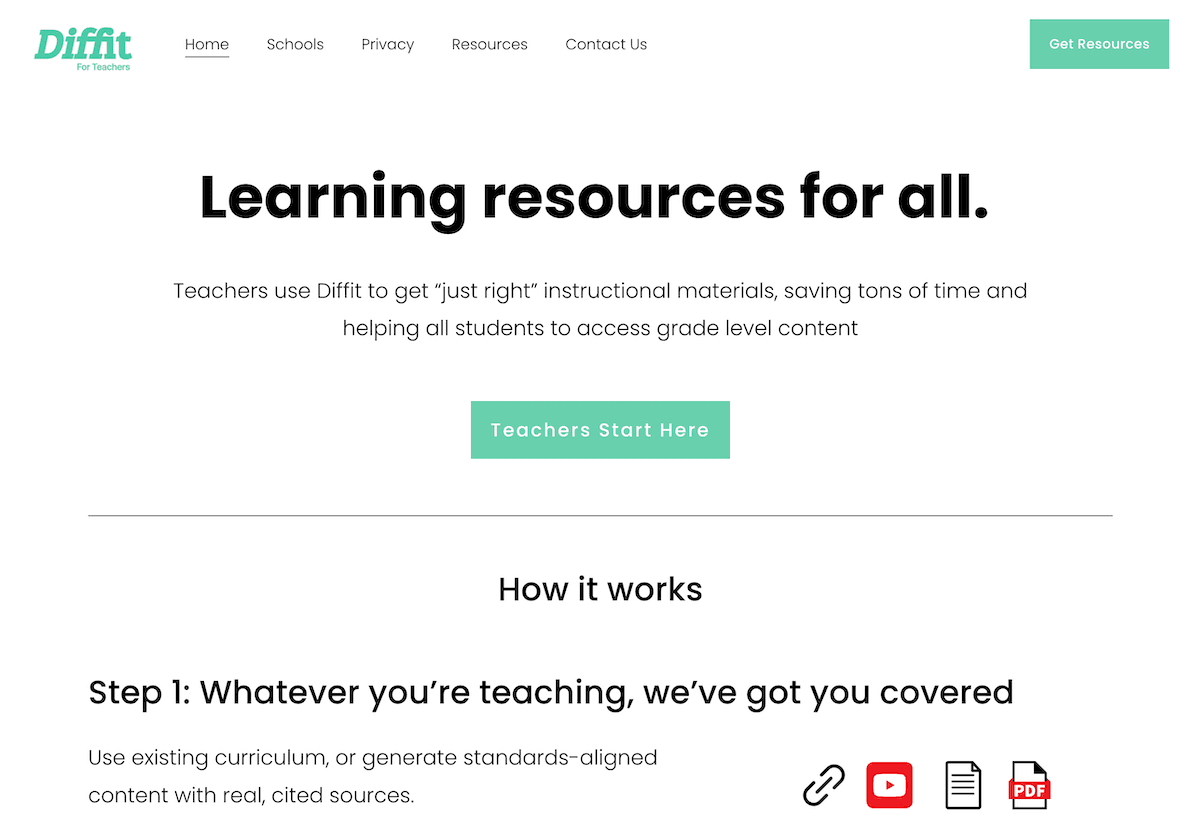
Letting students find their own sources for a community research zine or multilingual panel means someone always brings in a next-level podcast, a French-language blog, or a TED Talk transcript from Mars. With Diffit, I work magic:
- Drop in any content: student files, news clippings, YouTube transcripts, even interview notes.
- Instant scaffolding: leveled readings, vocab pulls, and comprehension questions fit for mixed-ability and ELL groups.
- Bonus workflow: I have project teams compare Diffit’s versions to unpack meaning lost in translation, or see how their writing can be made accessible for many. Unusual projects are inclusive—Diffit makes sure no one’s sidelined by a source that’s just too cool for the textbook.
5. Jungle – Review and Recap Games Built By the Group
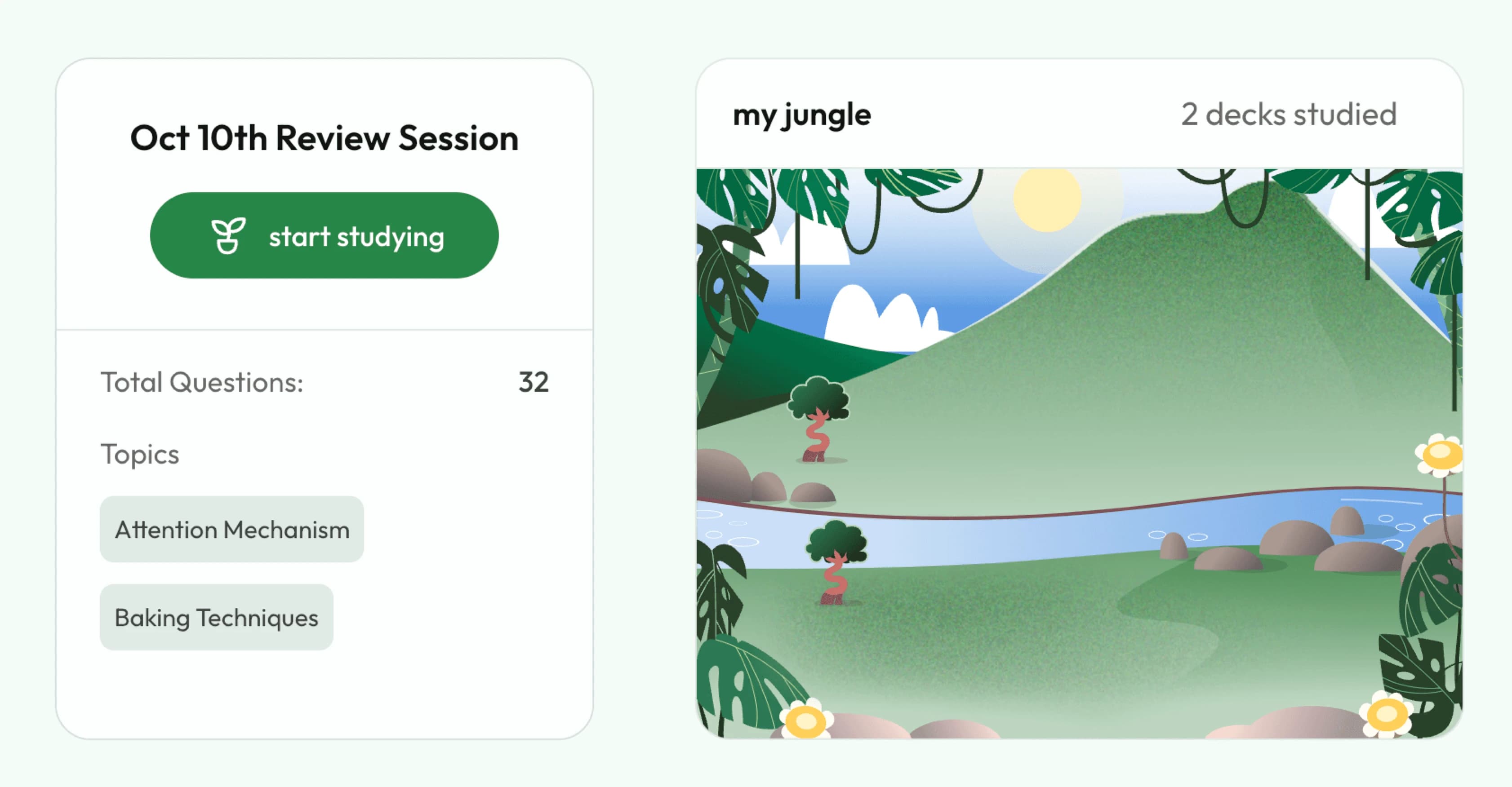
Test-week review is pointless if the whole class has spent three weeks prototyping real-world gadgets or assembling a cultural heritage anthology. Jungle lets us:
- Build custom decks and quizzes entirely from student prompts: the twistiest step, biggest surprise, or what-you-wish-you-knew-last-Wednesday.
- Sort and combine weird mistakes into “challenge rounds” for peer teaching, with prizes for the best creative rescue.
- Get a real sense of what stuck (and what’s still up for debate)—AND celebrate the project’s quirks before the next unit launches. Once you see a review game based on wild student questions, it’s hard to go back to worksheet retreads.
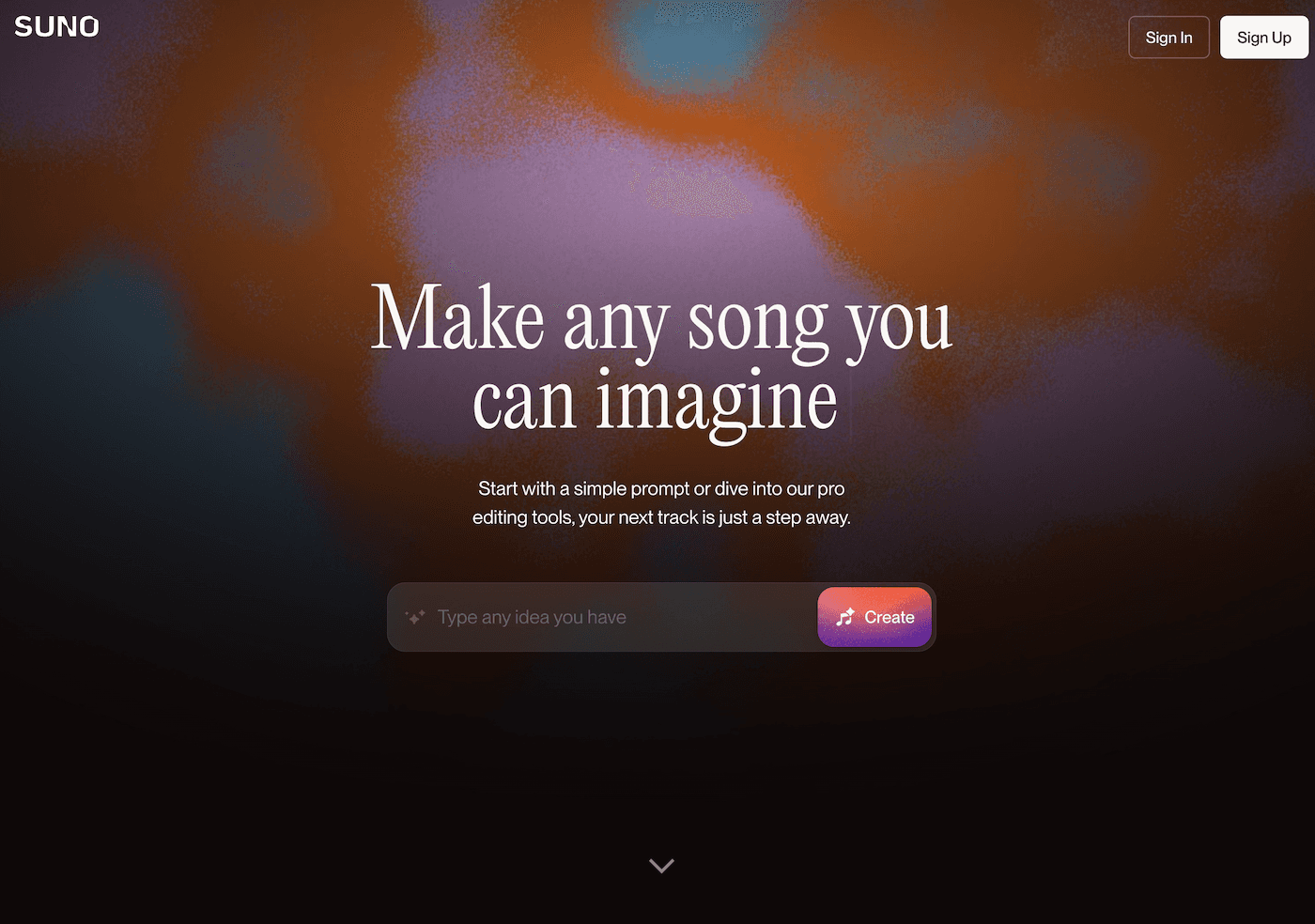
6. Suno AI – Rituals, Endings, and Experimental Culture
Here’s the honest truth: Unusual projects can tank, or end in a win you’d never script. Suno became our ritual-maker:
- Students (and guest speakers!) write prompts for project anthems, jingles, or reflection jams at every milestone (“the day we almost quit the composting challenge,” “mural unveiling halftime,” "we made the principal cry").
- Suno instantly creates an original, co-owned song for every phase—we use them for launches, celebrations, and as part of our final showcases.
- These rituals turned project endings from awkward “did we do enough?” moments into genuine, high-agency closure. It’s SEL, humor, and memory-building—especially when the project was ambitious enough to fail a dozen times before working.
Wrangling the Unscripted: Final Teacher-to-Teacher Advice
- Don’t use AI to standardize the magic. Let students help rewrite the output at every stage.
- Use these tools for workflow and documentation; trophy moments will take care of themselves.
- Archive as much of the journey as the destination—your next group (and admin walkthrough) will thank you for having more than a single end-product to show.
- Embrace mess. Unusual projects are proof learning is alive—AI can make the mess meaningful without killing the spark.
What’s the wildest project AI helped you run this year, or the strangest workflow you’re willing to share? Drop your story or student hack below—I’ll swap my best "how did we survive THAT showcase night" ritual for yours!