6 AI Tools for Teachers Who Chase Wonder
There are teachers who love structure—and then there are the rest of us: the ones who’d rather follow student curiosity than a script, who long for lessons packed with surprises, questions, and goosebumps—not just standards and homework. If you’re always looking for the next spark of discovery (even if it means plans get messy), you also know: wonder is hard to sustain without support. This year, I set out to find AI tools that actually fuel wonder—tools that help me capture, nurture, and amplify awe, not just stay organized.
Below are 6 tools that kept my science, humanities, and even homeroom classes more curious—each with a real, outside-the-textbook workflow and a few hard-earned warnings from a teacher’s chaotic reality. Kuraplan is featured—it’s my “wonder map” this year—but it’s not the hero of every story. If you let students chase what delights and confuses them, these are for you.
1. Notebook LM — Building a Wonder Archive, Not Just Notes
If you’ve ever finished a day with 23 sticky notes saying "Why does that happen?" or "Can we test this next week?" you know the power—and fragility—of wonder in the classroom. Notebook LM became my home base: every "what if?" question, group mindmap, photo of a spontaneous experiment, or voice note goes in as we learn. The AI clusters recurring themes ("Why does the moon come up so much?"), connects across subjects, and drafts wonder-based Q&A for group reflection ("What still amazes us?").
Friday became "wonder wall" day: students revisit Notebook LM, vote on the week’s best burning questions, and pitch next week’s inquiry block. Most of our best projects started this way. When a parent or principal asks why we’re off the regular map—I have proof their kids are discovering for real.
Try Notebook LM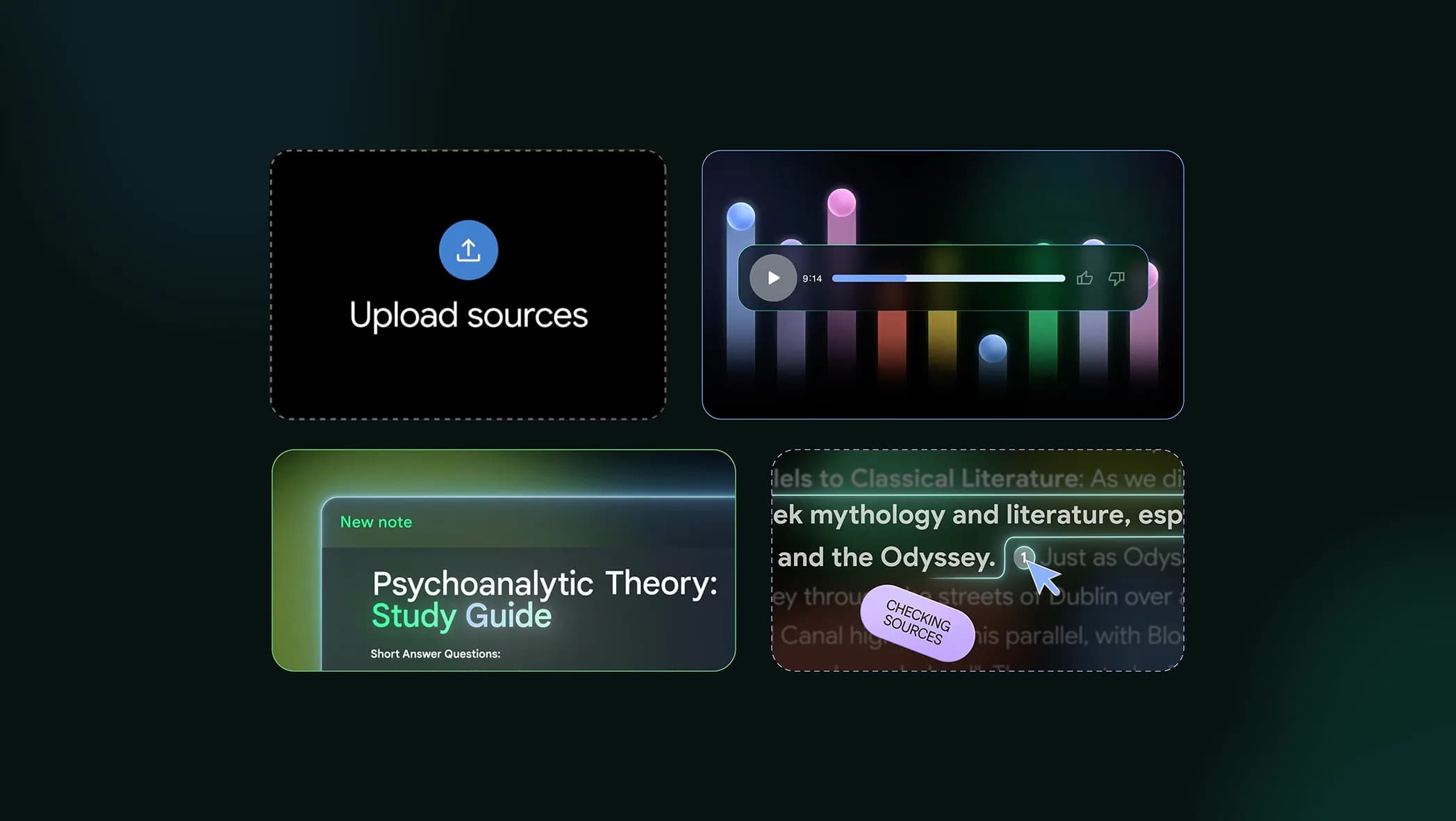
2. Kuraplan — Mapping Curiosity, Not Just Checkpoints
Classic unit plans can grind wonder out of a class. I started using Kuraplan as a "Curiosity Map": instead of only listing standards, my students and I crowdsource the top mysteries we want to unravel (“How do trees talk to each other?”, “What’s a fact we can’t believe yet?”). Kuraplan helps us sketch a skeleton: which standards link to our questions, where we’ll build exploration time, and what checkpoints will be real "aha" days (like a field trip or mystery guest).
Crucially, every few weeks, we project the map for class critique: what discoveries surprised us, what should we swap, did a new wonder moment show up and demand attention? By June, the plan looks nothing like our September draft—and admin have a standards-aligned story to follow, with student joy at its center.
Try Kuraplan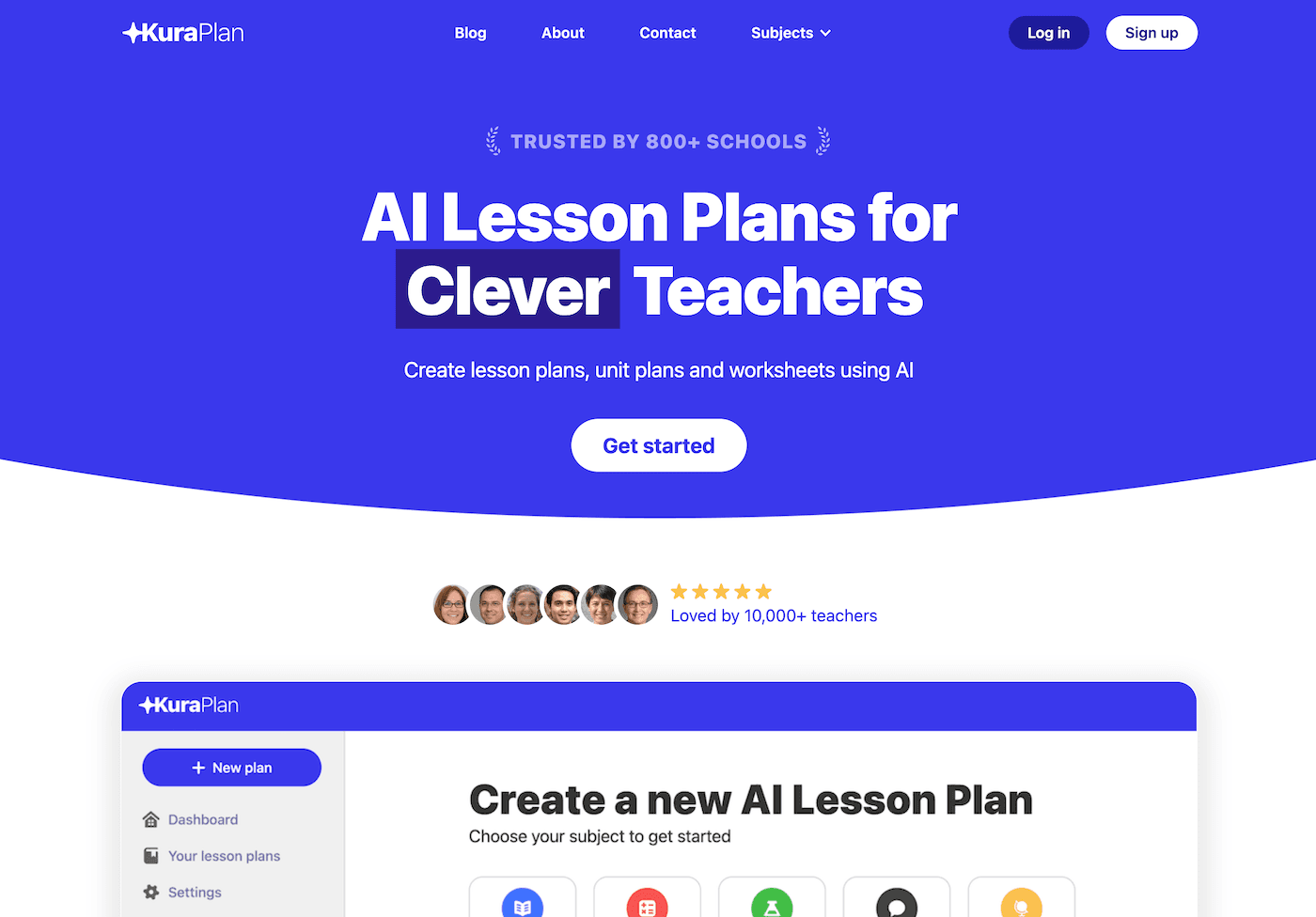
3. Gamma — Visual Stories for "How Did We Get Here?"
Wonder is as much about seeing the learning as doing it. Gamma is my go-to after any surprise: when a science lab turns into a hallway parade, when a civil rights inquiry spawns a zine, or when our "we thought we found Bigfoot" project ends with a call from a local journalist. I snap photos of the process, student quotes, wild brainstorm sketches, and failed builds—Gamma turns them into a living, collaborative timeline or visual story.
We annotate every detour (“Look, this is when we realized our prediction was wrong and kept going!”). At dinner-table time, kids finally have something to show, not just recite. Wonder isn’t just felt in the moment—it’s archived, shared, and admired long after.
Try Gamma
4. Diffit — Everyone Chases Wonder, No One Left Out
Nothing kills classroom awe like a resource gate: "I found something AMAZING"—but it’s too complicated for half the room. With Diffit, every podcast, news story, or even student-written account is pasted and out comes leveled versions, vocabulary, and discussion starters. Now, when a group wants to explore gravitational waves or a neighbor’s immigration story, everyone participates. Even my ELL and IEP students submit their own "wow" finds and see them honored on equal footing. Best tip: let students Diffit new discoveries themselves—the act of adapting is a wonder-inquiry lesson all on its own.
Try Diffit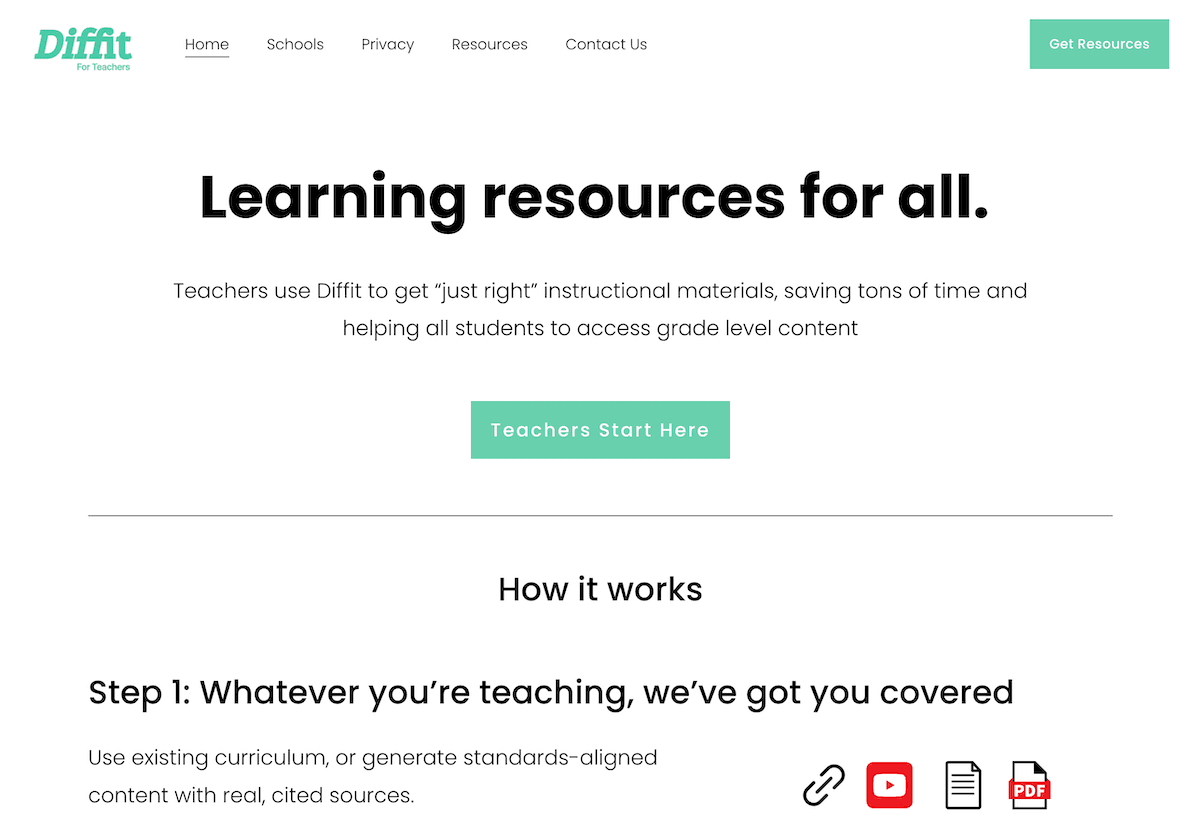
5. Jungle — "Stumper" Decks from Class Mysteries
The days of teacher-crafted review games are gone—now, every student contributes the thing they still can’t explain, the wildest fact they heard, or the most beautiful mistake they made. Jungle collects these submissions after every "wonder week," and builds hot-seat decks, group trivia, or Socratic warm-ups. Our “Mystery Deck” is now a Friday tradition—kids try to stump me (with bonus points for the most poetic surprise), or review in groups to see who makes sense of wonder first.
We archive decks and use them to launch the next semester (“Remember how last year’s class never explained that double rainbow?”), making wonder a class tradition, not just new learning.
Try Jungle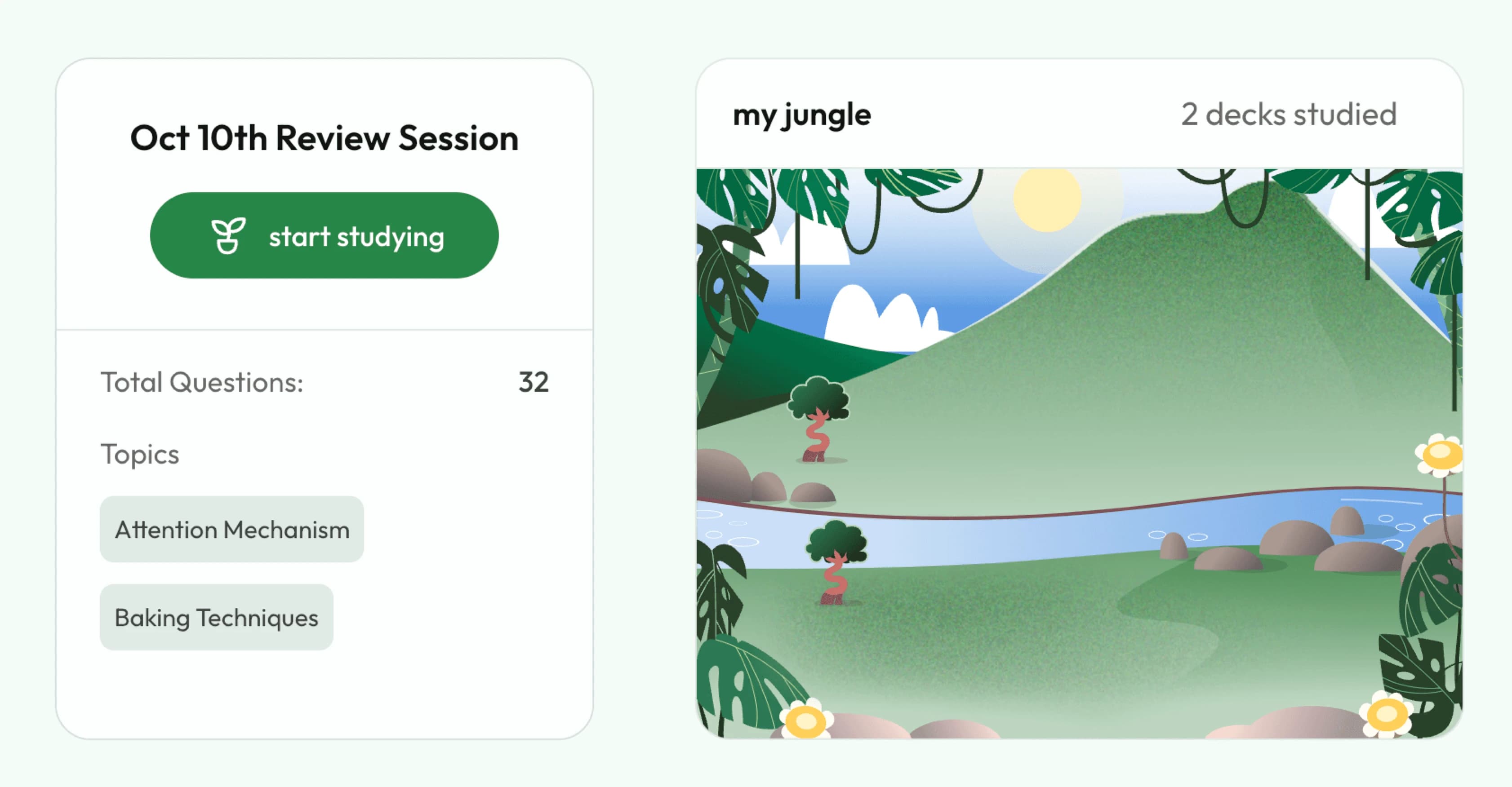
6. Suno AI — Soundtracking Awe and Epiphany
You need rituals to keep awe from becoming fatigue. Suno AI is our closing routine after any major discovery, field study, or "we finally got an answer!" breakthrough. My students submit lyric lines (“Ode to the fact that ants leave trails,” "Song for the question that’s still waking me up,” “Anthem for a beautiful hypothesis”) and Suno combines them into a class-cooked anthem or mantra.
We play our newest Suno track as the week’s closing—or as "hype music" to get brave before a big unknown. Energy and memory go up. Students want to be lyricists for next week’s anthem, and every breakthrough moment gets commemorated, not just noted in a gradebook.
Try Suno AI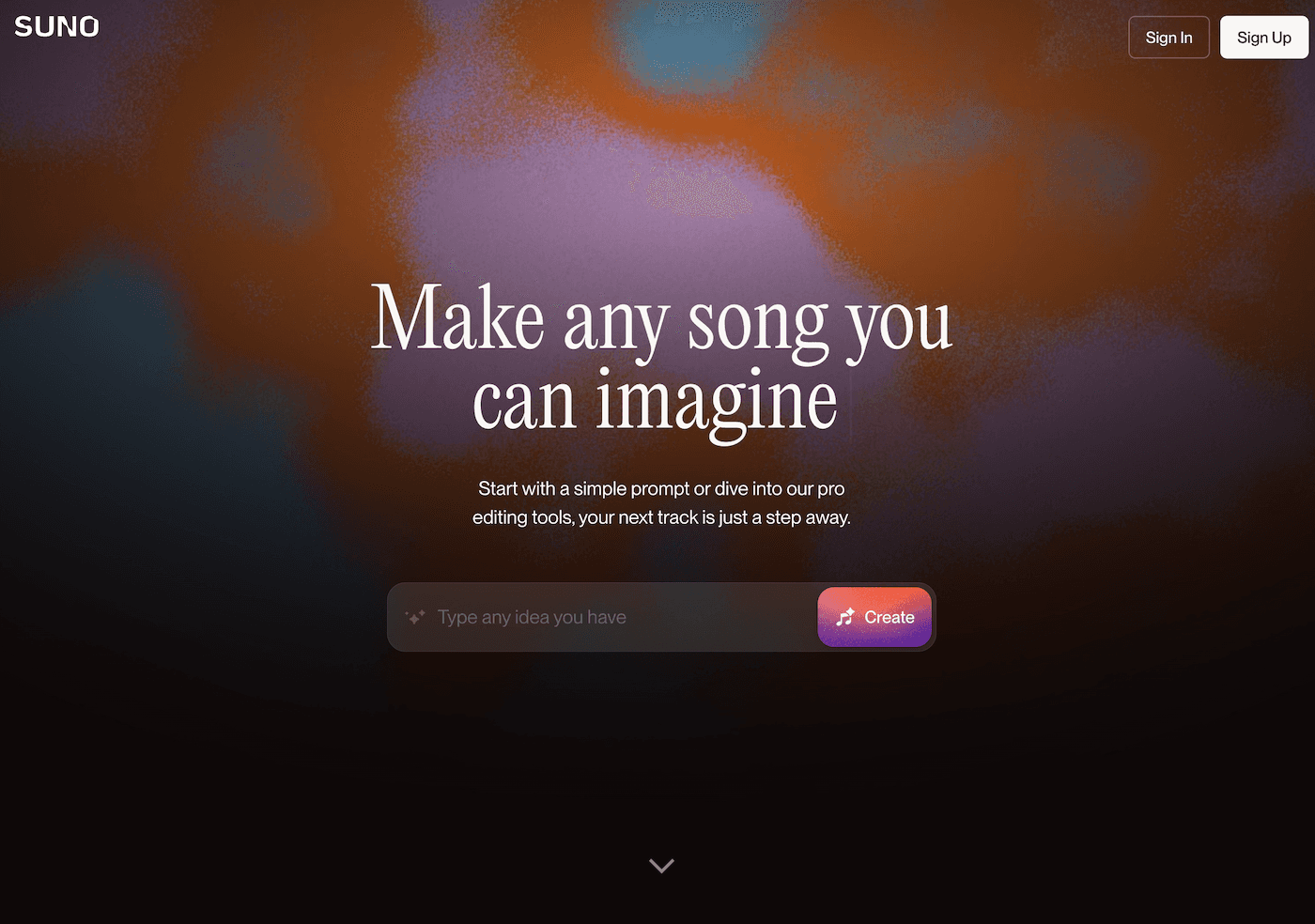
Advice for Wonder-Driven Teachers (From a Reformed Skeptic)
- Archive curiosity as it happens, not as a lesson plan afterthought. Notebook LM and Gamma give memories (and admin) something to see.
- Make the plan a collaborative, living experiment; let Kuraplan reveal student questions, not just teacher goals.
- Inclusion amplifies awe; never say “too advanced”—Diffit lets every kid submit what moves them, and no curiosity gets sidelined.
- Ritualize not just review but wonder-stumping: Jungle decks and Suno tracks turn confusion and discovery into joyful tradition.
- Don’t fear the unfinished. The best questions spawn new units, not just quick answers.
If you’re a wonder-chasing teacher with your own workflow, weekly ritual, or a moment of awe that’s stuck with your class, share it below. We’re building the classrooms we wish we’d grown up in—AI can help catch (and spread) that magic wider than ever.