6 AI Tools for Teachers Who Foster Resilience
Not every class ends with a trophy. For those of us who believe the truest learning happens in the struggle—in the group project that falls apart, the science fair prototype that never stands up, or the essay that takes a third draft to make sense—building resilience is a core part of our job. But fostering that growth mindset, making space for honest reflection, and helping students see value in mistakes isn't easy. It takes time, humility, and systems that don't turn every challenge into a red X. Most AI for teachers promises speed; the best foster growth.
After a wild, unpredictable year of advisory, humanities, and STEM, here are the AI tools that made it easier—and more joyful—for me and my students to celebrate every stumble, iterate faster, and feel proud of bouncing back. Each is paired with a concrete workflow to bring risk-taking and revision to life—not just in the top 10% of your class, but for everyone (yourself included).
1. Jungle — Review Games That Celebrate Mistakes
My students used to groan at quizzes—until we started building our own Jungle decks made entirely of the year’s “best flops.” After every project checkpoint or group experiment, students submit a question: "Where did our plan fall apart this week?" or "Which misconception tripped us all up?" Jungle organizes the cards, and we play, laugh, and reflect together—sometimes in teacher versus class showdowns, sometimes in cross-grade teams. Instead of shame, the hardest concepts become fuel for humor and learning. The best decks get saved for next year’s class—risk, recovery, and revision as a funny new tradition.
Try Jungle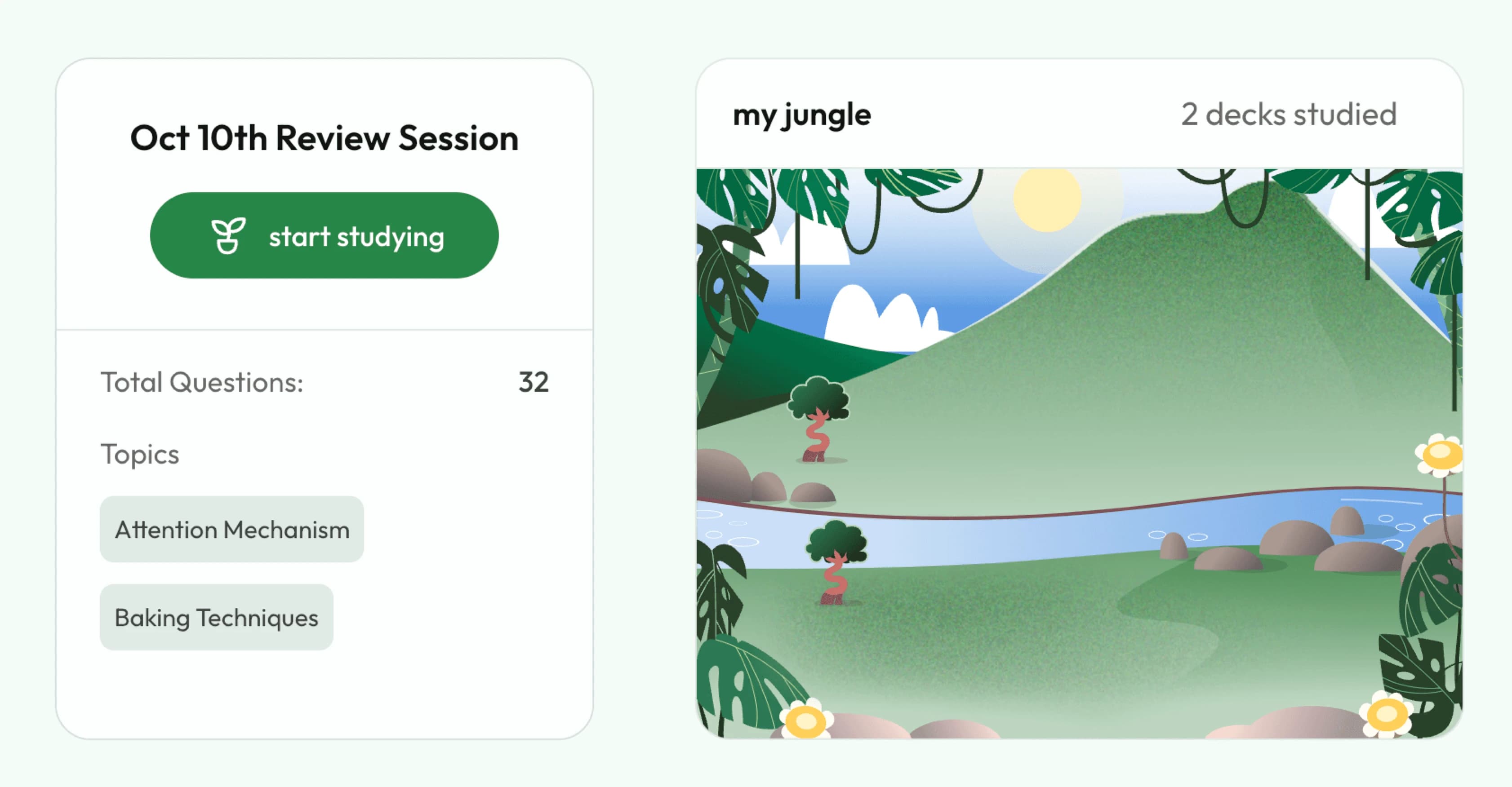
2. Kuraplan — Editable Roadmaps That Welcome Pivots
Resilient classrooms need flexible structures. With Kuraplan, I start every major project unit by sketching a sequence (with student input): draft milestone, peer critique slot, review game, and even a “pivot window” week for revision after something blows up. Every draft gets updated live—when a group needs more time, or when the most detailed timeline gets derailed by a lunchtime inspiration. Students know that timelines are tools, not traps, and that rewriting their plan isn’t a failure—it’s proof of growth. When my admin pop in, our evolving Kuraplan shows a culture that values process every bit as much as product.
Try Kuraplan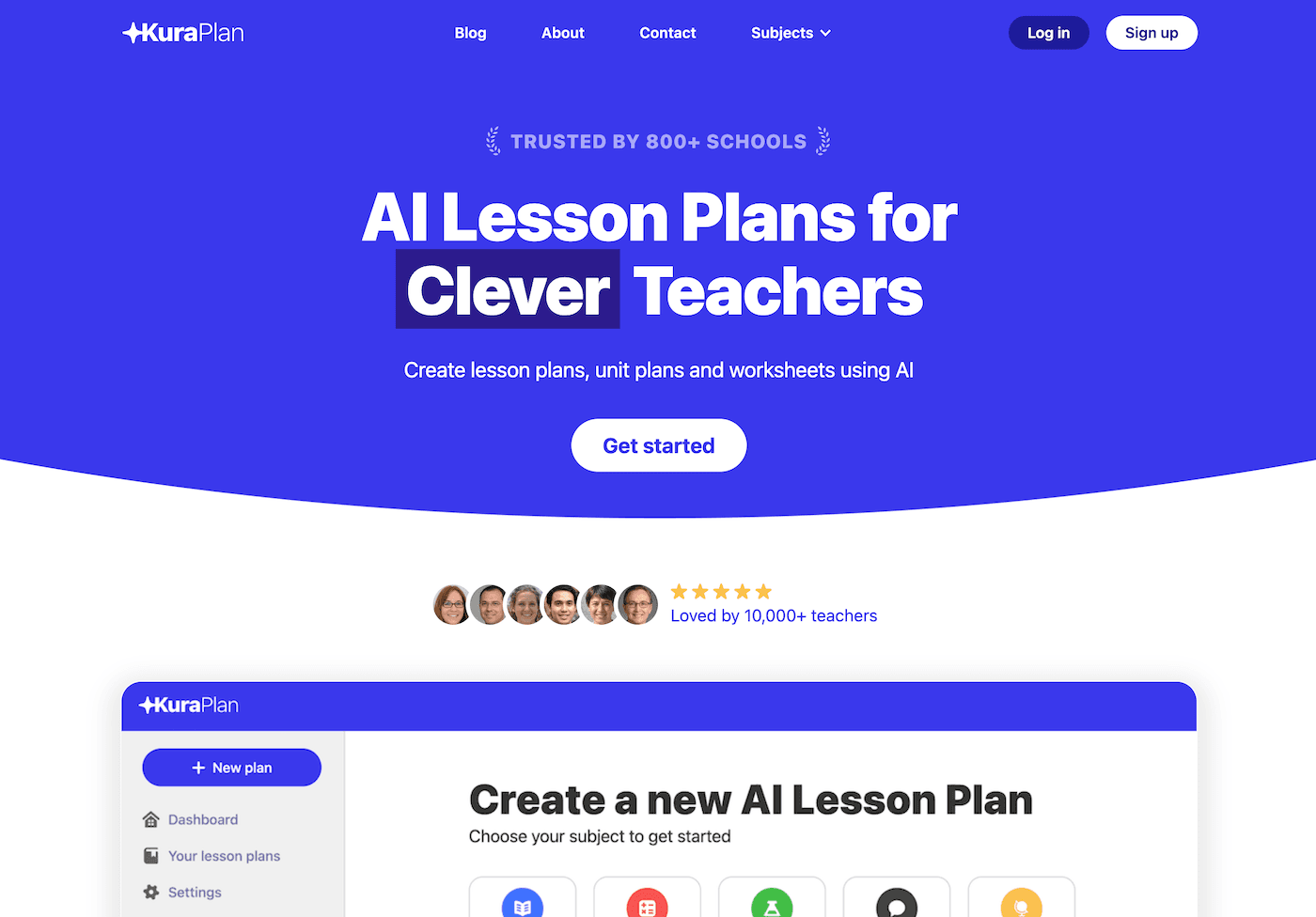
3. Notebook LM — Voice-Note Reflection, Not Just Rubrics
The best meta-cognition rarely happens in a rubric. Every Friday, my groups add audio reflections (“what did we unlearn this week?”), peer advice, and even “we tried this, it didn’t work, but…” summaries to a shared Notebook LM file. The AI highlights recurring pivots, persistent questions, and class themes. By semester’s end, we have a podcast-ready archive of our greatest struggles—and the tweaks that turned failures into breakthroughs. We sometimes play back these clips at parent night, or use them to design next year’s unit launches. The confidence for round two isn’t an accident—it’s built on hearing how others bounced back last time.
Try Notebook LM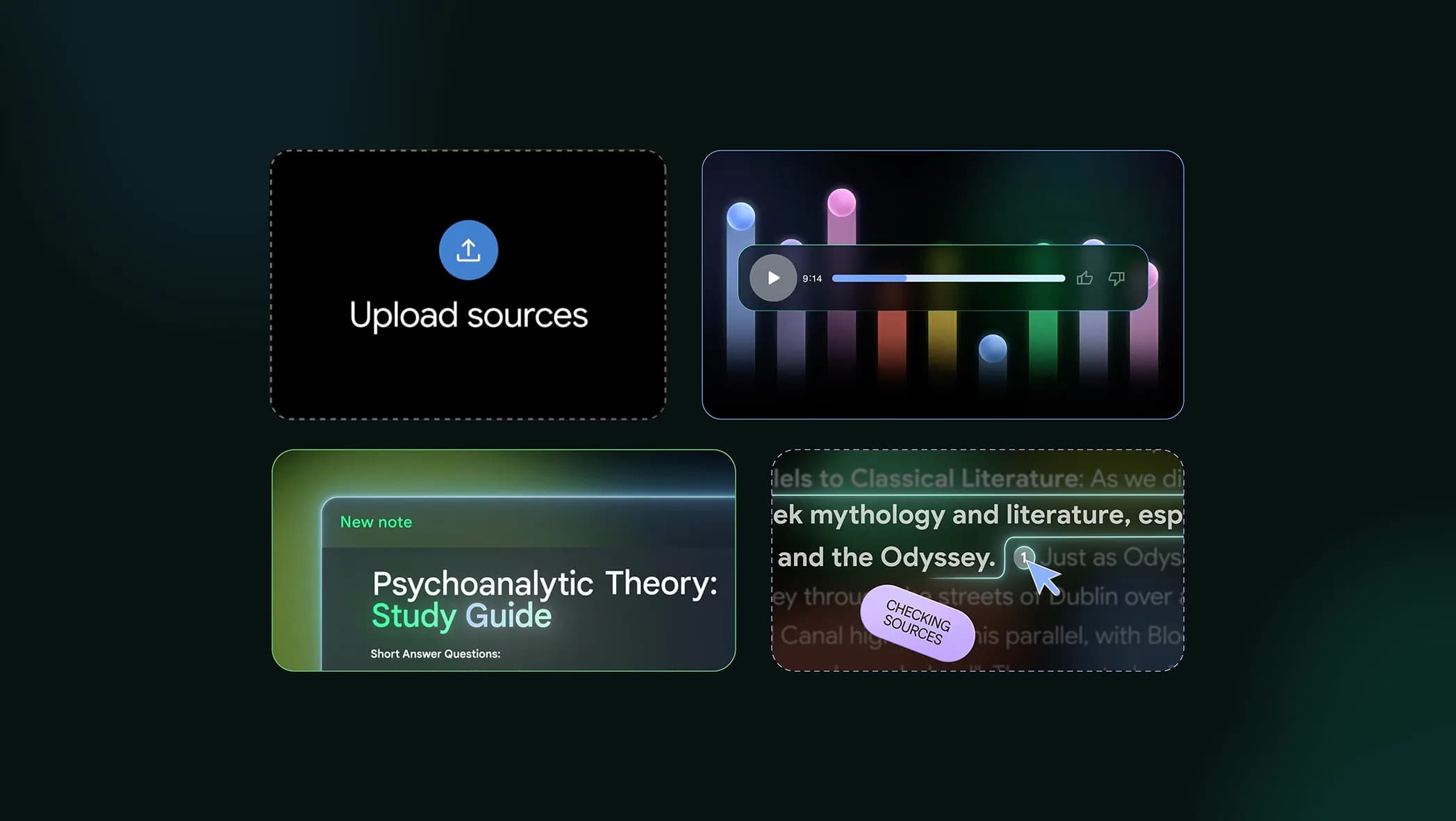
4. Diffit — Second (and Third) Chances for Difficult Texts
Nothing saps a student's resilience like hitting a resource too hard for their level. My hack? When a group fumbles a tricky reading, a student’s "aha!" podcast transcript, or even my own prompt, we Diffit-ify it—generating multiple leveled versions with built-in support. Every group gets another entry point, so no one has to stick to just "powering through" confusing material. I often challenge students to pick two versions and compare what each makes easier—or harder—to figure out on a retry. The act of adapting is itself a resilience lesson: skills improve, but so does courage to try again.
Try Diffit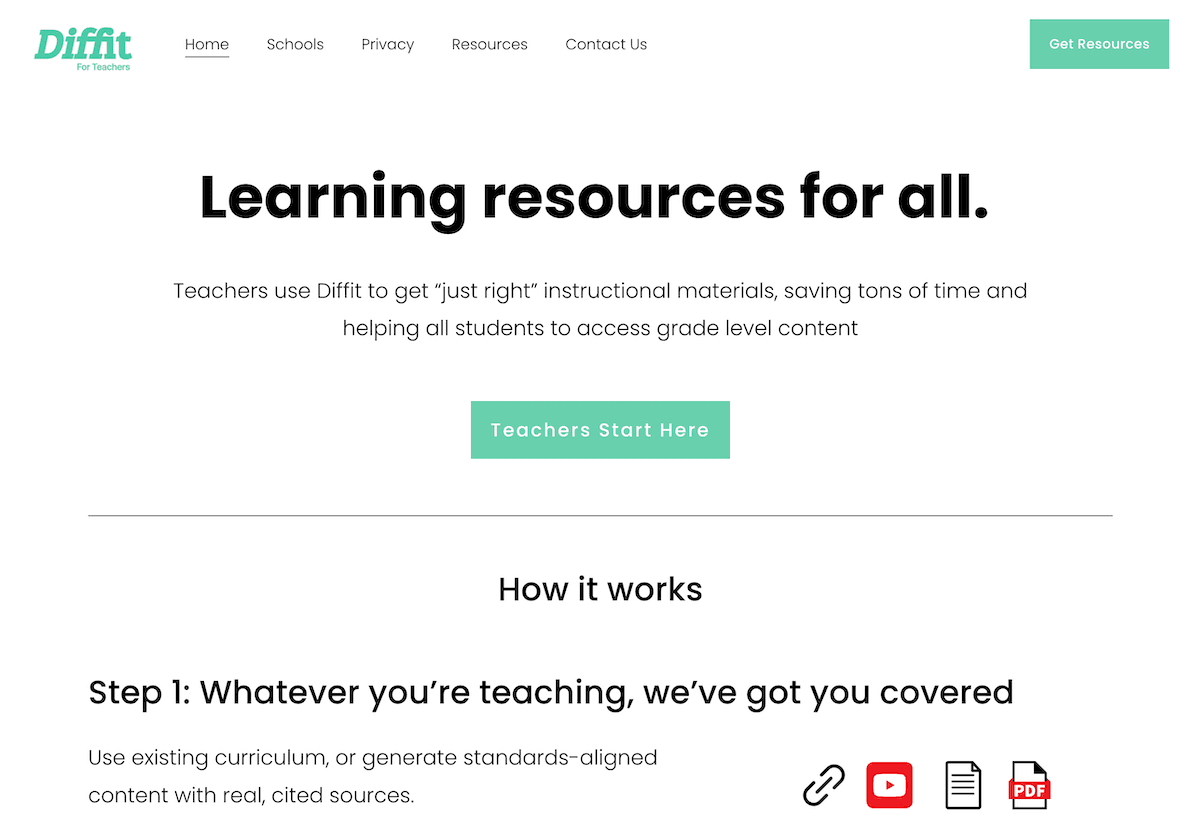
5. Gamma — Making Revision and Process Public (and Celebrated)
Planning boards and “finished” projects hide the real wins. Gamma lets every group curate their progress: uploading photos of first drafts, messy prototypes, peer feedback slips, and especially "retry" moments after a failed build. Gamma’s AI organizes everything into a timeline or living gallery—groups tag where a pivot, failed attempt, or bold edit changed the trajectory. We project our “Revision Museums” at each open house, making visible the many faces of success, not just top grades. Students start taking more pride in process—parents and admin finally see what “growth” looks like.
Try Gamma
6. Suno AI — Rituals for Resilience (Anthems, Not Worksheets)
After a tough round—failed experiment, revision week, or group that needed a motivational push—we crowdwrite a Suno prompt: "Song for the messiest group project," "Chant for our first successful retry," “Anthem for the week nothing worked.” Suno instantly turns those lines into a class soundtrack—closure, reset, and celebration all in one. By April, our playlists are a living legacy of every comeback—funny, sad, triumphant. I’ve had students request "the retry anthem" to kick off new units, and heard families use the same rituals at home. In a resilience-driven classroom, culture sticks hardest through soundtracks and shared memory—not scores.
Try Suno AI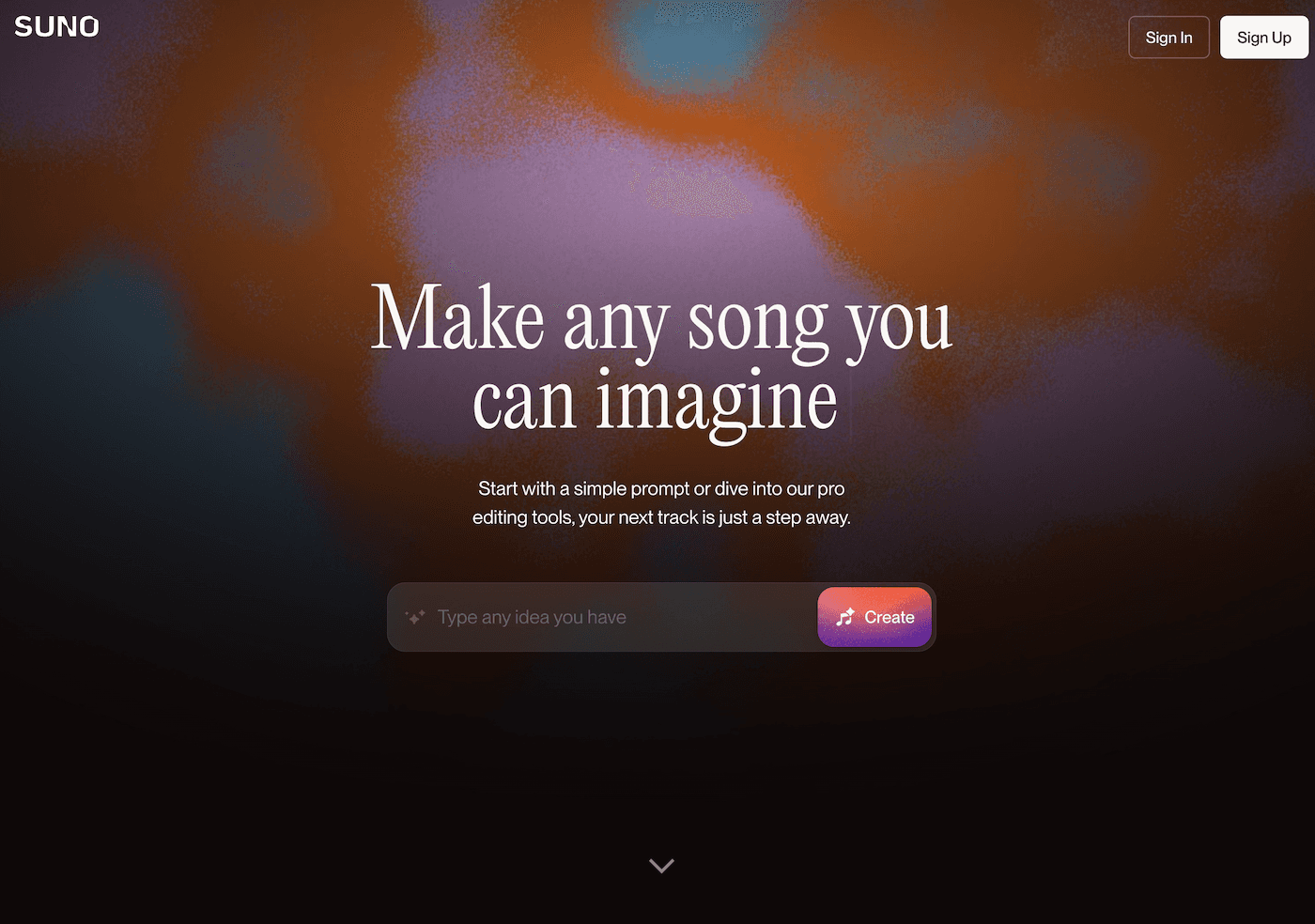
Teacher-to-Teacher: Tips for Making Resilience Routine
- Archive, not just annotate. Gamma and Notebook LM make process improvement visible—build your own "museum of pivots."
- Plan for resets: Use Kuraplan to put revision, check-ins, and “pivot points” into the official plan, so students trust change.
- Celebrate error: Use Jungle (and your own rituals) to laugh, reflect, and normalize bouncing back—not just pushing through misery.
- Make accessibility an act of hope: Diffit for every new attempt means no one is left behind, and everybody gets to try again.
- Ritualize recovery. Suno's anthems are not fluff—shared culture is what motivates comebacks, not checklists.
If you’re the kind of teacher who has a story for every disaster, or who wants AI that finally supports risk and revision (not just scoring), drop your best workflow, tradition, or recovery hack below. The best classrooms aren’t mistake-free, they’re full of second (and third, and fourth) chances—and tools that make every try count.