6 Fresh AI Tools for Teachers Who Hate Boring Lessons
Ever feel like your teaching routine is eating your soul? I’m the type of educator who panics at the mere thought of another “well-structured” worksheet packet or a Google Slide deck recycled from 2019. My best teaching moments have never come from flawless script-following—they’ve come from last-minute student brainstorms, off-topic debates that ran wild, or a class project that turned into something nobody saw coming (including me).
But, if you’re like me, you know that keeping lessons fresh is exhausting—and even the most creative teachers need backup. This year, I put every AI tool I could find through the “can-this-stop-me-from-hating-Tuesday” test. These six actually delivered: not just for planning, but for catalyzing those unpredictable, all-in moments that make the work feel worth it.
Yes, I’ll mention Kuraplan (because a flexible structure matters, even when you’re chasing sparks), but every tool here serves a genuinely different purpose—whether you teach ELA, science, electives, or just want less boredom, more buzz.
1. Gamma — When Your Lesson Goes Off the Rails (In a Good Way)
Classic slideshows are a rut in disguise; Gamma is the opposite. Every Friday, I invite my class to text me weird discoveries, funniest questions, and doodles from the week. I drop everything—photos, memes, sticky-note quotes—into Gamma. The AI turns it into a vibrant, annotated timeline or living class gallery. On Mondays, students see their ideas, not just mine, at the front of the room. Bonus: admin can spot creativity and curriculum without asking for one more binder. Gamma now powers every rapid-fire project pitch, messy debate breakdown, and parent-night memory lane in my classroom.
Try Gamma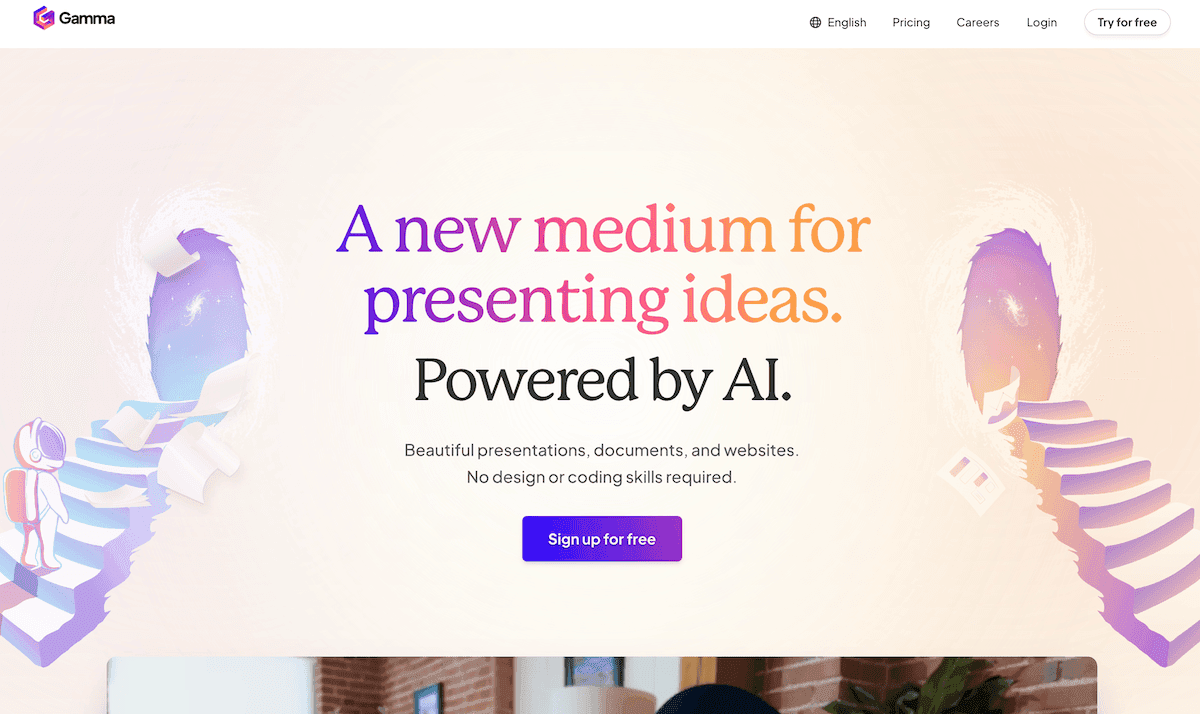
2. Kuraplan — The Editable Lesson Map (Not a Script)
I used to resist planners on principle—until Kuraplan let me make my own blueprint and break it whenever I needed. My workflow: With students, I draft the week’s key goals, anchor tasks, and, crucially, leave jigsaw slots for “student discoveries” and “collaborative challenge” days. Every wild detour (like that time biology class ran a hallway chromatography race) becomes a checkpoint on our Kuraplan map. I project the draft, let others edit it, and update after every pivot—so the plan morphs with the learning, not against it. Accountability that doesn’t fossilize.
Try Kuraplan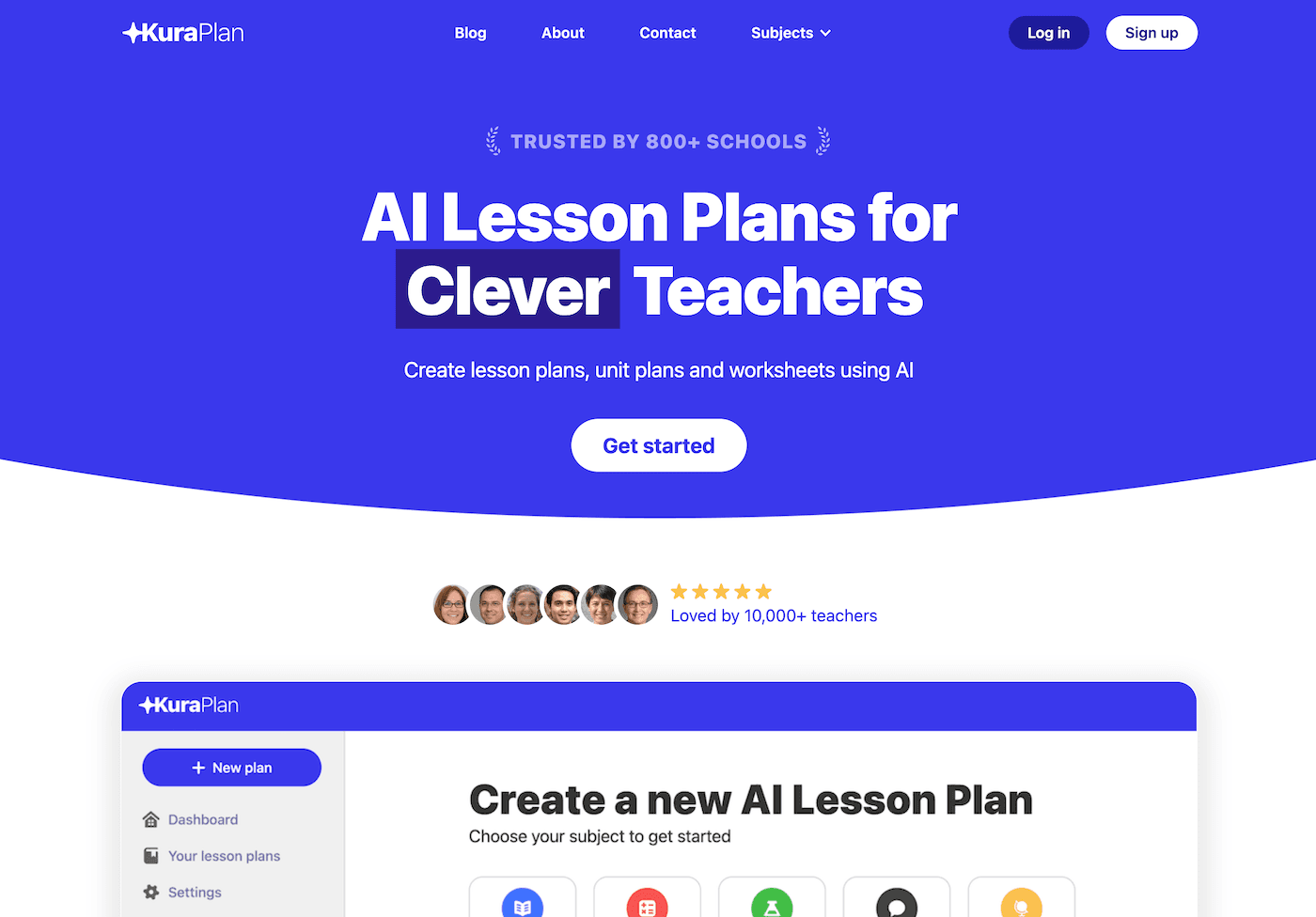
3. Diffit — Making Any Source the Centerpiece, Instantly
Ditch the boring textbook passages. When a student brings in a viral TikTok transcript, last week’s news article, or a bizarre Reddit AMA, I run it through Diffit. In two minutes, I have three reading levels, vocab, and a menu of creative prompts to resuscitate any lesson. Now, every resource—however random—can launch a debate, creative challenge, or project cycle, not just the “advanced” kids’ attention. Best hack: Have groups Diffit-ify their resource as a class job and compare which version packs the biggest punch. Curiosity = inclusion.
Try Diffit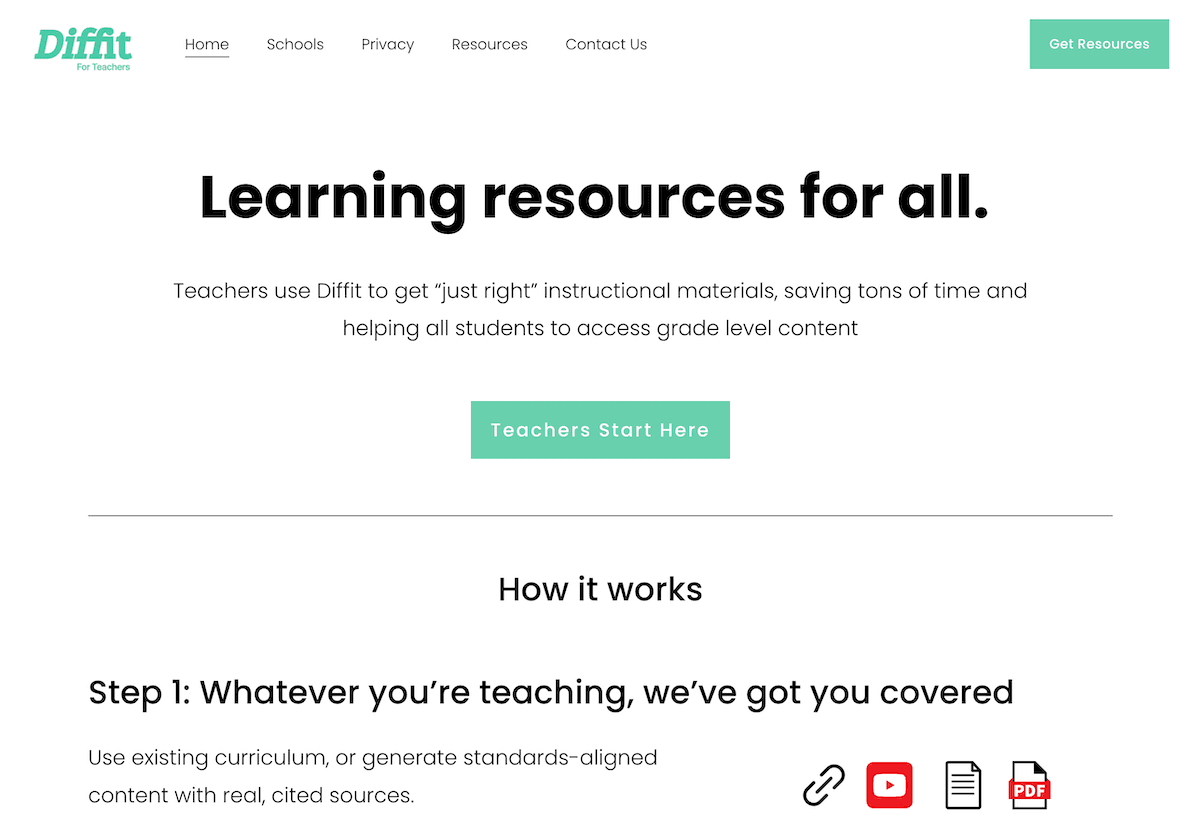
4. Jungle — Class-Made Games and Truly Honest Check-Ins
When was the last time your exit ticket surprised you? After every collaborative or offbeat lesson, I have students submit a flashcard in Jungle: “What stumped our group?”, “What made us laugh?”, “What would you tell next year’s class if they tried this?” Jungle’s AI then creates a unique, student-authored trivia, review, or reflection deck. The best questions come from mess, not mastery. Review day is now student-directed, never a worksheet, and always a little bit unpredictable. Ritual, not routine, is the goal.
Try Jungle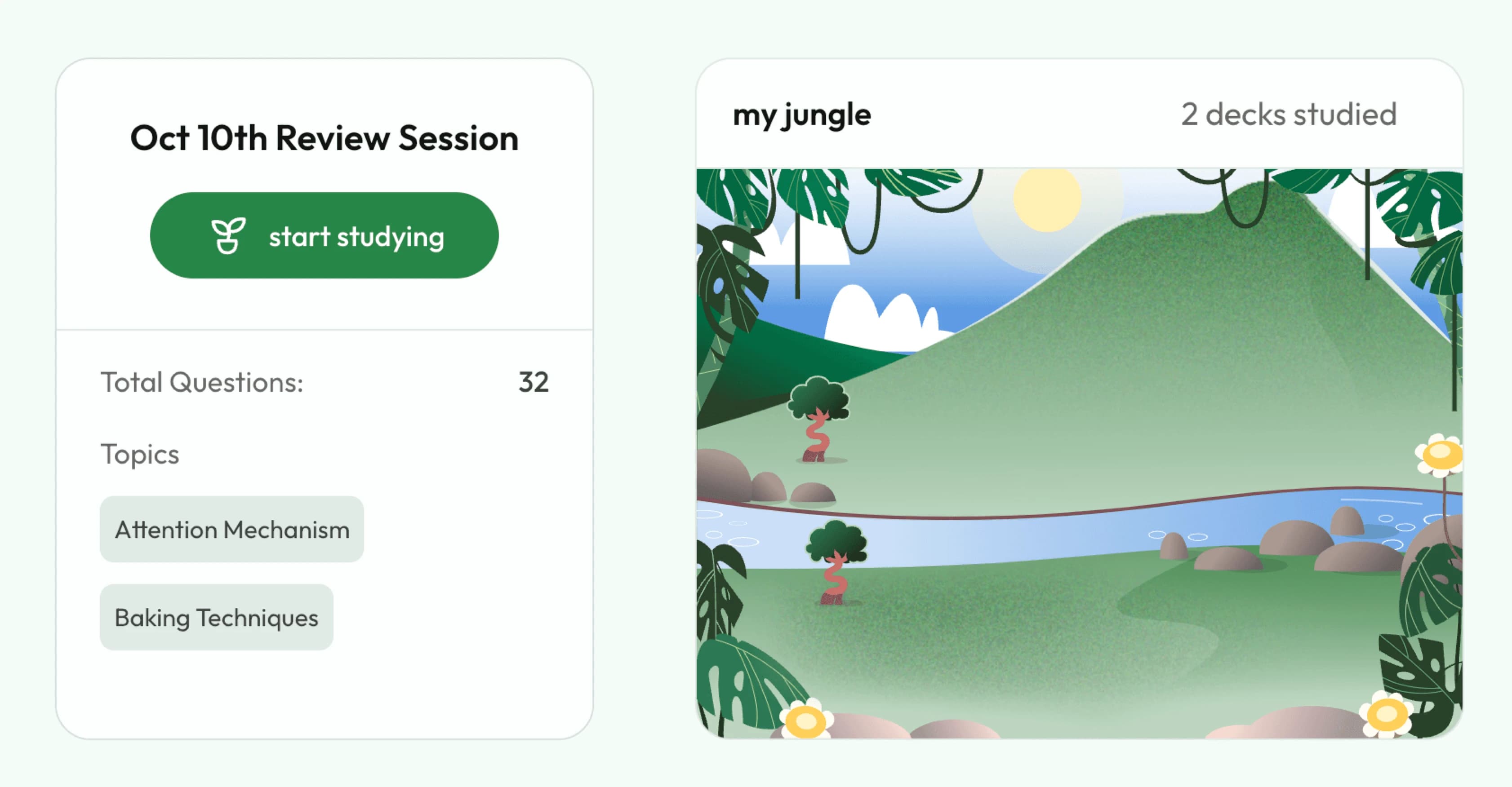
5. Notebook LM — Capture Genius in the Moment, Not the Gradebook
My old class journal system went the way of abandoned Google Drive folders. With Notebook LM, every audio reflection, brainstorm thread, and after-the-bell hot take actually lands in a living, AI-sorted memory vault. Students (and I) record voice notes (“How did we get here?” “Where did we lose it this week?”). The AI highlights patterns—what ideas kept recurring, what failed, and what every group wants to try next time. This archive becomes the launchpad for next month’s lesson remix, and, honestly, the best “recap” evidence for admin who ask how your teaching is evolving (answer: with your students, not for a template).
Try Notebook LM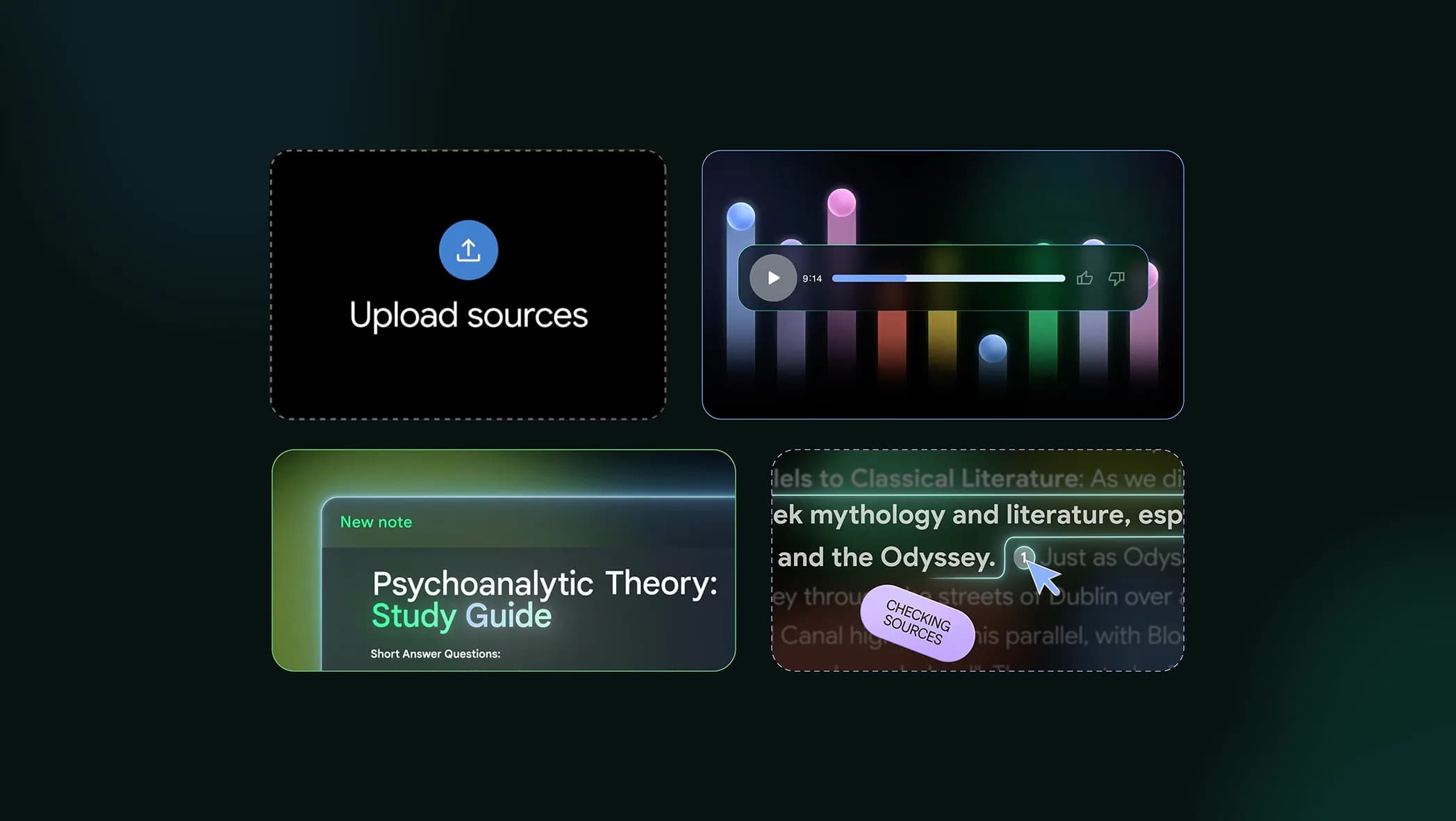
6. Suno AI — Soundtracks and Rituals for the Weirdest Wins
Boring lessons have routine. Great lessons have ritual. After any wild project, creative victory, or even a "best fail," my class crowdsources lyric prompts for Suno (“Song for the Tuesday That Surprised Us,” “Anthem for Project Last-Minute,” or “Chant for Team That Just Got It”). Suno instantly creates a unique class track—students play them at celebration, closure, or for pure reset energy. Now, even reluctant kids want to co-write next week’s class closure. Our playlist is proof that fun—and surprise—are the real memory builders.
Try Suno AI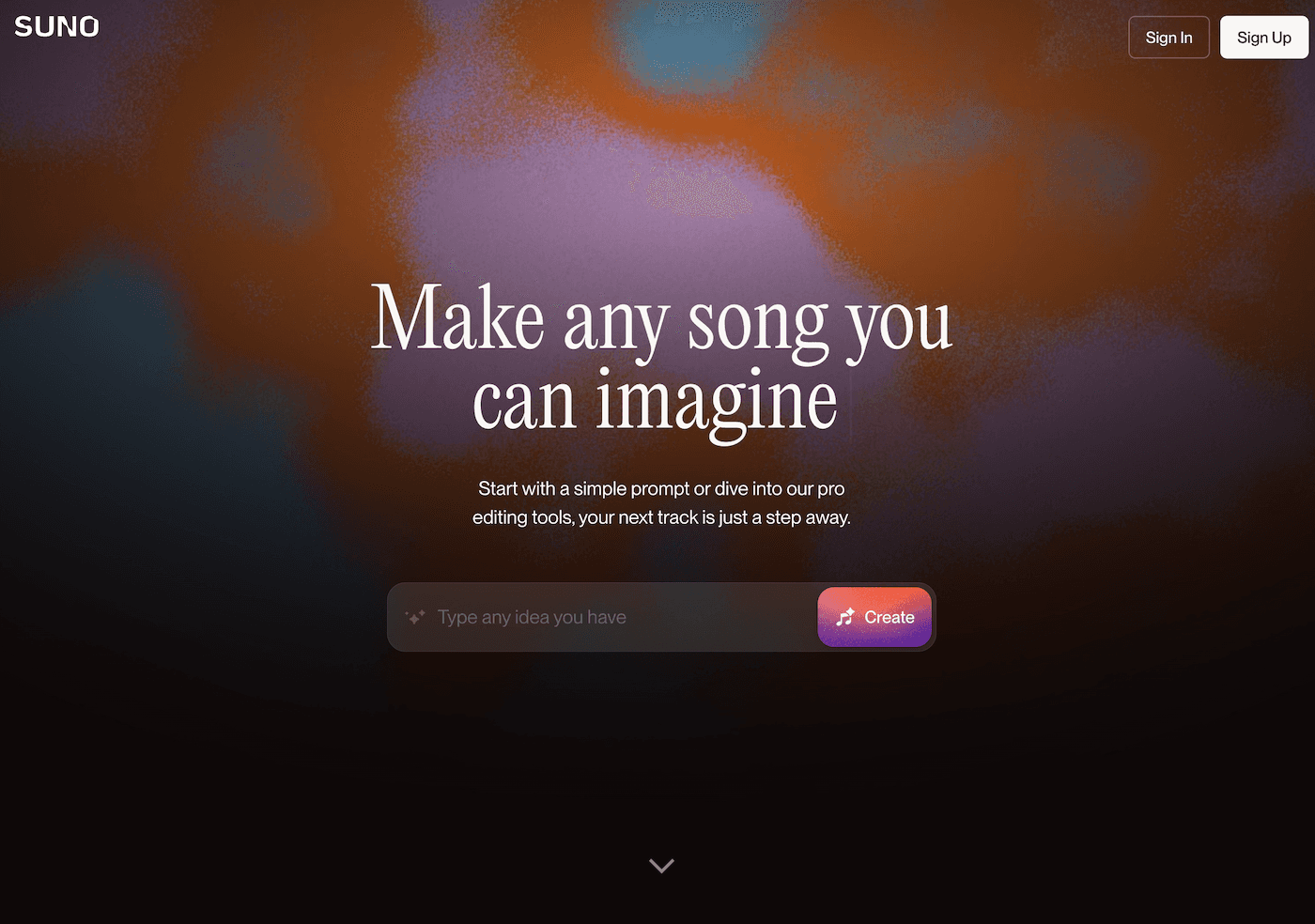
Real Tips for Teachers Who Want to Stop Repeating Themselves
- Archive as you go: Gamma and Notebook LM turn chaos into evidence—and ideas into the plan for next week.
- Make structure breakable: Kuraplan only works when it’s adapted in public, not locked away in your prep folder.
- Put creative power in your students’ hands: Jungle, Diffit, and Suno mean every ritual, resource, and review has buy-in.
- Don’t fear the detour—celebrate it. Every weird disco day, energetic flop, or “teacher, I have an idea…” moment is a seed for growth. These workflows freed up space for more of that, and less fill-the-blank slog.
If you’ve discovered your own AI hack for keeping lessons fresh—or a ritual, game, or chaos-mapping workflow that made every week (really) different—share it below. The best teaching you’ll do in 2025 is still the one you can’t plan ahead.