6 AI Tools for Teachers Who Love Hands-On Assessment
Let’s be blunt: If you care more about what students can build, defend, improvise, or explain in real time than how many bubbles they fill, this post is for you. I teach a STEM/Humanities mashup block where "assessment week" has as many glue guns as rubrics. For years, I’ve set out to prove learning by exhibitions, design sprints, improv debates, and surprise science fairs—only to get lost in sticky notes, half-finished process journals, and way too many “awesome work, but where’s the data?” emails from admin.
2025’s best AI doesn’t just automate grading or pop quizzes. Some tools are finally built for teachers who want assessment that looks like learning: documenting process, supporting student explanation, and helping you celebrate what happens IN the project, not just at the end. Here’s my tried-and-true set—the ones that make performance, reflection, and creative risk a little easier to wrangle and a lot more visible (for students and for whoever’s asking for evidence). Kuraplan appears early—not as a script, but as the backbone when you need process to be visible and editable.
1. Gamma — Show, Don’t Tell, Your Assessment Story
The real problem with performance tasks, prototyping units, and showcases? Everyone learns…but you can’t show the process in a spreadsheet. Gamma is my not-so-secret solution: I have groups upload build photos, draft diagrams, and voice memos throughout the project, not just at the end. The AI creates an interactive, annotated timeline or gallery documenting every pivot, detour, and retest. My hack: we treat Gamma as our "project logbook," annotating each step ("here’s our failed circuit," "debrief from demo day disaster"). When parents, students, or admin want to know, “What did we assess?”—this gallery is proof that growth, improvement, and even creative flops matter as much as the final grade.
Try Gamma
2. Kuraplan — Assessment as a Living Roadmap
Rubrics and unit plans are fine, but they don’t survive the first adrenaline rush of a live contest or a student-led project sprint. Kuraplan changed my rhythm: Instead of just drafting checkpoints, I project the editable plan each week and build in windows for process reflection (“Team Exposure Demos,” “Peer Iteration Pitch Day,” “Last Minute Rescue Slot”). After every major milestone, we review the plan, annotate what changed mid-project, and let students propose (and defend) whether an outcome is ready for a public share or needs a second attempt. When admin stops by, the evidence isn’t a wall of scores—it’s a roadmap of learning, updated in real time.
Try Kuraplan
3. Fliki — Students Explain Their Own Thinking (For Real)
Too many assessments focus on the product, not the process—or freeze out introverts who won’t present in front of the class. With Fliki, my groups script quick voiceovers or explainer video scripts after every checkpoint (“Why did we change our hypothesis?” “Where did our ELA project go off the rails?”). The AI turns their text into short video explainers, ready for peer review, parent night, or as part of their final portfolio. Bonus: Students who dread presentations have an authentic alternative, and every major step in their project is captured in their own words, not just in my comments.
Try Fliki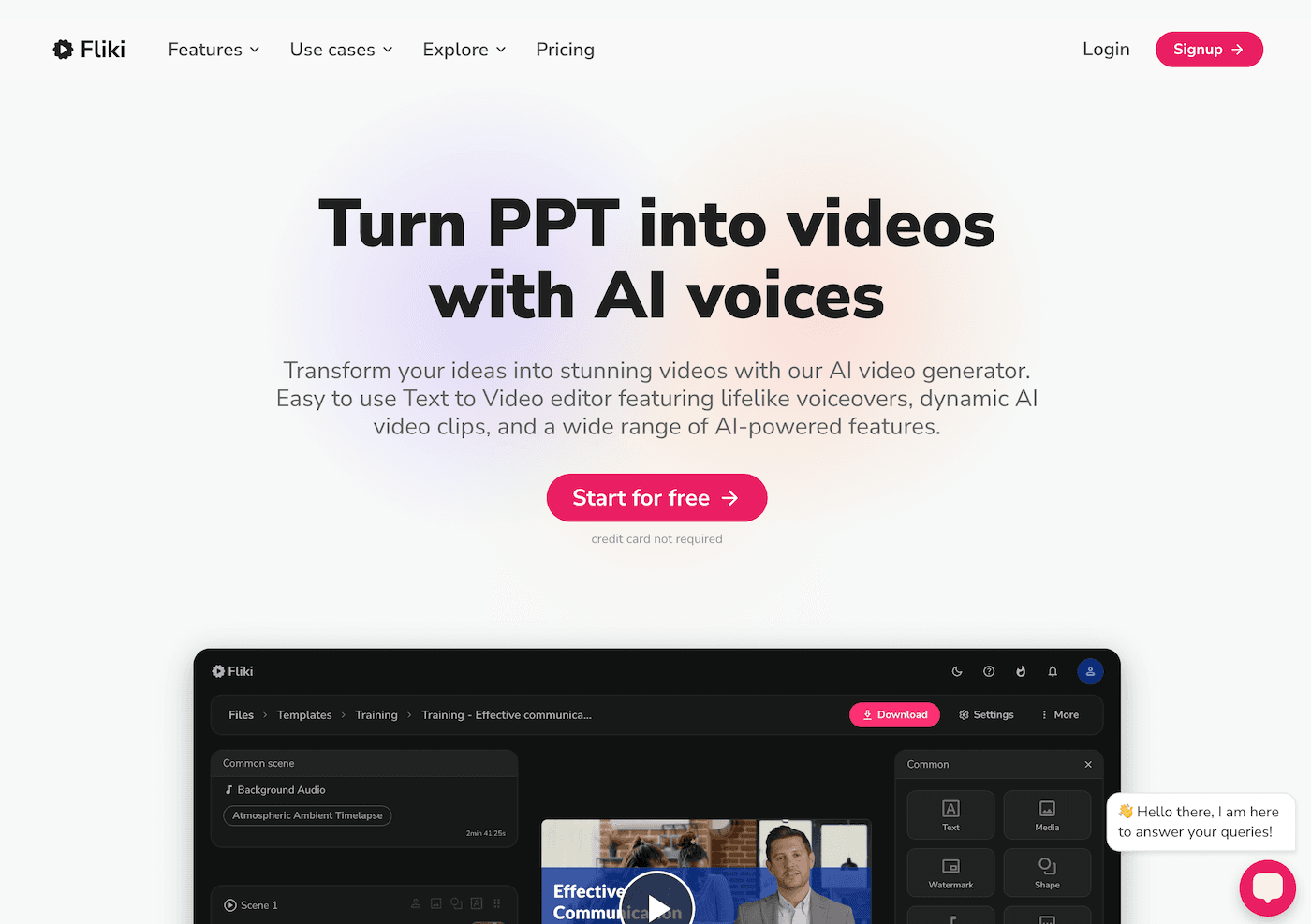
4. Jungle — Assessment Games By and For Students
Hands-on assessment should invite students into the process, not just test memory. Jungle became our peer-reviewed reflection arcade: after each live build, peer review, or argument day, students submit a card summarizing “best discovery,” “biggest fail,” or “concept that got us stuck.” Jungle’s AI builds review games out of the submissions. We end project cycles with a trivia battle—student-generated questions, group commentary, unexpected curveballs. My best rituals: Save the ‘reflection decks’ between projects, so every new cohort starts with the last group’s legacy of learning.
Try Jungle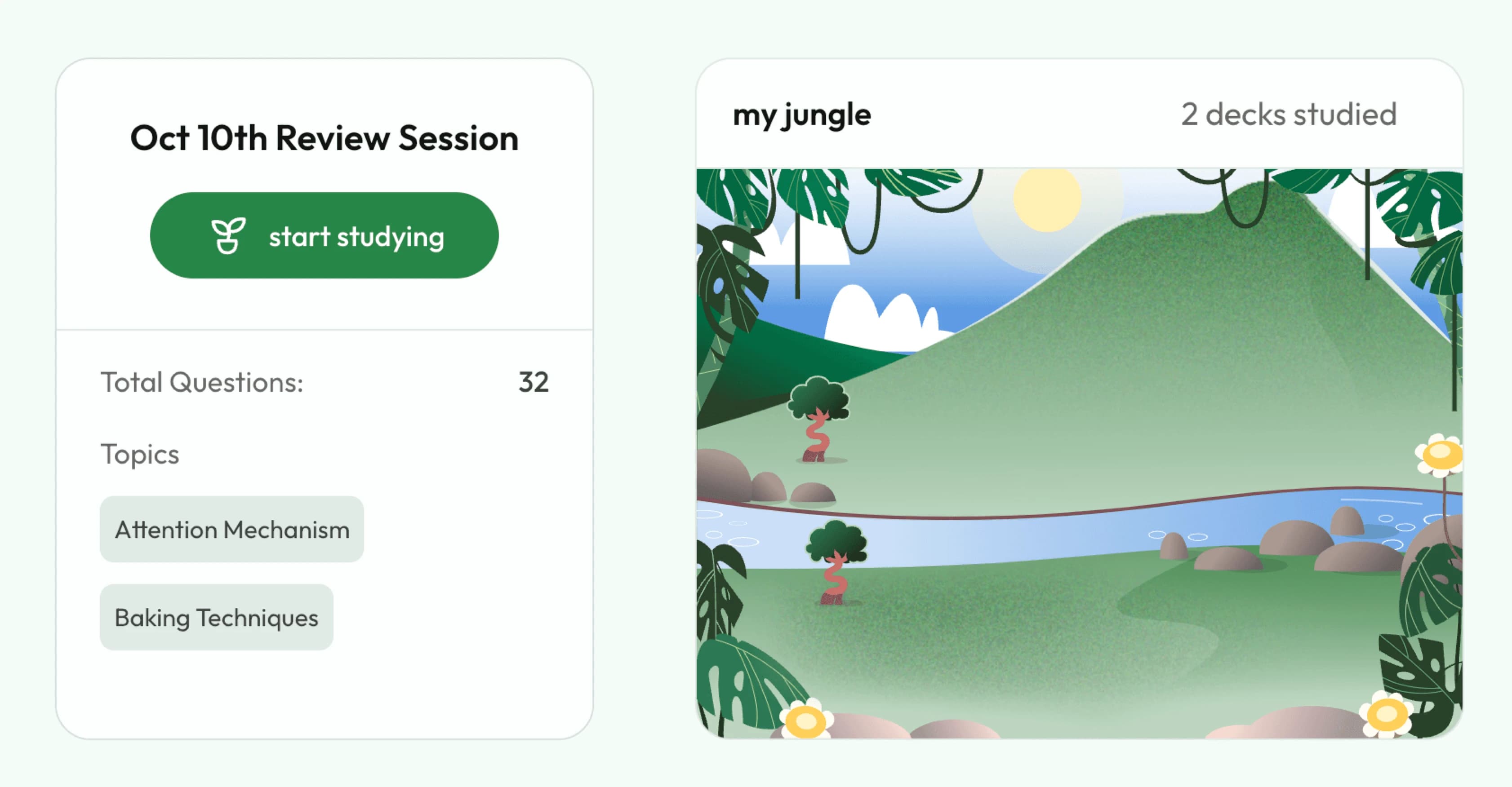
5. Magicbook — Publish Assessment As Story (Not Just Rubric)
Ever wish you could show learning to families and admin—and make it public in a way that keeps students proud, not anxious? Magicbook lets every group or pair submit a page detailing their process, “aha!” moments, setbacks, and design notes. The AI formats a visually rich digital picture book or exhibition guide, perfect for open house, community nights, or class exhibitions. I ask each team to narrate the story of their assessment—what they built/tried, what failed, what they’d do next—and publish for a real-world audience. Authentic assessment shouldn’t be invisible: Magicbook is how I prove it’s happening.
Try Magicbook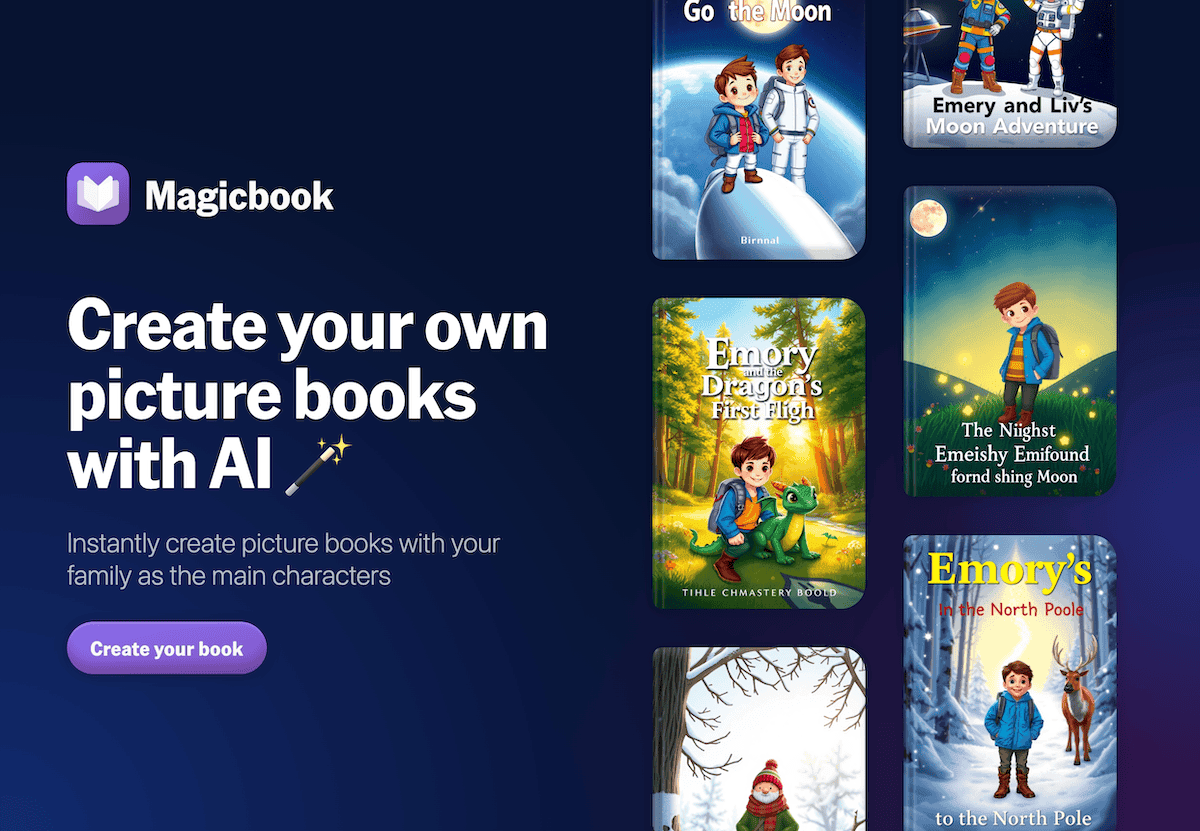
6. Suno AI — Closure and Reflection that Actually Sticks
Assessment, especially public performance, needs closure. My class uses Suno to ritualize feedback and recovery: after every showcase, argument, or design sprint, the group writes a lyric line (“Song for the group whose robot didn’t run,” “Chant for the gallery fail that launched a win,” “Anthem for last-second rescue pivot”). Suno instantly creates tracks we play for transitions, reflection, or end-of-project sendoff. It’s catharsis, community, and memory in one—and the reason my kids can survive (and grow from) the wildest assessment weeks of the year.
Try Suno AI
Teacher Tips for Making Hands-On Assessment Work
- Archive process, not just scores: Gamma, Jungle, and Magicbook put every messy, iterative step front and center.
- Make the assessment path a living document: Kuraplan is your friends—editable, public, and safe for creative pivots.
- Give students a voice in every artifact: Fliki and Magicbook mean you can capture growth and learning in formats that fit (even for the performance-shy).
- Ritualize reflection: Suno tracks and student review decks frame assessment as a celebration, not just an ending.
Are you a teacher with your own wild workflow for hands-on, public, or performance-based assessment? Did one of these tools help you prove learning was happening—even when the project plan fell apart? Drop your reflection (or your best “assessment as celebration” story) below. Here’s to making assessment as alive, messy, and meaningful as the realest learning our students ever do.