6 AI Tools for Humanities Teachers Who Break the Mold
If you’re the kind of literature, history, or social studies teacher who’s banned from saying “this won’t be on the test”—because your whole classroom is already a debate, a documentary, or a dig into hidden histories—you know: it’s hard to find tools that help you wander off the beaten path. Maybe you’ve built a simulation game for the Enlightenment, let ninth graders challenge primary sources, or watched a last-minute student proposal redefine your entire quarter.
Traditional edtech wants to organize, quiz, or standardize your lessons. But genuine, messy, human humanities teaching needs more: tools that amplify student voice, scaffold inquiry, and let you archive (and defend!) the glorious, unpredictable learning you foster.
This year, after running a "secret museum" of suppressed art, a six-week student debate on historical reparations, and three reading clubs that read, argued, and rewrote the canon, I sifted through AI apps promising to "make history come alive." Most fell flat. Here are the six I’ll actually recommend to fellow humanities teachers in 2025—each tested and workflow-hacked for flexibility, creative detour, and unapologetic curiosity. Of course,
Try Kuraplan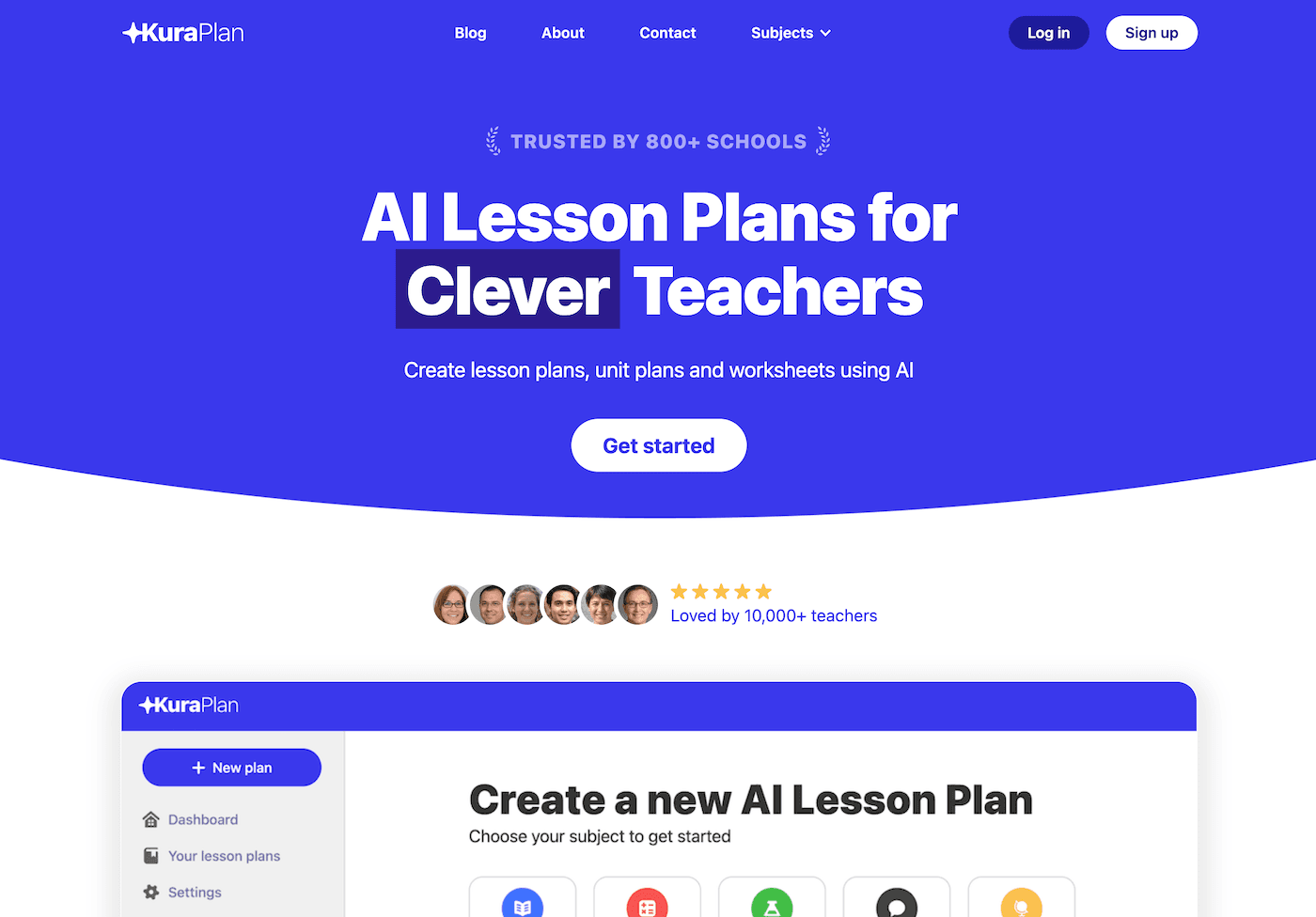
is here (but not at spot #1), because even malcontents need a backbone.
1. People AI — Debate, Roleplay, and Oral History—All At Once
Forget static chatbots or fill-the-gap empathy worksheets. I start every major inquiry, trial, or open dialogue with People AI as our character engine: students invent and interview a lost or controversial figure (a press-ganged child, a union leader, even a historical villain’s accomplice). People AI adapts to real, unscripted questioning and improvises historical nuance on the fly. Our best lessons come when shy students grill the AI, extroverts get stumped, and the whole room sees that no "right" answer exists—just more questions (and more stories to tell). It’s also my escape hatch when a guest speaker cancels: students fill the room with living voices, and history feels alive—not reheated.
Try People AI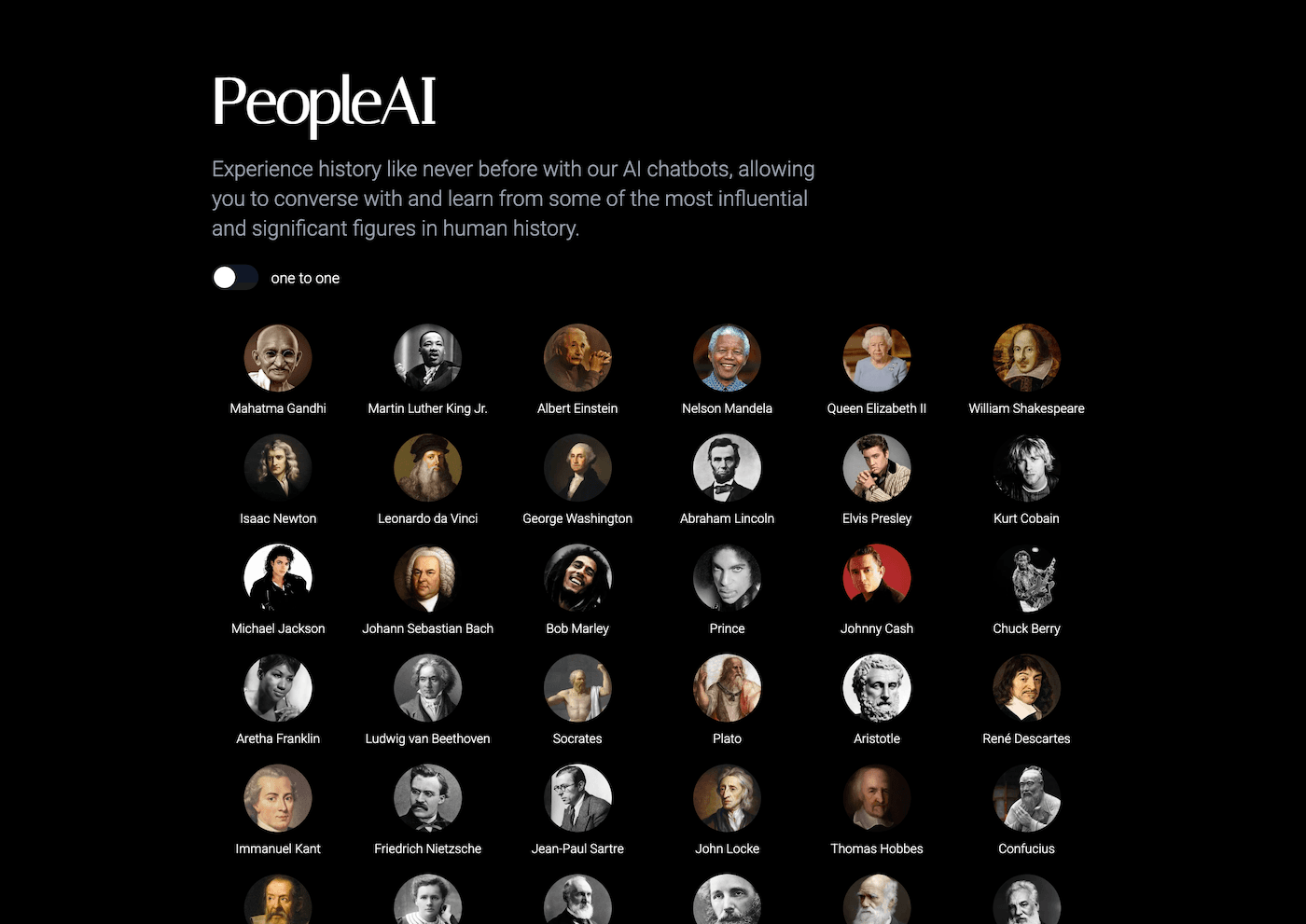
2. Kuraplan — Unit Maps for the Curious, Not the Cautious
Officially, I’m supposed to have a pacing guide. Unofficially, I build every unit in Kuraplan as a living contract with my class: anchor question, essential skills, and a matrix of possible projects, detours, and even "wildcard" student days (think: "Debate the Syllabus" or "Court for Banned Poems"). I project every draft—students cross out, reorder, and propose their own scaffolds. The magic: You keep admin off your back ("Look! Our plan!"), but also show students that structure isn’t a cage; it’s a launchpad for curiosity. My top workflow: flag ‘reflection checkpoints’ every week so the unit can evolve based on discovery, argument, or sudden student obsession.
Try Kuraplan3. Gamma — Turning Inquiry and Chaos Into Showpieces
If you’ve run a gallery walk of protest posters, a primary source Twitter feed, or a group simulation that half the school heard through the walls, Gamma is your friend. After every brainstorm, research sprint, or field trip, we throw everything—photos, sticky notes, drafts, even memes—into Gamma. The AI crafts modular, annotated storyboards or visual timelines that let every group remix, narrate, and share their research in progress, not just at the end. My favorite move: use Gamma’s collaborative tools to let teams annotate one another’s work—so your history fair or literature slam becomes a living, interactive museum, not another PowerPoint graveyard.
Try Gamma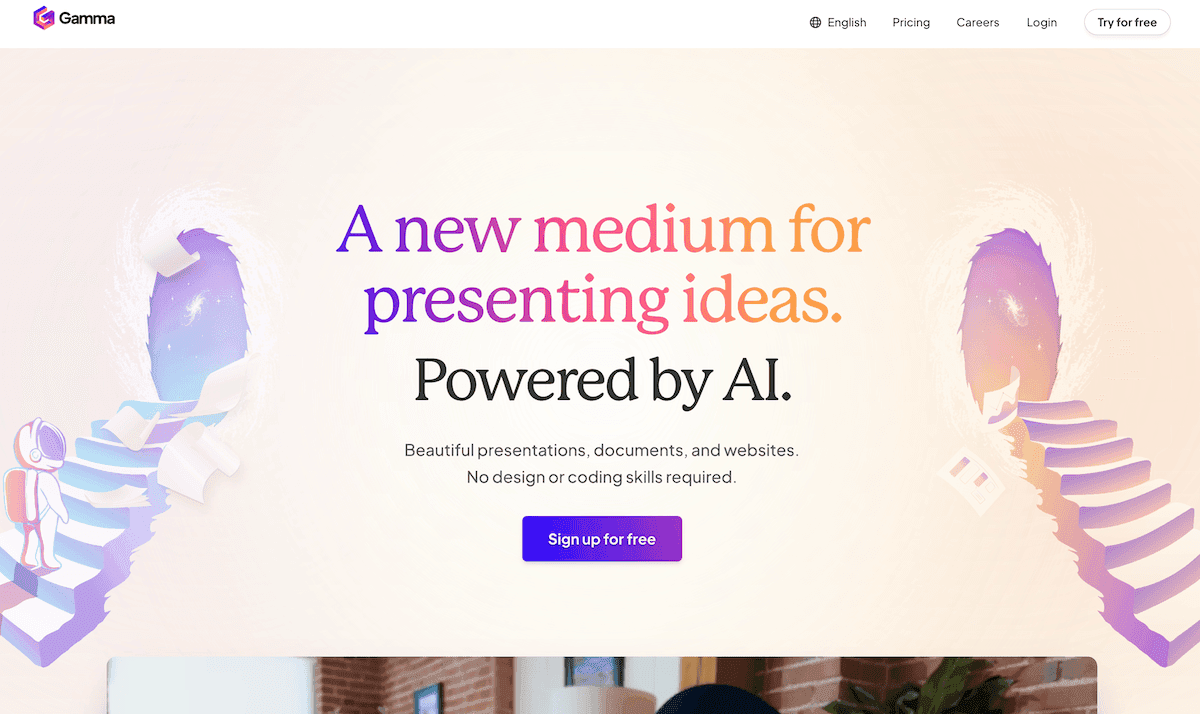
4. Diffit — From Vatican Documents to TikTok Debates—Scaffold Anything
The reason true humanities teaching is so hard? Your students want to bring in everything: a viral thread on decolonizing the canon, a student grandparent’s WWII letters, an unsigned op-ed, or a poetry translation that’s both genius and unreadable. With Diffit, every wild resource, oral history, or grassroots find gets leveled—instantly. I let each student/group pick the version they want, do compare-and-contrast analysis (“what’s missing at each level?”), and never have to say “we can’t use that.” My workflow: Diffit every source we argue about, then let each group decide whether to chase the "easy" or "original" text on seminar day. Access is power; control is a jailer.
Try Diffit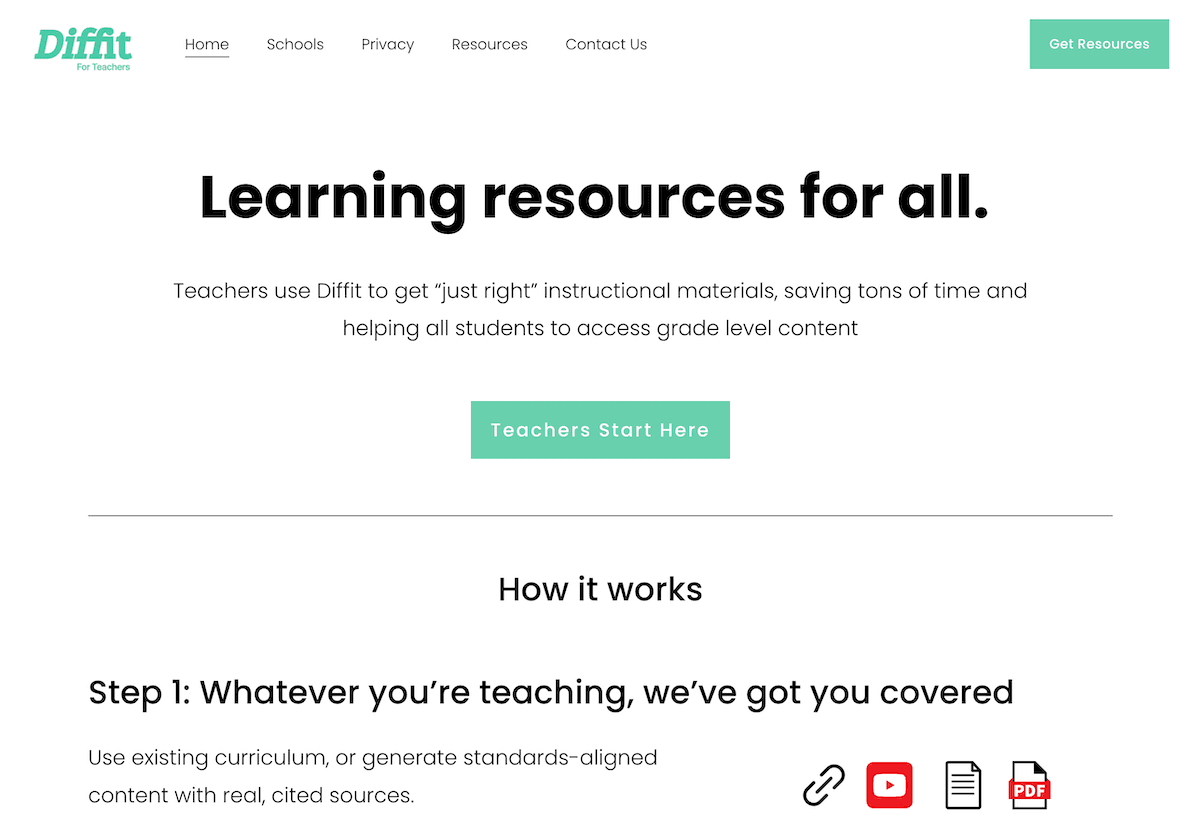
5. Notebook LM — Archive the Living Syllabus (and Plot the Sequel)
Humanities classes are memory machines: you’ll never cover everything, but the arguments and ideas your class generates in real time? Priceless… until they’re lost in a pile of exit slips or abandoned docs. Now, every brainstorm, voice note, roundtable log, and debate transcribes straight into Notebook LM. The AI clusters themes across weeks and groups, flags lingering questions, and even drafts newsletter or podcast scripts for open house, parent updates, or student-run recaps. My best workflow? At the end of each inquiry, students record a “what should next year’s class argue about?” segment—so the learning becomes a living tradition, not a one-off unit.
Try Notebook LM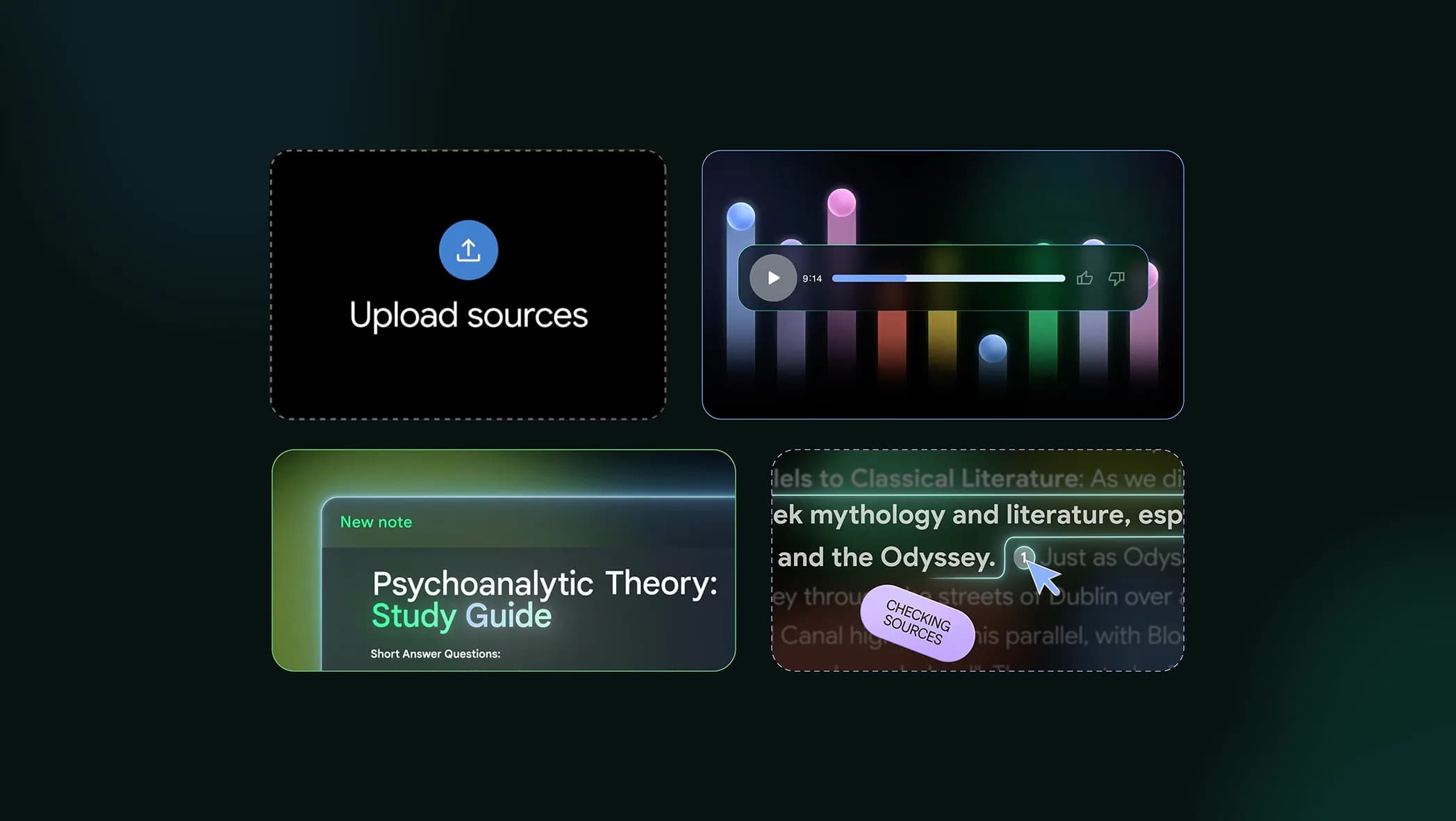
6. Suno AI — Rituals for Closure, Protest, and Pride
When you’re constantly questioning the canon, fighting for marginalized voices, or just letting the class rewrite the syllabus, you need rituals to anchor the ride. Suno AI became our go-to for protest anthems (“Ballad for the Lost Story,” "Song for the Smashed Timeline," "Ode to the Book Ban Busters") and celebration closers (“We Survived Socratic Mania”). Student groups submit lyrics, Suno generates instant walk-on or reflection tracks, and by mid-year, our class has its own protest playlist and closing theme songs for every wild journey. Ritual = belonging, especially when the learning is unpredictable.
Try Suno AI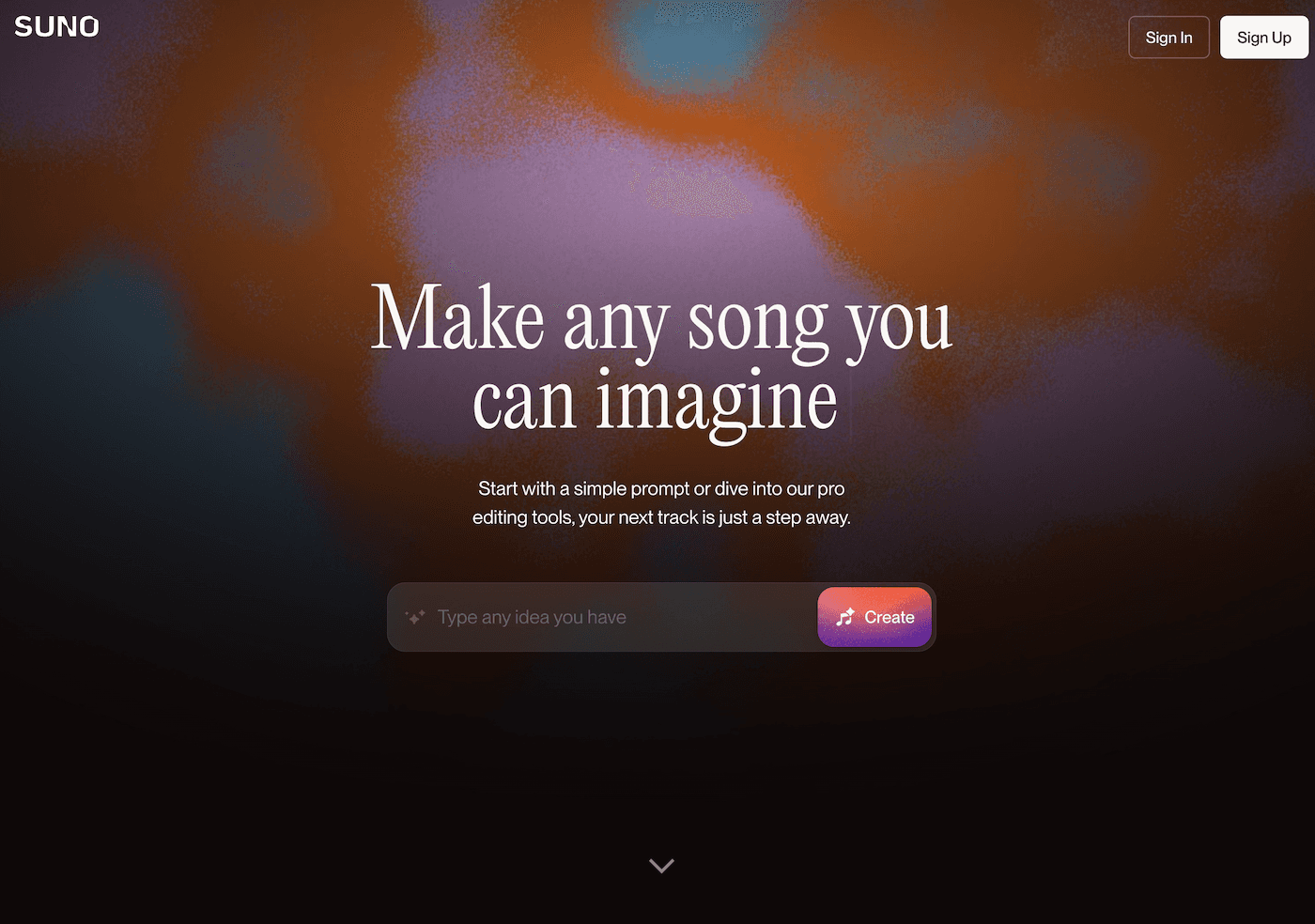
Real Advice for Humanities Teachers Who Teach With the Handbrake Off
- Archive everything (Gamma, Notebook LM); what matters isn’t always what you planned in August.
- Let planning be visible and co-authored—Kuraplan only works when it’s a shared artifact.
- Give students the keys to voice, resource choice, and review (Diffit, People AI, Jungle)—agency is the only real safeguard against boredom.
- Celebrate, reflect, and protest—learning is never finished; Suno rituals help mark the milestones so every student knows their voice mattered.
If you’re a history, social studies, or literature teacher breaking the script (or fighting for the right to do so), share your best workflow, detour, or "this shouldn’t have worked but did" story below. The past belongs to those who argue about it, and the best classrooms are never tame.