6 AI Tools for Teachers Who Love Improvising
You know the feeling: your best lessons rarely come from the script. Maybe today's debate runs wild, a student's curious question suddenly spawns a three-day inquiry, or that "throwaway" news clipping becomes the centerpiece of your week. As a teacher who’s borderline allergic to routine, I built a career (across middle/high school ELA and science) thriving on classroom jazz: plan, improvise, remix, repeat. If you, too, teach with one eye on the lesson and the other on what students might surprise you with next—this post is for you.
Over the past year, I tested a dozen different AI tools to see: could tech actually help me improvise more, not less? I wanted support for off-script, spontaneous, student-driven teaching—that didn’t kill the magic. Here are six tools I kept coming back to, each with a candid workflow for improvisers (and where Kuraplan is a key bit of safety net, not a leash!). None of these work if you stick to the same lesson plan every year. But if you thrive on riffing, detouring, and letting curiosity drive, these are for you.
1. Notebook LM – Your Improv “Sticky Note” Hub
When you improvise, the best ideas show up everywhere: in voice notes, half-finished group docs, that brainstorm you scribbled on a napkin. My workflow? Every class keeps a dedicated Notebook LM portfolio. Each group (and I!) toss in the week's brainstorm maps, "aha" debates, snapshots of blackboard questions, even those "let's chase this tangent" audio summaries. The AI clusters, connects, and prompts us each Friday: "What are three questions your class is circling? What new theme just emerged?" Students pitch podcast episodes or mini Q&A discussions from what’s lurking in the Notebook LM mess.
Most importantly—when next week’s big idea strikes, our last 10 detours, wrap-ups, and stumbles are already mapped and remixable.
Try Notebook LM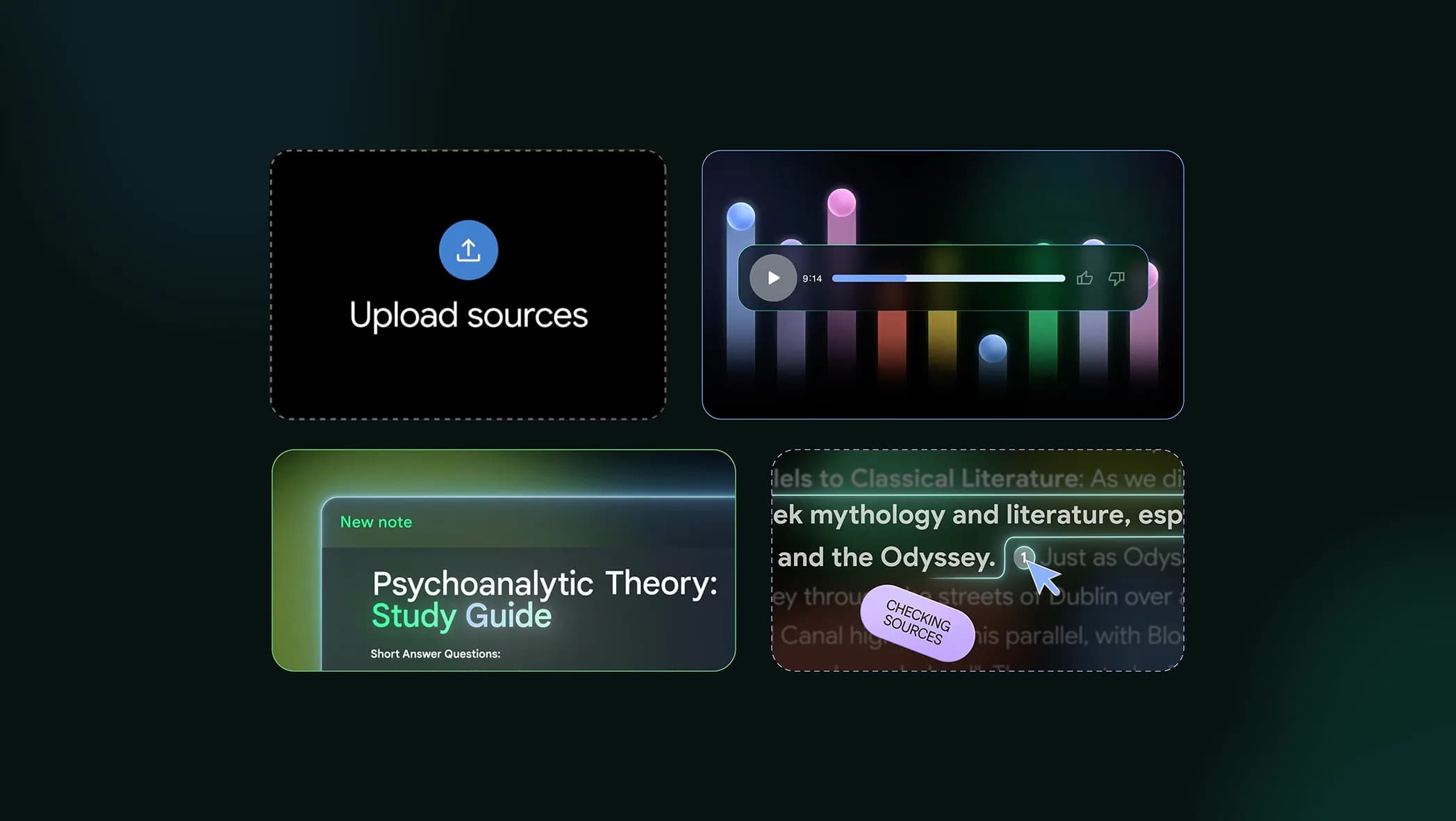
2. Kuraplan – The Flexible Backbone for Detours
Improv class NEEDS structure (just not too much). After throwing away my "pacing calendar" for the third time last spring, I made Kuraplan a Monday-morning routine: I’d plug in our anchor goal ("Let’s follow our climate policy debate for real") and our opening brainstorm. The tool spits out a timeline: key milestones, built-in checkpoints, "decision days" when students can pitch a project twist, and prompts for inviting in guests or switching groups.
Pro tip: Never treat the plan as law. I project Kuraplan’s draft sequence once a week, let students slash, reorder, co-write reflection points, and seize on what’s new. Now I have enough structure in case admin walks in ("See! Standards!"), but the freedom to launch a mini-podcast or jettison the next task if a better idea wins.
Try Kuraplan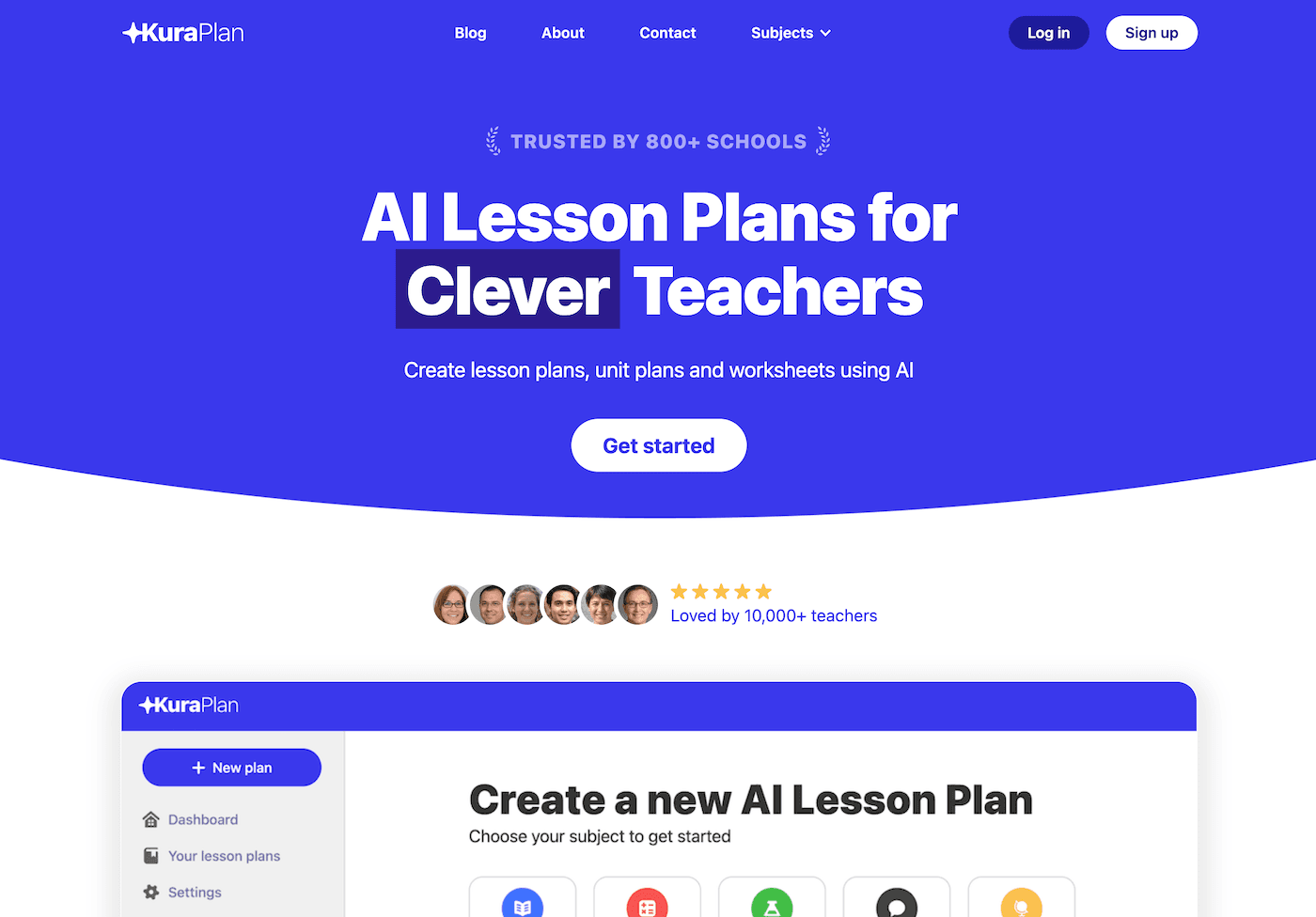
3. Gamma – Visualize Messy Paths on the Fly
Improv teaching is messy. Your group argument map sprawls, class notes drift, and you lose count of all the pivots after week two. Gamma changed my game: whenever a brainstorm session, reading detour, or surprise campaign emerges, we drop notes, debate images, and student sketches directly into Gamma. The AI organizes it into living, beautiful interactive boards—quick story timelines, claim/counterclaim visualizers, or even choose-your-own-adventure learning logs.
My regular move: before parent night or unit wrap, I have students assemble their group’s learning "journey" in Gamma. It’s proof of progress, not just compliance—and, honestly, shows how improvisation increases learning equity: every student gets a line in our story.
Try Gamma
4. Jungle – Student-Built Quizzes (Made from Tangents!)
Scripted quizzes bore everyone (especially me). After every improvised unit, I have students build flashcard-style questions in Jungle—directly from our week’s brainstorms, detours, and missed connections. The AI checks for overlap or weird repetition, then automatically builds group quiz/game decks. Our class rituals: “Stump the Teacher,” improv hot-seat rounds, and "review game" days driven by cards students made about what actually confused, inspired, or tripped us up—never just the textbook themes.
The bonus? We archive these decks as artifacts for next year’s class, creating a living record of every group’s learning improv.
Try Jungle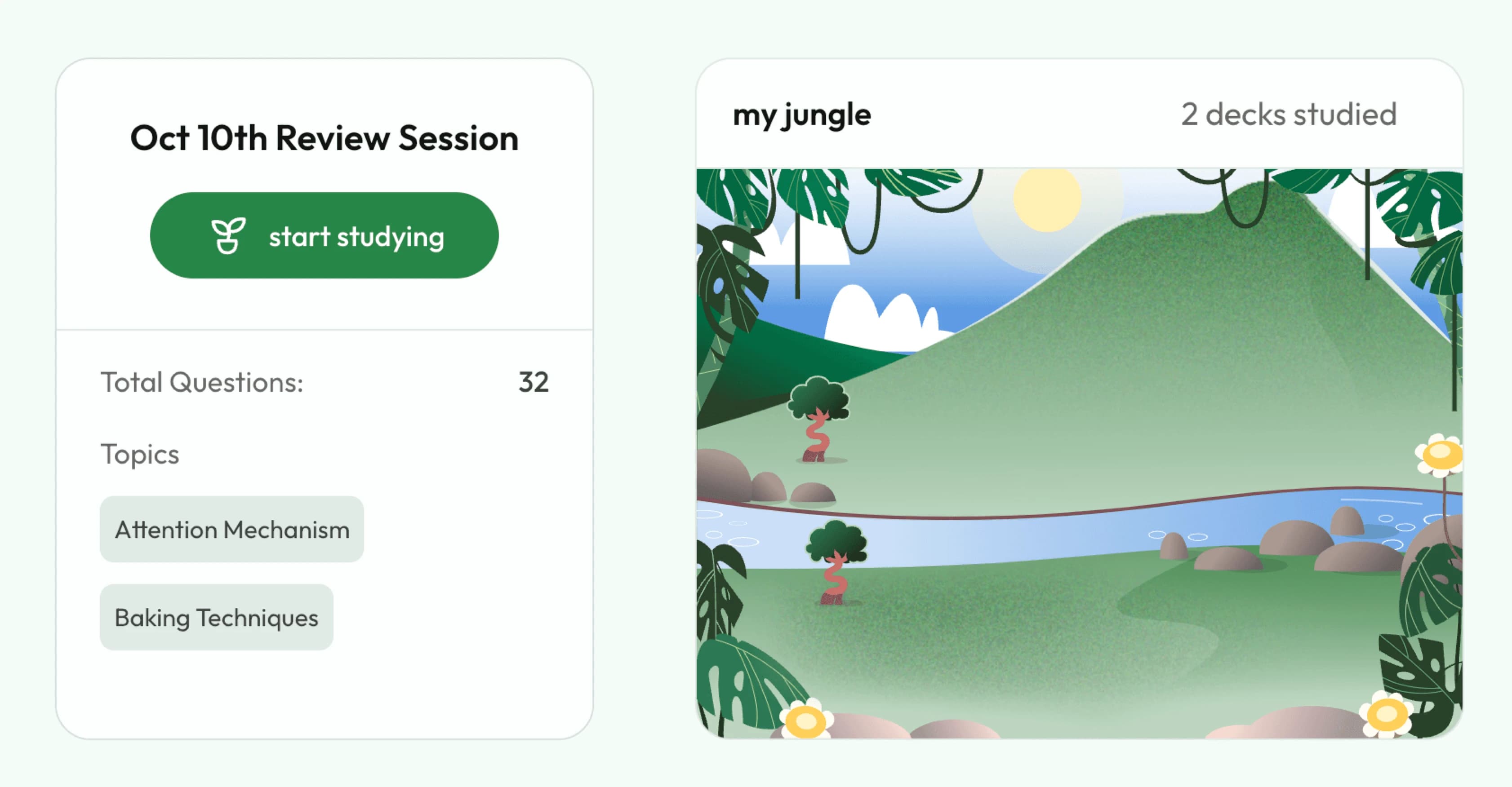
5. Diffit – Adapting New Materials on Demand
If you teach off-script, you know this pain: students show up with a wild article, video, or meme, and half the room can’t access it. My improv hack: paste anything into Diffit and get multiple reading levels, vocab pulls, comprehension prompts in minutes. Found a breaking news thread or bizarre research blog? No problem. Assign it as group reading, feed the output into notebook discussion, or create a "mutant reading group" activity for students who always finish early.
I use Diffit weekly to democratize new materials and let students propose sources—never again do I have to say, “Sorry, that’s not accessible.”
Try Diffit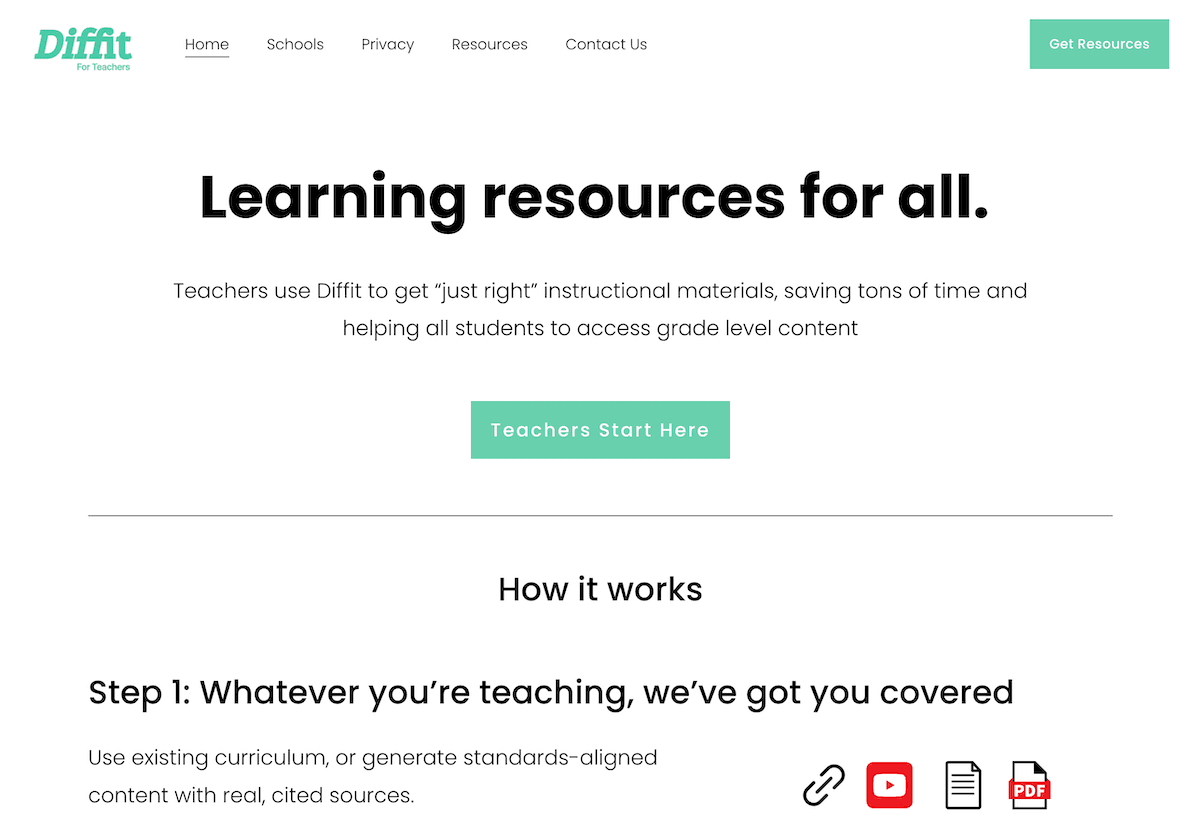
6. Suno AI – Rituals and Reflections for a Non-Linear Class
Routine matters, even for improvisers—but monotony kills the spirit. My best workflow: every class or group writes custom song prompts in Suno AI ("Anthem for changing plans again," "song for surviving debate week chaos," “reflecting on the day we invented three new projects"). Suno spits out a class anthem or exit tune we use as an energy reset, a reward for surviving another twist, or the soundtrack for our next brainstorm.
Oddly, these rituals became the anchor for our creative class—not a routine, but a celebration of what we dared try (and fail) together. Suno is now my go-to transition cue between routines, detours, and closing experiments.
Try Suno AI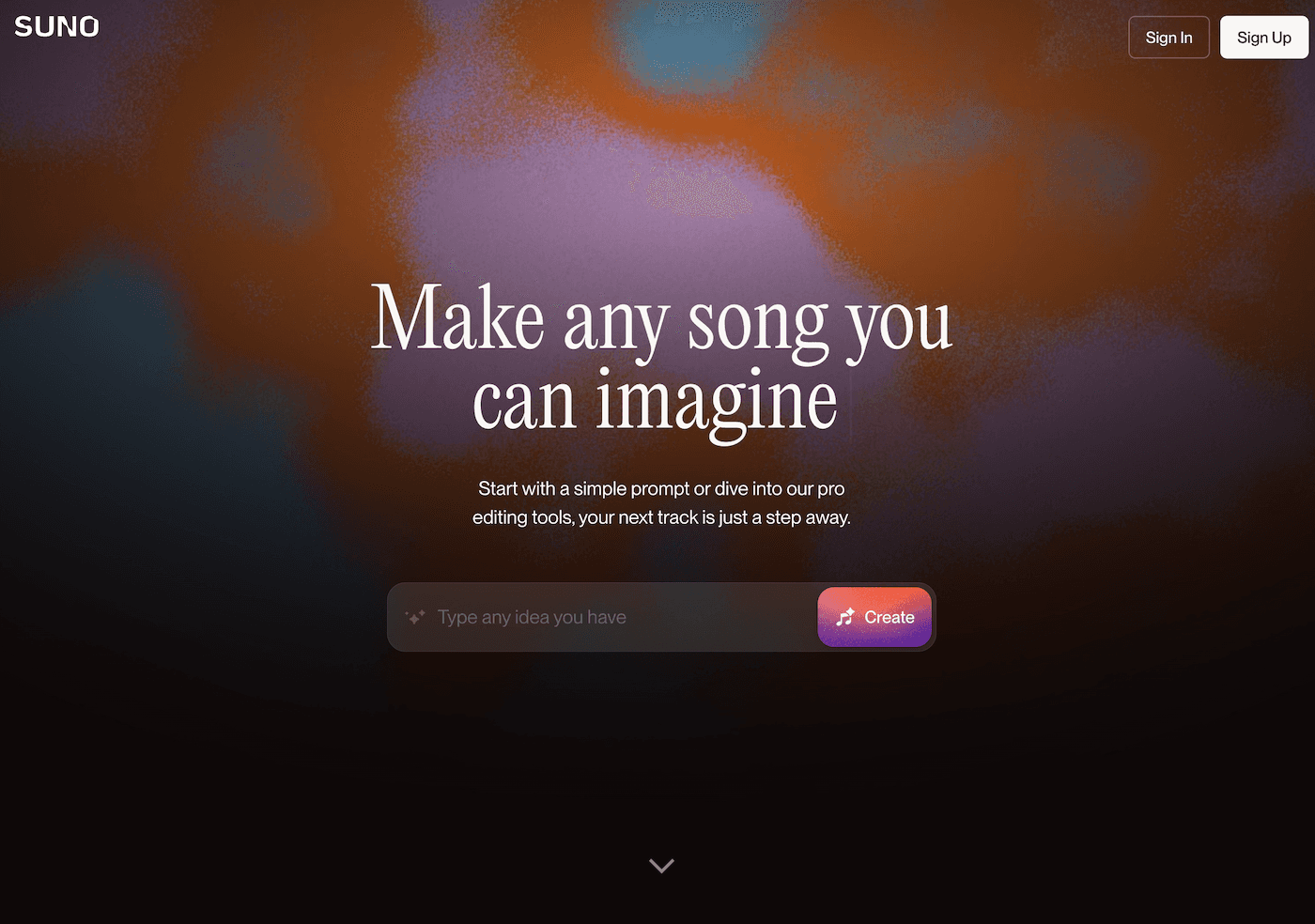
Real Tips for Teachers Who Riff, Not Repeat
- Archive everything. Build a workflow where every brainstorm, hot-take, or “we should try…” gets logged (Notebook LM & Gamma).
- Pick one aspect to plan flexibly: let Kuraplan build a living roadmap, then let the class co-author every week’s pivot points.
- Review from the journey, not the test bank. Have students build reflection/question decks on what actually changed—and use Jungle to curate as a group.
- Normalize last-minute adaptation—use Diffit to turn wild student finds into usable resources, so improv never means "back to the worksheet."
- Ritualize and celebrate each week’s “mistake” or new project, not just the routines. A Suno anthem, playlist, or daily review goes a long way.
What tool, hack, or creative workflow let you improvise more in your classroom this year? Share your best (and weirdest!) below—I’ll swap you my latest “Friday hot-seat” ritual for your best improv win.