6 AI Tools for Teachers Who Love Interdisciplinary Projects
You know the feeling: a student proposes launching a climate action newsletter in English, your admin wants STEM and humanities to finally cross wires, and suddenly your next project covers local water quality and persuasive writing—all before open house night. Maybe you’re the teacher who runs a maker-space elective one day, leads a schoolwide history/science mashup the next, and never says no to a wild student-driven idea, even if it spills over your neat content boundaries.
But while interdisciplinary teaching is the way to ignite engagement, it’s also where most edtech lets you down. The classic worksheet generator doesn’t flex with six grades and three standards. Siloed planners die when your timeline stretches from Shakespeare to data analysis. After years trying to connect different subjects, ages, and talents (without losing my weekends), these AI tools are what kept my classroom creative, collaborative, and—miraculously—organized.
Below, you’ll find 6 workflow-tested, field-proven AI tools for teachers who love combining subjects, running project weeks, blurring grade boundaries, and making interdisciplinary learning authentic. Each comes with a real-world workflow, what I wish I’d known when I started, and exactly where it shines. Yes, Kuraplan is near the top (because mapping when everything moves is mission critical), but the secret is how these tools work together.
1. Gamma — Project Portfolios that Tell a Story
Traditional slideshows are fine for science fair, but when you’ve got a project that’s part research, part debate, and part community art, you need evidence that flexes. Gamma changed how my class—and my admin—understood our work. My process: drop in student photos, group brainstorms, evolving drafts from every subject area, even screenshots of our digital whiteboard. The AI curates a living, cross-disciplinary timeline to annotate as you go. By sharing the Gamma gallery, my drama students see their scripts next to our STEM diagrams, my English readers reflect on the data, and families finally see the story, not just the scores. Friday reflection is now a gallery walk instead of a worksheet.
Try Gamma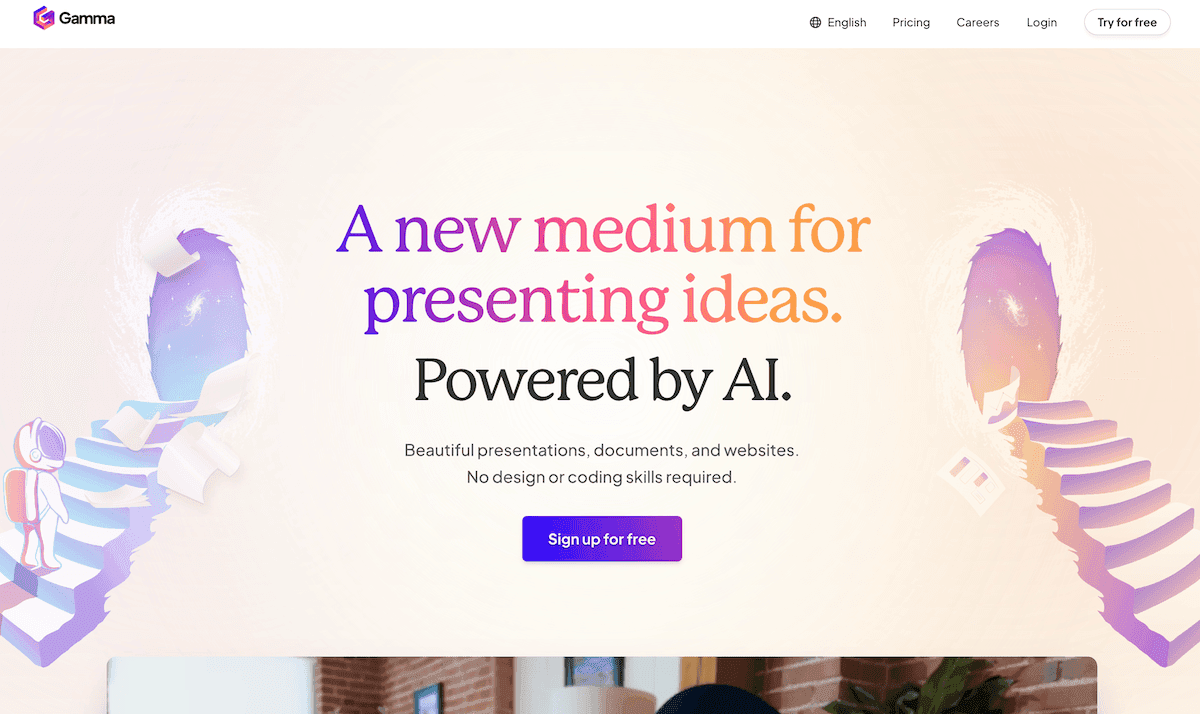
2. Kuraplan — Roadmaps for Structured Flexibility
It’s hard enough to keep one class on track; with cross-grade, multi-standard projects, every plan is just a draft. I start every semester project by compiling essential outcomes for each subject—"build an argument," "analyze local water samples," "write a letter to city hall"—and use Kuraplan to draft a modular, visible roadmap. We project Kuraplan every week, and each subject lead (and sometimes a trusted student!) updates deadlines, swaps in guest speakers, or edits check-in checkpoints. Rather than a rigid calendar, it’s a collaborative contract—everyone can see the impact when new partners, grade teams, or wild pivots arise. The only tool my principal AND my students actually want to edit.
Try Kuraplan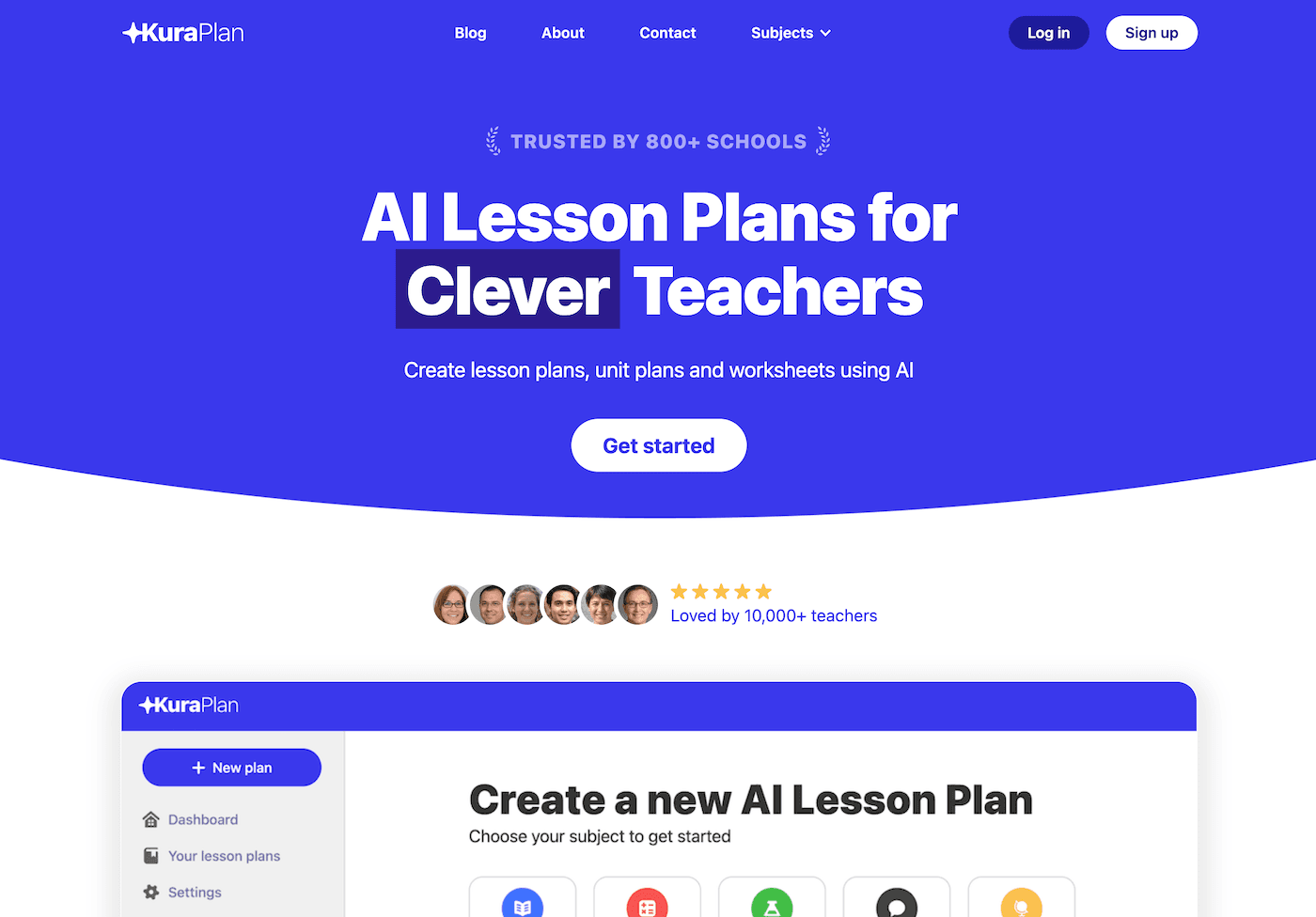
3. Diffit — Resource Leveling for Multi-Grade Teams
Every interdisciplinary project explodes your reading list—today it’s a TED Talk, tomorrow a 5th grade myth, and next week a research paper from a high schooler’s summer camp mentor. Diffit is the difference between “that’s too hard for our partners” and “let’s all read it together.” Paste in any article, transcript, or student-sourced source, and Diffit instantly builds differentiated sets—leveled reading versions for each group, vocab for ELL, and even side-by-side comprehension prompts. Now, our multi-age newspaper club, science-art collab, and co-taught humanities block work from the same resource, but at their own depth and speed. Student voice wins, and no group is left behind.
Try Diffit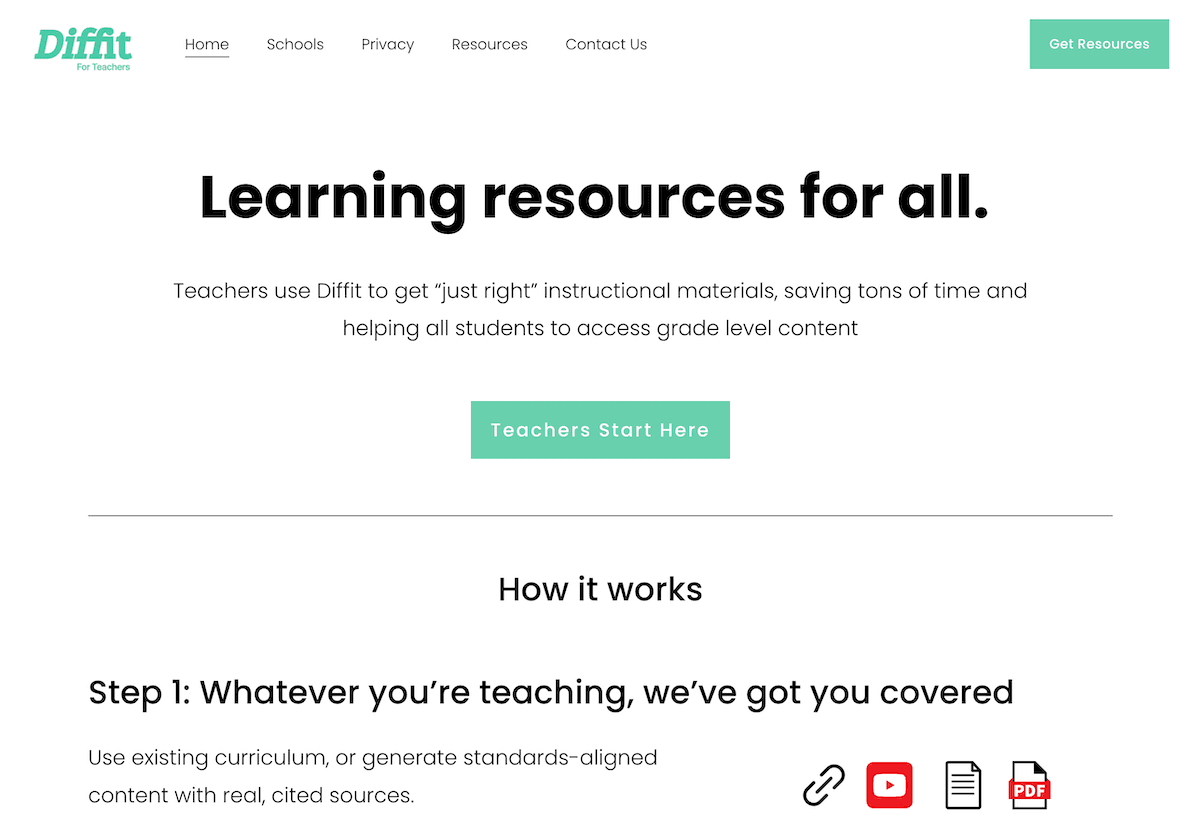
4. Magicbook — Publishing Cross-Subject, Cross-Age Masterpieces
If your biggest win is seeing the 4th grader’s watershed poem next to your high schooler’s water testing infograph in the same digital book, you need Magicbook. At project closeout, every group submits a page: field trip sketches, science journalism, political cartoon, community thank-you letter, whatever. Magicbook’s AI handles layout, illustration, and formatting—no Canva headache, zero guilt about uneven skills. The final book becomes the centerpiece at school night. And the best surprise? Younger students teach older kids about their local stories, and vice versa. Publishing isn’t just the bow; it’s the proof all those wild strands wove together.
Try Magicbook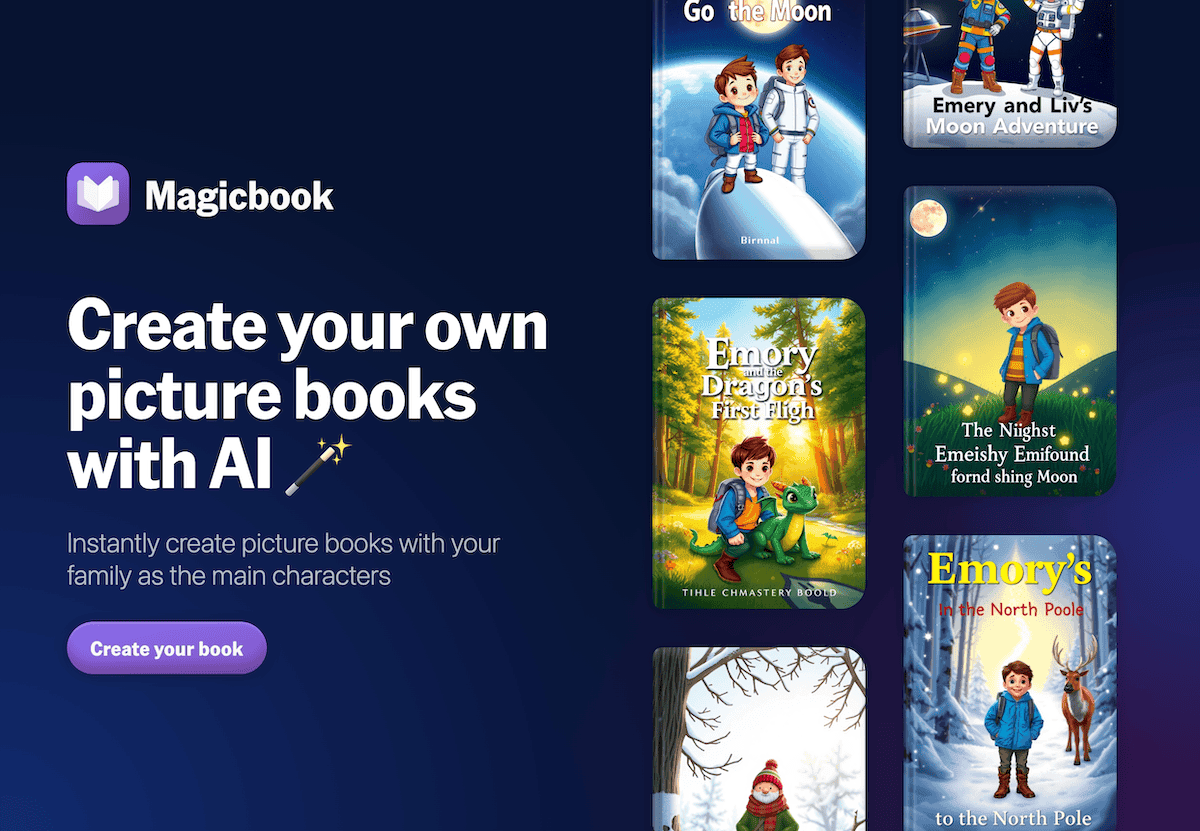
5. Jungle — Reflection and Review That Honors Every Discipline
Project review days can turn into trivia death. Jungle lets each subject team submit reflection cards, lingering questions, and even student-written debate points after every big checkpoint or exhibition. Jungle’s AI builds a combined cross-discipline deck, remixing content from multiple standards and even student jokes from the week. We run “mashup review” rounds, encourage peer critique from other subjects, and archive the best decks for next year’s project launches. True vertical alignment, with zero forced monotony—review is as quirky and alive as your project theme.
Try Jungle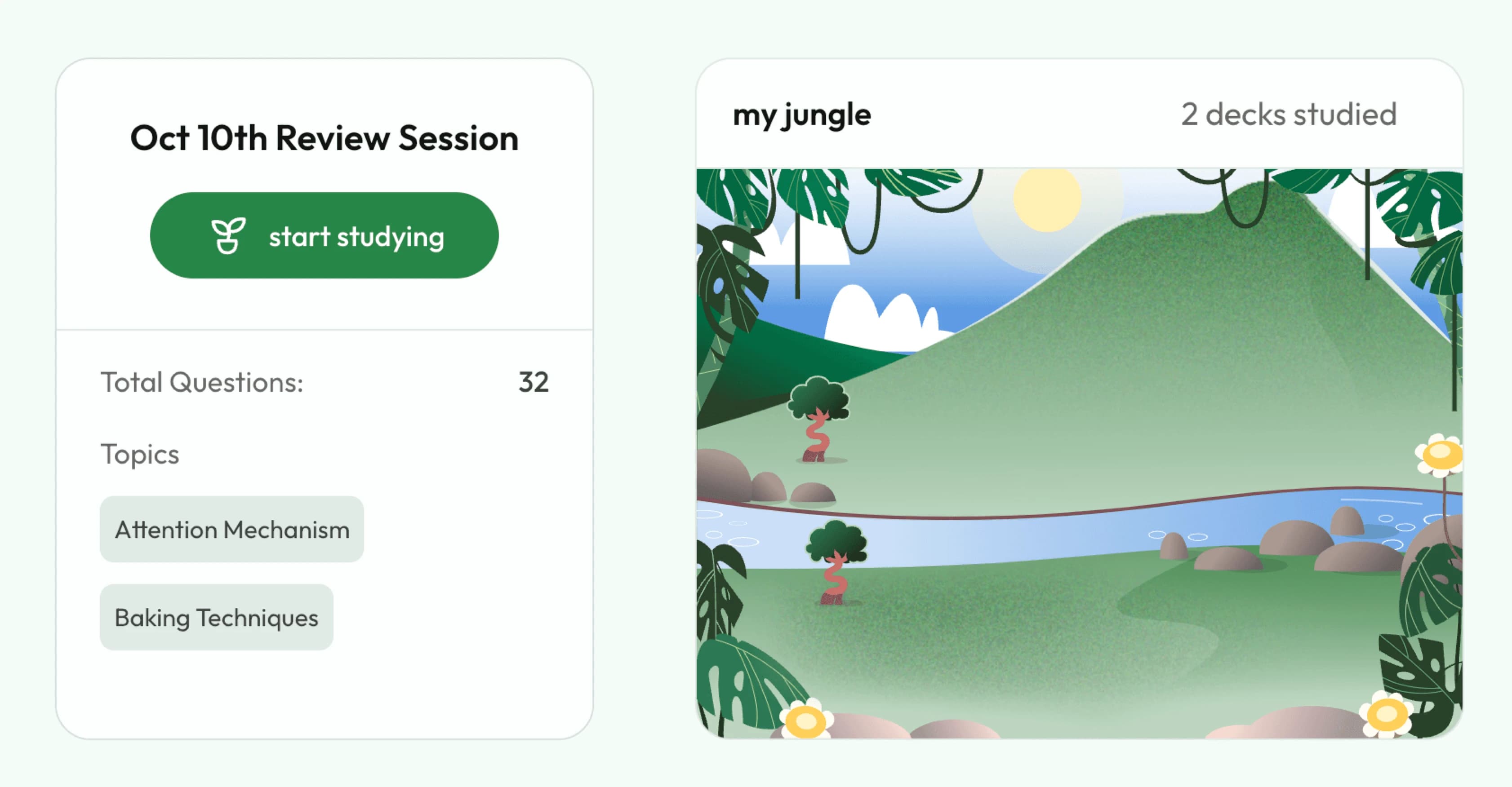
6. Suno AI — Rituals for Project Launch, Pivot, and Showcase
If you’re juggling multiple classes, themes, and deadlines, culture building is non-negotiable. Suno is my favorite ritual for crossing ages and boundaries: at every milestone (launch, mid-project, rescue, showcase), groups script an anthem prompt (“Song for the day we swapped math for dance,” “Anthem for making friends across grade lines,” “Soundtrack for Expo Night Panic!”). Suno quickly generates original, group-powered tracks; we play them during launches, celebrate pivots, or just reset on a wild Friday. After a major project closes, our playlist becomes a legacy artifact—as much a memory as any grade sheet.
Try Suno AI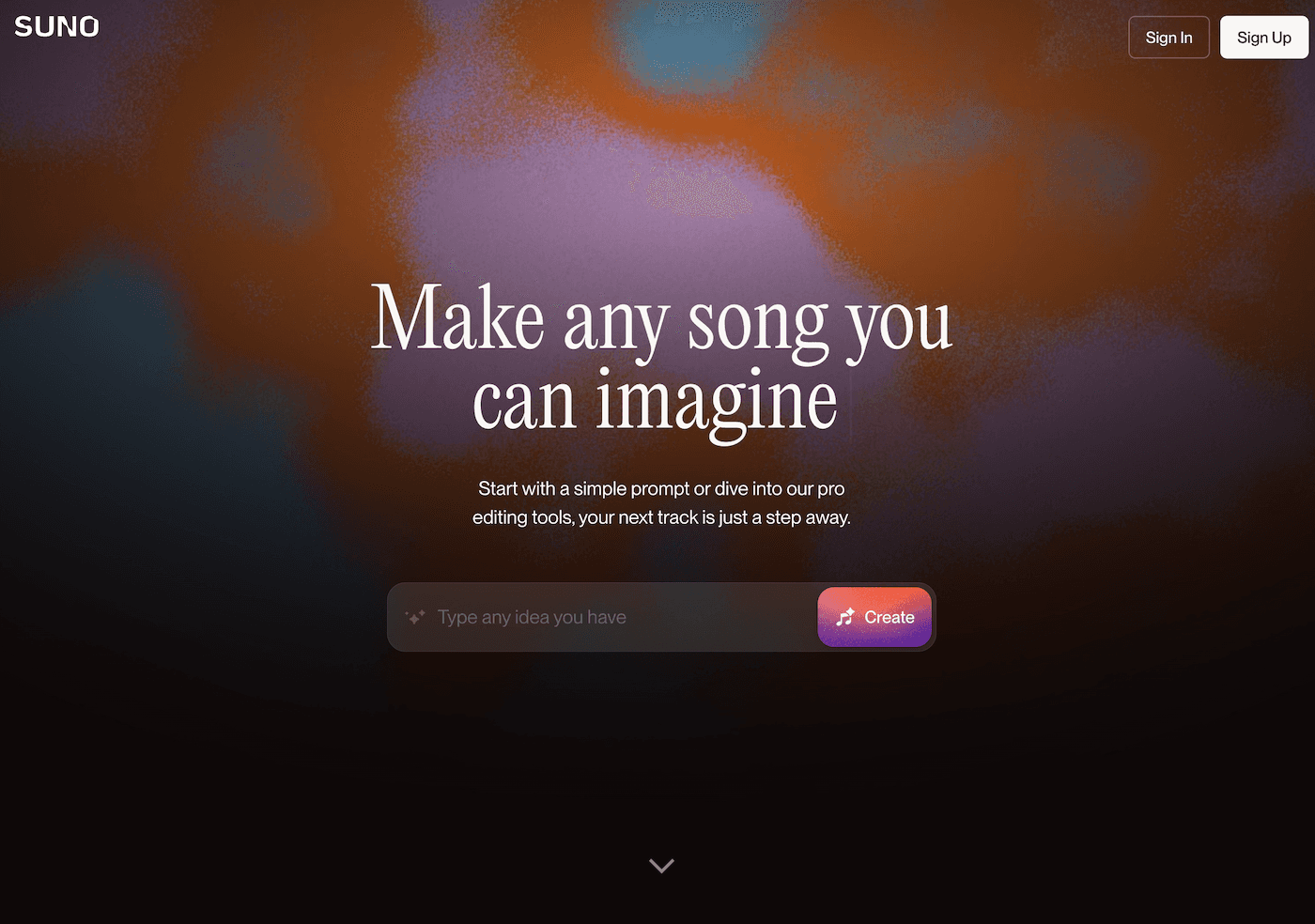
Honest Tips for Fellow Interdisciplinary Project Wranglers
- Show every step, not just the finished gallery. Gamma and Magicbook build institutional memory for projects that stretch across grades.
- Map with Kuraplan in pencil, not ink; build plans with—not just for—students and your whole teaching team.
- Scaffold as a community: let every group’s reading, data, and research start in Diffit—and let students adapt materials for their peers.
- Archive every reflection and review: Jungle decks and Suno tracks make pause points and celebration a routine.
- Respect student voice and learning memory—AI should feel like a co-conspirator, not a worksheet generator.
Have a cross-cutting project, all-school theme week, or interdisciplinary survival hack that changed how you teach? Drop your favorite workflow, tool, or story below. In 2025, the best learning lives between the lines—here’s to the teachers making it happen (and enjoying every twist along the way).