6 AI Tools for Teachers Who Want More Joy in the Job
Teaching, at its best, is a profession of hope. But by 2025, most of us are fighting back against a perfect storm of testing, admin overload, and burnout-inducing routines. If you’re the teacher who misses spending a few extra minutes laughing with students, building a project just for the fun of it, or—let’s be real—leaving work before sunset once a week, this post is for you.
Last year, I made a promise: Only use AI tools if they brought more joy, creativity, or human connection into my classroom. That means no generic "efficiency hacks" or dashboards that make school feel more like a spreadsheet than a community. I tested every new AI tool I could find—not just the ones that churn out quizzes, but the handful that genuinely added more delight, spark, and purpose to my teaching. (Kuraplan is on the list, but as a tool for freeing up my best time, not for running my job.)
Here are the six tools that most reliably brought more happiness back into my teaching routine—each with an honest trick you can steal this week (and no shame if you swap out grading for gallery walks or a class song once in a while).
1. Gamma — Make Learning Visible (and Actually Beautiful)
I knew I’d found the right tool when students crowded around the projector after class just to see our shared timeline come to life. Gamma turns all those photos, brainstorms, and “did anyone actually save that draft?” group moments into living visual stories—not just slideshows. In my room, we use Gamma at the end of every mini-project or morning meeting: students drop in pics, doodles, or the wildest question of the week, and we watch as Gamma auto-curates our process into a gorgeous digital portfolio. Families get a window into our daily joy, and my admin sees proof classroom culture is thriving (not just test prep). The gallery walk effect? Instant morale boost for students and me.
Try Gamma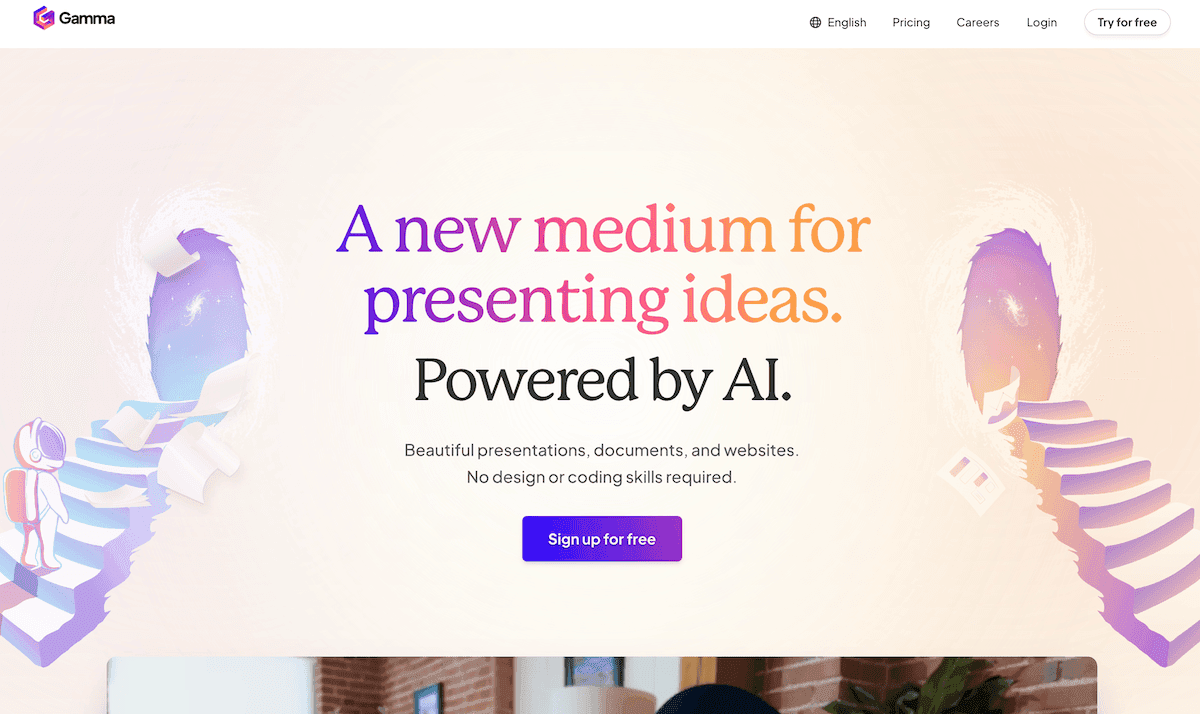
2. Kuraplan — Buy Back Time for the Fun Stuff
I tried to avoid auto-planners—but Kuraplan earned its spot because it does one thing better than anything else: gives me back my prep time without boxing in my creativity. I don’t follow its templates religiously; instead, I quickly map out units with essential goals, must-hit standards, and (importantly) slots for my “joy days”—outdoor read-alouds, silly group rituals, or that last-minute field trip. When admin asks for documentation, the plan is neat; for me, it’s just the safety net I need to spend more of my energy on what matters—connection, flow moments, laughter. If you need permission to reclaim time for the uplift, this is your go-to starter.
Try Kuraplan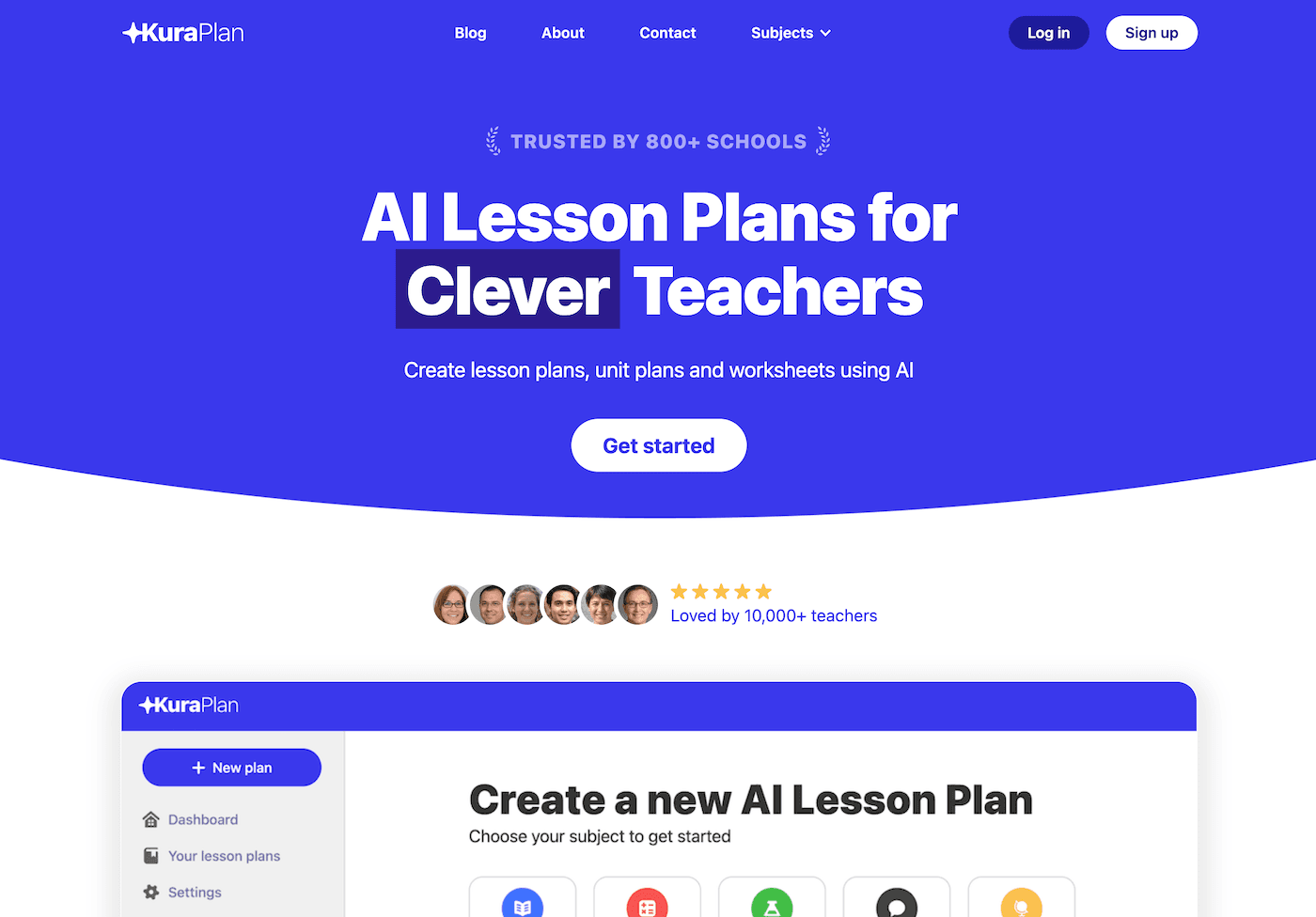
3. Magicbook — Class Publishing that Delights
Some of my happiest memories leave no trace: a poetry slam, a bake-off report, a fiction prompt that dissolved into giggles. Magicbook changed that—it lets every student add their spark (a joke, a doodle, a family anecdote) to a class picture book or digital anthology. Suddenly, projects became keepsakes: "Our Favorite Learning Fails," “Community Heroes Storybook,” or “How To Survive Middle School from Room 203!” Publishing isn’t just about grades; it’s a celebration of being a class. My tip: end every month with a Magicbook product—the pride and joy on parent night is worth every minute.
Try Magicbook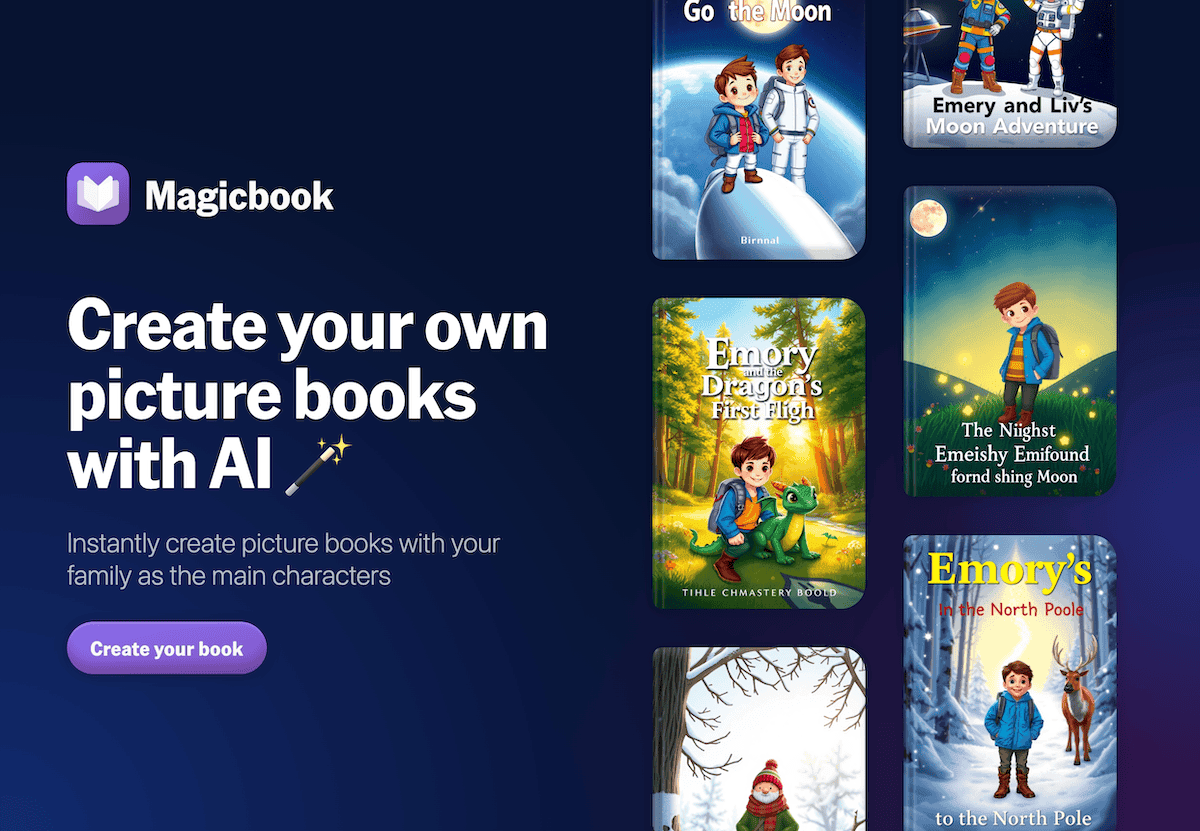
4. Suno AI — Rituals and Play that Build Belonging
Almost every class I know sings (or hums, or grooves) together. But when routines get stale, even music needs a jumpstart. Suno became my reset engine: after every big project, tough test week, or "just because it’s Tuesday," my students crowdsource ritual song prompts. Suno spins out original, joyful tracks in seconds. We now have anthems for “clean up time,” “debate recovery,” “Happy Birthday Remix,” and even “Ode to Friday Afternoons.” These mini-rituals are more than noise—they’re community glue. My best move? Have every class, no matter the age, write at least one Suno song as a memory keeper each term.
Try Suno AI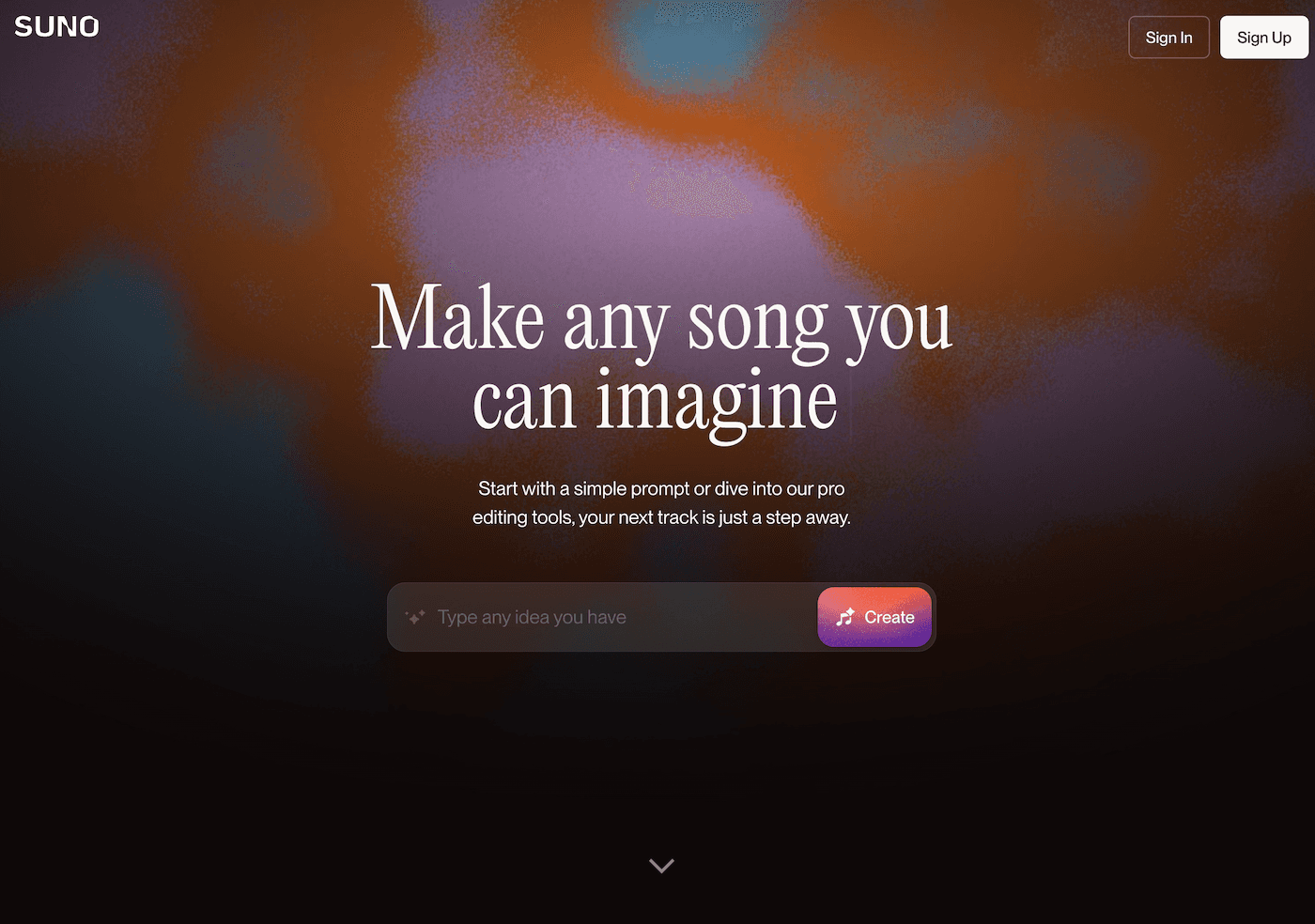
5. Jungle — Turn Review into Genuine Play
If you want classroom joy, nothing helps more than gamifying the parts of teaching that usually feel like a slog. Jungle lets your students (not just you) create flashcards, trivia questions, and review games after every major milestone. Rather than worksheet packets, groups submit “best surprise,” "funniest flop," and “biggest group ‘aha’” as review cards. Jungle makes the decks; you host the games. The laughter during our Friday “Stump the Teacher” days is now legendary—and (knock on wood) even my most resistant students beg for game time over test review. Try this once and you’ll never go back to review packets.
Try Jungle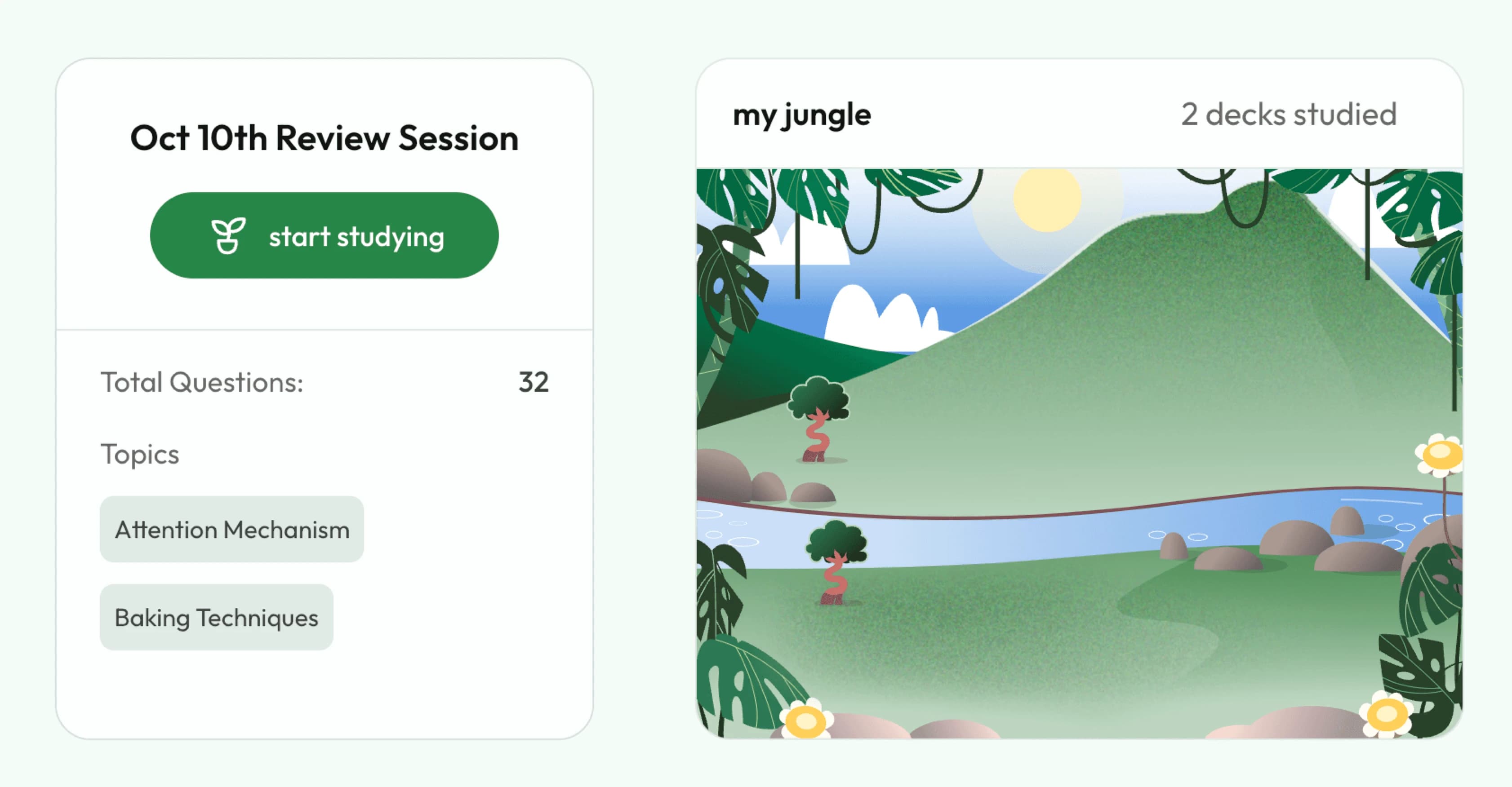
6. Notebook LM — Capture and Remix the Class Spirit
My classroom’s happiest moments go by in a blur. Notebook LM is my class diary—every exit ticket, offbeat brainstorm, voice note, and parent share piles in. The AI spots the in-jokes, highlights the recurring themes (“weird science tales”), and even suggests podcast or celebration recap scripts to share on the class blog or back-to-school night. Reflection gets remixed—not as a data dump, but as the story of how much fun we had. In the spring, we scroll the timeline and relive the year’s best moments, and even shy kids see their “spark” show up in the archive.
Try Notebook LM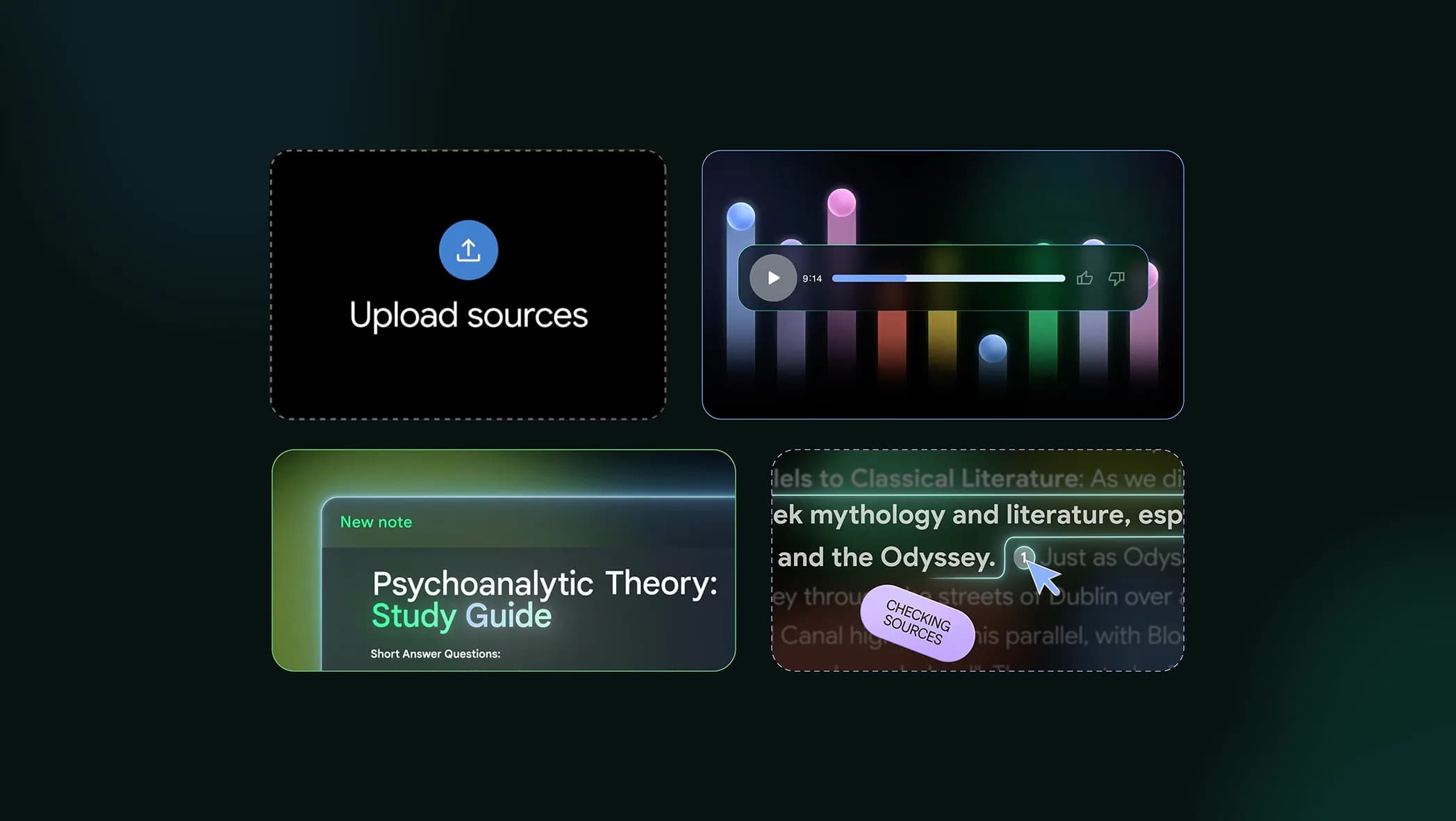
Tips for Teaching with More Joy (And Less Guilt)
- Use AI only where it multiplies delight: More connection, celebration, and visibility, less grind.
- Hand the tools to your students: Rituals become routine when students help build (and remix) them.
- Archive and share the journey—not just for compliance, but as the groundwork for next year’s joy.
- Save your best time for the unpredictable wins: class publishing, silly games, spontaneous storytelling.
- Treat lesson planning as a means, not the end. When Kuraplan or Gamma saves you prep time, invest it where the happiness really grows.
If you’re a teacher who’s found an unexpected AI workflow, new joy-ritual, or “how did we have so much fun today?” surprise, share your story in the comments below. Happiness in the classroom isn’t an accident—it’s a practice. Here’s to making it a little easier (and a lot louder) in 2025.