7 AI Tools for Teachers Who Mentor Student Writers
Ask most teachers what their favorite part of the job is, and you’ll get a story—not a spreadsheet. If you’re the kind of educator who stays late to guide a reluctant poet through a breakthrough, who runs after-school journalism, or who (sometimes against your own better judgment) helps students work through the sixth draft of a personal essay, you know that supporting young writers is about so much more than running a grammar check or teaching the five-paragraph form.
This past year, I made it my mission to test AI tools not for assigning more— but for helping students feel like real writers. These seven picks became the backbone of my creative writing elective, our school news magazine, and countless one-on-ones with kids who didn’t know what their voice could do yet. If you want an AI stack that actually supports process, feedback, and publishing—not just instant essays—this is your 2025 must-read.
1. Magicbook — Publish Projects, Build Pride
Freshman year, my students wrote funny fairy tales that lived and died in a Google Folder. This year? Magicbook let every group (or solo writer!) publish an illustrated micro-story, dialogue experiment, or journalism piece as a real, digital picture book. My workshop ritual: at the end of every quarter, we compile Magicbook anthologies—"Best First Lines," "Family Stories from ELL Writers," or a "Poetry Zine" with class commentary. Students light up seeing their work with art (and their classmates’ notes!), and open house visitors finally see the creative process in action. Publishing is a confidence multiplier—and Magicbook made digital presentation a non-stressful norm for even my shyest kids.
Try Magicbook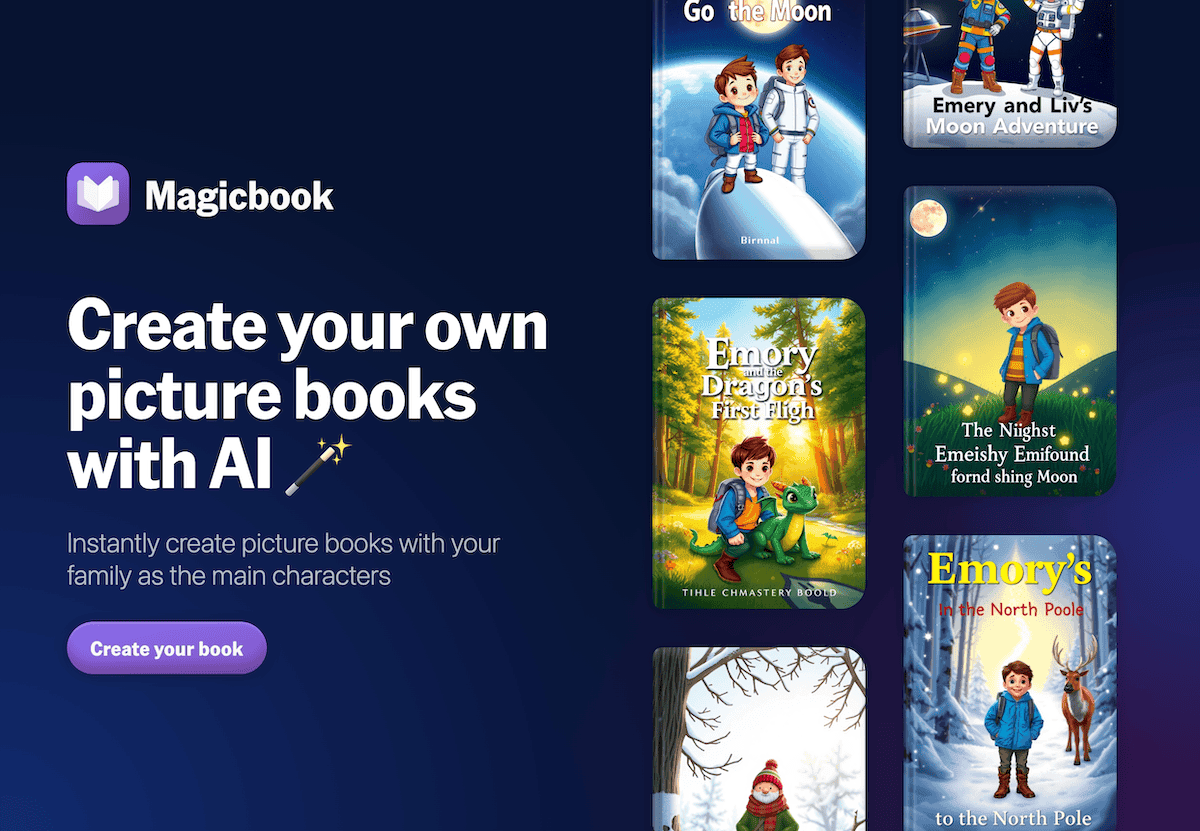
2. Kuraplan — Sequence for Workshops, Not Just Lessons
Writers need rhythm—a blend of deadlines and detours. Kuraplan saved me when it came to mapping multi-draft units: I’d drop in target genres (memoirs, satire, op-ed, fanfic, whatever the class demanded), our chosen mentor texts, and a mix of “public share” milestones and flexible peer feedback cycles. Kuraplan then outlined a workshop backbone—when feedback days should fall, when to build in read-arounds, and reminders to check in with families. My hack: I projected the sequence, so kids could suggest swapping a self-reflection checkpoint for an open-mic celebration. It felt like an evolving, student-coauthored process (not a worksheet factory). And yes: admin loved the visible pacing—even when drafts went rogue.
Try Kuraplan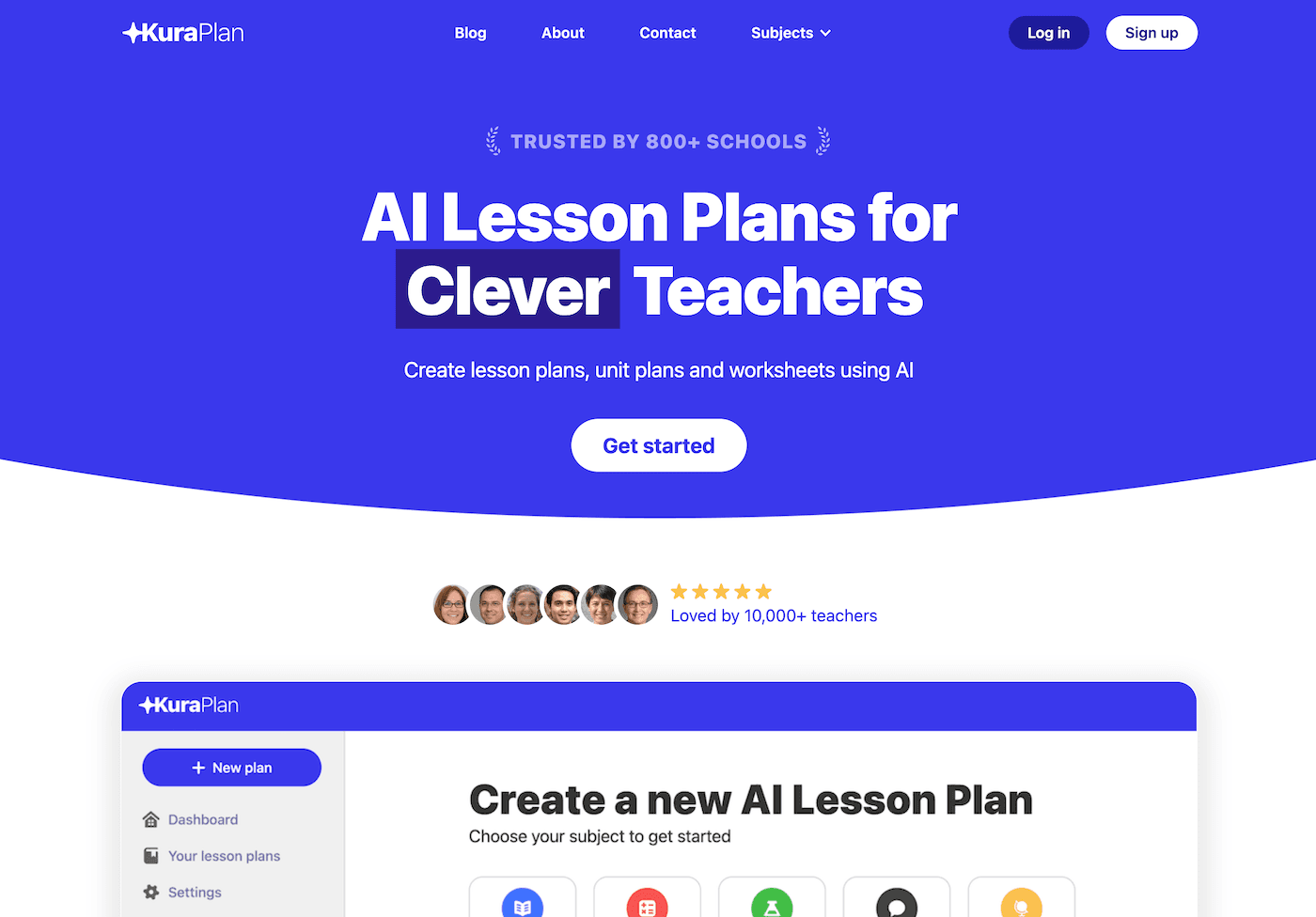
3. Jungle — Peer Review, But Honest
If you’re tired of the classic “two stars, one wish” feedback ritual, get Jungle into your writer’s room. Each round, students submit anonymous cards—favorite line, place they got lost, big question to ask the author, hardest section to follow. The AI bundles these into decks for live review games or silent feedback rounds. Students compete to highlight the best risk, rewrite a missed opportunity, or defend a weirdo description. After incorporating Jungle feedback into their next draft, my kids said revision was—maybe—actually fun. Having a stack of peer-driven, real reactions leaves grades in the dust.
Try Jungle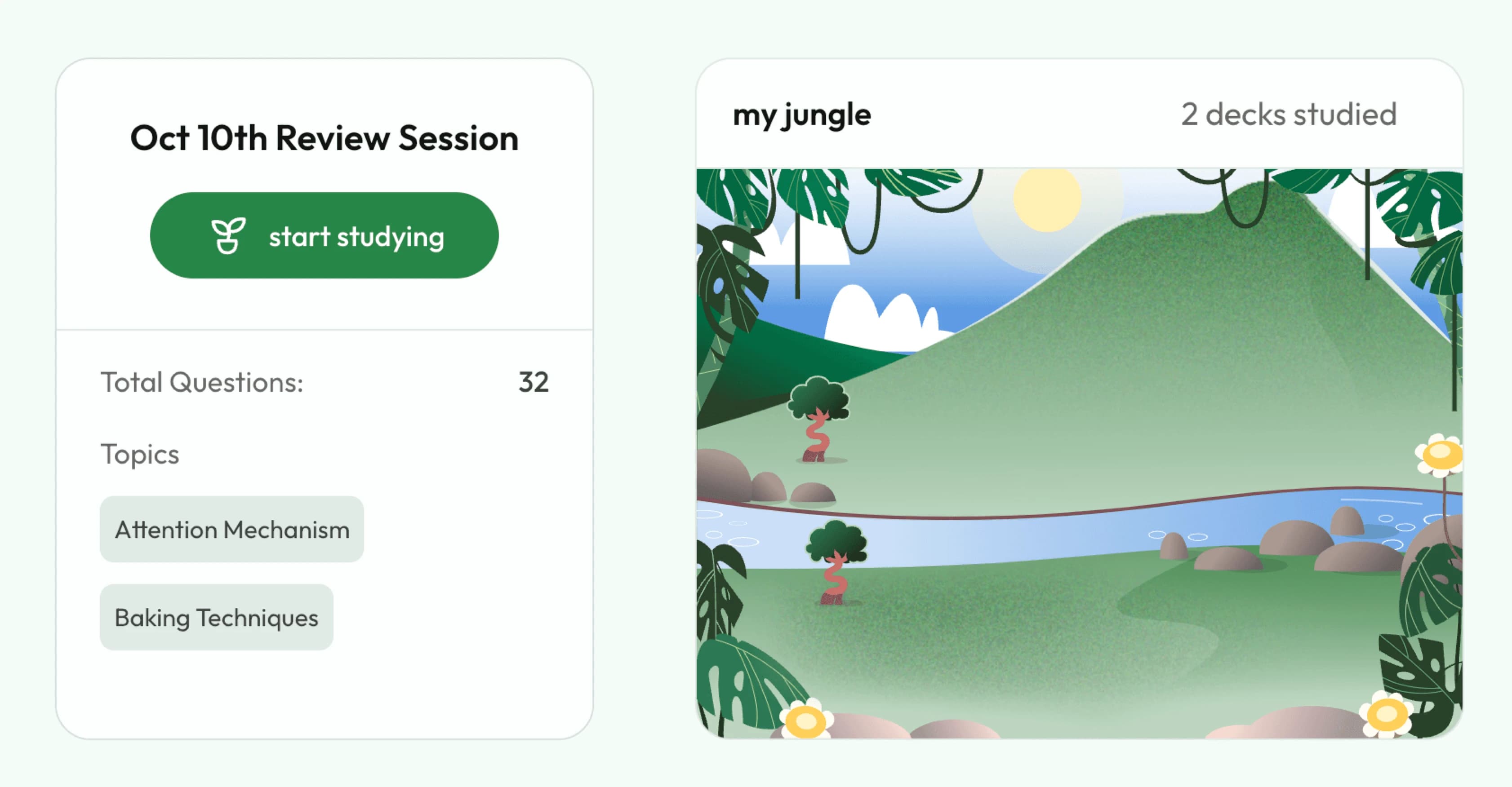
4. Diffit — Mentor Texts for Every Reader
Mentor texts change lives, but inaccessible ones kill confidence. My workflow: anytime we use an excerpt (James Baldwin, a local journalist, or even a student-sourced New Yorker profile), I paste it into Diffit and get leveled versions plus targeted writing prompts. Students who struggle with original syntax can remix the essentials, and advanced groups analyze what’s lost (and why). Bonus: let students Diffit-ify their favorite lyrics, fan fiction, or family stories for class genre study. Now, nobody opts out on "analysis day"—every writer can engage and produce at their own best level.
Try Diffit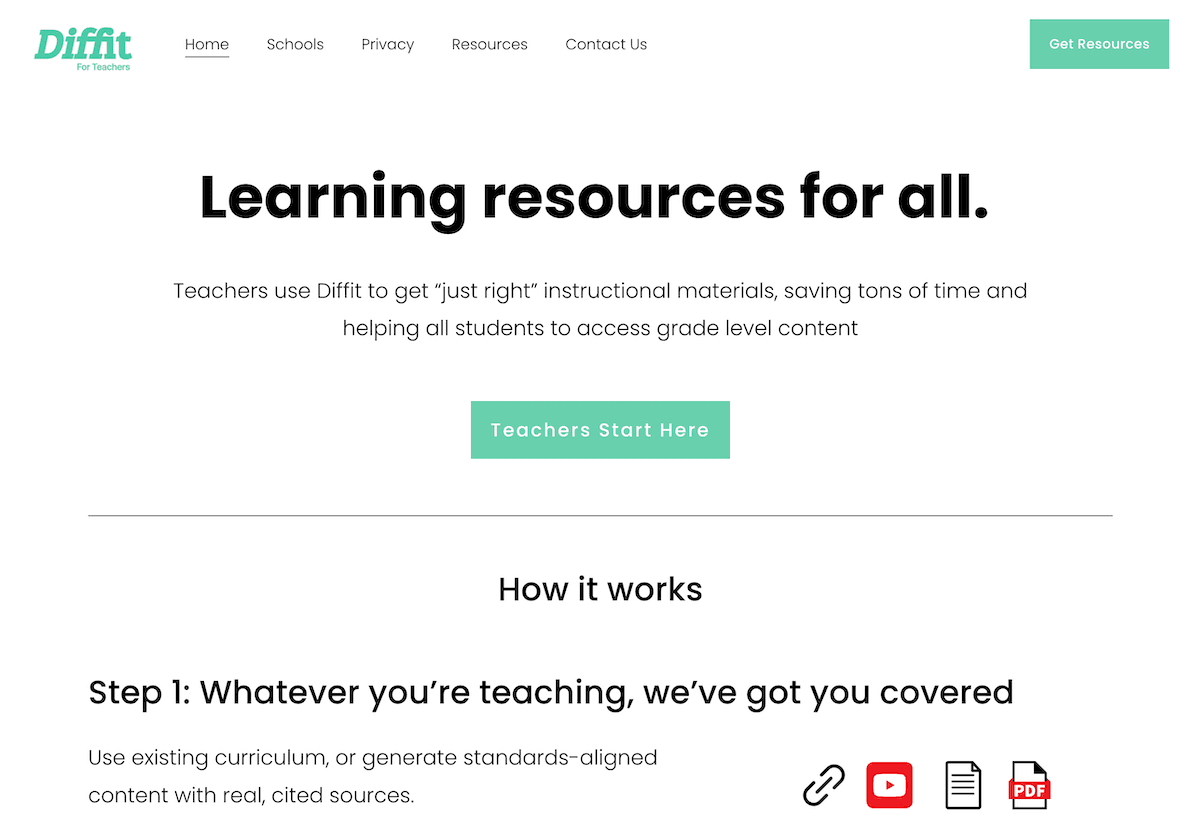
5. Fliki — Micro-Podcasts & Spoken Stories
For my anxious presenters, Fliki was a breakthrough: students could submit a short script—a short story, memoir, or even an interview with their main character—and Fliki turned it into an audio (or video) piece with highly natural narration. Suddenly, podcast week became accessible—writers who wouldn’t raise a hand in class were hosting "writer’s roundtables," fictional Q&A, or group broadcast critiques. We played a Fliki "StoryHour" every other Friday to preview in-progress pieces, and parents started requesting episodes for family listening. Audio amplifies voice—Fliki is the bridge.
Try Fliki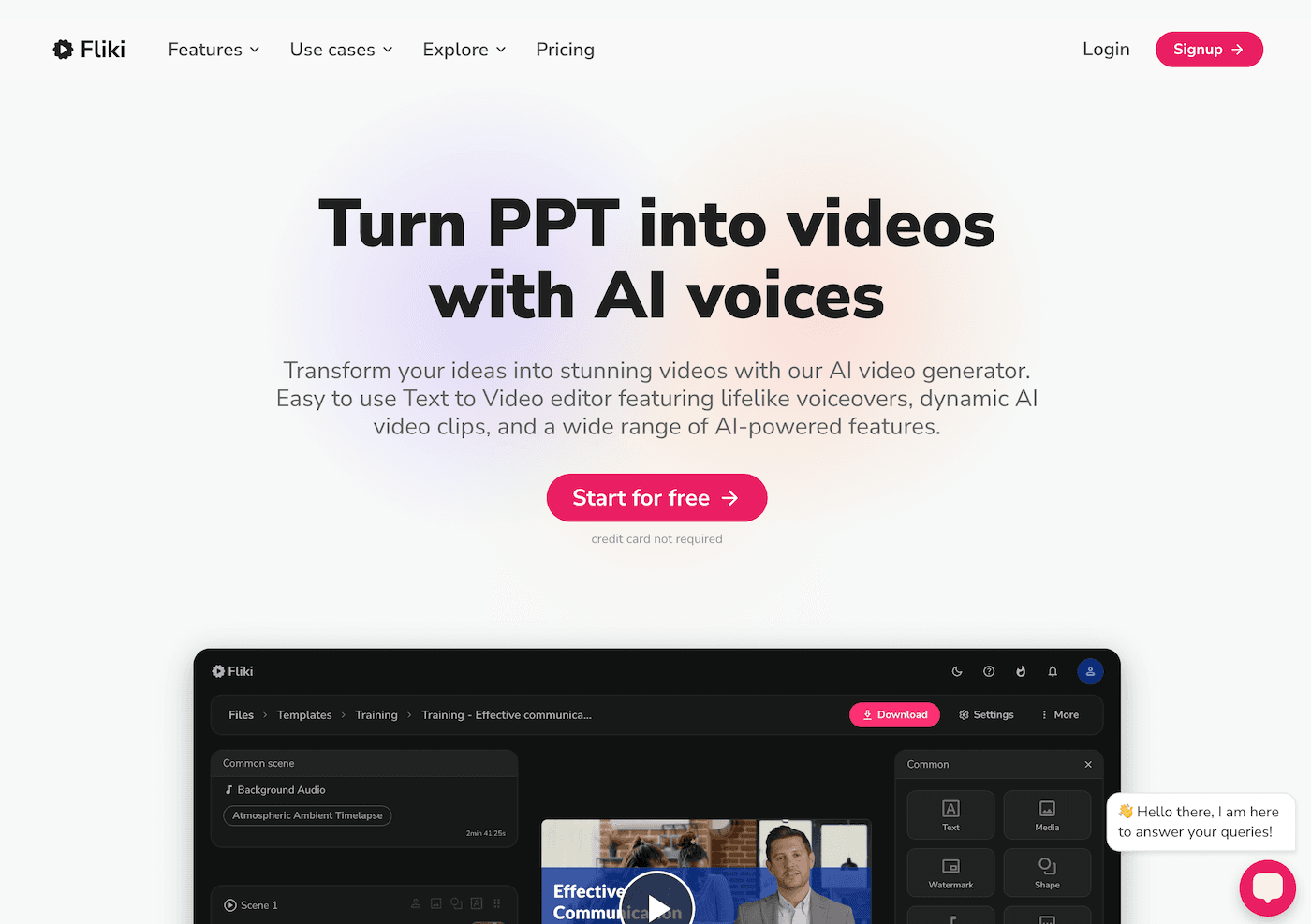
6. Notebook LM — Archive the Writing Journey
Not every writing breakthrough happens in a perfect, submitted draft. Notebook LM became our class's collective journal: students dropped in reflection notes, “where I got stuck” voice memos, peer editing highlights, and even feedback wish lists. The AI surfaced patterns: “What motivates our best drafts?” “Which lines are most commented on?” Best of all, Notebook LM generated Q&A script templates for group podcast recaps and prompts for “writers’ roundtable” days. As a teacher, I could trace every writer’s arc across a semester, share authentic progress at conferences, and (with a student’s permission) send next year’s group their own learning tips.
Try Notebook LM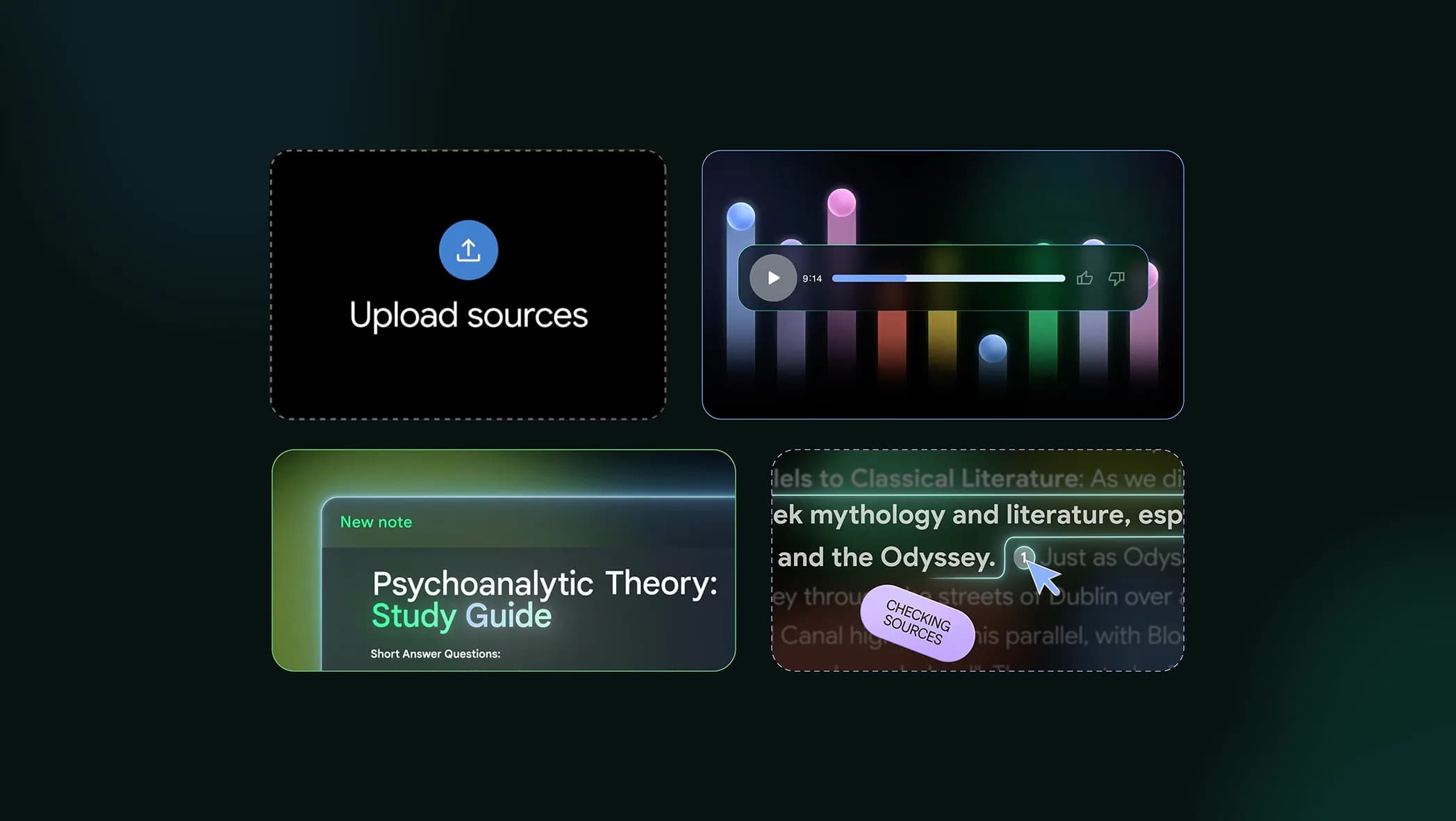
7. Suno AI — Rituals, Rejection Songs, and Classroom Soundtracks
Here’s the deal: writing is emotional. Suno AI became more than a celebration gimmick—it was my reset when critique day went hard or a zine submission got rejected. Students propose prompts: “Song for surviving feedback,” “Anthem for first drafts that flopped,” or “Friday poem launch.” Suno creates musical closure or hype in seconds. It’s now tradition: when a group finishes a roundtable or a story pitch session, we play their class anthem, and the room truly feels like a literary crowd—not just a classroom. Joy, laughter, and a little catharsis go a long way for young writers who need to feel seen.
Try Suno AI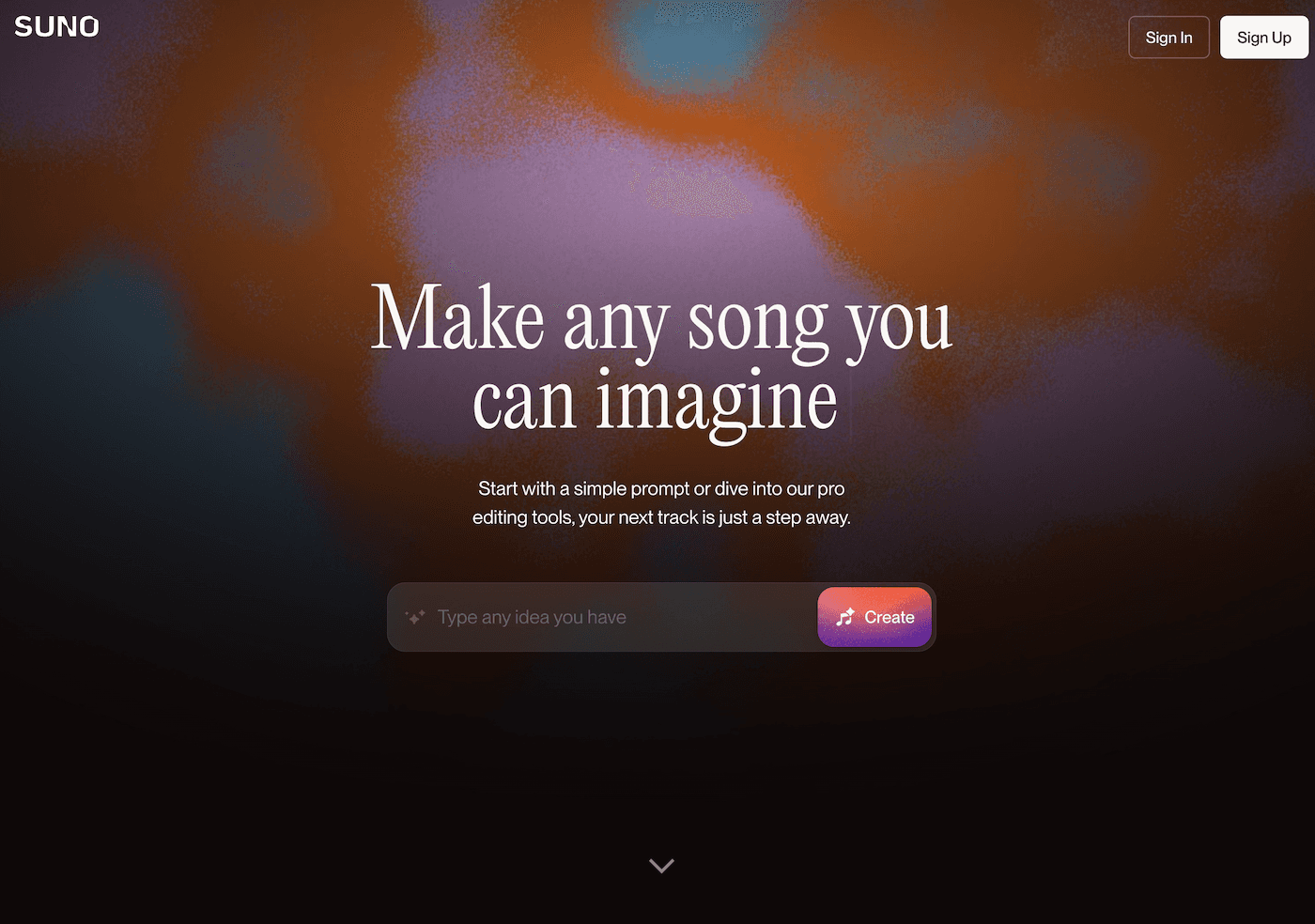
Teacher-to-Teacher: Real Advice for Coaching Writers
- Build publication and feedback into your sequence from the start—make finishing (and sharing) the norm, not the exception.
- Let students shape the workshop backbone using Kuraplan and real feedback decks–you’ll never have to beg for engagement.
- Use AI for voice amplification and accessibility, not to replace real student creativity or honest (even tough) critique.
- Make archiving and celebration as visible as redrafting: Notebook LM, Magicbook, and Suno turn process into memory.
- Don’t flinch from the messy—your best workshop rituals will come from student hacks, failed drafts, and unexpected triumphs.
Are you a teacher/advisor coaching student writers? Got an AI workflow for critique, zine publishing, or helping your shyest authors take the mic? Share it below—every workshop community deserves a toolkit that makes risk, feedback, and growth the norm in 2025.