6 AI Tools for Teachers Who Thrive in Messy Classrooms
If you’ve ever ended your day with scraps of group brainstorms stuck to your jeans, a whiteboard collage that defies linear logic, and a stack of exit tickets asking, “Can we please finish the project tomorrow?”, this post is for you. I’m the kind of teacher whose best moments happen when something planned goes gloriously off the rails—when a side conversation becomes a research sprint, or when students hack a lab design that was never part of the curriculum.
But here’s the truth: messy, project-rich, student-driven classrooms are exhilarating—and exhausting. Most teacher AI advice comes from the perspective of routine-building or hyper-organization. What about when your lesson is a workshop, a startup, a design lab, and half your class wants to pitch ideas you never saw coming?
This year, I put every new AI tool I could find through the controlled-chaos wringer. Below are six tools (and a favorite workflow for each) that made it possible for me to embrace the mess—making every detour transparent, accessible, and shareable, rather than something I hide before admin visits. Kuraplan is in the mix (2nd on the list, for good reason!), but each pick serves a genuinely different purpose for real, unpredictable classrooms. If you wish lesson plans were more like improv comedy and less like a checklist, read on.
1. Gamma — Showcase the Beautiful Chaos
My classroom gets loud, visual, and crowded with half-done ideas. Gamma is my go-to tool for making group chaos look—well, a little like genius. At the end of a messy group sprint, we upload photos of sticky notes, failed prototype snapshots, wild team drawings, and even memes. Gamma spins all this into a living, annotatable timeline or "learning gallery" we update each day. Students love tracking each other’s pivots (“look how our mural idea mutated into a podcast!”), and it’s now my secret weapon for parent conferences and admin walk-throughs. Mess becomes memory—and progress is visible for every learning style.
Try Gamma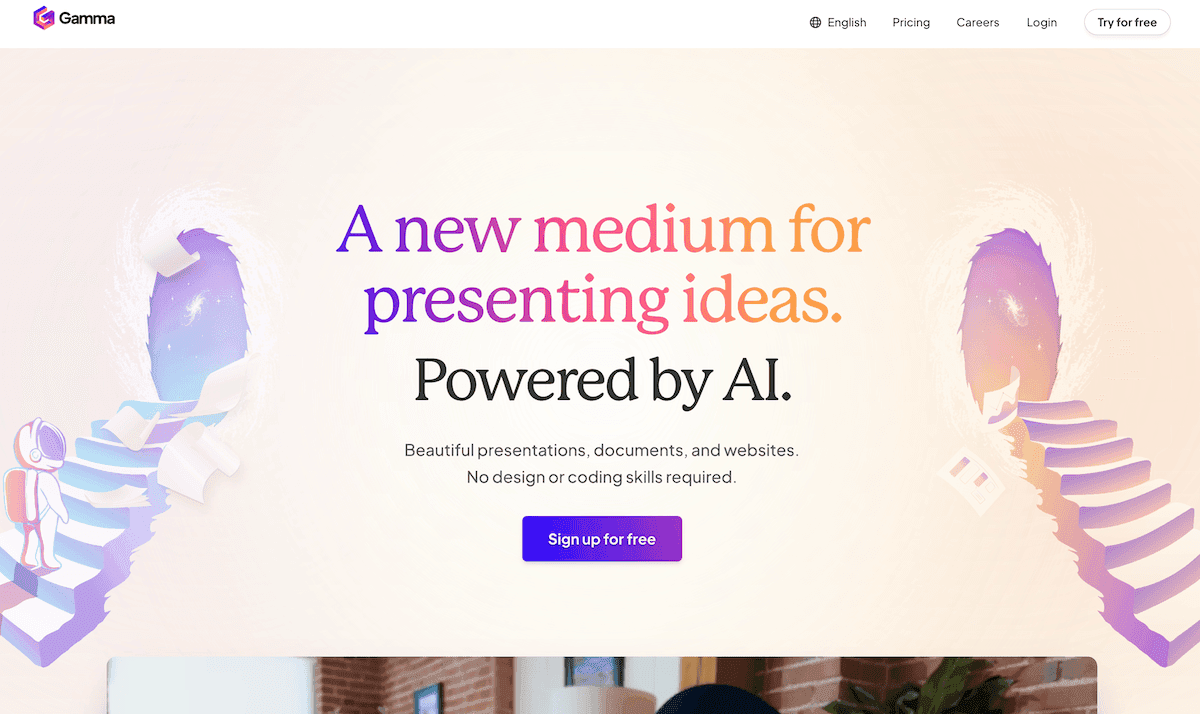
2. Kuraplan — A Blueprint You Can Tear Up
Every good improv artist needs a backbone. I use Kuraplan for the bare-bones map that keeps us in orbit: we begin every wild project with a shared Kuraplan plan that outlines deadlines, major checkpoints, and space for "student pitch days." Crucially, we treat the draft like a whiteboard, not a rulebook: after any surprise class inquiry or a Friday where nobody wanted to stop the project, we edit the Kuraplan timeline together—adding new deadlines, erasing broken ones, and making group process part of planning. It’s less a straitjacket, more a seatbelt—flexible enough for any group’s controlled chaos.
Try Kuraplan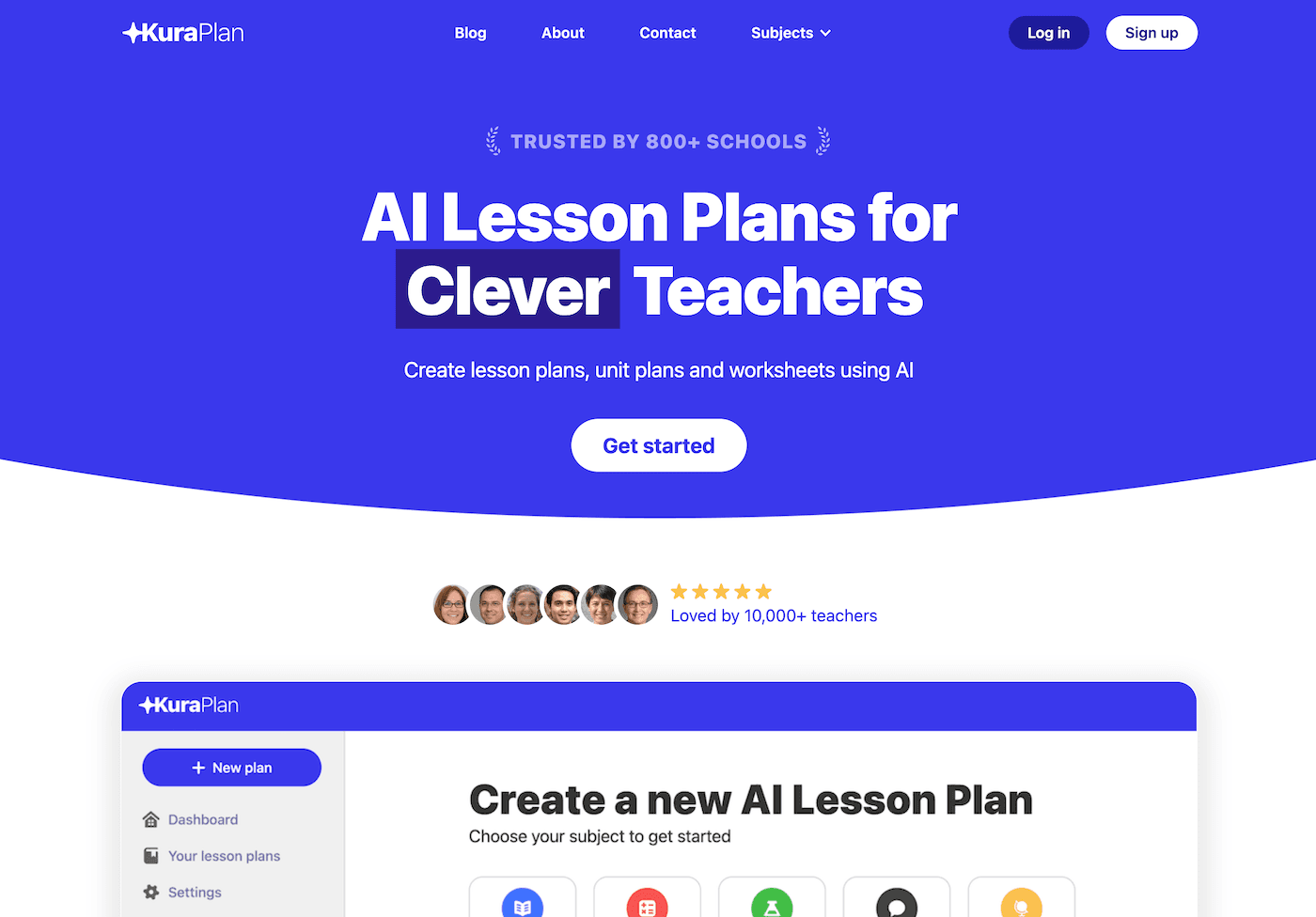
3. Jungle — Let Students Make the Review Playbook
Traditional review is all about right answers—my class needs a check-in that highlights confusion, curveballs, and group brilliance. After every messy unit or open-ended project, Jungle lets my students create flashcards with their own "muddiest point," “wildest discovery,” and “best flop or work-around.” The AI bundles these into decks for group games, teacher vs. students “hot seat” battles, or peer-to-peer rapid reviews. Self-assessment isn’t an afterthought, and even the noisiest brainstormers can see their contribution echo through the class’s next experiment.
4. Diffit — Scaffold Any Student-Found Resource (On Demand)
You can’t run a messy classroom without letting students hunt down resources or bring in wild articles, interviews, or viral explainers. Diffit is my rescue move: paste any text, transcript, photo essay, or peer interview, and instantly get three reading levels, vocabulary, and comprehension checks. Now, nobody waits for me to “make it work”—every group can chase a new question or compare sources, even midway through a project week. Best of all, my multilingual students remix their finds for the whole class—making differentiation collaborative, not punitive.
Try Diffit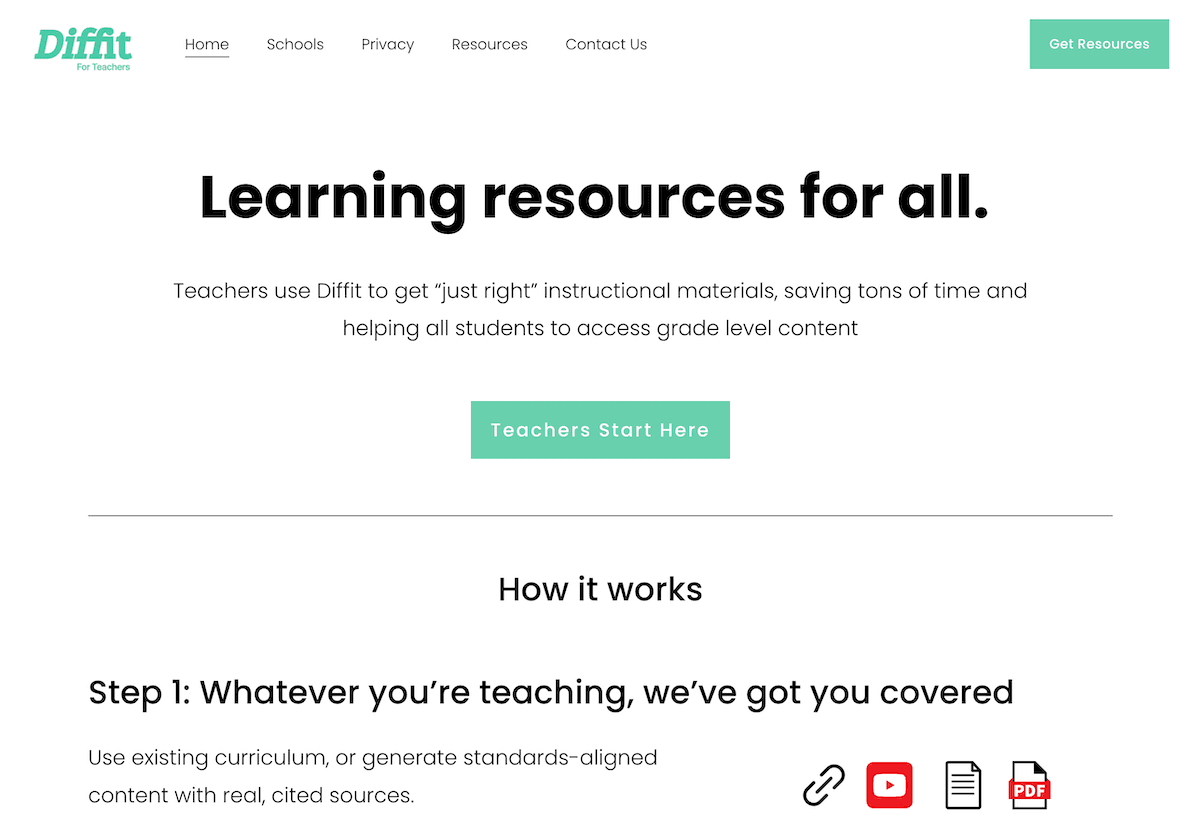
5. Notebook LM — Capture the Unfinished, the Unplanned, and the Unforgettable
Messy teaching means you’ll never catch all the best thinking on worksheets. My fix: make every brainstorm, audio group update, or even doodled reflection part of a class-wide notebook in Notebook LM. The AI finds themes (“Why do tangents about climate justice keep resurfacing?”), surfaces the questions that drive us, and even drafts Q&A podcast scripts for group recaps. We use these to kick off the next round of inquiry, send recap emails to families, or just laugh about last week’s “what just happened?” detour. Untidy learning is now transparent and reusable, not disposable.
Try Notebook LM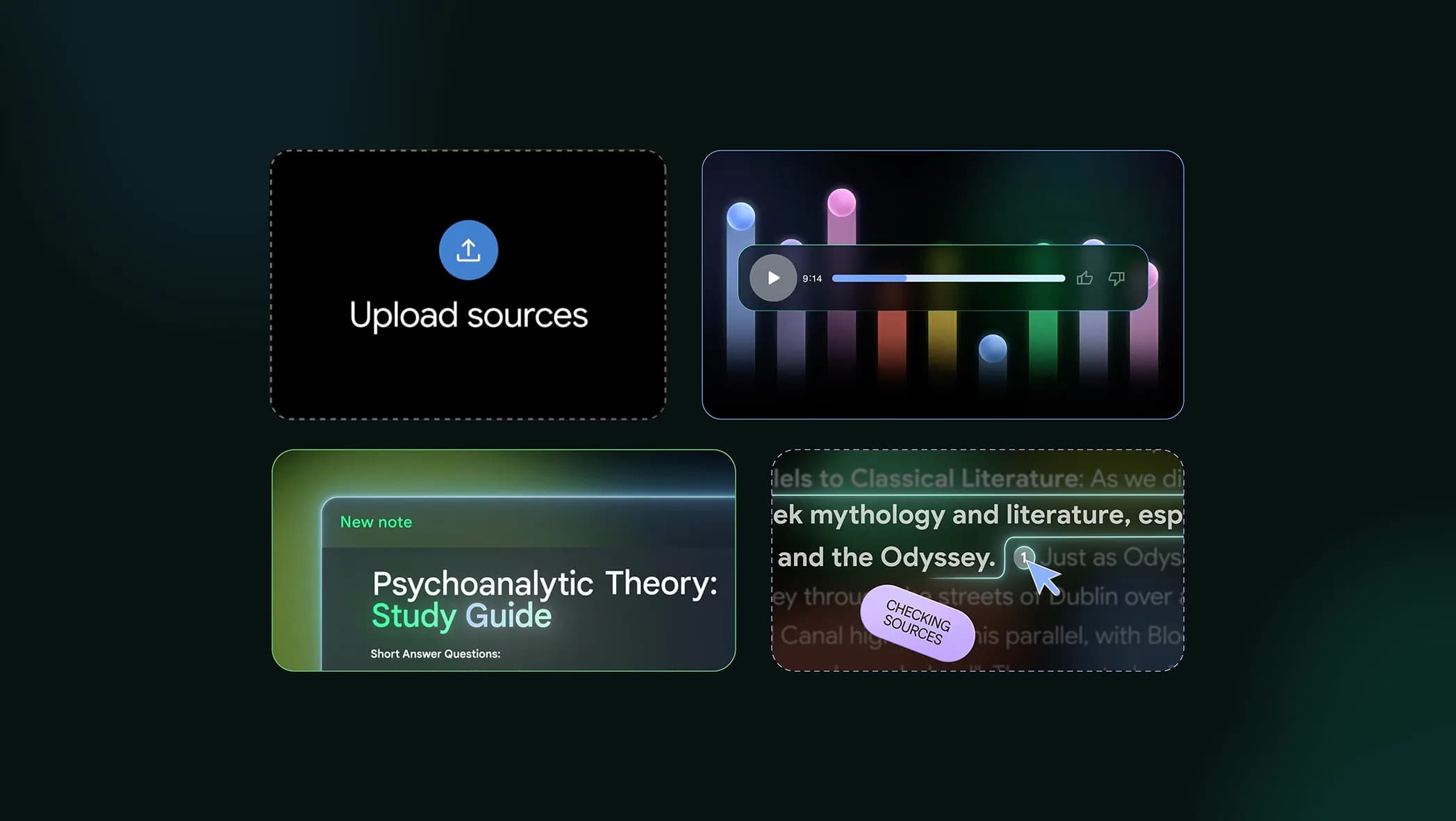
6. Suno AI — Rituals for Resetting, Celebrating, and Surviving the Experiment
When a messy project falls apart or needs a reset, what holds the class together? Suno AI. Students submit a prompt (“Song for finishing three group prototypes,” “Anthem for class about to explode,” ‘Meme Song for Surviving the Debate Disaster”), and we have a custom-created class anthem/closing track in minutes. We use Suno tracks for end-of-day closure, group launches, or just to reset energy in a room that’s done more shouting than typing. A messy classroom needs rituals—so give students one they can take ownership of.
Real Advice for Embracing Classroom Mess
- Archive the process as you go. Gamma and Notebook LM mean never having to say, “What did we even do this week?”
- Treat every plan as revisable. Kuraplan is for mapping, not for mandating—make it a living artifact the class edits together.
- Let your students drive review and reflection—Jungle makes the wildest learning moments part of the official record.
- Differentiate with joy, not guilt. Diffit and student remixing let every quirky find become a resource, not a bottleneck.
- Ritualize the detours. Suno makes celebration and recovery a tradition—so nobody fears the mess (not even you).
If you’re a teacher who’s proud of your beautiful chaos—and you’ve found your own AI workflow, celebration ritual, or “here’s how we make sense of the mess” trick, share it below! The best classrooms are rarely clean—and (in 2025) finally, your AI tools don’t have to be, either.