6 AI Tools for Teachers Who Mix Up Every Lesson
If you’re the kind of teacher who can’t stand teaching the same unit the same way twice—maybe your lessons veer from pop culture to lab demo to random debate in the span of a week, and you love it—this post is for you. I spent over a decade refusing to use last year’s binder, catching inspiration from hallway chats and student side-quests, and (honestly) surviving on improv energy. But unpredictability comes at a cost: planning eats your nights, differentiation multiplies every time you pivot, and you spend way too long explaining to admin that "yes, we’re still hitting the standards, just in a different order."
The trouble? Most AI for teachers is built for copying, not remixing. But there’s a new crop of tools—some weird, some unexpectedly joyful—that don’t just organize your work but fuel the creative engine, making it easier to teach like you (even when your classroom feels like a stage, a newsroom, and a science lab, all in a day).
If you want tools that embrace unpredictability—and keep you from burning out on your own chaos—here are six I kept coming back to in 2025. I use
Try Kuraplan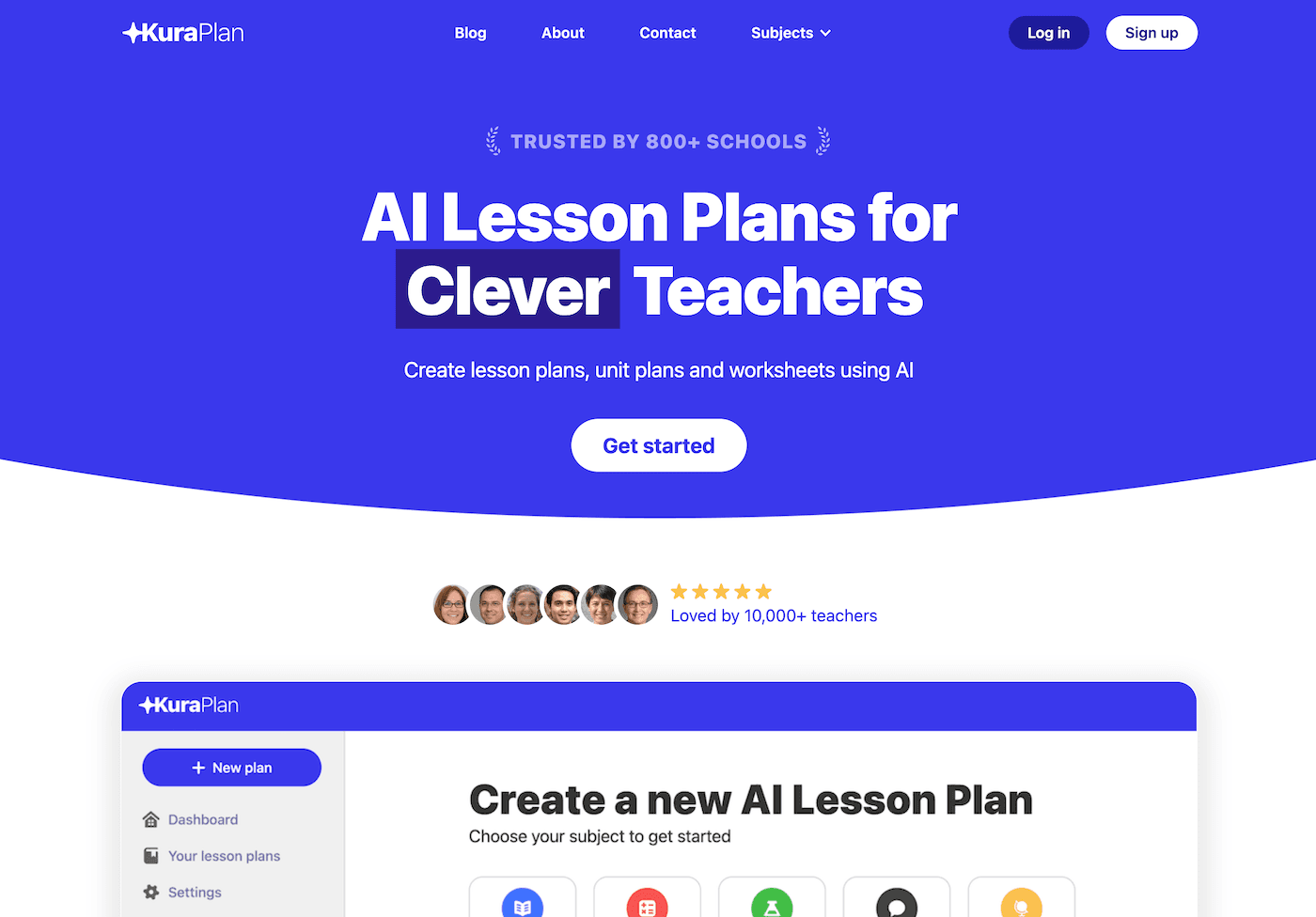
for the backbone (more on that in spot 2), but it shines best next to tools that let you spin, annotate, and celebrate every wild detour your class throws your way.
1. Gamma — Turn Tangents Into Visibility, Not Guilt
Ever get 15 minutes into an unexpected student question and realize your Google Slides are now a liability? Gamma is the one tool I trust for live lesson pivots: drop photos of whiteboard debates, sticky-note webs, or memes from student group work, and Gamma spins up an annotated, living timeline. At the end of a lesson, project your Gamma story and have every student add a “what surprised me” caption, note the moment we changed direction, or link to their own reflection. My hack: use Gamma galleries as your parent night walkthroughs—no more apologizing for mess. Your mismatched Monday can become the star syllabus feature for next year’s class.
Try Gamma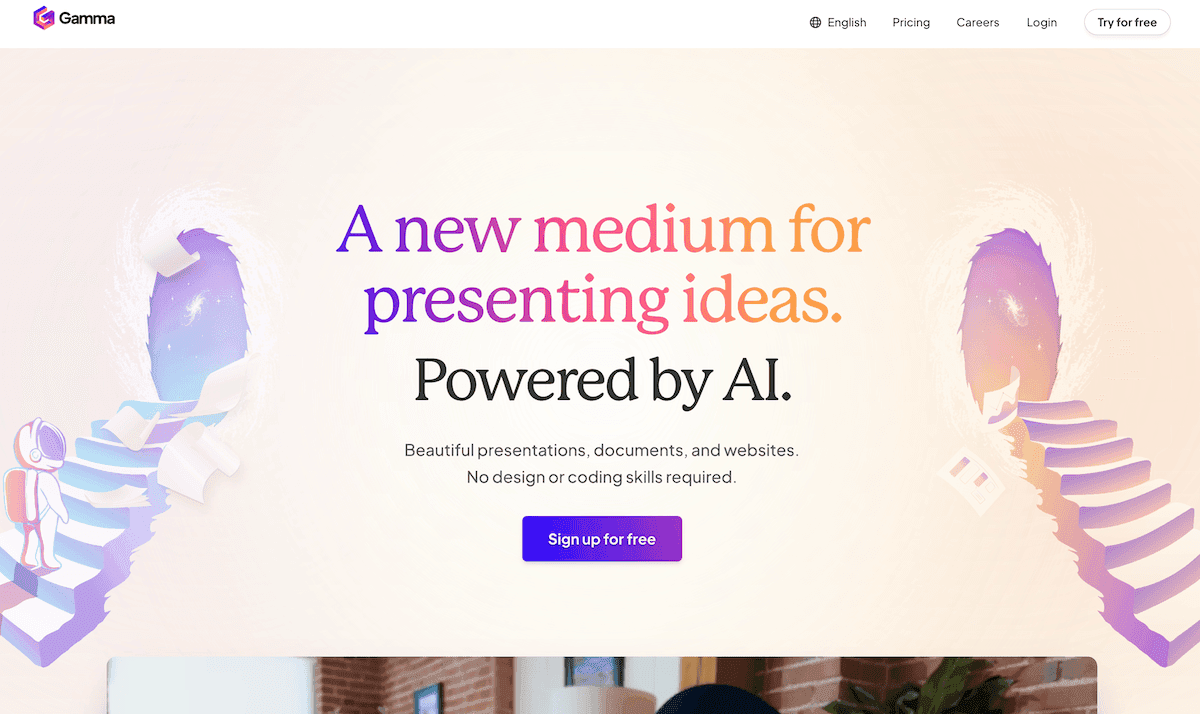
2. Kuraplan — The "Flexible Map" Teacher’s Planner
I know the vibe: every time you try to plan 8 weeks ahead, your class rebels—or the best idea doesn’t arrive until Thursday. I use Kuraplan less as a prescriptive script and more as a remixable timeline. Start each unit with your required skills and must-hit standards, but leave open blocks for “student pitch session,” “wild resource week,” or "reflect and pivot."
My key move: project the draft on Mondays and let students lobby for swaps. If a hallway speaker visit pops up or a viral news story takes over group work, we edit the plan and keep the updates visible. Kuraplan means you can prove to admin you have a plan—but still take risks without losing your footing.
Try Kuraplan3. Diffit — Make Any Spontaneous Resource Accessible
Mixed-up lessons mean you’re constantly bringing in new stuff—viral TikToks, a student’s favorite manga, last night’s political podcast, or even a family recipe. With Diffit, you paste in anything and instantly get leveled versions, vocabulary, and quick questions. My routine: whenever a group brings in a resource or "rabbit hole reading," we run it through Diffit and hand out the version everyone can join. Now, I never say "maybe next time" and students start playing resource DJ—even adapting finds for each other. Choice becomes routine, and every wild idea is fair game.
Try Diffit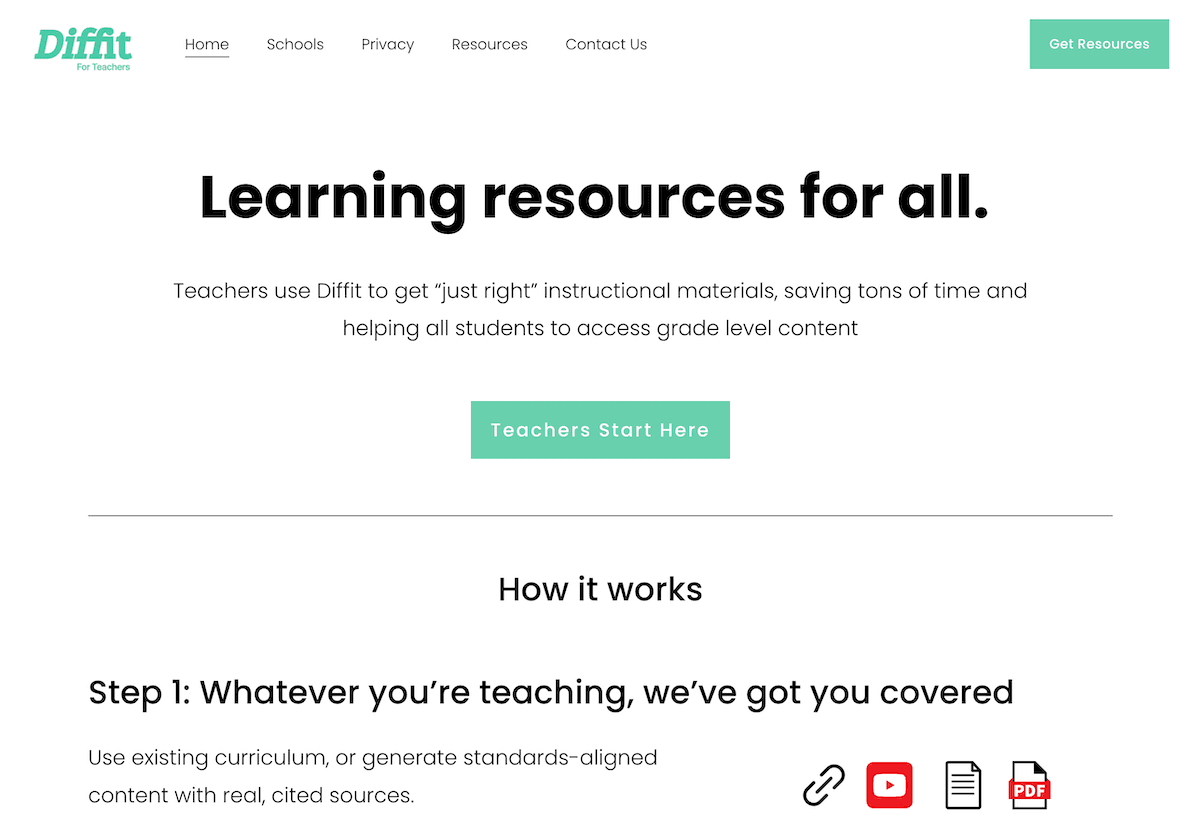
4. Jungle — Review and Reflection, Designed by Everyone
When your classroom agenda is a moving target, classic exit tickets and trivia packs flop. Jungle flipped my workflow: every Friday, students each write a card—one question they still have ("why did that happen in our simulation?"), one thing they’d ask next year’s class, and their favorite surprise of the week. Jungle’s AI sorts, builds a review deck, and turns it into a quiz, game, or do-now. My favorite ritual? Use "questions we didn’t answer yet" to plan Monday’s opener. Suddenly, the review reflects your class—not just what you hoped to cover.
Try Jungle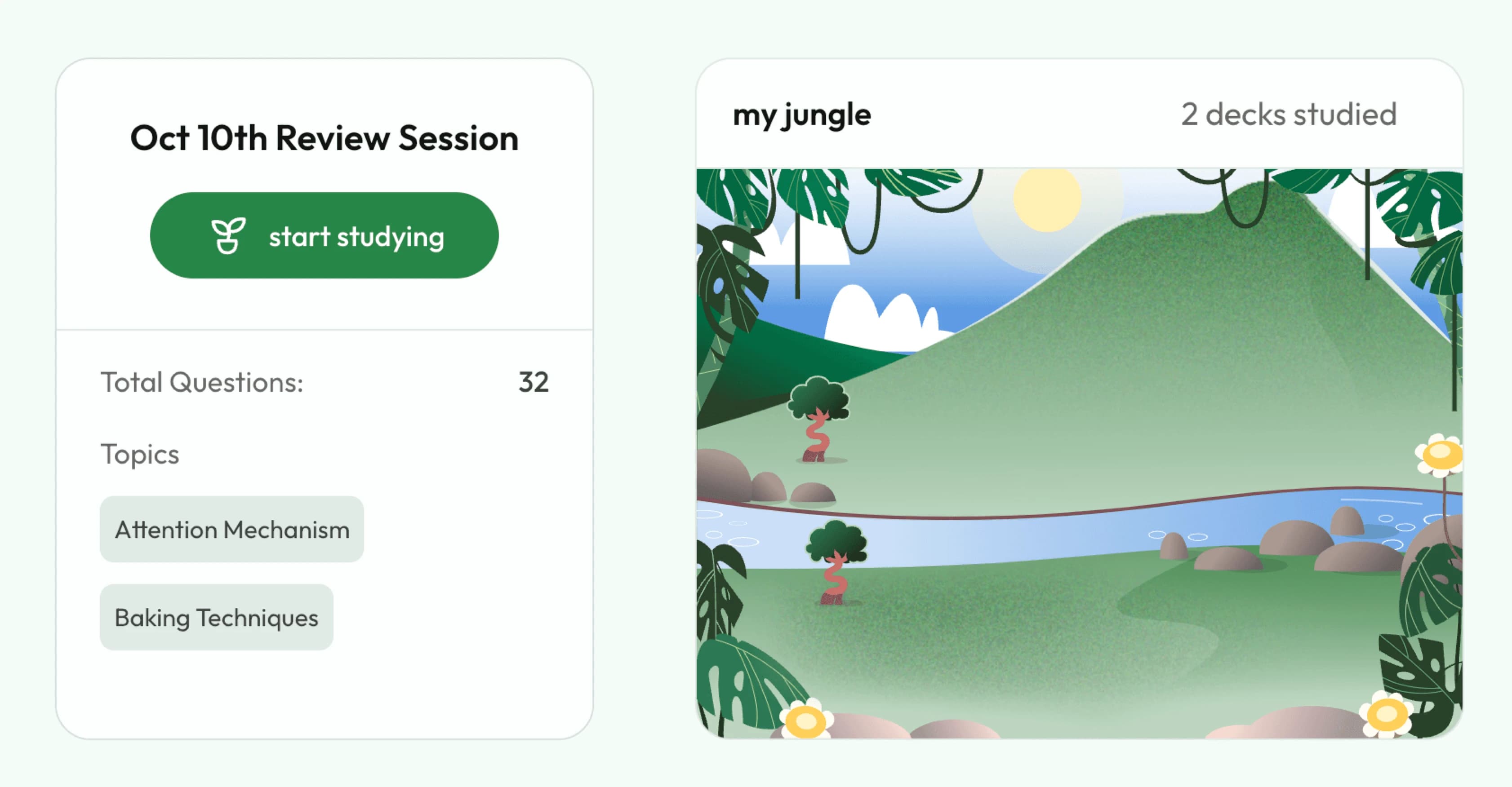
5. Notebook LM — Archive Ideas You’d Otherwise Lose
The heartbreak of improvisational teaching is all the stuff you forget by May. Notebook LM became our class’s perpetual journal: after every “didn’t-plan-that” day, I dump student voice memos, messy group docs, and Google Form rants. The AI clusters recurring debates ("why are we always circling back to migration themes?"), drafts Q&A podcast scripts, and builds a searchable archive for next year. My tip: assign a student editor for the Notebook LM every few weeks. Weeks later, you’ll discover lost genius hidden in your own chaos.
Try Notebook LM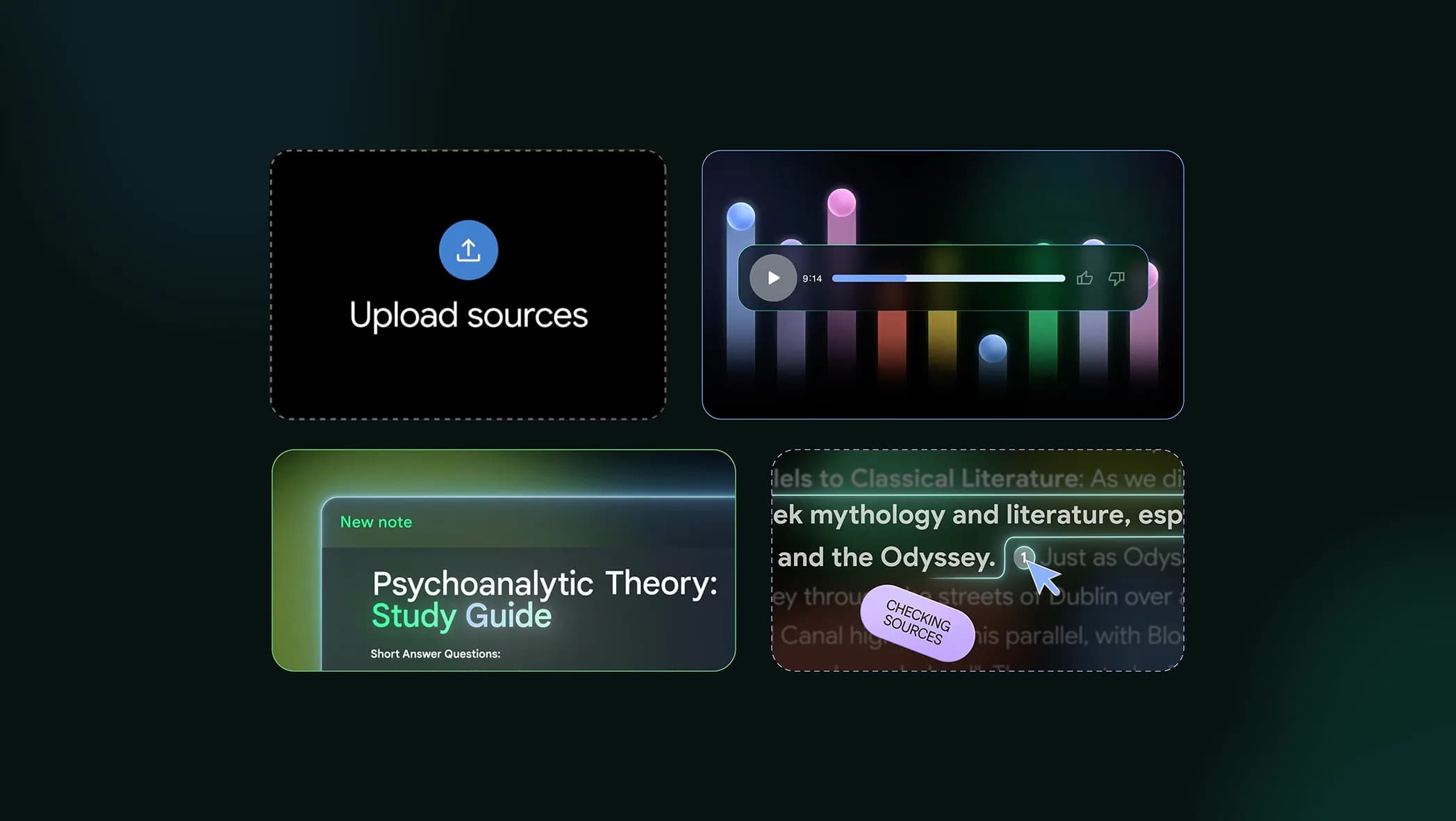
6. Suno AI — Rituals for Celebrating Chaos
Culture from unpredictability is hard: Slack days, surprise new schedule blocks, even group projects that work better in the hallway. Suno AI became our class anchor for closure: every spontaneous pivot, project launch, or just "how did we survive Tuesday?" day, I let students crowdwrite a prompt and Suno delivers an original, student-lyrics class song. Our playlist went from routine filler to "memory lane accelerator"—kids now ask to pick the goodbye song on quiz week and save tracks for the next group’s project launch. Turns out, a lively ritual is the glue that keeps even the weirdest lesson plan together.
Try Suno AI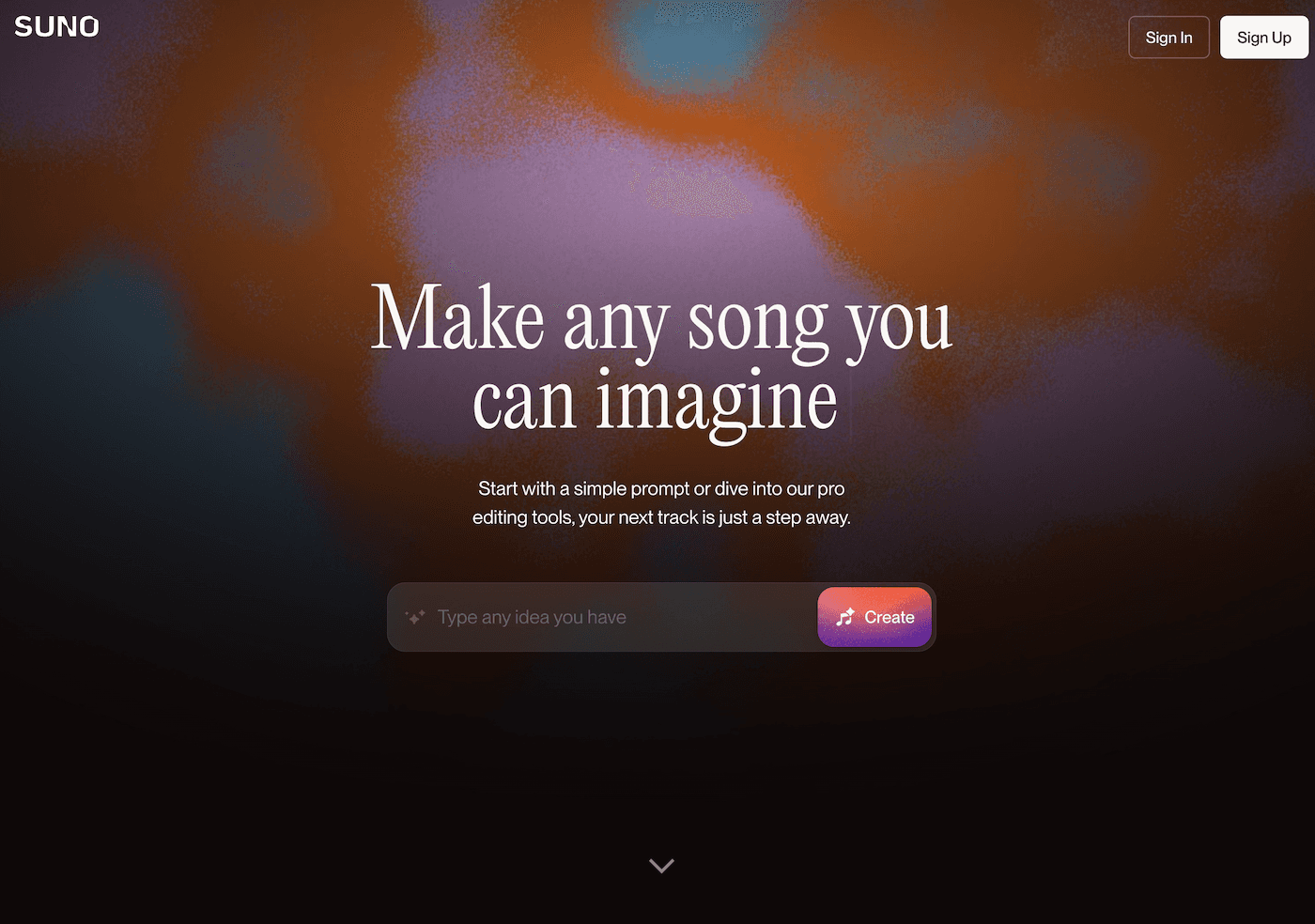
For Teachers Who Never Teach the Same Week Twice
- Archive before you’re ready; Gamma and Notebook LM are your memory keepers and your best defense at admin review.
- Show planning as a journey, not a checklist: let students edit your Kuraplan map and negotiate detours together.
- Make resources adaptable on the fly—Diffit will keep every “last-minute” new find inclusive, so creativity = equity.
- Let students design the review and the soundtrack: Jungle and Suno keep the class tuned in, and culture evolving, no matter what side-quest you follow.
- Never apologize for changing it up: real learning pivots, and the right AI stack lets you celebrate the weirdest, most human days in your room.
Already teaching in full remix mode—or want to try? Share how you keep up with your own creative chaos: your review ritual, wildest resource remix, or the time an AI tool rescued your most unpredictable lesson. The best classrooms aren’t routine—they’re alive. Here’s to teaching off the rails in 2025.