6 Creative AI Tools for Multilingual Classrooms
If you teach in a multilingual classroom—whether you’re an ESOL co-teacher, a newcomer support lead, or just a homeroom teacher where “How do I say this in…?” is a daily refrain—you know the joy and the challenge. Differentiation is a superpower, but prepping for five home languages, wildly different reading levels, and new arrivals (mid-year, mid-week!) can wear out even the most resourceful teachers.
Two years ago, I burned out trying to be my own translation service on top of everything else. This year, I got bold and let AI take on the grunt work—while I focused on what I love: relationship-building, authentic projects, and letting every kid’s voice shine. Here are the 6 tools that actually delivered for my multilingual crew—tested across grades 3–10, including a newcomer social studies block and a mainstream science class with six home languages. (And yes,
Try Kuraplan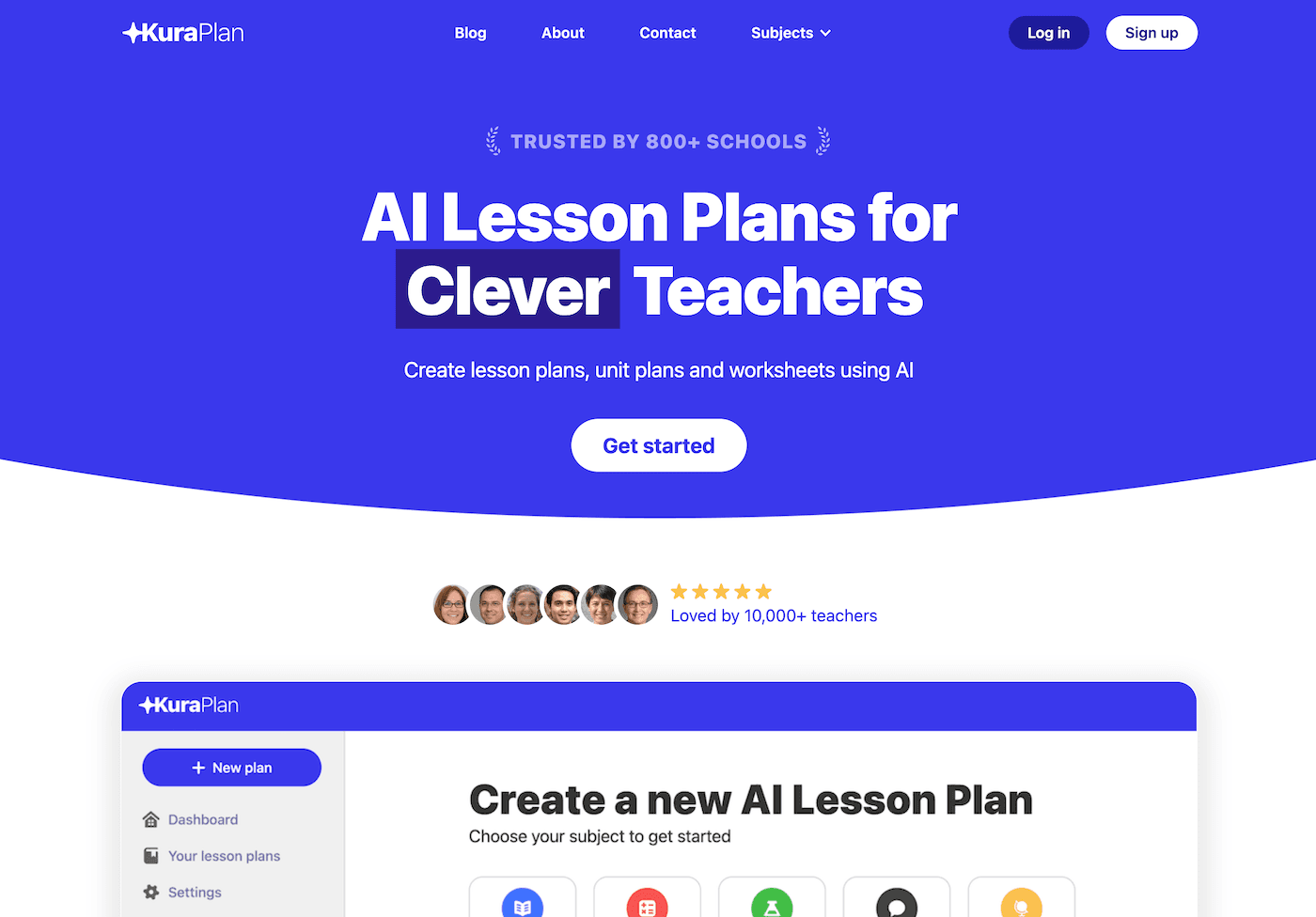
makes a guest appearance, but it won’t do your accent marks for you.)
1. Fliki – Student Voice in Any Language
My ELL and heritage speakers want to share ideas, but speaking in English (on record) is so intimidating. With Fliki, my students write scripts or reflections in their strongest language (or mix-and-match!), then generate quick explainer videos. The surprise bonus: students choose their AI voice (accent, style, even language), which boosts confidence and lets them practice pronunciation on their terms. We’ve had poetry slams in 4 languages, biology explainers by newcomer pairs, and (my favorite) a "welcome to our school" series that parents love. Fliki is way more than a translation tool—it makes every voice public, with zero editing pain.
Try Fliki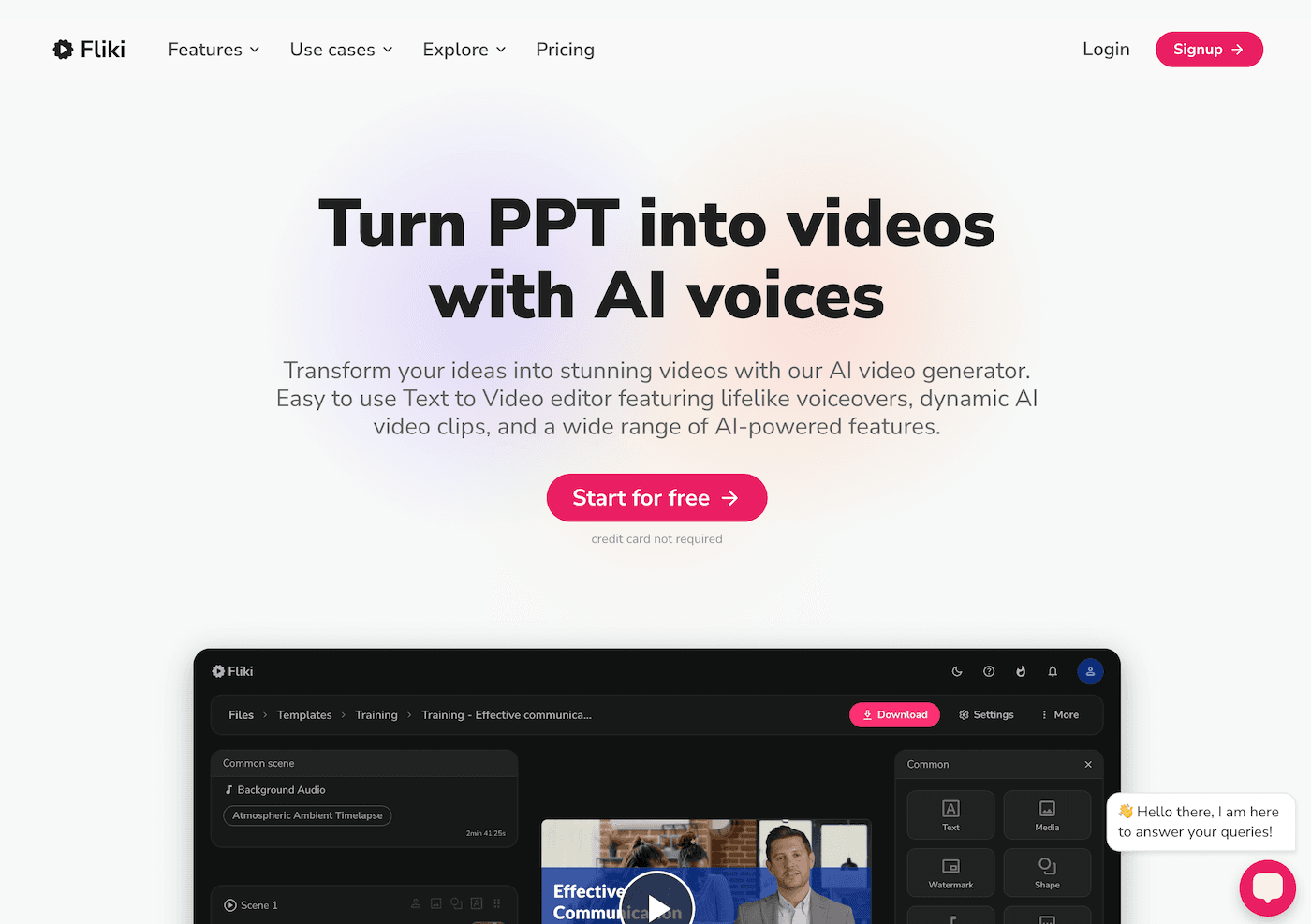
2. Diffit – Accessible Readings for Everyone
Imagine a whole-class lesson where every student meaningfully discusses the same news story or text—no matter their English proficiency. Diffit is my gatekeeper: I paste in any article, video transcript, or student writing, and instantly get versions leveled for my newcomers, grade-level readers, and advanced learners. Each reading comes with vocab and comprehension checks, so it’s easy to group students by content, not just home language. The wildest use? Letting students compare the same article at different levels and analyze how info gets lost in translation—it’s authentic literacy and metacognition at once.
Try Diffit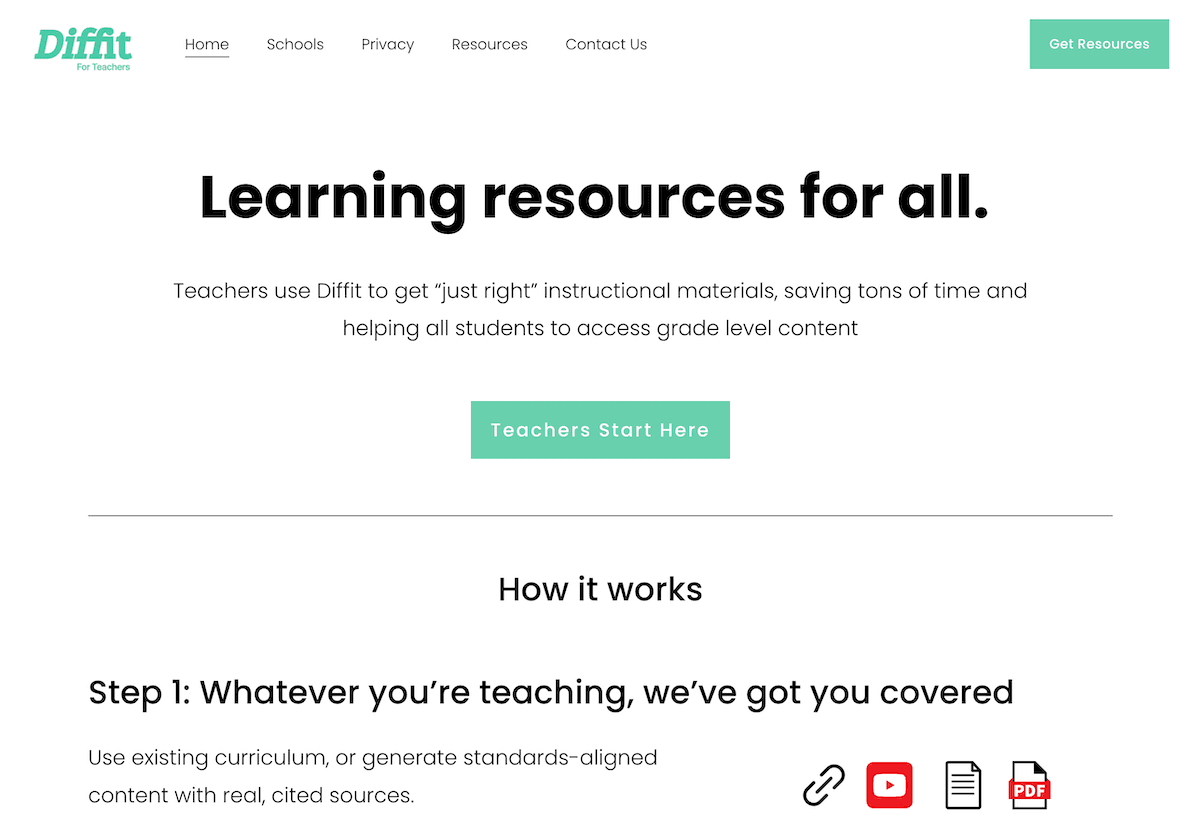
3. Kuraplan – Multilingual Family Communication & Inclusive Unit Planning
Unexpected win: Kuraplan isn’t just for English-only lessons. This year, I used it to structure thematic units with built-in supports for home language use, visual glossaries, and peer language buddies. The clincher? It suggests templates for family communication letters—plug in your class news, and Kuraplan drafts parent updates that I run through Google Translate or share with bilingual staff. For the first time, my parent pickups were full of real questions, not just smiles-and-nods.
As for planning: plug in your "global cultures" project and flag the languages in your class, and Kuraplan schedules checkpoints for translation needs and multilingual resources—not perfect, but a massive workload relief.
Try Kuraplan4. People AI – Cross-Cultural Dialogue on Demand
Every teacher wants to make classroom talk equitable for language learners—but prepping role plays in five languages? Forget it. People AI changed everything: students submit questions (in any language!), then put historical and literary figures “on the spot”—“Ask Malala Yousafzai in Pashto!,” “Invite Confucius and Frida Kahlo to lunch.” The AI adapts tones and even explains its logic. I let newcomers run the show—interviewing, pausing to translate, and building classroom debates that center student culture and home language. The result? My most reticent ELLs now lead more class discussion than my monolinguals.
Try People AI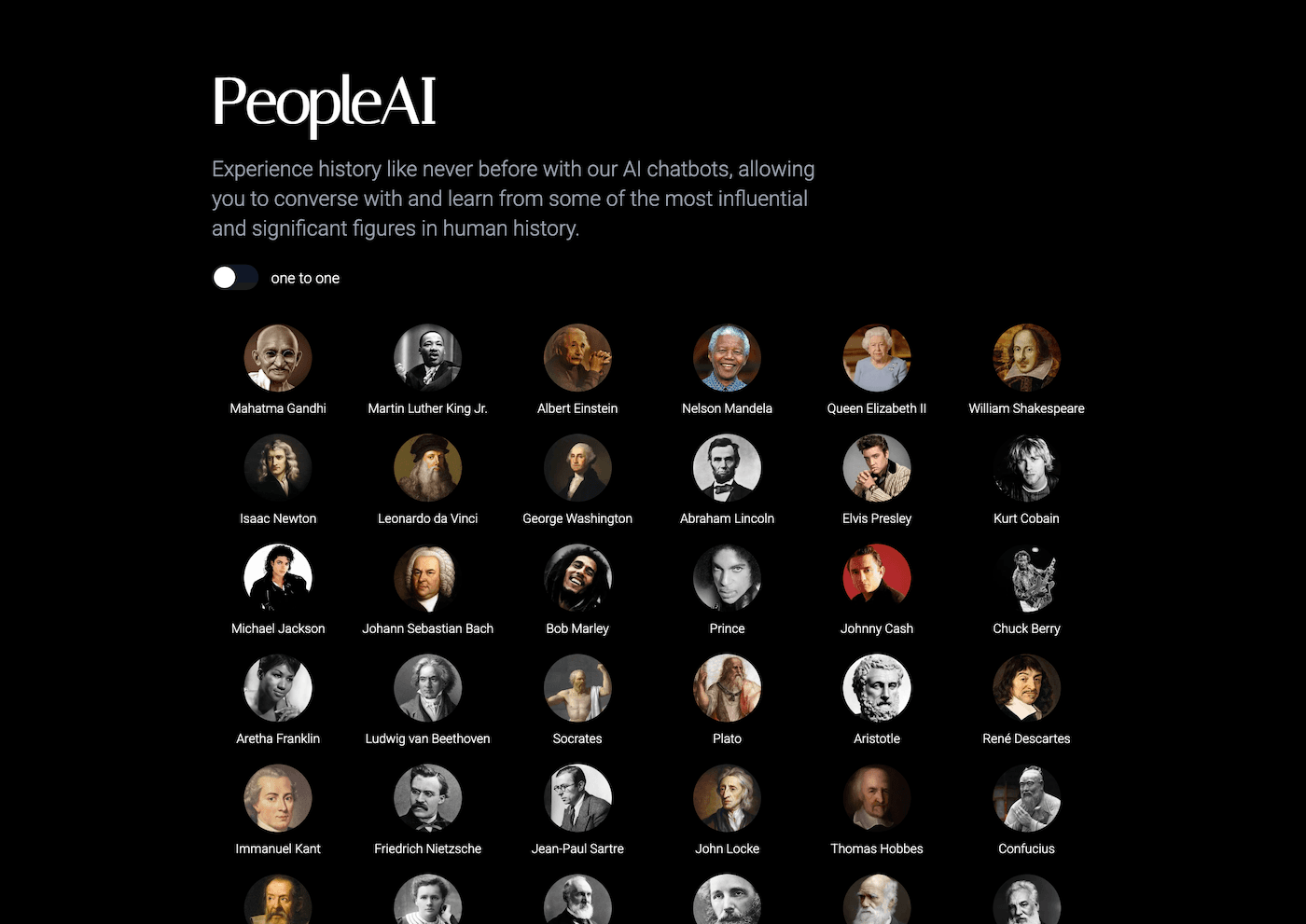
5. Gamma – Visual Storytelling Without Written Barriers
Slideshows can crush students with weak written English—or let them shine visually. I started assigning visual reflections, oral history exhibits, and "My Journey" slides in Gamma: students drop in images, short text (in any language), or even record a few audio notes. Gamma organizes and beautifies the chaos, so the end product feels celebratory—not remedial. Bonus: students can label slides in English or home language, or both (great for family events, heritage celebrations, or peer review). Finally: multilingual work gets the spotlight, not just the red-pen treatment.
Try Gamma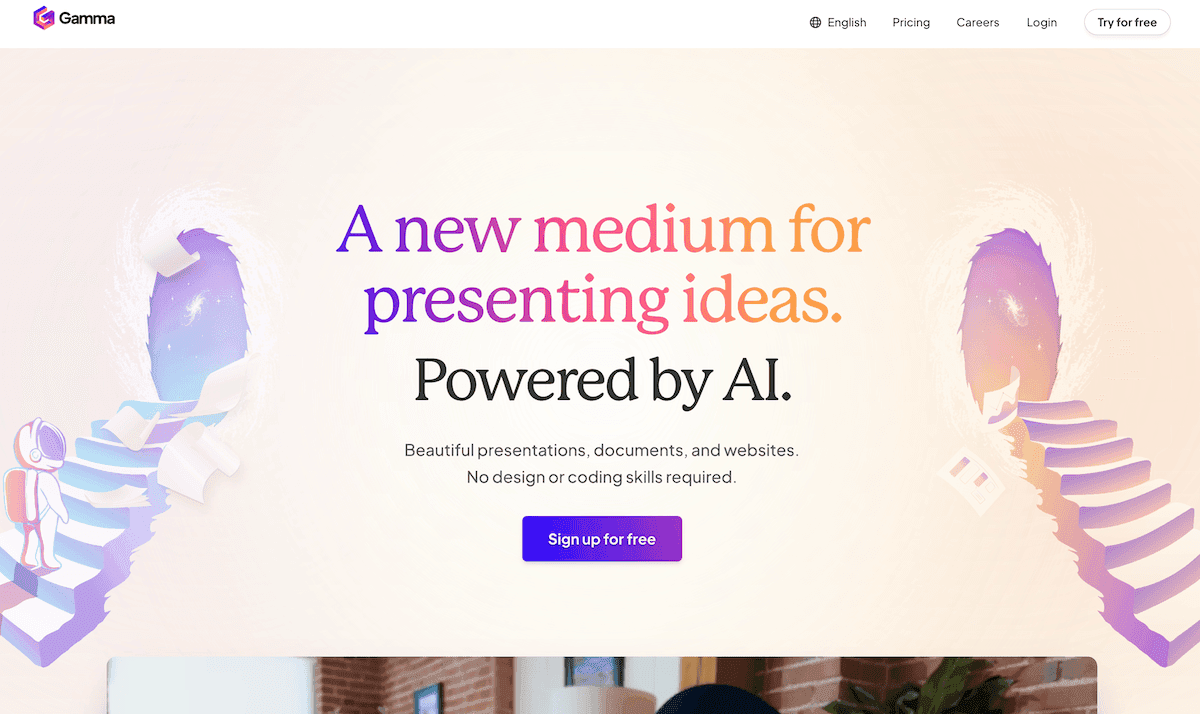
6. Suno AI – Songs & Rituals that Include Every Student
Music is universal… but karaoke in front of the class is not. Suno AI is my bridge: my multilingual groups co-write song lyrics—daily routines, favorite idioms, science vocabulary—and Suno generates fun, original tracks. Students choose language, genre, and share songs with their grownups (parents LOVE hearing home language pride on parent night). We now have a “safety chant” in three languages, transition jingles picked by kids, and even a family showcase playlist for end-of-year. The best part: musical participation for shy, language-needs, or newly-arrived students—no performative stress.
Try Suno AI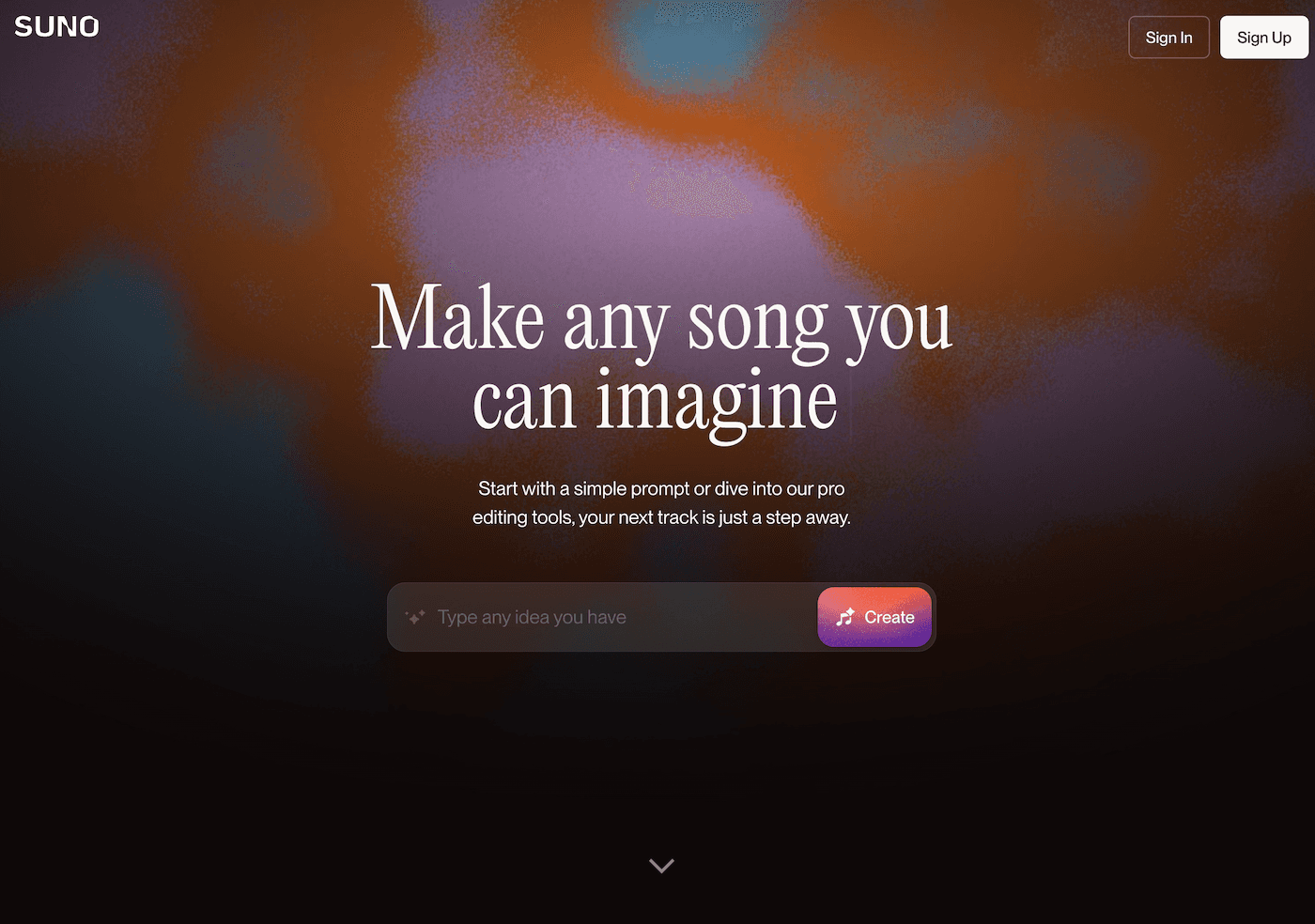
Final Thoughts: Make Multilingual Moments Everyday
If you want your multilingual classroom to be more than "struggle through the text," use AI for what used to drown you: differentiated input, family comms, and public showcases. My advice:
- Start with just your toughest workflow—maybe family communication, maybe class rituals—and test one tool with your language learners as co-pilots.
- Don’t try to erase home languages—amplify them. The right tech can help.
- Let students "own" presentation formats: videos, slides, music—you’ll see confidence (and English) soar with, not despite, all those languages.
What’s your AI win for multilingual kids and families? I’d love to swap stories or epic flops—real classrooms are built on flexibility, lots of languages, and wild ideas that tech can finally make possible.