6 AI Tools for Teachers Who Hate Worksheets
Every year there’s a new app promising “paperless” classrooms and “auto-generated resources.” But if you’re like me—the teacher who groans at another worksheet PDF link, dreads packet-based sub days, and believes real learning happens off the handout—it often feels like AI is just… giving you fancier, fill-in-the-blank boredom.
This year, I set out to beat the worksheet rut with AI—not by automating it, but by escaping it for good. Whether you run project-based science, inquiry blocks, a creative media elective, or streetsmart history debates, these are the tools (and actual teacher workflows) that let you ditch the worksheet factory and reclaim deeper, collaborative, sometimes even untidy learning moments. Yes, I use
Try Kuraplan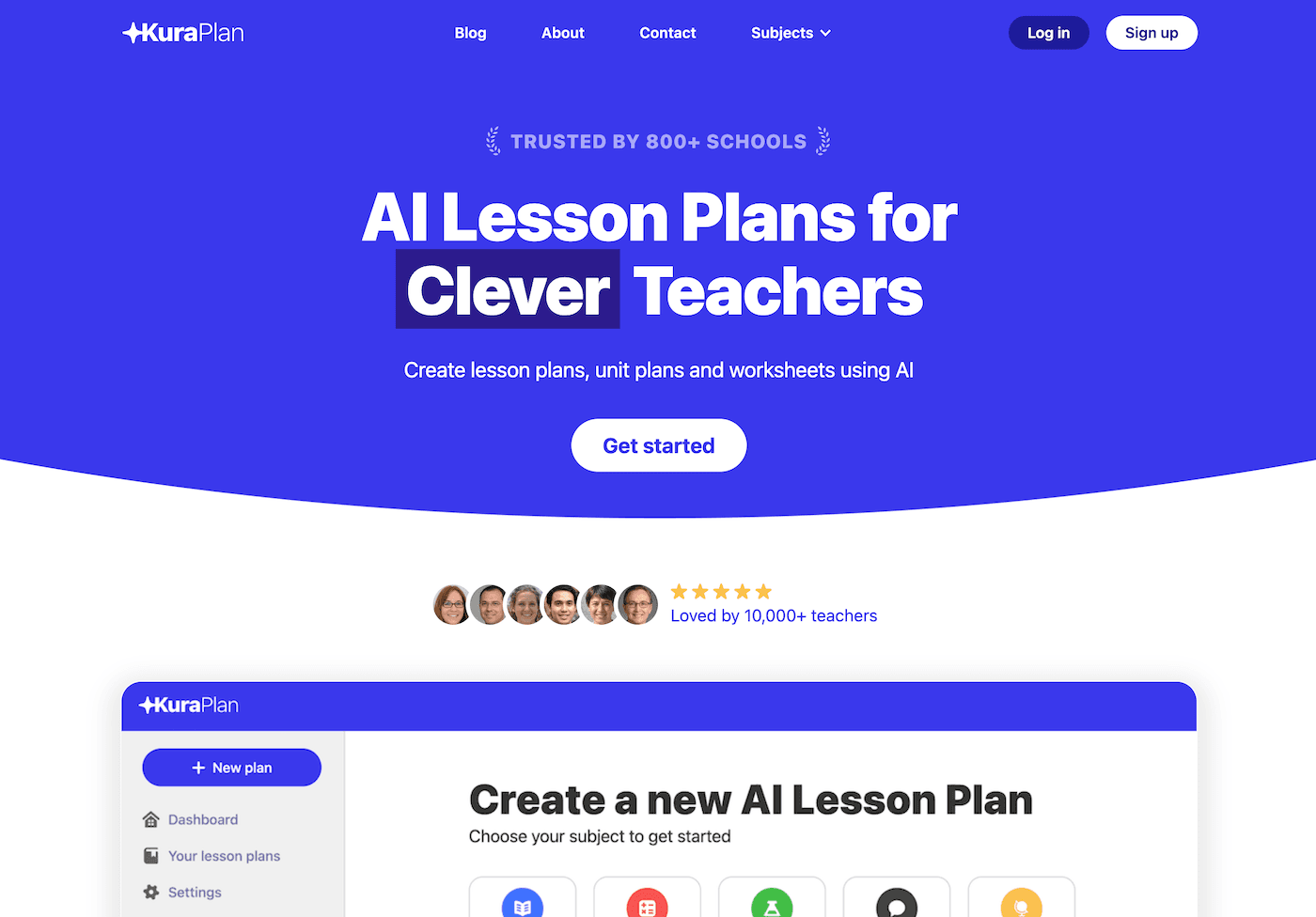
for structure (but only where absolutely needed!), but the rest of my picks focus on publishing, reflecting, debating, and sharing—NOT repeating.
1. Magicbook – Turn Projects into Real Books
Let’s be honest: most worksheet “extensions” become classroom graveyards. The first time I let my 8th graders pitch a classroom magazine—and watched the process die in Google Docs—I realized publishing, not busywork, was the answer. Now, whenever a project wraps (argument essays, science experiments, even peer interviews), we use Magicbook to assemble illustrated, student-written picture books or anthologies. Kids submit a page—reflection, infographic, founding myth, or a poem—Magicbook combines and styles it, and suddenly my room has a shelf of publishable memory (not abandoned packets). The best bit? These class books show up at parent night and become artifacts that last beyond "worksheet week."
Try Magicbook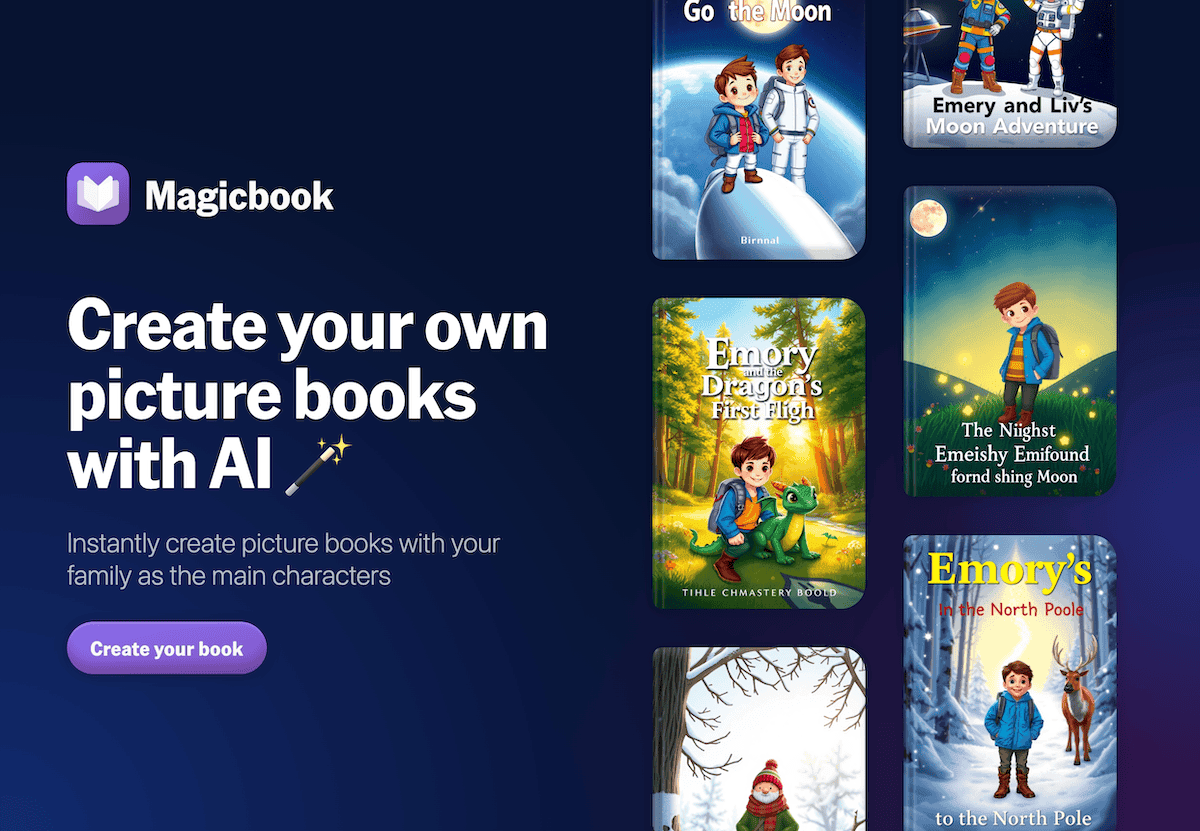
2. Kuraplan – Project Outlines Without the Drill
Here’s my true confession: I nearly ignored
Try Kuraplanbecause I feared it would just generate... more worksheets. Instead, my workflow: I enter multi-week project goals (“Build a classroom fossil exhibit” or “Run a mock newscast”), list the basics (standards, a couple of must-hits), and Kuraplan outputs a flexible sequence. The trick? No attached daily drill sheets. My classes edit and remix the checkpoints live, and every “lesson” can be a group build, a debate, or an outdoor field study. Kuraplan gives me bones for accountability, not a pile of mindless tasks. Bonus: when admin stops by, I always have a plan—just not a pile of dittos!
3. Gamma – Document Journey, Not Answers
Ever finished an amazing hands-on lesson and winced knowing the only “assessment” in the plan is a worksheet quiz? Gamma is my replacement: after every real-world project, gallery walk, or messy debate, students upload photos, sticky note mountains, or unfinished diagrams. Gamma’s AI auto-builds a visual timeline or process portfolio, which we project, annotate, and share for class feedback. Suddenly, the process becomes the evidence: “Here’s how we got there,” not just “circle the right graph.” Bonus: use Gamma to open revision rounds or running exit ticket displays (the opposite of worksheet busywork).
Try Gamma
4. Notebook LM – Archive and Remix Real Student Ideas
The death of the worksheet doesn’t mean chaos—just a different kind of archive. After every project pitch or roundtable, my students dump brainstorms, voice notes, doodles, and group research into Notebook LM. The AI not only clusters recurring themes (“Who suggested the water filter project?”), but also generates Q&A prompts for reflection podcasts or group debates. At unit closeouts, we record class-produced podcasts (with the AI script!) recapping what’s stuck and what’s still unresolved. The result: our “evidence” becomes a living learning record, not another stack in my teacher drawer.
Try Notebook LM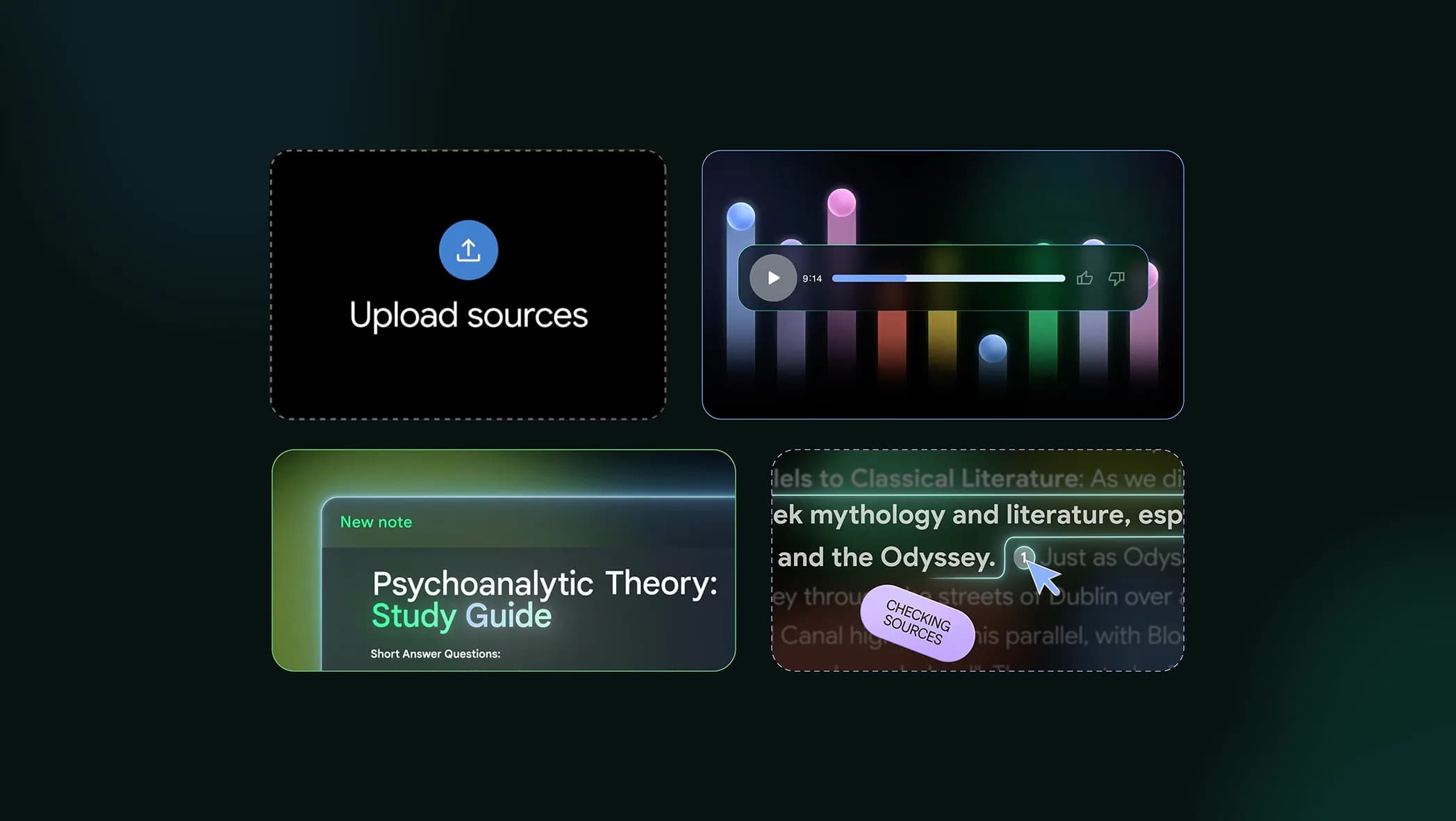
5. Jungle – Review Games from Student Mistakes, Not Packets
Classic review is built to reinforce the worksheet—Jungle does the opposite. After every inquiry cycle, flipped lab, or debate brawl, I ask students to write one wild misconception, unsolved debate, or even a purposely misleading math trick. Jungle sorts, de-dupes, and instantly builds a flashcard game deck that reflects this group’s ride, not the publisher’s defaults. Groups rotate playing, remix questions week to week, and (yes!) laugh when mistakes resurface (“Remember when we thought beetles could do calculus?”). Review is now student-powered, collaborative—and zero paperwork for me.
Try Jungle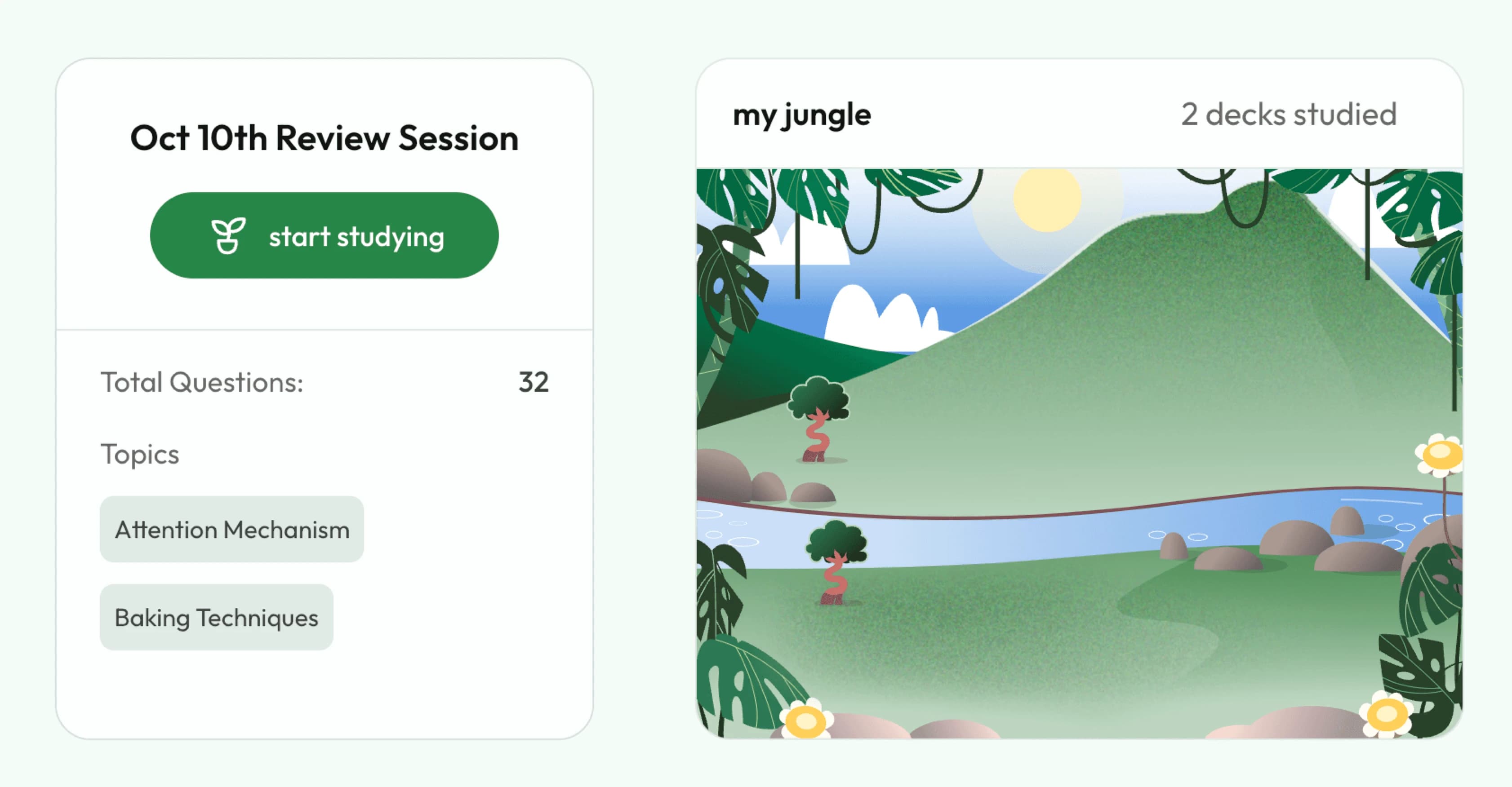
6. Suno AI – Rituals and Reflections Replace Fill-in-the-Blanks
Worksheet classes are boring because they lose the moments between: transitions, closure, reflection, real celebration. Suno rewrote my rituals. After every leap-of-faith lesson or failed research sprint, I share a prompt with the class: “Ode to our biggest detour,” “Chant for finishing science fair chaos,” or “This week’s inside joke anthem.” Suno AI spits out a class song in seconds—sometimes funny, sometimes surprisingly touching. Now, closures, resets, and even “try again” days stick in memory—the class leaves humming, not just erasing the board. Rituals build culture, not compliance, and make each lesson feel unique, not pre-scripted.
Try Suno AI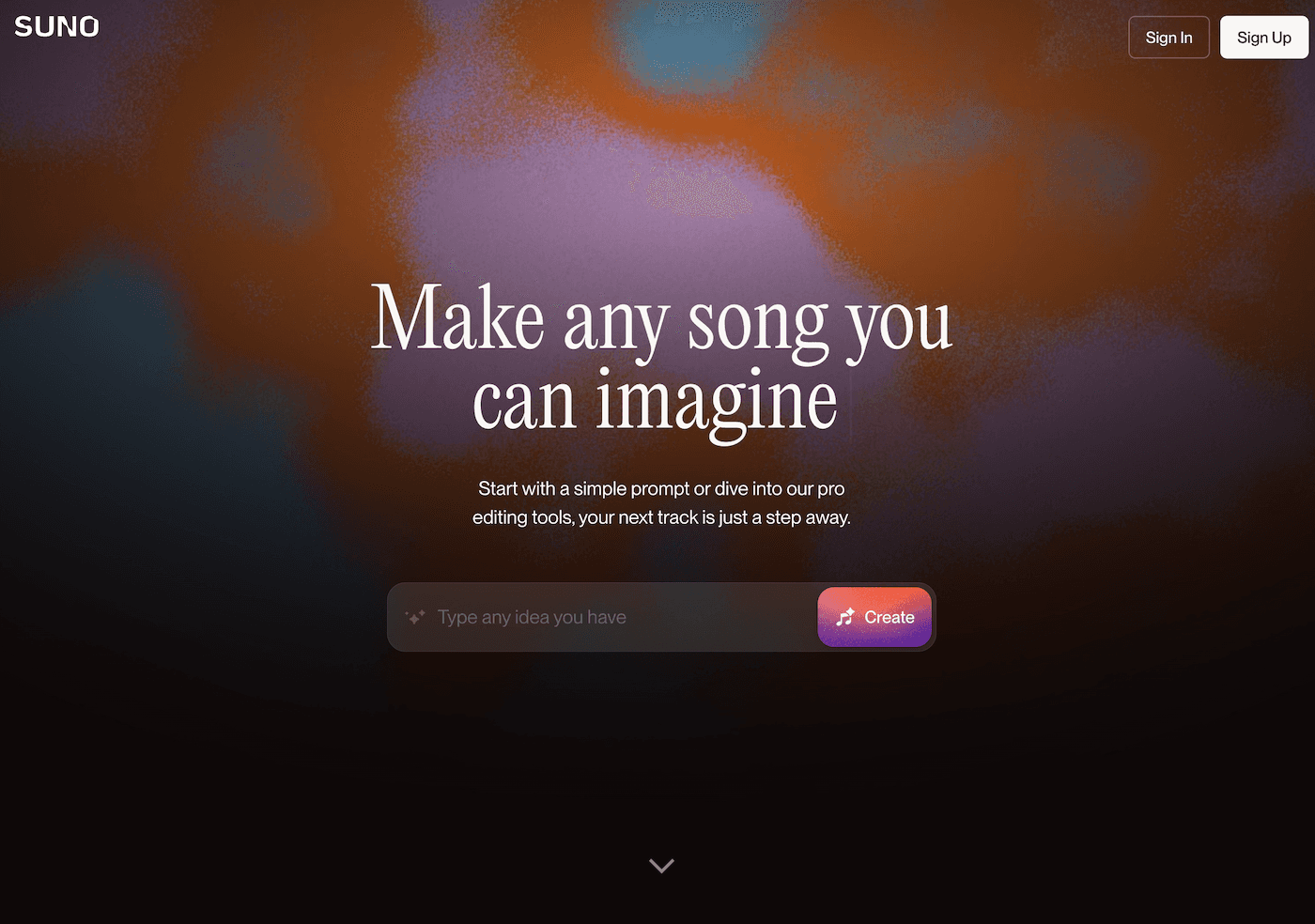
For Teachers Who Crave Something Deeper Than Worksheets
- Use AI tools to publish, archive, and reflect—with visible, reusable, and even shareable evidence.
- Never be afraid to let your students lead the workflow—see what they build with Jungle, Magicbook, or Suno; it’ll often surprise you.
- Structure with Kuraplan (or another outline tool) only as much as you truly need—guardrails, not busywork.
- Document your process, not just answers—boards, podcast archives, and collaborative rituals will show your admin and families what real learning looks like.
Are you a worksheet rebel with a favorite AI workflow, hack, or success story? Drop your best below—I’ll swap my “how to kill the worksheet” quickstart in return. Learning isn’t one-size-fits-all, and 2025’s best classrooms finally—sometimes thanks to AI—don’t have to be either.