6 AI Tools for Teachers Who Love Organized Chaos
I've always said the best classrooms sound more like a startup than a library. My room is a living experiment—there's group discussion running wild at one table, a science demo at another, and a kid in the corner who just turned his reading reflection into a comic strip. Teaching this way is risky and exhausting (my lesson plans never survive first contact with Monday), but it's where genuine learning happens. The catch? Organizing the "good chaos" into outcomes that admin—and, yeah, I—can actually track.
This year, I set out to test which AI tools help channel classroom entropy without crushing student creativity. Below are six I now swear by—not top-down scripts or mindless automation, but creative sidekicks that let me embrace spontaneous learning, keep up with brilliant detours, and—most importantly—bring my students along for the ride. If you juggle labs, writing sprints, project days, and oops-we're-off-topic-again moments, these are for you. And yes, I'll show you the one way Kuraplan finally gives me just enough structure to sleep Sunday night.
1. Notebook LM – Capturing the "Messy Middle"
My classroom generates a storm of sticky notes, brainstorm docs, wild ideas, and student questions every week. Most years, they'd vanish into a folder abyss. But with Notebook LM, we toss everything—photos, student voice notes, exit slips—into a shared notebook, and the AI analyzes, clusters, and surfaces big themes or missed questions. Sometimes, it even generates an improv Q&A script that we use to record a lightning-fast "what we learned (and missed)" podcast as Friday's reflection. It's the only tech I've found that celebrates chaos instead of fighting it—and gives every student a voice, not just the loudest.
Try Notebook LM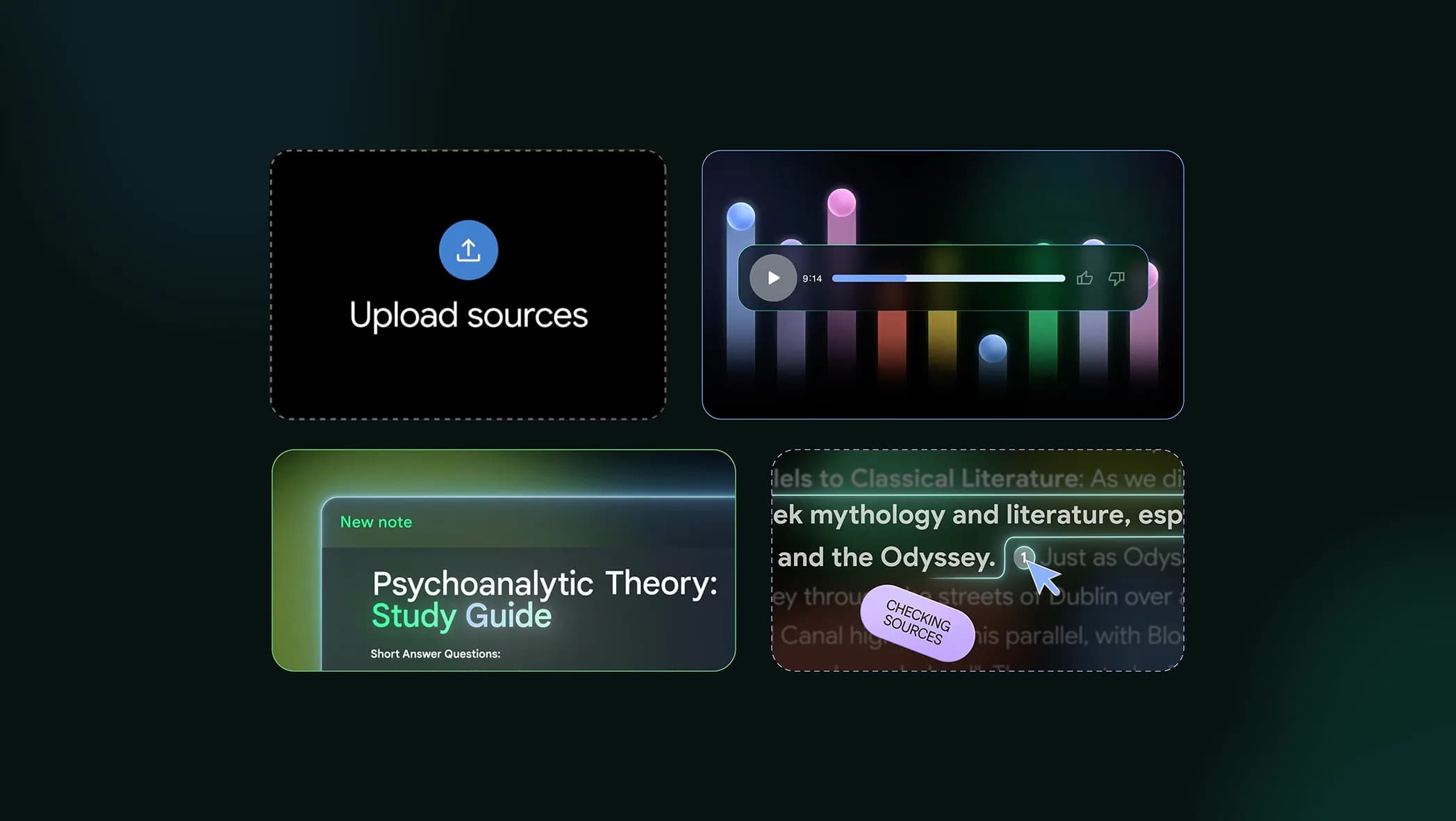
2. Gamma – Turning Group Brainstorms Into Instant Visuals
No matter how you structure group work, you end up with mismatched sketches, overlapping slides, and kids who want to present with napkin doodles. Gamma is my reset button: students drop in messy group notes, photos, even failed diagrams, and Gamma assembles a visual story—timelines, process maps, or debate boards—that look purposeful. Friday's half-baked brainstorm becomes Monday's launchpad, not another pile in the recycling. I use Gamma for everything from hallway commerce fairs to "why did our experiment flop?" retros.
Try Gamma
3. Kuraplan – Planning for Pivots (Not Perfection)
I resisted Kuraplan for months, fearing it would kill my improv style. Instead, here's my move: at the start of every wild unit (think "Design a City in Crisis" or "Debate the Most Useless Invention Ever"), I plug my big goals and expected chaos into Kuraplan. It spits out a flexible timeline with suggested checkpoints, group feedback days, and (crucially) buffer time for detours. The magic? I display the plan for students and invite them to edit as we go. My lessons never go as planned—but now, the structure is a safety net, not a cage. My stress (and admin meetings) dropped by half.
Try Kuraplan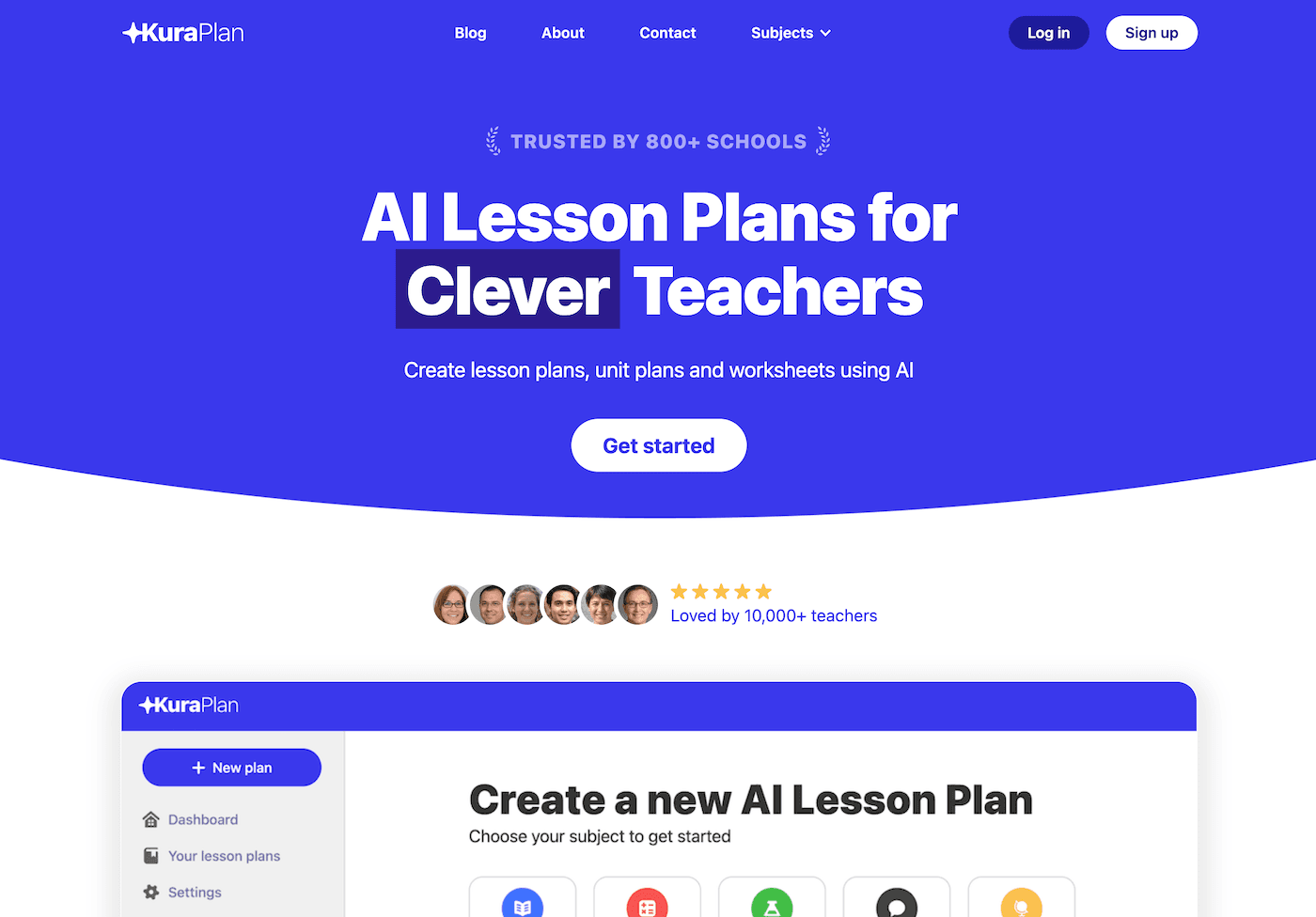
4. People AI – Instant Guest Stars When Plans Derail
Our "special guest expert" for last semester's sustainability project cancelled (again)—so we had students brainstorm tough interview questions for Greta Thunberg, Nikola Tesla, and a fictional engineer. People AI hosted a live, in-character panel, adapting to students' wild inquiries and making them challenge (or defend!) the AI's logic. The best part: when a group runs out of ideas or discussion slumps, I let them "invite" a new AI guest. I've since used it for everything from surprise Socratic seminars to roleplaying historical dilemmas. Guests never bail, and debate never dies.
Try People AI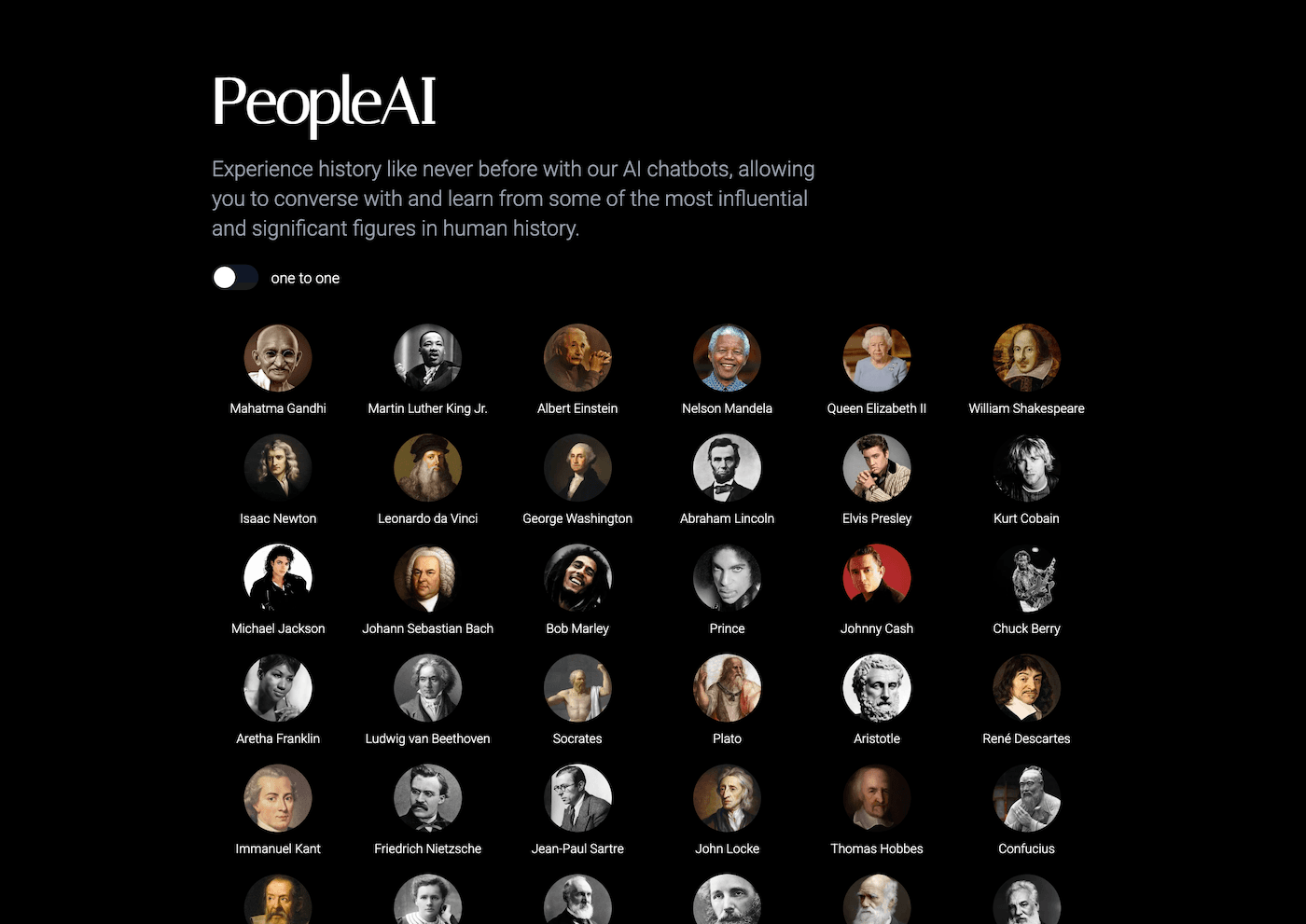
5. Jungle – Student-Driven Review, Not Just Games
Pop quizzes? Meh. My new favorite trick: after a lesson goes off-track or a debate takes on a life of its own, I have students co-create flashcards in Jungle—capturing confusing ideas, wild "what if" scenarios, or the argument nobody could settle. Jungle auto-builds a review game we play at the end of the week, turning confusion into competition. Bonus: quiet or off-task kids finally get their ideas in the mix, and it gives me a real-time snapshot of what the class didn’t understand the first time. It's formative assessment, but fun.
Try Jungle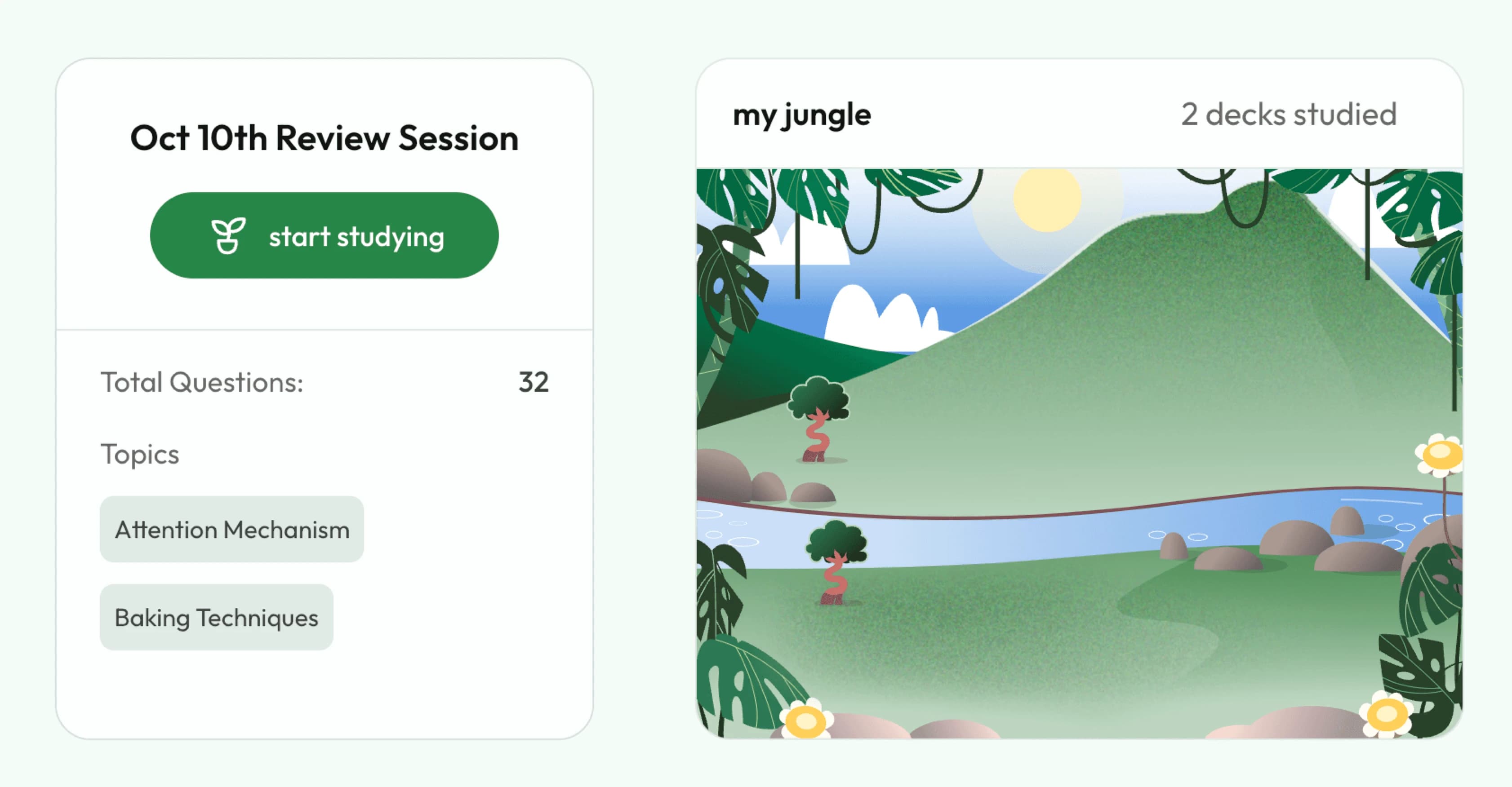
6. Suno AI – Rituals for Resetting Class Energy
Every teacher knows there are days when the wheels fall off. (Last week: fire drill, lab spill, and a surprise assembly in the same morning). Suno AI is now our class mood reset—kids request a vibe ("refocus for math," "hype song before debates," or "brain break after disaster"), write a silly prompt, and Suno turns it into an instant class anthem. Even the most skeptical students will belt "Today We Clean the Desk" to the tune of a pop hit. I use it to open class, close wild project periods, or mark any day that needs a reset. Best low-prep SEL tool I’ve ever used.
Try Suno AI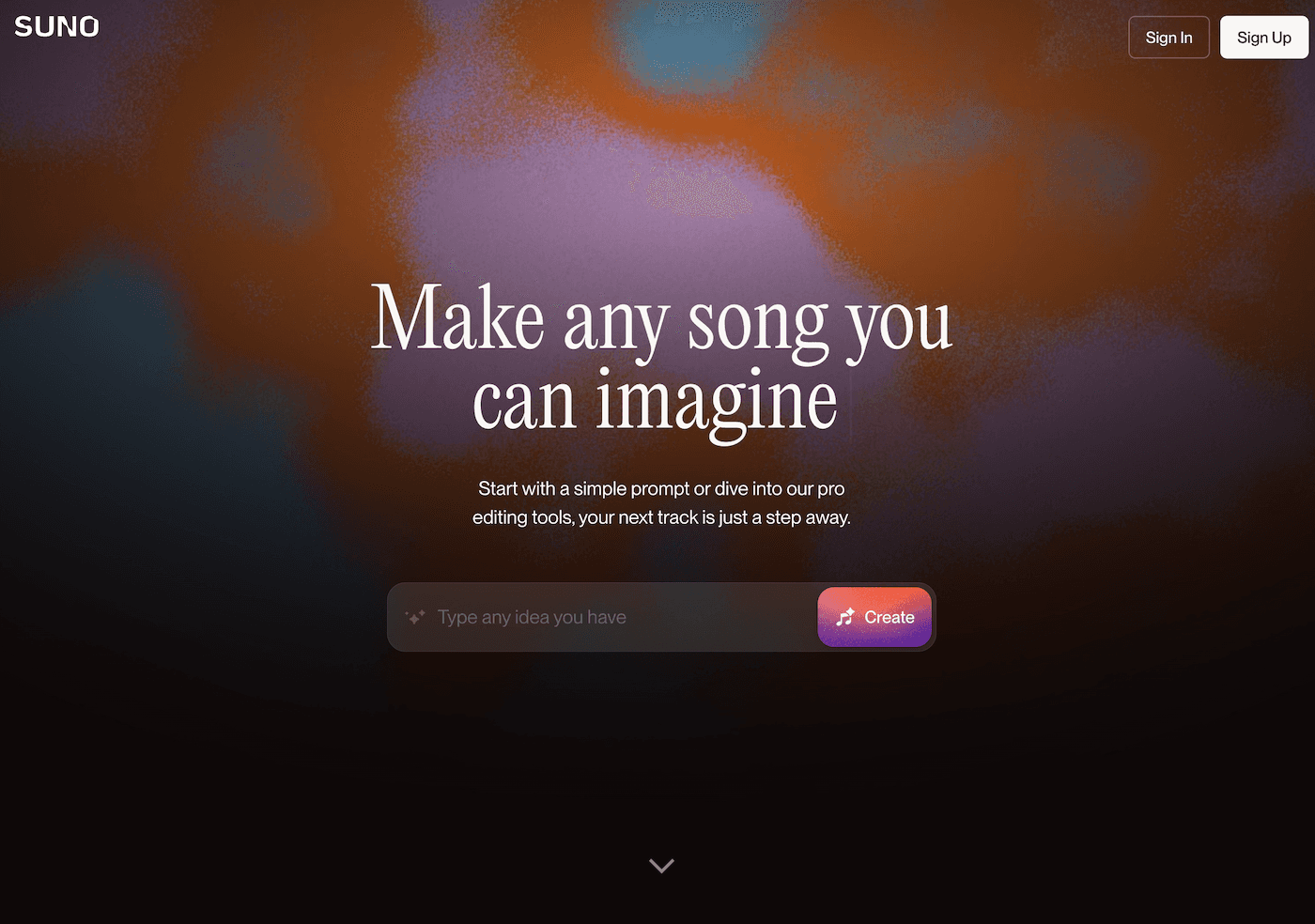
Honest Tips for Other Chaos-Tamers
- Let students drive the AI. The more you hand off, the more they buy in—and the less you have to micro-manage.
- Pick one tool for your next unpredictable unit, not all six at once. See what sticks, and let students be your beta testers.
- Celebrate the unexpected. The right AI tool doesn’t force discipline on creativity—it helps you capture, remix, and amplify the energy that's already there.
- Don’t stress about “evidence” for admin. These tools give you artifacts—visuals, podcasts, collaborative docs—that actually prove what and how kids learned, even when the plan blew up.
What secret weapon helps you thrive in the classroom chaos? Share your favorite (or wildest) AI-powered classroom moment below. Together, let's embrace the noise—and give our students the freedom to learn their loud, brilliant way.