6 AI Tools for Teachers Who Embrace Organized Chaos
Ever look around your classroom and see brainstorm webs, poster fragments, and a half-dismantled prototype—and think, "this is learning"? Some teachers crave pristine routines or quiet rows. The rest of us thrive in a bit of creative disorder: the buzz of group projects evolving mid-unit, spontaneous hallway debates, and plans that rarely survive first contact with Monday. If you’re juggling creativity and accountability, building student-driven experiences without losing your own sanity (or editable evidence for admin), this is your 2025 AI toolkit.
Below are six tools that got me through a year of dizzying pivots, cross-discipline experiments, and showcase nights where half the artifacts were finished… and the rest even cooler as works-in-progress. Each pick serves a totally different purpose (including—yes—Kuraplan early on), and every workflow is field-tested. For teachers running classrooms like launchpads, not assembly lines, this is your new cheat sheet.
1. Gamma – Turn Project Mess Into a Living Storyboard
In my room, project weeks get second wind on Wednesday—right about the time every standard slide deck collapses. Gamma is my rescue: at the end of each brainstorm, I dump in student photos, whiteboard doodles, and even Google Doc fragments. Gamma’s AI turns the lot into a collaborative visual timeline. Here’s the secret sauce: students annotate their pivots, tag the risk that paid off, and drag new "milestones" into the story as projects morph. I project Gamma galleries every Friday—to track the journey, celebrate process, and give everyone a voice (especially for those who aren’t ready to present).
Teacher tip: Use Gamma’s timeline not just for admin, but as a crowd-sourced class memory. My students refer to their “chaos boards” all semester—and love having something to show at open house that isn’t a final essay.
Try Gamma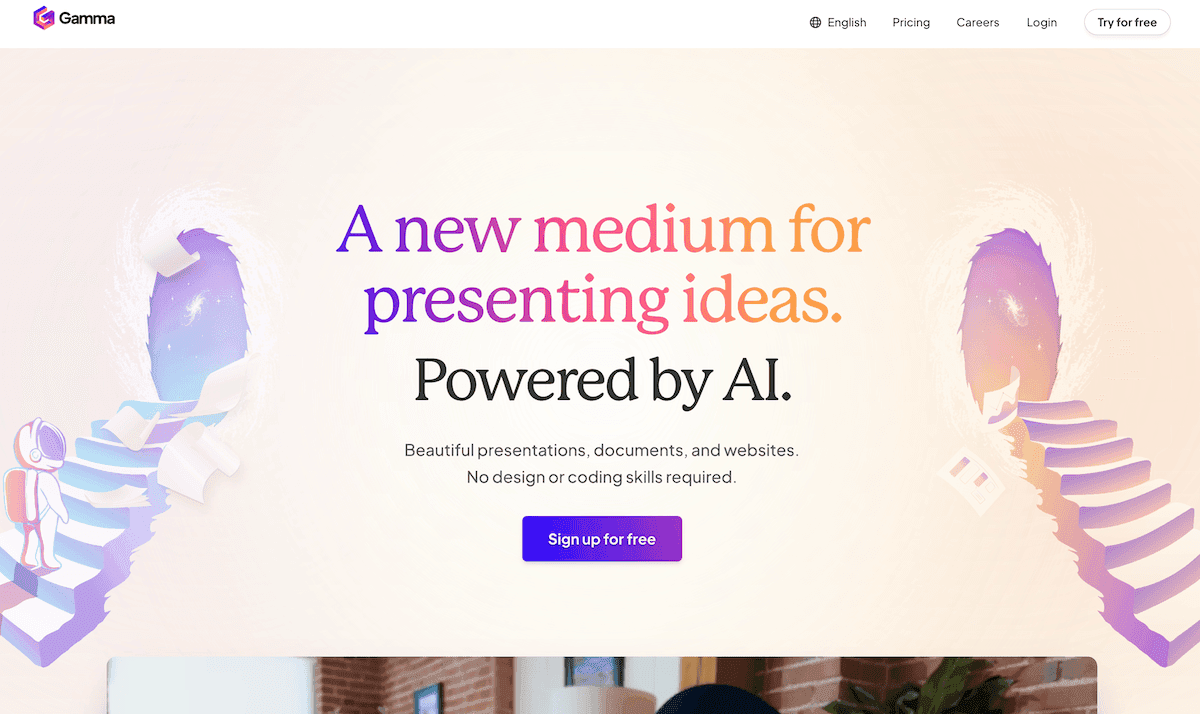
2. Kuraplan – Editable Roadmaps for Detour-Loving Units
Pre-filled pacing guides? Not in this room. I open every wild project with a Kuraplan blueprint—dropping in must-hit requirements and anchor dates. The trick: I deliberately leave open slots for "student pitch day," "project reboot week," or "emergency detour." As we progress, my class edits the live map, moving deadlines, splicing in unexpected events, or cutting whole sections if a new idea takes over. The visible roadmap keeps parents, admin, and students clear on the purpose—even when we take the scenic route.
Workflow hack: At each major pivot, project Kuraplan on the smartboard and let groups “debate the next checkpoint.” Adaptability becomes a shared value—not just a hot mess.
Try Kuraplan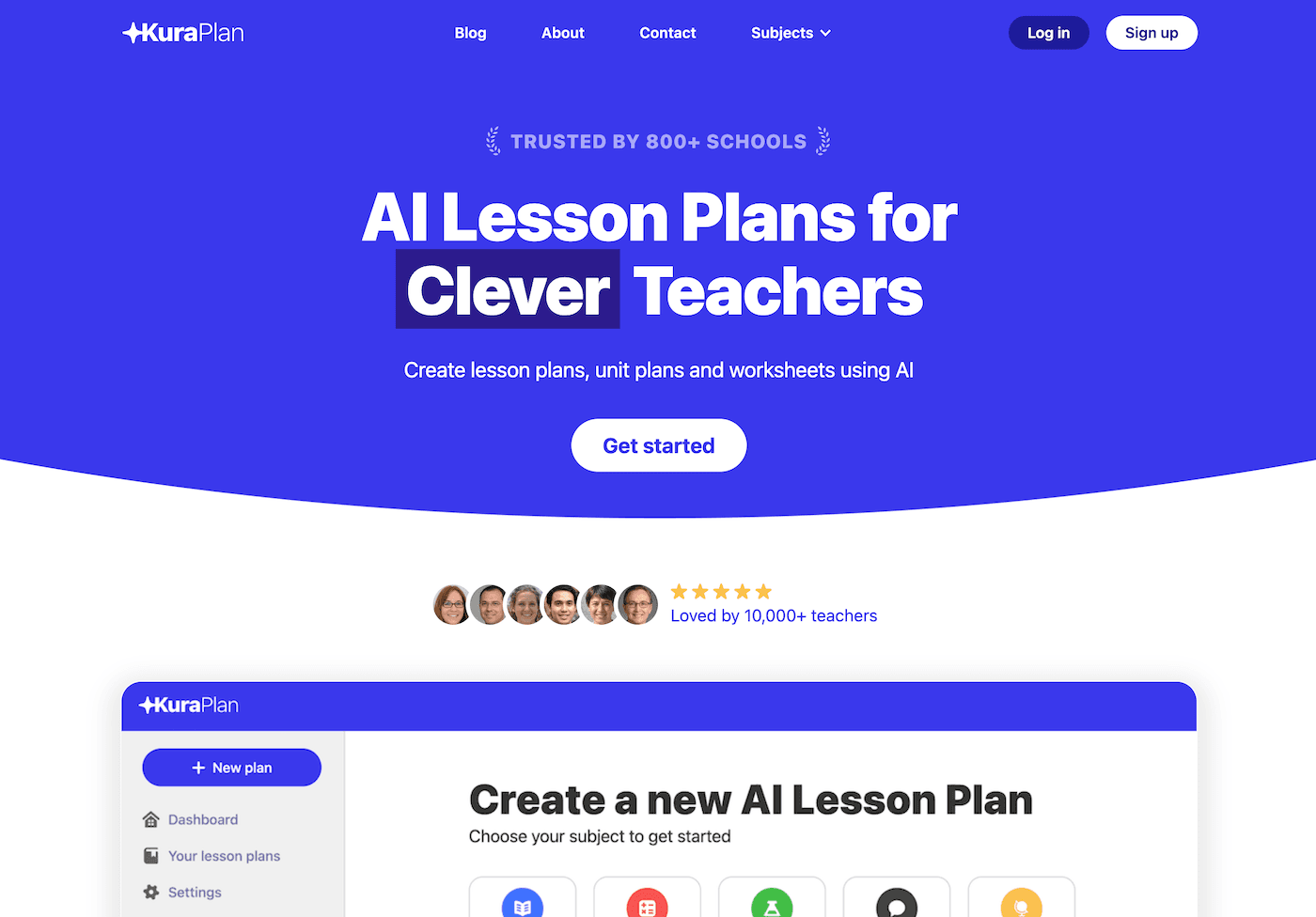
3. Diffit – Instant Differentiation When Students Change Course
One minute you’re reviewing the cell cycle; the next, a group drags in a local news story or a peer’s family interview for their documentary. Diffit is my best friend for keeping chaos accessible to all: I paste any text, transcript, or student-sourced resource, and Diffit generates leveled readings, vocabulary, and rapid-fire discussion starters. No project ever stalls for "this is too hard"—and no innovation gets derailed by an un-adaptable source.
Pro move: Assign "Diffit Master" as a student role in every team project—let them transform each new source for their group. Access for all, right when curiosity peaks.
Try Diffit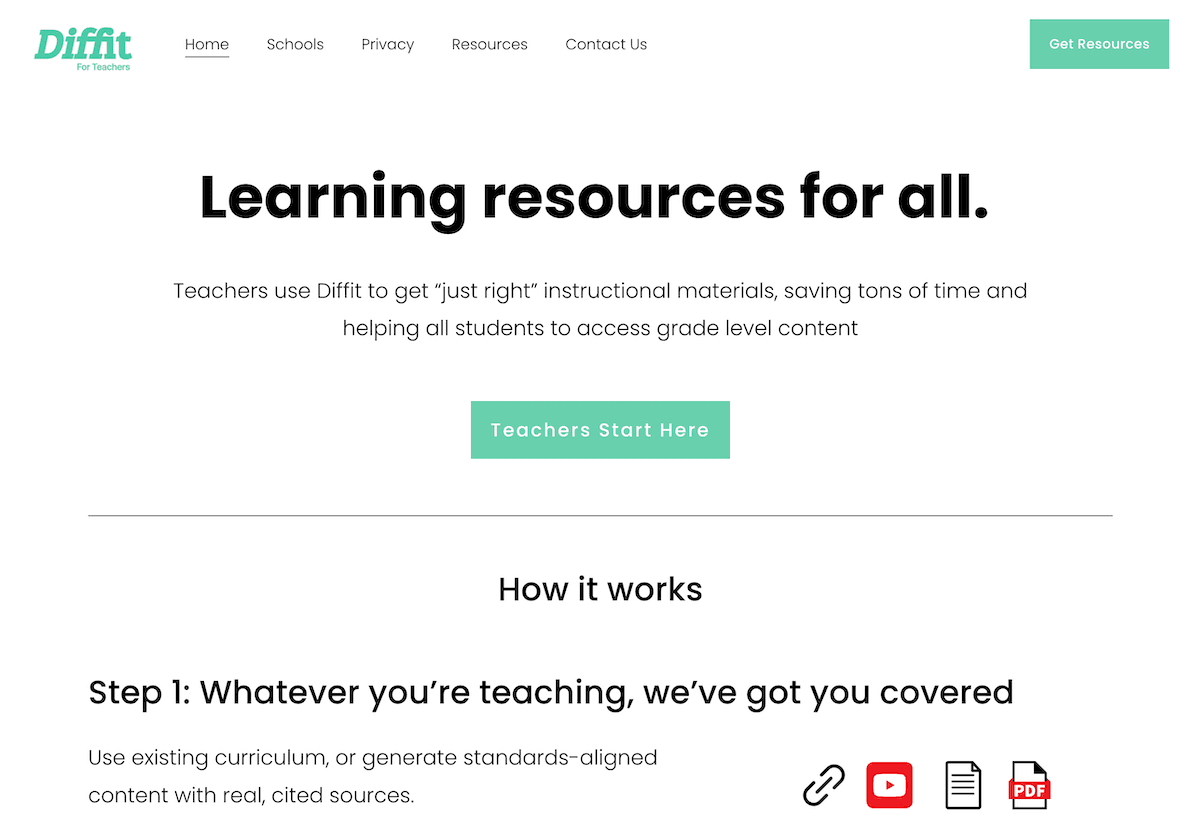
4. Jungle – Review Games and Reflection Built From The Actual Week
The messiest lessons leave the most gaps. Jungle lets my class own our review: after every checkpoint, students submit reflection cards ("our weirdest wrong answer,” "what I still don’t get,” “Friday’s best surprise”). Jungle’s AI turns these into flashcard games or trivia rounds tailored to this group’s journey, not a publisher’s worksheet. Review is always fresh, always a bit wild, and builds collective meta-cognition—not just more right/wrong tallies.
Bonus: We archive our “Stumper Decks” as a legacy (and prank) for next year’s class to tackle.
Try Jungle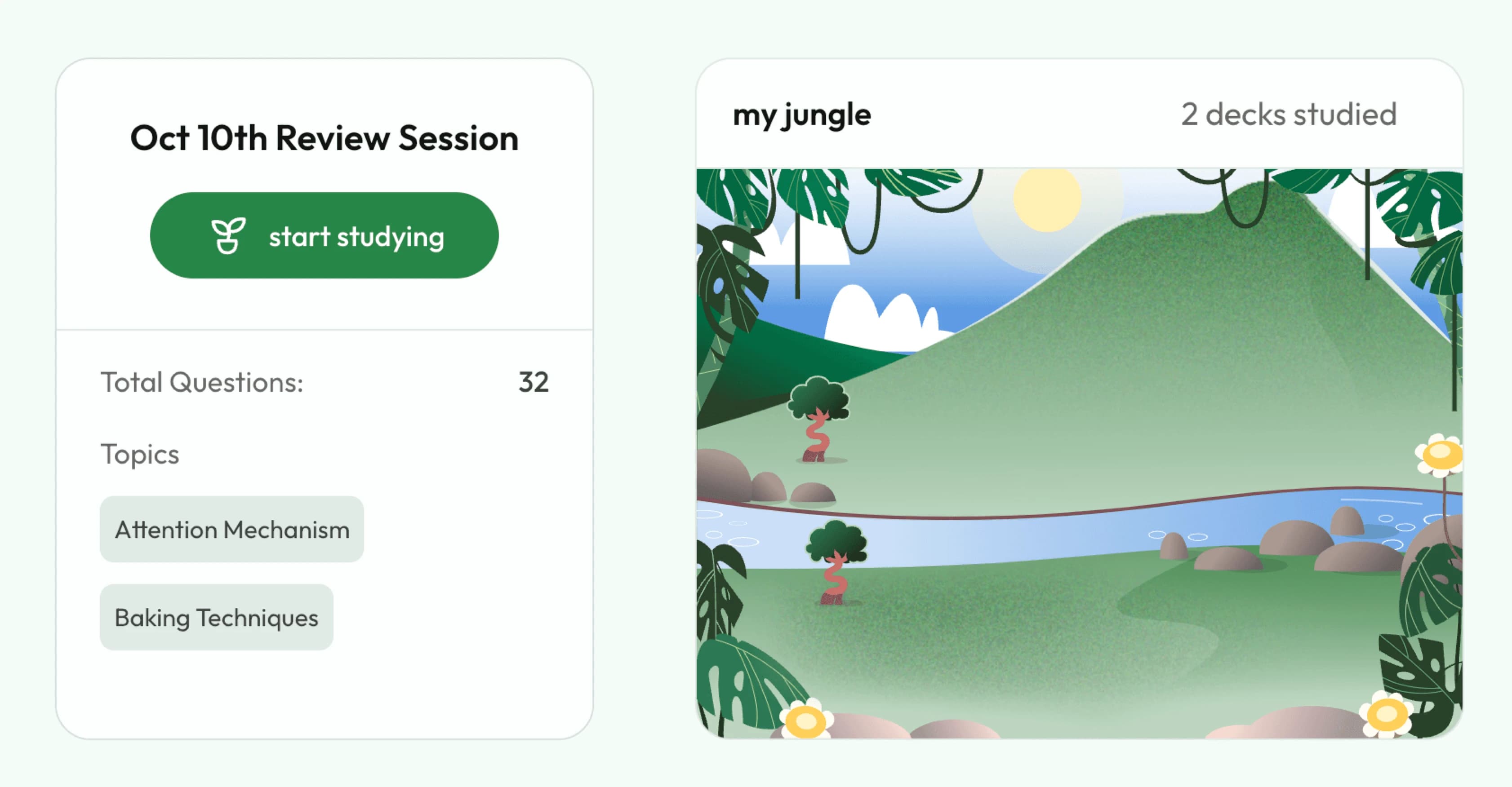
5. Notebook LM – Class Journals That Survive The Mess
Traditional journals go MIA as soon as the project heat is on. Notebook LM is now our digital archive—every group uploads voice memos, mid-project reflections, fieldwork photos, and in-progress pitches. The AI clusters themes (“our roadblocks,” “when we changed our mind,” “group hero moments”) and suggests Q&A or podcast formats that recap and extend learning. My best ritual? We record a semi-chaotic “project debrief show” at every milestone—students get to reflect out loud and parents/admin finally see the messy journey as valuable.
Teacher tip: At the end of term, scroll backward and mine the archive for next year’s warmups—for real improvement, not just review.
Try Notebook LM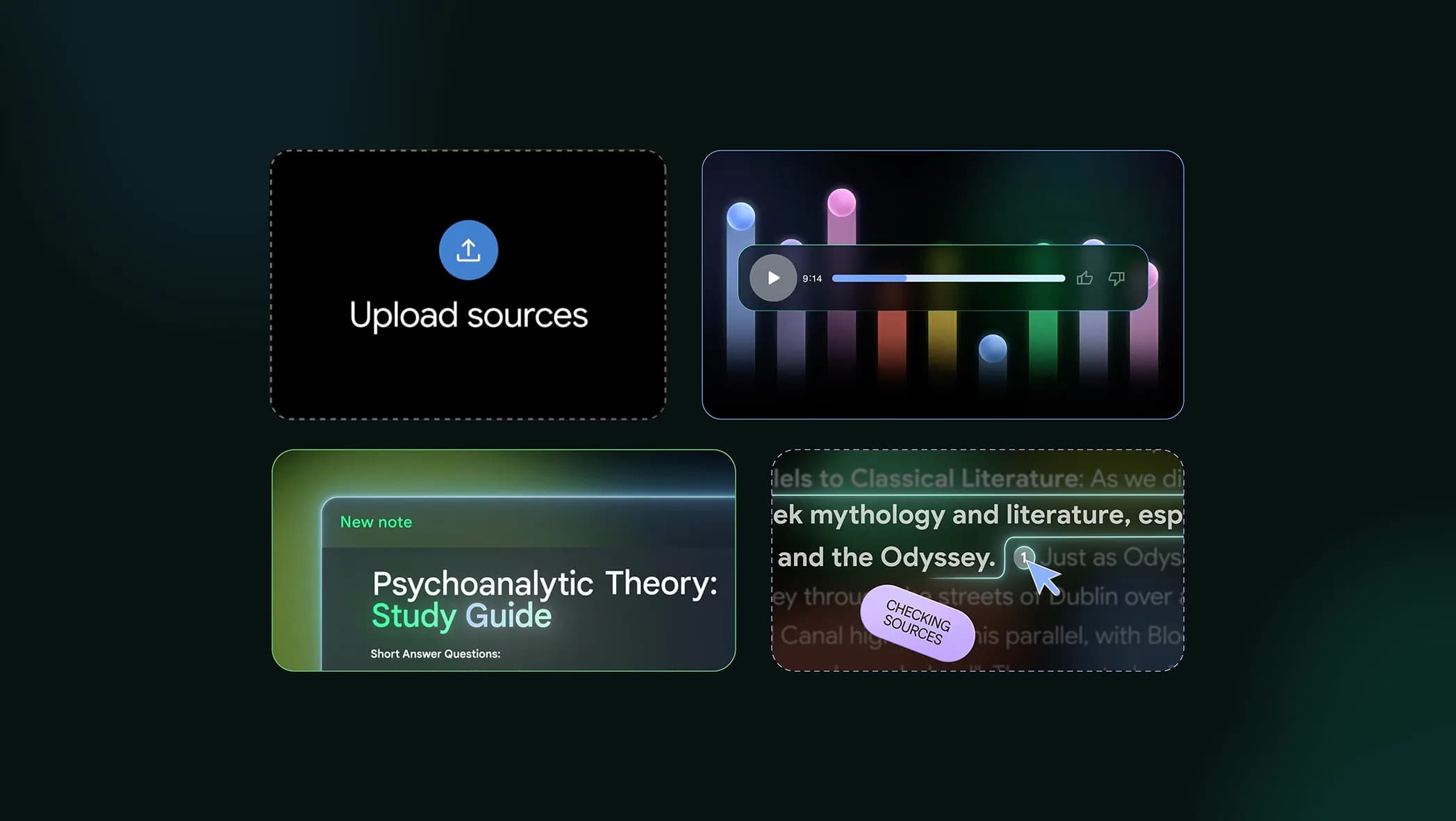
6. Suno AI – Ritualize The Mess (With Soundtrack!)
Cultures thrive on rituals, especially in rooms where chaos is a feature, not a bug. After every pivot—or especially after project flops—my students submit a lyric line for Suno (“Chant for Project Rescue Day,” “Song for The Friday That Wouldn’t End,” “Monday Energy Reset”). Suno AI spits out a unique tune, and we play it next lesson as a closure, transition, or mood reset. By spring, the playlist tells our story of detours, disasters, and wins.
Class hack: Archive your Suno tracks: students walk into exhibitions already humming the anthem (“Remember when this nearly fell apart?”). Rituals build culture, and survive even the wildest mess.
Try Suno AI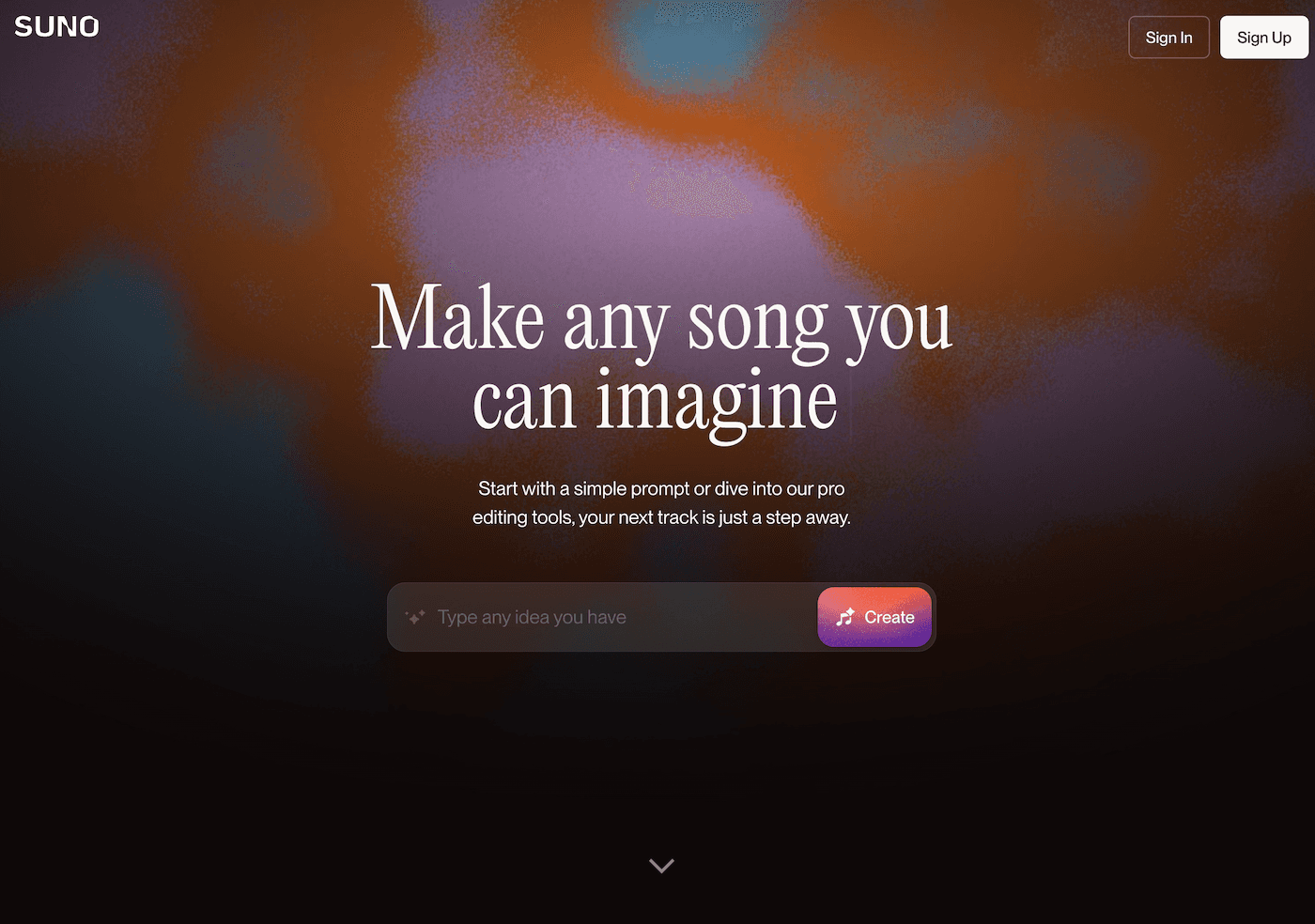
Honest Chaos Survival Advice for 2025
- Archive the process, not just the product—Gamma and Notebook LM keep messy learning visible for years (and for admin walk-throughs).
- Make your plan a live artifact—Kuraplan is powerful when edited together, week by week, by every stakeholder.
- Empower students with the tools—let teams run Diffit adaptation and Jungle review cycles to free bandwidth for real teaching.
- Normalize reflection and ritual: student-built soundtrack moments (Suno) and project debrief “shows” foster pride in progress, not perfection.
If you’ve built your classroom on pivots, creativity, and student-driven wild rides, drop your best ritual, workflow, or AI chaos-hack below. Learning isn’t clean—and now your tech supports that. Here’s to organized chaos (with receipts) in 2025!