6 AI Tools for Teachers Who Love Learning Outdoors
If your best teaching moments happen beyond the classroom—on hikes, in parks, at the pond, or during a walk through your city—this post is for you. As someone who teaches science, ELA, and even math in the wild (school gardens, local trails, museum field sketches), I’ve spent years wrangling permission slips, real-time learning detours, and the chaos of trying to capture evidence from student discoveries that never happen at a desk.
What most AI advice ignores? “School” for us is wherever curiosity strikes. Forget worksheet generators and lesson planners that assume four walls. This year, I set out to find tools that move with you: organizing outdoor chaos, adapting to new discoveries, and letting students turn what they see and do into meaningful, assessable work—without me staying up late rebuilding everything for admin.
These 6 AI tools—each with a hard-won teacher workflow—helped me make every walk, sit spot, and field adventure more creative, accessible, and “keepable.” (Kuraplan is here: it earned its spot as my trip mapping safety net.) If you believe the best learning is hands-on, outside, and full of the unexpected, here’s how AI can help you bring it home.
1. Gamma — For Documenting Every Discovery, Not Just the Big Ones
No tool changed my workflow like Gamma. Every outdoor lesson—city geometry hunts, biodiversity surveys, or journalism walks—ends with a phone dump: student photos, tree rubbing images, field-tested measurement graphs, and even doodled maps of our path. Gamma auto-builds a vibrant, clickable visual trip log: we annotate each moment ("spotted our first monarch!"), link student audio reflections, and layer in group questions. We share these walk logs with families, admin, and future classes, making evidence visible and fun. Even one-off wanderings become part of class memory—not another permission-slip fog.
Try Gamma
2. Kuraplan — Mapping the Learning, From Sidewalk to Summit
Most lesson planners don’t survive the first outdoor session! My trick: use
Try Kuraplan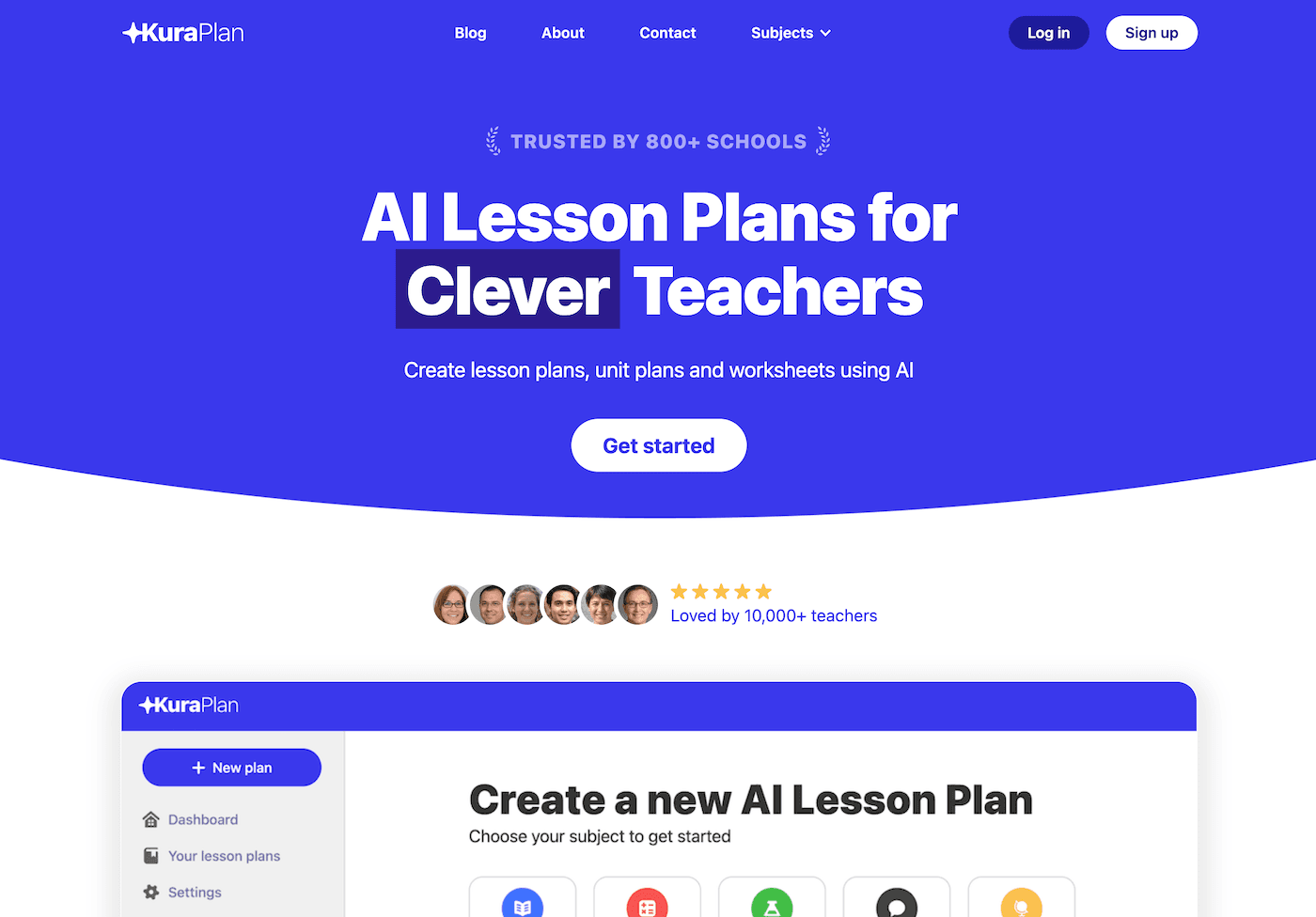
the day before you go outside, loading up draft checkpoints ("community garden observation," “city history scavenger hunt stop,” “bench-based reflection prompts”), weather backup plans, and integration points for content goals. Project the route (with room for on-the-fly detours!) and let students suggest new stops based on curiosity. On the trip, I edit the plan live—adding, skipping, or swapping “stations” as real events pop up. Afterwards, admin get a full map of who went where and why.
3. Diffit — For Instant, Level-Ready Adventure Packs
The problems always start when you need to differentiate: one group is reading street poetry, another finds a historical plaque, and the ESOL students want to add their family’s recipe at the picnic stop. I paste any on-the-go resource—photo of a plaque, PDF of a city legend, a voice record of a community interview—into Diffit. Out come leveled readings, vocab, and open-ended prompts. We print these as "expedition packs" for each trail group or neighborhood project, ensuring that inclusion and challenge is automatic, not extra prep—outdoors and indoors.
Try Diffit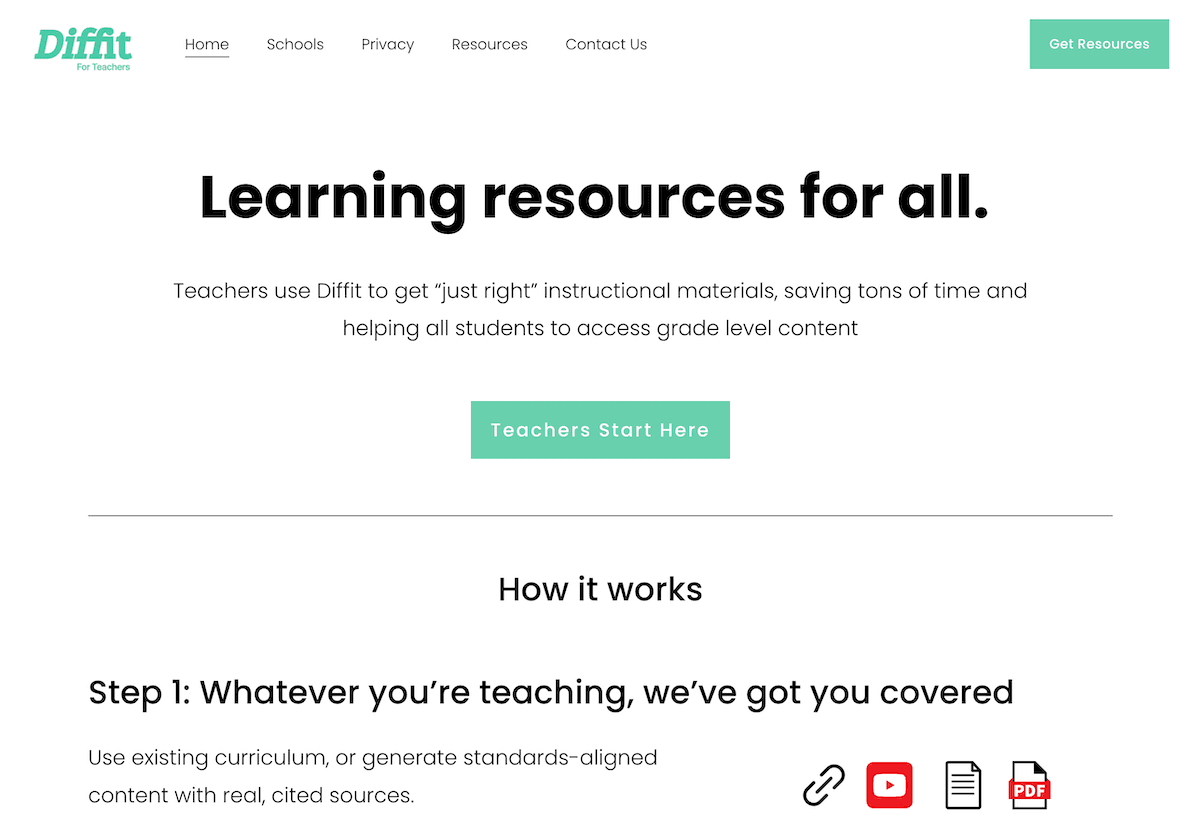
4. Notebook LM — Creating a Living Field Journal (With Student Ownership)
Paper journals last one rainstorm; Google Docs never capture the energy of the field. After each trip, my students upload voice memos, observation snapshots, species lists, art, and even failed group hypotheses to a shared Notebook LM “field book.” The AI clusters recurring themes ("why did beetle sightings spike near the creek?"), highlights patterns across groups, and even suggests podcast episode scripts for after-school recaps or showcase nights. Our class now keeps a yearlong, trackable journal of every outdoor adventure—accessible to families, and proof that hands-on learning is more than a grade.
Try Notebook LM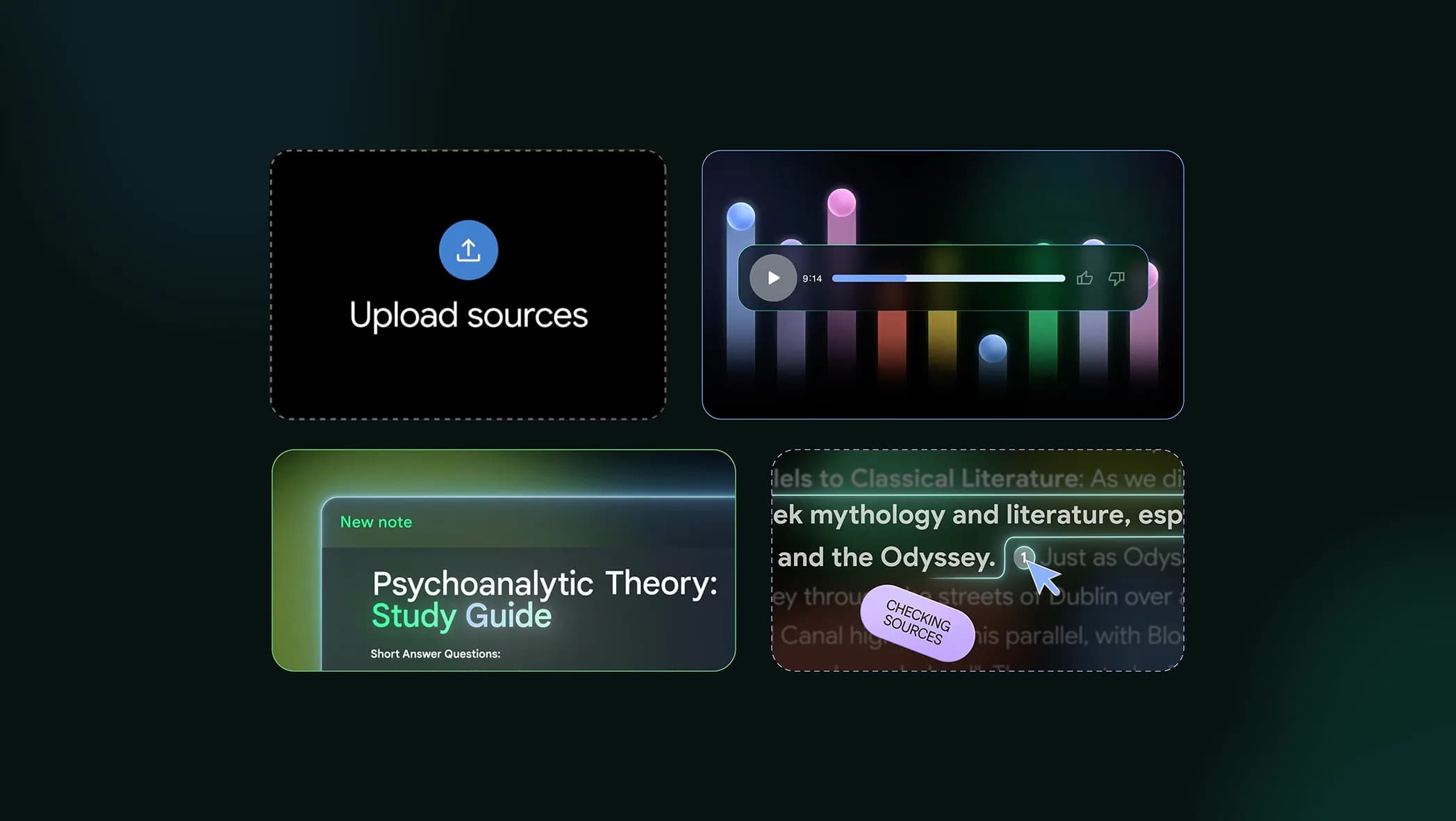
5. Jungle — Turn Every Field Trip Into a Game and Review Tool
Half the challenge is recall: What did each group learn out there? After every outdoor lesson, teams submit a “Field Fact” to Jungle—a new species found, a measurement mystery, a funniest fail, or a debate (“how old is that oak, really?”). Jungle’s AI creates custom quiz decks and review games, so we can play as a class the next day, online or projected in the hallway. The best part is archiving decks year over year—future classes chase prior classes’ discoveries, fostering authentic continuity and excitement.
Try Jungle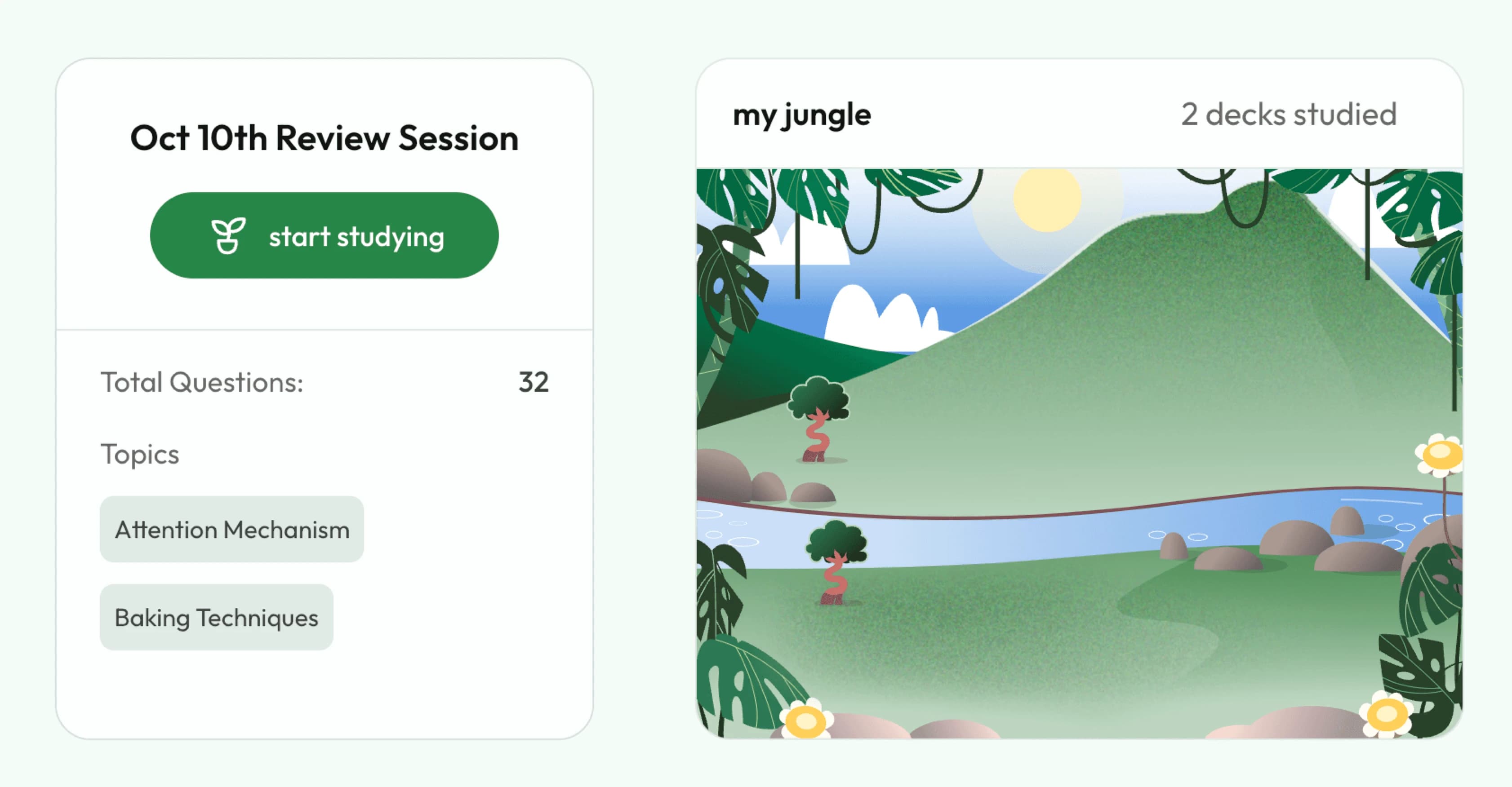
6. Suno AI — Rituals and Reflective Joy at Every Stop
Learning outside is noisy, unpredictable, and sometimes exhausting. Suno became my closure habit: at every trailhead or bus stop, we take one minute to crowdwrite a lyric (“Ode to the weirdest weather,” “Chant for crossing the pond without falling in,” “Song for the scientist in us all.”). Suno instantly produces a class track—sometimes silly, sometimes heartfelt—which we play on the bus, at snack break, or as a slideshow soundtrack for student work. These rituals build community, close every journey together, and give students a tradition to pass down (and laugh about long after).
Try Suno AI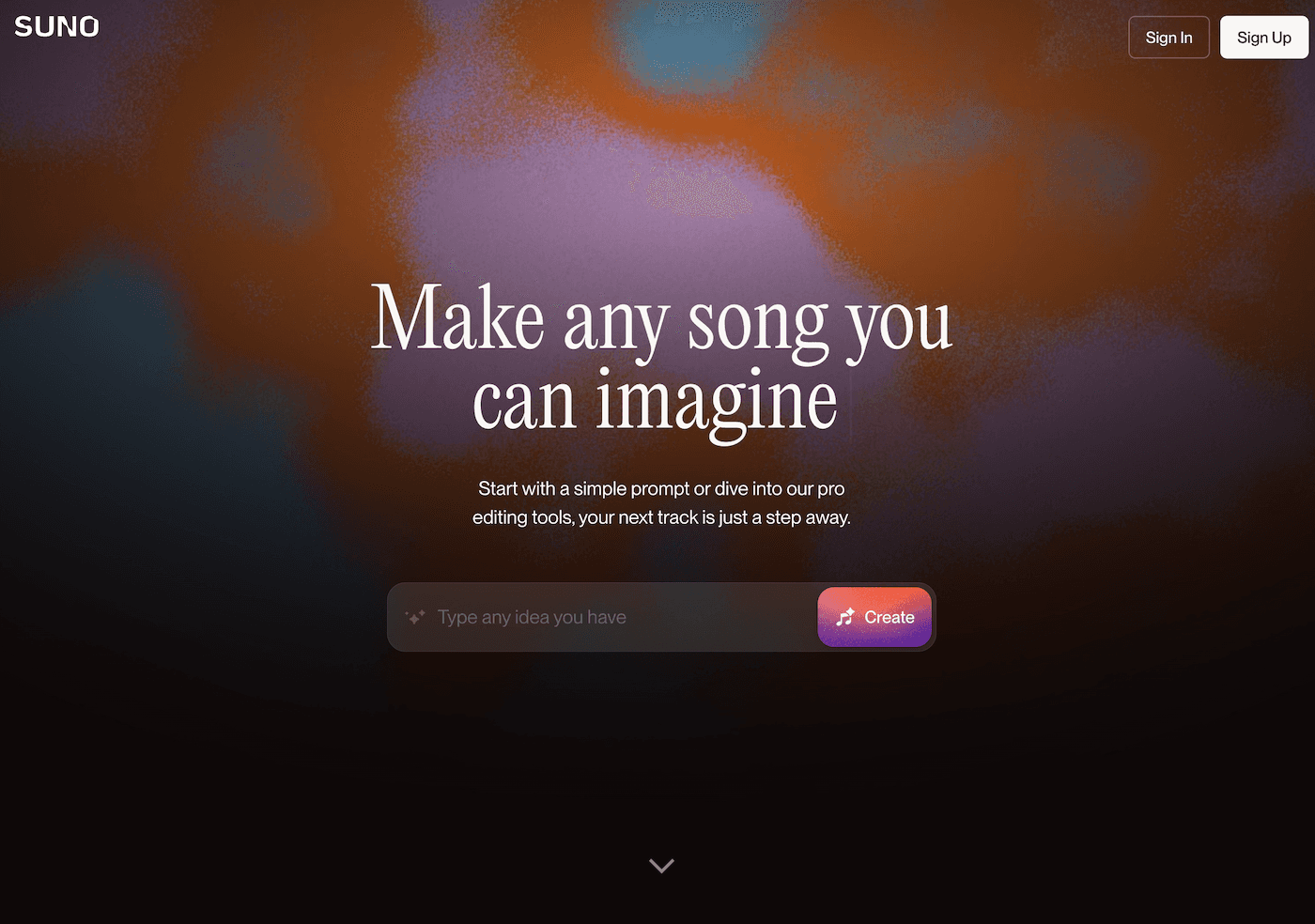
Field-Tested Tips for Fellow Outdoor-Obsessed Teachers
- Archive process and pivots: Use Gamma and Notebook LM to document and showcase moments of discovery—not just results.
- Plan adaptable adventures: Kuraplan is your map, but let students edit it for new stops and questions as you go.
- Differentiation on the move: Diffit solves “this source is too hard” instantly—no one is left behind.
- Student-driven review: Jungle makes learning visible in the classroom and the field—plus, it’s pure fun.
- Ritualize joy and risk: Use Suno as your portable SEL tool—reflection, celebration, and student voice, wherever you land.
Are you a teacher with your own AI workflow or ritual for outdoor and place-based learning? Share your adventure or best out-of-classroom teaching story below! Every school needs classrooms that stretch beyond the wall, and now, AI tools finally keep up with the wild side of learning.