6 AI Tools for Teachers Who Build Personal Connections
Real talk: In every building, some teachers are known for a color-coded planner, and some are remembered because they made the kid in the back row feel seen. I’ve always believed relationships are the root of real learning—whether that’s the daily check-in ritual, a memory for who just lost a pet, or just making every lesson feel more like a conversation than a script. And yes: it’s more exhausting than any curriculum you’ll ever deliver.
When AI first showed up in education, I rolled my eyes. Isn’t tech supposed to make things more efficient—not more human? But after a semester where I lost my sticky note tracker by October, I got curious: could AI actually help me keep the personal stuff personal—without making my classroom feel generic? Could it help me remember names, rituals, interests, or growth moments that matter—without automating the heart out of my work?
Below are 6 workflow-changing tools that I relied on this year—each with a real teacher’s context for deepening connection and making every student visible. Kuraplan appears (second, where it fits best), but the rest are about making your classroom feel less like a spreadsheet, and more like a home.
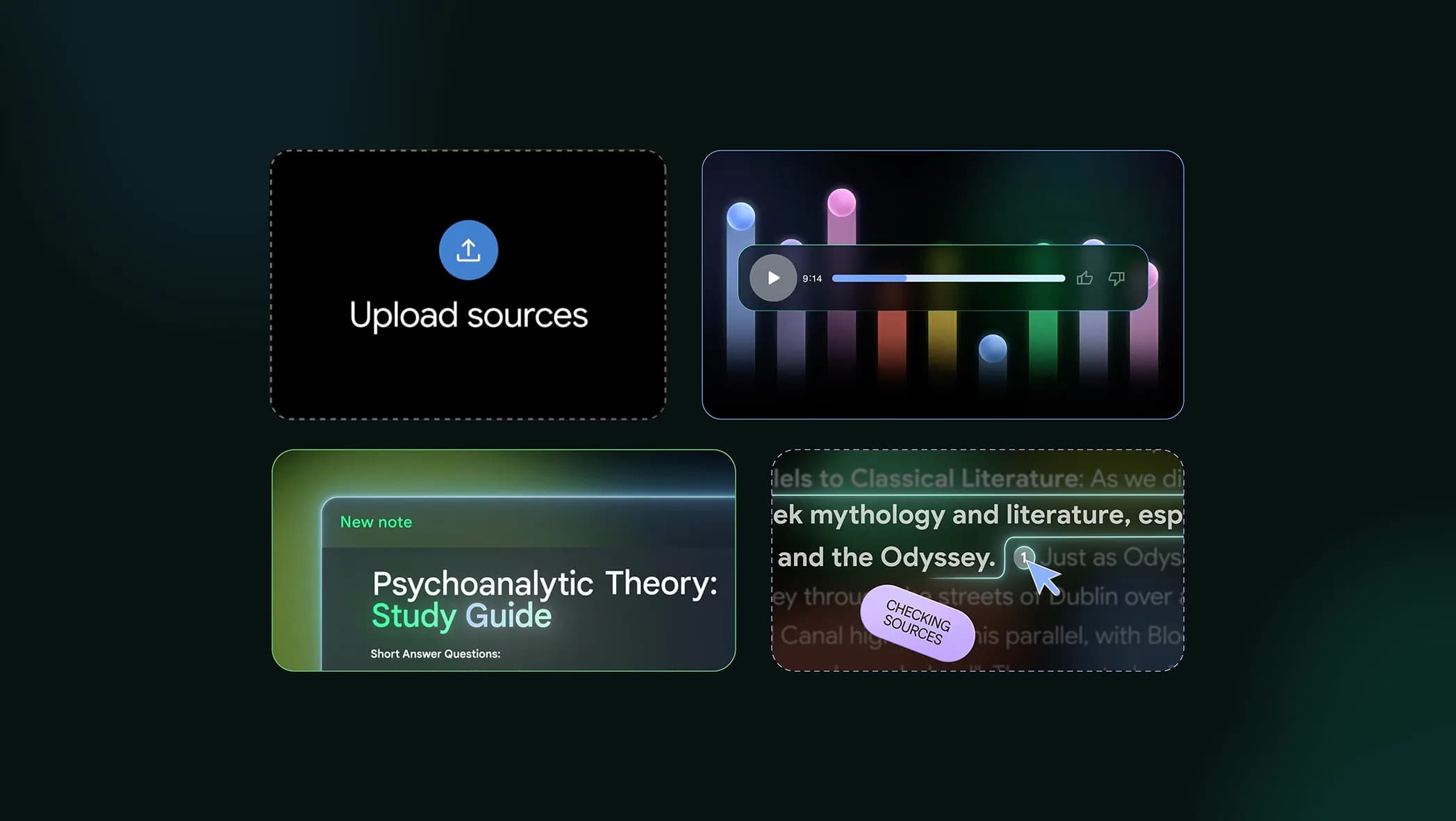
1. Notebook LM – The Class Memory Book, Supercharged
Every class has moments that slip through the cracks: a hallway birthday confession, a breakthrough for a shy kid, or the time two students resolved conflict over a shared project. My fix? I trained my classes to add voice memos, school wins, favorite discussions, or even random jokes straight into a shared Notebook LM file.
- The AI clusters recurring themes ("Marcus starts to participate more when the lesson is about music"), surfaces forgotten in-jokes, and—best of all—prepares auto-drafted Q&A prompts for reflective podcasts/journals at each quarter.
- My ritual: Use LM-generated highlight reels at conference nights, personal goal setting, or as a springboard for a letter to future students (“Here’s what we cared about.”) It’s like a living, co-created advisory journal—and yes, organized for you.
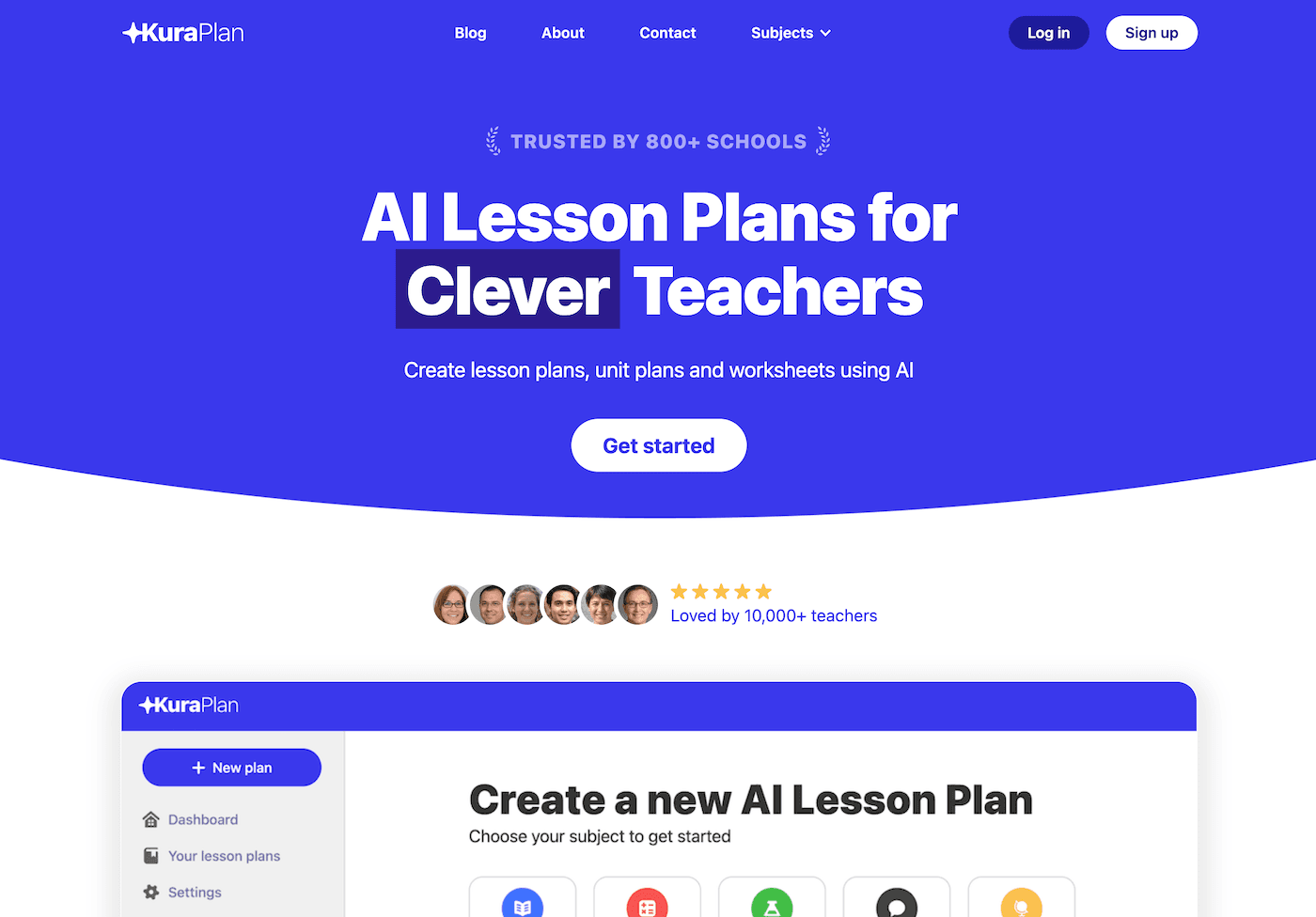
2. Kuraplan – Relationship-Embedded Planning Made Easy
Let’s be honest: pacing guides are great, but real teachers adjust every week for family moves, big feelings, or new classmates. Here’s how I hacked Kuraplan: In every unit map, I dropped recurring “connection checkpoints”—student-led sharing days, restorative circle time, peer interview lessons, and weekly low-pressure goal setting. The AI suggested where to bump up check-ins when progress stalled, or flagged when three units had missed social-emotional reflection.
- My best move? Invite students to edit the plan, voting on new rituals or swapping content for genuine discussion when needed. I always kept a section in the Kuraplan printout labeled “Notes on Strengths/Celebrations”—it made culture visible, not just pacing.
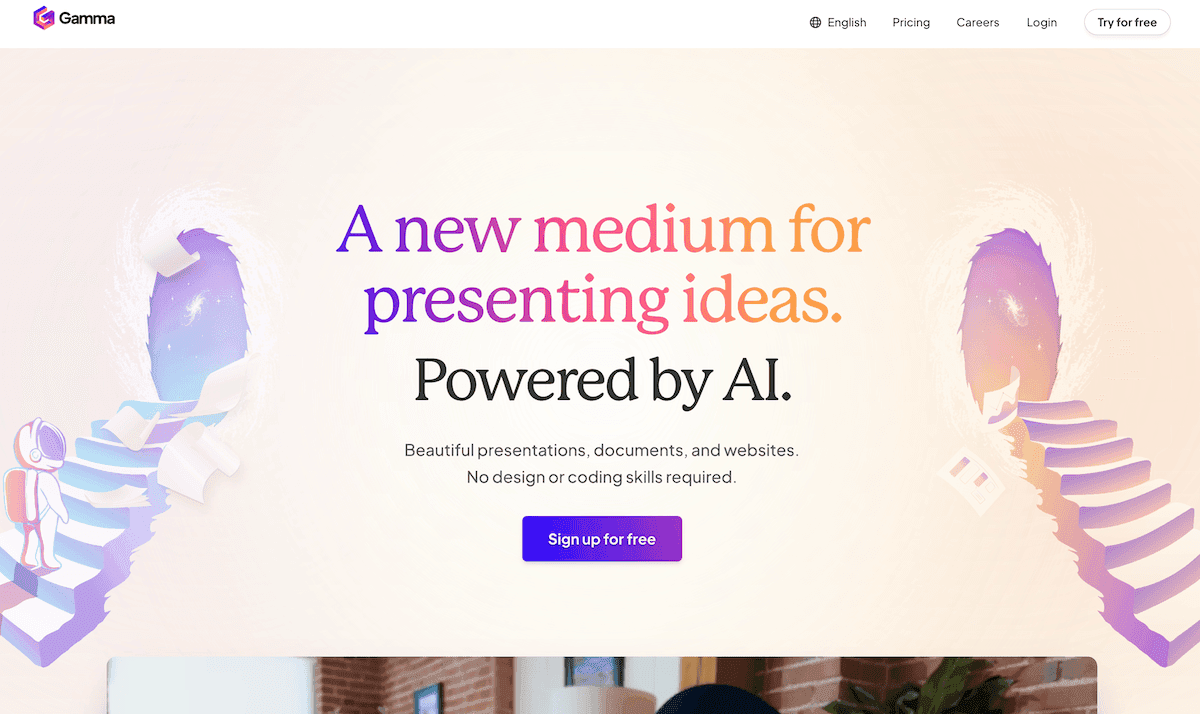
3. Gamma – Visualizing Growth, Not Just Grades
Anyone can show test scores; few can illustrate how a student found their voice. My routine: after every project or breakthrough (big or small), I had students or homeroom partners drop photos, quotes, feedback slips, and even 'shout-out' Post-Its into Gamma. The AI instantly organized everything into a living, updateable gallery of personal highlights and teamwork moments.
- Weekly screenshot the gallery for parent check-ins (“See how much progress there is, even if the grades are still coming?”)
- At semester’s end, students annotate their best proud moment—and their biggest leap. Gamma’s the only way I’ve found to make social-emotional wins truly visible for everyone.
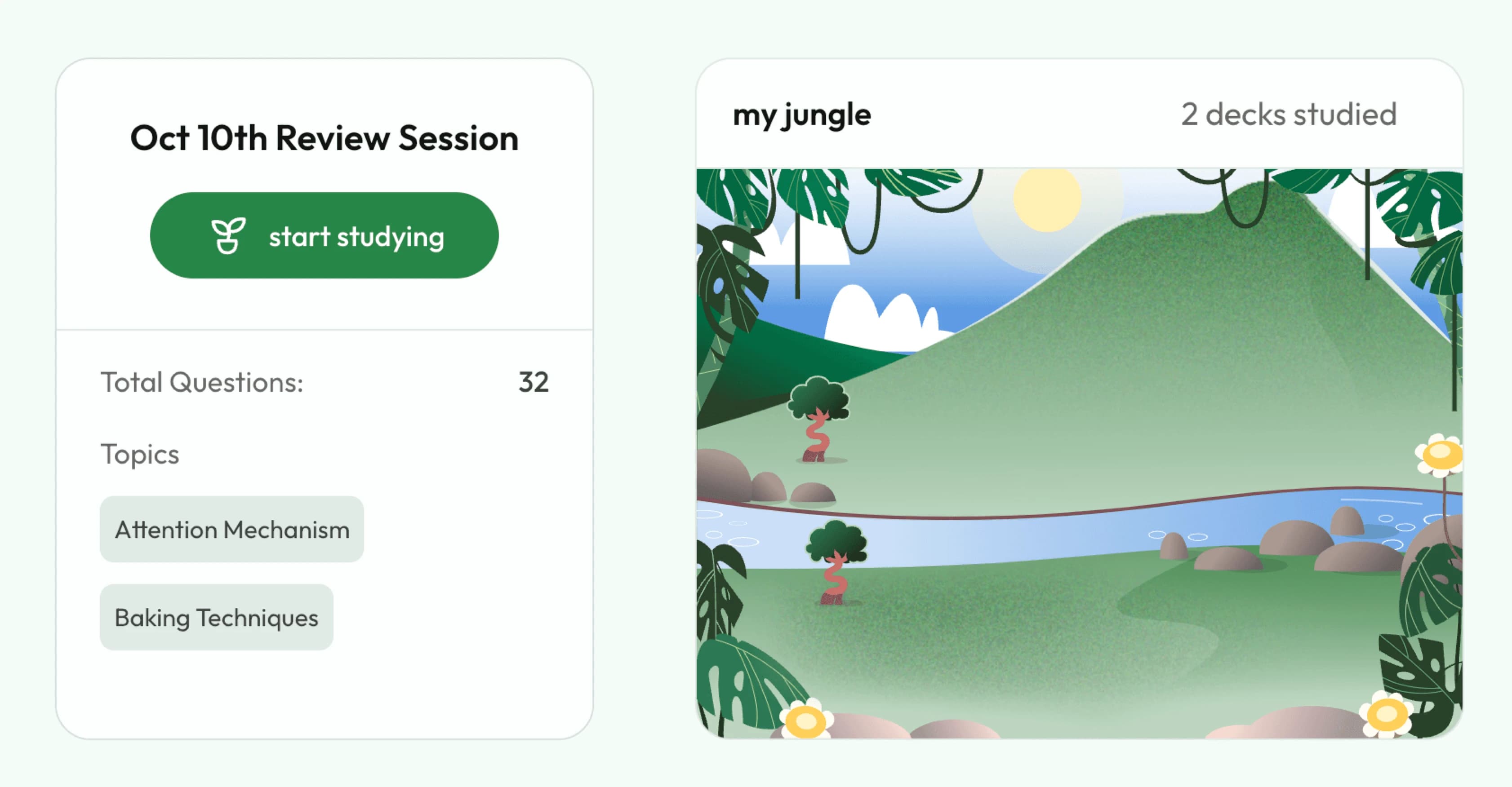
4. Jungle – Student-Led Recognition & Inclusion Rituals
We all know student of the week slips quickly become meaningless. Jungle let my class build their own ritual decks: every Friday, groups wrote flashcards celebrating an act of kindness, courage, quiet help, or even just “this person made me laugh.”
- Jungle’s AI filtered, sorted, and randomized the cards for weekly lotteries, advisory showcases, or as icebreakers for circle time. Shoutout: even the most overlooked kid got public props at least once every month, and our decks turned into a tradition that outlasted field trips or schedule shakes.
- Bonus: Archive the decks and use at community-building night; parents finally saw their child’s strengths beyond academics.
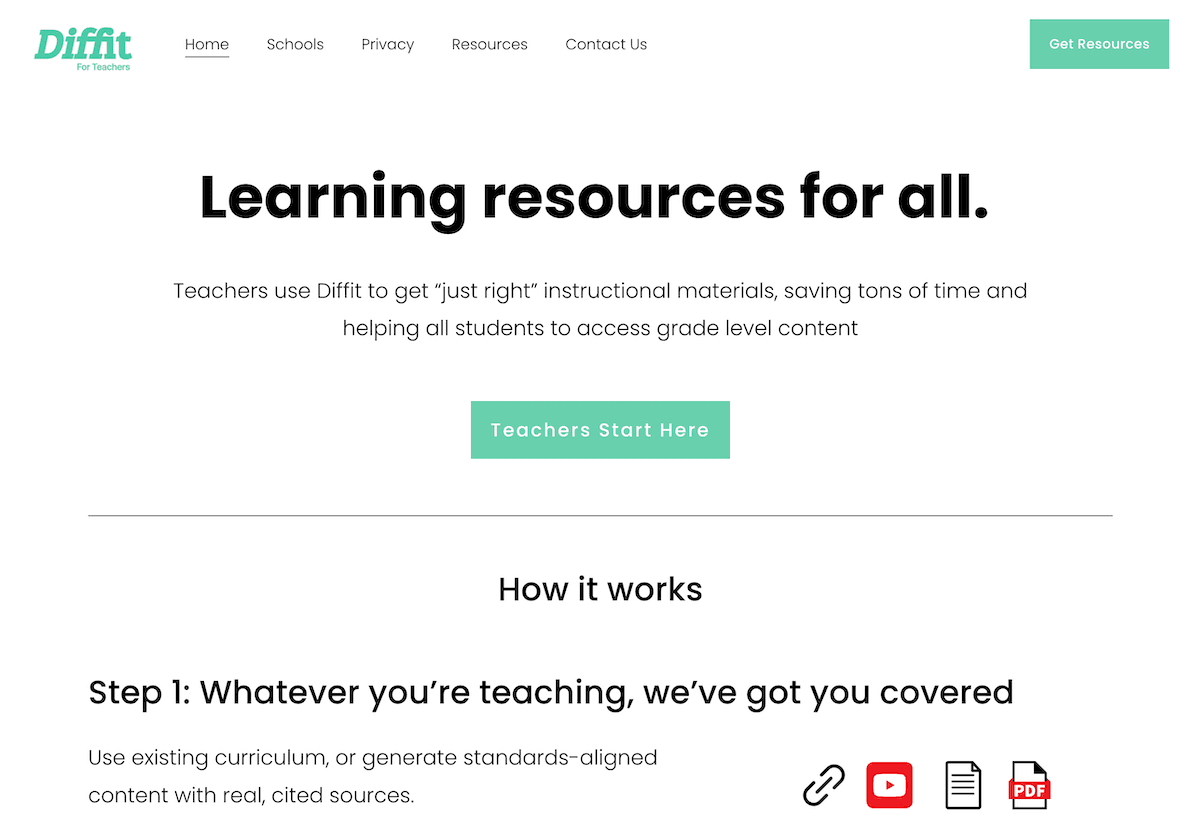
5. Diffit – Personalized Communication for Family and Student Connection
Real relationships extend beyond the classroom, but so often, language and reading level become barriers to home-school connection. Diffit became my go-to for converting any update—student journals, SEL surveys, project news, even letters to families—into multiple reading levels, home languages, and vocab-supported versions.
- Best hack: Let students drive the home connection. My room designed a class newsletter, ran it through Diffit, and each kid carried home something their grown-ups could actually access (in summary or full-depth!). Now family conferences, goal sheets, and celebrations feel personal, inclusive, and routine—without staying up for hours at Google Translate.
6. Suno AI – Classroom Rituals for Belonging and Joy
The little things are what students remember. Every time we needed a pick-me-up, closure, or to mark a group milestone (“Survived the school play chaos!”), my class would crowdwrite a one-liner and drop it in Suno—"Song for a snowy Monday,” “Chant for New Student Day,” “Anthem for Team Green’s comeback.”
- Suno created unique tracks within minutes, and we blasted them at transition, closure, or just to celebrate the week’s spirit. The playlist is now our classroom’s emotional record—used for reset days, SEL lessons, or any time connection felt thin. Turns out, memory is the real curriculum.
Real Advice for Teachers Who Put People First
- Use AI for tracking human magic—not to replace, but to surface real connection points hidden amidst the paperwork.
- Let students shape reflection, celebration, and even planning. A co-created memory always beats a teacher-dictated one.
- Make culture artifacts—Gamma, Diffit, Suno, and Notebook LM help you show how belonging grows, not just say it on the syllabus.
- Archive as much as you can, share every win (and challenge!) with families, and never be afraid to swap a lesson for a restorative circle. The results are visible—sometimes, finally, even to admin.
Got a ritual, tool, or workflow for remembering every student? A connection-building trick with AI (or without) that changed your room? Share your story below—this is the stuff that makes you a legend, not just a good technician.