6 AI Tools for Teachers Who Dream in Projects
Some teachers thrive on the glow of the document camera. The rest of us crave that pulse—the buzz of sticky notes, student-led research, cross-curricular mashups, and exhibition day nerves. If you’re the type who sketches out big projects on coffee cups, lets students pick their problem to solve, and believes in learning-by-doing (even if it means a fourth email to the principal about glue guns), this post is for you.
After another school year balancing PBL, club launches, and at least one “let’s publish the community’s stories” side quest, I set out to test a new generation of AI tools. My test: could they actually make project-based teaching easier, not just more templated? Below are the six apps I leaned on to turn scrappy ideas into meaningful, student-owned work—and still show the admin (and myself) that it all hangs together. You’ll spot Kuraplan, but only as one star in the ensemble.
1. Magicbook – Turning Collected Student Work into Real Books
When my elective class dreamed up a "Science Heroes "comic, I winced—because editing, layout, and illustrations usually eat every spare hour. Magicbook made it doable: students authored a chapter or spread, fed in prompts ("Make it look like a field guide for inventors!"), and Magicbook instantly generated illustrated, picture-book-style pages. The whole project was finished in a week—now, we’ve made family memory anthologies, club recruitment guides, and even "field notes" for a local environmental action day. Magicbook let every project finish published—not just presented.
Try Magicbook
2. Kuraplan – A Project “Scaffold,” Not a Script
I used to lose project momentum during planning purgatory—sound familiar? Kuraplan became my fast-draft backbone: I’d input the project driving question, rough milestones ("community partner pitch" or "exhibition night"), and whatever crazy add-ons students dreamt up. Kuraplan spit out a timeline we could all see—students marked up deadlines, tacked in their own mini-goals, and moved check-ins as group work shifted. Crucially, it never felt like a "lesson plan" to be followed exactly. I treat the plan as a living artifact—visible to admin, editable to students, and always ready for the next pivot.
Try Kuraplan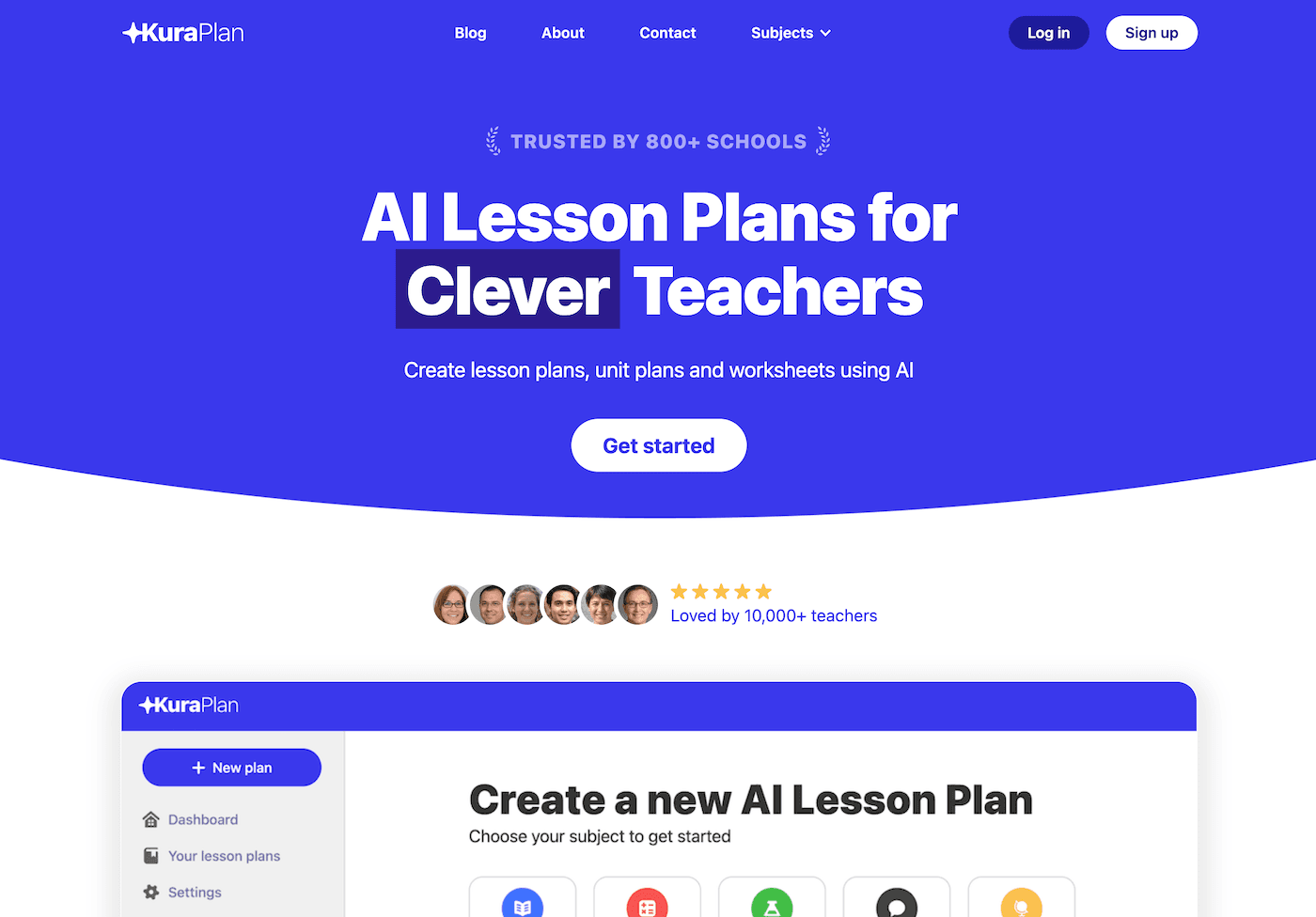
3. Gamma – The Showcase Machine (With “In-Progress” Power)
Parent nights and staff walkthroughs are a staple of project-based teaching—but documenting messy development is hard. After project launches, I started dropping group docs, proposal photos, and three rounds of sticky notes into Gamma. The AI turns each project into an evolving digital gallery: timelines, photo essays, reflection slides, and even “fail-forward” galleries with the wildest mistakes. The best part? Students curate, remix, and build their own showcase boards, so process is valued as much as outcome. Our beta: a hybrid hackathon/art fair that wowed even the multitasking assistant principal.
Try Gamma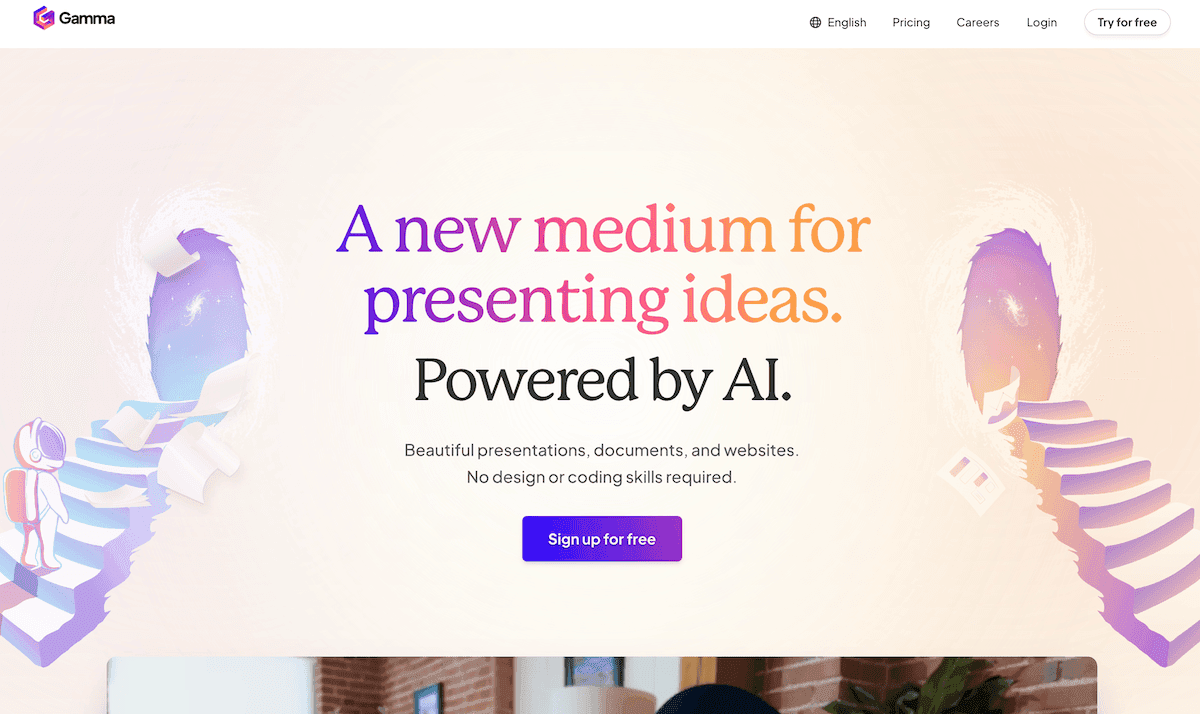
4. Jungle – Student-Made Reflection and Peer Support Decks
Classic review feels empty in project classes. Jungle is our new group-mind: after every checkpoint, each team authors reflection cards, FAQ for next year’s class, and even “what tripped you up?” jokers. Jungle collates, checks for repeats, and builds custom review games. We use deeper decks for peer review, truth-or-dare style debriefs, and even public “Ask Us Anything” rounds during exhibition prep. Students start to own their success—and make real advice part of the tradition—rather than just file it with the other tests.
Try Jungle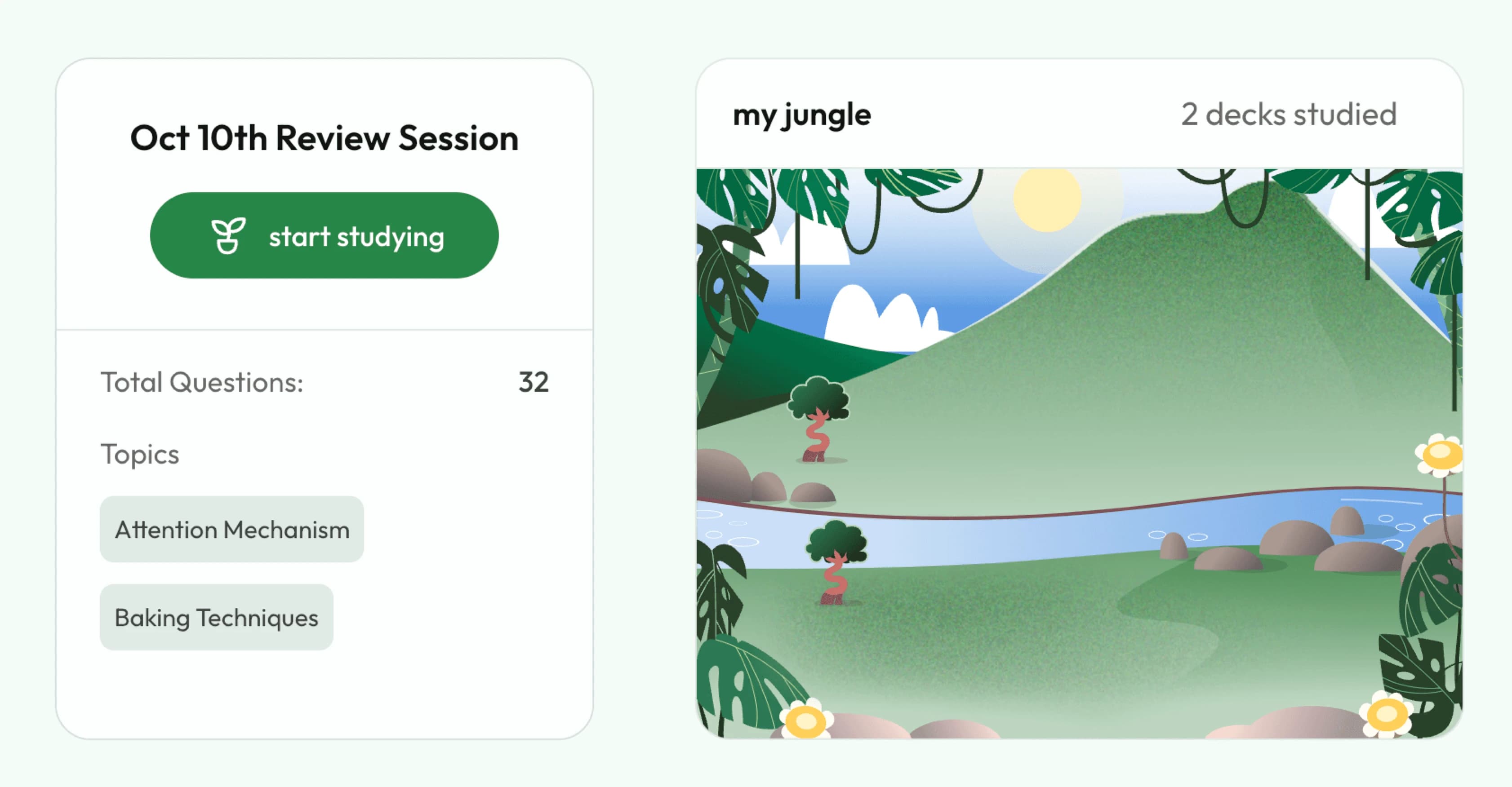
5. Diffit – Leveling Partner Readings for Student-Selected Sources
Inquiry means every team wants to bring in their own resource—news articles, scientific journals, interview transcripts, even local government PDFs. Diffit is our translation shortcut: paste in anything, and Diffit generates leveled versions, vocabulary, and questions. Suddenly, my "How can we redesign school lunch?" project was fueled by student-supplied news and policy docs, readable for everyone. Groups built their background knowledge at their own level—no bottleneck at my desk. Bonus: Diffit is a superstar for project days when two groups merge, or a peer drops in mid-unit.
Try Diffit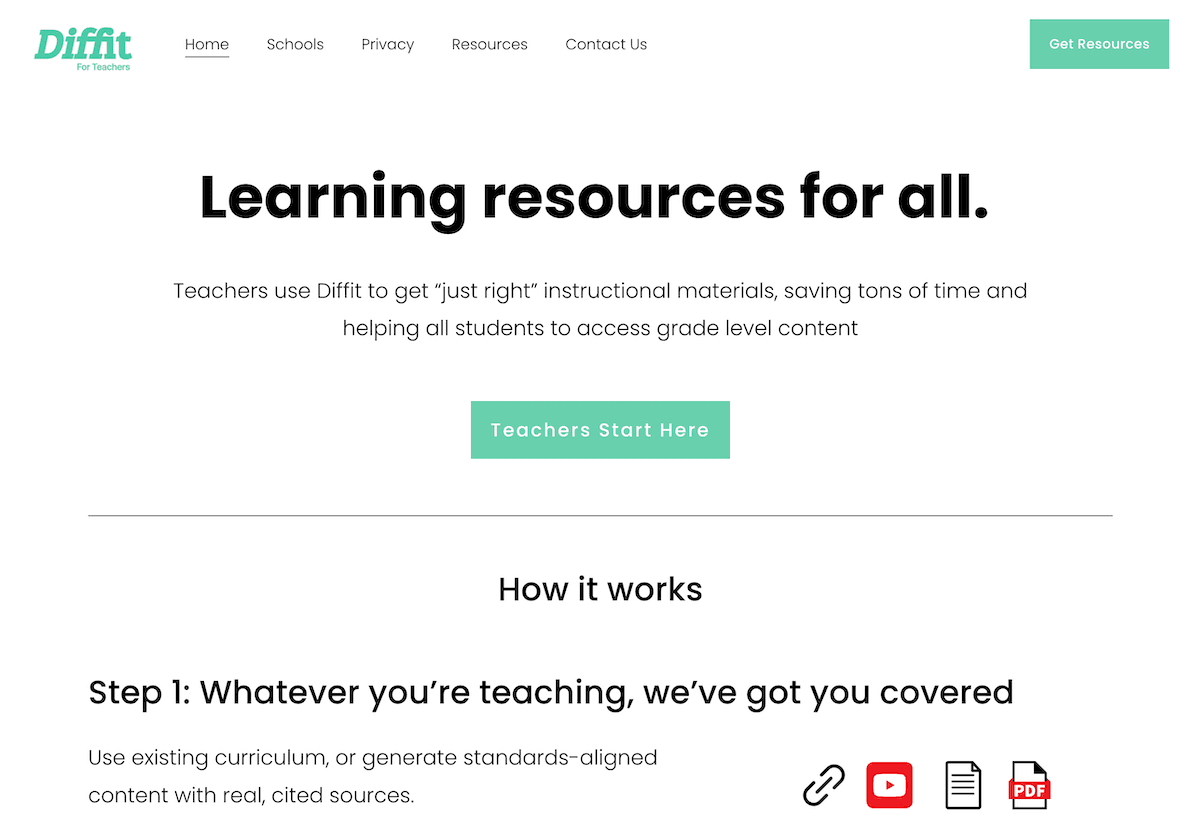
6. Suno AI – Rituals, Launches, and “We Survived Project Presentation” Anthems
Classroom rituals matter—especially when projects get wild. With Suno AI, students submit prompts for every milestone: launch-day anthems, halfway-point pep songs, or "we made it!" celebration tracks. Suno spins original, classroom-safe music within minutes, which becomes our opener for gallery walks, transitions, and reflection prompts. My favorite outcome: students now invent their own closing rituals, soundtrack their flops, and—shock of shocks—request reflection days with a “grade this week’s anthem” voting system.
Try Suno AI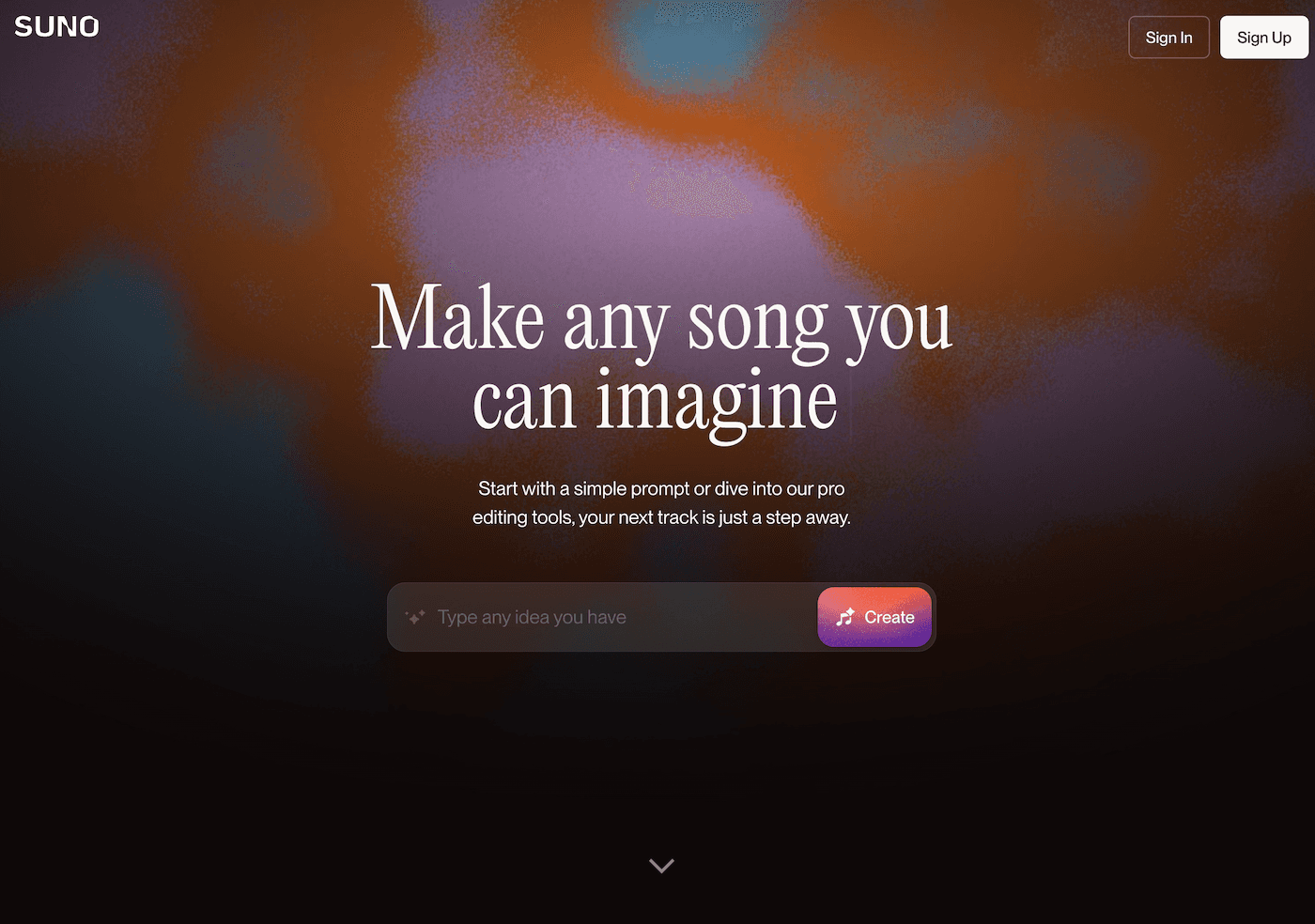
Project-Based Teacher Survival Tips (AI-Enhanced Edition)
- Let students touch every workflow: annotation, reflection decks, exhibition slides, and even planning maps. If you build it with them, you’ll need to manage less—ownership scales.
- Archive process, not just product: Gamma, Jungle, and Notebook LM (when used as a portfolio) make mid-project shifts and failures a public badge of honor.
- Treat AI as a “project assistant,” not another box to check: If a tool boxes in your group, hack it until it fits—or move on.
- Celebrate rituals as much as outcomes: A Suno anthem, project launch, or even a Magicbook anthology carries more culture than 100 quizzes.
Share your best AI project workflow, your wildest PBL win (or flop), or the student-generated ritual that keeps your crew going. Teaching that dreams in projects is hard—but with the right helpers, it’s the work that keeps you in this craft, year after year.