6 AI Tools for Project-Obsessed STEM Teachers
If your classroom motto is “Try it and see,” if you keep extra glue guns behind your desk, and if your sixth graders’ favorite phrase is "can we test our version?"—this post is for you. I’m a middle grades STEM teacher who never met a project cycle I couldn’t complicate: student-run engineering sprints, collaborative data dives, cross-disciplinary science/art mashups. But you know the truth—those spontaneous, hands-on moments eat up planning time and turn your email inbox into a game of Tetris.
This past year, determined not to sink under the weight of 10 simultaneous group builds and 400 field trip permission slips, I sought out AI tools that support real, messy STEM teaching—not just automate worksheet drills. Here are my six go-to's that kept my class curious, my workflow visible, and my weekends slightly less frantic. (Kuraplan is here, but so are five others I bet you haven’t tried in your workflow yet.)
1. Notebook LM: Your Class Data Lab, Version 2.0
Every big project leaves a paper trail worthy of a detective novel: phone snapshots, student voice notes, half-baked hypothesis sheets, and the Post-Its you find stuck to the recycling can weeks later. Notebook LM finally let me scoop all that into one home: after every lab, group upload, or reflection, we dump the mess into a living digital notebook. The best part? The AI spots trends, clusters key findings, and (often!) proposes Q&A or podcast scripts for science-share days. For the first time ever, my class builds a portfolio of process, not just a pile of graded reports. Bonus: the next class inherits a timeline of what went right, what exploded, and the infamous "soda volcano incident."
Try Notebook LM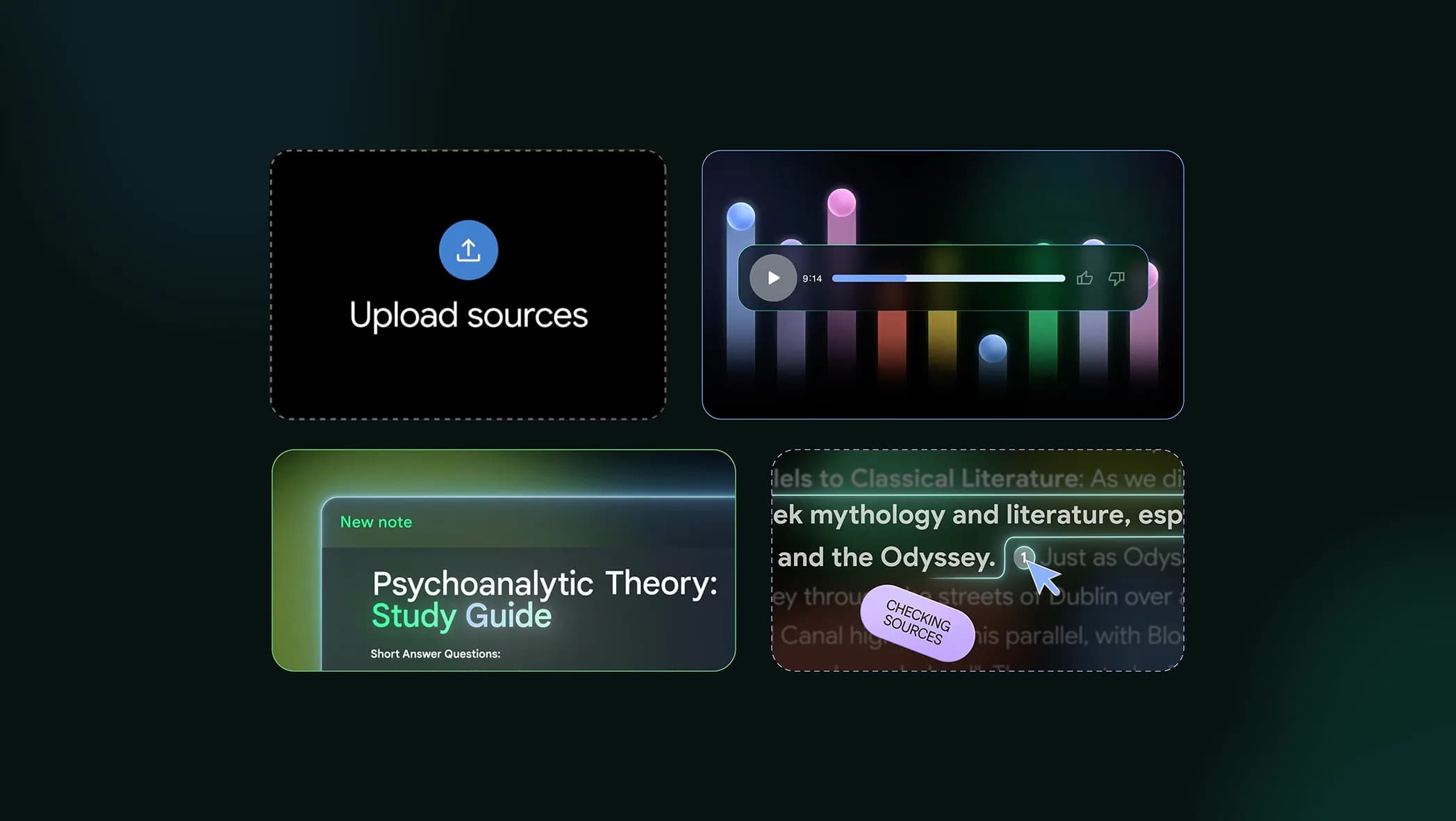
2. Kuraplan: Project Maps (and Detours) You Can Share
I used to design project outlines in my head (or on napkins)—until Kuraplan became my backbone and backup plan. I load in my essential experiment question (“Can we build a bridge out of pasta before the field trip?”), required checkpoints, and whatever wild extension my students dream up. Kuraplan quickly drafts a sequence of tasks—but here’s the win: it’s visible, editable, and designed for detours. My best move: project the map during check-in, let every team move dates, add mini-challenges, and negotiate deadlines after snow days. Now, when a parent, admin, or the principal asks, “Wait, is this learning aligned?” I’ve got a flexible, standards-backed timeline—and my students own the pivots.
Try Kuraplan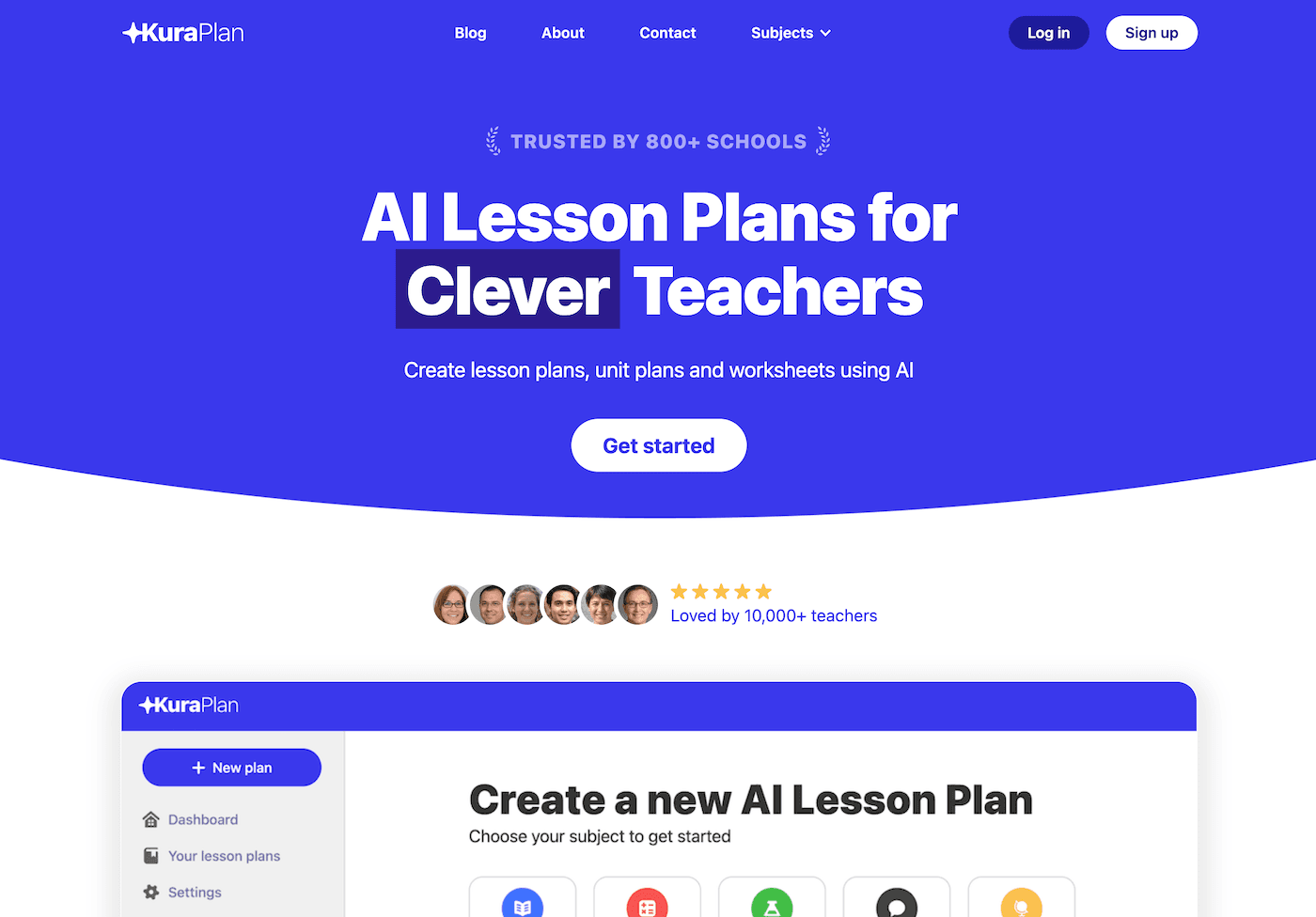
3. Gamma: Documenting the Maker-Cycle for Parents (and Principals)
STEM classes get messy, and my best units look like a cross between a startup lab and a playground revolution. Gamma is my secret showcase weapon: collect field photos, build logs, prototype snaps, and group brainstorms, and the AI organizes it all into an interactive timeline. Not only can students annotate as they go ("here’s where our robot veered off the table"), but Gamma makes it shockingly easy to share growth, setbacks, and real-world learning with parents and admin who want to see the arc, not just the test score. Our best tradition? "Build Fails of the Month" gallery for open house night.
Try Gamma
4. Diffit: Making Wild Student Sources Actually Usable
STEM projects mean students swarm you with resources you never assigned—TED Talks, viral TikTok experiments, kid-written manuals. Diffit lets me say yes: paste in any article, transcript, or video, and it spits out tailored reading levels, vocab pulls, and quick checks. This year, my class compared five versions of a Mars rover transcript; my strugglers got what they needed, my honors kids dissected the most complex. Now, group inquiry is accessible and differentiated without me spending every prep burning new packets. Let your students BYO resource—Diffit’s got your back.
Try Diffit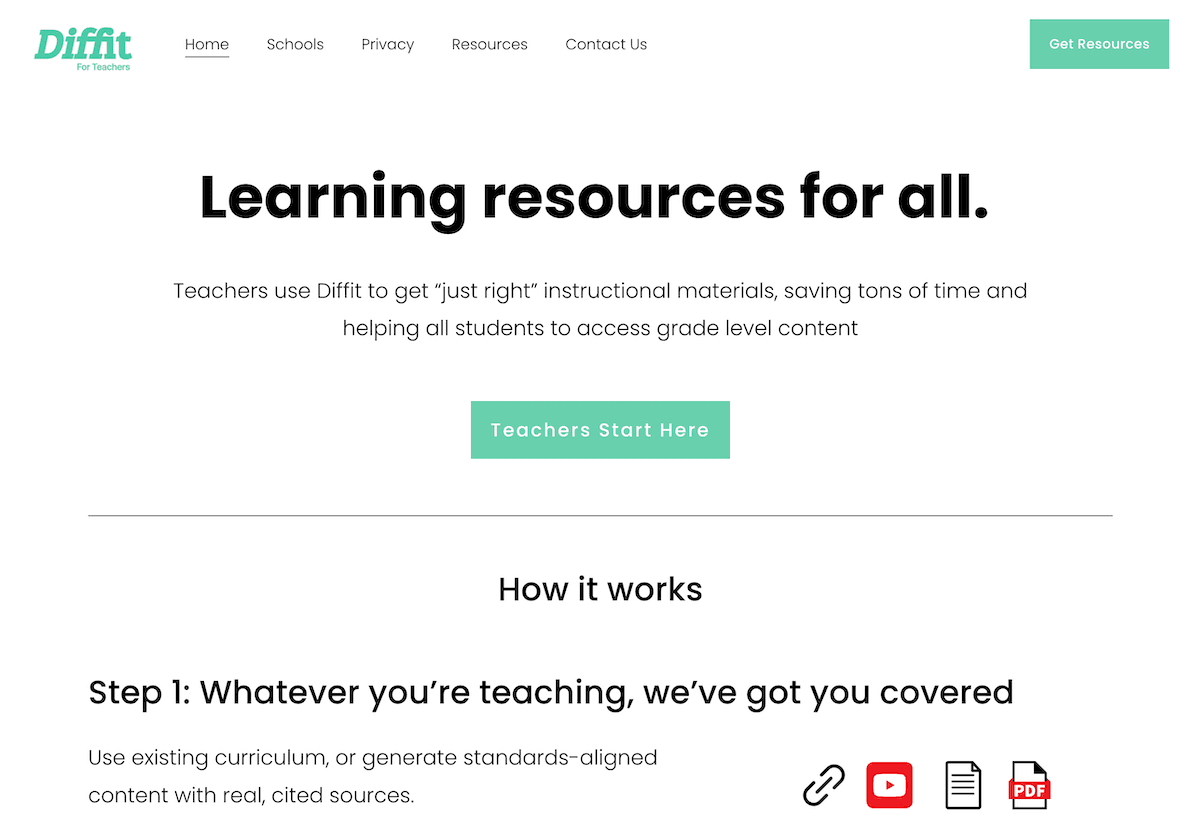
5. Jungle: Student-Built Lab Review and Debrief Decks
Risky builds and hands-on science are only as good as the reflection you get after. Jungle became our standard: after every project, I ask for the stickiest mistake, weirdest discovery, or one "I thought this would work, but…" per group. Jungle’s AI instantly creates a deck of flashcards or review challenges, sparking real revision (and group laughs) as teams shakedown what actually happened.
The magic? Students drive the next checkpoint review; I cut review prep to zero, and history’s best (and worst) lab hacks get immortalized in the game. Now, the real learning moments resurface and future classes get a ritual of learning from past group chaos.
Try Jungle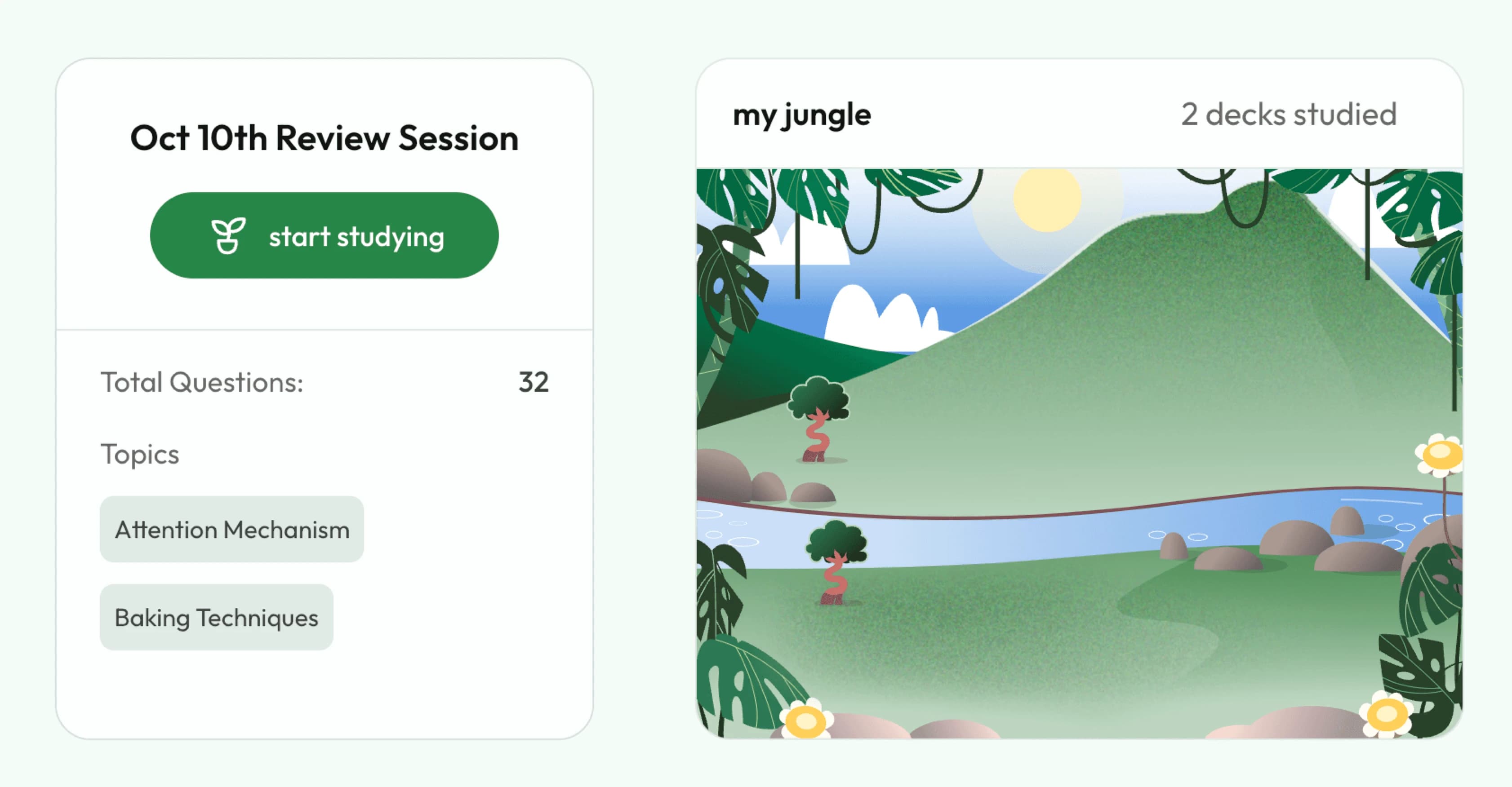
6. Suno AI: Rituals for Builds, Failures, and Recovery
If you teach STEM, you know: the real glue of learning is culture, not content. After every wild build—especially when half the designs collapsed before demo day—my students craft prompts for Suno AI: "Song for the bridge that broke," “Celebration for surviving Friday lab,” "Anthem for finally hitting 3 volts." In seconds, Suno spins up classroom-safe anthems we play at reflection, transitions, or just to wrap the day. These rituals help students (and their teacher!) process risk, celebrate small wins, and shake off flop fatigue—making project cycles not just tolerable, but memorable enough to fuel the next round.
Try Suno AI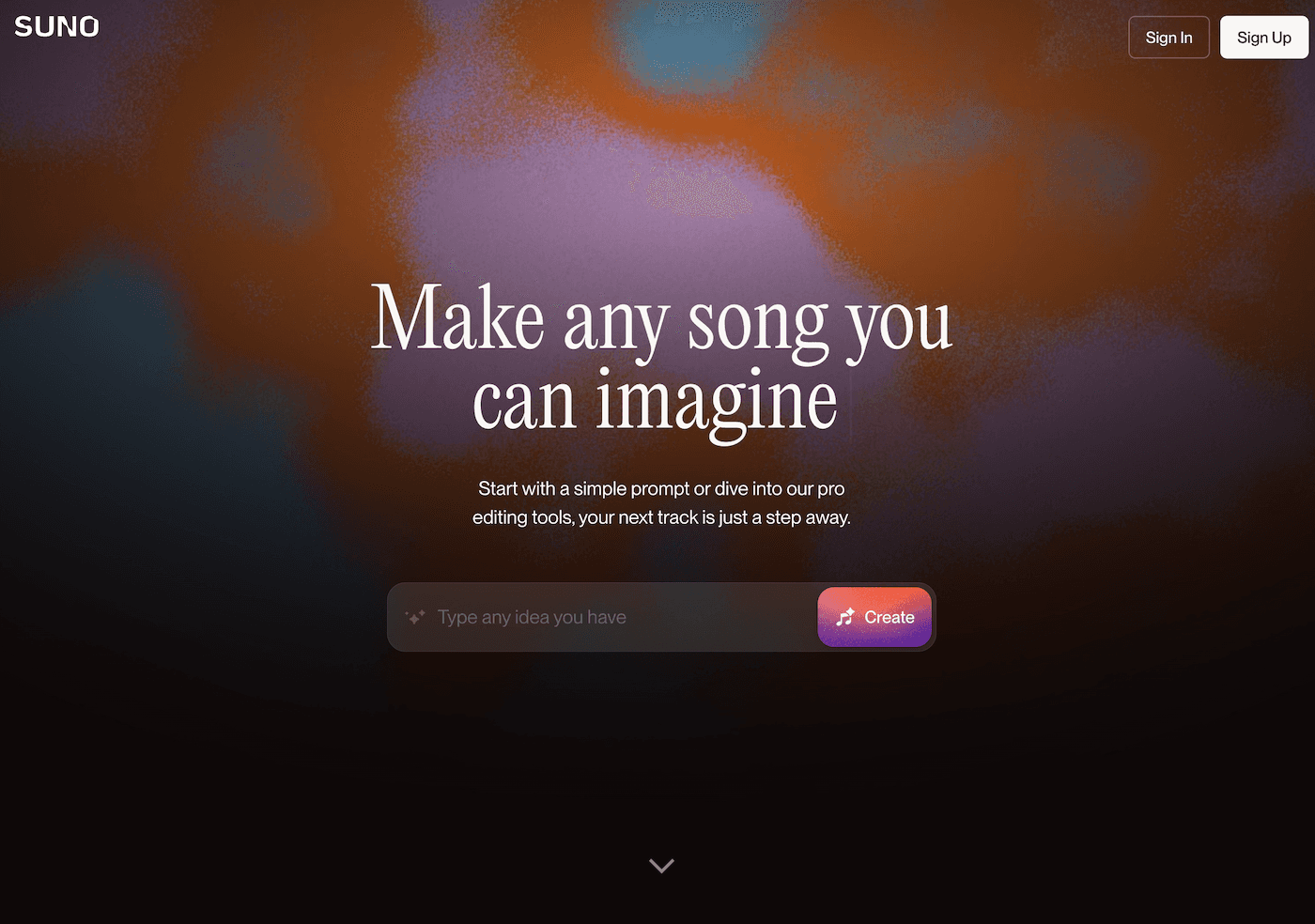
Final Advice for STEM Teachers with a Chaos Habit
- Make process visible and shareable: Use Gamma and Notebook LM to document learning arcs, not just finished products.
- Let plans flex: Use Kuraplan’s editable map to show how project pivots happen, not just to keep the principal happy.
- Archive everything: Diffit and Jungle help build up a living manuscript of group learning, mistakes, and breakthroughs.
- Celebrate everything: Suno’s rituals turn every crazy week into memory (and culture), not just more worksheets to grade.
Nerves of steel (and some workflow hacks) will get you through STEM project season. Want to share a tool, tradition, or fail-turned-favorite lesson? Drop it below—this is a community built on proud messes and experiments worth repeating.