6 AI Tools Every Project Teacher Swears By
If you’re the teacher who gets a little thrill from the words “long-term,” “hands-on,” or “student-driven” (and finds a strange beauty in organized chaos), this post is for you. I teach a creative mix: science, ELA, “innovation block,” and mentor clubs where projects wreak glorious havoc on the lesson plan. After a dozen showcases, three accidental engineering disasters, and one sixth-grade zine drive, I’ve learned: project-based teachers need a different AI toolkit.
Forget auto-grading and syllabus generators—the best tools for wild, real-world learning are the ones that help coach, document, and celebrate the journey, not just the test at the end. I tested a whole lot (so you don’t have to). Below are the six I keep coming back to every project cycle—plus workflow tricks and one crucial warning about not letting AI kill the creative buzz.
1. Gamma — The Project “Memory Palace”
Every time I run a showcase night (or open my own stack of student journals), I see the same problem: the final product is nice, but the process is where the magic lives—and it always gets lost. Gamma turned this around for my classes.
My workflow: I drop in group photos of brainstorm sessions, outlines, failed prototypes, even kids’ anonymous “what went sideways” notes. Gamma’s AI arranges them into a living digital timeline—perfect for project retrospectives, exhibitions, and artifact portfolios that families can actually explore. My district administrators love the window into growth; students brag about their “pivot timeline.” Project-based teachers, trust me: use this to show the journey, not just the grade.
Try Gamma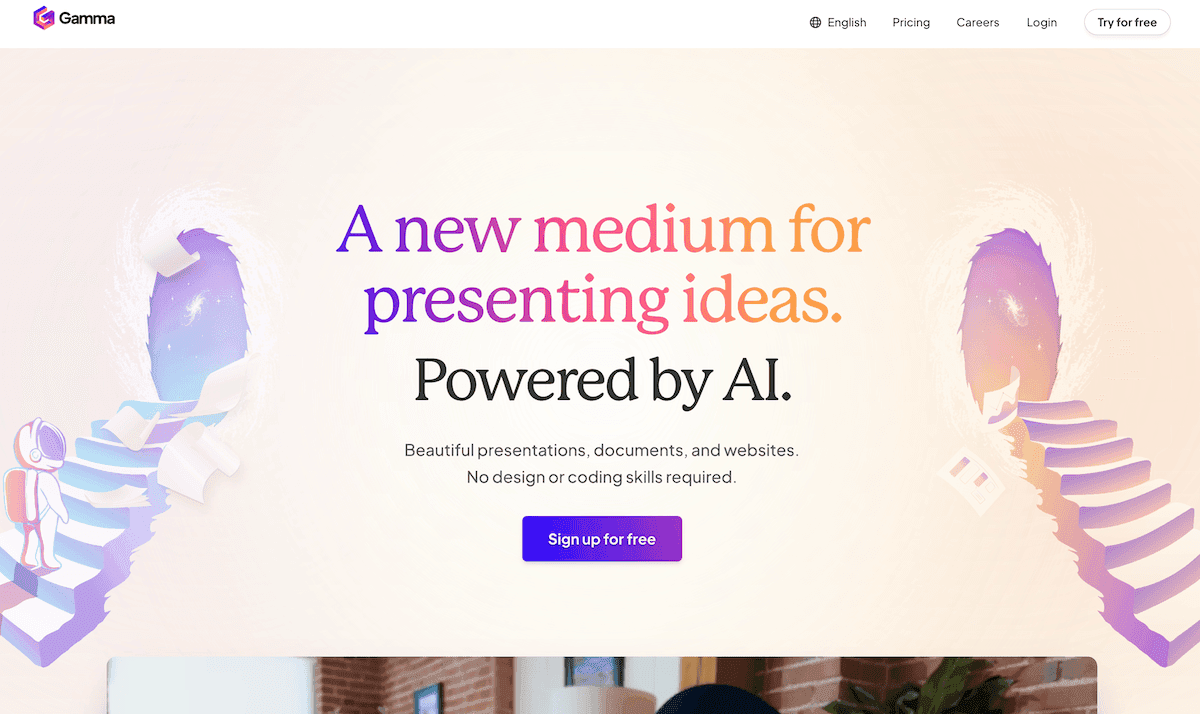
2. Kuraplan — Guardrails for the Wildest Unit Maps
Here’s a secret: the best projects never follow the first plan. That’s why Kuraplan is my only non-negotiable. But not for scripting—I use it to let students and I co-edit a living roadmap. I rough out deadlines, exhibition night, and checkpoint reviews; students add wildcards (“Pasta bridge bonus!” “Zine launch party!”). We project the draft map, cross out what flops, and move deadlines when things go off the rails. Most importantly, when a student team or admin says “Are we off track?”—there’s a visible anchor. Use it for structure, but never let it dictate the journey.
Try Kuraplan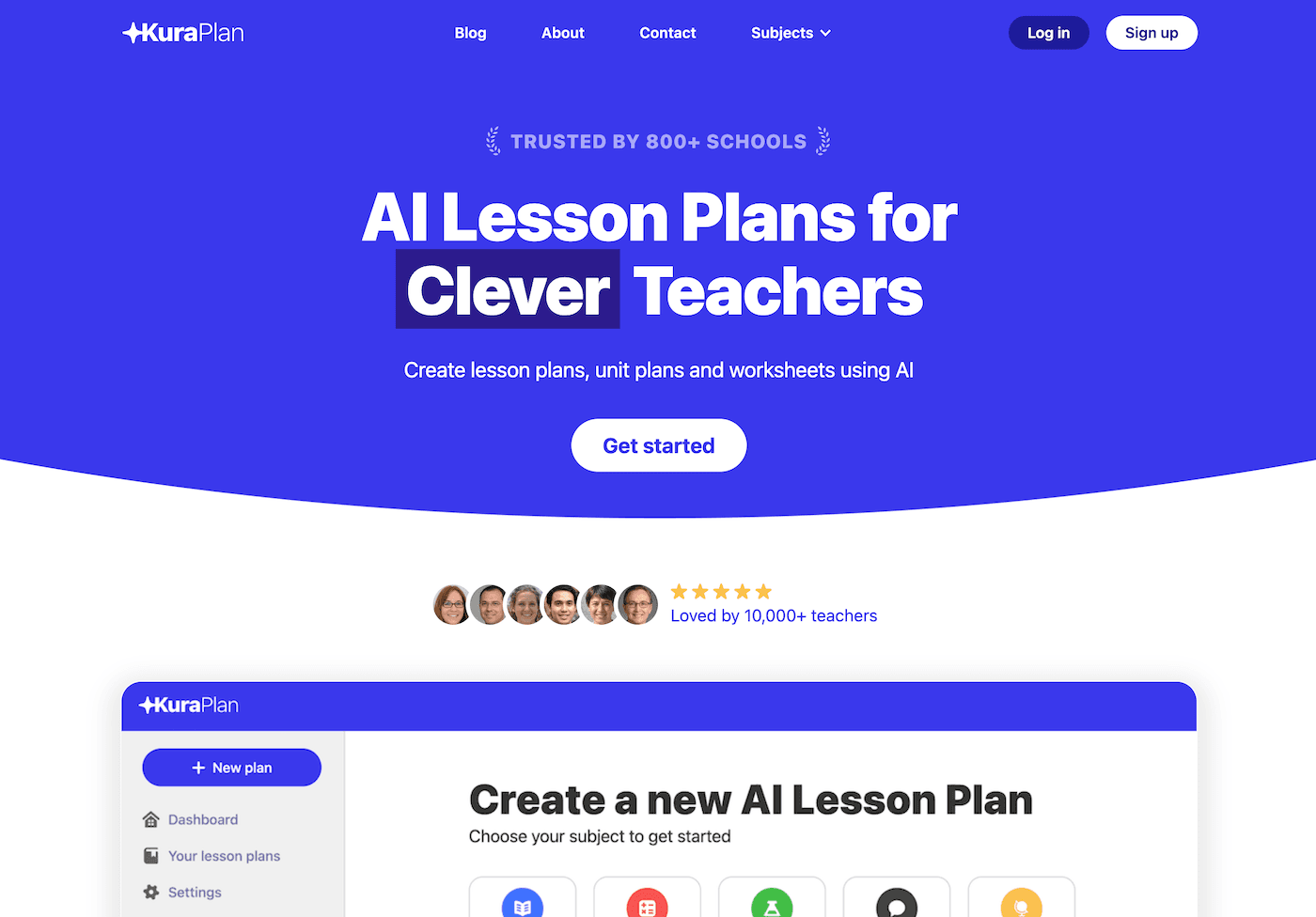
3. Magicbook — Publishing for Real Audiences
Rubrics only go so far—my favorite student work is meant to be seen, not just “turned in.” When we run a design challenge, expedition, or storytelling project, my go-to is Magicbook. Students submit a page—data story, poem, infodoodle, recipe, engineering reflection. Magicbook bundles it into a colorful anthology, picture book, or even a digital field guide in minutes. The win? Family night, open house, or club launch is no longer just a slideshow—students hand out or display real, student-published work to their peers and the world. Suddenly, projects don’t disappear after grading—they get a life of their own.
Try Magicbook
4. Diffit — Wild Resource? No Problem.
No matter how open-ended the project, students always find a resource (podcast, news article, student essay, TikTok, you name it) that can’t be used because it’s too hard/too easy/too niche. Diffit is the quick fix: paste in any content and you instantly get leveled versions plus vocab and checks for all abilities in the room. I use it for group-sourced reading, to let ELLs dive into tech blog posts alongside everyone else, and for instant differentiation when a team veers off the main resource list. It means letting students chase their curiosity all the way down the research rabbit hole—without leaving anyone behind.
Try Diffit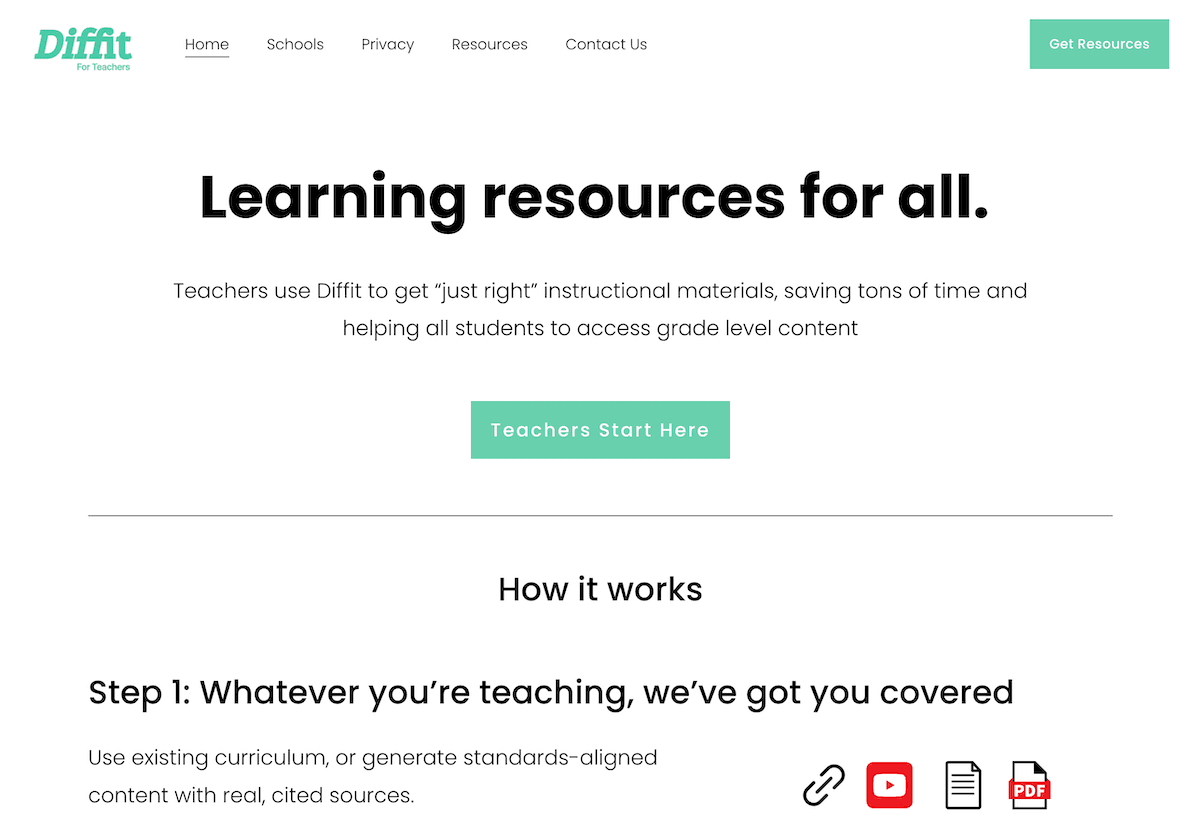
5. Jungle — Student-Authored Check-ins & Review Decks
“Did they really get it?” After every checkpoint, review, or fieldwork day, I ask students to each submit a reflection card, a “stumper question,” or “biggest surprise.” Jungle collates, filters, and turns them into a collaborative class deck for game days, peer review rounds, or group trivia. What used to be worksheet busywork turns into meta-cognition: students guide what matters, and every review feels like their journey. The best stumper decks become rituals for the next project cohort. No teacher (or AI) should guess what students need to review; let them build it together.
Try Jungle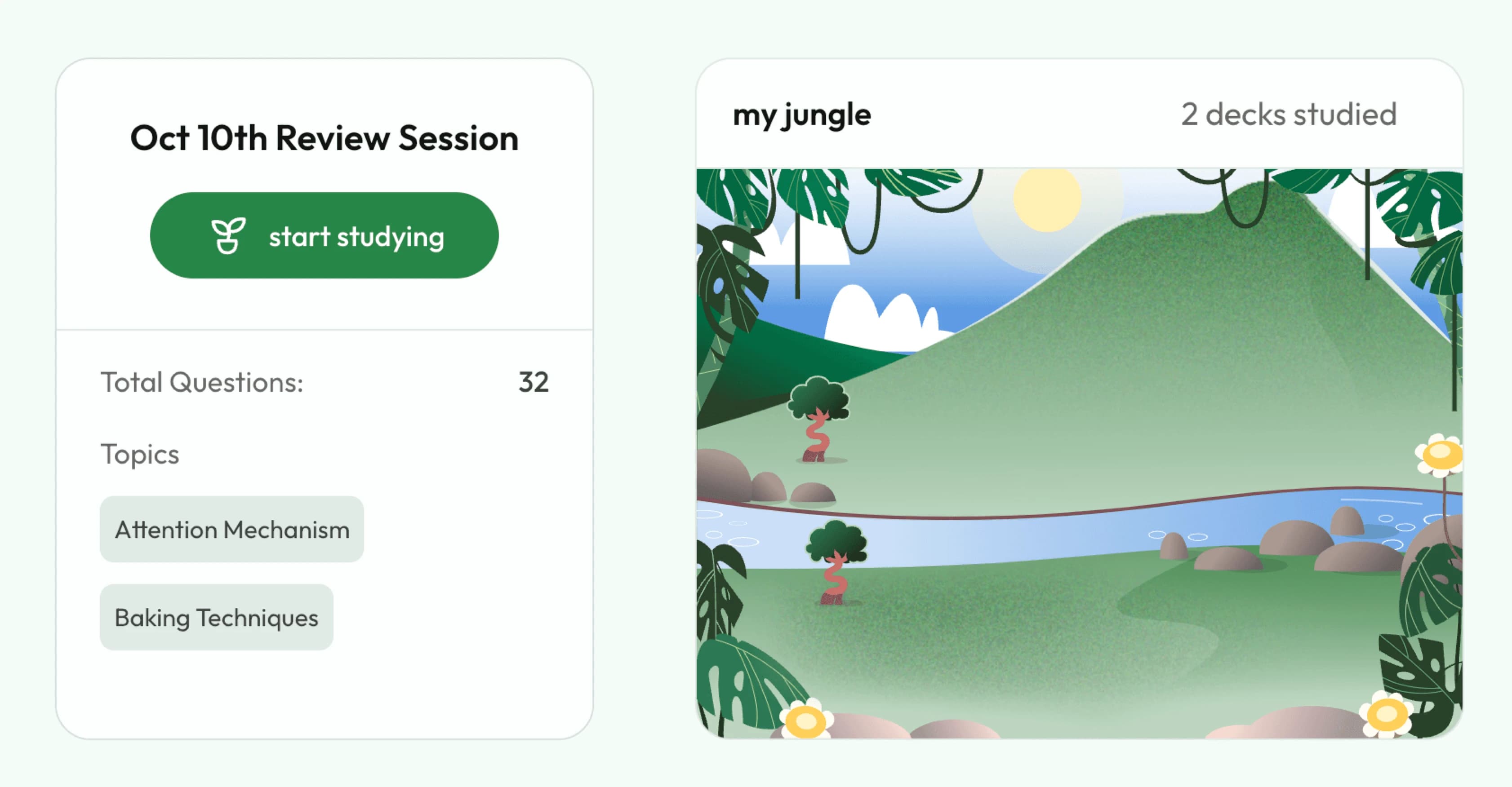
6. Suno AI — Rituals for Milestones, Recovery, and Showcases
Here’s a truth I learned the hard way: project chaos needs closure rituals—after every major demo, “aha” moment, or (let’s be honest) group meltdown. Suno AI lets my classes create prompt-based anthems: “Song for our late-night science fix,” “Art show hype music,” “We survived portfolio season!” Within seconds, Suno generates a class mini-track to celebrate, reset, or send off the learning with a smile. Project-based teaching is exhausting; little celebrations like this make the culture stick, and keep the students and you looking forward to the next experiment, not dreading the next deadline.
Try Suno AI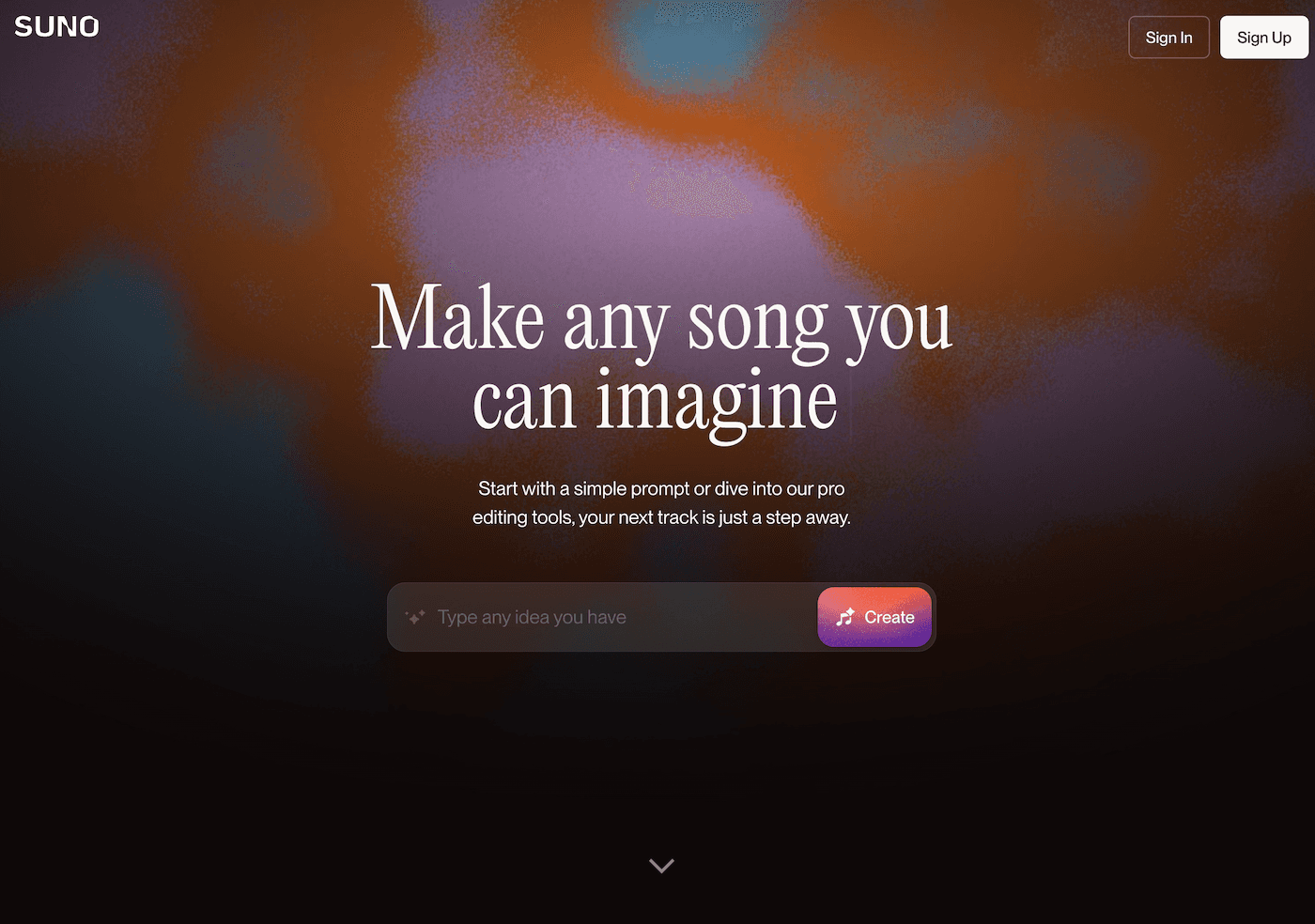
Real Advice from the Project Classroom Trenches
- Archive process, not just results. Gamma, Jungle, and Notebook LM (honorable mention for tracking brainstorms) let you capture everything students do—not just what fits the rubric.
- Make the plan visible, but flexible. Kuraplan is best when it’s projected, annotated, and co-owned.
- Publish for public, not just for points. Magicbook makes artifacts students are proud to hand back at open house—no more “project graveyard” in Google Classroom.
- Let students drive review, check-ins, and rituals. It’s their learning—Jungle and Suno show you what matters to them, not just what’s on your agenda.
- Never let automation kill the fun. AI should support your chaos, not standardize it. The best ideas come from the unexpected—don’t trade that for templates.
Already running wild projects—or have a workflow, AI hack, or daily ritual that keeps your classroom adventure afloat? Drop your best in the comments. Let’s make 2025 the year projects win—and the tools finally let us enjoy the ride.