6 Surprising AI Tools for Resourceful Math Teachers
If you’re a math teacher who’s never been satisfied with “drill and kill” or assembly-line worksheets, you know: the most memorable moments in any math class come when students take risks, ask messy questions, or finally connect ideas across units—often right as your plan goes out the window. In my years teaching everything from 7th-grade algebra to AP Calculus, I’ve spent too many hours searching for AI tools that do more than automate grading or spit out worksheets. I wanted tools that help students play with problems, spark real discussion, or turn the math room into a mini-lab of collaboration, not just compliance.
Below are six AI workflows—and the specific tools I keep coming back to—that fueled more agency, creativity, and resilience in my classes this year. Some go beyond what you’ll find in a listicle. (And yes, you’ll see
Try Kuraplan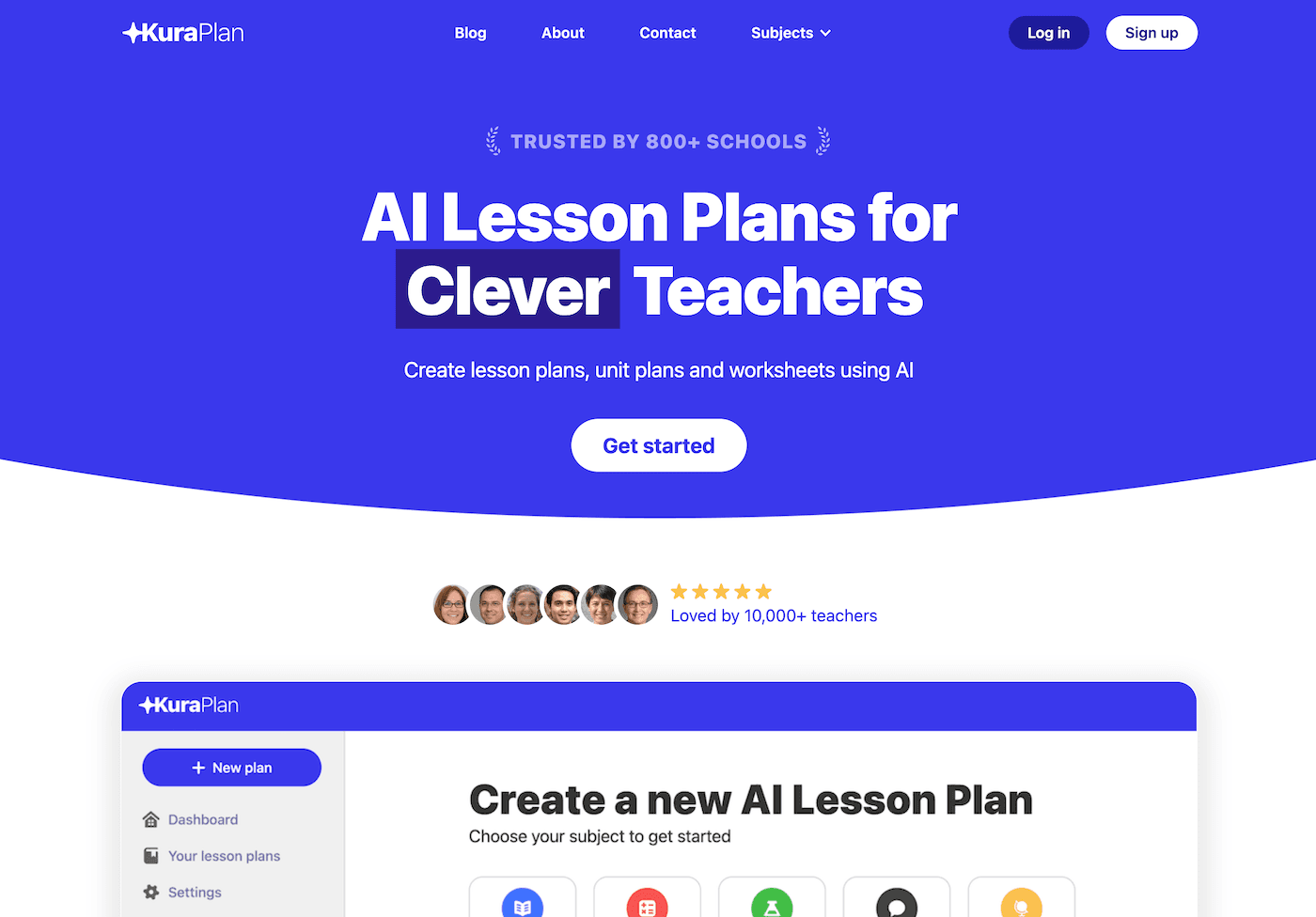
, but it’s not the star; it’s just the flexible backbone that let me improvise with confidence for once.)
1. Fliki – Student-Made "Mistake Museums"
Instead of just assigning Khan Academy for every concept students get wrong, we started running “Mistake Museum” challenges. Students record quick walkthroughs of their real mistakes—why they thought their logic was right, where they got tripped up, and how they would teach their future self to avoid it. With Fliki, they draft their scripts in class and auto-generate video explainers (funny voices and all). On Fridays, we screen the best as a gallery walk; the point isn’t to find the right answer, but to normalize being wrong as part of math learning. I’ve never seen shy students open up this fast—and peer advice hits different from a red pen.
Try Fliki
2. Kuraplan – Project Planning (for Applied Math, Not Just Problem Sets)
I used to groan whenever a curriculum director dropped off a PBL (Project-Based Learning) "enrichment binder." But when students wanted to run a data analysis project using NBA stats, or model cafeteria waste, I started plugging their big ideas into Kuraplan. Instead of pages of day-by-day plans, Kuraplan quickly mapped checkpoints: research days, draft presentations, peer review cycles (even a parent-communication template for when we wanted to share our findings outside the classroom). It never boxed me in, but it did mean our creative detours always came back to the core math. We now run one of these projects a quarter—sometimes with only a week’s notice.
Try Kuraplan3. Jungle – "Flipped" Problem-Writing Fridays
Tired of students tuning out your review days? Jungle changed everything when I started letting students write the questions. After each unit, teams spend 15 minutes creating cards: "sneaky errors," open-ended patterns, or "what would happen if...?" math stumper prompts. Jungle shuffles these into a deck, scrubs for duplicates, and makes quiz games for the next week—usually with more complex reasoning than state test items! Now, groups compete to outwit each other, and I get a dashboard of common blind spots to revisit in class. Pro tip: keep old decks visible to track progress—students love spotting their own growth.
Try Jungle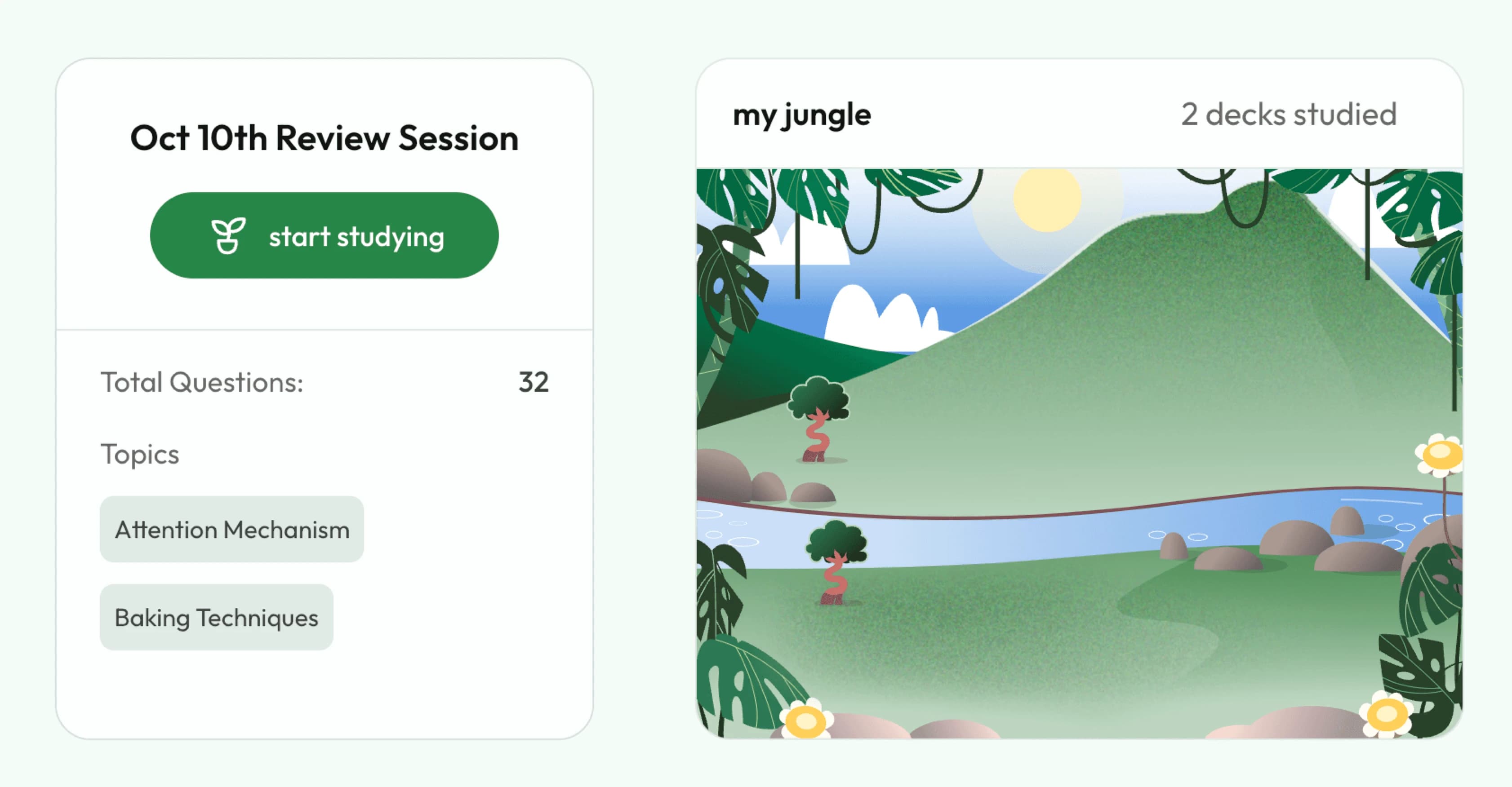
4. Sizzle – Unblocking Real-Time Confusion, Classwide
Picture the moment: half your class is stuck on the same homework problem, three are too shy to ask, and you’re juggling five sheets at the board. Sizzle is like ChatGPT, but focused purely on math troubleshooting—students can snap a photo of their latest attempt, type their main question, and the AI walks through their process step-by-step, pointing out real errors, not just spitting the answer. I assign one "Sizzle check-in" during free work periods; students then present back to the group, and we compare the AI’s guidance to other student strategies. Strangely, it makes open struggle feel normal—and my workload lighter than ever.
Try Sizzle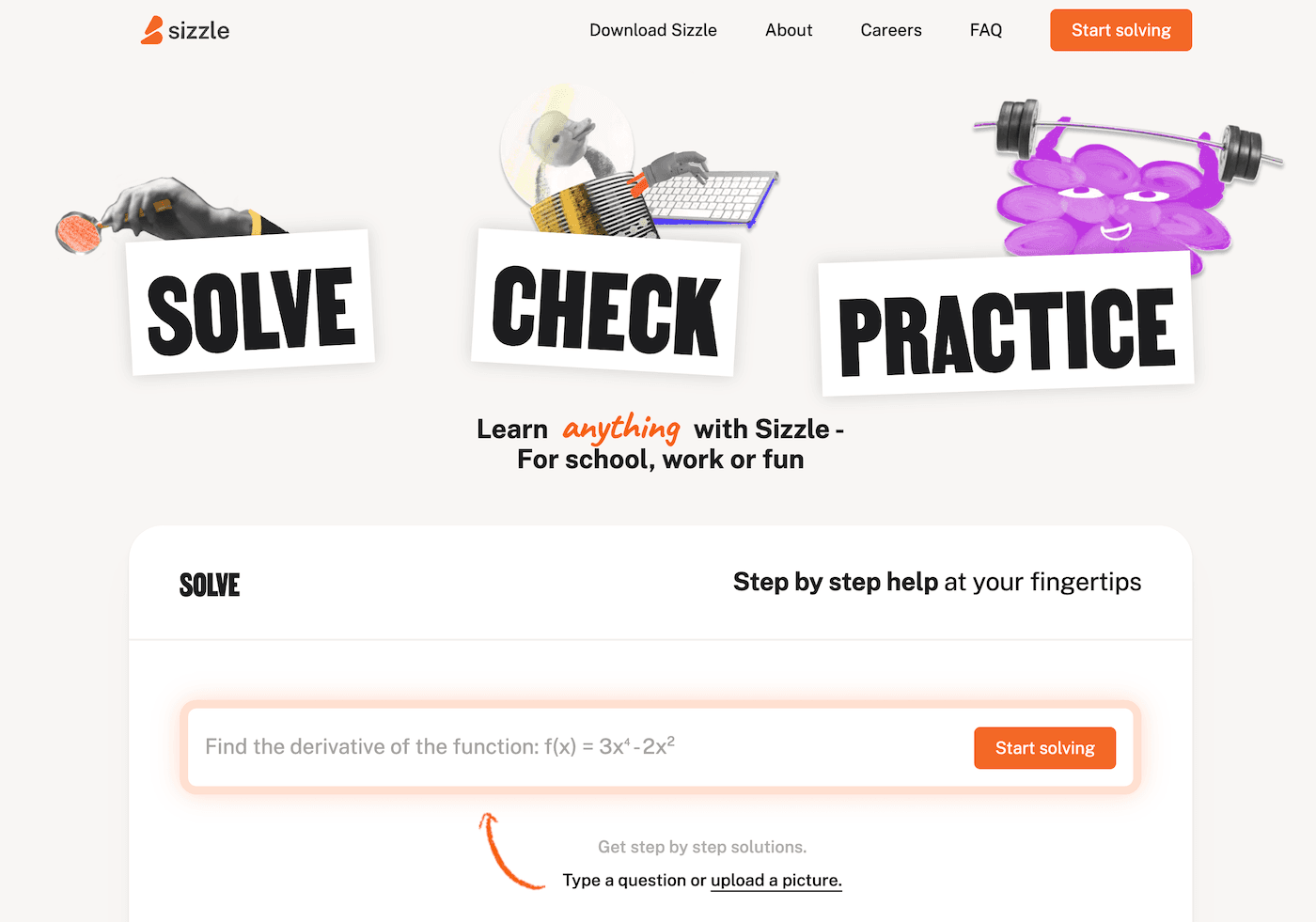
5. Gamma – Visualizing Classwide "Concept Maps" in Real Time
The hardest part of multi-topic math classes? Showing students how content connects. Every two weeks, I ask for exit tickets: "How would you explain what we did this week to next year’s class?" I drop their sticky notes, flowcharts, and brainstorms into Gamma, which auto-arranges them into a digital concept map. We walk through the class a few slides at a time—arguing about what’s missing, where arrows should lead, and what ideas keep coming back (sometimes surprising both students and me about what’s really sinking in). These living maps become revision resources and portfolio entries, and admin love seeing authentic student work—not just solution sets on display.
Try Gamma
6. Diffit – Adapting Current Events (and Math History!) for Math Talks
It turns out, the best way to get my class interested in data analysis—or even algebraic thinking—is to tie it to what’s happening right now: sports trades, election results, viral charities, or the latest bridge collapse. The problem: good articles are rarely at the right reading level. I use Diffit to upload anything—news, sports analysis, even math history interviews—and instantly generate three different versions (plus vocab and reading questions). Now, any group can choose which one to use for a "math talk": the goal isn’t memorization, but seeing how real people use math to argue, persuade, or even (sometimes) mess up in the real world.
Try Diffit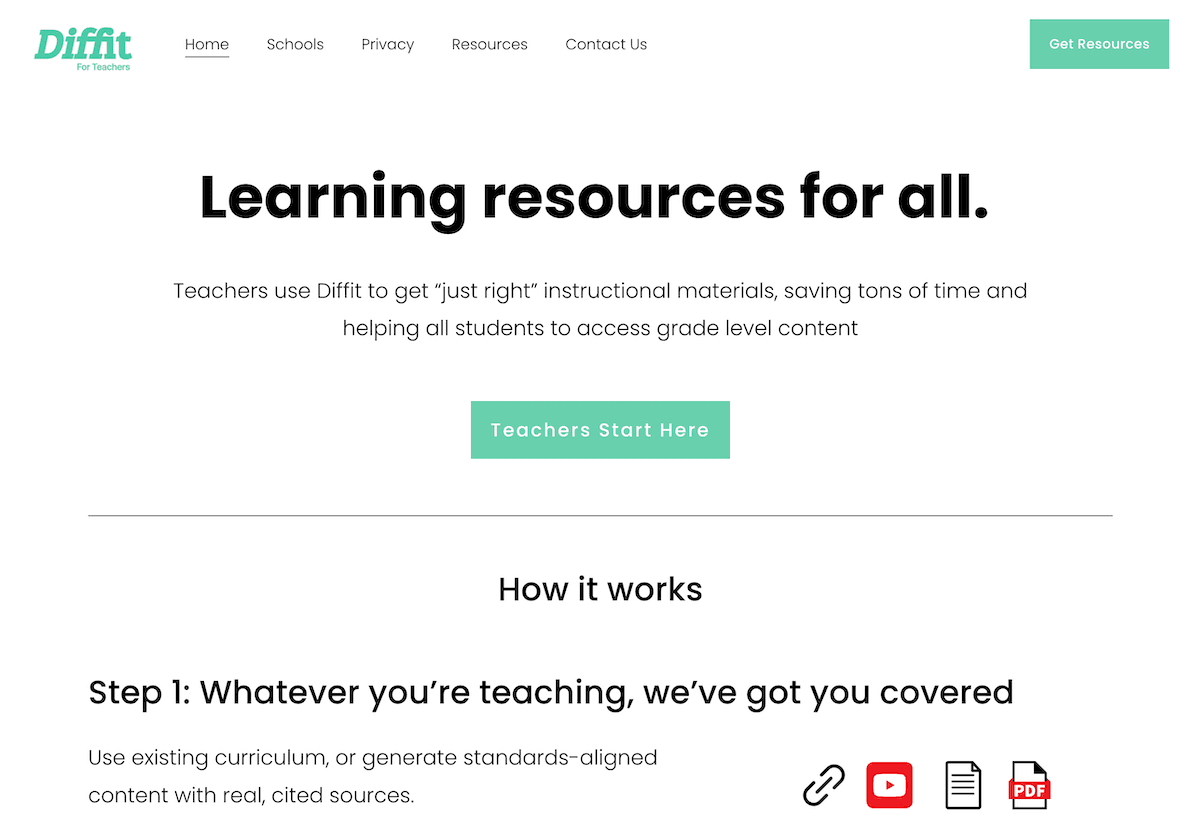
Final Advice for Resourceful Math Teachers
Math shouldn’t be just "getting through the syllabus": it’s also pattern-spotting, risk-taking, and sharing the learning journey out loud. Here’s my workflow advice:
- Let students shape the problem, not just solve it. Use tools like Jungle and Sizzle to normalize open struggle—and student-driven questions.
- Focus on process, not just product. Fliki, Gamma, and Diffit all helped my class document thinking, revision, and public mistakes—not just tidy answers.
- Treat Kuraplan as your backbone, not your boss. Use it to try one big project—then edit, remix, and learn as you go.
If you have an unexpected AI workflow that made real math learning easier—or funnier—or more honest, share it in the comments. The more wild, real, and student-driven math becomes, the less anyone dreads the next (inevitable) "When will we ever use this?" debate.