6 AI Tools for Teachers Who Rethink Assessment
If you’re the type of teacher who groans at the words "summative test" or secretly prefers a messy interview to a neat quiz, this post is for you. I’ve taught (and graded) everything from Socratic seminars to science projects—enough to know that what really matters is how well students can communicate, think aloud, build on mistakes, and genuinely show what they know. For years, most AI tools have promised "faster grading" or "auto-generated tests"—fine if you love spreadsheets, but not if you believe assessment is a living part of learning, not just the end point.
This year, determined to cut grading time and make my classroom feedback ecosystem more human, I went searching for AI tools that blur the lines between assessment, reflection, and revision—giving students more voice, less anxiety, and teachers more time for the real work. You’ll see Kuraplan (because project maps matter!), but you’ll also find some under-the-radar workflows, each with a real teacher tip for ditching bubble sheets and making assessment something you actually look forward to.
1. Gamma – Make Process (Not Just Scores) Visible
Confession: Most admins never see the effort it takes for students to move from draft to polished product. My new hack? After every project or debate cycle, I have students drop photos, brainstorm webs, mid-project feedback, and peer edits into Gamma. The AI instantly arranges every step into a living, interactive timeline—one that’s shareable for parent nights, peer review, or just as an exit ticket.
It’s shifted the culture: Students see improvement as a story, not a number. I get artifacts for grading that reflect the full journey—and reviewing them, my focus moves from "how many right?" to "how did you grow?" Nobody misses standardized scores.
Try Gamma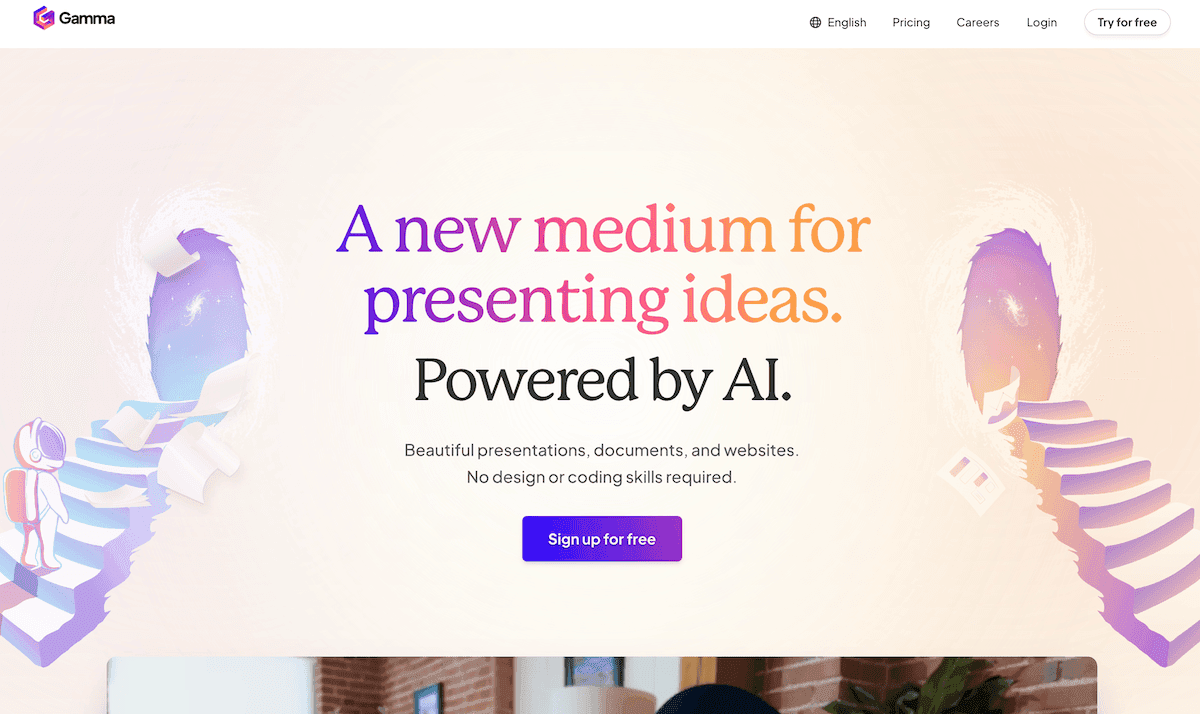
2. Kuraplan – Backwards-Design Rubrics (Students Can Edit)
I used to dread making rubrics—until I started co-building assessment checklists with my class in Kuraplan. My workflow: input the essential question, general guidelines, and any non-negotiable standards, then draft a project map with student-proposed checkpoints ("Where do you want more feedback? Which criteria actually measure your thinking?"). Kuraplan auto-generates scaffolds, opportunities for peer/self review, and milestone-based rubrics we can revise each unit.
Why it works: Students buy into criteria (no more "my teacher made this up" complaints), and we can flex the plan midstream—adding reflection days, revising the checklist when a new direction emerges. It’s actual student agency in how we measure growth—not just filling in boxes.
Try Kuraplan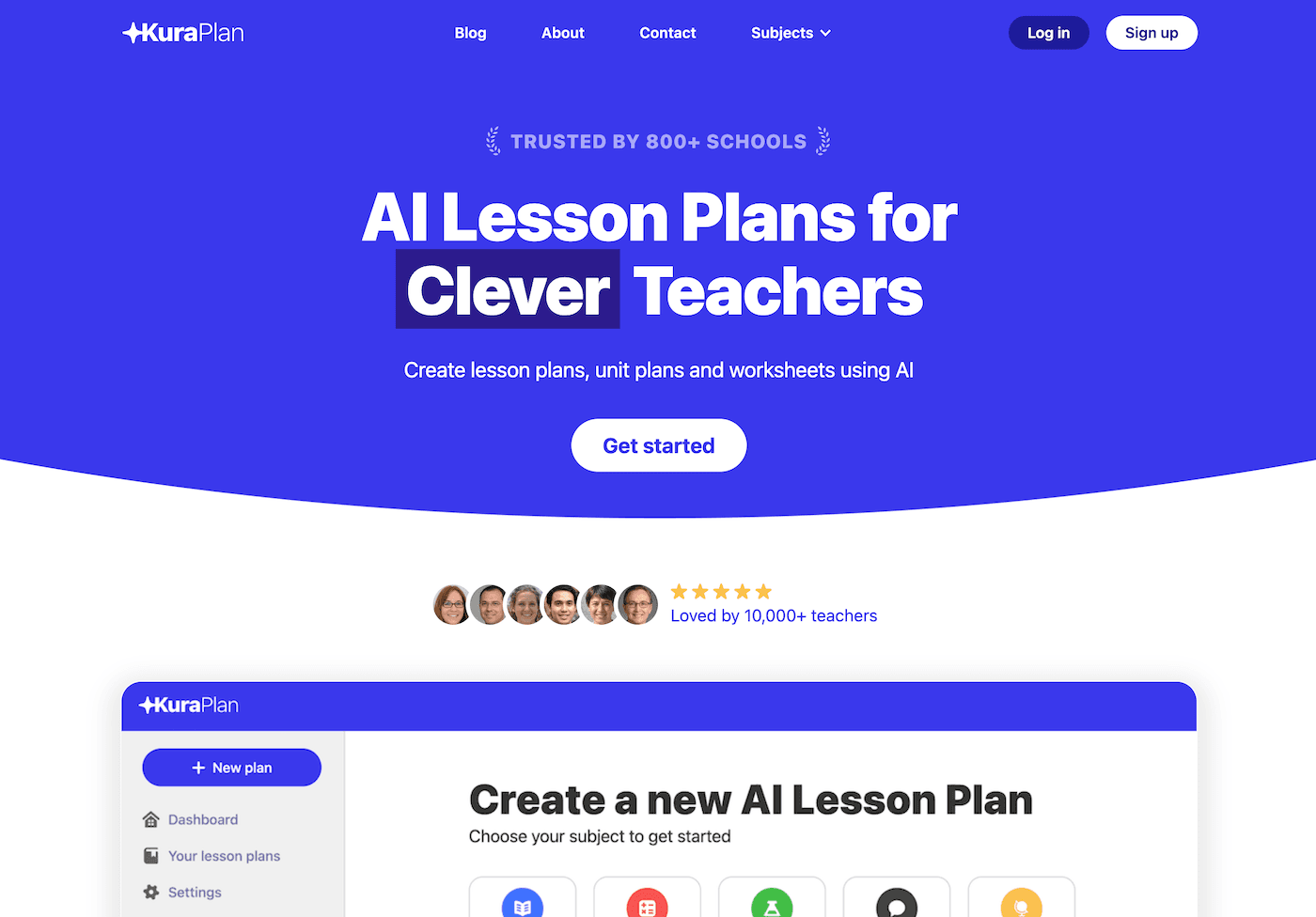
3. Gradescope – Actionable Patterns, Not Red Pen Repeats
Grading by hand is soul-sucking when the work is repetitive. Enter Gradescope: scan assignments, essays, or even project reflections, and the AI clusters responses by similar strengths and gaps. Here’s the genuine win: I write actual feedback for themes (not just each paper), then customize a short note for outliers and standouts. For the first time, I spend more time celebrating clever moves and creative risk than circling wrong answers.
Bonus: You can pull a class “heat map” of skills missed or mastered to shape your next unit—instead of spending six hours on the same margin note. Students say my feedback is clearer and more useful; I call that a win.
Try Gradescope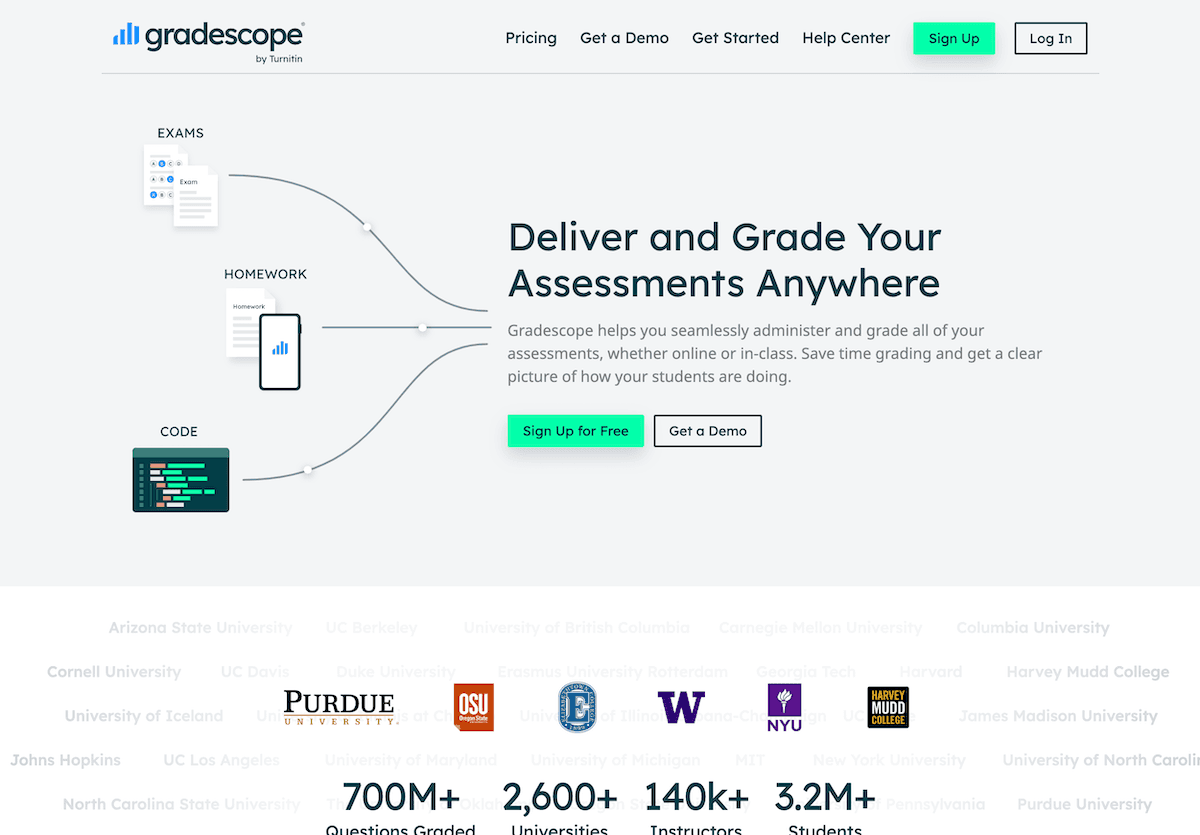
4. Jungle – Self and Peer-Assessment as a Game
Formal peer review rarely works ("Looks good!" is not feedback). With Jungle, I give students a prompt to write one honest self-assessment card, one misconception, and one "I wish I knew this sooner…" Jungle assembles these as a deck for review day—each round, students remix, annotate, and challenge the best ideas for the group to discuss.
The real secret: Self/peer feedback goes from dreaded routine to metacognitive play. Every checkpoint, my class crafts the next assessment together—building a running log of class wisdom and reminders. Review becomes reflection, not just a pop quiz.
Try Jungle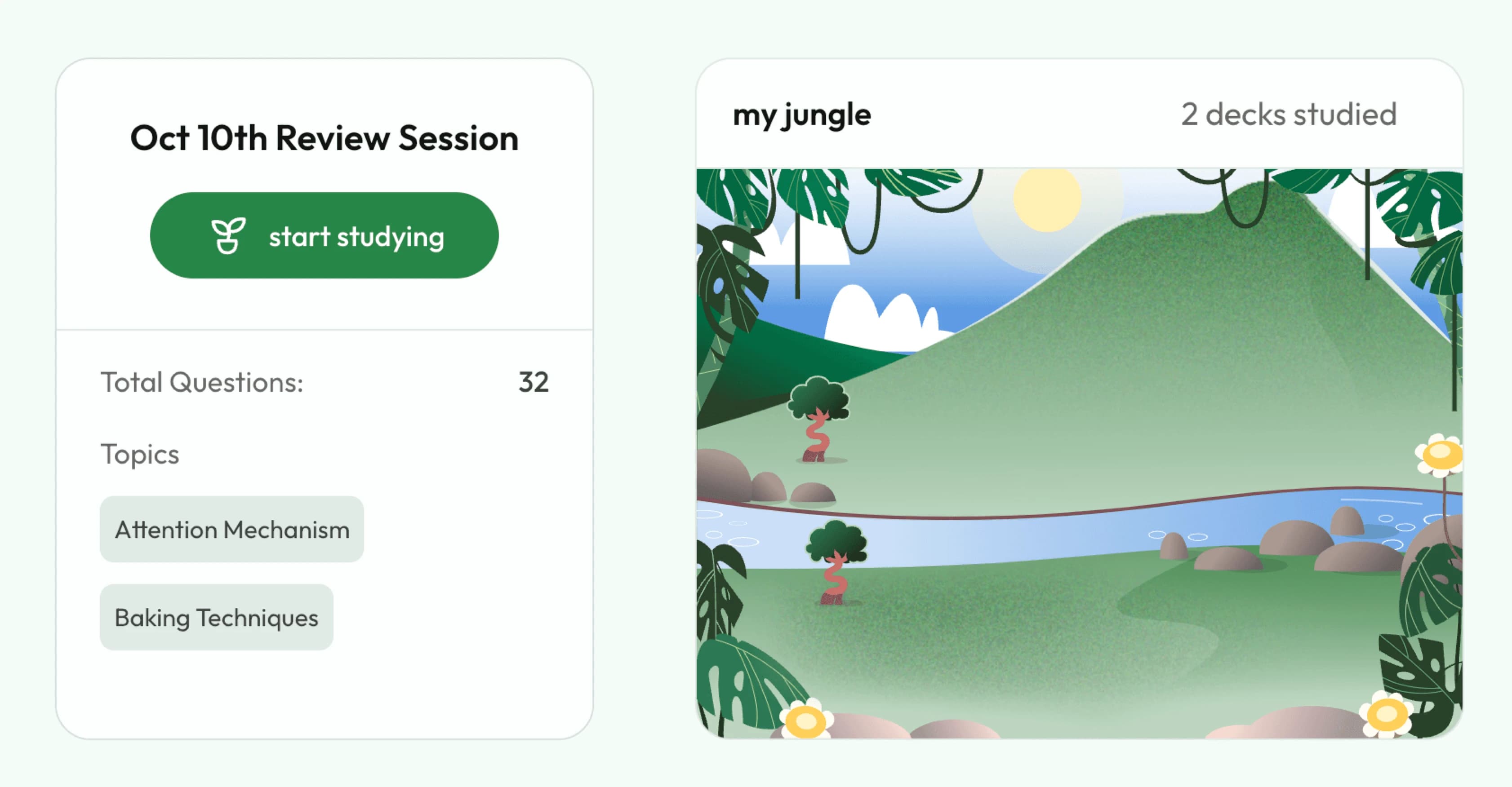
5. Notebook LM – Authentic Interviews, Not Just Tests
Oral assessment is powerful, but it’s often unscalable. My workaround: After a unit or project, I have students record their thinking aloud—explain their process, reflect on feedback, or even debate their own mistakes. Notebook LM takes those voice notes, transcripts, project logs, and blends them into living portfolios.
The AI then pulls out themes, improvement arcs, and (this is key) suggests new reflection prompts or even a follow-up interview script—all student-generated. My role moves from judge to interviewer; the best evidence of growth isn’t a grade but a dialogue. Parents and visitors can hear learning in students’ own voices, not just in my gradebook.
Try Notebook LM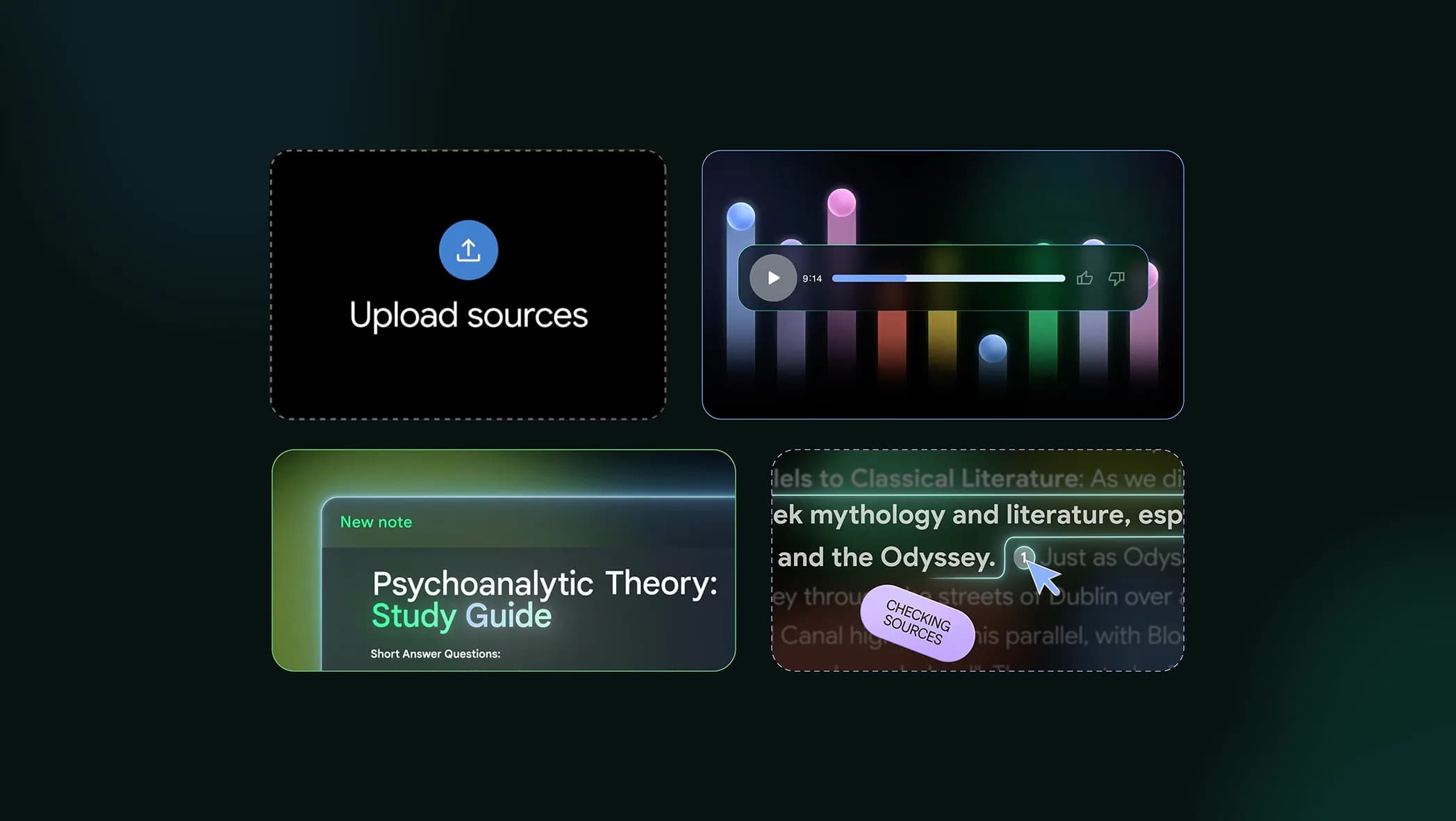
6. Suno AI – Celebrate Revision and Growth, Not Perfection
When learning moves fast, students need to feel progress and closure. Our new ritual: each time we pass a big revision checkpoint—or a round of peer feedback changes the work—I let students feed lyric prompts to Suno (“song for the group who finally made peace with their essay,” “not-another-pop-quiz anthem,” “celebrate the rewrite!”). Suno creates instant, class-safe songs we play to launch revision, mark progress days, or even as a pump-up before exhibitions.
The magic isn’t SEL for its own sake—it’s that every student, from the glossiest writer to the most reluctant speaker, gets a moment to reflect where they started, what changed, and what matters beyond the score. This time, everyone sings.
Try Suno AI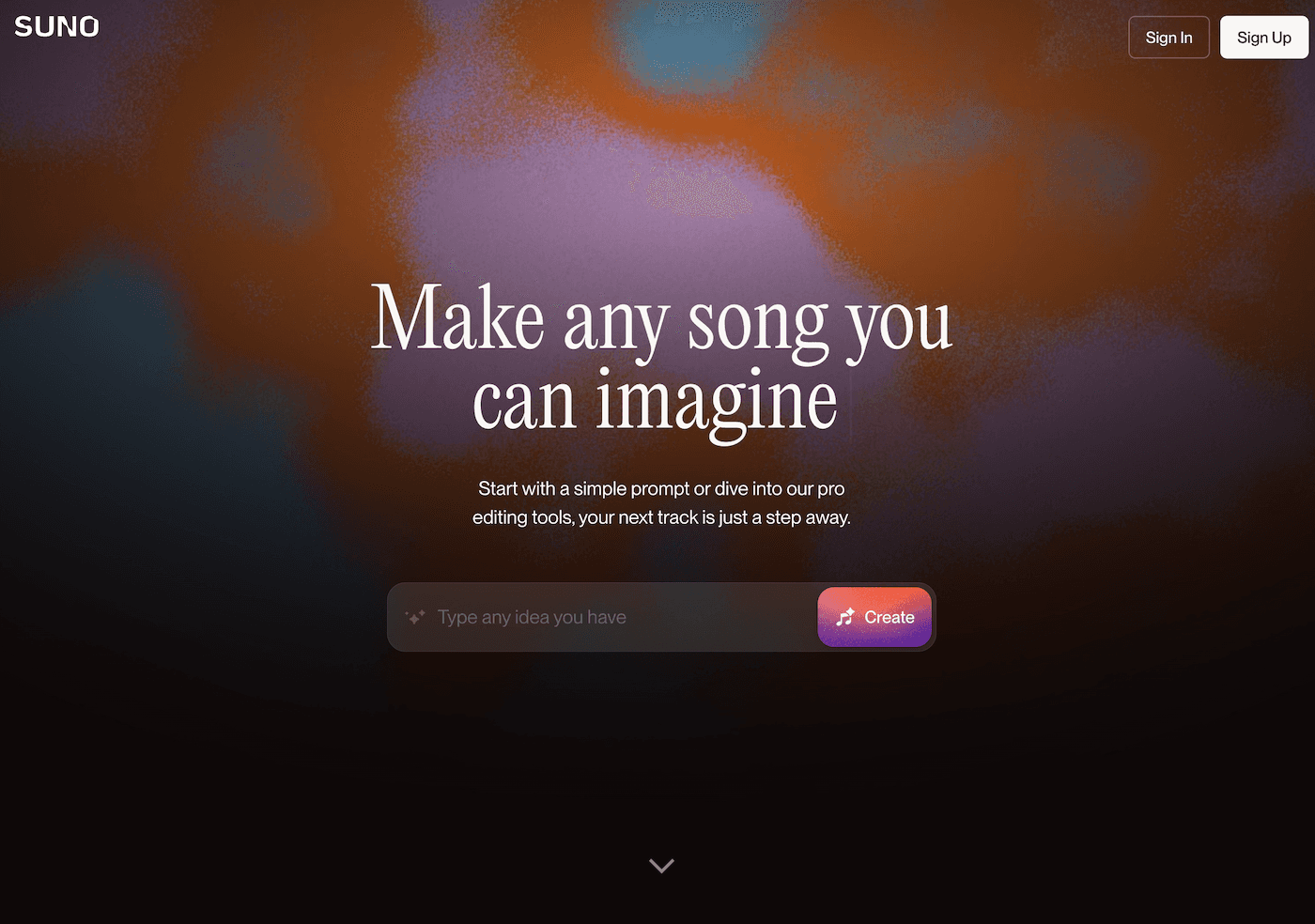
Real-World Reflections for Assessment Rebels
- Use AI to amplify feedback, not automate it. Each tool here made feedback more specific, visible, and collaborative—never less human.
- Let students co-pilot assessment. Whether it’s building rubrics, reflecting, or reviewing, the more ownership, the more investment.
- Celebrate the journey, not just the result. Assessment can be formative and joyful, not just punitive—these tools make your classroom into a feedback loop that always moves forward.
If you’ve found (or invented!) an AI workflow that made assessment more authentic, more reflective, or just more fun, share it below. In 2025, assessment can be more than measuring up—it can be a part of the magic.