6 AI Tools for Teachers Who Rethink Feedback
Classic feedback—rubric, red pen, repeat—feels emptier every year. As a teacher who built my career on revision weeks, voice notes, and student-led "gallery walks", I know real growth comes from feedback that sticks: insight students remember, peer critique they trust, and actionable next steps that feel like a launch pad, not a checkbox. But by 2025, there’s too much admin and too many students for one teacher to do it all… and (let’s be honest) most AI promises to just auto-score a worksheet.
This year, I challenged myself: could AI make feedback
- more visible,
- more creative,
- and (crucially) owned by students— without losing my teacher voice or resorting to generic auto-comments? I found six tools that didn’t just speed up the old loop—they helped build a classroom where feedback truly drives learning, not just grades. Kuraplan is in here (but not at the top!), only because it finally let me build feedback cycles I could live with. Every pick is road-tested, honest, and best if you want your feedback to spark as much as your teaching does.
1. Gamma — Real-Time Feedback Maps You Can Build Together
Every peer review cycle in my room, I dreaded those cryptic rubrics and the infamous “looks good!” comment. Now, my students drop gallery artifacts, question slips, and snapshots of draft work into Gamma. The AI organizes all feedback (from sticky-note praise to big-picture questions) into a living "class feedback map"—not just a checklist, but a visual of who’s talking, what’s trending, and which projects spark comment wars. Revision is finally public, not invisible. My hack: Let each student (even the shyest) annotate on the Gamma board during feedback rounds, and replay the journey before round two. When admin asks about formative assessment, this is my artifact.
Try Gamma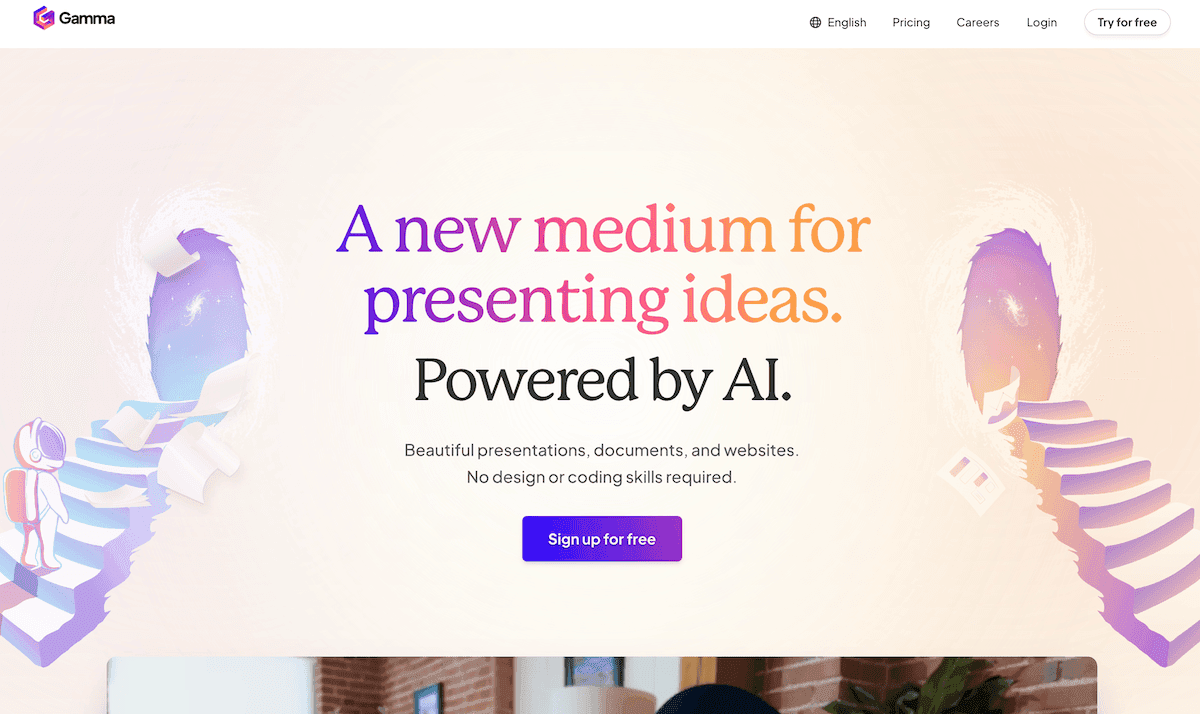
2. Jungle — Student-Generated Reflection Decks (So Honest It Hurts)
I wanted more than smiley-face slip feedback—and no AI worksheet will get you there. Jungle became our meta-cognition engine. After every feedback session, students submit their own “what I learned from critique” and “the biggest thing I still need” cards. Jungle bundles these into review decks that I use as closure, do-nows, or mid-unit "rethink your goal" days. It’s crowd-sourced peer learning, visible to everyone, and my review rituals got 10x more meaningful because the class defined the prompts—not me. Bonus: after parent/teacher night, I let families choose their favorite Jungle card to highlight in the portfolio.
Try Jungle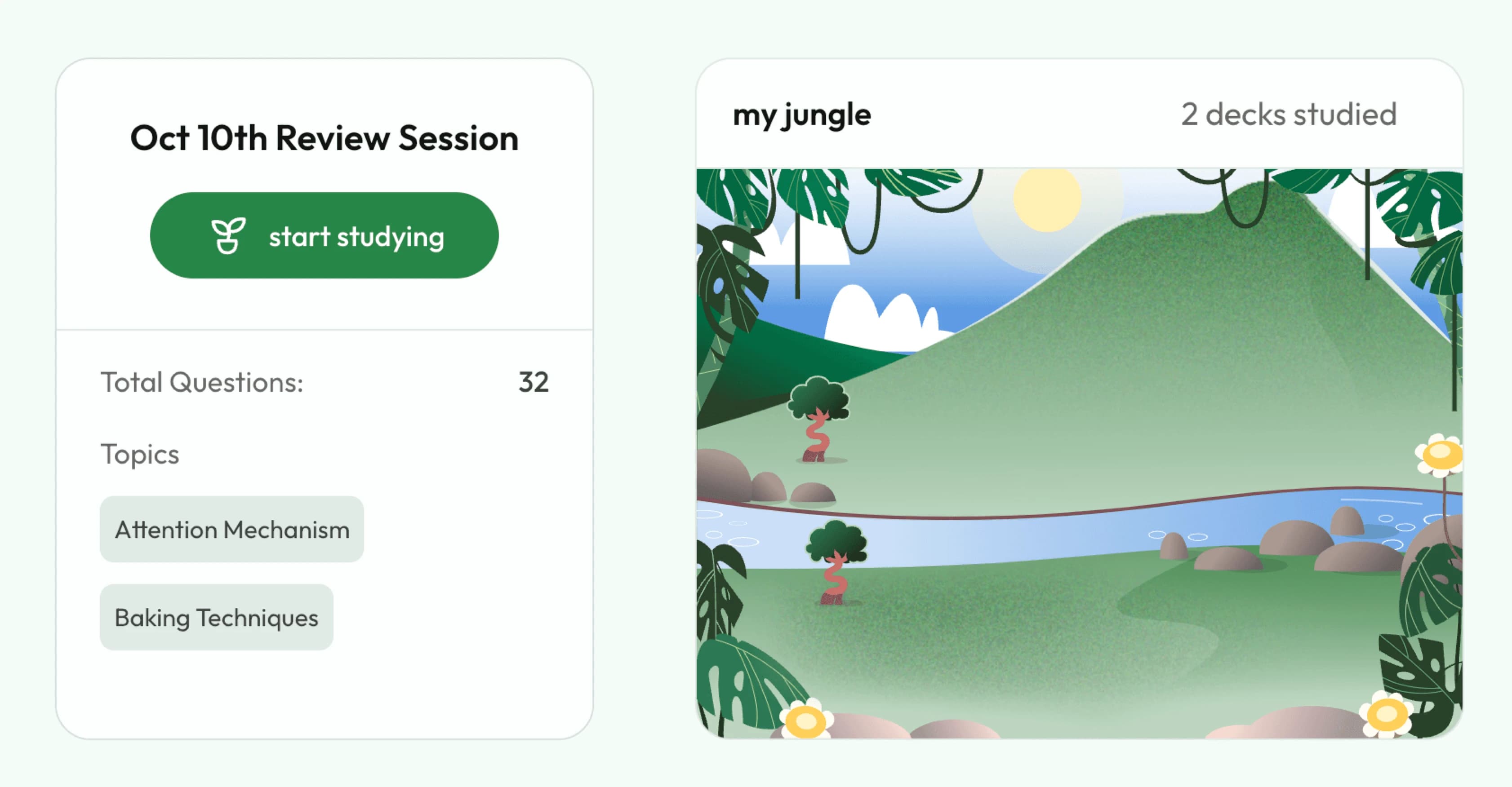
3. Kuraplan — Building Feedback Into the DNA, Not the Deadline
I finally gave up on exit tickets and last-minute “feedback Friday” confessions. Instead, I used Kuraplan to bake feedback cycles right into my pacing: peer review sprints, checkpoint comment windows, voice memo rounds, and (my favorite) "feedback reflection day" before every major due date. The AI mapped these as visible milestones on our public unit timeline ( not just a checkbox at the end). My workflow: Let students help revise the feedback sequence (“where do YOU want another input week?”), and flag which milestones deserve class demos or parent invites. Result? Feedback is a first-class citizen, not a weekly add-on. Parents, admin, and even my most revision-resistant seniors now see critique as progress, not penalty.
Try Kuraplan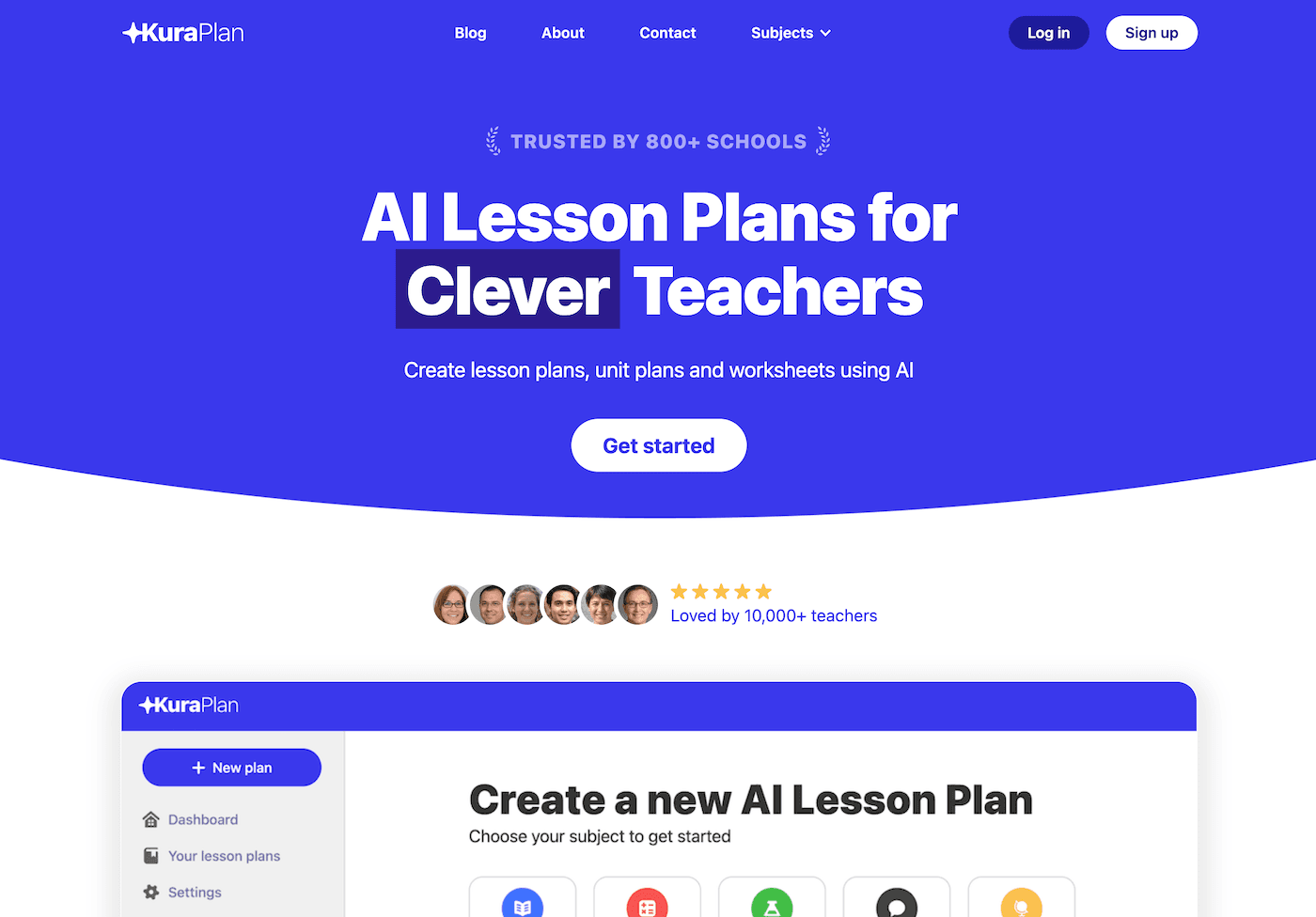
4. Gradescope — Theme-Based Feedback, Not Red Pen Roulette
Fifty essays, one exhausted teacher—that was my life, until I started batch-feedback grading with Gradescope. The AI clusters similar answers and helps me write feedback by pattern, not by page. I now spend time sifting themes: "Your evidence is creative but needs clearer connections," "Too much summary, more analysis here." Students read class-wide patterns before pulling up individual notes. We spend class time reflecting on trends (“What got better, what stayed flat?”) instead of just hunting for grades. The win? I finally have energy for personalized feedback—on outliers and excellent work—without drowning in repetition.
Try Gradescope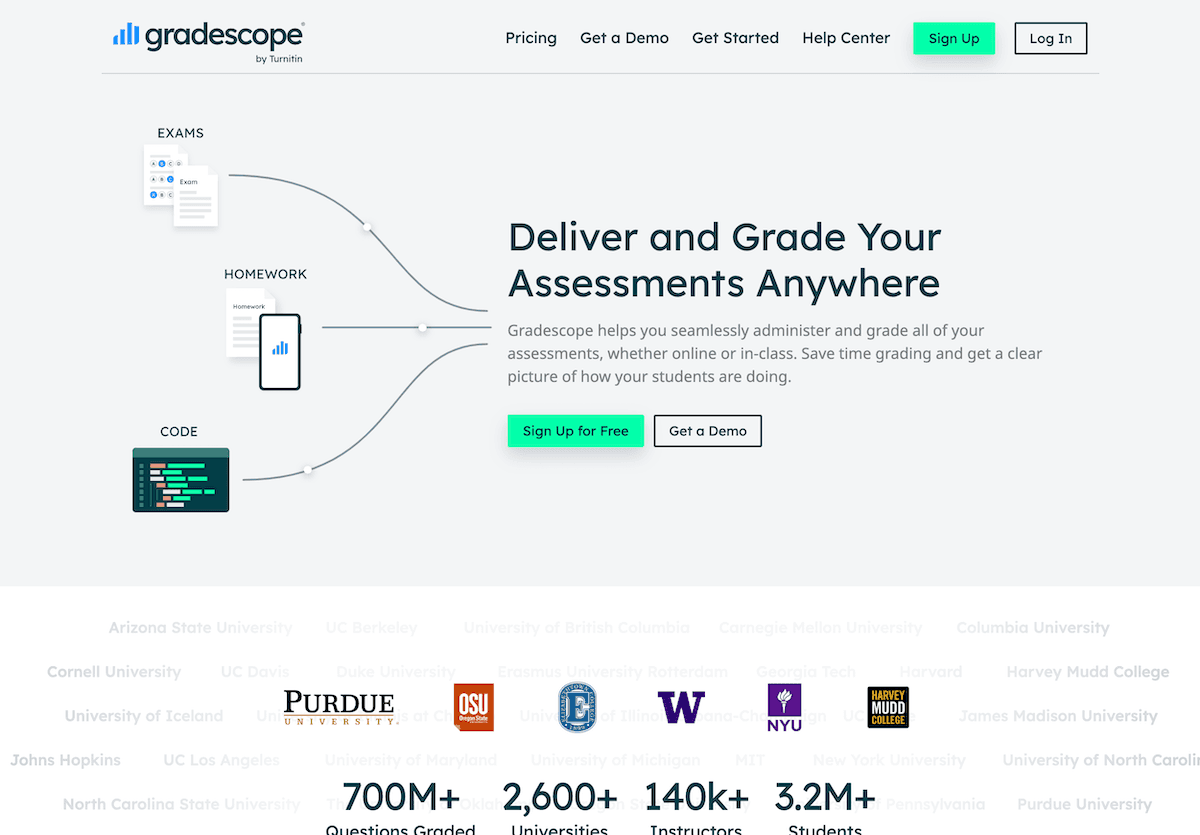
5. Conker — Peer Feedback Prompts Students Actually Use
Let’s be honest: peer assessment slips turn into "looks fine" unless you scaffold discussion. With Conker, I build genuinely voicey prompts into peer feedback—"Where did you disagree?", "What surprised you in this draft?", “Which line made you want to steal this idea?” The tool helps auto-generate checklists and reflection cards that students compete to answer—for real talk, not just box-checking. Results? More playful critique, less peer drama, and peer review that’s actually worth reading. I let my students co-author two new prompts every cycle.
Try Conker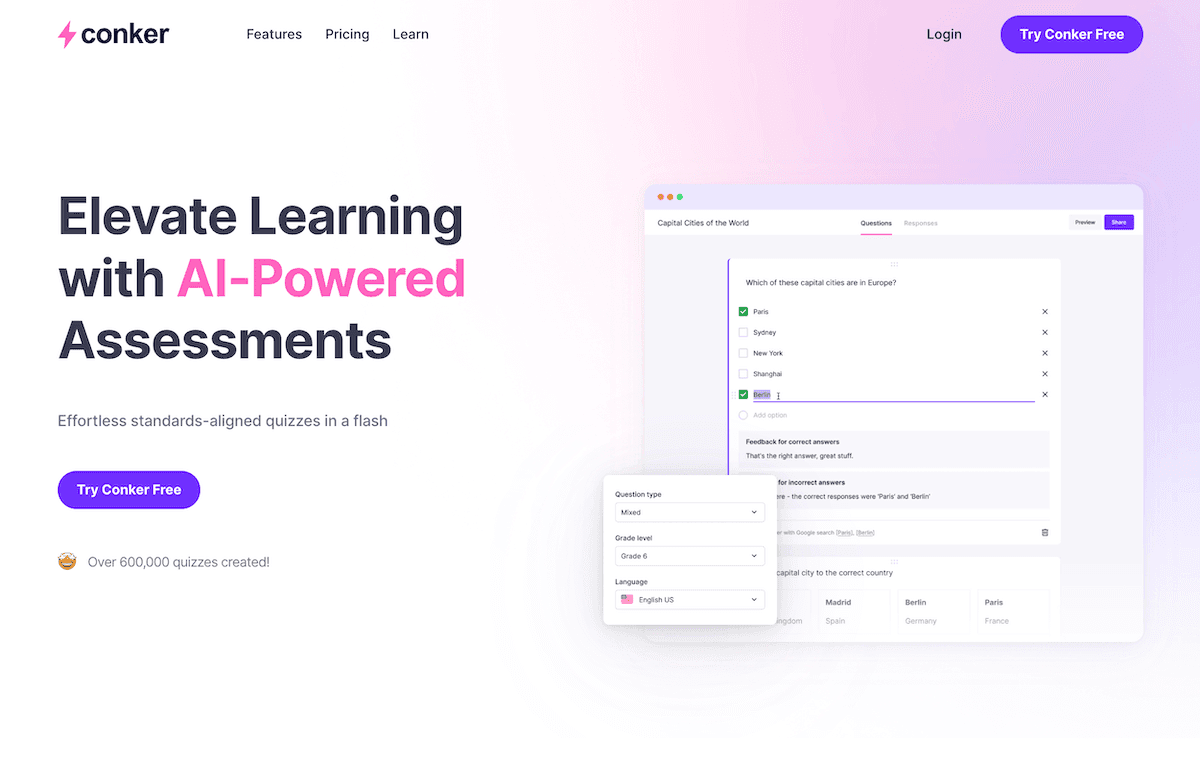
6. Suno AI — Ritualizing Feedback, Making it Celebratory
Feedback rituals should build culture, not stress. After big gallery walks, project launches, or revision rounds, my class crowd-sources Suno prompts: "Anthem for Peer Review Survivors," “Chant for the Drafts that Grew,” "Victory Lap for Risk-Takers." Suno spins out custom tracks, and we share rituals that mark feedback as both celebration and reset. It’s a light touch, but every class now leaves critique humming—not dreading what’s next. I archive best anthems in a “feedback playlist” we replay at showcase nights.
Try Suno AI
Honest Advice for Teachers Who Want Feedback That Matters
- Make feedback visible: Use Gamma and Jungle to put reflection, critique, and peer learning at the heart of the public learning journey—no more „invisible improvement.”
- Design for cycles, not conclusions: Peer review, self-eval, and checkpoint feedback are strongest as milestones, not last-ditch interventions.
- Let students drive the process: The best feedback culture is built when prompts, games, and even rituals come from the class.
- Celebrate as much as you critique: Suno and Conker are your best tools for making reflection joyful, not just another job.
- Never let the AI own the critique: The best tools support and amplify, but never substitute for genuine teacher and peer insight.
Are you a teacher who’s got an AI workflow, ritual, or reflection hack that turned your feedback cycle on its head? Share below. The future of learning is collaborative, visible, and much more than the sum of the red ink.