AI Tools for Teachers Who Aren't Afraid to Break the Rules
If you've ever scrapped a lesson plan on the fly, turned a "no phones" policy into a research adventure, or said yes to a wild student proposal even when your admin might cringe—this one's for you. Some teachers love the security of routines; the rest of us find magic in creative chaos, improvisation, and refusing to let our classroom get stale. But let's face it: true experimentation can be draining (so. much. paperwork.), and most teacher AI advice reads like a how-to for playing it safe.
This year, I went all-in on trying AI tools that actually supported my out-of-bounds classroom—from guerrilla cross-curricular projects to real-time debates on current events, to late-night pivots when student voice changed everything. Below are the five AI helpers that made my "rules-are-meant-to-be-broken" approach sustainable. Spoiler:
Try Kuraplan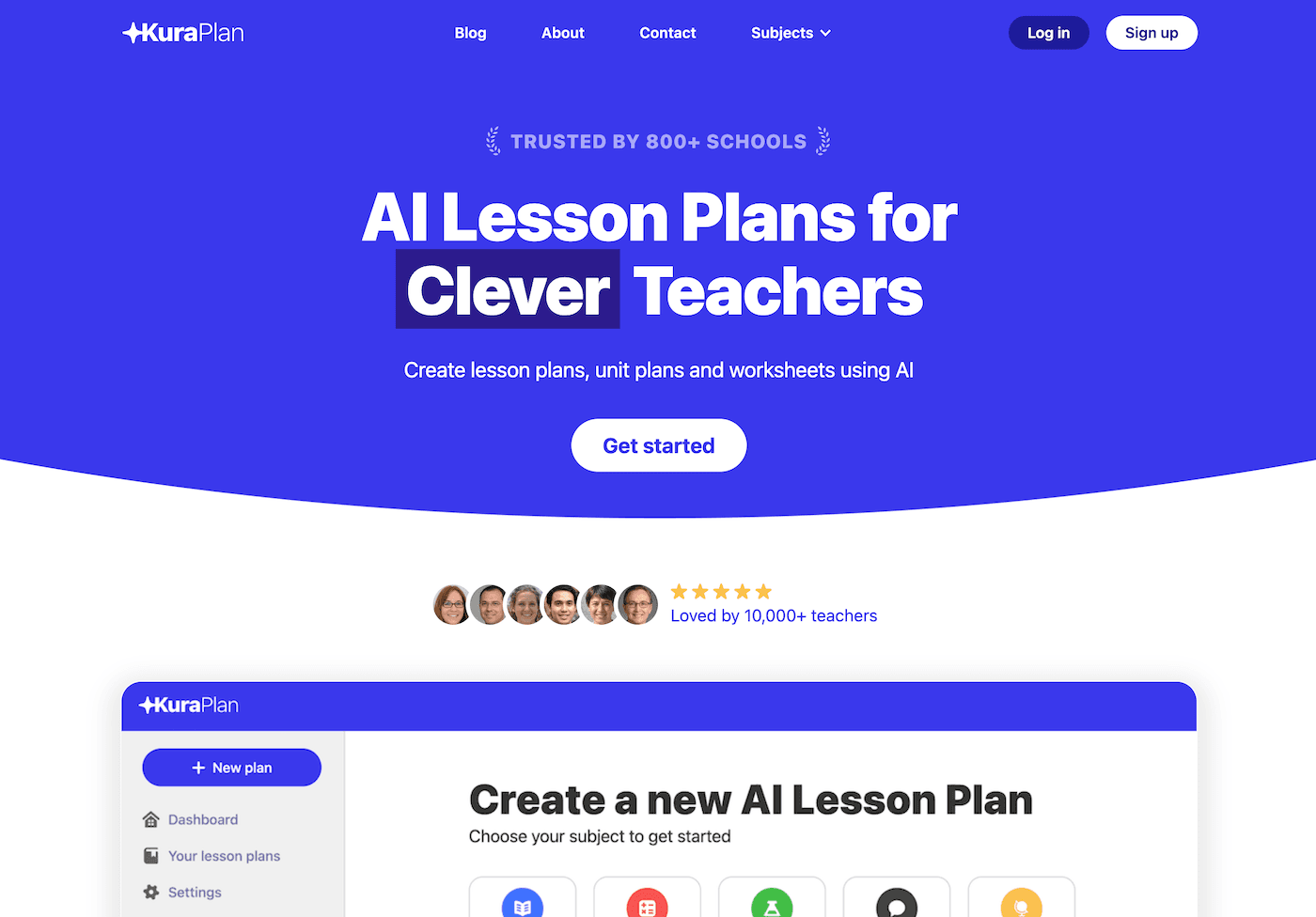
is in here (not first!), but only because it's the rare planning tool that doesn't punish you for coloring outside the lines. Use these to rescue your classroom from the well-trodden path, embrace learning detours, or just keep your own curiosity alive.
1. Notebook LM – Turn Class Chaos into Tangible Learning
Every nonconformist teacher knows the heartbreak of sticky notes, wild brainstorms, and peer debates slipping through the cracks ("where did we even put that great idea from March?"). Notebook LM is my catch-all solution: Instead of forcing neat outlines, we feed everything—messy notes, failed hypotheses, half-baked student proposals—into one living notebook. The AI surfaces connections, generates podcast scripts from raw class debates, and spotlights the "side quests" that would normally disappear. We now end units with student-produced "Behind the Chaos" podcasts—proving to admin (and ourselves) that the learning journey matters more than the tidy result.
Try Notebook LM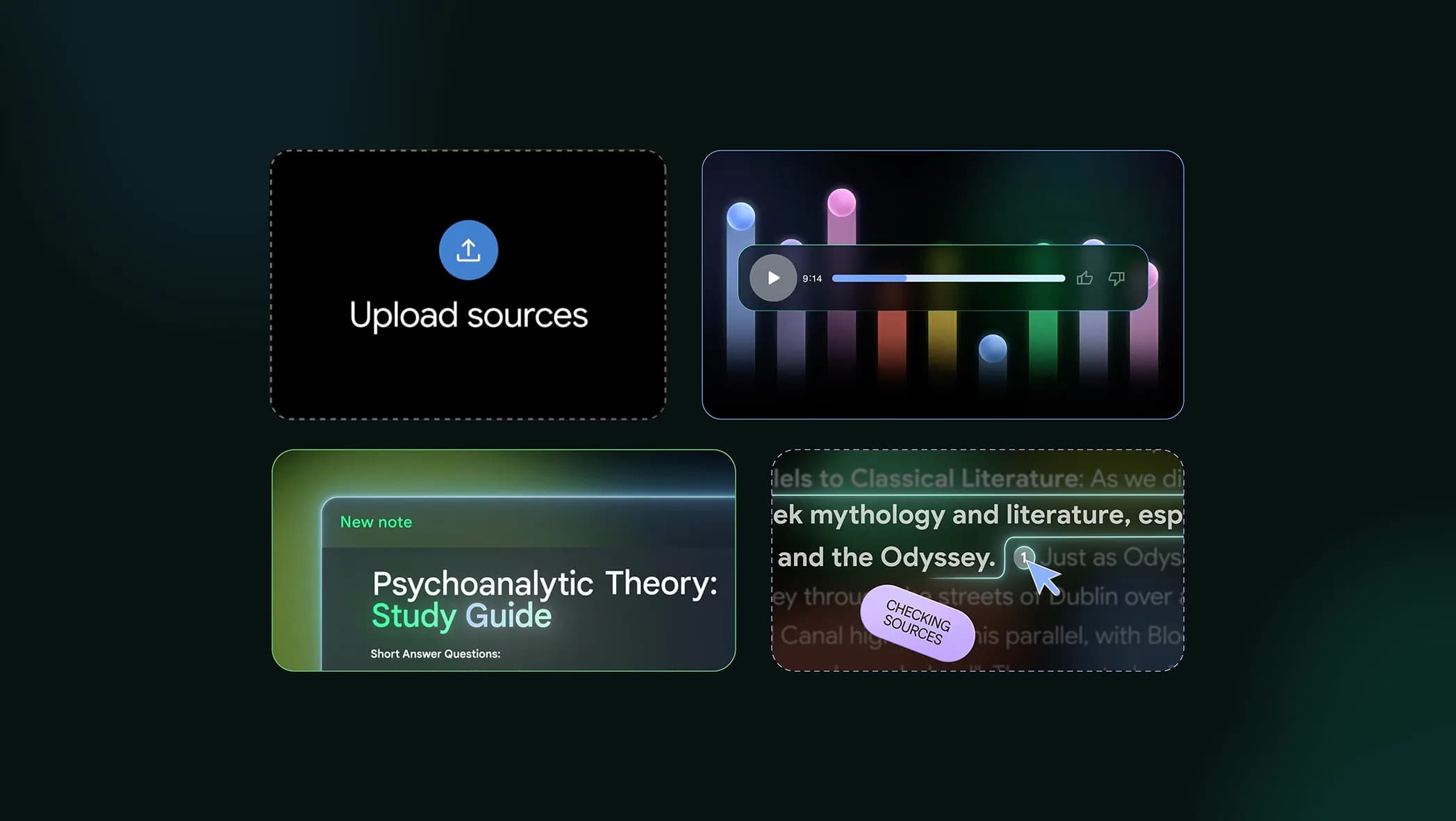
2. Jungle – Let Students Write (and Rewrite) the Rules
Instead of dictating assignments or review topics, I hand students the Jungle keys. Each week, they propose peer flashcards, "trap questions," or rubric criteria based on what they wish a test measured—or the blind spots they think no textbook covers. Jungle instantly turns this democratic pile into engaging quiz rounds or reflection games—all with 90% less teacher prep. My favorite twist: We create "rule-breaker decks" where students design revision challenges you’d never see on a state exam, then argue whether they should count. Assessment, but with rebellion—and real buy-in.
Try Jungle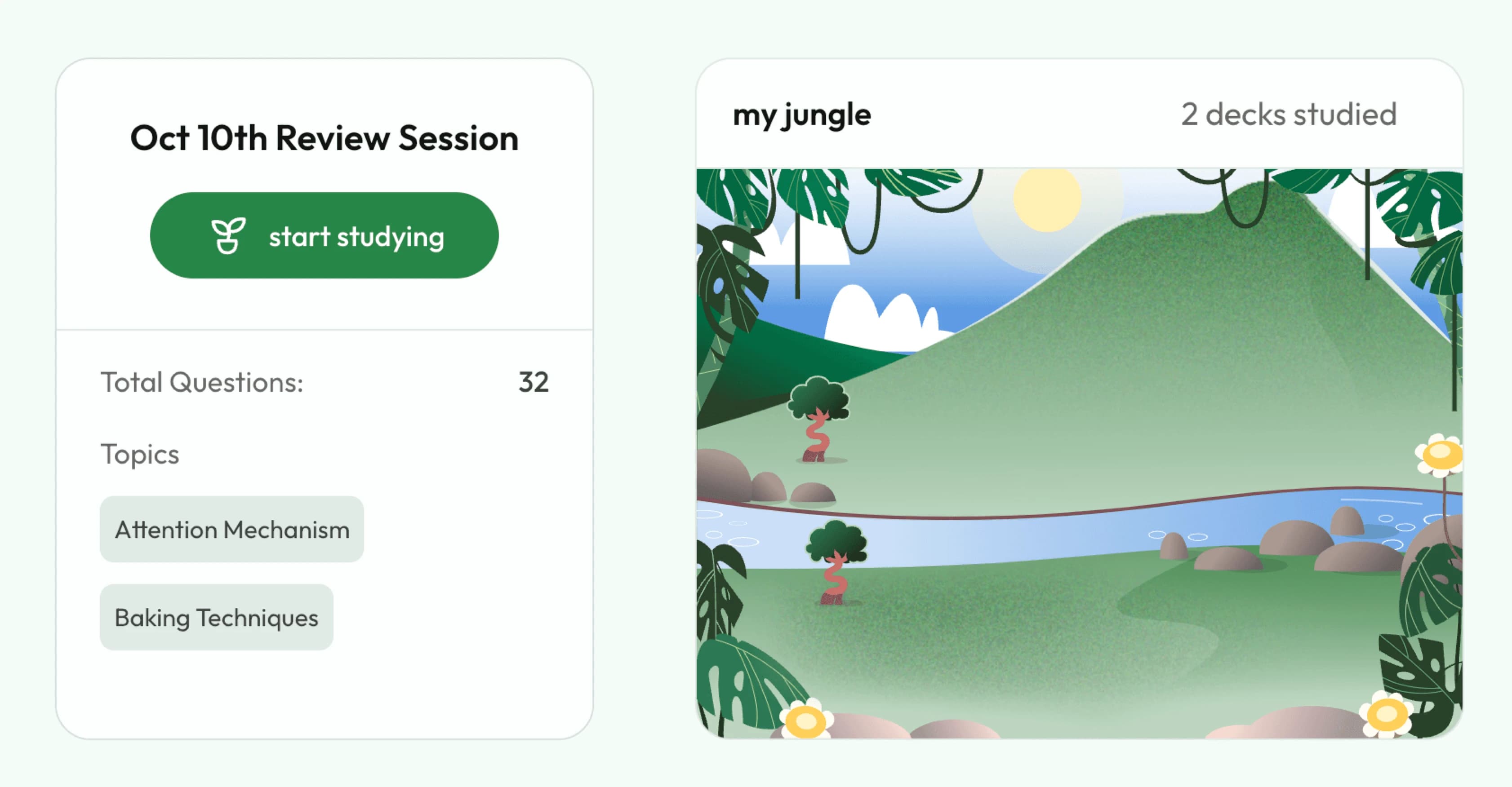
3. Kuraplan – Chaos-Proof Backbones for Unscripted Units
Okay, confession: I ignored planning AI for ages ( "Why would an algorithm get my teaching style?" ). But when my class wanted to merge climate science, protest music, and a community mural, I tossed our wishlist into Kuraplan—not for a day-to-day script, but for a big-picture backbone. It gave us milestones, communication check-ins, and reminders to document the process, while letting us remix every phase as our project evolved. Now, when my principal asks for a plan, I show her the Kuraplan draft with the "student re-edit" notes (they love that). It's improv with just enough safety net that we get to break more rules, not less.
Try Kuraplan4. People AI – Host Real World (or Imagined) Debates—Instantly
Sometimes your guest speaker cancels, your current event is too new for any guidebook, or your students want to debate "ghosts of history" no textbook covers. People AI is my go-to for staging anarchic panels: students invent their own figures (a "future activist," the true author of Beowulf, next year’s school superintendent), feed them background, then facilitate unscripted Q&As. The AI responds with personality and nuance—often challenging students in ways I wouldn't have scripted. Our crowning moment? A Socratic duel between a fictional TikTok historian and a 19th-century railroad magnate about information bias. Try this for breaking, bending, or just expanding the bounds of curriculum.
Try People AI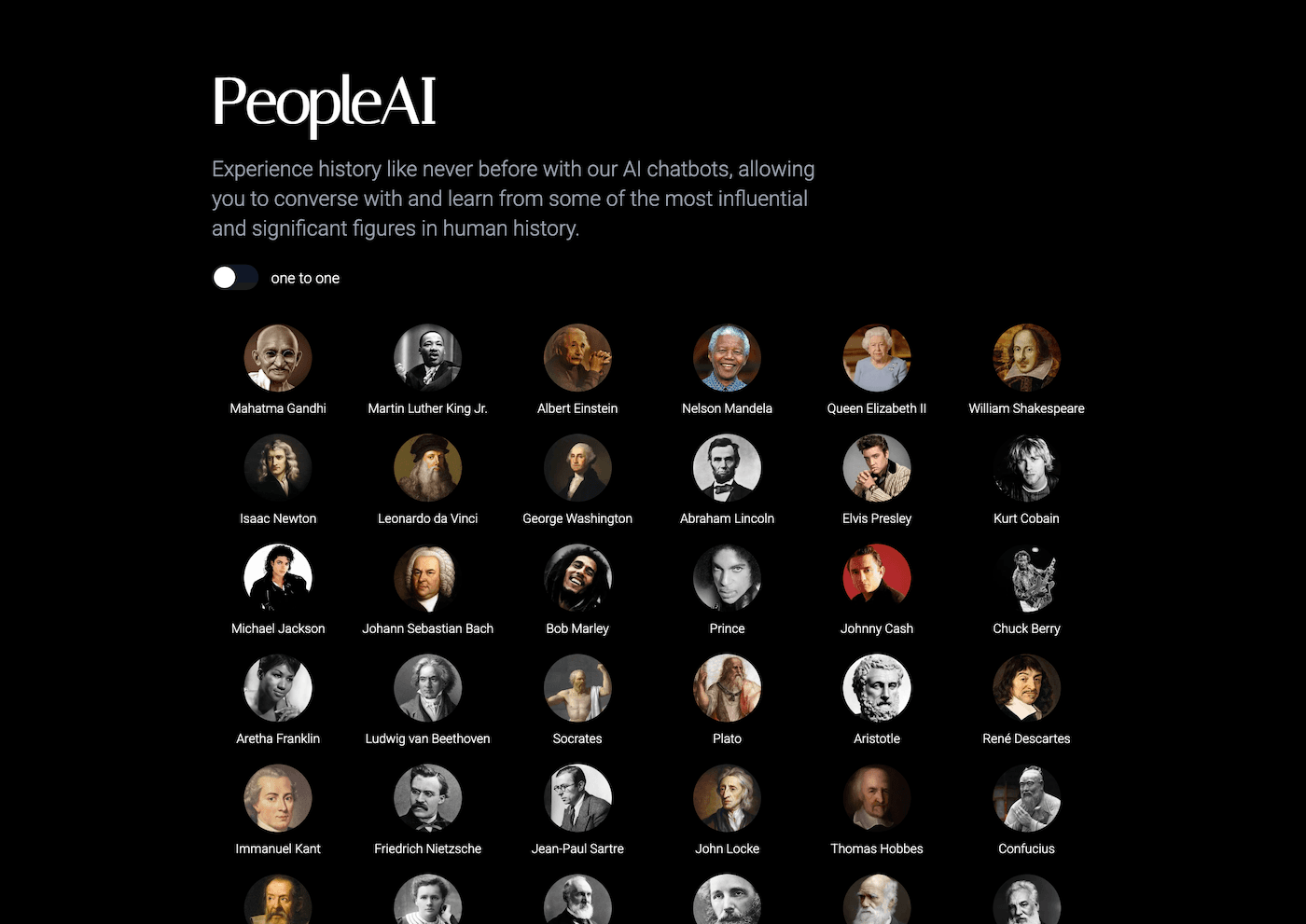
5. Suno AI – Music and Rituals for Rejecting Routine
Routine dulls even creative classrooms. This year, every time my students said, "Do we have to...?", we let them script their own alternative: prompt Suno AI to write "Monday resistance anthems," "debate warm-up raps," or "fail loudly" transition jingles. Suno spits out original, classroom-friendly tracks we actually want to use—sometimes serious, often silly, always our own. We've produced (and performed!) songs about cheating, dystopian futures, and why "the rules" never fit every kid. Turn your class culture into something that celebrates the surprises—and make callbacks to your favorite songs a core part of group identity.
Try Suno AI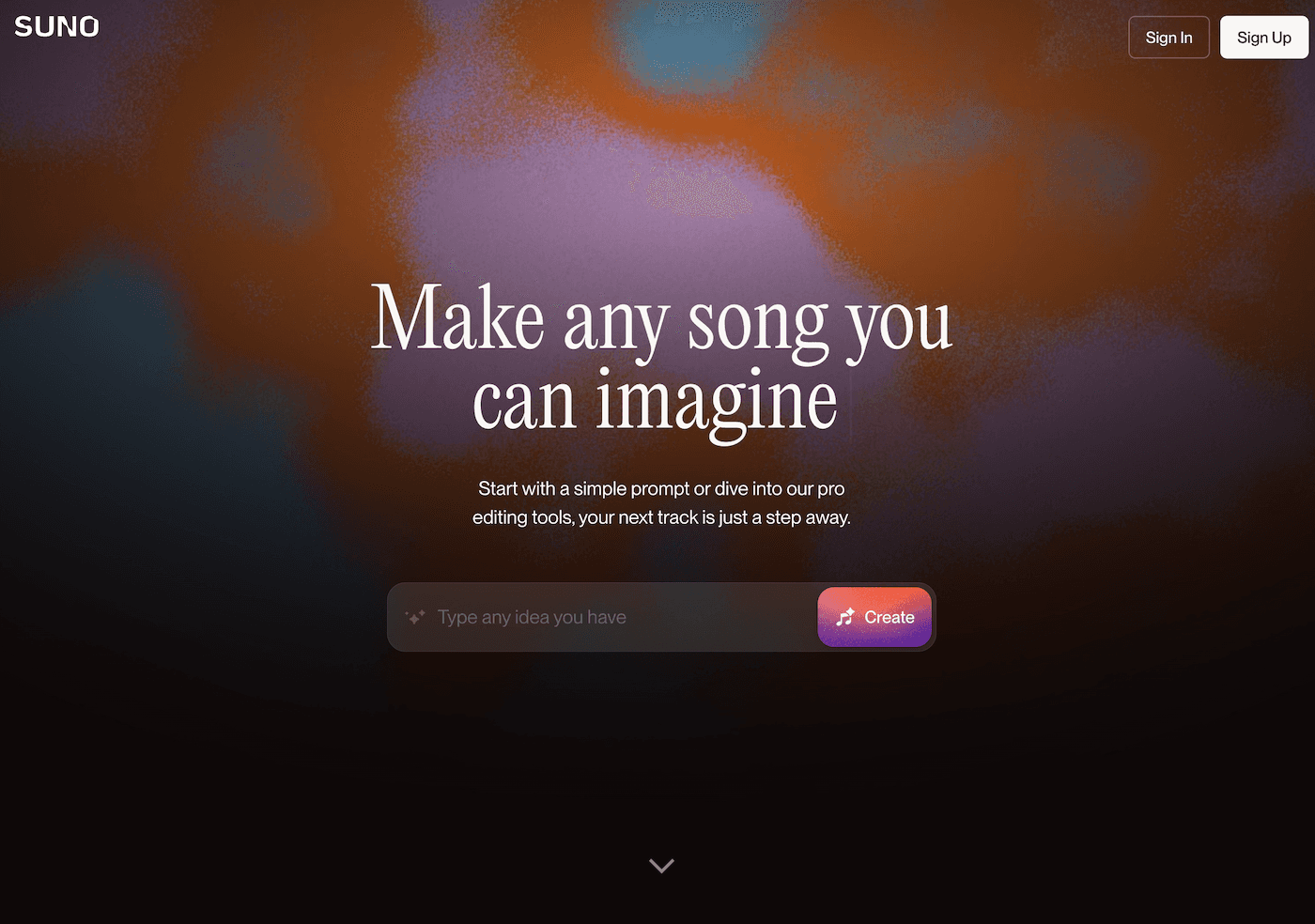
For Every Teacher Who’s Tired of Playing It Safe
- Start with your classroom’s wildest workflow: Podcasts, student-authored rubrics, unscripted community projects—AI is there to amplify, not tame, what makes your teaching unique.
- Let students co-drive every tool: Most of my best surprises came from kids reimagining rubrics, inputs, or feedback structures the AI provided (and sometimes told me when the bot was wrong!).
- If a tool boxes you in—ditch it. Anything that doesn't empower the "weird lesson" or the "what if..." moment isn’t built for your style.
Are you a teacher who breaks routines—on purpose? Got an AI hack that celebrates the offbeat, the tangential, or the unplanned? Drop your best workflow or chaos-conquering story in the comments. Let's swap tricks for keeping our classrooms wild, risky, and the most memorable space in the building—no matter what the latest rulebook says.