6 Surprising AI Tools for Self-Paced Classrooms
When I first started experimenting with true self-paced learning—open deadlines, student-set check-ins, flexible project menus—I expected chaos. Instead, I found student agency, deeper reflection, and (with the right scaffolding) a more joyful, equitable class. But honestly? I spent the first year fighting a million micro-hurdles: tracking who was where, keeping late starters engaged, and finding resources for learners zipping ahead or lagging behind. That’s where the right AI tools rescued my workflow—without making my class feel like a worksheet factory.
Below are six very real, off-the-beaten-path tools that helped my students not only go at their own pace, but own their rhythm, reflect honestly, and get the feedback they needed (without drowning me in checklists). These aren’t the usual suspects, are road-tested, and (yes) I mention
Try Kuraplan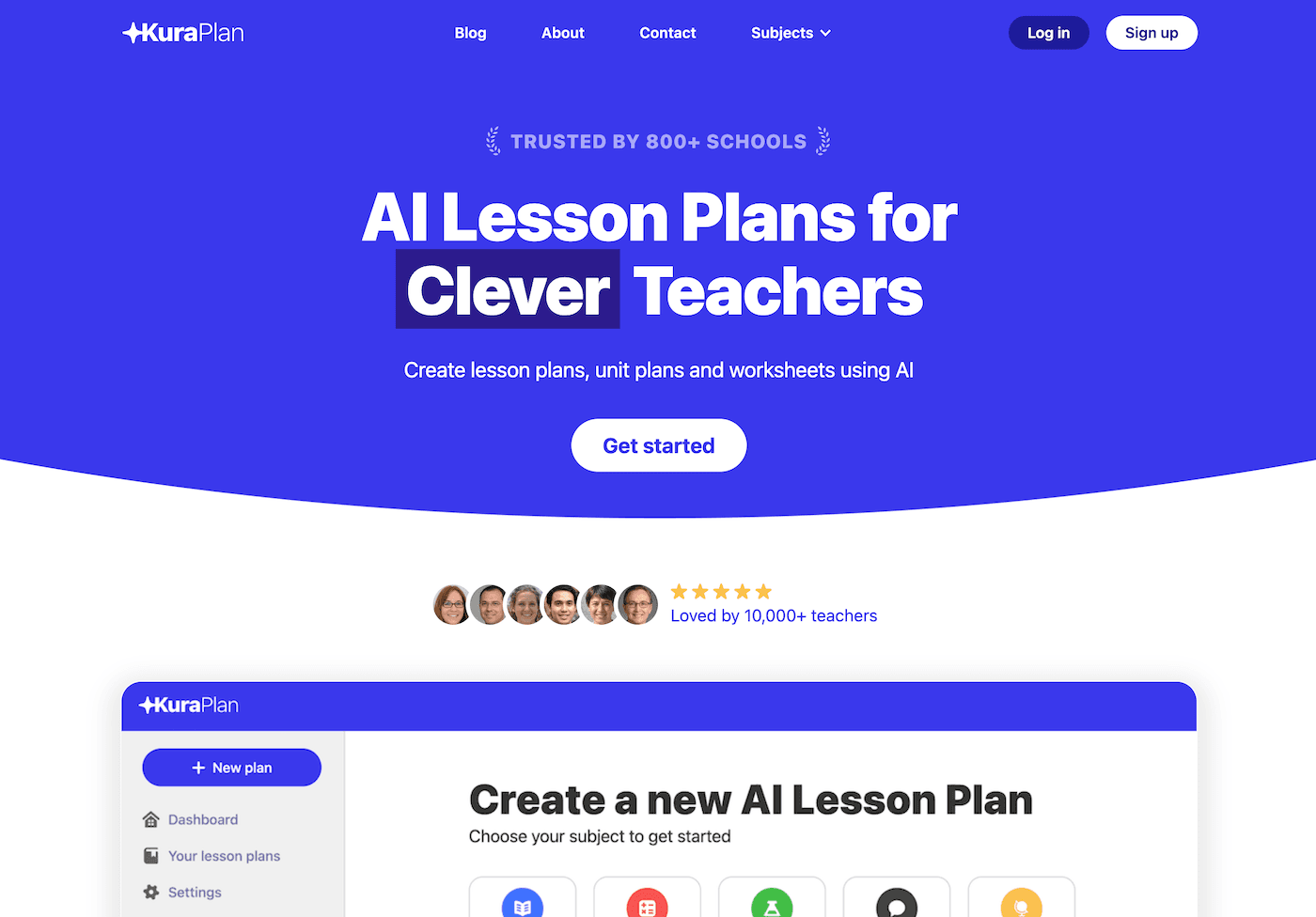
, because you simply need invisible guardrails. If you’re eyeing a blended, mastery, or project-based class for 2025—here’s how to help every student navigate the freedom and the friction of self-pacing.
1. Gamma — Dynamic Progress Maps, Not Static Slides
Standard progress charts die by September. Gamma changed my rhythm: each Friday, students drag evidence of what they’ve done—a draft, a picture of a group discussion, a voice note reaction—into a Gamma board. It transforms into a living, visual map of progress unique to every path. Groups annotate key detours ("stuck here for two weeks!"), document pivots, and add memes for moments of classwide chaos. Admin or family can see effort and growth, not just what’s “done.” Most powerful? Quiet students use it to signal where they’re thriving—or need a nudge—without dozens of "How’s it going?" check-ins from me.
Try Gamma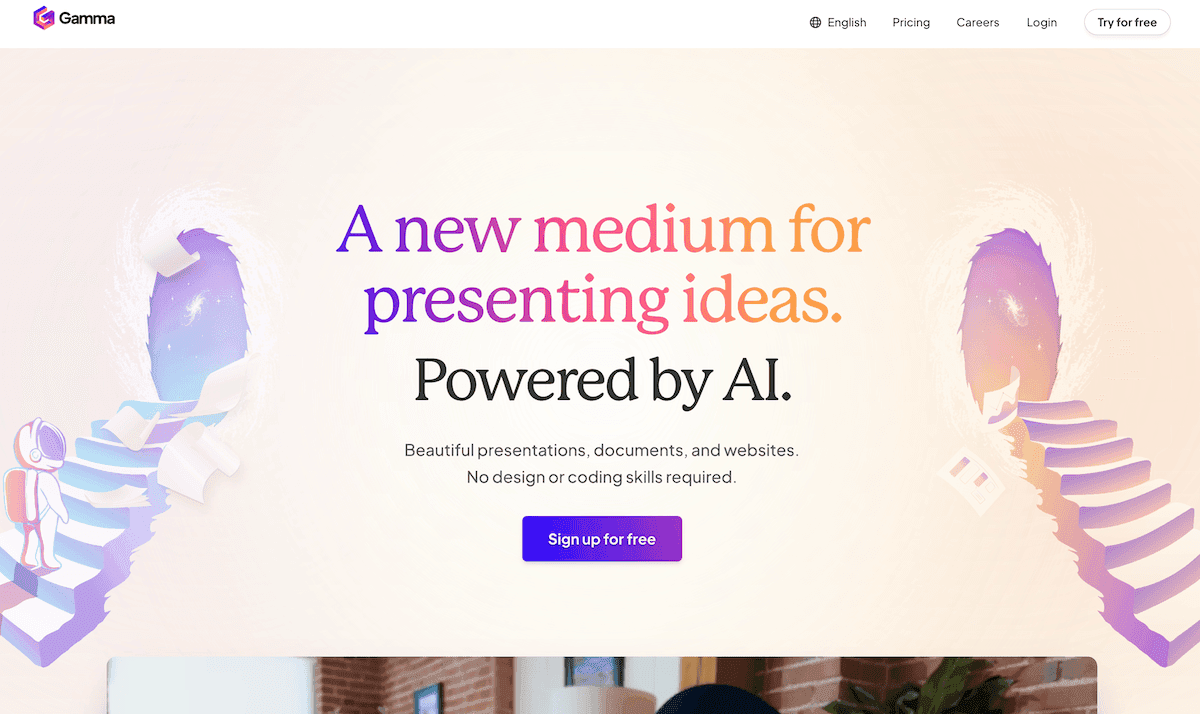
2. Kuraplan — Blueprints, Not Speed Traps
Forget the pressure to lock everyone into the same calendar. When I roll out a self-paced project ("Build a TED-style talk, research a local issue, or curate an anthology"), I open up Kuraplan. I lay out a loose backbone: key checkpoints, reflection windows, and "optional accelerator" deadlines for early finishers. The magic: students co-edit their route, insert mini-deadlines, and mark their own "pause for feedback" days. I check-in not to enforce, but to help students plan smarter—no more bottleneck on my desk. Kuraplan works for me precisely because I use it as group scaffolding, not a one-size timer—let your workflow be flexible, and your class will meet you there.
Try Kuraplan3. Diffit — Scaffold Every Resource for Pace and Ability
Every mastery or open-pacing class quickly turns into a wild mix of reading levels. Diffit became my universal passport: whenever a student or group picked a podcast, news article, or even a peer’s story, we pasted it into Diffit and instantly got versions leveled to that learner’s needs, with built-in questions and vocab. Suddenly, students moving ahead weren’t penalized with "busy work"—they could choose a deeper, richer resource, while those catching up never hit a brick wall. Bonus: building a choice board with Diffit means nobody gets stuck, ever.
Try Diffit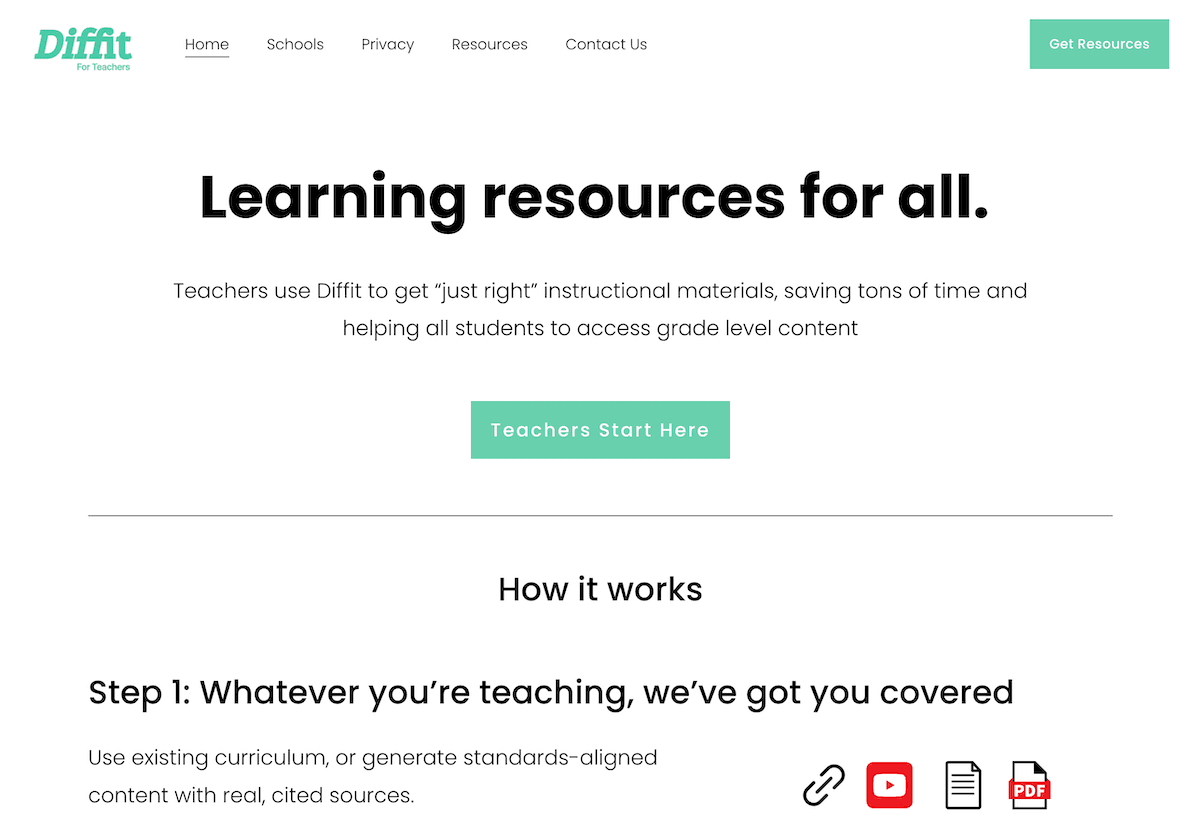
4. Jungle — Own-Your-Pace Check-Ins & Peer Reviews
Progress trackers and “turn it in when ready” checklists—useless if students only check off boxes. Jungle gave my class a feedback ritual that was both honest and low pressure: each time a student hit a milestone, they created a flashcard with (a) their biggest win, (b) current struggle, and (c) a “challenge” for the next peer who’d reach that step. Jungle’s AI grouped these cards for the next round—each student found advice, mistake-warnings, or encouragement when they needed it most. Review is peer-driven, dynamic, and (most importantly for self-paced classrooms) constantly evolving.
Try Jungle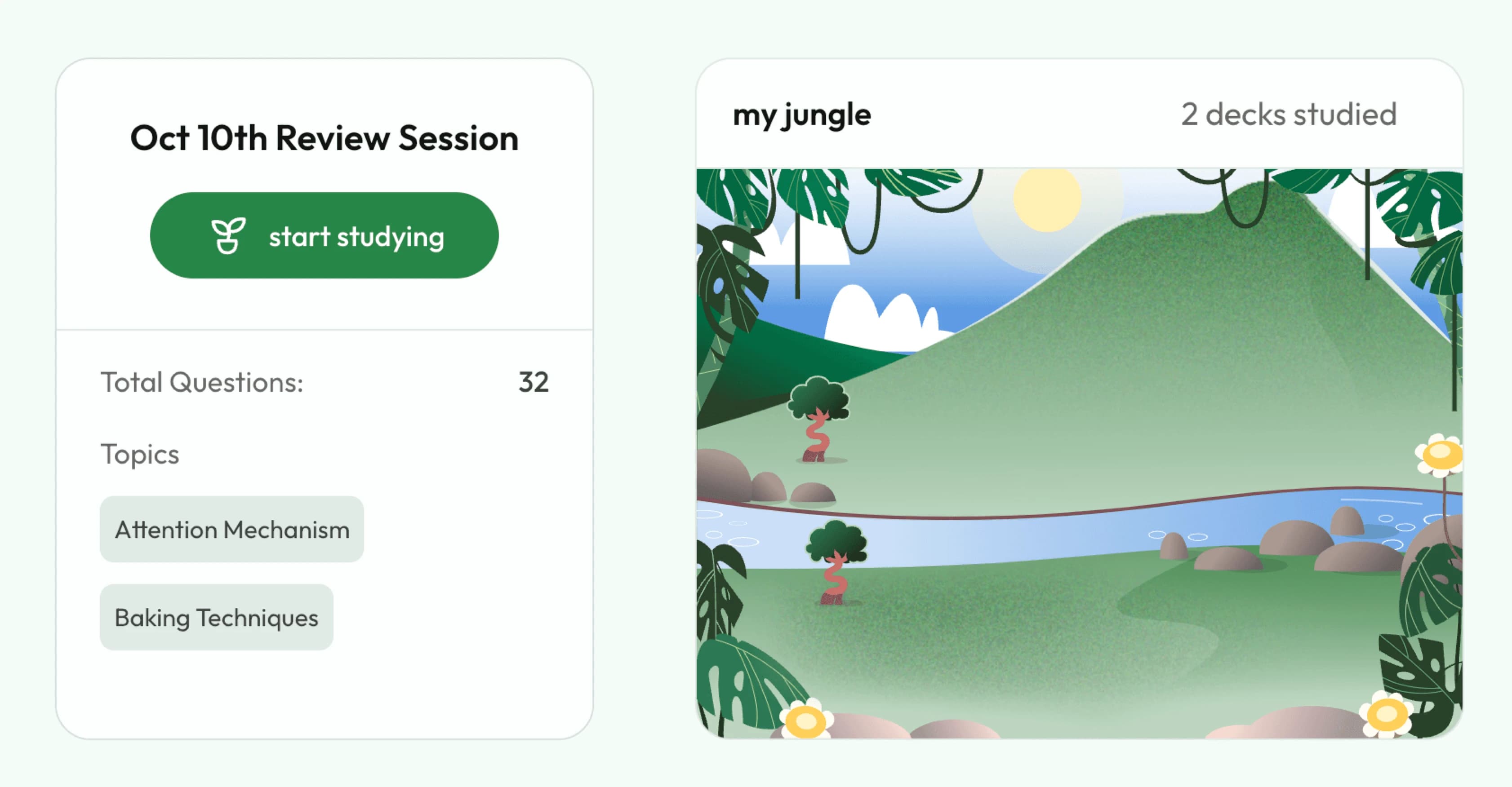
5. Notebook LM — Asynchronous Reflection Forums That Don’t Die
Peer discussion travels at the speed of the fastest typists. Notebook LM kept all of my students’ questions, group breakthroughs, recorded debates, and “aha” moments in one shared notebook—sorted, themed, and remixed by the AI. Want to see what you missed while you were absent, or pick up a thread from two weeks ago for your portfolio? Notebook LM’s search and Q&A forum made sure no idea—no matter when it happened—got left behind. When students had to pause or restart, they could “catch up” on learning, not just with my recap, but with each other’s archived discoveries, all in their own words.
Try Notebook LM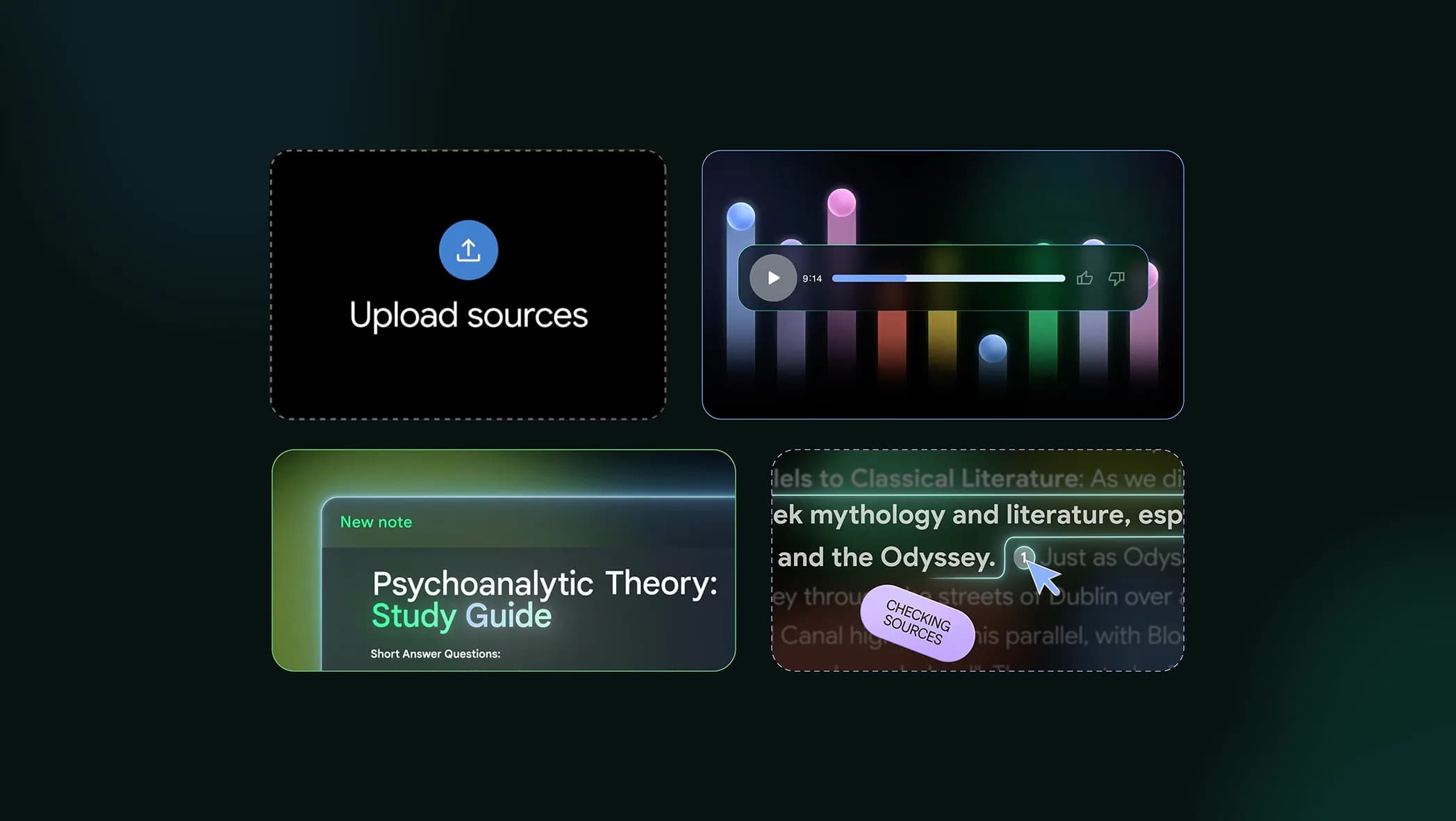
6. Suno AI — Rituals and Reset Points for the Whole Class
The hardest part of self-paced learning? Cohesion. Suno solved the energy gaps: after each checkpoint or week, we crowdsourced a theme (“Anthem for catching up,” “Song for surviving a messy week,” "Go slow, go strong"). Suno built classroom-ready anthems everyone played after a long work block, at class openings, or as closure. This became my secret hack for pulling the room back together, helping late-finishers feel seen instead of shamed, and giving early finishers something to celebrate without racing ahead. Never underestimate the culture (and group momentum) that comes from a shared song at just the right moment.
Try Suno AI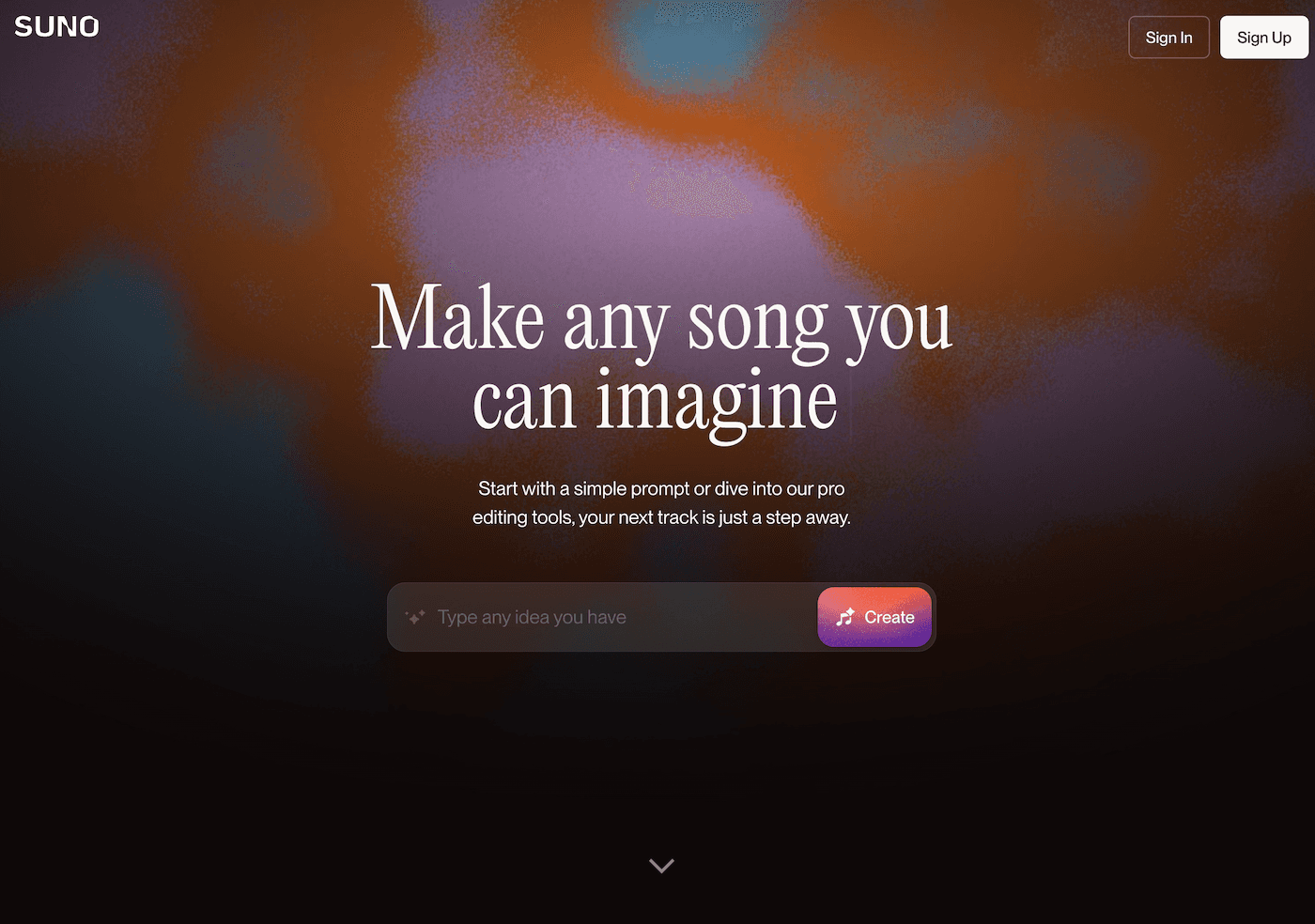
Honest Tips for the Self-Paced (and Self-Doubting) Teacher
- Archive everything—Gamma and Notebook LM are your living memory, so every student can revisit the class journey.
- Scaffold and celebrate, don’t surveil—Kuraplan and Jungle make the learning transparent, not punitive.
- Put differentiation in your students’ hands—let Diffit and Jungle be their resource and review toolkit.
- Never skip rituals—Suno music and checkpoint celebrations build unity you’ll need to sustain students when things feel “on your own.”
Are you running a self-paced class—or dreaming of launching one in 2025? Share your favorite AI hack, checkpoint ritual, or tool-powered workflow below. Flexibility, reflection, and student ownership don’t have to mean chaos—if you choose the right sidekicks.