6 AI Tools for Teachers Who Love Spontaneous Creativity
If you’re the kind of teacher who can’t resist chasing a “what if…?” mid-lesson, who builds your best units from hallway conversations, or who changes tomorrow’s plan during pencil duty, this post is for you. The truth? Our most memorable classroom moments usually arrive unscripted—a student’s spark, a viral news story, or the energy of a snow day pivot. And while most AI for teachers promises more structure and routine, what creative classrooms actually need is support for the brave, unpredictable improv that marks real learning.
This year, I set out to hunt down AI tools that help teachers embrace the unscripted—apps that don’t box you in, but amplify those off-road detours that spark student ownership and joy. After a year of experiment (and plenty of mess), here’s a toolkit for anyone who thrives on creative pivots, not preset slideshows. Yes, you’ll spot Kuraplan (my go-to for editable maps), but every entry here is chosen with one measure: will this tool help me say YES more often?
1. Gamma — Storyboarding Wild Ideas, Not Just Lessons
Every creative teacher knows the pain: the most electric brainstorm happens after you’ve finished “the lesson” for admin…and now the doc is a mess. Gamma changed my game. When a student concept sketch turns wild, or a debate veers into science fiction, I slap everything—photos, sticky notes, memes, even whiteboard scans—into Gamma. Instantly, students and I build a visual timeline showing (and celebrating!) our detours, group pivots, and even those “didn’t finish” moments. We edit our boards, project them for admin, and use them to launch the next pivot. Best of all, students add their own voice—classroom history is now a living, shareable story, not a checklist.
Try Gamma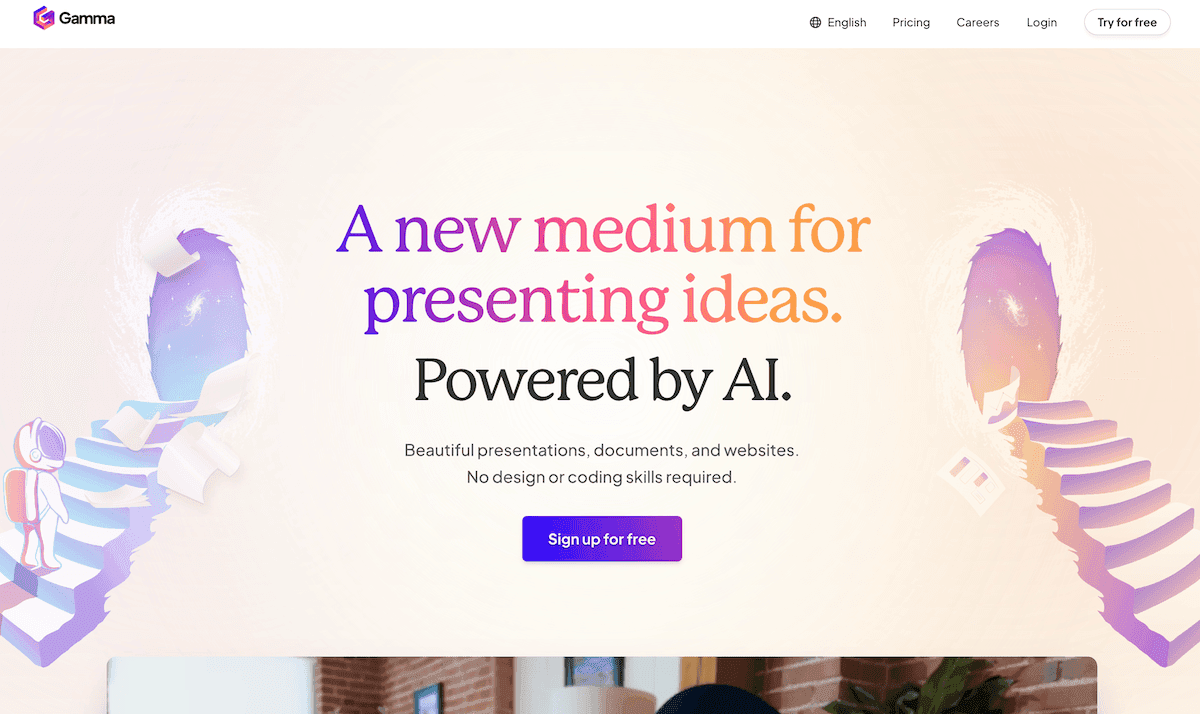
2. Kuraplan — Blueprints On the Fly for Sudden Detours
Confession: most planners frustrate me when new ideas hit. Kuraplan finally became useful for in-the-moment mapping. When a student wants to run an election simulation, or we crowdsource a hackathon during advisory, I enter our new plan, must-hit requirements (hey, standards still rule!), and let Kuraplan draft a loose sequence: checkpoints, deadlines, “reflection day” placeholders. I always display Kuraplan as a living map so my class can edit as we go—shifting dates, inserting new projects, and deleting “what now feels irrelevant.” The real win? When chaos is visible, everyone relaxes—we have a route, but the doors stay unlocked.
Try Kuraplan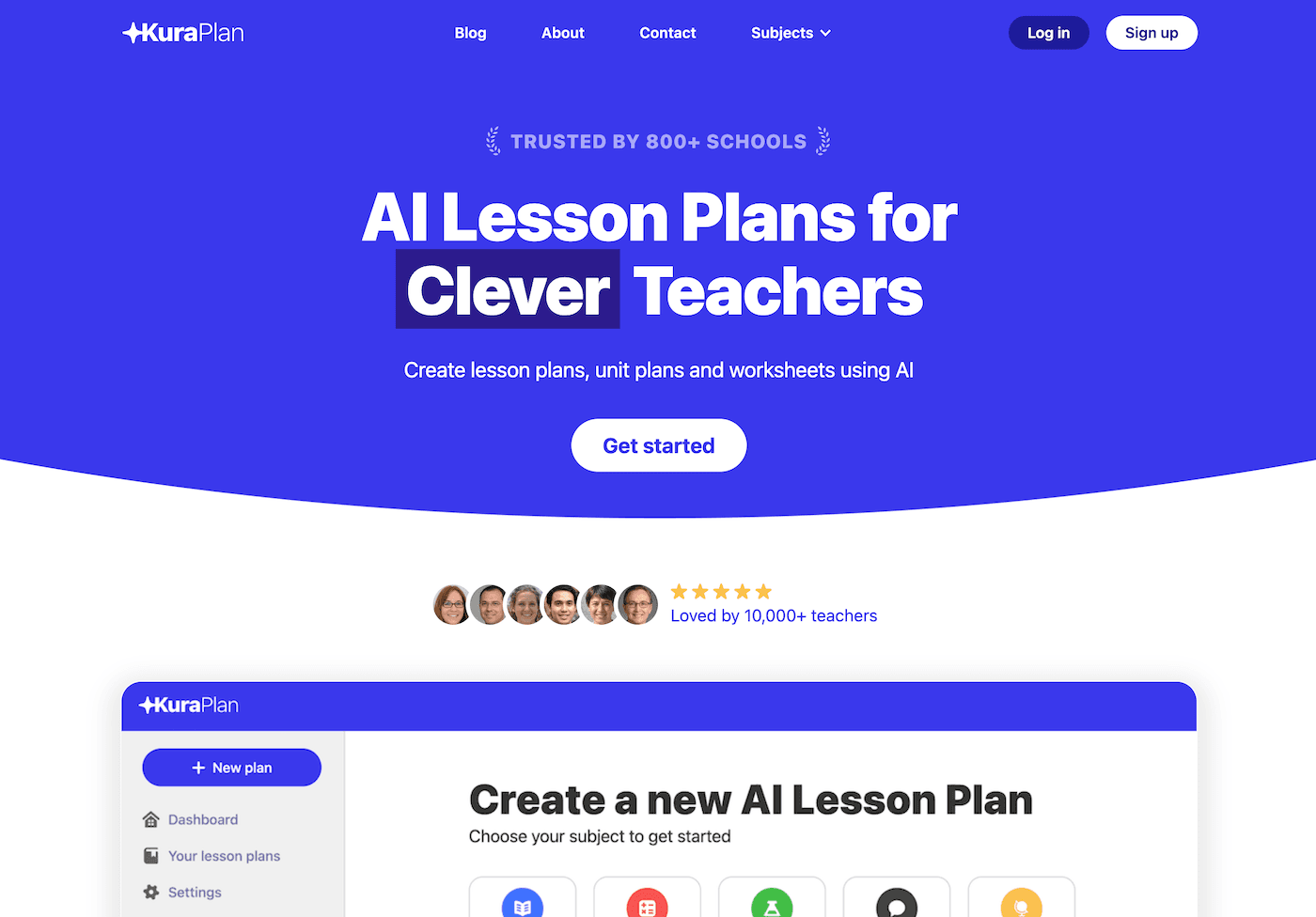
3. Diffit — Instant Adaptation for Whatever Kids Discover
Spontaneity means your class relies on whatever article, podcast, or Twitter thread a student throws at the group. Diffit is now my go-to tool: paste in anything (news, transcript, wiki oddity) and instantly get three reading levels, vocabulary lists, and creative thinking questions. No more “maybe next week,” and no embarrassed stragglers. My favorite workflow: after the class picks a trending resource, groups remix Diffit packs for their level, and we compare how content shifts as it’s scaffolded. Now, differentiation is empowering, not more late-night prep for me.
Try Diffit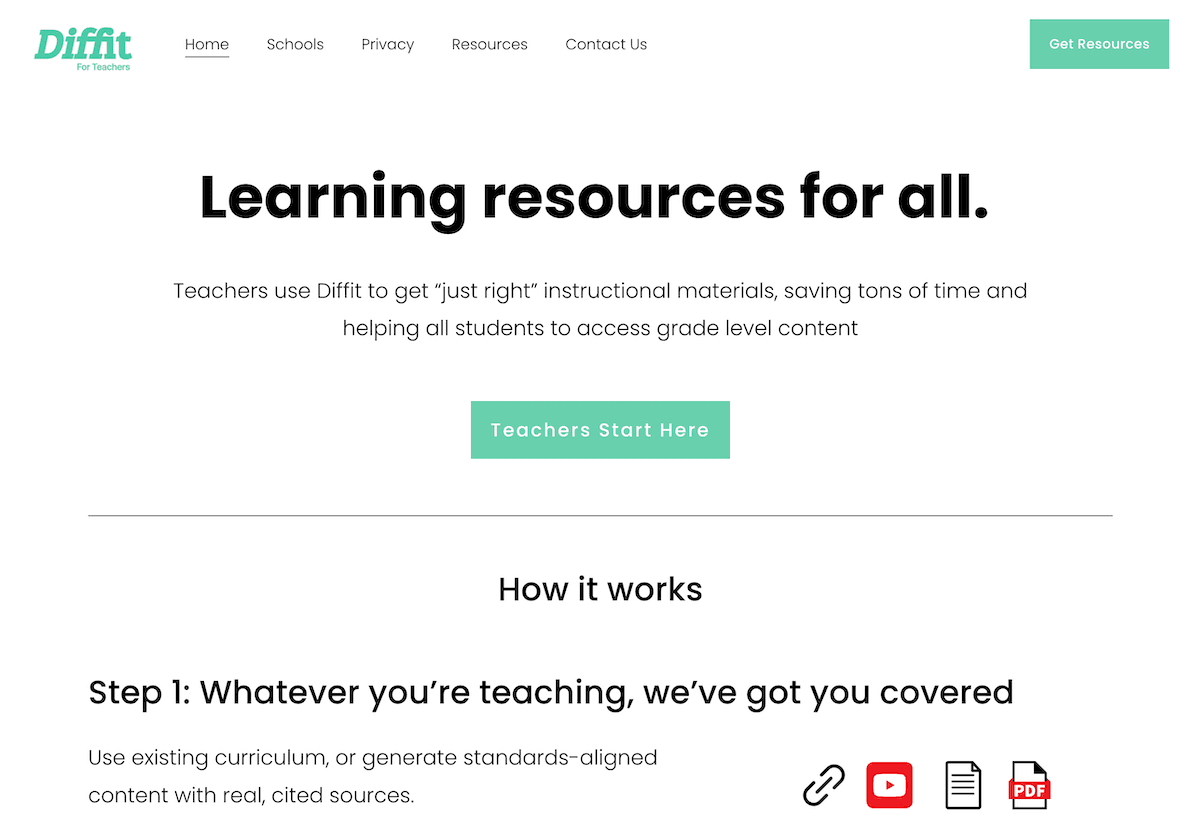
4. Notebook LM — Your Class Improv Studio & Archive
What’s sadder than a brilliant student question lost at 2:43pm? This year, everything—off-the-cuff debates, hallway brainstorms, group mindmaps, and voice memos—went into a shared Notebook LM. The AI clusters recurring themes, makes connections between random pivots, and even drafts podcast or reflection Q&A scripts. My best ritual? We open every Friday by “replaying” our wildest moments—crowdsourcing new project launches from the history living in Notebook LM. Kids now see their own creative DNA shaping the year’s learning. Complete anti-rut energy.
Try Notebook LM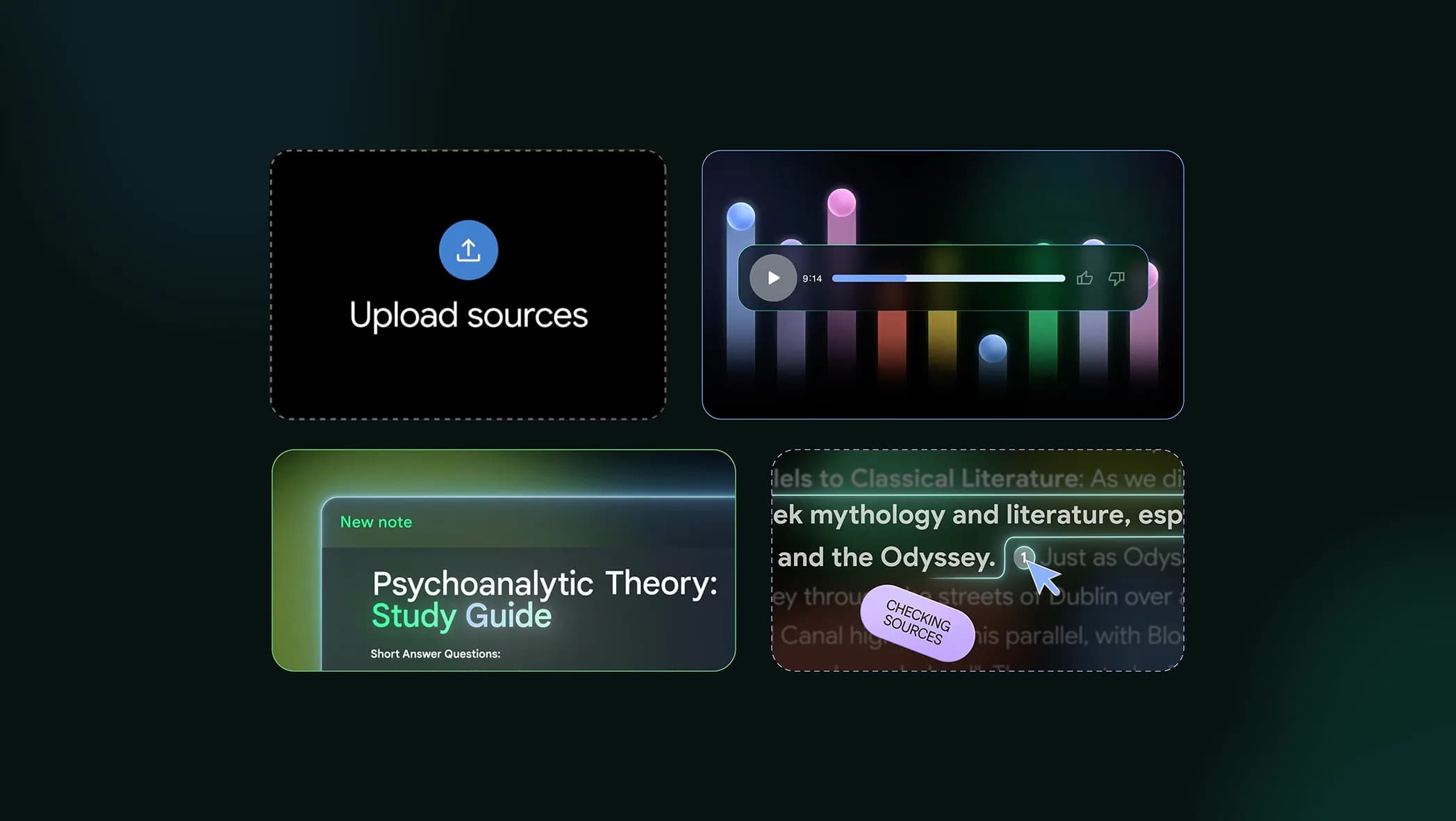
5. Jungle — Review Games Written by the Messiest Week
Traditional check-ins die in a creative classroom. Jungle lets my students turn this week’s confusion into next week’s game—each group submits a stumper question from our latest pivot, a mistake they want to own, or a “this should be a project!” wildcard. Jungle's AI collates, filters, and instantaneously builds group review games. Every time, the decks—and what we’re reviewing—are as unique as our learning path. This is review as community-building, not scoreboard.
Try Jungle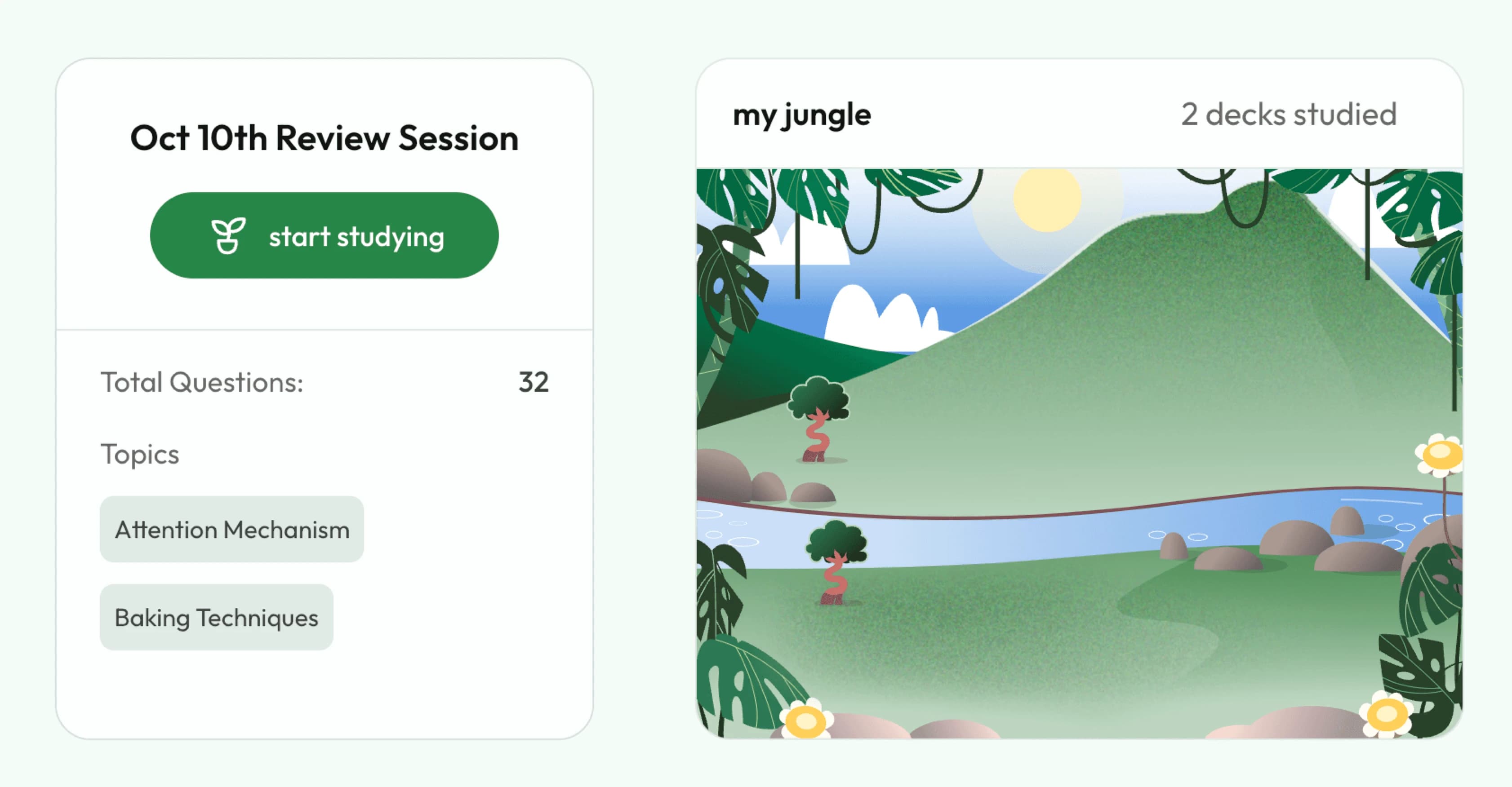
6. Suno AI — Ritual Songs for Every Creative Pivot
Creativity is exhilarating, but it needs ritual to stick. Suno is now our class reset: every project launch, closure, or “we survived the snow day” moment, students write a lyric or prompt (“Chant for changing our minds,” “Anthem for detour day,” “Mood swing remix”). Suno builds a quick, student-customized soundtrack—used for launches, transitions, or blitzes for group energy. This makes every spontaneous experiment feel significant—and the playlist we build becomes its own class artifact.
Try Suno AI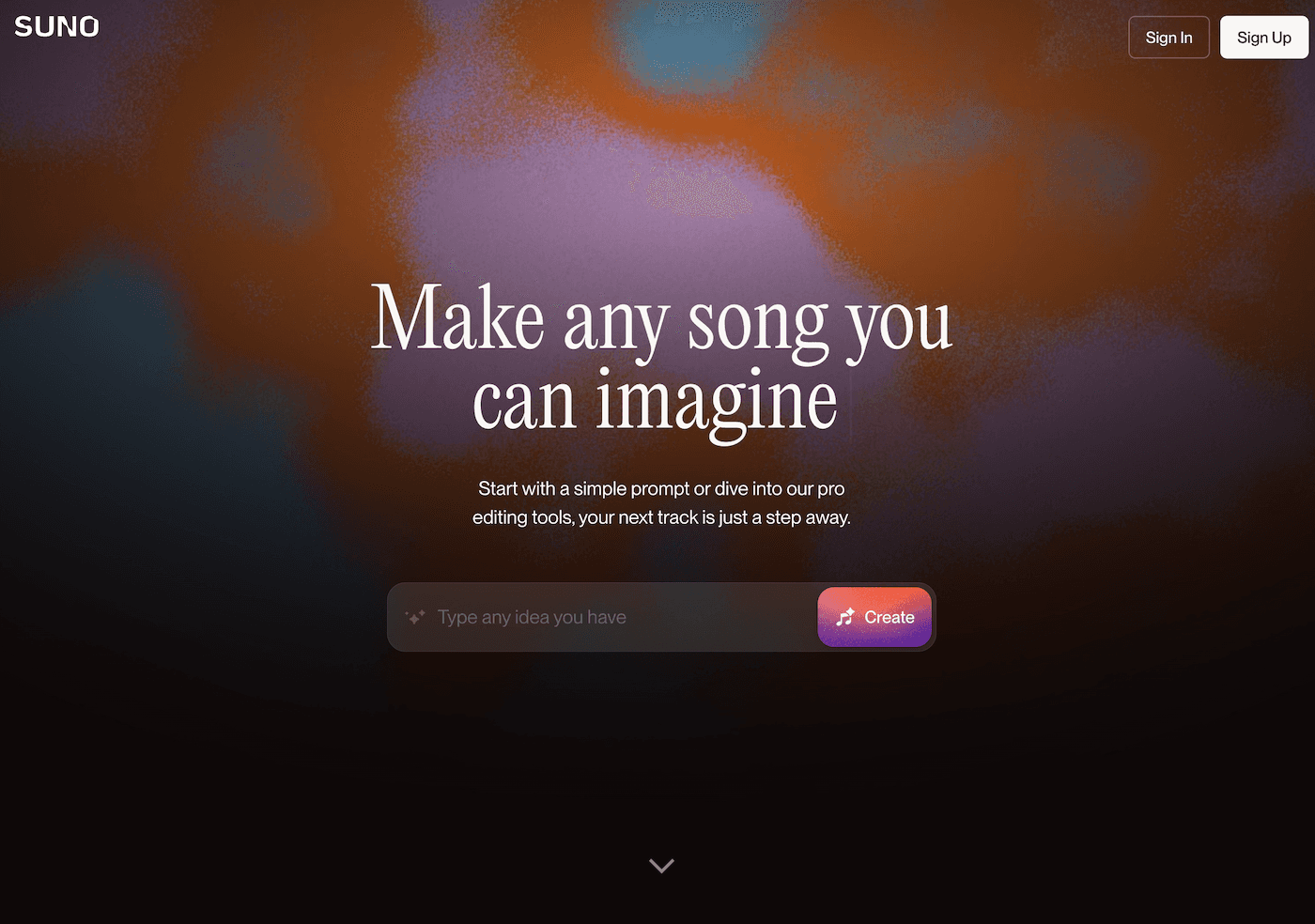
Honest Advice for Teachers Who Say Yes (a Lot)
- Always make your pivots visible. Gamma and Notebook LM mean nothing gets lost—even the weird stuff.
- Plan, but plan quickly (and in public): Kuraplan is strongest as a group-editable, evolving blueprint.
- Scaffold and empower, not just adapt: Diffit and Jungle put differentiation and check-ins in your students’ hands.
- Ritualize the ride. Tradition (Suno) isn’t just for order—it’s for memory, culture, and resilience when things go “beautifully sideways.”
- Forgive a little chaos. The best creative teaching is lived, not documented perfectly.
Are you a teacher with an off-the-cuff workflow, a playlist for learning detours, or a tool that lets student energy lead? Drop your story below—here’s to classrooms where improv isn’t a panic button, but the starting line for the next great idea.